
Chef Takumi
Hot Sake (熱燗, Atsukan)
Atsukan asks for no trick, only restraint: good junmai warmed in a tokkuri set in hot water until the rice fragrance opens, the alcohol softens, and the finish stays clean.

Updated June 3, 2026
The Japanese drinking table the way the country actually pours it: sake at every temperature with the reason for the heat attached, shochu served the four ways that matter, the Suntory highball as a teachable preparation, umeshu and yuzushu made at home, and the Okinawan awamori most mainland drinkers never meet. The bartender's precision used not for theater but to make each pour better than the last.
A cooking platform built around craft, culture, and the stories behind what we eat.
Chef Takumi
Atsukan asks for no trick, only restraint: good junmai warmed in a tokkuri set in hot water until the rice fragrance opens, the alcohol softens, and the finish stays clean.

Chef Takumi
Brandy umeshu asks for patience, not skill: firm green ume, slow-dissolving rock sugar, and 1.8 liters of brandy left alone until the fruit gives up its perfume.

Chef Takumi
Hot awamori asks for one small discipline: pour the hot water first, then the spirit. Do that, and the glass turns round, fragrant, and calmer than its strength suggests.
Chef Takumi
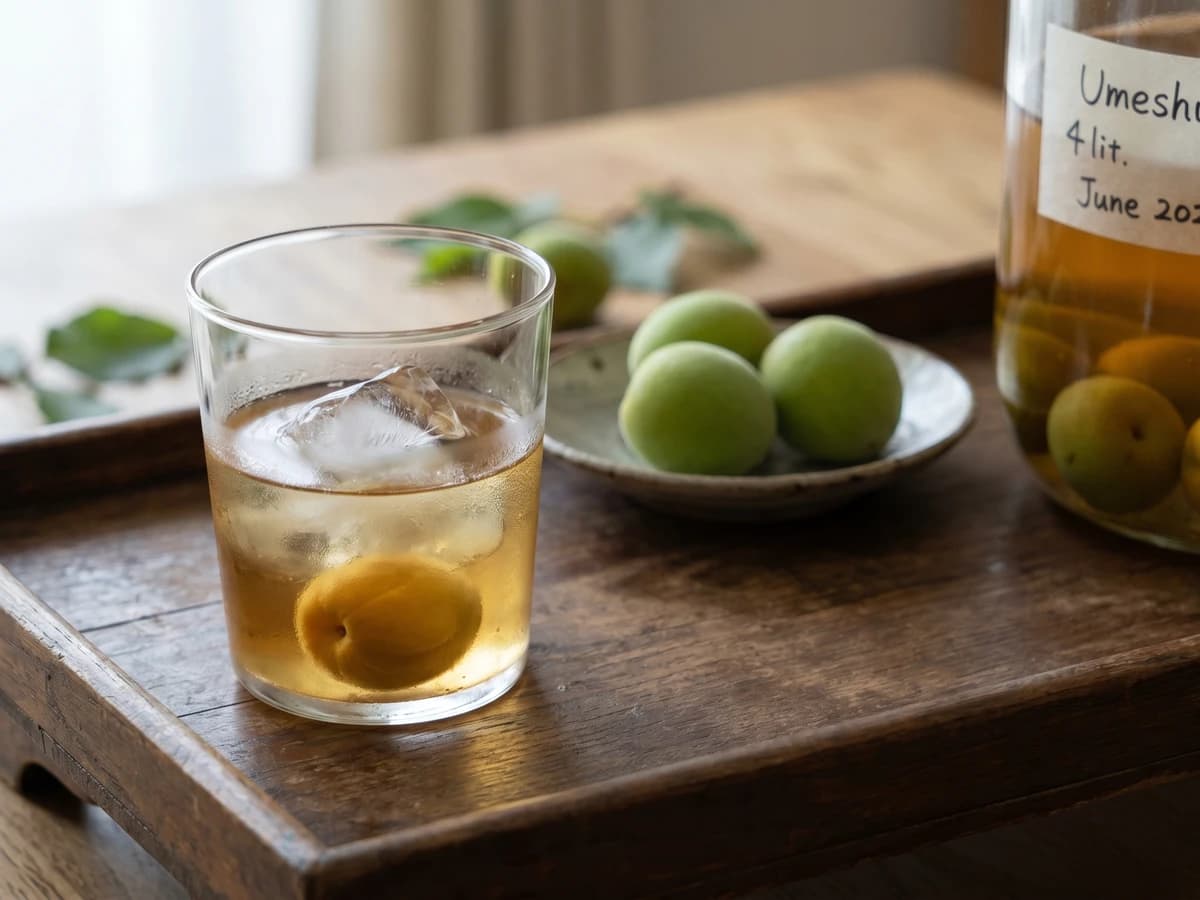
Green ume, rock sugar, white liquor, and patience. Umeshu asks for almost no technique, only clean fruit, a dry jar, and the good sense to let early June do its work.
Chef Takumi
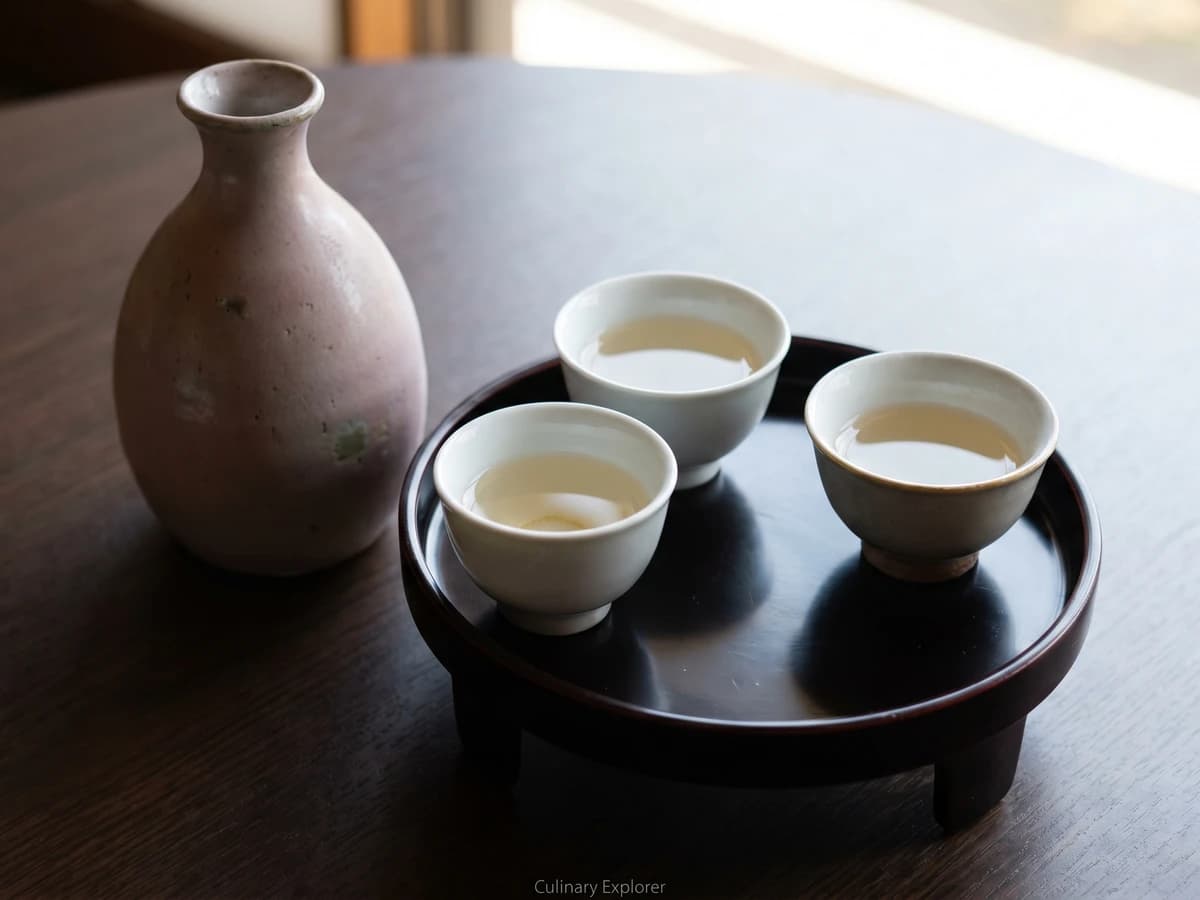
Nurukan is sake warmed only to body heat: not hot, not showy, just rounded rice sweetness and a soft aroma. Keep it near 40°C and the tokkuri does the work.

Chef Takumi
A winter cup of hot sake, one toasted fin, and a brief flame. Hire-zake looks dramatic, but the real work is patient toasting.
Chef Takumi
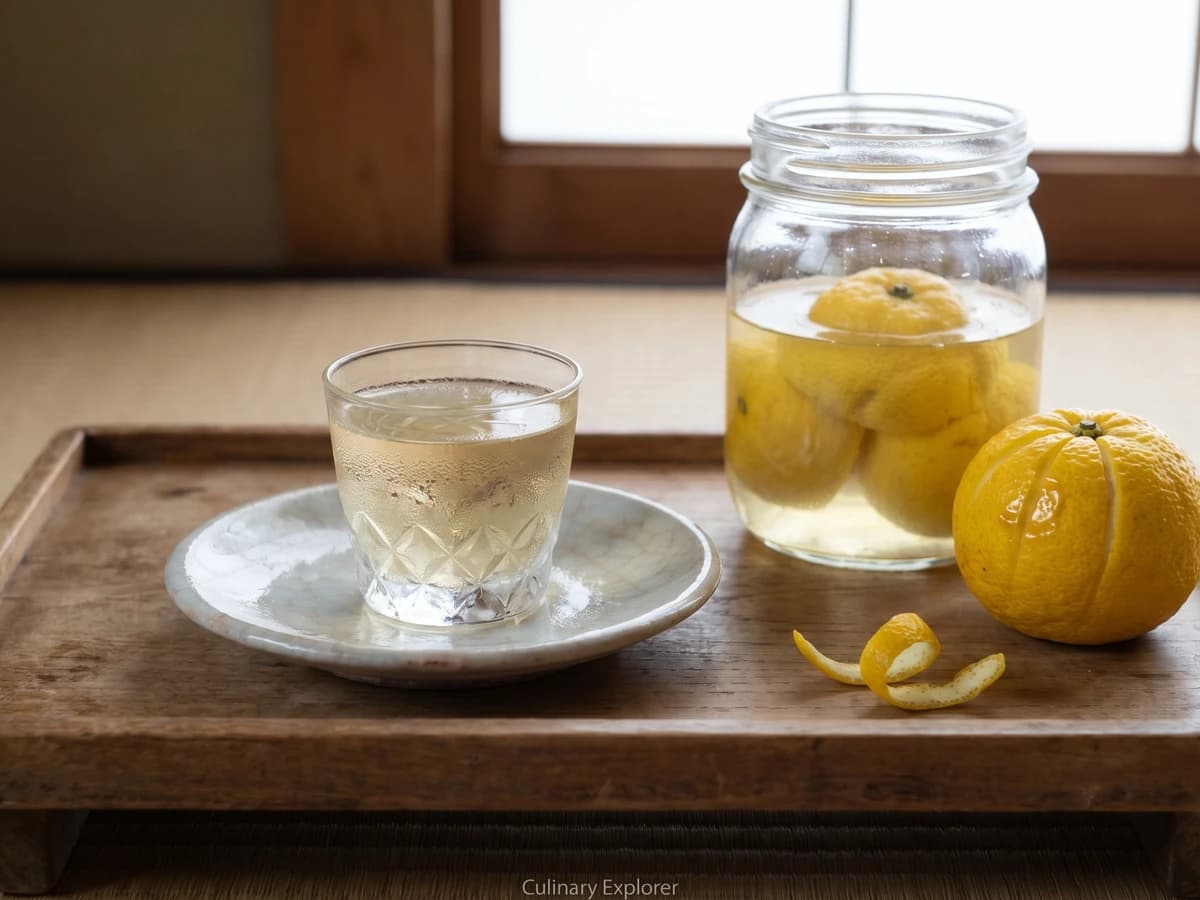
Yuzushu asks for almost no technique: winter yuzu at its prime, clean shochu, rock sugar, and patience. The peel does the perfuming, so keep it with the fruit.
Chef Takumi
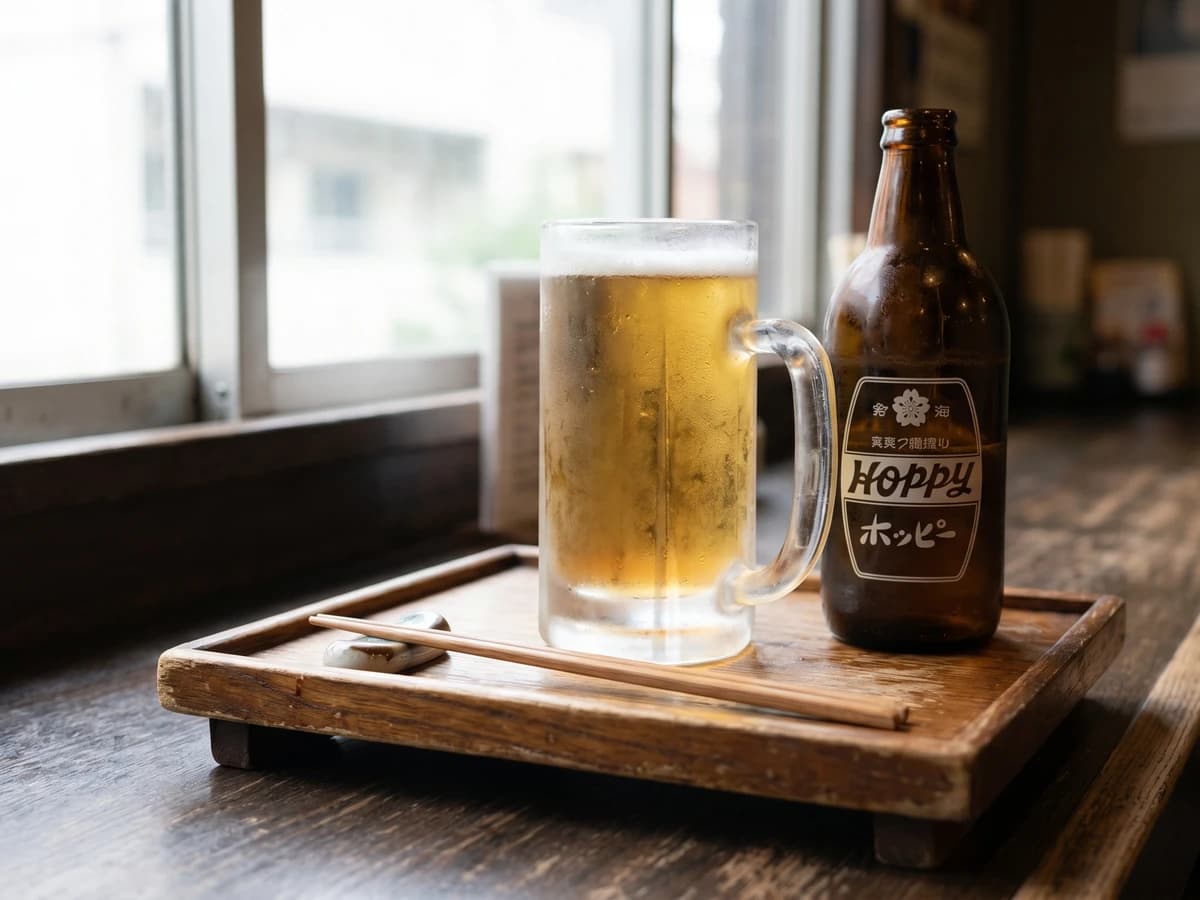
Hoppy is not a trick cocktail. It is a frozen mug, cold shochu, and one chilled bottle poured cleanly so the drink stays bright and dry.
Chef Takumi
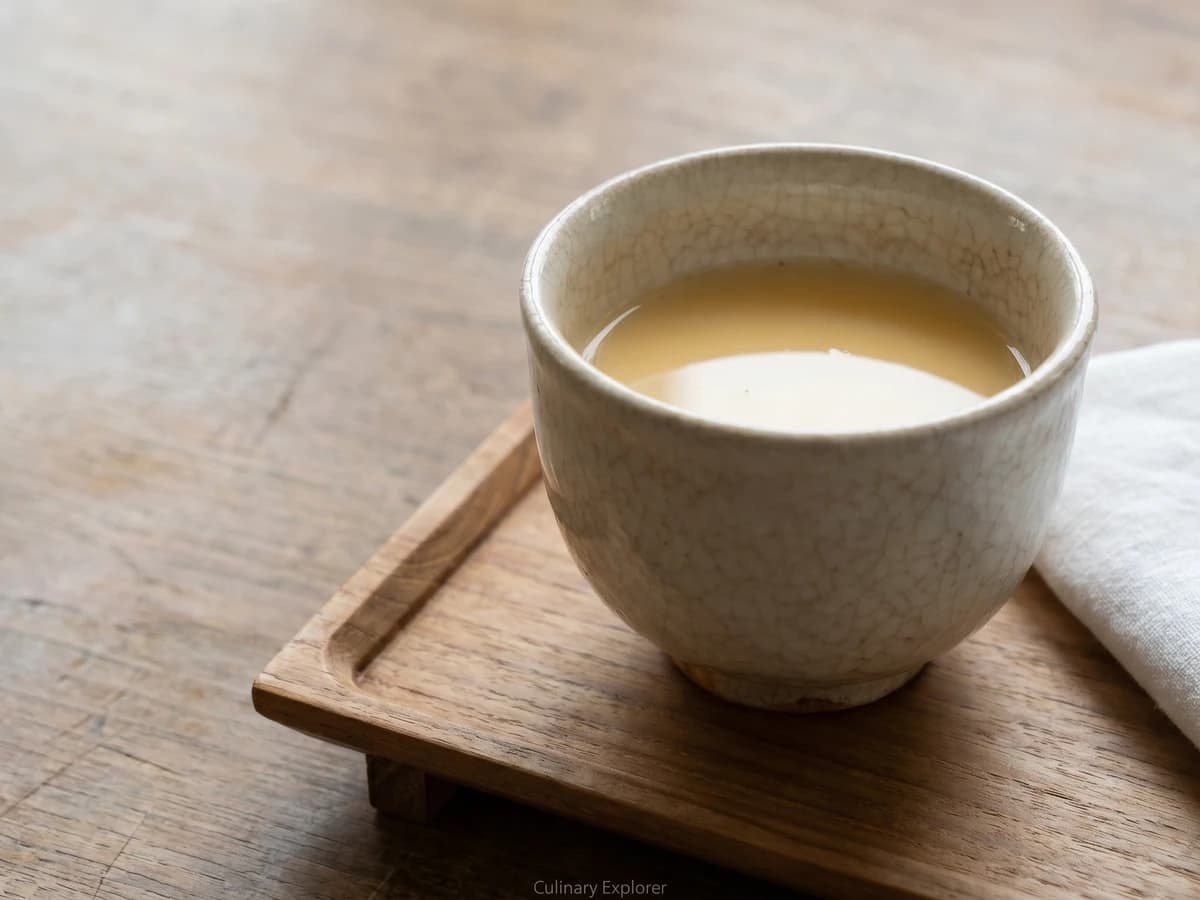
Tamago-zake is not medicine pretending to be cuisine. It is warm sake, egg yolk, and sugar, handled gently so the cup turns glossy and soft, never grainy.
Chef Takumi
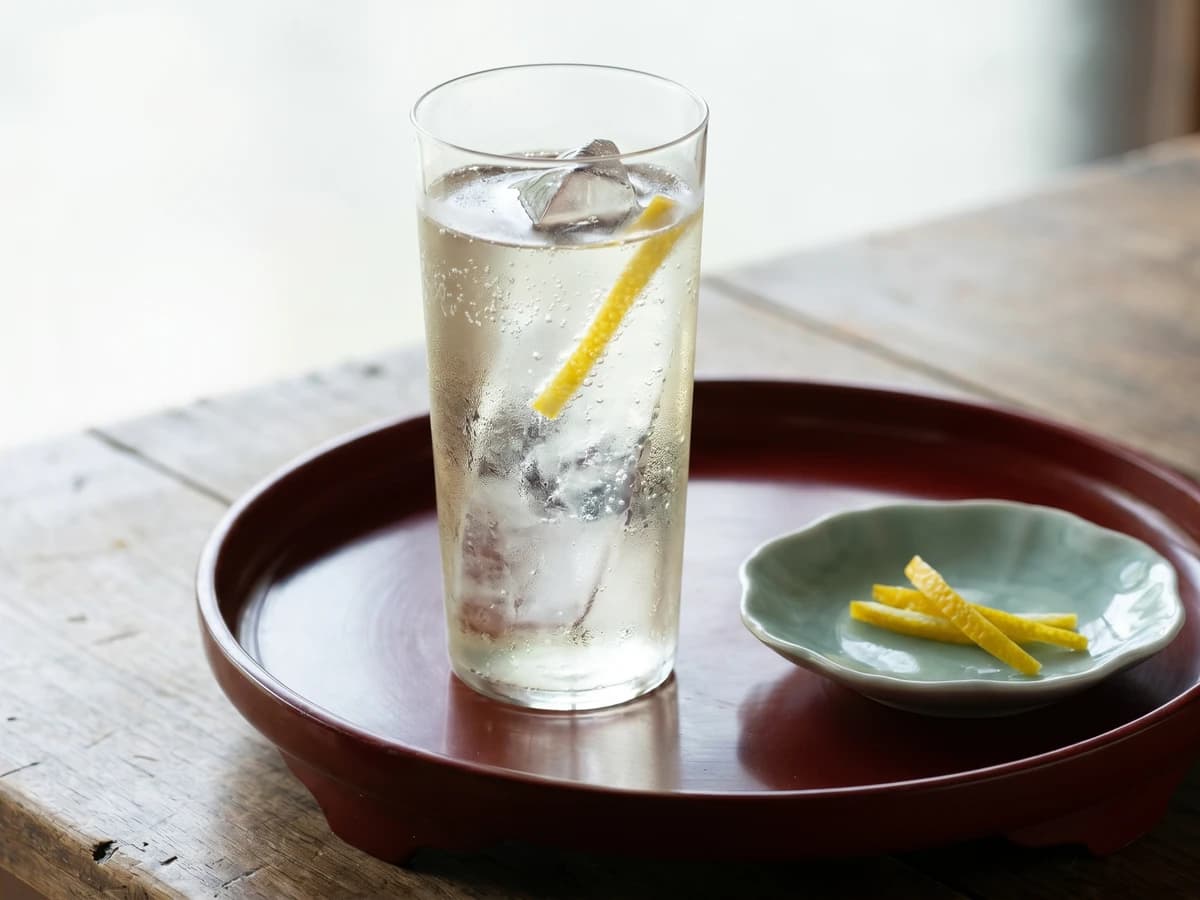
A sake highball is decided before you pour: cold junmai, cold soda, clear ice, and a light hand so the rice aroma stays alive.

Chef Takumi
Six Japanese botanicals, cold tonic, one large piece of ice, and a yuzu peel expressed over the rim. The whole drink depends on proportion and temperature.

Chef Takumi
The izakaya's other highball asks for almost nothing: good umeshu, cold soda, big ice, and a gentle three-to-seven pour that keeps the plum clear.

Chef Takumi
Shochu rock asks almost nothing of you: one large clear cube, a small glass, and a good honkaku shochu poured straight so time does the quiet work.

Chef Takumi
Awamori mizuwari is not a trick of the bar. It is three parts awamori, seven parts cold water, and enough patience to let the black-kōji aroma open.
Chef Takumi
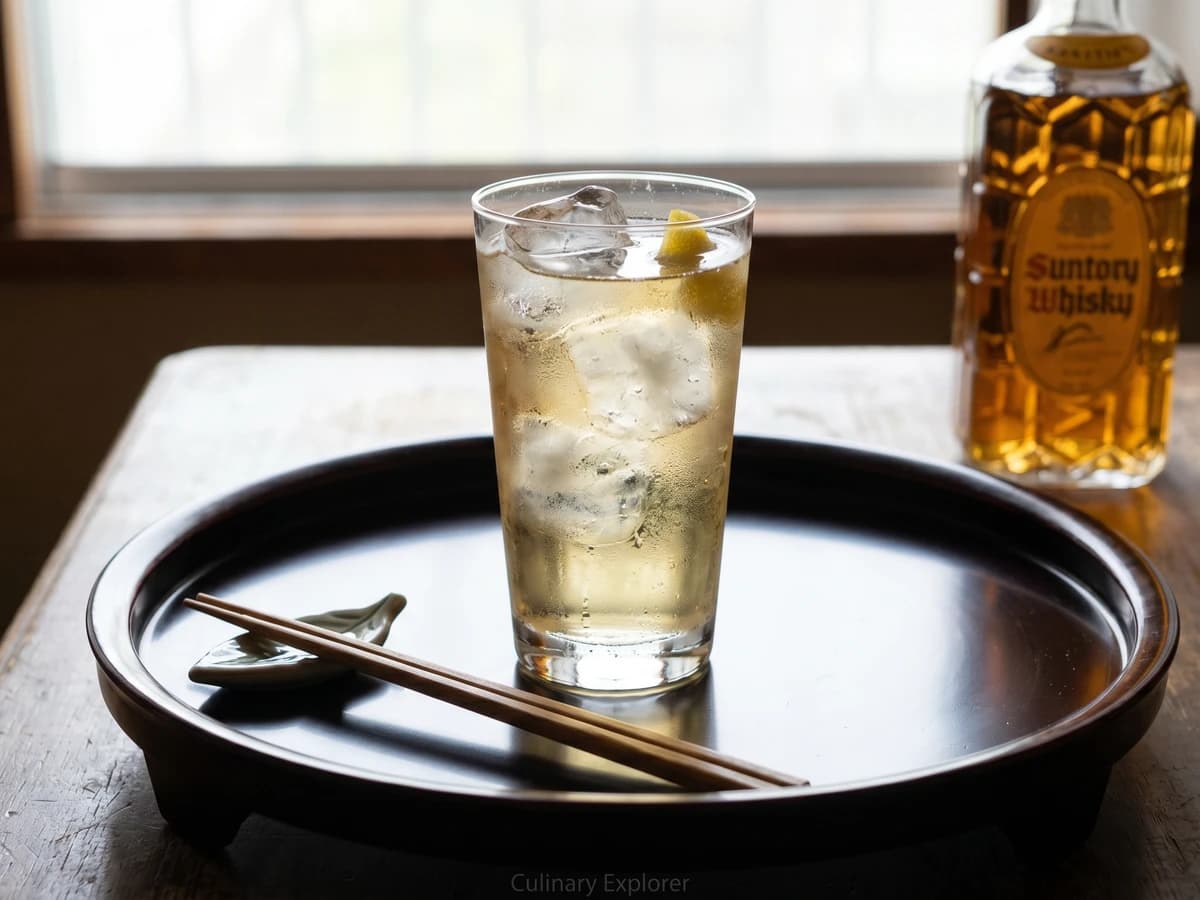
A Kaku highball is not a bartender's trick. Pack the glass with ice, keep every part cold, add one measured pour of whisky, and stir only enough.
Chef Takumi
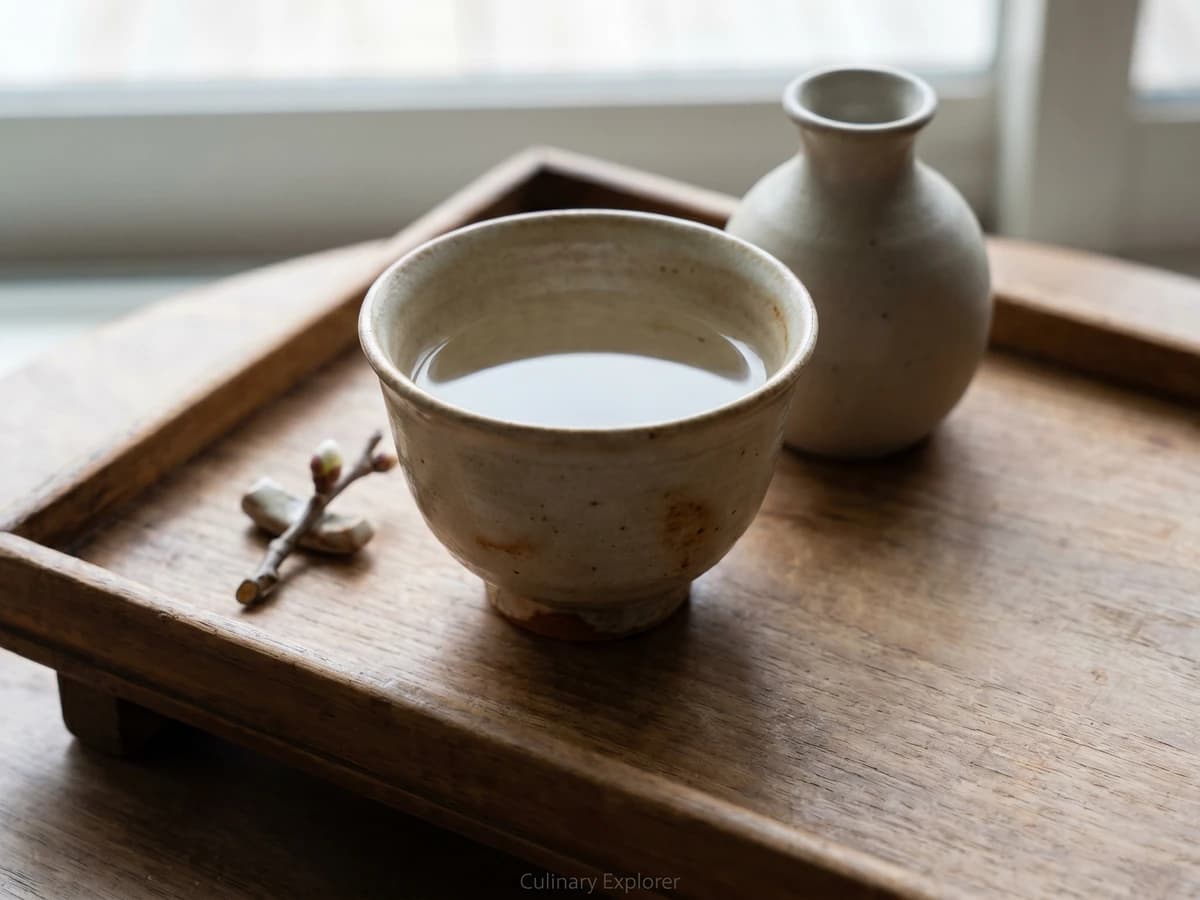
Hot water first, shochu second. That small order is the whole craft, warming the cup, softening the spirit, and letting imo-shochu open without roughness.
Chef Takumi
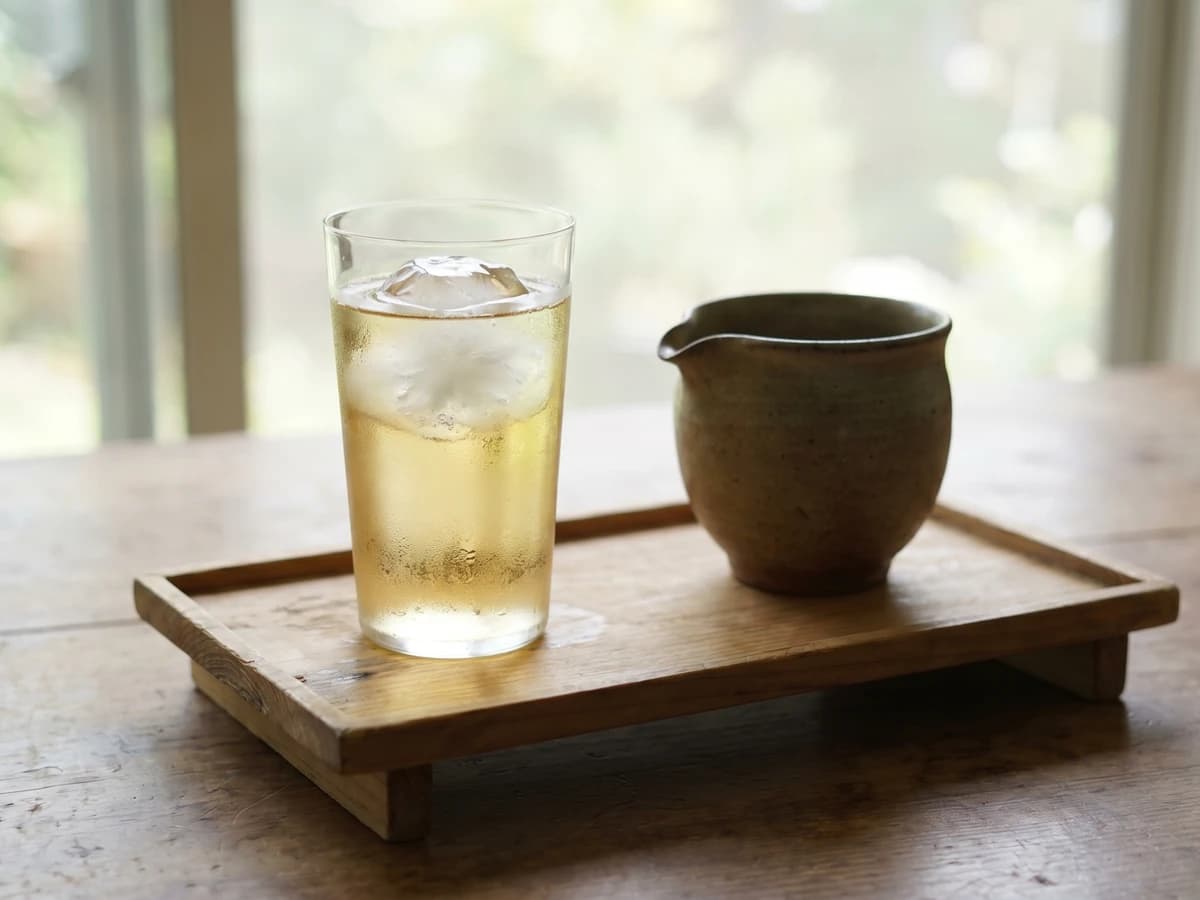
Mizuwari is not a weak drink. It is whisky opened with cold water, measured calmly, stirred only enough to chill, and served with one clear cube for a long meal.
Chef Takumi
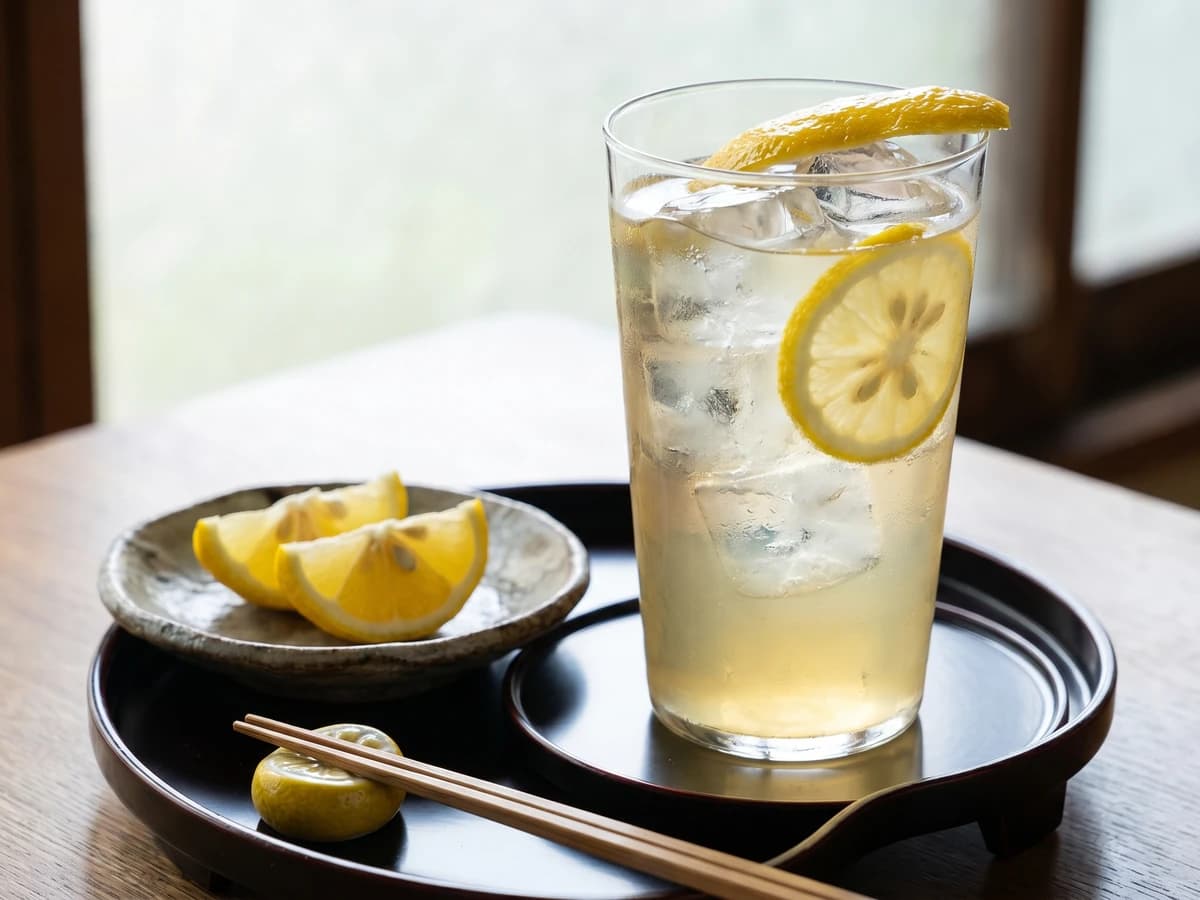
Whisky, soda, honey, and yuzu: a cold-weather highball that depends on ice, restraint, and one bright pinch of peel over the glass.

Chef Takumi
Chūhai is not a sweet can with a clever label. It is shōchū, ice, hard-cold soda, and one clean squeeze of citrus, built for grilled food and easy company.

Chef Takumi
A lemon sour is not a cocktail trick. Good shochu, cold soda, hard ice, and a fresh lemon squeezed at the end make the whole drink clean and sharp.

Chef Takumi
Hot umeshu asks for one decision: three parts plum liqueur to seven parts water, warm enough to open the aroma, never so hot that the alcohol turns sharp.
Culinary guides, cultural storytelling, and the editorial depth that makes cooking meaningful.
Discover Culinary ExplorerChef Takumi is a fictional culinary guide to Japanese Washoku Cuisine, written with the assistance of AI.