
Chef Takumi
Awamori Mizuwari (泡盛水割り, awamori with water)
Awamori mizuwari is not a trick of the bar. It is three parts awamori, seven parts cold water, and enough patience to let the black-kōji aroma open.
A cooking platform built around craft, culture, and the stories behind what we eat.
Created by
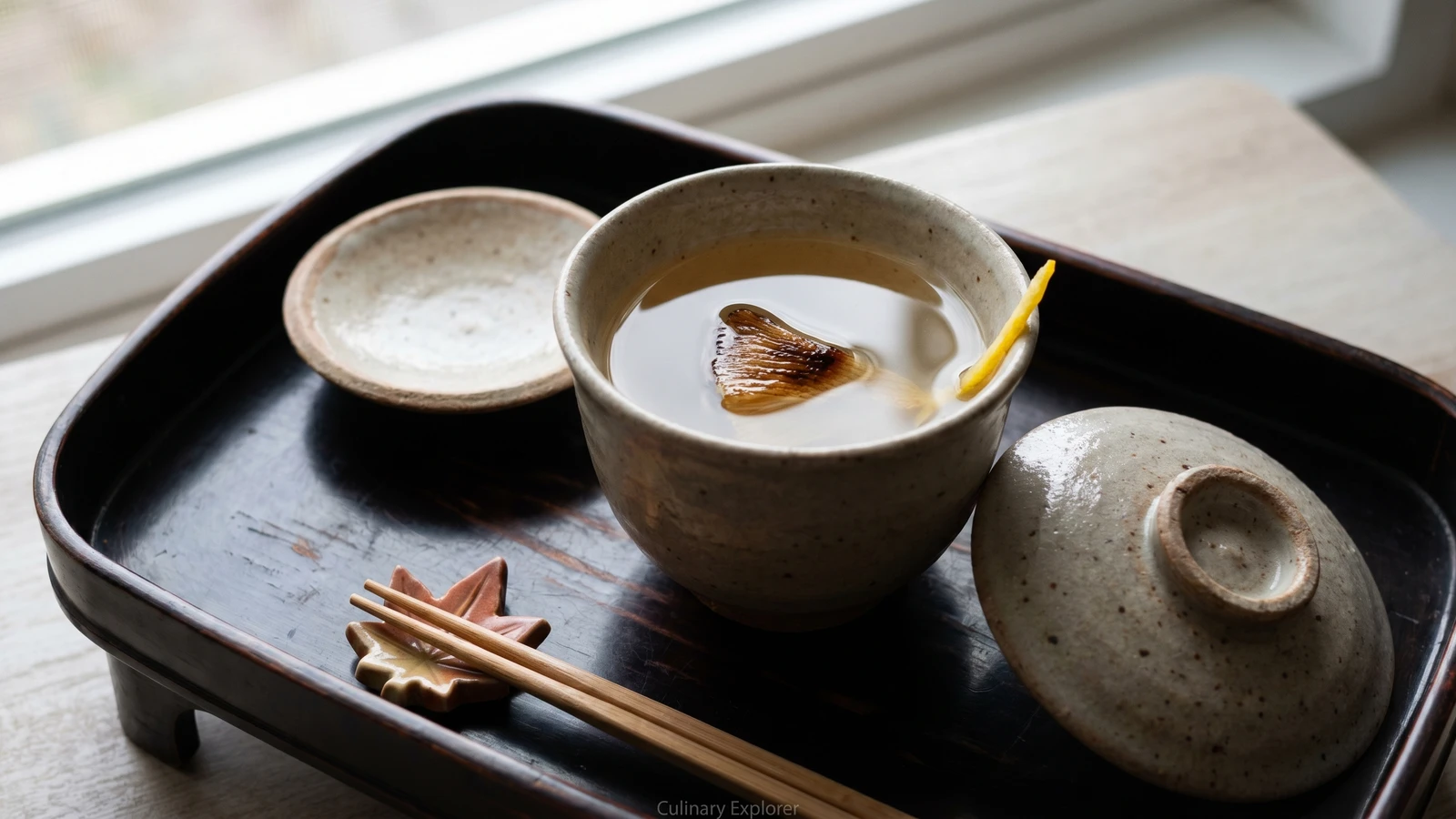
A winter cup of hot sake, one toasted fin, and a brief flame. Hire-zake looks dramatic, but the real work is patient toasting.
Hire-zake has a fearsome little reputation, mostly because the fin comes from fugu. That makes people stiffen their shoulders. Don't. You are not preparing the fish, and you should not try to. Buy dried fugu fins from a licensed seller, already cleaned and dried for this purpose, and the hard part has been handled by the people who are meant to handle it.
The first secret is the toast. A pale fin gives you almost nothing. A scorched one tastes bitter and rude, which is a small crime in a cup this simple. Toast it slowly until the edges curl, the surface freckles brown, and the smell turns nutty and marine. That dry heat wakes the oils and gives the sake its smoke.
Then the sake must be hot, but not boiled into harshness. Warm it until it feels almost too hot to sip, steep the fin under a lid, and briefly light the surface if the sake is strong enough to catch. The flame is not theatre, though people do wave it around as if it were. It softens the alcohol edge and leaves the cup drier, rounder, and easier to drink.
This is winter drinking, the kind we keep for cold evenings and quiet tables. One cup, one fin, nothing hidden. Use honmono fugu fin when you can; tai, sea bream, is a sensible stand-in, but say plainly what it is.
Hire-zake is most closely associated with fugu cookery in western Japan, especially the restaurant traditions of Osaka and Shimonoseki, where licensed preparation made the fish a controlled winter specialty. The drink developed as a way to use dried fins that were toasted and steeped in hot sake, turning a secondary part of the fish into a fragrant cup. In many shops it is served capped with a lid, then briefly flamed at the table before drinking.
Quantity
2
commercially prepared by a licensed supplier
Quantity
360ml
Quantity
2 thin strips
| Ingredient | Quantity |
|---|---|
| dried fugu finscommercially prepared by a licensed supplier | 2 |
| dry sake | 360ml |
| yuzu peel (optional) | 2 thin strips |
Use only dried fugu fins sold for hire-zake by a licensed supplier. Do not cut fins from fresh fugu yourself. The safety of fugu belongs to trained, licensed handlers, and a home kitchen is not the place to prove courage.
Hold each fin over a low gas flame with tongs, or set it under a broiler, turning often. Toast until it curls slightly, browns in patches, and smells nutty and smoky, 2 to 4 minutes. This browning is the flavor of the drink. Pale fins taste thin, and blackened fins turn bitter.
Warm the sake in a small pot or tokkuri set in hot water until it reaches about 75 to 80 C. It should be hotter than usual drinking sake because the fin needs heat to steep, but don't boil it hard. Boiling drives off aroma and leaves the cup sharp.
Put one toasted fin into each heatproof cup and pour over the hot sake. Cover at once with a lid or small saucer and steep for 2 minutes. The lid traps the aroma where you want it, in the cup, not wandering around the room looking important.
Lift the lid slightly and touch a long match to the surface. Let the alcohol burn for a few seconds, then cover to extinguish it. If it doesn't catch, don't chase it. The sake may be too cool or too low in alcohol, and the drink will still be good. Add a thin strip of yuzu peel if you like, then sip slowly.
1 serving (about 180g)
Culinary guides, cultural storytelling, and the editorial depth that makes cooking meaningful.
Discover Culinary ExplorerChef Takumi
Awamori mizuwari is not a trick of the bar. It is three parts awamori, seven parts cold water, and enough patience to let the black-kōji aroma open.

Chef Takumi
Hot awamori asks for one small discipline: pour the hot water first, then the spirit. Do that, and the glass turns round, fragrant, and calmer than its strength suggests.

Chef Takumi
Bancha is the honest daily cup: late-season leaves, hot water, a short steep, and a clean amber-green liquor that asks for no ceremony to be good.

Chef Takumi
Whole black soybeans, roasted until their skins split, make a clear amber tea with a roasted sweetness and no caffeine. Drink it plain, then eat the softened beans while they still hold their warmth.