
Chef Takumi
Awamori Oyuwari (泡盛のお湯割り, hot awamori)
Hot awamori asks for one small discipline: pour the hot water first, then the spirit. Do that, and the glass turns round, fragrant, and calmer than its strength suggests.
A cooking platform built around craft, culture, and the stories behind what we eat.
Created by
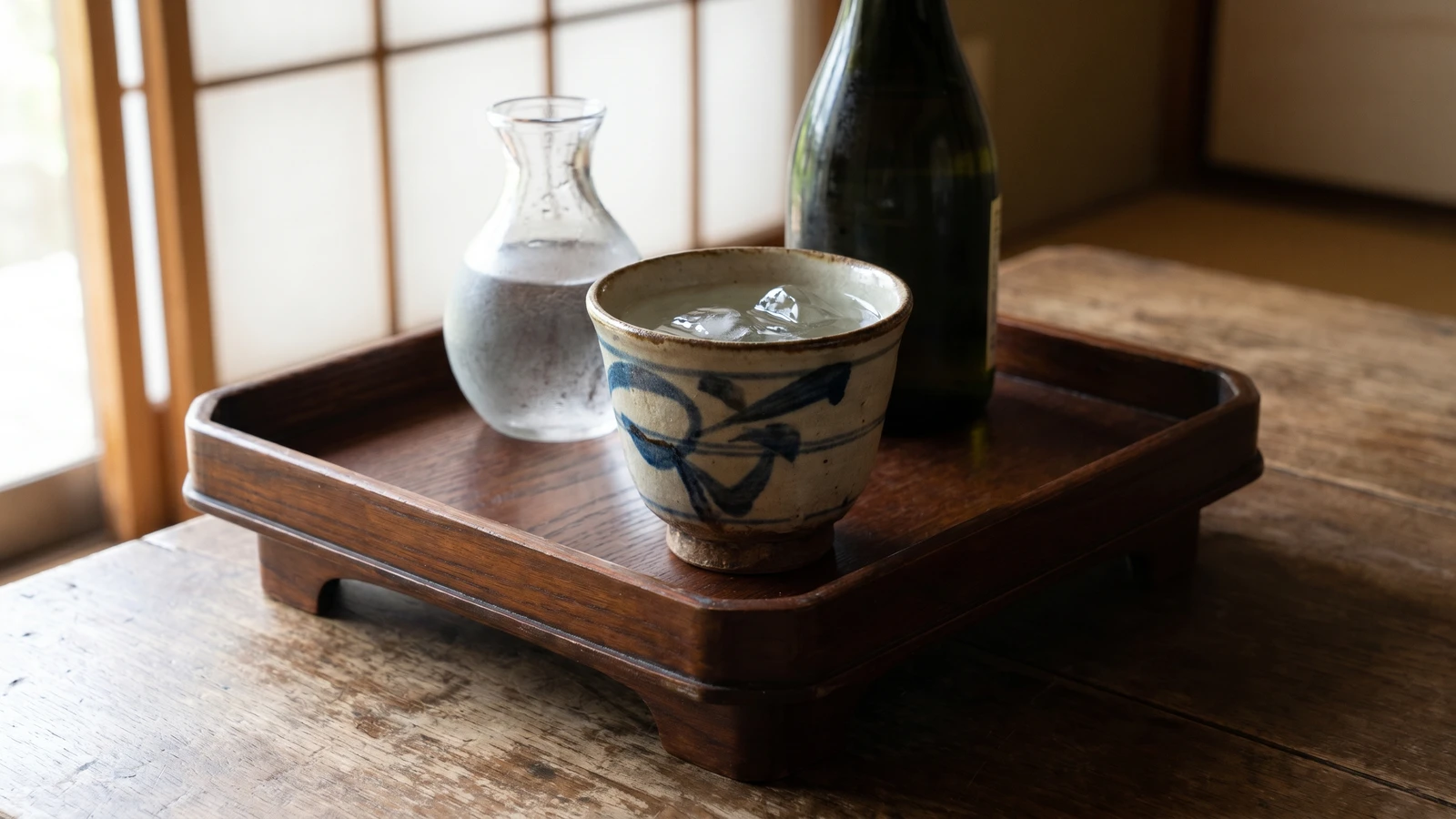
Awamori mizuwari is not a trick of the bar. It is three parts awamori, seven parts cold water, and enough patience to let the black-kōji aroma open.
Awamori can frighten people a little. It smells deep, earthy, and old-fashioned in the glass, the sort of spirit people think they must either conquer or pretend to understand. Mizuwari makes no such demand. We cut it with cold water, and the drink becomes clear in its intention: cool, fragrant, and made for Okinawan heat.
The one detail that decides it is the order. Pour the awamori first, then the cold water, and stir gently. Water doesn't merely weaken the spirit. It opens the black-kōji aroma and softens the edge of the alcohol, so the rice sweetness and mineral depth can show without shouting across the table. A hard stir bruises nothing, of course, but it makes the drink taste nervous. Even a glass has manners.
The everyday measure is san-nana, three to seven: three parts awamori to seven parts water. Stronger pours exist, and old drinkers have their loyalties, as old drinkers are required to have. Start here. With grilled fish, rafute, sea grapes, or a plate of salted island vegetables, this is the quiet companion, not the performance. Honmono, and no more complicated than that.
Awamori developed in the Ryukyu Kingdom, with production tied to Okinawa's maritime trade with Southeast Asia by the fifteenth century. Unlike most Japanese shōchū, it is made from long-grain indica rice and black kōji, a mold especially suited to Okinawa's warm climate because its acidity protects the mash. Aged awamori, called kūsu, became a prized household and ceremonial drink, sometimes kept for generations.
Quantity
45ml
Quantity
105ml
Quantity
as needed
| Ingredient | Quantity |
|---|---|
| awamori | 45ml |
| cold filtered water | 105ml |
| ice cubes (optional) | as needed |
Set a small tumbler in the refrigerator for a few minutes, or fill it briefly with ice water and empty it. Cold glass keeps the mizuwari crisp without asking the drink to carry too much ice.
Measure 45ml awamori into the glass. Taste the spirit once if it's new to you. A good one smells of steamed rice, earth, and black kōji, with nothing harsh or solvent-like hiding underneath.
Add 105ml cold filtered water, aiming for the Okinawan everyday balance of three parts awamori to seven parts water. The water lowers the alcohol enough for the aroma to spread, which is the point of mizuwari, not a timid apology for the spirit.
Stir five or six slow turns with a bar spoon or chopstick, then stop. You want the drink mixed and cold, not beaten flat. If using ice, add two or three cubes after stirring so the first dilution stays under your hand.
Serve the mizuwari while the glass is cold and the aroma is open. It should taste light but not empty, with the awamori still speaking clearly through the water.
1 serving (about 150g)
Culinary guides, cultural storytelling, and the editorial depth that makes cooking meaningful.
Discover Culinary ExplorerChef Takumi
Hot awamori asks for one small discipline: pour the hot water first, then the spirit. Do that, and the glass turns round, fragrant, and calmer than its strength suggests.

Chef Takumi
Bancha is the honest daily cup: late-season leaves, hot water, a short steep, and a clean amber-green liquor that asks for no ceremony to be good.

Chef Takumi
Whole black soybeans, roasted until their skins split, make a clear amber tea with a roasted sweetness and no caffeine. Drink it plain, then eat the softened beans while they still hold their warmth.

Chef Takumi
Brandy umeshu asks for patience, not skill: firm green ume, slow-dissolving rock sugar, and 1.8 liters of brandy left alone until the fruit gives up its perfume.