
Chef Takumi
Awamori Mizuwari (泡盛水割り, awamori with water)
Awamori mizuwari is not a trick of the bar. It is three parts awamori, seven parts cold water, and enough patience to let the black-kōji aroma open.
A cooking platform built around craft, culture, and the stories behind what we eat.
Created by
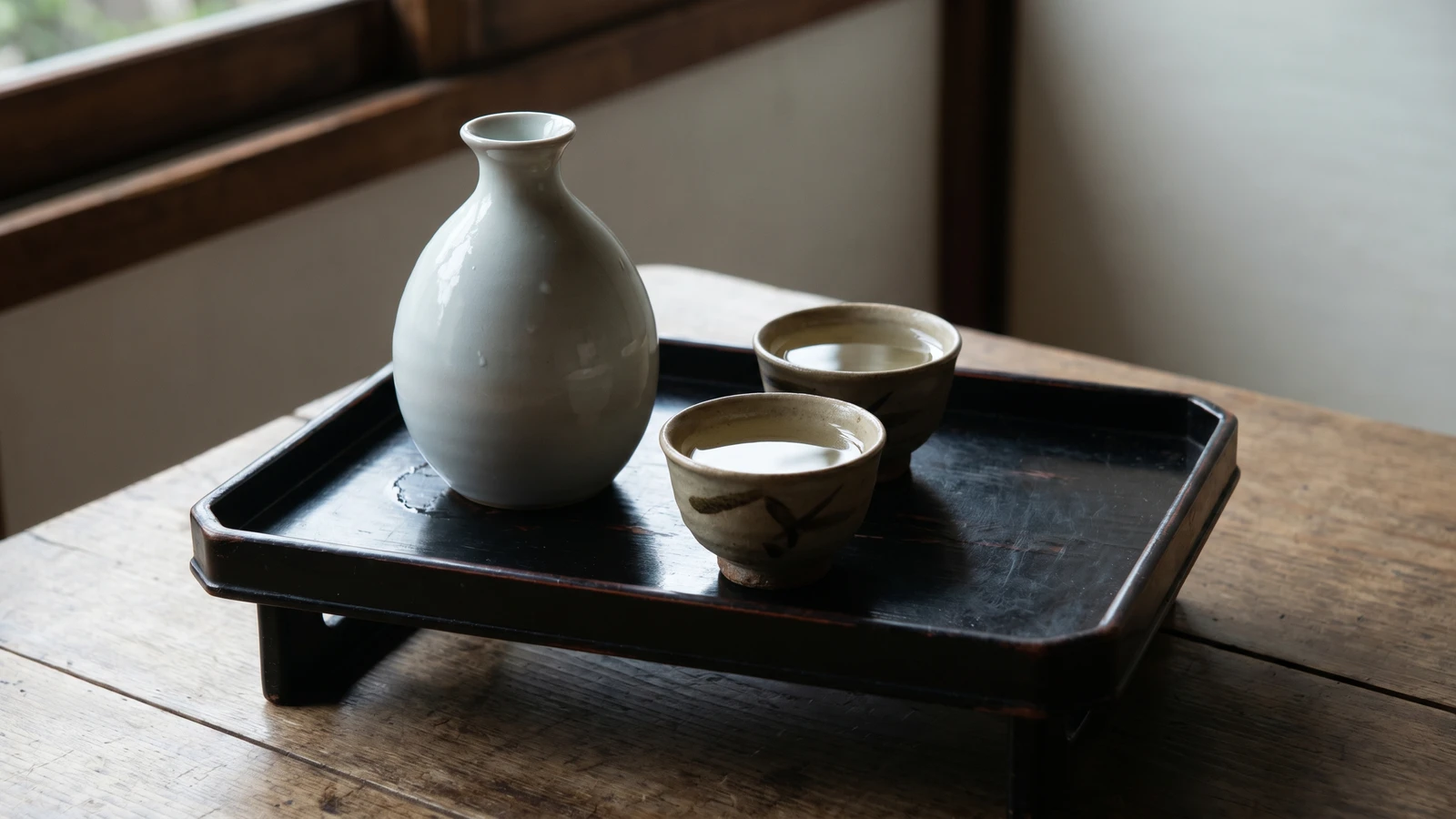
Atsukan asks for no trick, only restraint: good junmai warmed in a tokkuri set in hot water until the rice fragrance opens, the alcohol softens, and the finish stays clean.
Cold weather changes sake, and sake changes back. A junmai that feels firm at room temperature can round out at 50°C, the rice fragrance stepping forward and the finish cleaning itself up. Atsukan is not a way to punish sake, nor a disguise for a tired bottle. Nothing hidden. Start with a bottle you'd happily drink cool, just one with the body for warmth.
The detail that decides it is how you warm it. Set the tokkuri in hot water and let the heat move through the ceramic gently; the sake rises evenly, without harsh hot spots. A microwave hurries the outside and leaves the middle confused, which is about as useful as scolding a teacup. Boil sake and you drive off aroma and sharpen the alcohol. Around 50°C is hot enough to open junmai and still kind to it.
In a winter meal, especially near New Year, atsukan sits naturally beside nabe, oden, grilled fish, or a few pickles. The vessel matters too: tokkuri for warming, small ochoko for drinking, and no large pour that goes lukewarm while you admire your own restraint. Warm it, pour a little, drink it while it is alive. This is honmono made reachable: a bottle, a water bath, and a thermometer until your hand learns the temperature.
Kanzake, warmed sake, was known by the Heian period (794-1185) and became far more common in the Edo period, when urban sake sellers and taverns served it through the cold months. The modern temperature vocabulary separates several degrees of kan: nurukan around 40°C, jōkan around 45°C, atsukan around 50°C, and tobikirikan around 55°C. That ladder matters because warming is not a single state; each rise changes aroma, sweetness, acidity, and the edge of the alcohol.
Quantity
180ml (1 gō)
room temperature or lightly chilled
Quantity
enough to come halfway to two-thirds up the tokkuri
for the warming bath
| Ingredient | Quantity |
|---|---|
| junmai sake suited for warmingroom temperature or lightly chilled | 180ml (1 gō) |
| hot waterfor the warming bath | enough to come halfway to two-thirds up the tokkuri |
Choose junmai or honjōzō with some acidity and rice body. Avoid highly perfumed ginjō or daiginjō unless the brewer says it is good warmed, because heat can blur the delicate aroma you paid for. Do not use a bottle you dislike. Warmth makes flavor more audible; it does not make a tired sake honest.
Fill the empty tokkuri and ochoko with hot water for a minute, then empty them. Warm ceramic steals less heat from the sake, so the bottle warms more evenly and the cups do not flatten the first pour. Dry the outside of the tokkuri so it does not drip into the bath.
Fill a small saucepan with enough water to come halfway to two-thirds up the filled tokkuri. Heat the water to about 80°C, or until small bubbles gather on the bottom and the surface is lively, then turn off the heat. The bath must be hotter than the sake's target so it can warm the ceramic, but the sake itself should never boil.
Pour the sake into the tokkuri and set it upright in the hot water. The water should rise close to the sake line, not over the mouth. After two minutes, lift the flask, swirl it gently once, and check the sake with a thermometer. Pull it at 48-50°C; a thick ceramic tokkuri will carry it the last breath upward.
Wipe the tokkuri dry, pour a little sake into each ochoko, and serve at once. Small pours are the way we keep the temperature honest: the sake is enjoyed while round and fragrant, then the cup is filled again. If you need more, warm another tokkuri rather than holding a large batch hot.
1 serving (about 90g)
Culinary guides, cultural storytelling, and the editorial depth that makes cooking meaningful.
Discover Culinary ExplorerChef Takumi
Awamori mizuwari is not a trick of the bar. It is three parts awamori, seven parts cold water, and enough patience to let the black-kōji aroma open.

Chef Takumi
Hot awamori asks for one small discipline: pour the hot water first, then the spirit. Do that, and the glass turns round, fragrant, and calmer than its strength suggests.

Chef Takumi
Bancha is the honest daily cup: late-season leaves, hot water, a short steep, and a clean amber-green liquor that asks for no ceremony to be good.

Chef Takumi
Whole black soybeans, roasted until their skins split, make a clear amber tea with a roasted sweetness and no caffeine. Drink it plain, then eat the softened beans while they still hold their warmth.