
Chef Takumi
Awamori Mizuwari (泡盛水割り, awamori with water)
Awamori mizuwari is not a trick of the bar. It is three parts awamori, seven parts cold water, and enough patience to let the black-kōji aroma open.
A cooking platform built around craft, culture, and the stories behind what we eat.
Created by
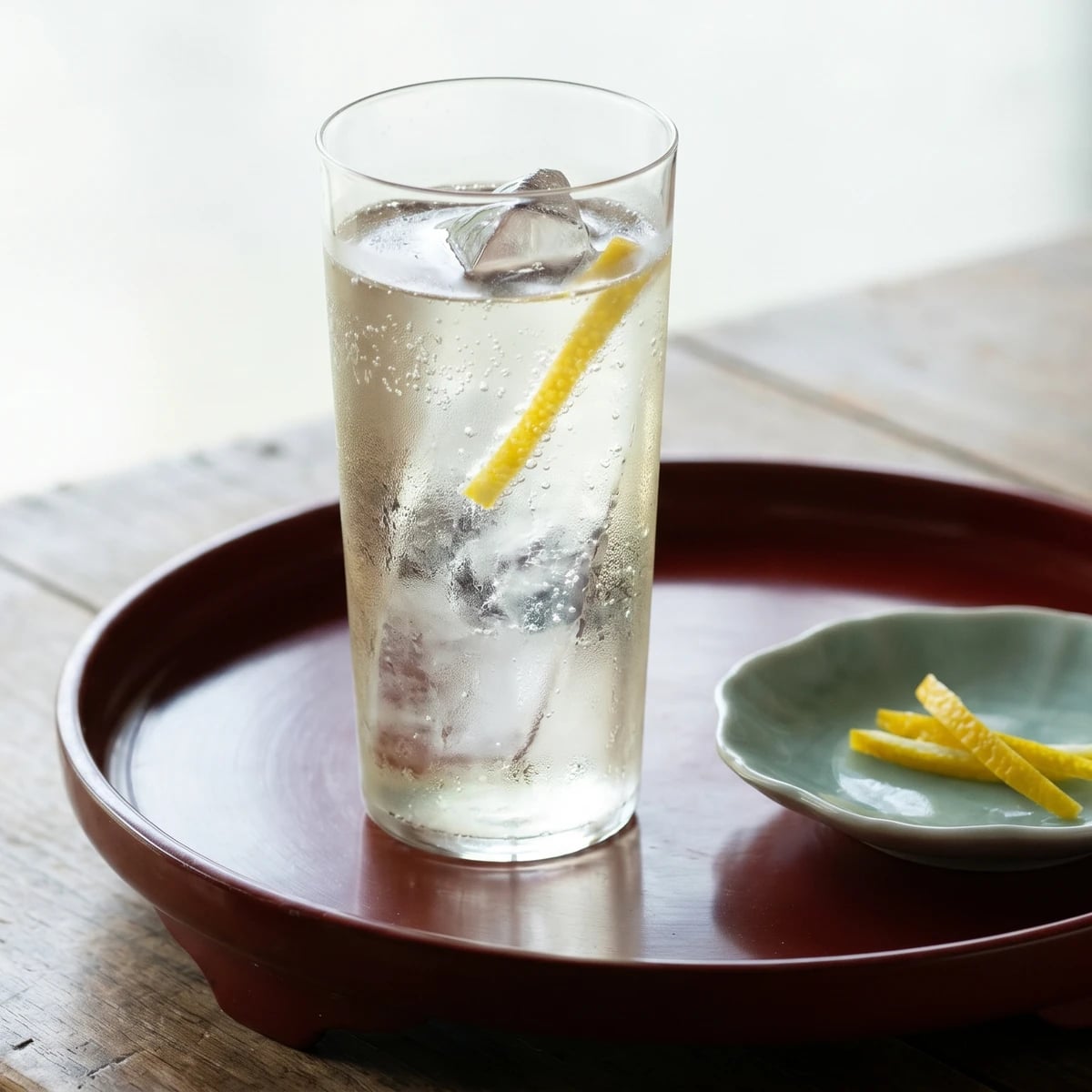
A sake highball is decided before you pour: cold junmai, cold soda, clear ice, and a light hand so the rice aroma stays alive.
The hesitation here is the word cocktail. It sounds as if the sake needs managing, sweetening, or dressing up for company. It doesn't. Nihonshu, what we call sake at the table, only needs cold soda, good ice, and a strip of citrus peel to show a lighter face.
The one detail that decides it is temperature. Chill the glass, chill the sake, chill the soda, and build the drink over one large piece of ice. Cold keeps the bubbles fine and the flavor clean. Warm soda goes flat at once, and small ice melts quickly, thinning the sake before it has had a fair chance to speak.
Use a dry junmai, not the proudest bottle in the cupboard and not the cheapest one hiding at the back, poor thing. Junmai has enough rice body to stay present when lengthened with soda, while a fragrant ginjō can lose its perfume under the bubbles. We pour gently, stir once, and stop. Nothing hidden. A Nihonshu Highball belongs easily beside grilled fish, vinegared vegetables, and the first hot evenings when beer feels loud and wine feels heavy.
The highball became a familiar Japanese bar drink in the twentieth century, especially through whisky highballs served in urban bars and later izakaya. Sake mixed with soda is a modern extension of the same mizuwari and sodawari drinking habits, using dilution not to disguise the drink but to make it lighter with food. In Japan it is often promoted as a way to serve nihonshu chilled and sparkling to younger drinkers and at warm-weather meals.
Quantity
3 ounces
well chilled
Quantity
3 ounces
well chilled
Quantity
1
Quantity
1 strip
cut without the bitter white pith
Quantity
1 strip
| Ingredient | Quantity |
|---|---|
| dry junmai sakewell chilled | 3 ounces |
| plain soda waterwell chilled | 3 ounces |
| large clear ice cube or ice spear | 1 |
| yuzu peelcut without the bitter white pith | 1 strip |
| lemon peel (optional) | 1 strip |
Put the glass, sake, and soda water in the refrigerator until they are properly cold. This isn't fussiness. Cold liquid holds its bubbles longer, and a cold glass keeps the first sip sharp instead of tired.
Place one large clear cube or ice spear in the chilled glass. Big ice melts slowly and gives the drink a quiet pace. Small ice chills fast, yes, but it also waters the sake before the bubbles have settled.
Add the chilled junmai sake over the ice. Use a dry, clean bottle with enough rice flavor to stand up to soda. A very aromatic ginjō is better saved for a wine glass, where its fragrance doesn't have to compete.
Pour the cold soda gently down the side of the glass or along a bar spoon. You are preserving bubbles, not making a ceremony of pouring water. Stop at equal parts sake and soda for a balanced drink, or use a little more soda if the evening is hot.
Lift the ice once with a bar spoon, then let it fall back into place. One calm stir combines the drink without knocking the life out of the soda. If you hear the glass fizz hard and angrily, you've stirred too much.
Twist the yuzu peel over the surface, rub it once around the rim, and drop it in or rest it against the ice. The peel gives aroma before sweetness, which is why it belongs here. Serve at once, while the drink is still bright.
1 serving (about 235g)
Culinary guides, cultural storytelling, and the editorial depth that makes cooking meaningful.
Discover Culinary Explorer
Chef Takumi
Awamori mizuwari is not a trick of the bar. It is three parts awamori, seven parts cold water, and enough patience to let the black-kōji aroma open.

Chef Takumi
Hot awamori asks for one small discipline: pour the hot water first, then the spirit. Do that, and the glass turns round, fragrant, and calmer than its strength suggests.

Chef Takumi
Brandy umeshu asks for patience, not skill: firm green ume, slow-dissolving rock sugar, and 1.8 liters of brandy left alone until the fruit gives up its perfume.

Chef Takumi
Chūhai is not a sweet can with a clever label. It is shōchū, ice, hard-cold soda, and one clean squeeze of citrus, built for grilled food and easy company.