Culinary Explorer
A cooking platform built around craft, culture, and the stories behind what we eat.
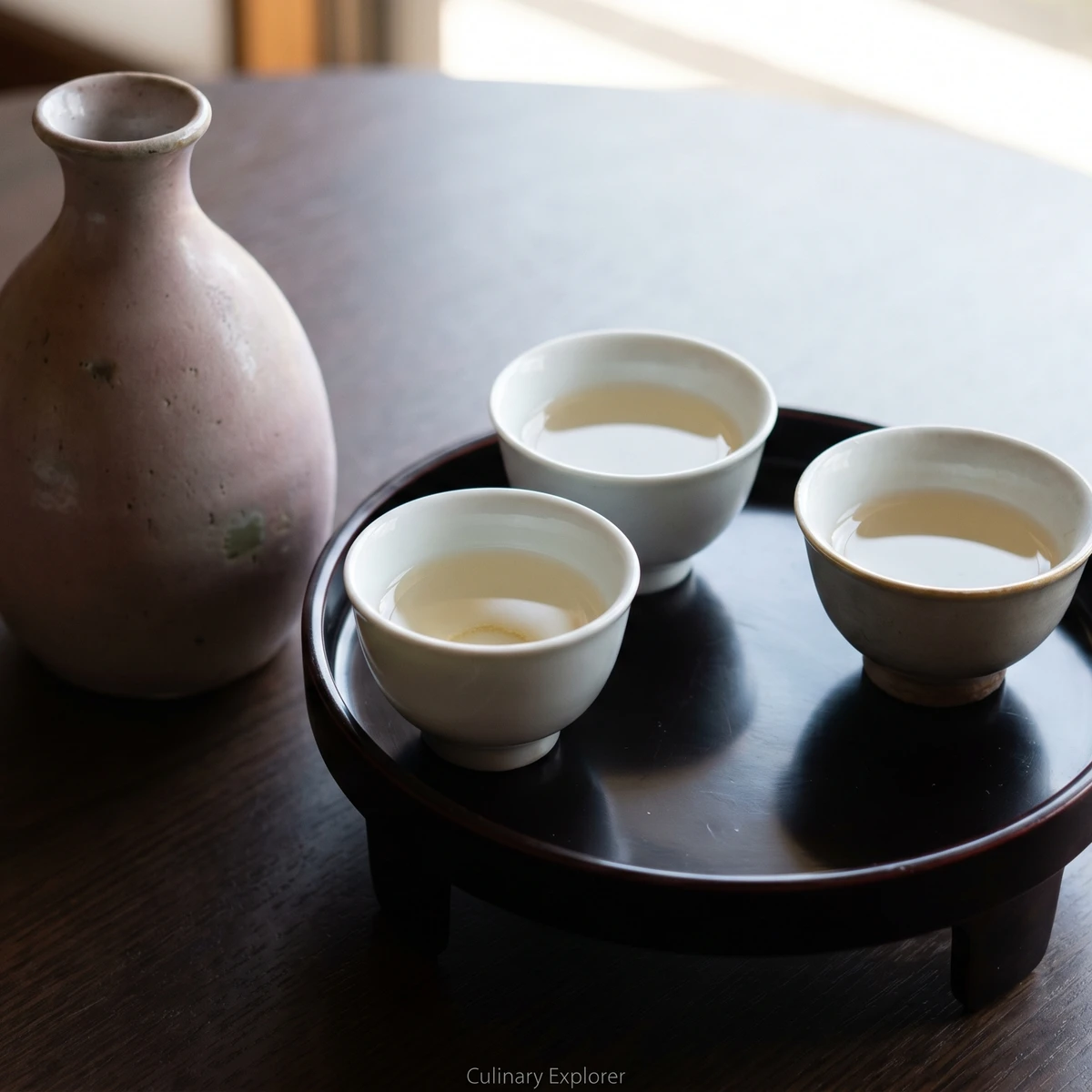
Nurukan (ぬる燗, body-warm sake)
Created by Chef Takumi
Nurukan is sake warmed only to body heat: not hot, not showy, just rounded rice sweetness and a soft aroma. Keep it near 40°C and the tokkuri does the work.
The mistake with warm sake is almost always enthusiasm. Someone hears kan, warmed sake, and sends a good bottle toward the boil as if punishment were a technique. Nurukan is the gentle one: about 40°C, close to body warmth, where junmai sake loses its sharp edge and shows its rice.
We warm the vessel, not the pour. Set a tokkuri, the narrow ceramic sake flask, in hot water and let the heat climb slowly through the clay. Direct heat is too blunt; it drives aroma off the surface before the sake has time to round itself. A water bath is slower, yes, but so is thinking before speaking, and that has saved many dinners.
Choose a sake that wants this treatment. Junmai, especially one with good acidity or a kimoto or yamahai build, often opens beautifully at nurukan. Very fragrant ginjō is usually better cool, because warmth pushes its perfume away. The first secret is the thermometer, or your hand when you have no thermometer: warm as skin, not hot as soup.
At the table, body-warm sake is not a ceremony to fear. It is a small kindness beside grilled fish, simmered dishes, pickles, and rice, the method not the menu. Serve it in small cups and refill little by little. Nothing hidden, nothing forced. Just the sake, warmed enough to become generous.
Ingredients
junmai sake
Quantity
360ml
at room temperature if possible
hot water
Quantity
as needed
for the water bath and warming cups
| Ingredient | Quantity |
|---|---|
| junmai sakeat room temperature if possible | 360ml |
| hot waterfor the water bath and warming cups | as needed |
Where cooking meets culture.
Culinary guides, cultural storytelling, and the editorial depth that makes cooking meaningful.
Discover Culinary Explorer