
Chef Lupita
Pulque Blanco de Hidalgo y Tlaxcala
The pulque belt of Hidalgo and Tlaxcala turns fresh aguamiel from maguey into pulque blanco, thick, sour, alive, and older than every tequila bottle on the bar.
Updated May 27, 2026
The bebida tradition of Mexico's central highlands: pulque and curados from the Tlaxcala-Hidalgo maguey belt, the corn-built atole and champurrado, café de olla brewed in clay, and the aguas frescas of every CDMX table. Cada estado, su propia cocina.
A cooking platform built around craft, culture, and the stories behind what we eat.
Chef Lupita
The pulque belt of Hidalgo and Tlaxcala turns fresh aguamiel from maguey into pulque blanco, thick, sour, alive, and older than every tequila bottle on the bar.

Chef Lupita
Estado de México's chocolate atole from the cold central highlands, thickened with nixtamal masa, sweetened with piloncillo, scented with canela, and beaten with a molinillo until frothy.

Chef Lupita
Hidalgo's guava curado starts with fresh pulque from the Altiplano, ripe yellow guavas, piloncillo, and a pinch of cinnamon. It is a living drink, not a bottled cocktail.
Chef Lupita
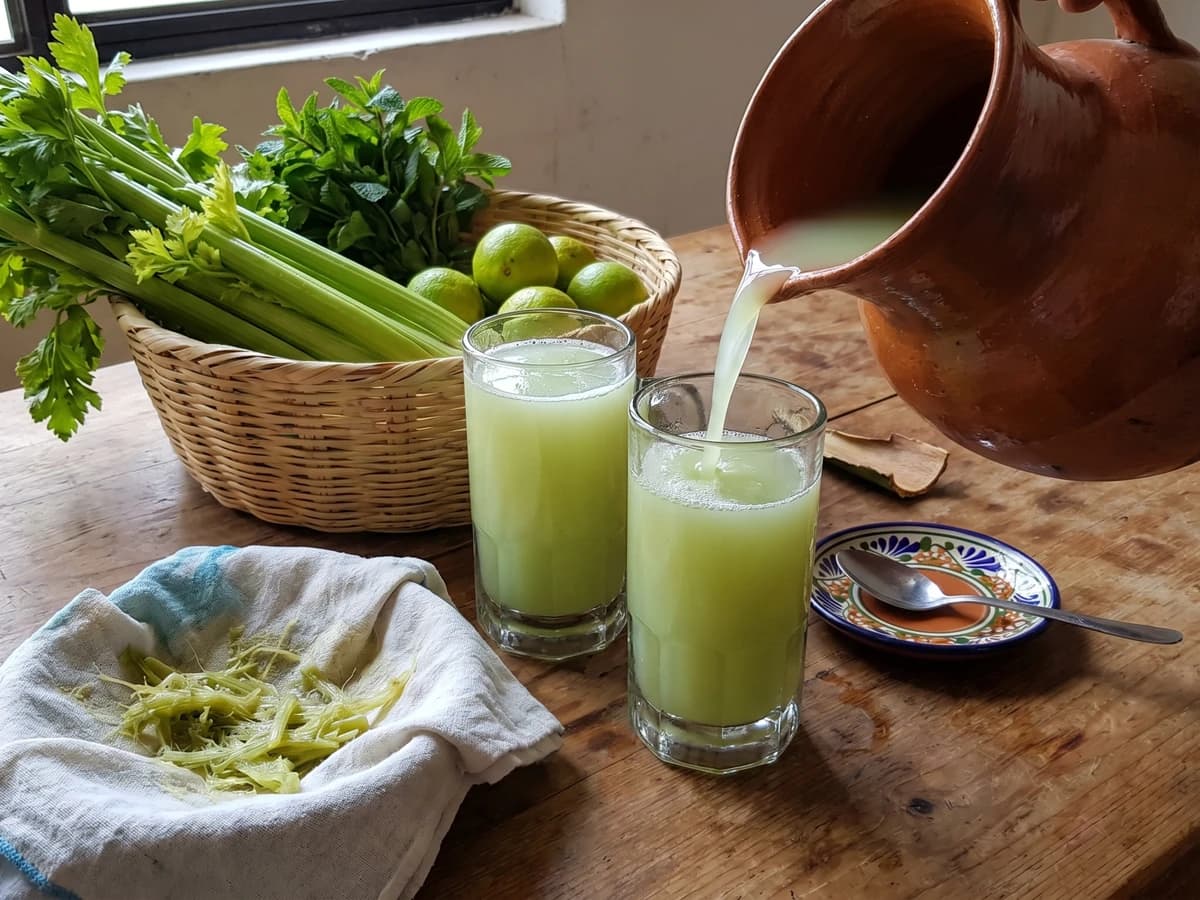
Tlaxcala's green pulque curado, blended with celery, hierbabuena, lime peel, pineapple, and plátano morado, then strained clean and served cold in tarros, no tequila, no shaker, just maguey.

Chef Lupita
Hidalgo's pulque curado from the Llanos de Apan, blended with toasted oats, cinnamon, and piloncillo until creamy and cold, the fiesta drink that sits between breakfast and celebration.

Chef Lupita
Tlaxcala's maguey-field cocktail, bright with fresh aguamiel, hierbabuena, lime, and destilado de pulque, belongs to outdoor tables where the drink stays cold and the conversation does not rush.

Chef Lupita
Puebla's rompope is a convent custard liqueur, thick with egg yolks, perfumed with canela and vanilla, strengthened with rum, and poured cold in small glasses for Christmas.
Chef Lupita
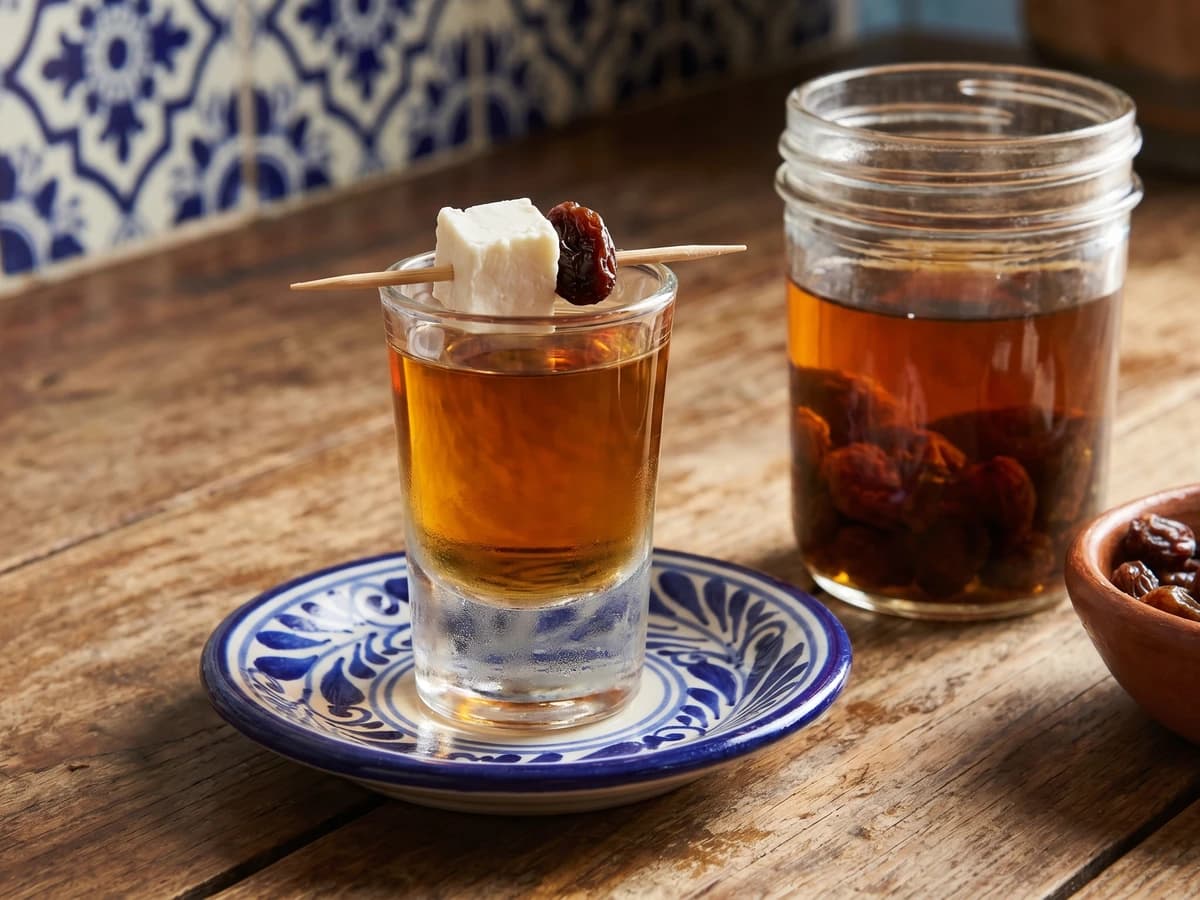
Puebla's cantina pour from Barrio de Los Sapos, a sweet raisin liqueur softened by time, served cold with a cube of fresh goat cheese and one soaked raisin.

Chef Lupita
Ciudad de México's market tepache, made from pineapple rinds, piloncillo, canela, and clove, ferments for two days into a cold, lightly fizzy drink that teaches economy better than any lecture.

Chef Lupita
Ciudad de Mexico's morning licuado, built from ripe platano Tabasco, cold milk, real vanilla, and canela. Breakfast in a glass, made fast because working people have places to be.

Chef Lupita
Ciudad de México's mercado chocomil is cold milk, banana, chocolate powder, and air, whipped in a chocomilera until the foam rises above the glass.
Chef Lupita
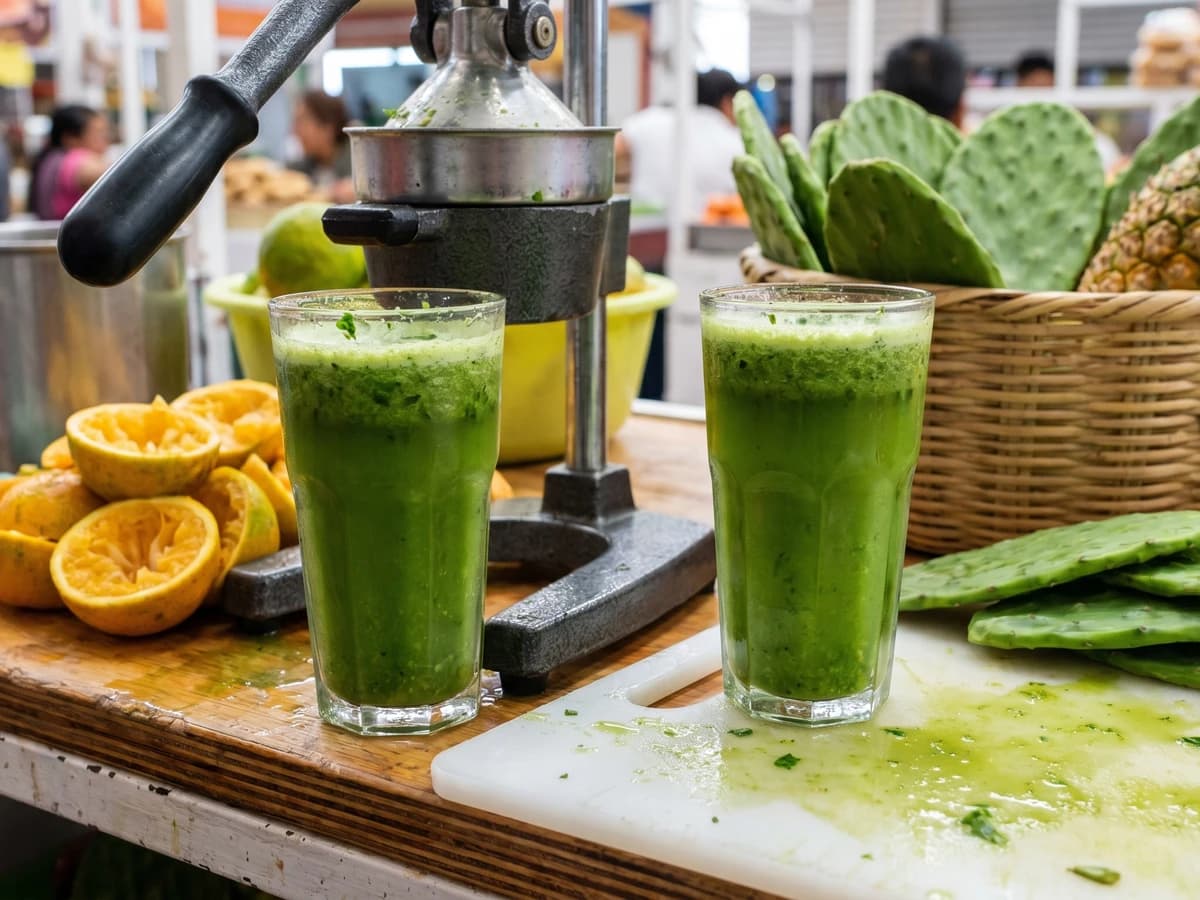
Ciudad de México's morning juice-stand drink, built from nopal, celery, parsley, pineapple, cucumber, and fresh orange, blended cold for the capital's bitter, bright cure before the workday starts.

Chef Lupita
Puebla's central highland café de olla, brewed in barro with coarse coffee, canela de Ceilán, piloncillo, and orange peel until the clay gives the cup its quiet earth.
Chef Lupita
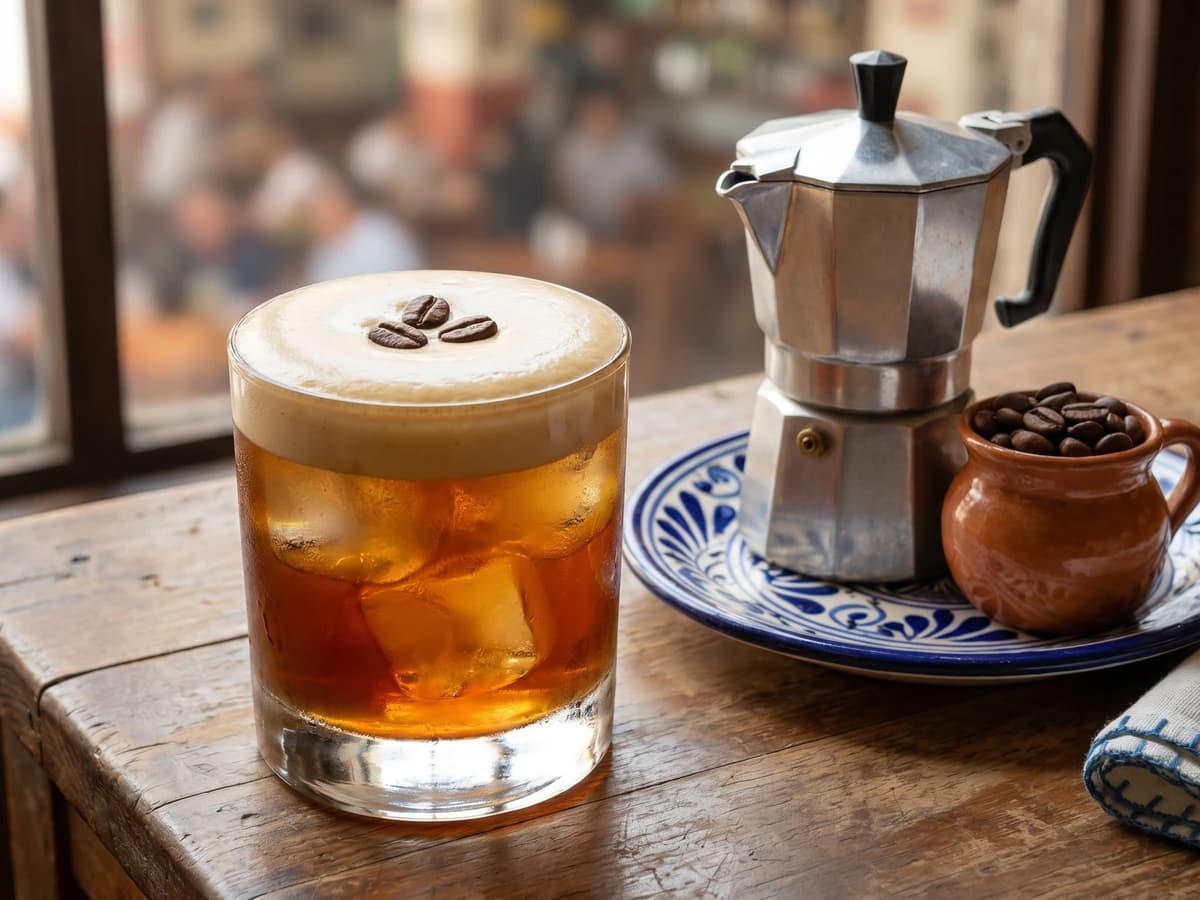
Mexico City's cantina carajillo is hot espresso poured over Licor 43 and ice, stirred hard until bitter coffee and orange-vanilla sweetness become a cold caramel cream.

Chef Lupita
Valle de México manzanilla tea is the small pot every abuela knows: dried chamomile, a piece of canela, hot water, and patience. No chile. No drama. Just the kitchen remedy.

Chef Lupita
Puebla's central-highland canelita, whole Ceylon cinnamon boiled until deep amber and sweetened with piloncillo, the first pot many families make when cold weather enters the house.

Chef Lupita
Morelos's patio remedy of bruised zacate de limón, boiled until the oils open, sweetened lightly if needed, and poured hot into clay jarritos for the stomach.

Chef Lupita
Ciudad de Mexico's market-table agua fresca, made from dried flor de jamaica simmered until the water turns garnet, then chilled and poured over ice for hot afternoons.
Chef Lupita
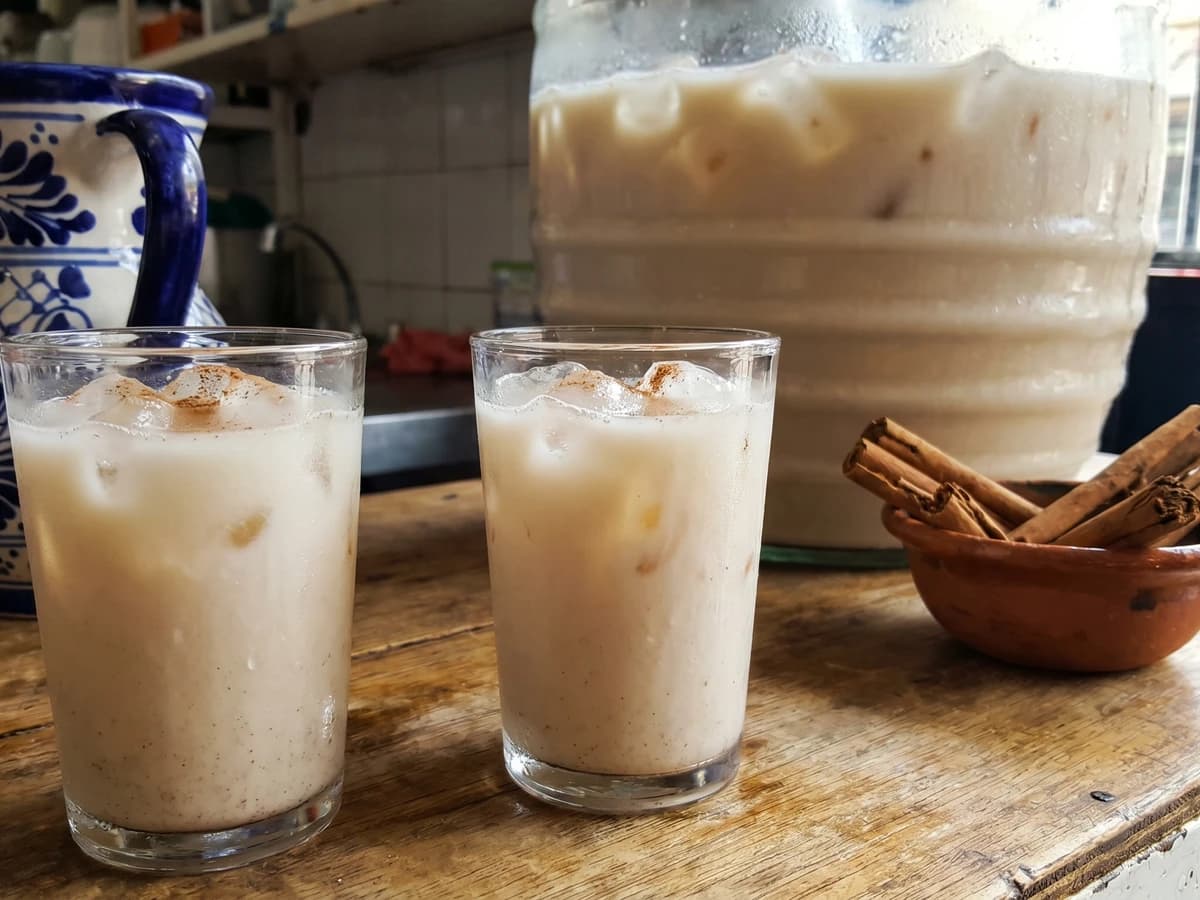
Ciudad de México's mercado horchata is rice and canela soaked overnight, blended hard, strained clean, then sweetened and poured cold over ice.

Chef Lupita
Ciudad de Mexico's mercado agua fresca, made from whole tamarind pods boiled, rested, pressed, sweetened, and chilled until the glass tastes sweet, sour, and honest.

Chef Lupita
Ciudad de México's highland market agua fresca, fresh alfalfa blended with pineapple and lime until bright green, strained clean, and poured cold from the vitrolero.

Chef Lupita
Ciudad de México's market limeade, built from limón criollo, bloomed chia, cane sugar, and cold water, the glass vitrolero drink that keeps an outdoor table steady.

Chef Lupita
Estado de Mexico's plain white atole is fresh corn masa whisked into water until thick, perfumed with canela, and served hot from a clay jarro before the day starts.
Chef Lupita
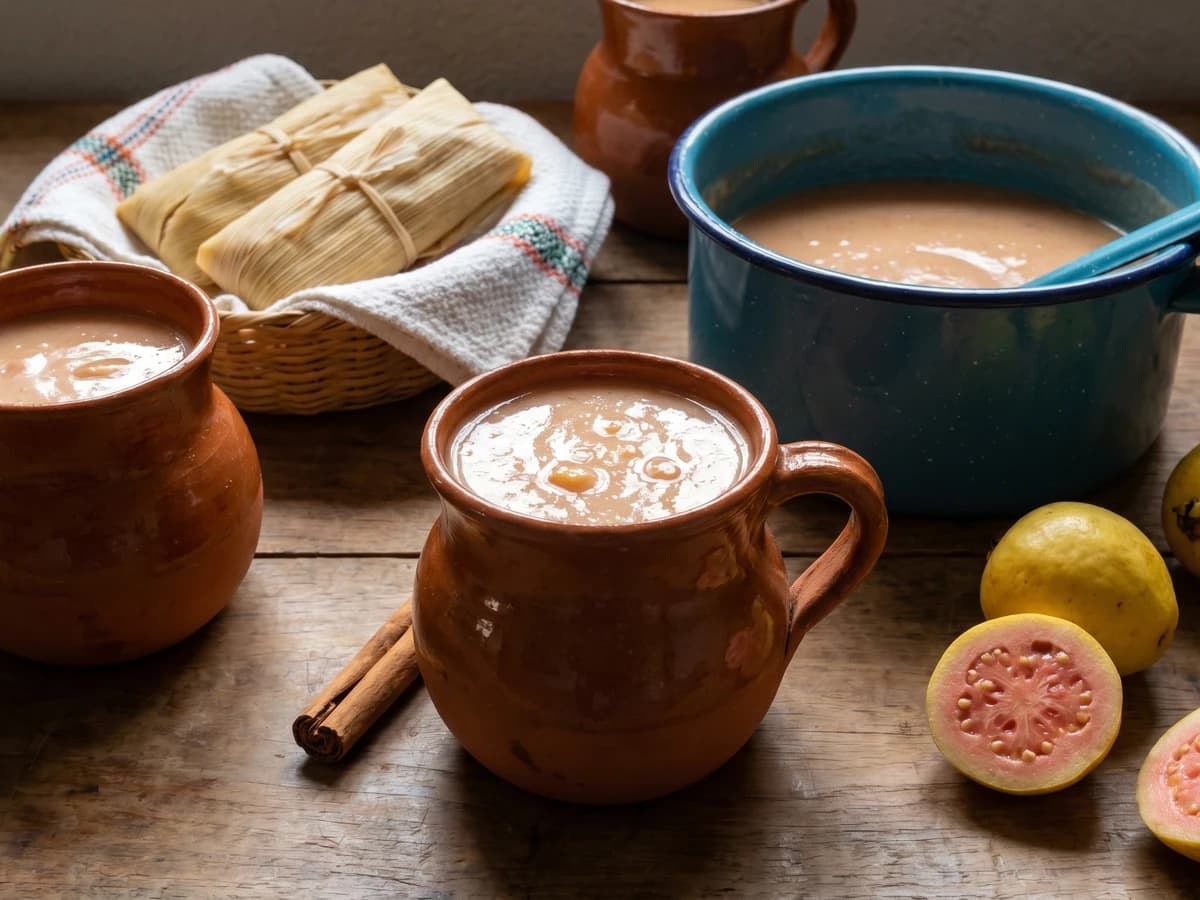
Aguascalientes gives this atole its perfume: ripe Calvillo guavas blended into masa-thickened milk with piloncillo and canela, the morning drink that belongs beside tamales.
Chef Lupita
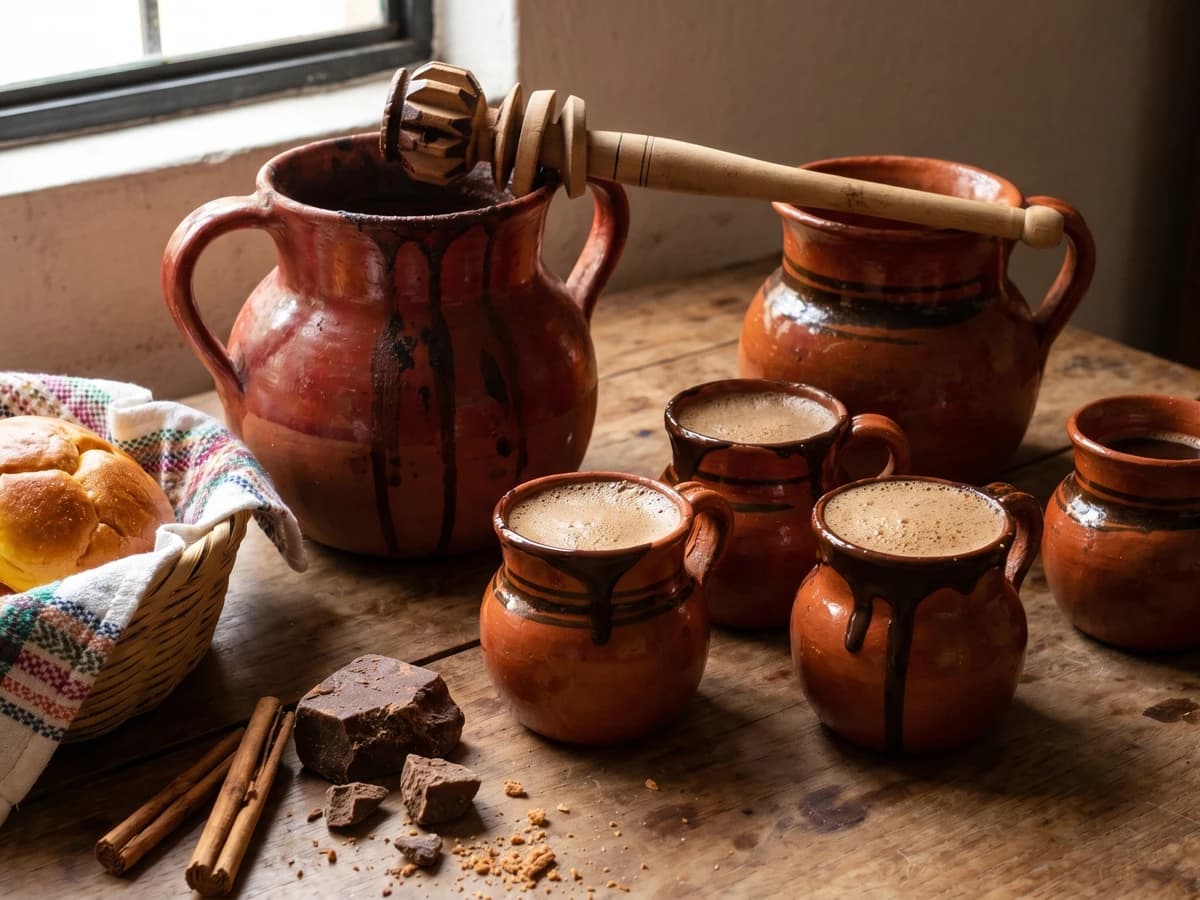
Oaxaca's market chocolate de agua, made with cacao, canela, sugar, and water, then beaten hard with a molinillo until the foam rises thick on top.
Chef Lupita
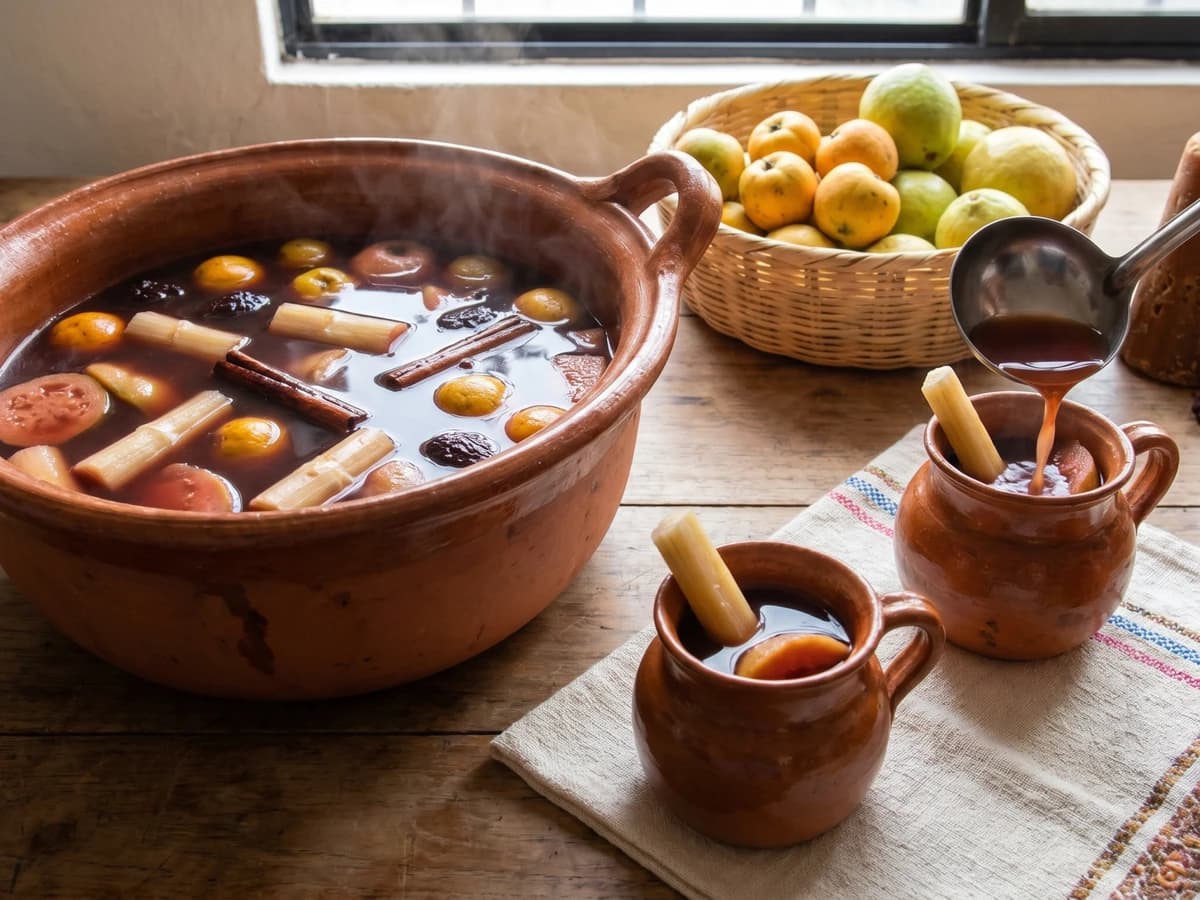
Ciudad de México's Christmas ponche, built from the fruit of the central highlands: tejocote, guava, sugarcane, jamaica, piloncillo, and canela simmered for posadas.
Culinary guides, cultural storytelling, and the editorial depth that makes cooking meaningful.
Discover Culinary ExplorerChef Lupita is a fictional culinary guide to Regional Mexican Cuisine, written with the assistance of AI.