
Chef Lupita
Agua de Alfalfa
Ciudad de México's highland market agua fresca, fresh alfalfa blended with pineapple and lime until bright green, strained clean, and poured cold from the vitrolero.
A cooking platform built around craft, culture, and the stories behind what we eat.
Created by
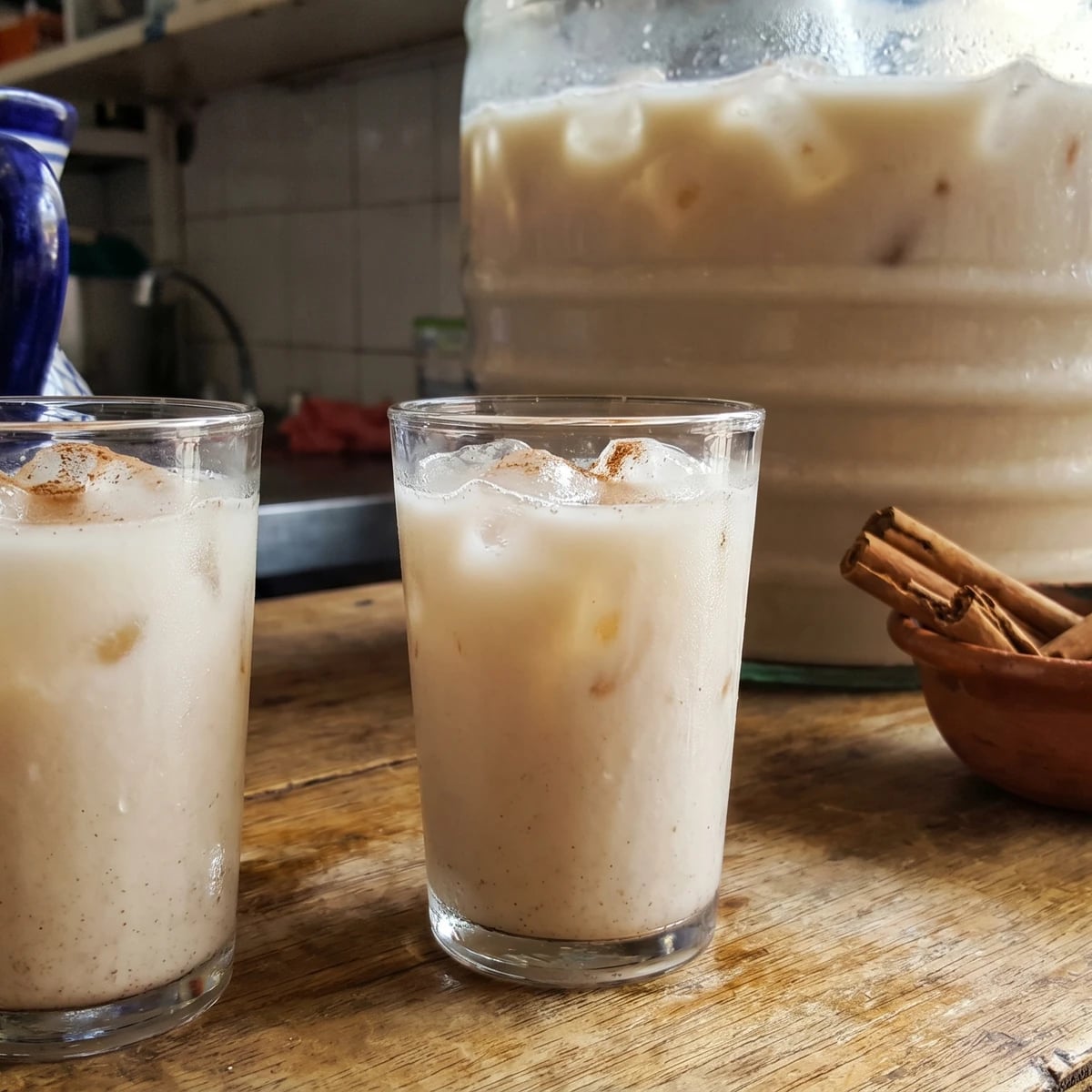
Ciudad de México's mercado horchata is rice and canela soaked overnight, blended hard, strained clean, then sweetened and poured cold over ice.
Ciudad de México and the central highlands claim this version by repetition, by mercado counters, by plastic vitroleros sweating in the heat beside jamaica, tamarindo, and limón con chía. Horchata de arroz lives in the aguas frescas stalls of La Merced, Jamaica, Coyoacán, and every neighborhood comida corrida where the cook knows people need something cold and filling with their meal.
The ingredient that defines it is canela, not generic cinnamon. Mexican canela is thin, brittle, and floral. It breaks under your fingers. The hard cassia sticks sold in many supermarkets taste sharper and heavier. Use them if that is all you can find, but understand the compromise. Pregúntale a las señoras del mercado. They know which bundle smells right.
The technique is patience, not cooking. Rice rests overnight with canela until the grain softens and gives up its body to the water. Then you blend and strain. That is the whole architecture. Some families add milk, some do not. Some sweeten with sugar, some with piloncillo syrup. In central Mexico, the clean mercado version is pale, cold, lightly creamy, and poured from a tall glass jar. Saber cocinar es saber vivir, even when the stove stays off.
Horchata entered Mexico through Spanish colonial foodways, descended from Valencia's horchata de chufa, a drink made from tiger nuts rather than rice. In New Spain, rice, sugar, Mexican vanilla, and canela from Asian trade routes through the Manila galleons reshaped the drink into the rice-based agua fresca now common across central Mexican markets. By the 19th and 20th centuries, horchata de arroz had become part of the urban aguas frescas tradition, served from large glass vitroleros alongside jamaica and tamarindo.
Quantity
1 cup
rinsed until the water runs mostly clear
Quantity
1 stick, about 3 inches
broken into pieces
Quantity
4 cups
for soaking
Quantity
3 cups
for blending and diluting
Quantity
1/2 cup, plus more to taste
Quantity
1 teaspoon
Quantity
1/8 teaspoon
Quantity
1 cup
cold
Quantity
for serving
Quantity
for serving
| Ingredient | Quantity |
|---|---|
| long-grain white ricerinsed until the water runs mostly clear | 1 cup |
| Mexican canela stickbroken into pieces | 1 stick, about 3 inches |
| hot waterfor soaking | 4 cups |
| cold waterfor blending and diluting | 3 cups |
| granulated sugar | 1/2 cup, plus more to taste |
| Mexican vanilla extract | 1 teaspoon |
| fine sea salt | 1/8 teaspoon |
| whole milk (optional)cold | 1 cup |
| ice (optional) | for serving |
| ground canela (optional) | for serving |
Put the rice in a bowl and rinse it with cool water, swishing with your hand until the water turns cloudy. Drain and repeat two or three times. You are not washing away flavor. You are removing loose surface starch so the drink tastes creamy, not chalky.
Combine the rinsed rice, broken canela stick, and 4 cups hot water in a large bowl or jar. Cover and let stand at room temperature for at least 8 hours, or overnight. The rice should look swollen and the water should smell clearly of canela. No me vengas con atajos. A short soak gives you thin horchata.
Pour the soaked rice, canela, and soaking water into a blender. Blend on high for 2 full minutes, until the rice is broken down as finely as your blender can manage. Add 1 cup cold water if the blender needs help moving. The mixture should look milky and pale beige, with tiny rice specks suspended throughout.
Set a fine-mesh strainer over a pitcher and line it with damp cheesecloth if you have it. Pour the blended rice mixture through slowly, pressing gently with a spoon. Do not force the gritty paste through. That grit belongs in the cloth, not in the glass.
Stir in the sugar, Mexican vanilla, salt, remaining cold water, and the cold milk if using. Taste cold, not warm. Sugar reads differently once the drink is chilled. Refrigerate for at least 1 hour. The horchata should be creamy, light, and fragrant with canela, not thick like dessert.
Stir the pitcher well before serving because rice sediment settles. Pour over plenty of ice in tall glasses and dust lightly with ground canela. Serve it beside tacos, tortas, or a table in the sun. This is not a cocktail. It is an agua fresca, and it should refresh.
1 serving (about 245g)
Culinary guides, cultural storytelling, and the editorial depth that makes cooking meaningful.
Discover Culinary Explorer
Chef Lupita
Ciudad de México's highland market agua fresca, fresh alfalfa blended with pineapple and lime until bright green, strained clean, and poured cold from the vitrolero.

Chef Lupita
Ciudad de Mexico's market-table agua fresca, made from dried flor de jamaica simmered until the water turns garnet, then chilled and poured over ice for hot afternoons.

Chef Lupita
Ciudad de México's market limeade, built from limón criollo, bloomed chia, cane sugar, and cold water, the glass vitrolero drink that keeps an outdoor table steady.

Chef Lupita
Ciudad de Mexico's mercado agua fresca, made from whole tamarind pods boiled, rested, pressed, sweetened, and chilled until the glass tastes sweet, sour, and honest.