
Chef Klaus
Bremer Klaben
Bremen's Hanseatic Christmas loaf carries more fruit than dough, keeps for weeks, and asks for one serious thing: soak the fruit properly before you mix.
Updated June 19, 2026
The three-day loaf, the pillar of the German table from Frühstück to Abendbrot. Rye and mixed-rye built on a sourdough, dense and dark and keeping a week, plus the enriched festive yeast breads.
A cooking platform built around craft, culture, and the stories behind what we eat.
Chef Klaus
Bremen's Hanseatic Christmas loaf carries more fruit than dough, keeps for weeks, and asks for one serious thing: soak the fruit properly before you mix.
Chef Klaus
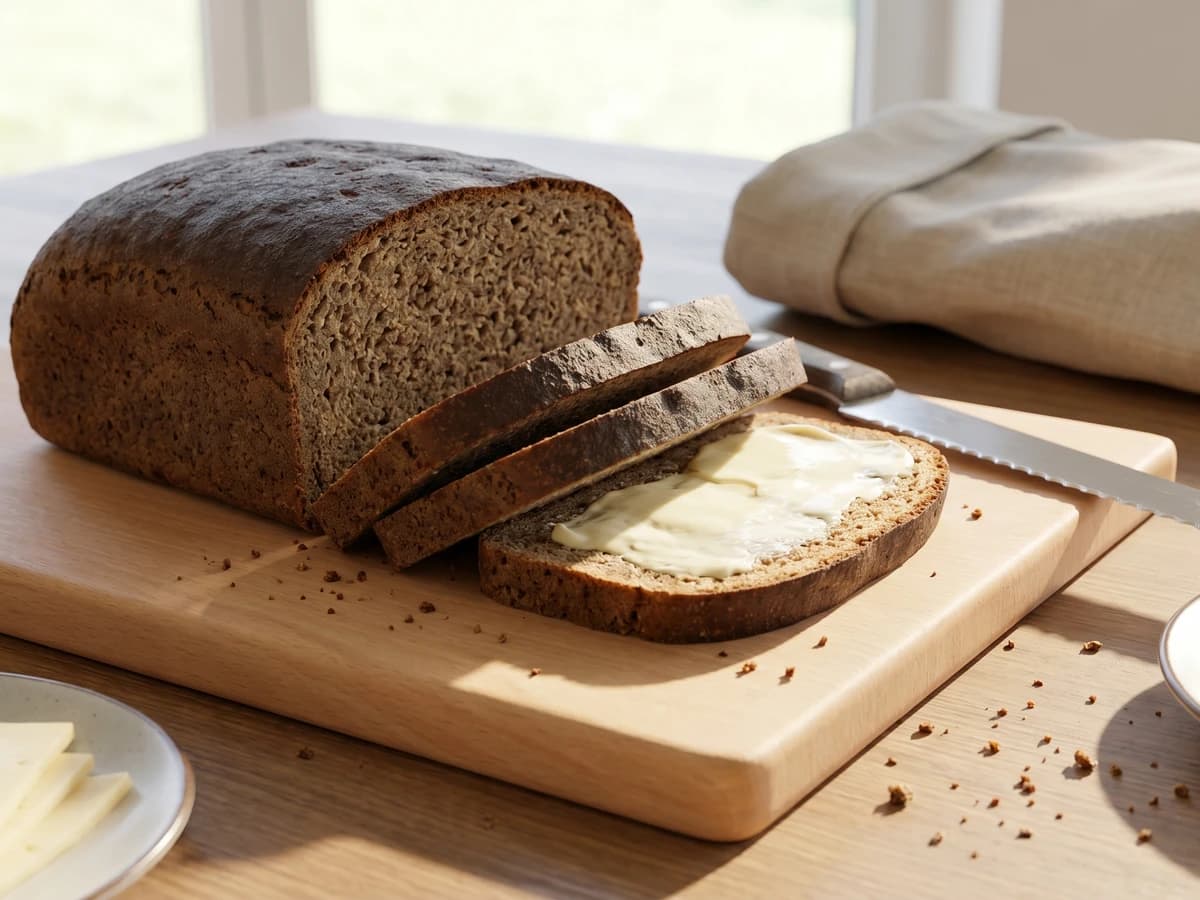
A dark, tight-crumbed rye loaf from the northern bread table, built on sourdough and an overnight grain soak so the bran drinks first and the knife slices clean tomorrow.

Chef Klaus
A Bavarian wheat-rye loaf for the Brotzeit board, mild from ripe sourdough, dark-crusted from a fierce first heat, and firm enough to carry cold cuts without sagging.
Chef Klaus
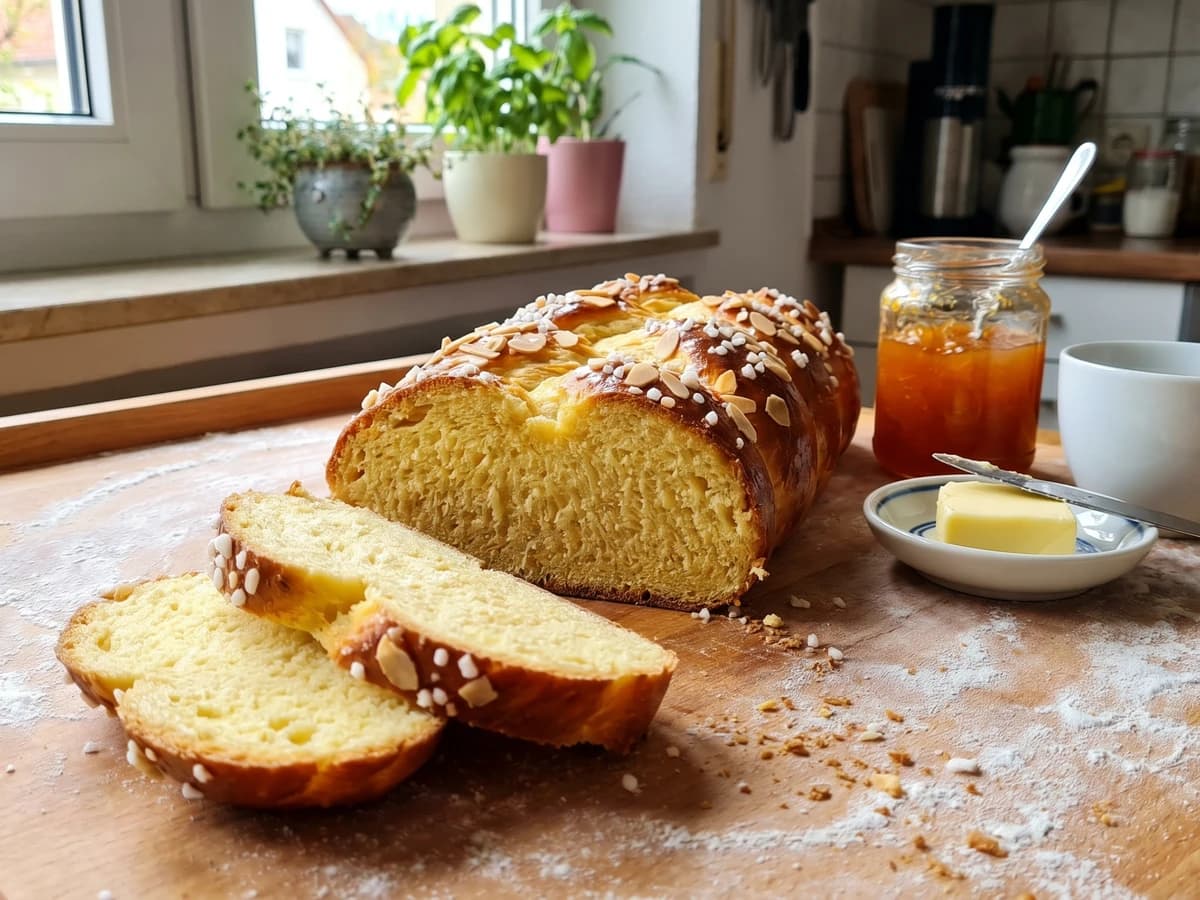
The sweet braided loaf of the Easter table and the Sunday breakfast board, built on soft dough, patient rising, and a glossy egg wash before the bake.
Chef Klaus
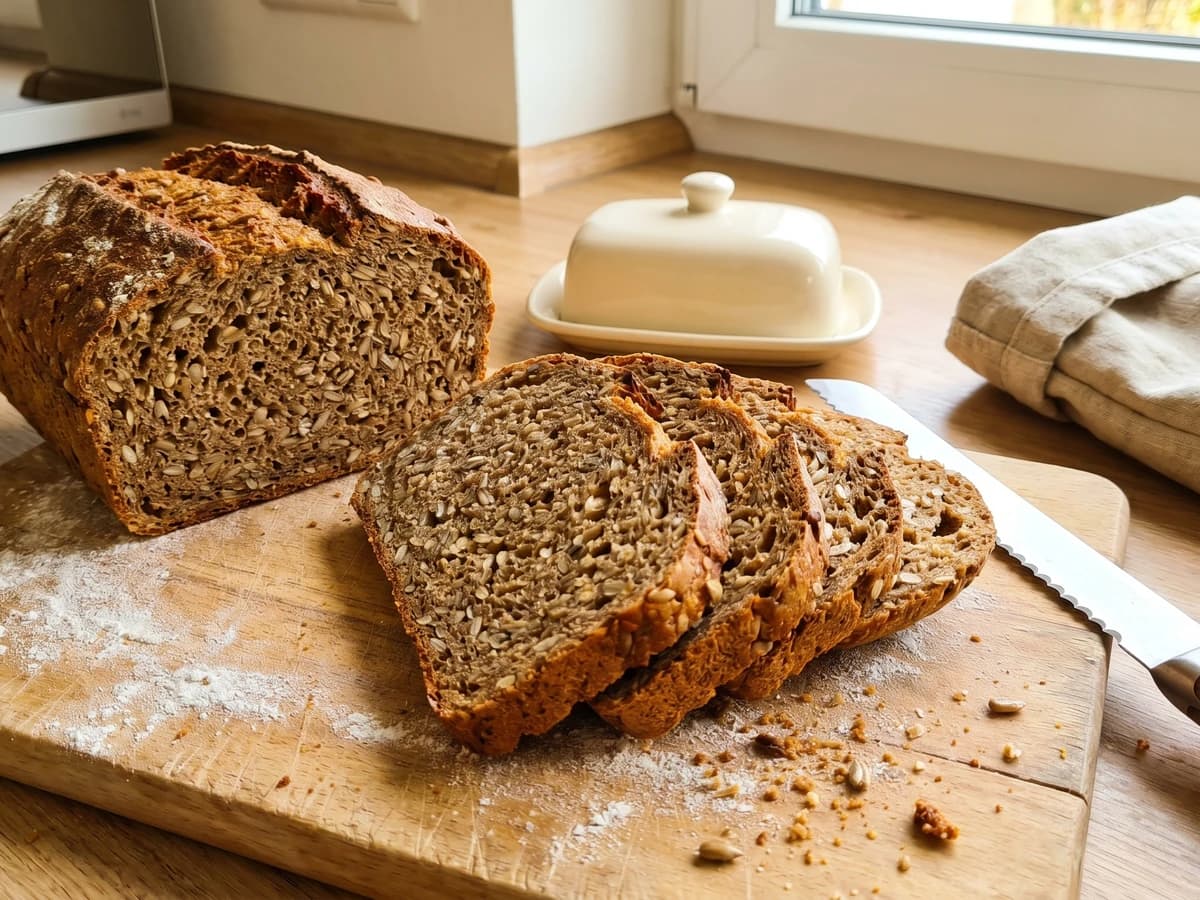
The weeknight German seed loaf that lives or dies by the soaker: toasted sunflower seeds take boiling water first, then give it back to the rye crumb as moisture.
Chef Klaus
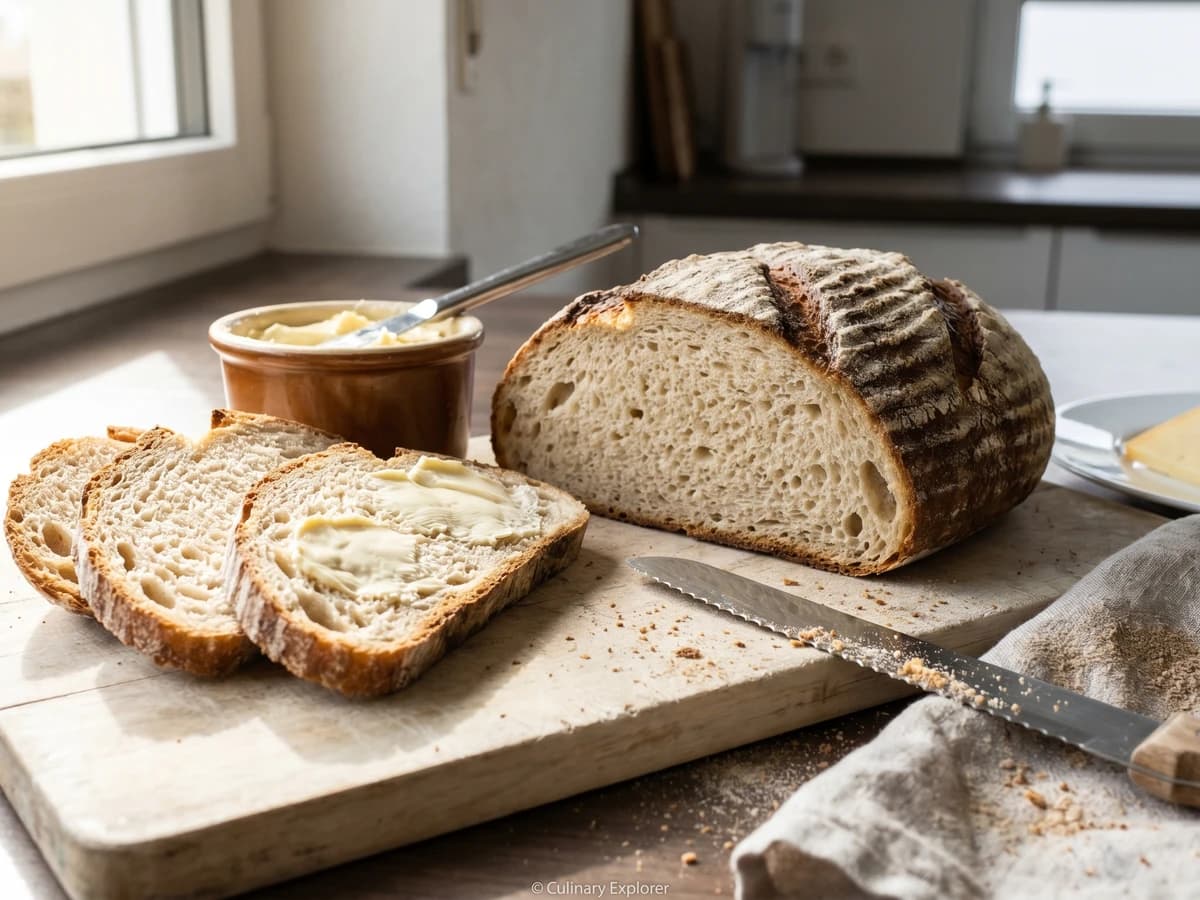
The wheat-leaning mixed loaf of the German bread board: lighter than rye Mischbrot, sour enough to stand up to cheese, ham, butter, and tomorrow's supper.
Chef Klaus
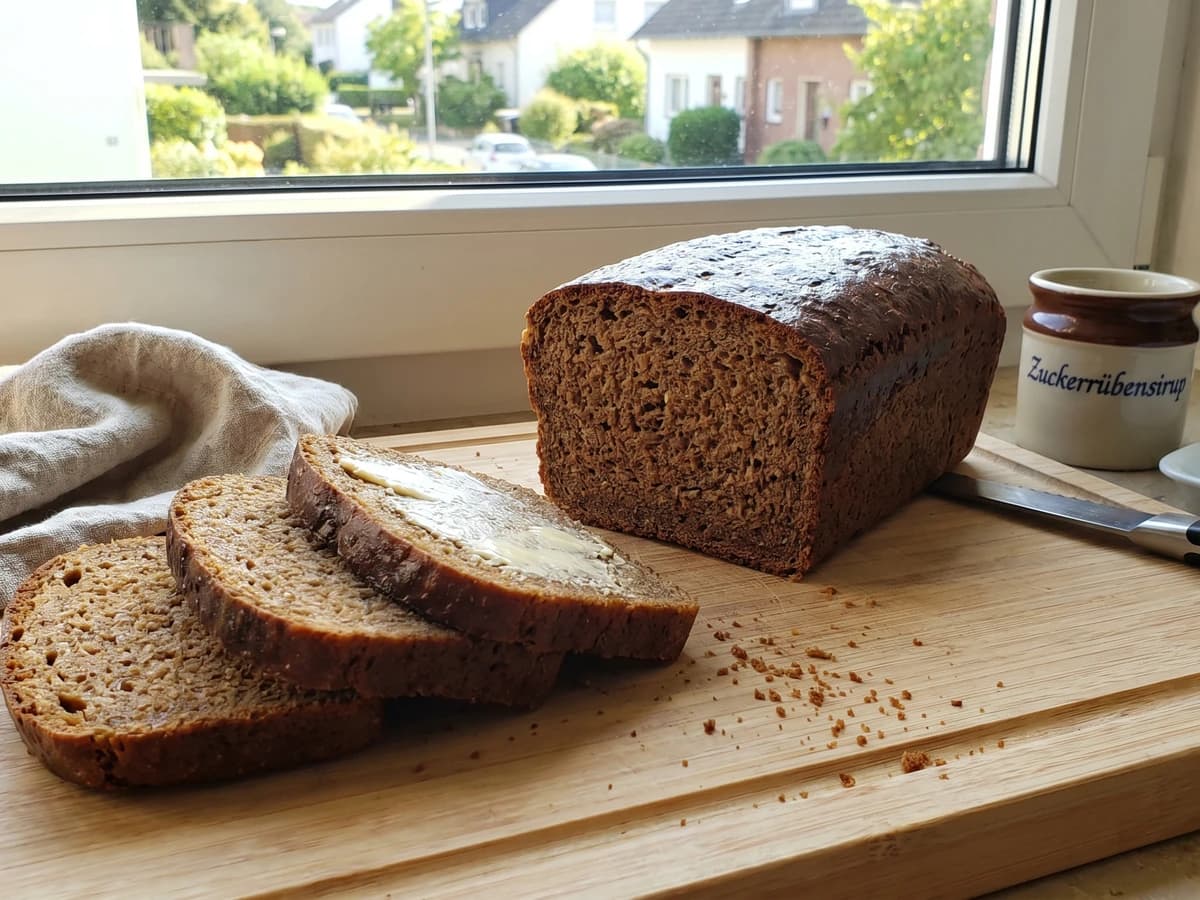
The Rhineland's mild dark rye loaf, built from sourdough, coarse rye meal, and beet syrup, then baked low until the crumb sets clean and slices thin.
Chef Klaus
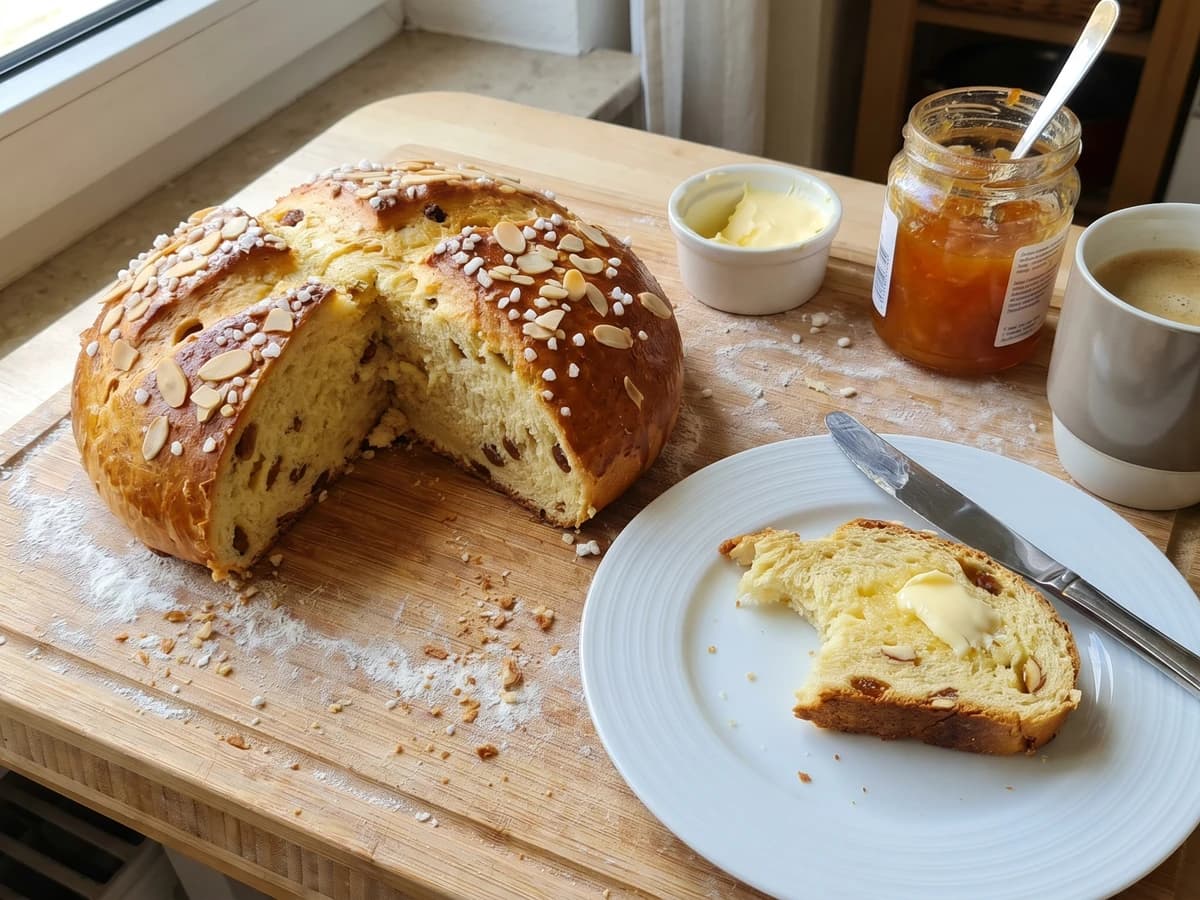
A round Easter loaf lives by its dough: soft with butter and milk, bright with lemon, and risen slowly enough that the crumb stays tender instead of heavy.
Chef Klaus
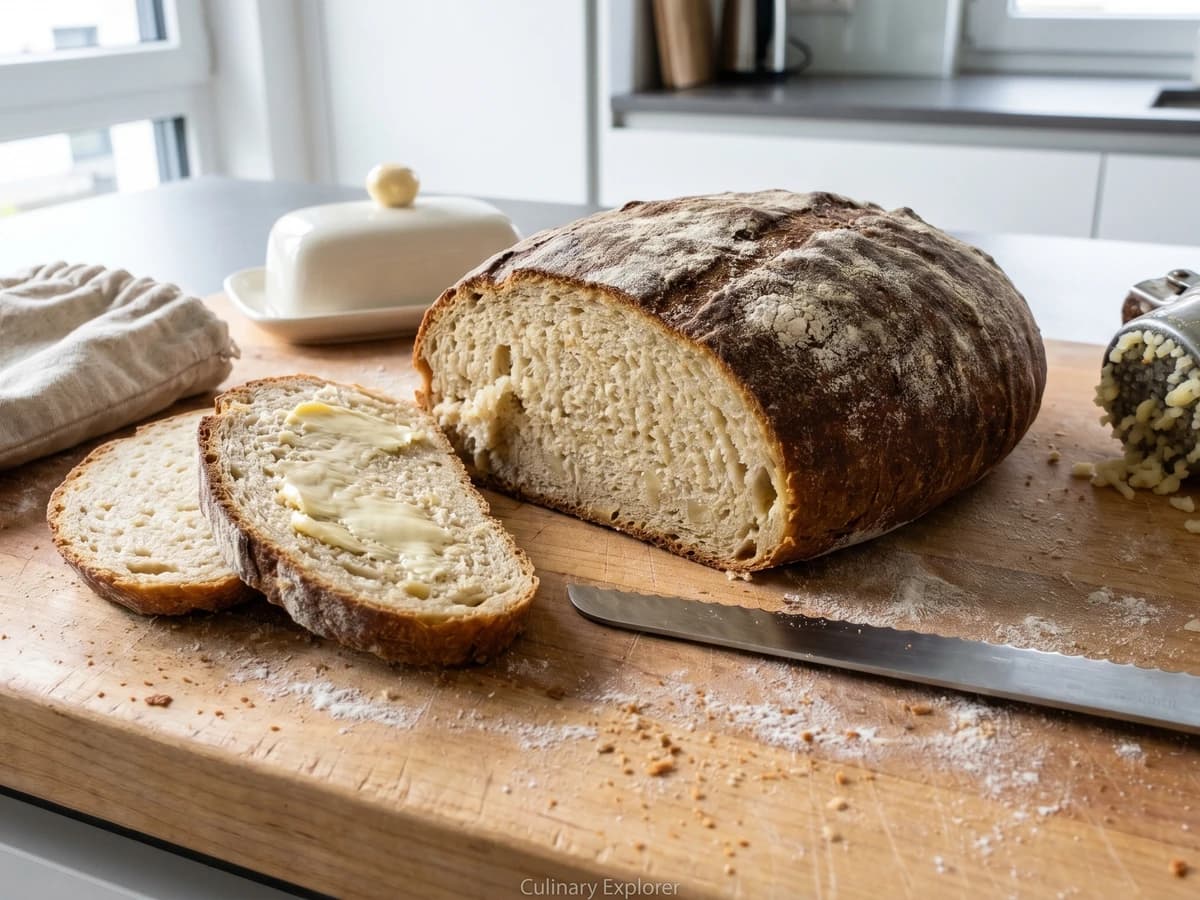
A weeknight loaf from the potato larder: cooked floury potato folded into wheat and rye, giving a dark-crusted bread that stays moist long after a plain loaf would stale.
Chef Klaus
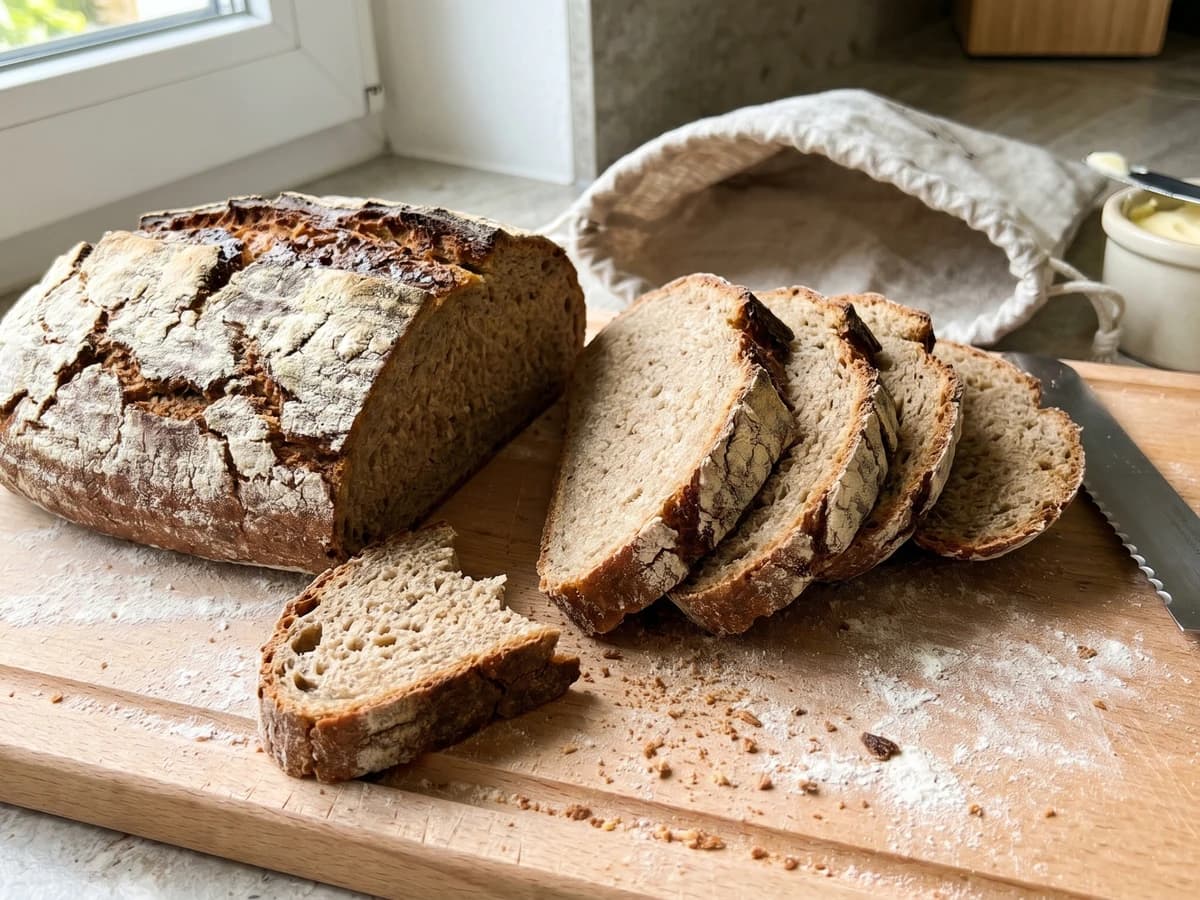
More rye than wheat, carried by sourdough and baked dark enough for a singing crust, this is the north and east's daily loaf: plain, sour, moist, and built for butter.
Chef Klaus
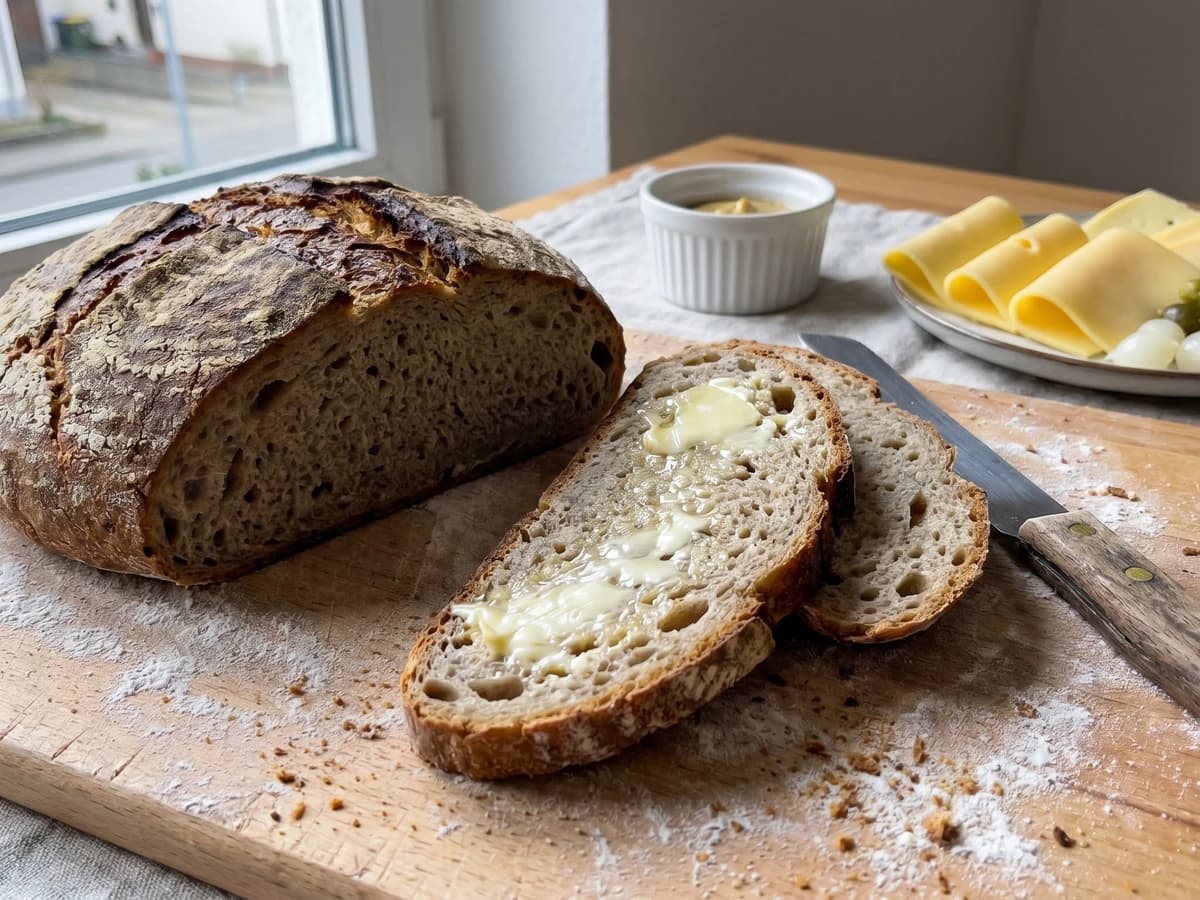
The everyday German loaf, half wheat and half rye, mild enough for breakfast butter and firm enough for sausage, cheese, smoked fish, or a Sunday roast plate.

Chef Klaus
The farmhouse loaf that made sense of a weekly oven firing: rye for keeping, wheat for lift, sourdough for the crumb, and a dark crust that earns its crack.
Chef Klaus
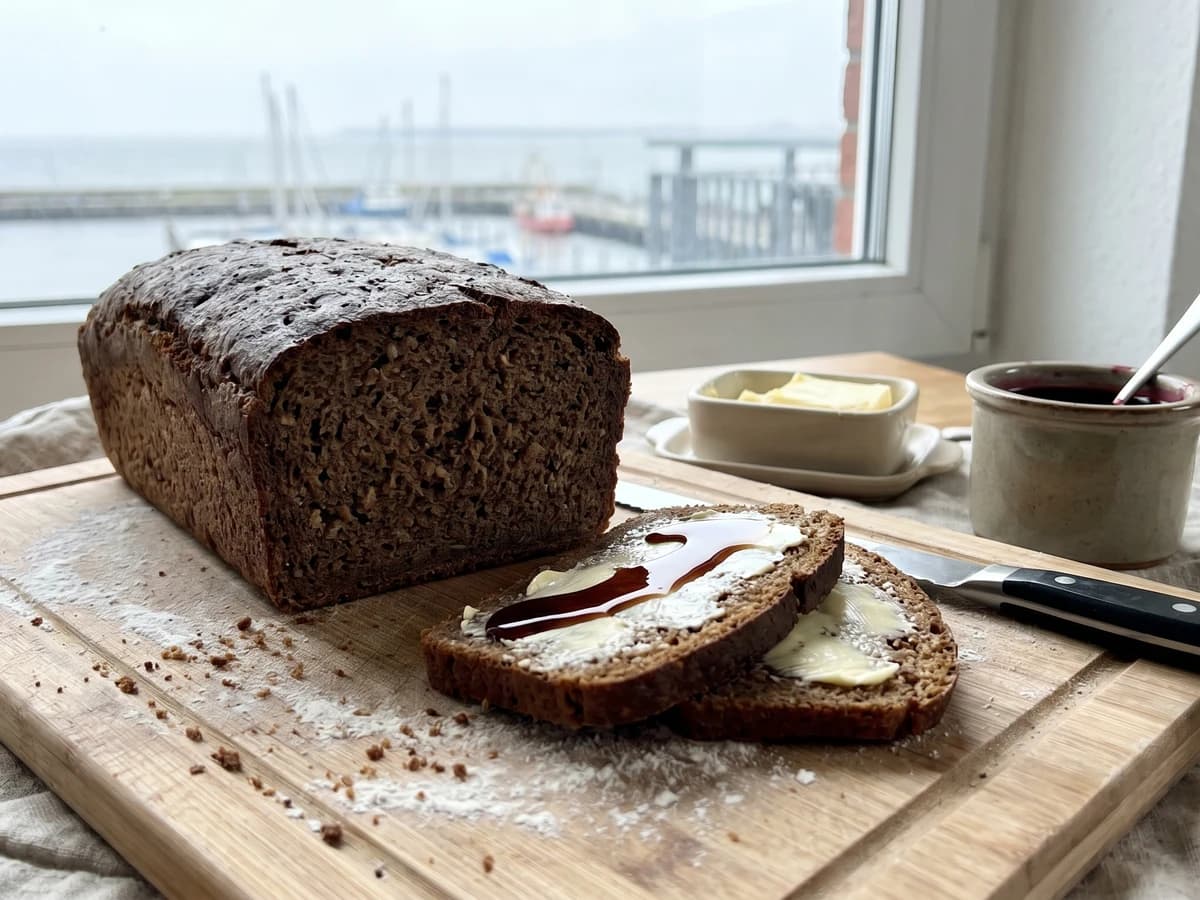
The North Sea coast's dark rye loaf is built from coarse schrot, buttermilk, and beet syrup, then baked long and low until it slices thin and keeps for days.

Chef Klaus
The old spelt loaf belongs back on the weekday table: nutty, soft, sliceable, and mixed short because Dinkel gives you flavour quickly and structure reluctantly.
Chef Klaus
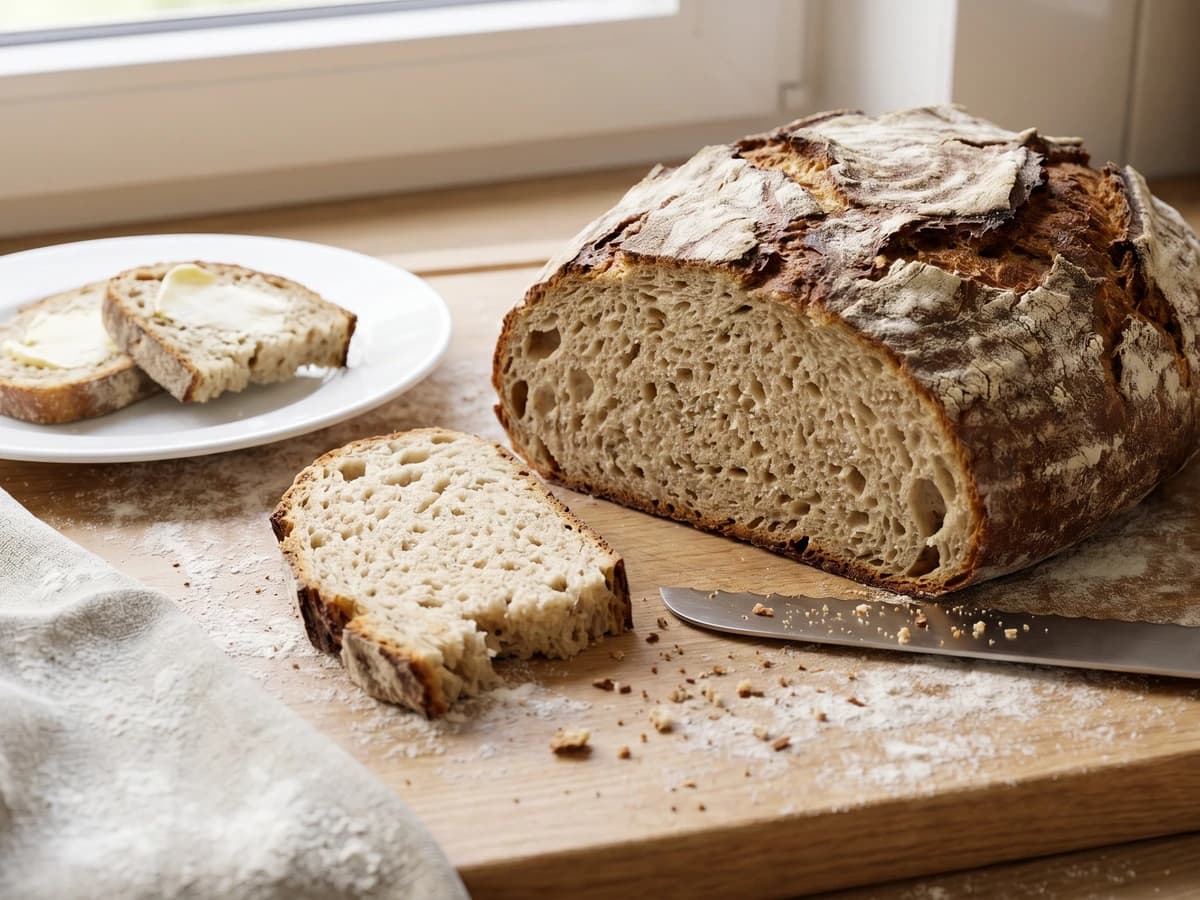
Swabia's country loaf off the Alb: wheat for lift, rye for sour depth, spelt for nutty softness, and wet hands doing the shaping before the oven finishes the crust.
Chef Klaus
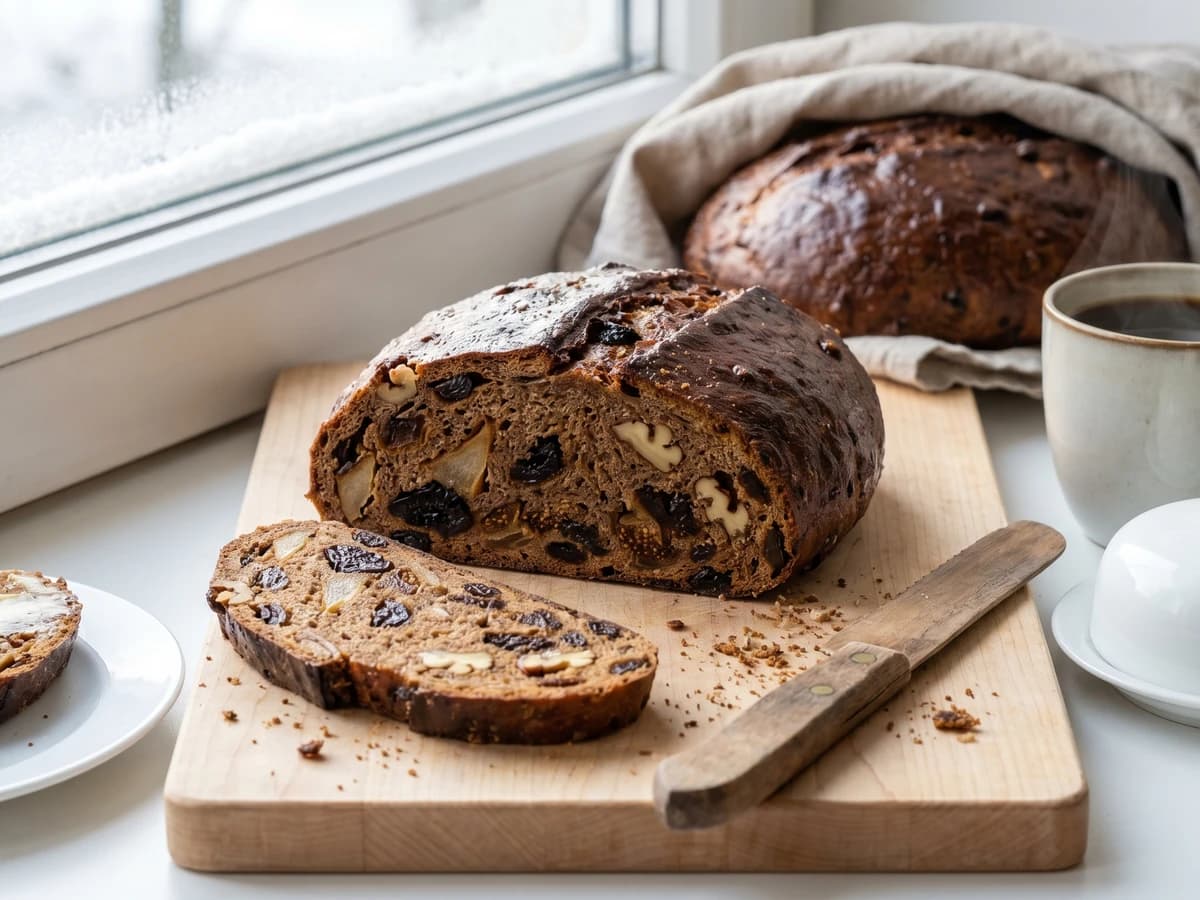
The southern Advent loaf where dried pears do the work: soaked until tender, folded through a small amount of dough, and baked into a dark fruit bread that keeps for Christmas.
Chef Klaus
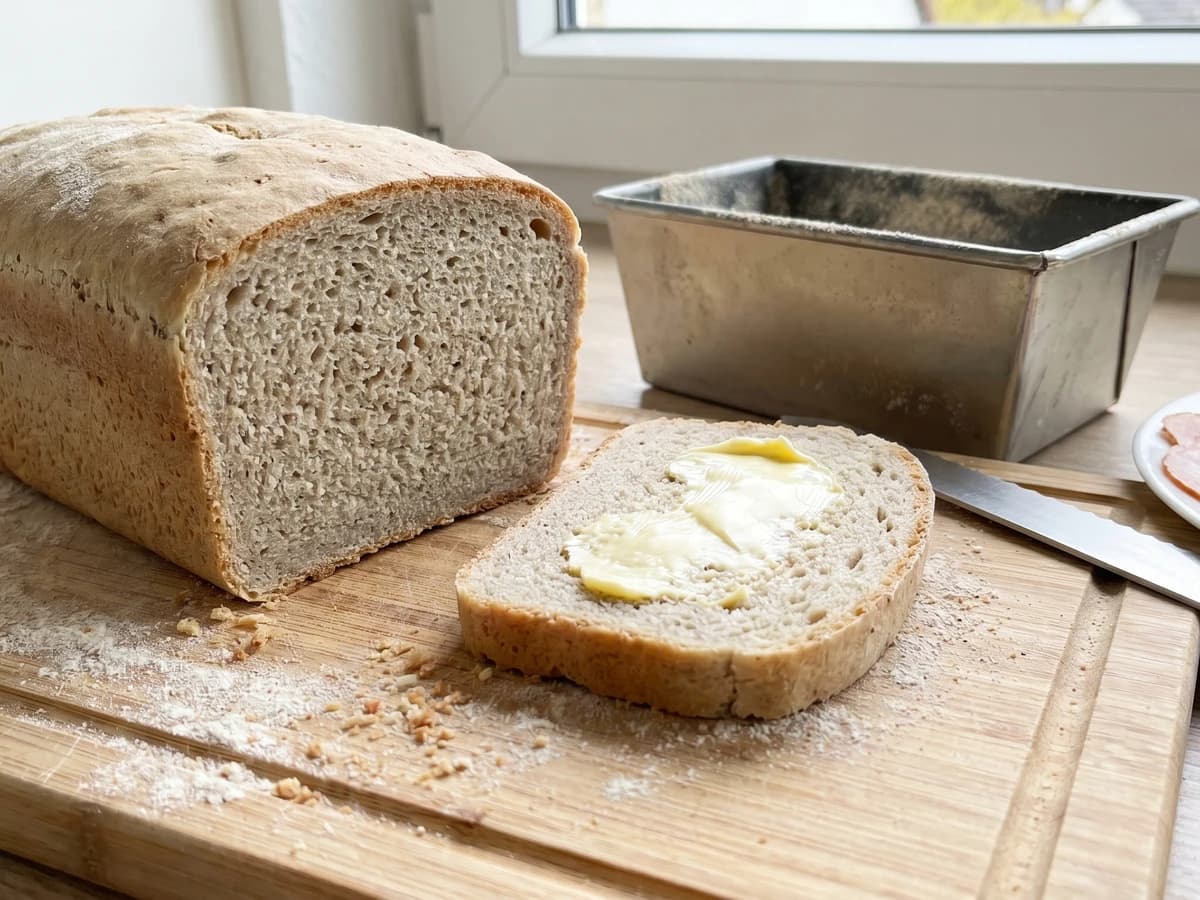
Westphalia's everyday rye-mix loaf, baked in a tin so the wet dough needs no shaping, and carried by sourdough strong enough to lift it without yeast.
Chef Klaus
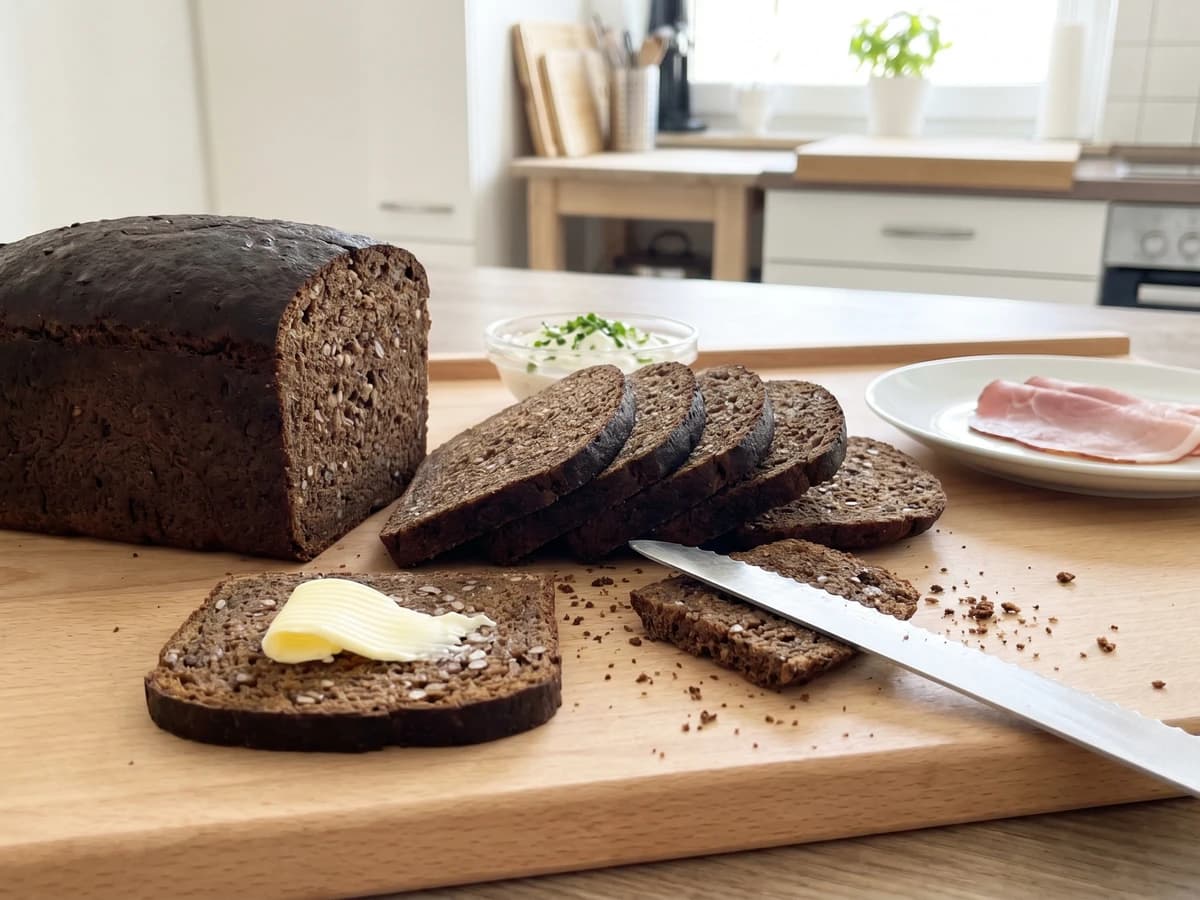
Westphalia's black rye loaf is not coloured with coffee, cocoa, or syrup. It turns dark in a sealed low bake, where whole rye gets enough time to sweeten itself.

Chef Klaus
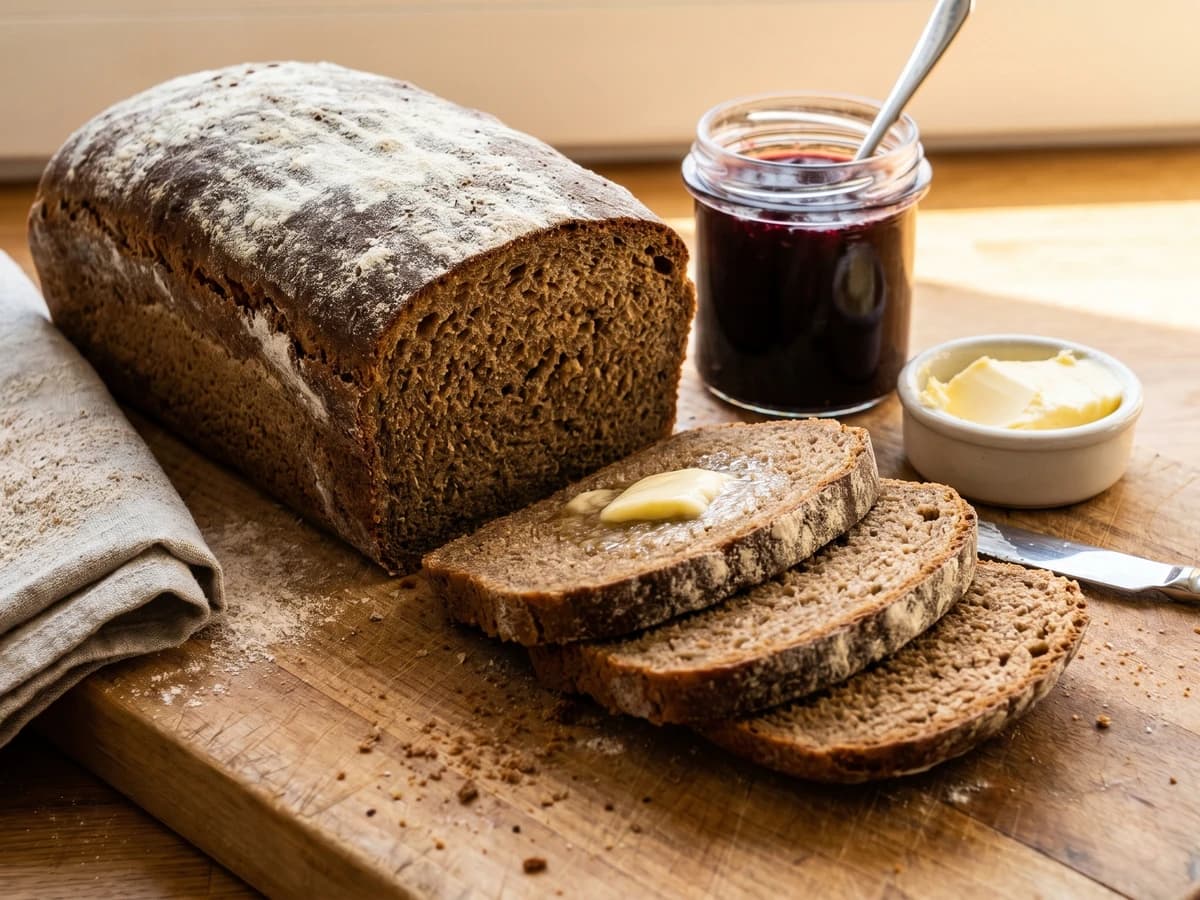
Dresden's Christmas loaf is baked before the feast, not during it: a heavy yeast dough, rum-soaked fruit, butter while warm, and weeks of quiet ripening.
Chef Klaus
Pure rye bread is won before it bakes: sourdough acid controls the rye, keeps the crumb from turning gummy, and gives the loaf its dark, clean bite.

Chef Klaus
The Black Forest country loaf is a rye-wheat bread with sourdough for depth, wheat for lift, and a pale flour coat that cracks over a dark crust.
Chef Klaus
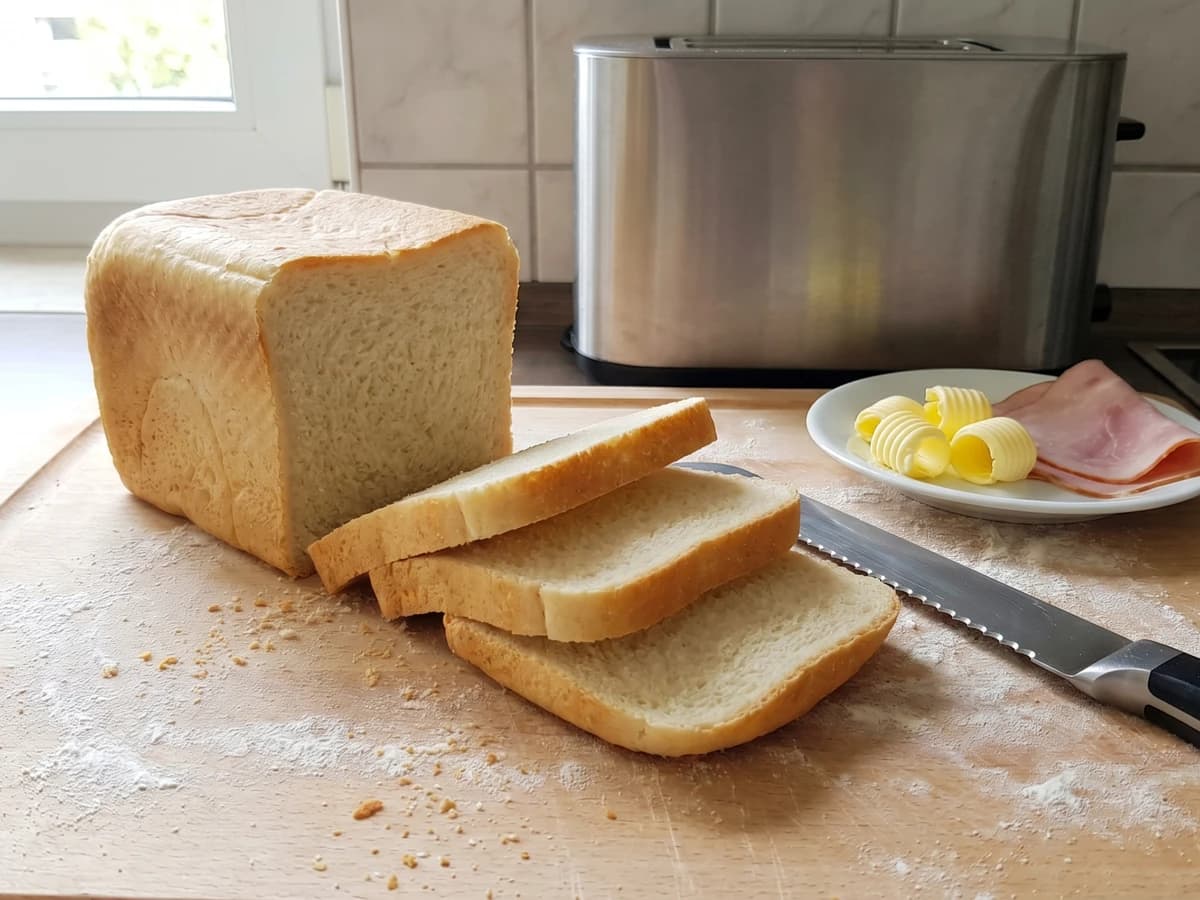
A square wheat loaf for Frühstück, Pausenbrot, and the toaster, soft enough for children, sturdy enough for cheese, and only good when the shaping is tight.
Chef Klaus
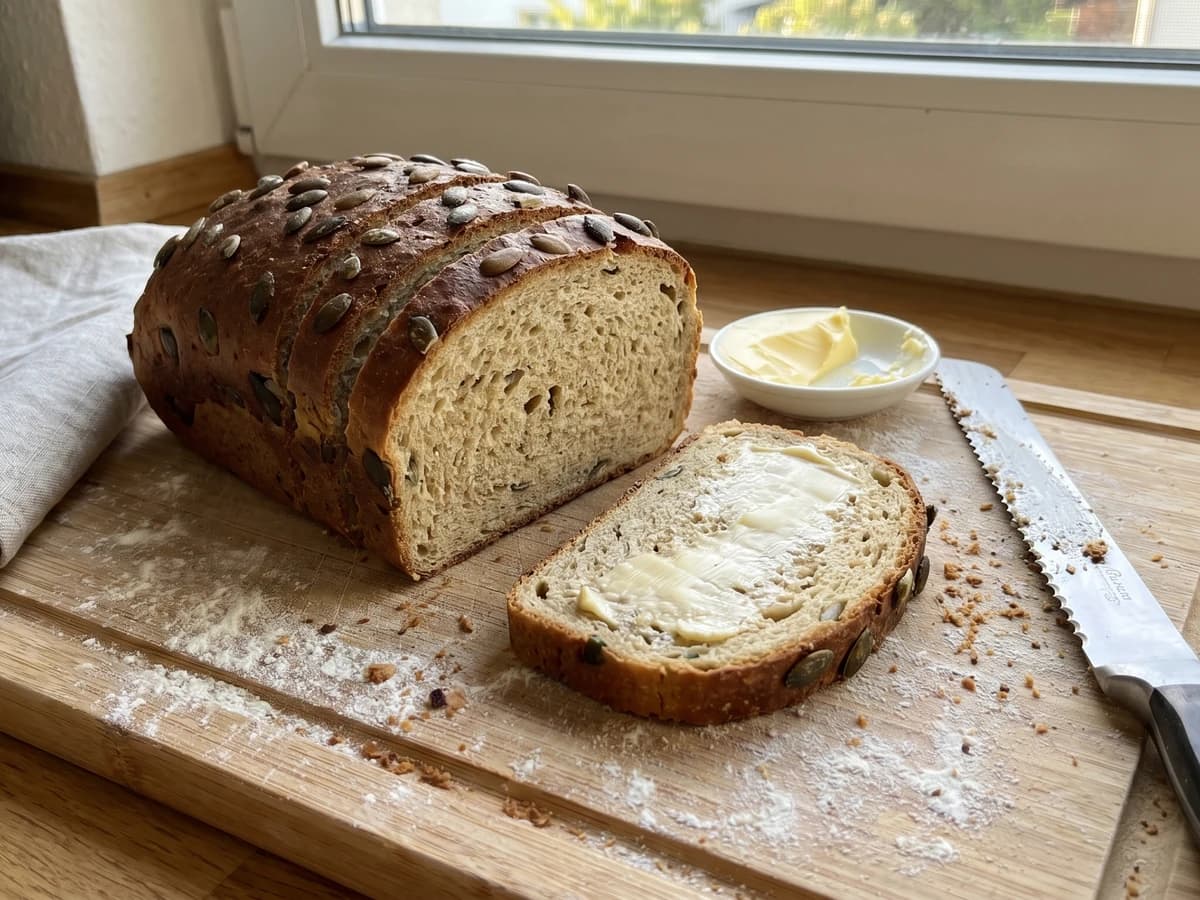
A nutty everyday German loaf with green pumpkin seeds through the crumb and crust, made properly by soaking the seeds first so the bread stays moist after baking.
Chef Klaus
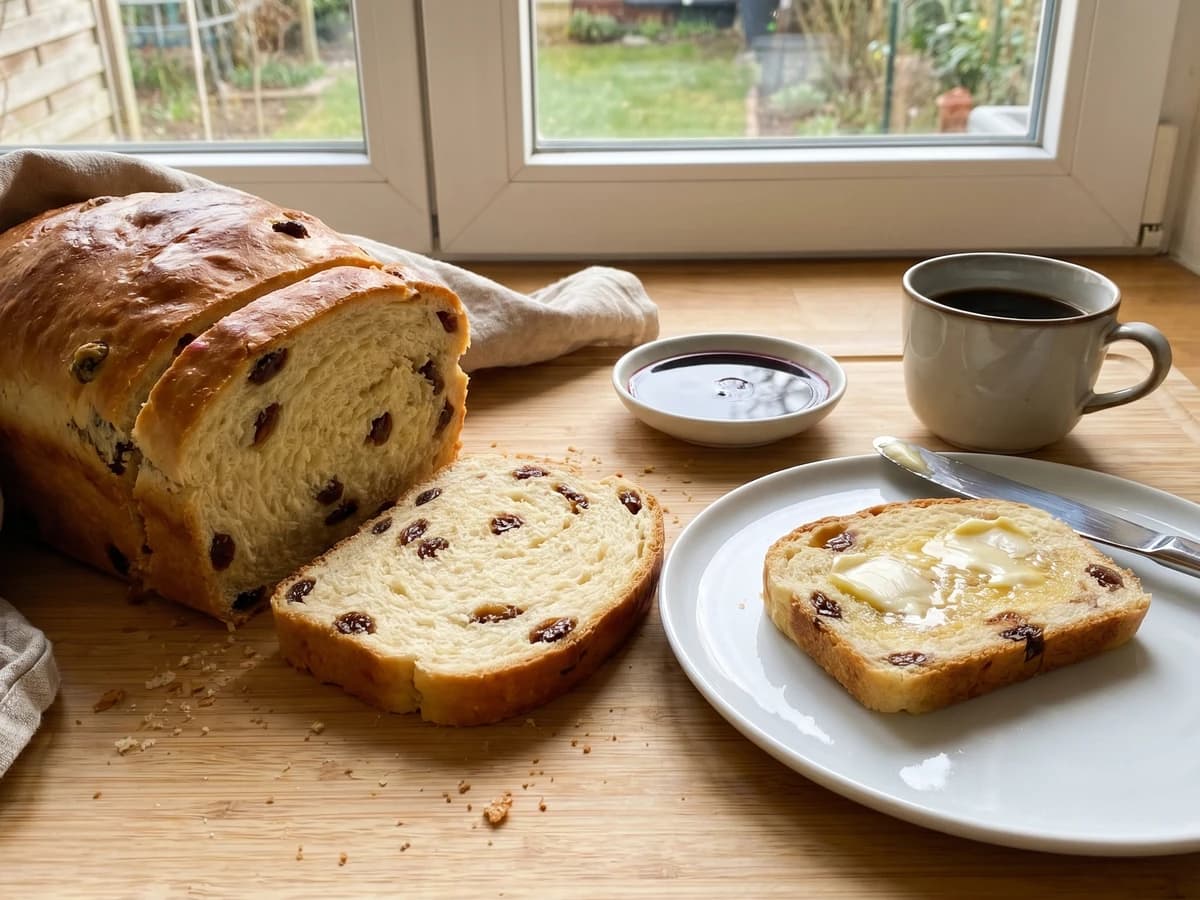
A raisin milk-loaf from the northern and western bread table: soft enough for breakfast, sturdy enough for Sunday coffee, and decided by one plain thing, soaking the raisins first.
Culinary guides, cultural storytelling, and the editorial depth that makes cooking meaningful.
Discover Culinary ExplorerChef Klaus is a fictional culinary guide to German Regional Cuisine (Hausmannskost), written with the assistance of AI.