
Chef Klaus
Ostfriesentee mit Kluntje
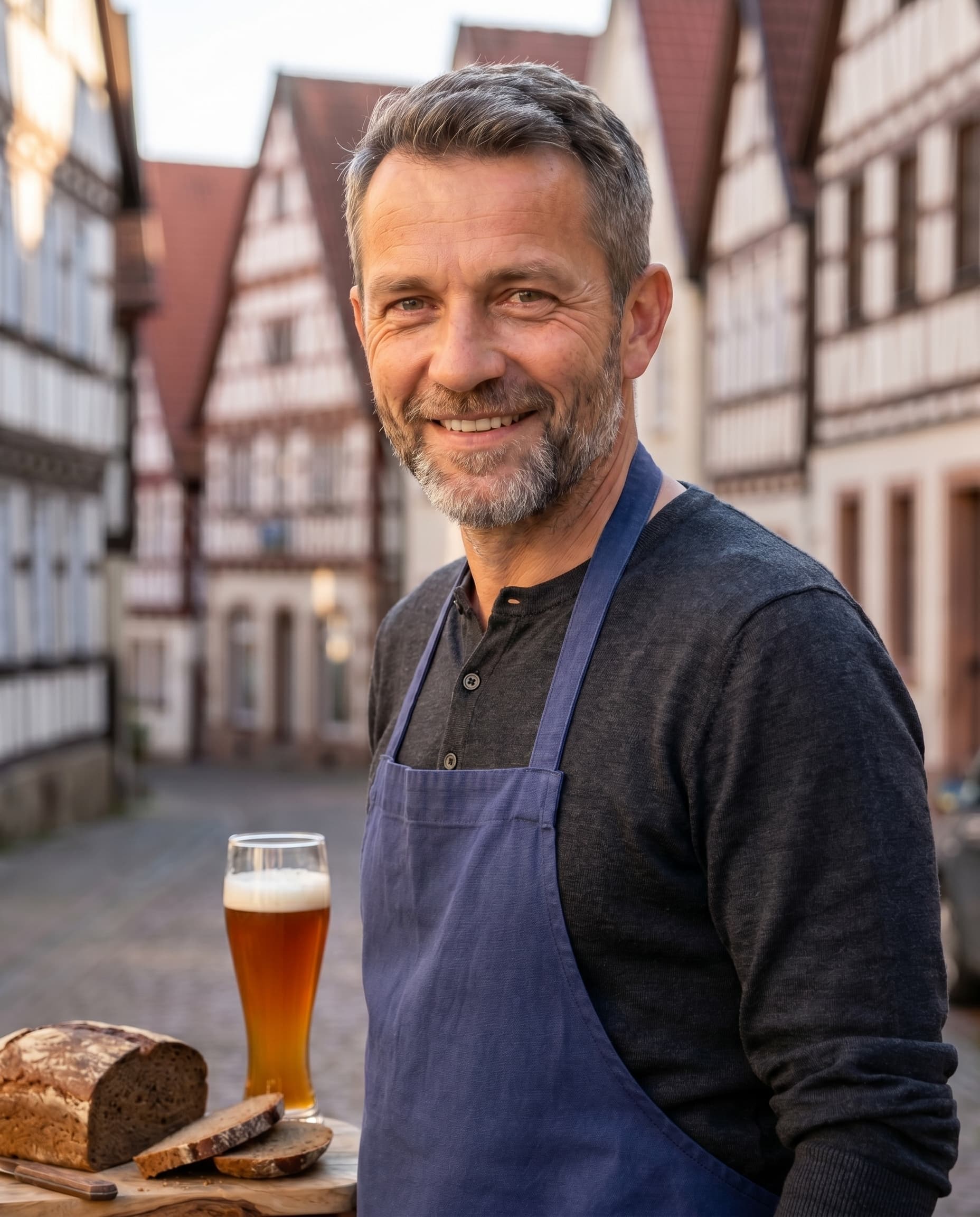
East Frisia's tea table in one cup: strong black tea, a cracking Kluntje of rock sugar, and cream slid in so it blooms instead of disappears.
Updated June 19, 2026
The German drink worth making at home, set by the season: Christmas-market warmers, the May and summer Bowlen, the Hessian Apfelwein, the ritual Ostfriesentee.
A cooking platform built around craft, culture, and the stories behind what we eat.
Chef Klaus
East Frisia's tea table in one cup: strong black tea, a cracking Kluntje of rock sugar, and cream slid in so it blooms instead of disappears.
Chef Klaus
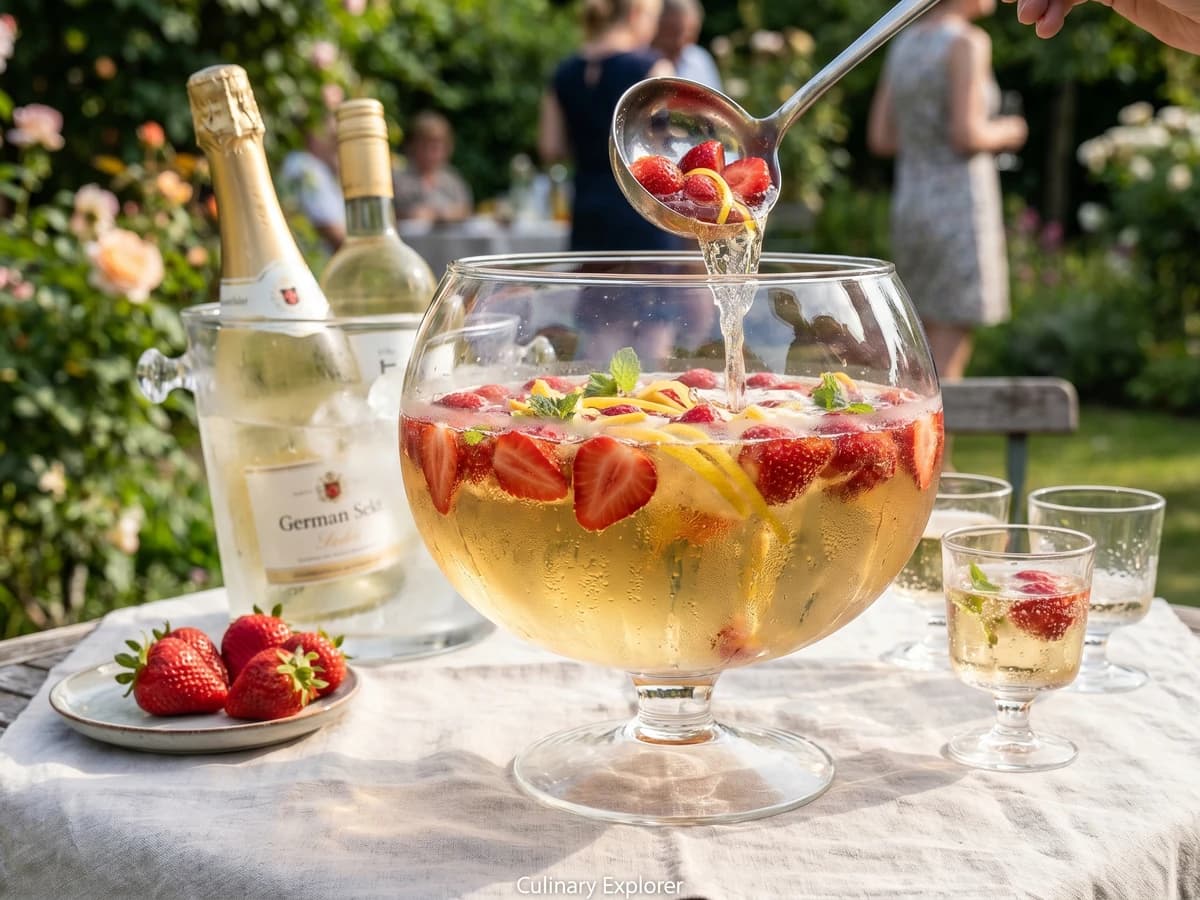
The garden-party Bowle of early summer: strawberries first sugared until they give their own syrup, then chilled wine and Sekt added without bruising the fruit.
Chef Klaus
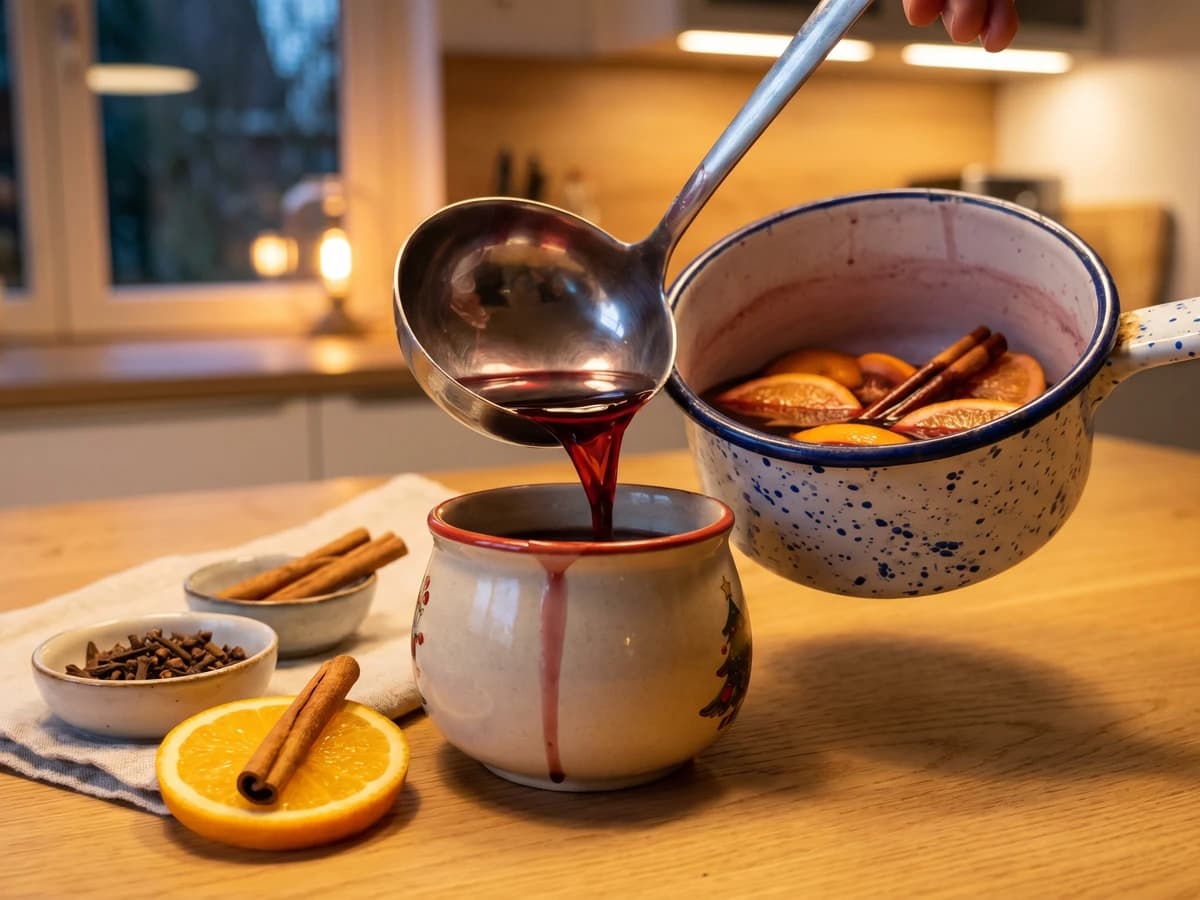
The child's punch of the German Christmas market: red fruit tea, cloudy apple juice, citrus, and whole spice warmed gently, not boiled to death.

Chef Klaus
Berlin's summer glass: sharp, pale Berliner Weisse softened with a red raspberry or green woodruff Schuss, cold enough to bead the glass and never from bottled syrup.
Chef Klaus
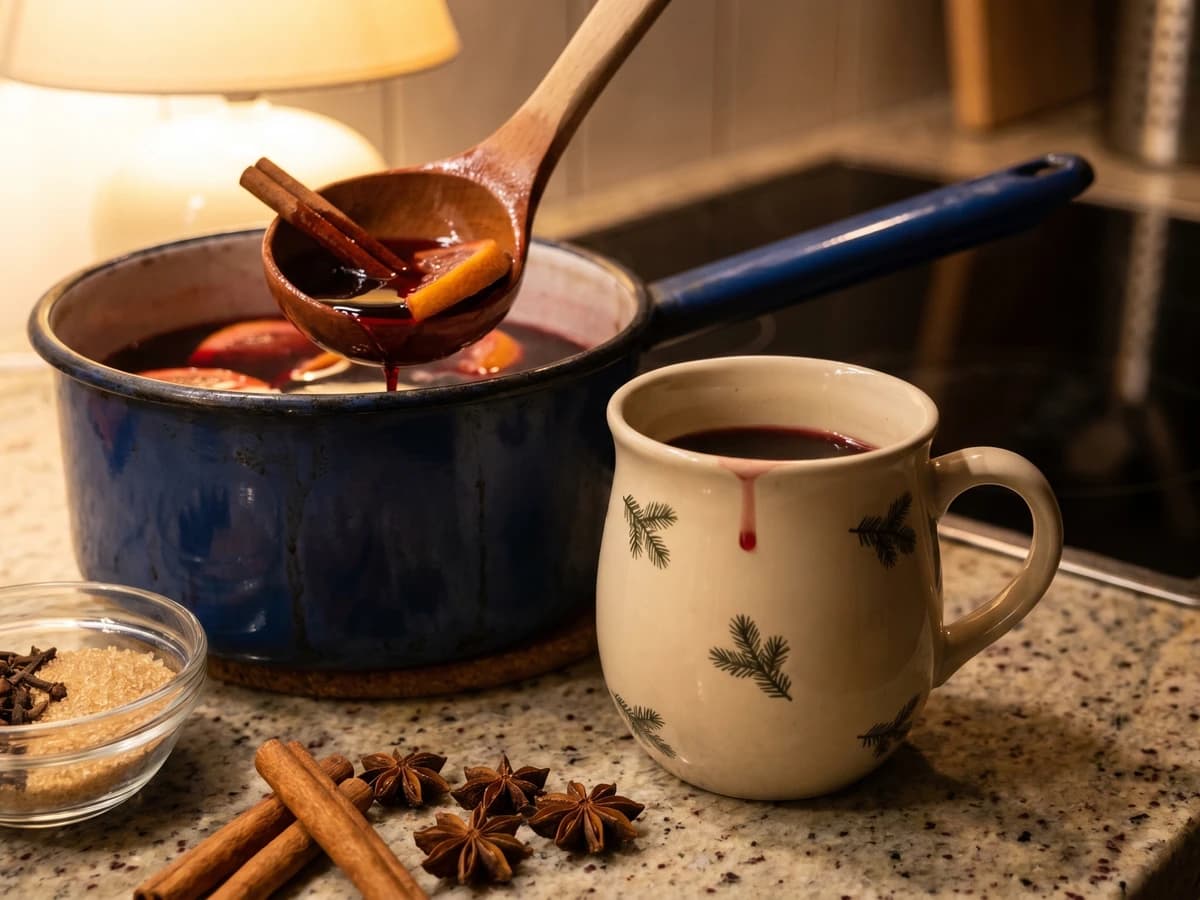
The Christmas-market warmer done at home with real wine, whole spice, and one hard rule: warm it gently, because boiled Glühwein is ruined wine.
Chef Klaus
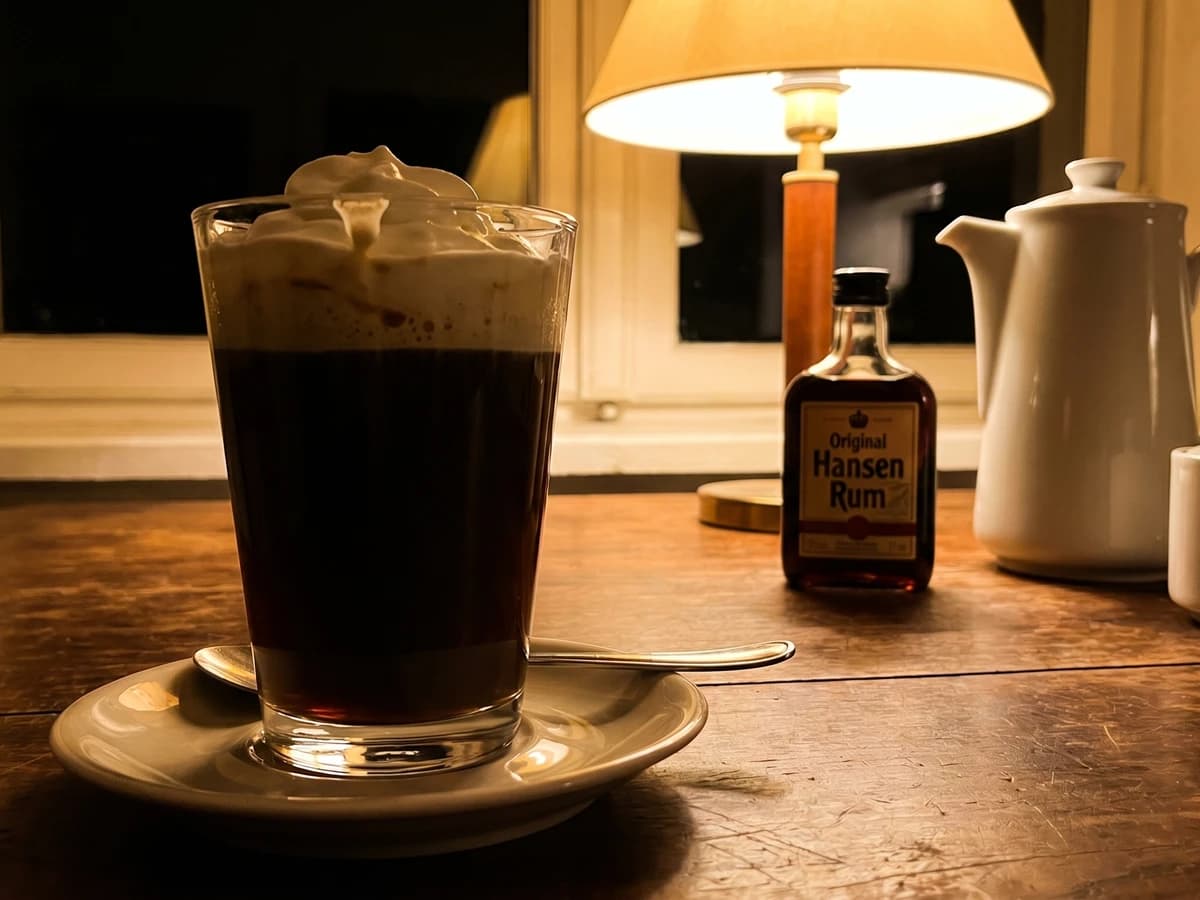
The North Frisian coffee that hides its rum under a white cap of cream, built for a winter table, a christening story, and a strict parson with a good nose.

Chef Klaus
The Advent mug that works only if you keep the heat gentle: egg yolks, sugar, and white wine whisked thick before the pot ever thinks about boiling.
Chef Klaus
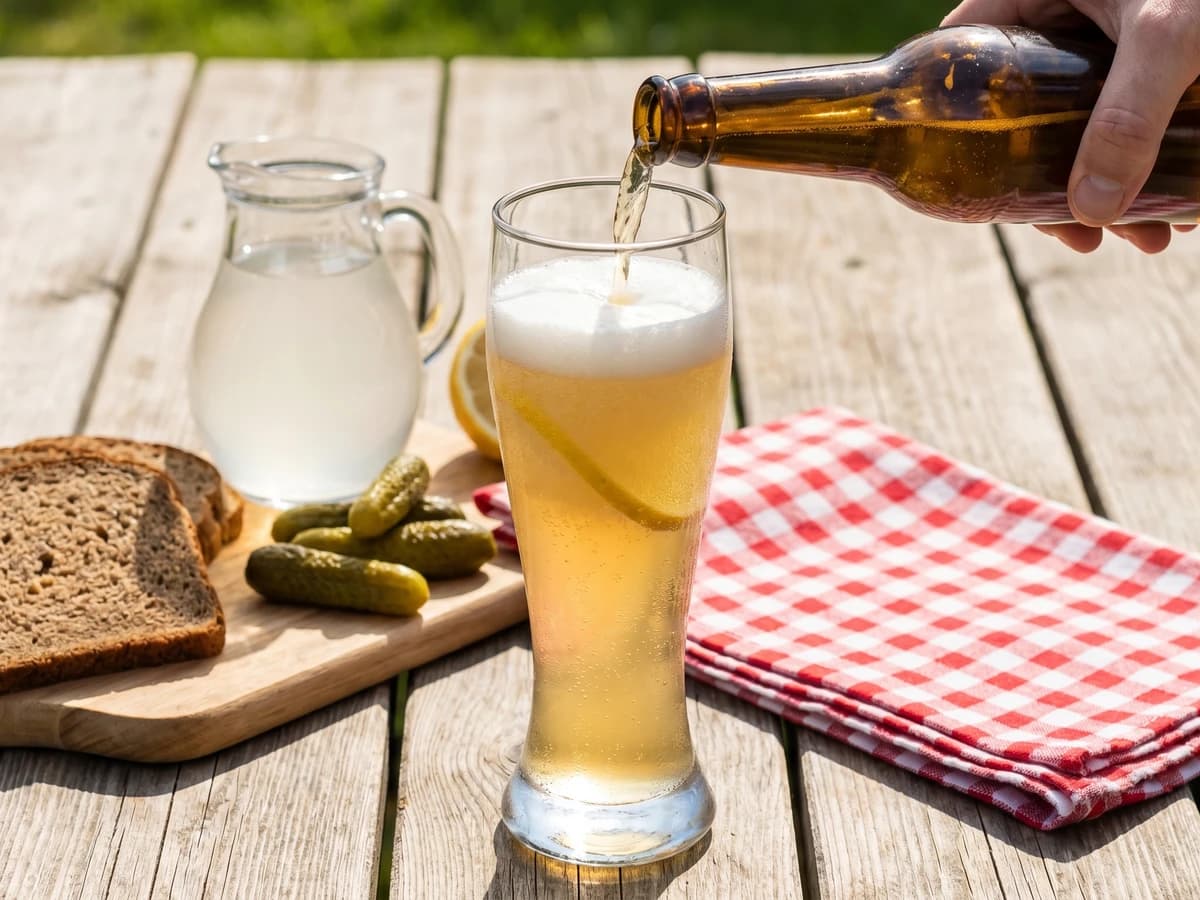
The summer beer drink that lives by cold glass, cold lager, and clear lemon soda, poured gently so the bitterness stays clean and the bubbles stay alive.

Chef Klaus
Nordfriesland's winter cup: dark cocoa, a proper measure of rum, and whipped cream on top, kept below a boil so the chocolate stays smooth and the rum stays in the drink.
Chef Klaus
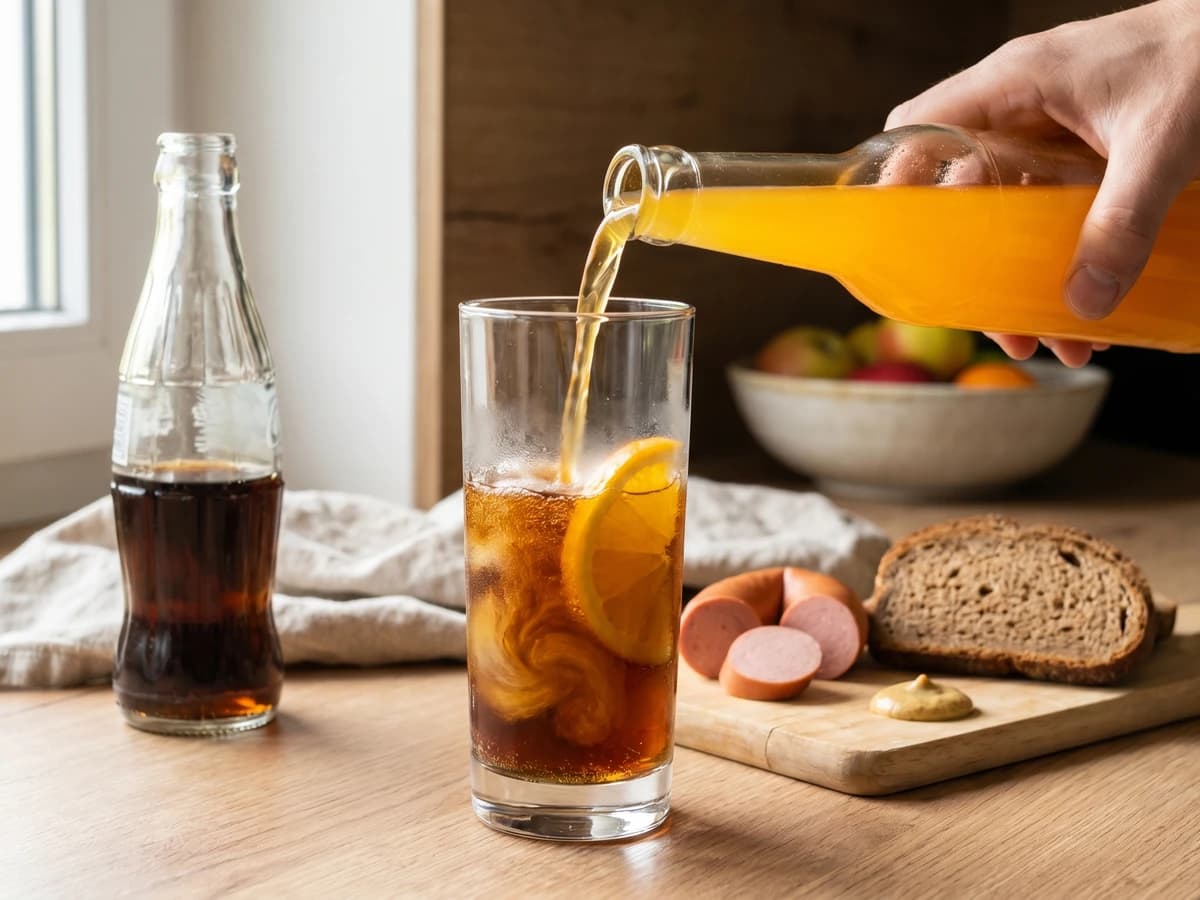
Spezi works when the cola stays in charge: two cold parts cola, one cold part orange soda, poured gently so the bitter edge stays lively and the glass doesn't turn to syrup.
Chef Klaus
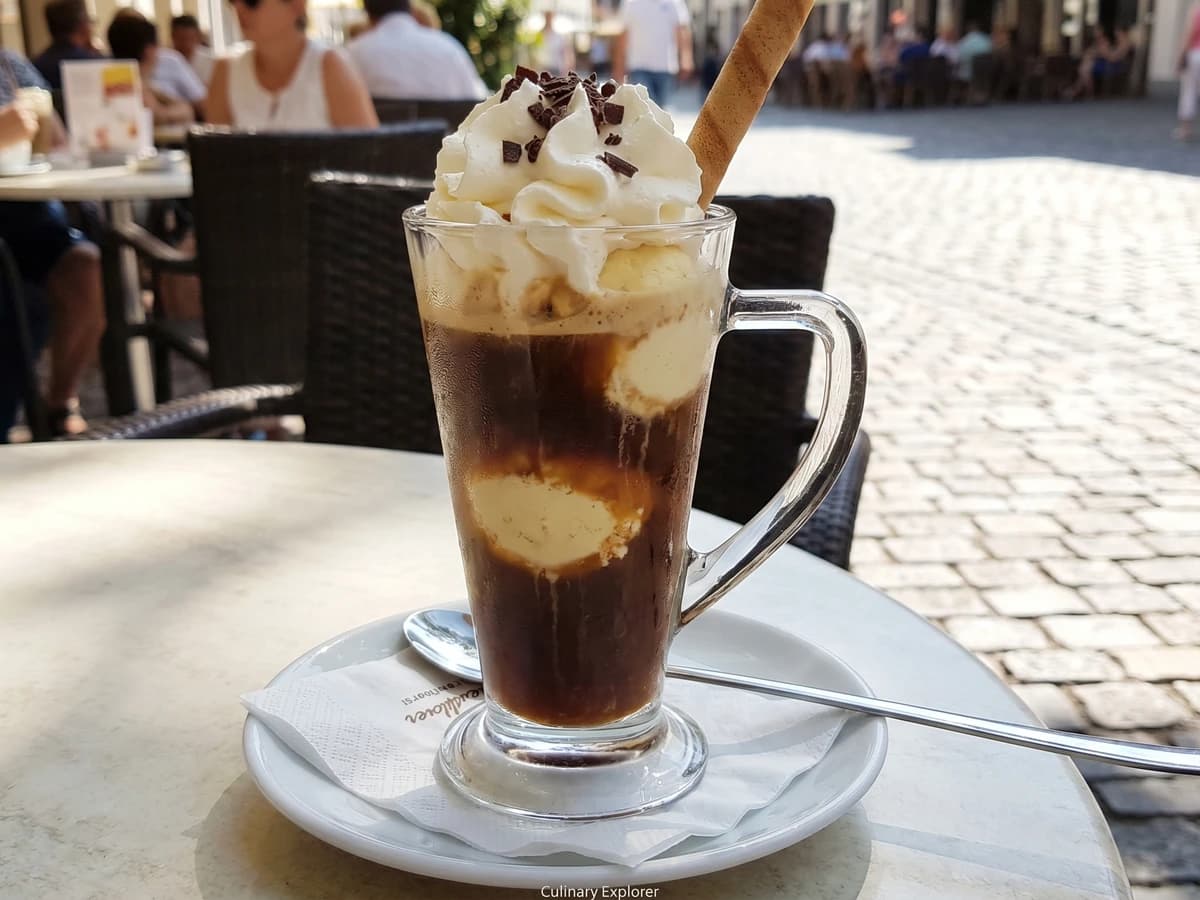
Cold strong coffee over proper vanilla ice cream, whipped cream on top, no bottled syrup doing the work. Eiskaffee is the German cafe dessert that happens to drink through a straw.
Chef Klaus
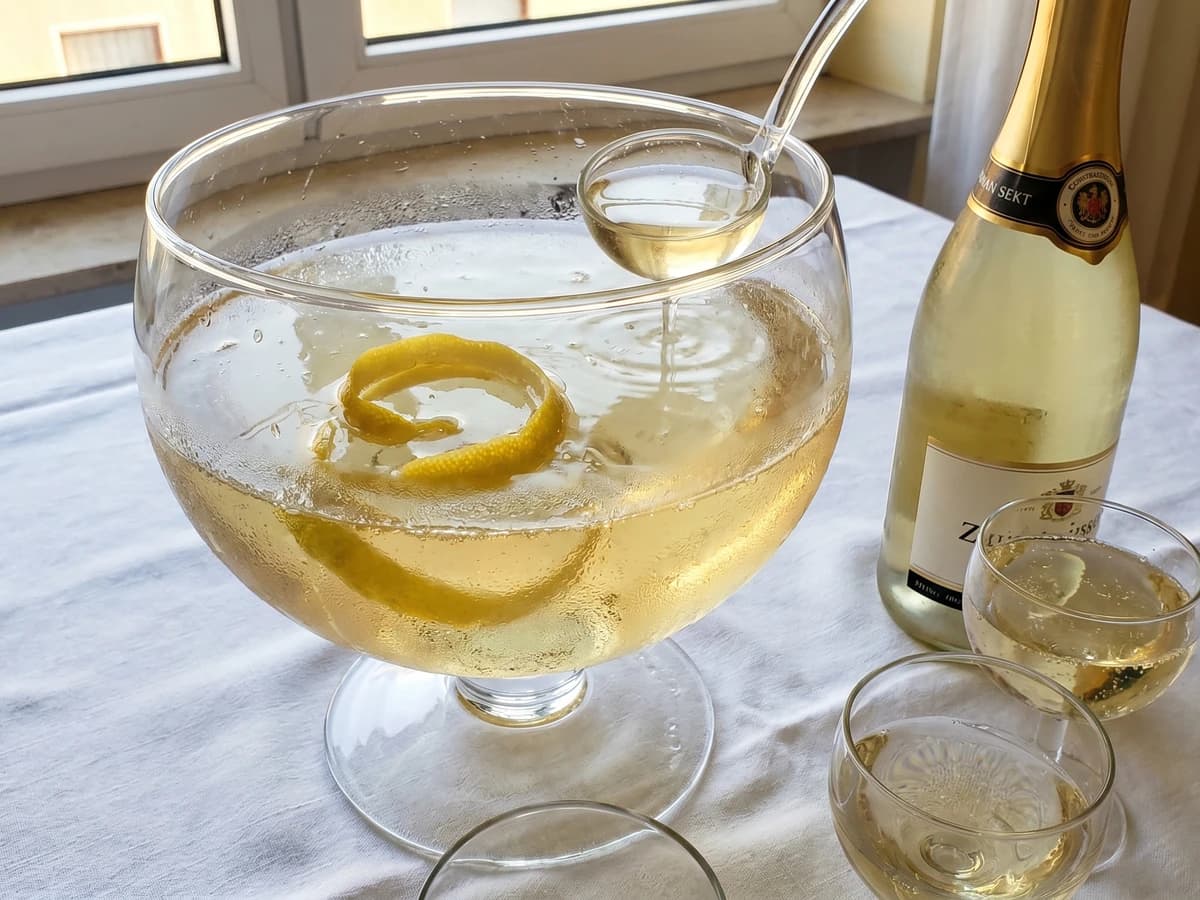
The Rhineland party Bowle that works because it stays simple: cold white wine, dry Sekt, and a long lemon peel giving oil, not bitter pith.
Chef Klaus
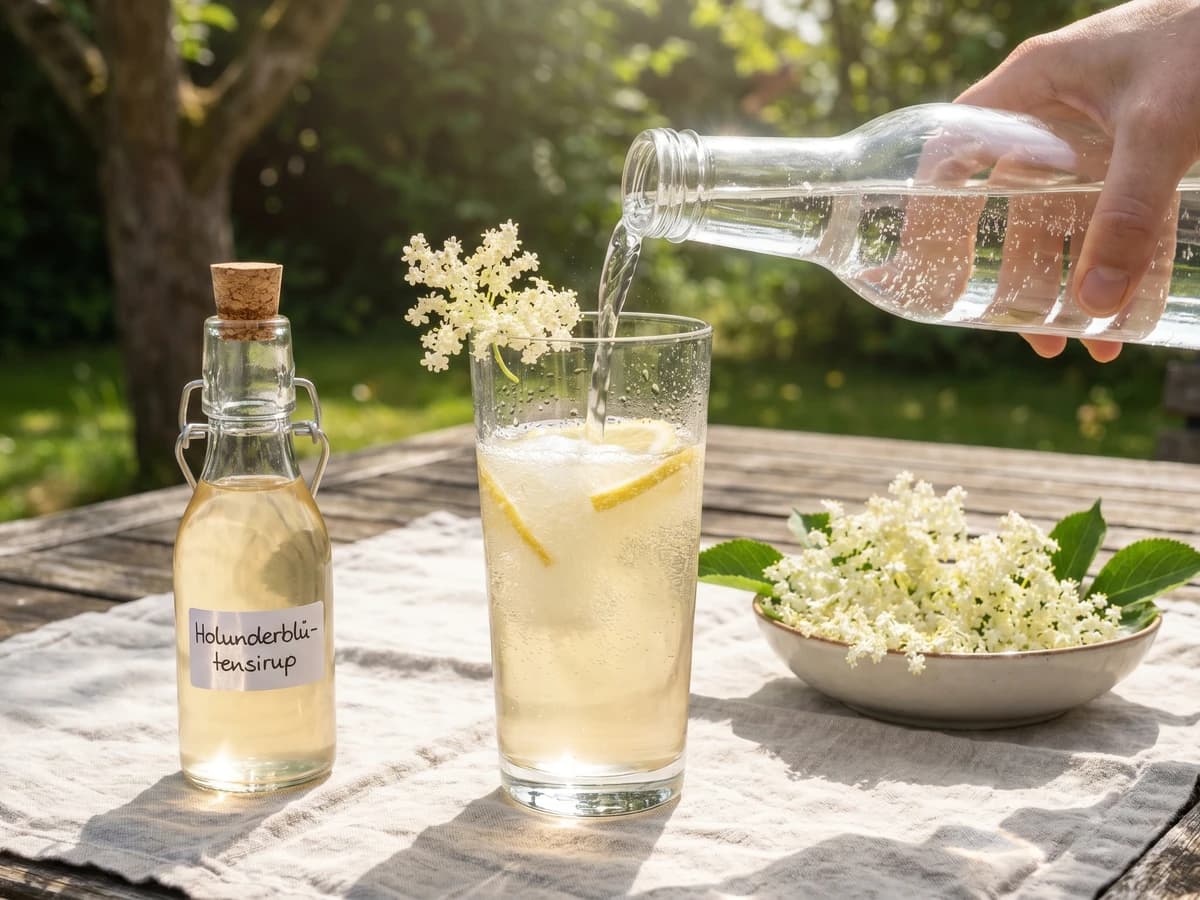
The early-summer German Limonade made from hedgerow elderflowers, lemon, sugar, and patience, then poured cold with sparkling water at the garden table.

Chef Klaus
The Easter bottle from yolks, sugar, cream, and good spirit, beaten warm just enough to thicken, then cooled into a yellow liqueur for cake, coffee, and small glasses.
Chef Klaus
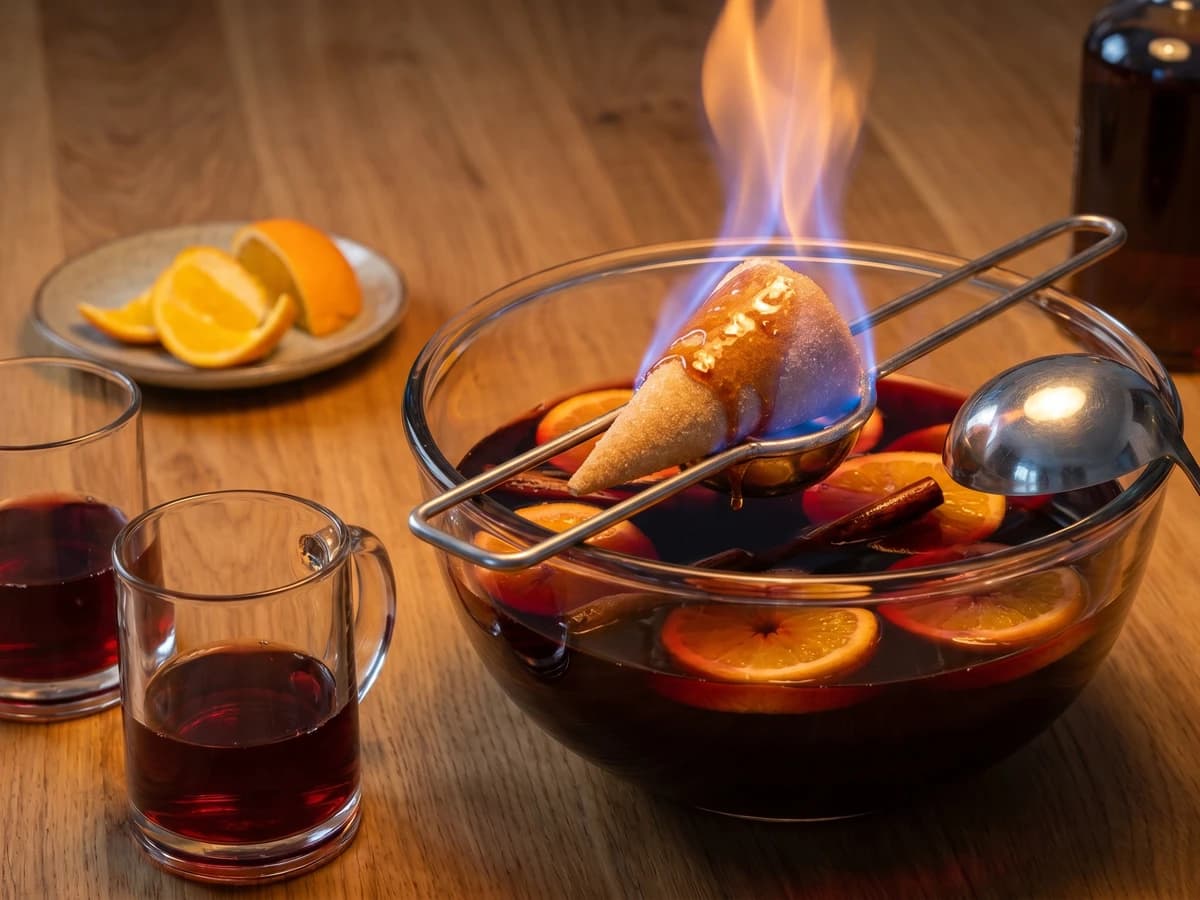
The Silvester punch that is half drink, half table ritual: spiced red wine below, burning rum sugar above, and no supermarket Glühwein carton anywhere near it.
Chef Klaus
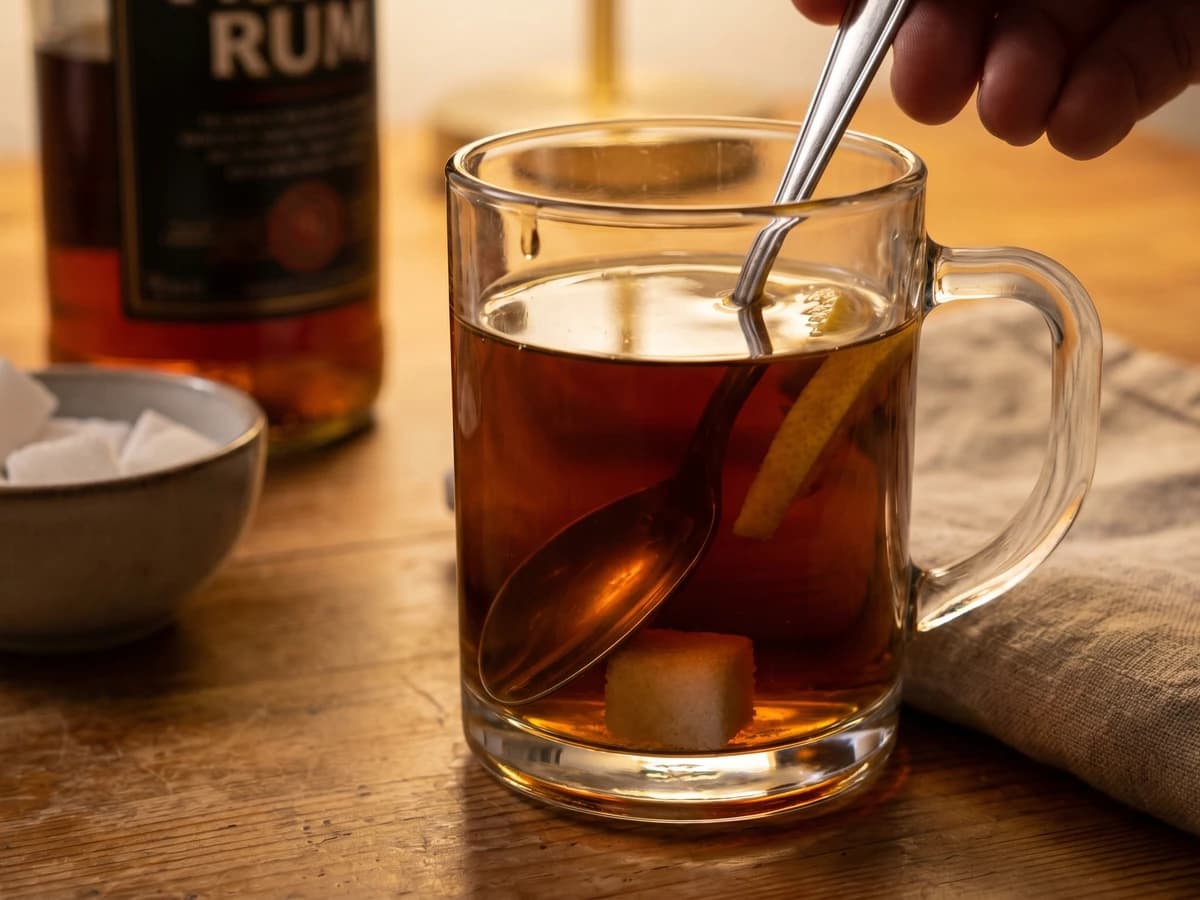
The North Sea sailor's warmer, dark rum, hot water, and sugar in a heatproof glass, decided by order and temperature rather than decoration.

Chef Klaus
Cloudy apple juice, sharp mineral water, and no sugar bowl: the German Schorle that belongs in school bags, beer gardens, picnic baskets, and the table when supper is quick.

Chef Klaus
The Rheingau table drink that turns coffee into a small ceremony: brandy, sugar, flame, strong coffee, and cold cream doing their jobs in the right order.
Chef Klaus
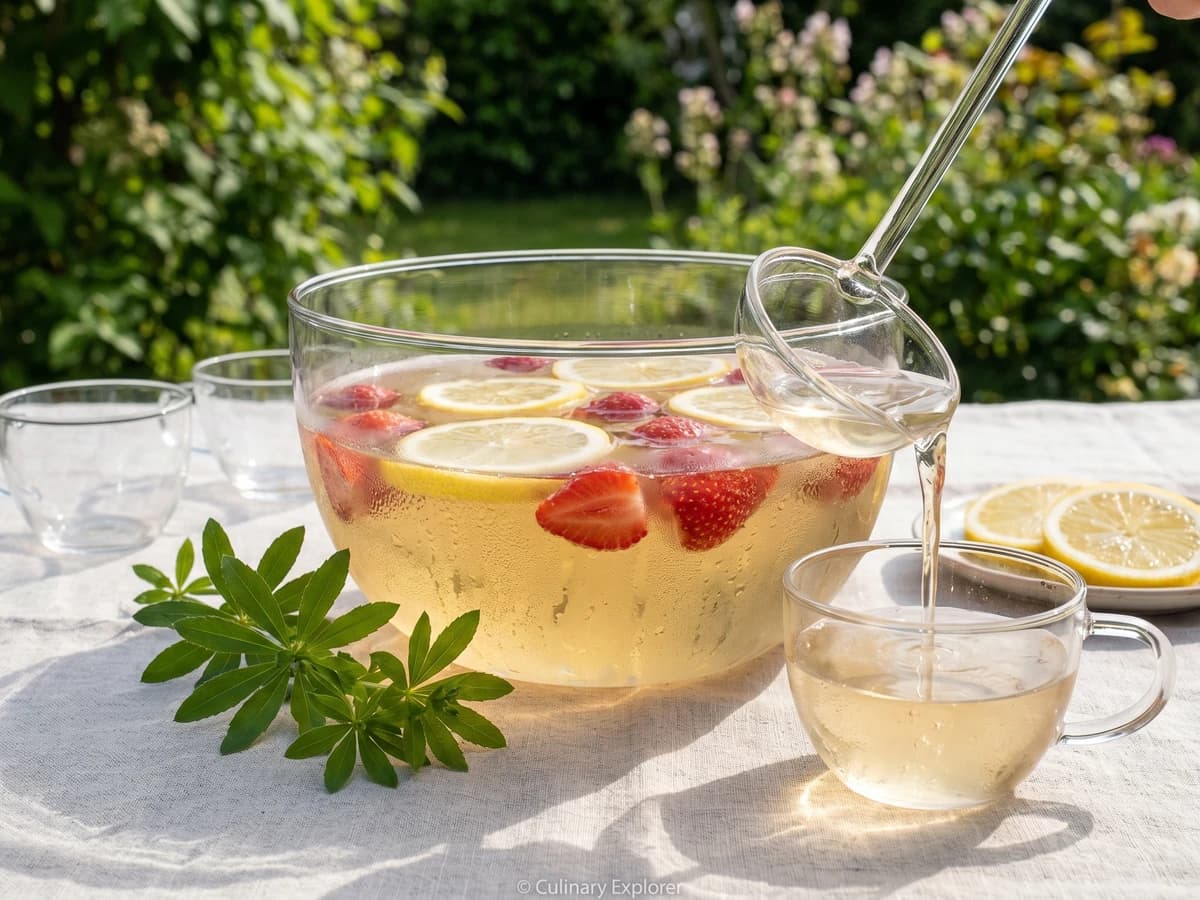
The spring Bowle that works only when the Waldmeister wilts first, then scents the wine briefly before the sparkling wine goes in cold and alive.
Chef Klaus
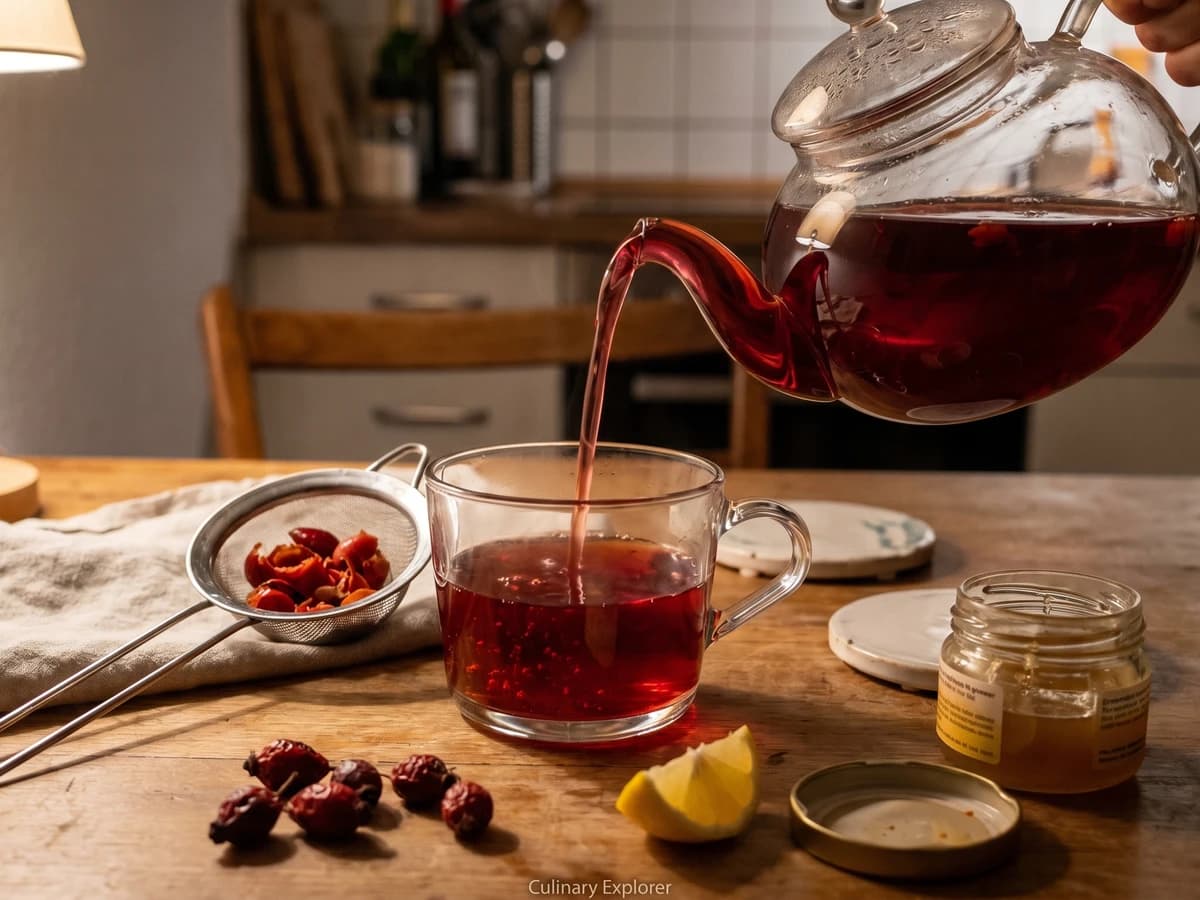
The deep-red winter tea from the hedgerow, dried rosehips simmered gently and covered so the cup tastes of tart fruit, not dust from a packet.

Chef Klaus
Frankfurt's long drink for a warm table: dry Apfelwein, cold mineral water, and the ribbed Geripptes glass that tells you where you are.
Culinary guides, cultural storytelling, and the editorial depth that makes cooking meaningful.
Discover Culinary ExplorerChef Klaus is a fictional culinary guide to German Regional Cuisine (Hausmannskost), written with the assistance of AI.