Chef Juliette
Bombe Coppélia
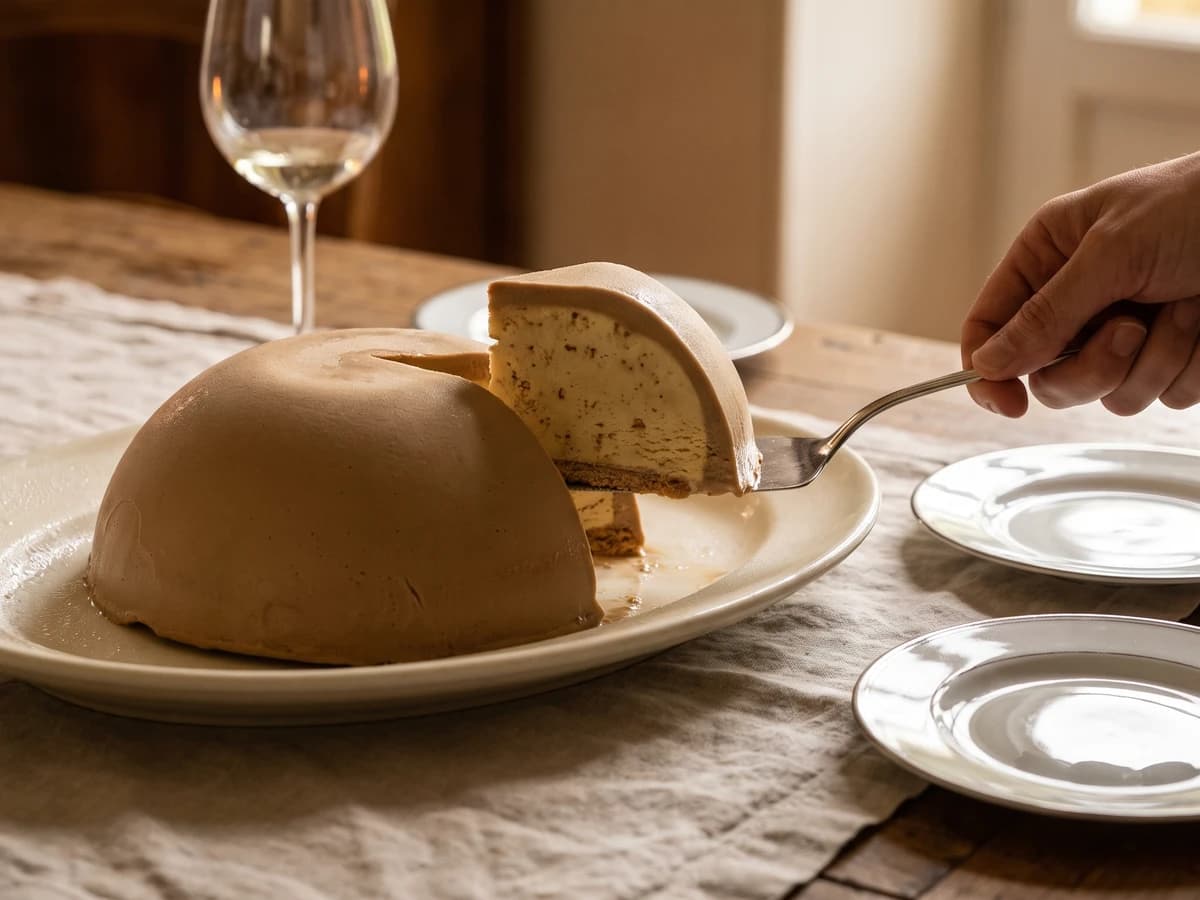
Bombe Coppélia pairs a firm coffee-ice shell with a soft praline pâte à bombe, teaching the cold architecture that lets two frozen textures release cleanly and melt together on the spoon.

Recipe Archive
Desserts bring structure to sweetness, from cakes and custards to frozen treats and fruit-driven finishes that close the meal with intention.
1329 recipes
A cooking platform built around craft, culture, and the stories behind what we eat.
Chef Juliette
Bombe Coppélia pairs a firm coffee-ice shell with a soft praline pâte à bombe, teaching the cold architecture that lets two frozen textures release cleanly and melt together on the spoon.
Chef Juliette
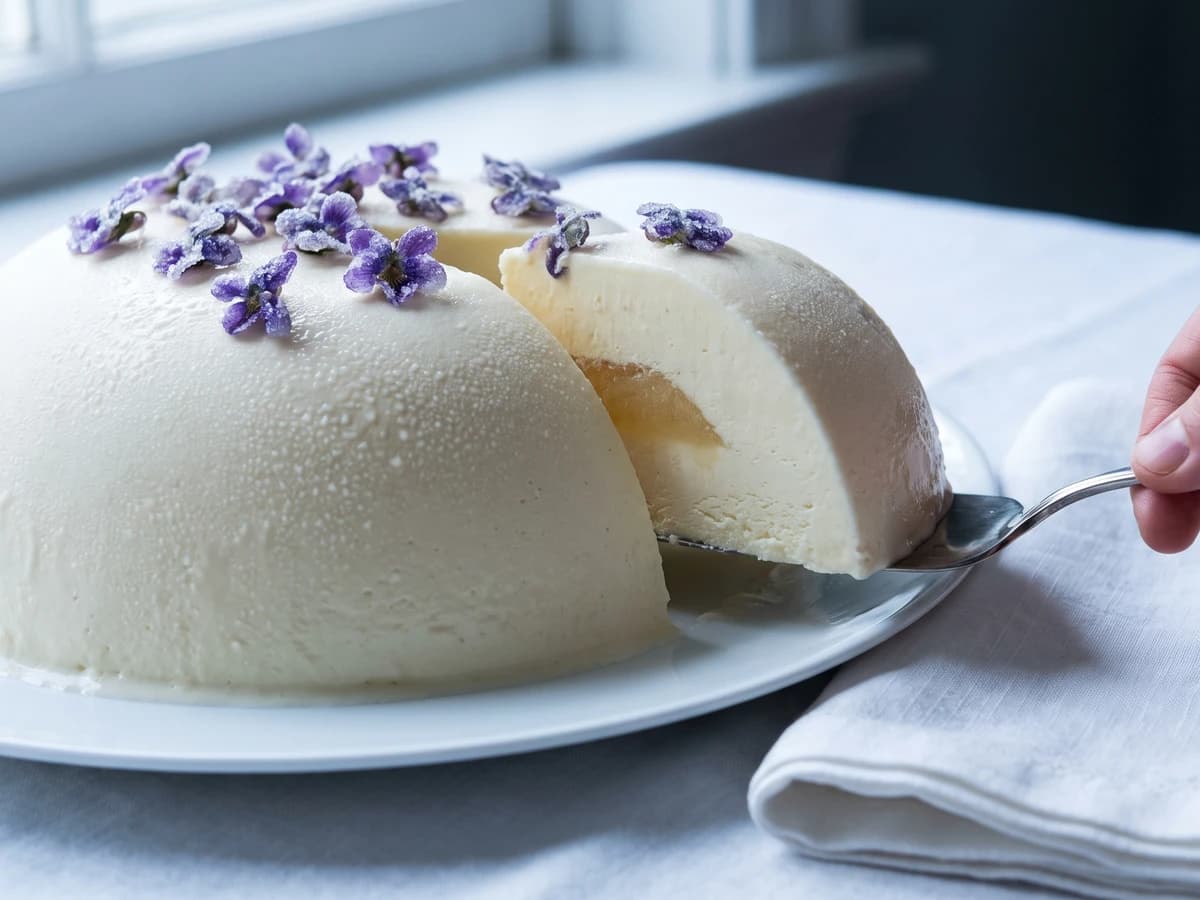
Vanilla ice holds a silken Kümmel pâte à bombe beneath crystallised violets, a formal frozen dessert made practical for one mould, one mixer, and a patient home freezer.
Chef Juliette
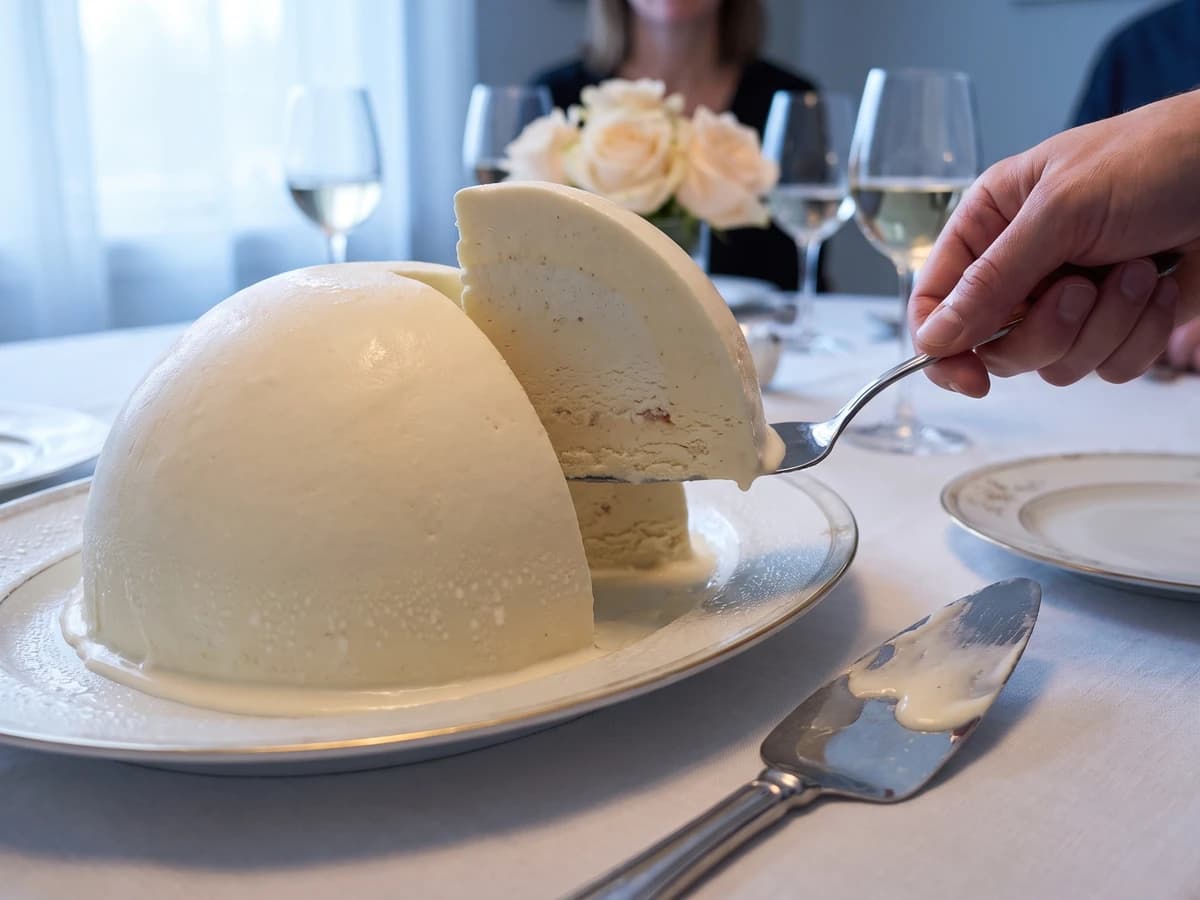
Vanilla ice encloses a pale almond-milk pâte à bombe in this domed frozen classic, where evenly clothing the mould and pressing every drop from the almonds make the difference.
Chef Juliette
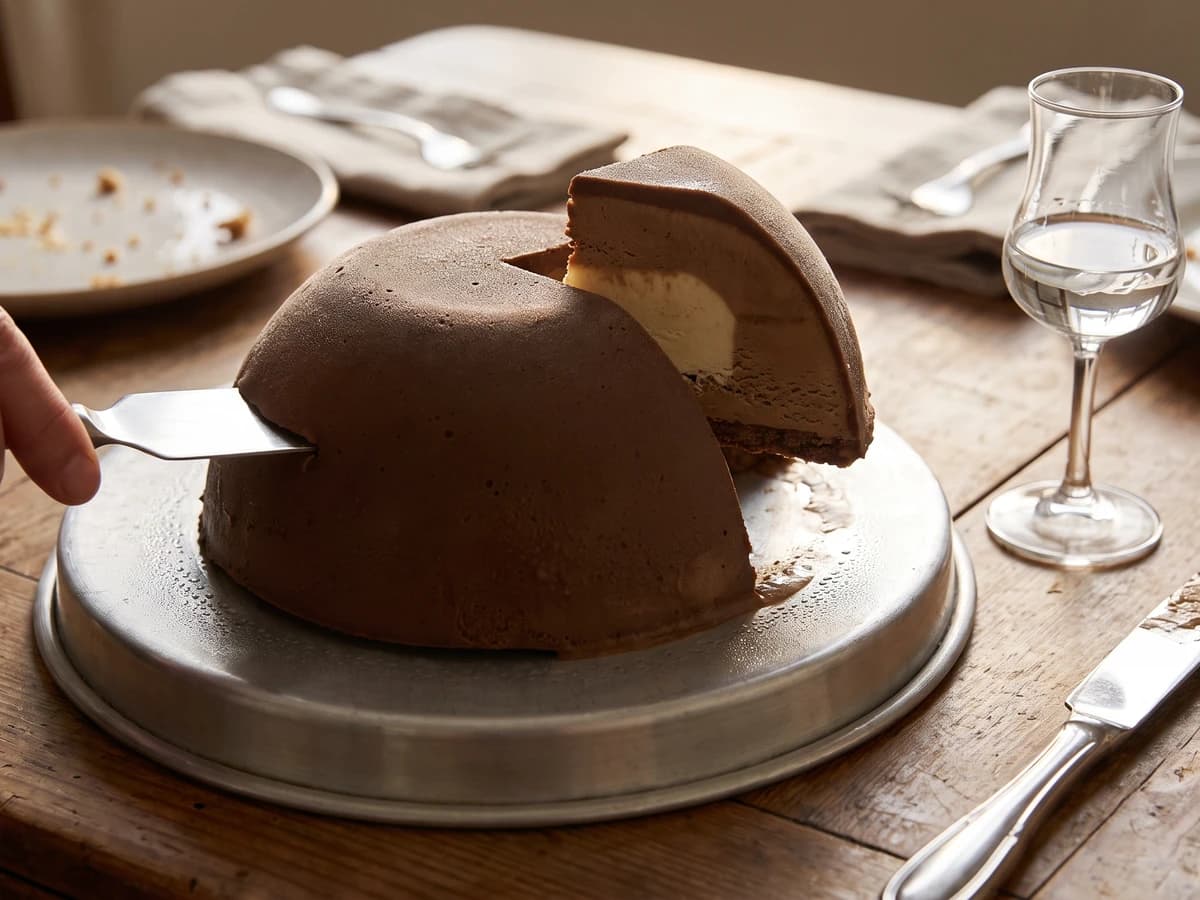
Bombe Danicheff layers force against finesse: deep coffee ice around an airy Kirsch pâte à bombe, frozen in a dome and sliced to reveal two bold flavors held in clean, creamy balance.
Chef Juliette
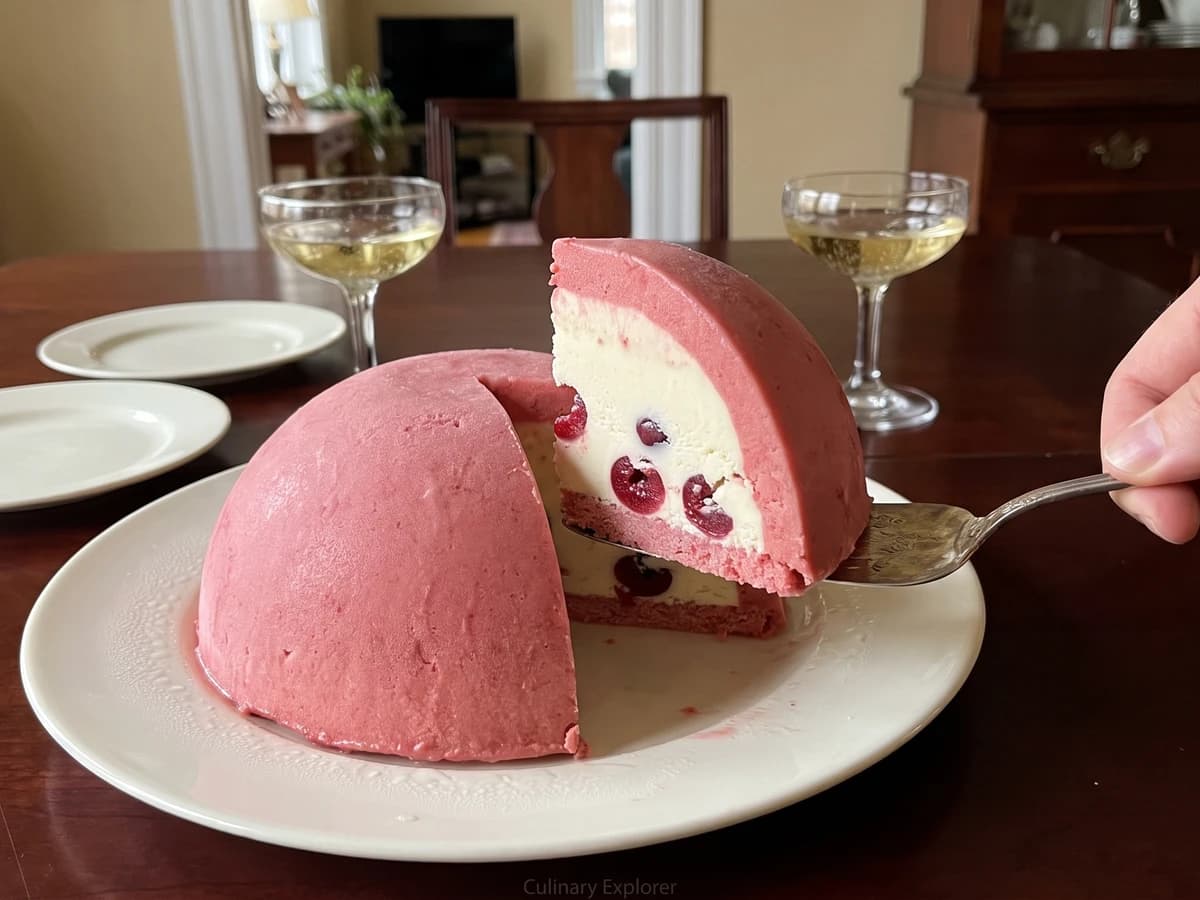
Strawberry ice forms the rose-pink shell, Kirsch pâte à bombe supplies the satin centre, and well-dried candied cherries punctuate each slice: a grand frozen dessert made calmly at home.
Chef Juliette
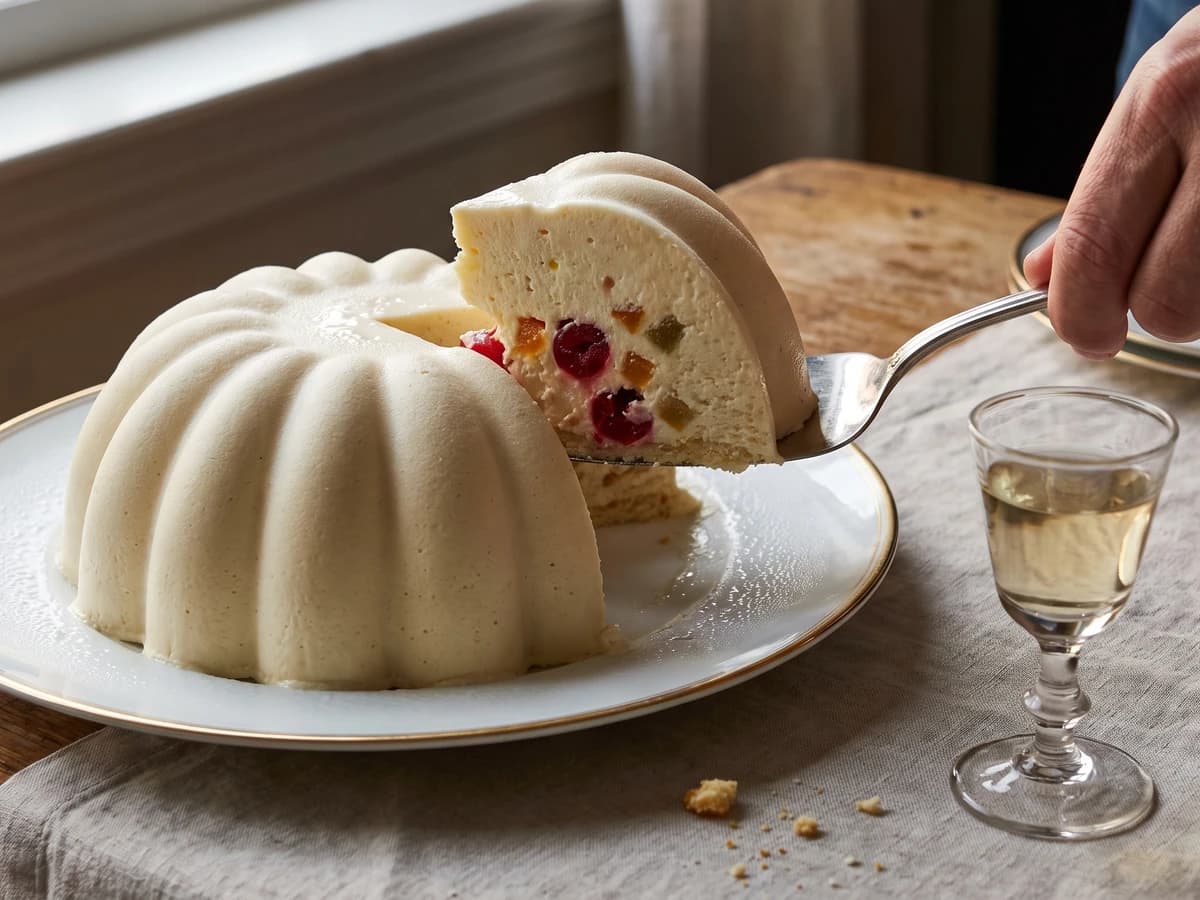
A vanilla ice-cream shell around airy Maraschino pâte à bombe and jewel-bright candied fruit: a grand frozen dessert brought home by one cold mould, steady folding, and the nerve to unmould it.
Chef Juliette
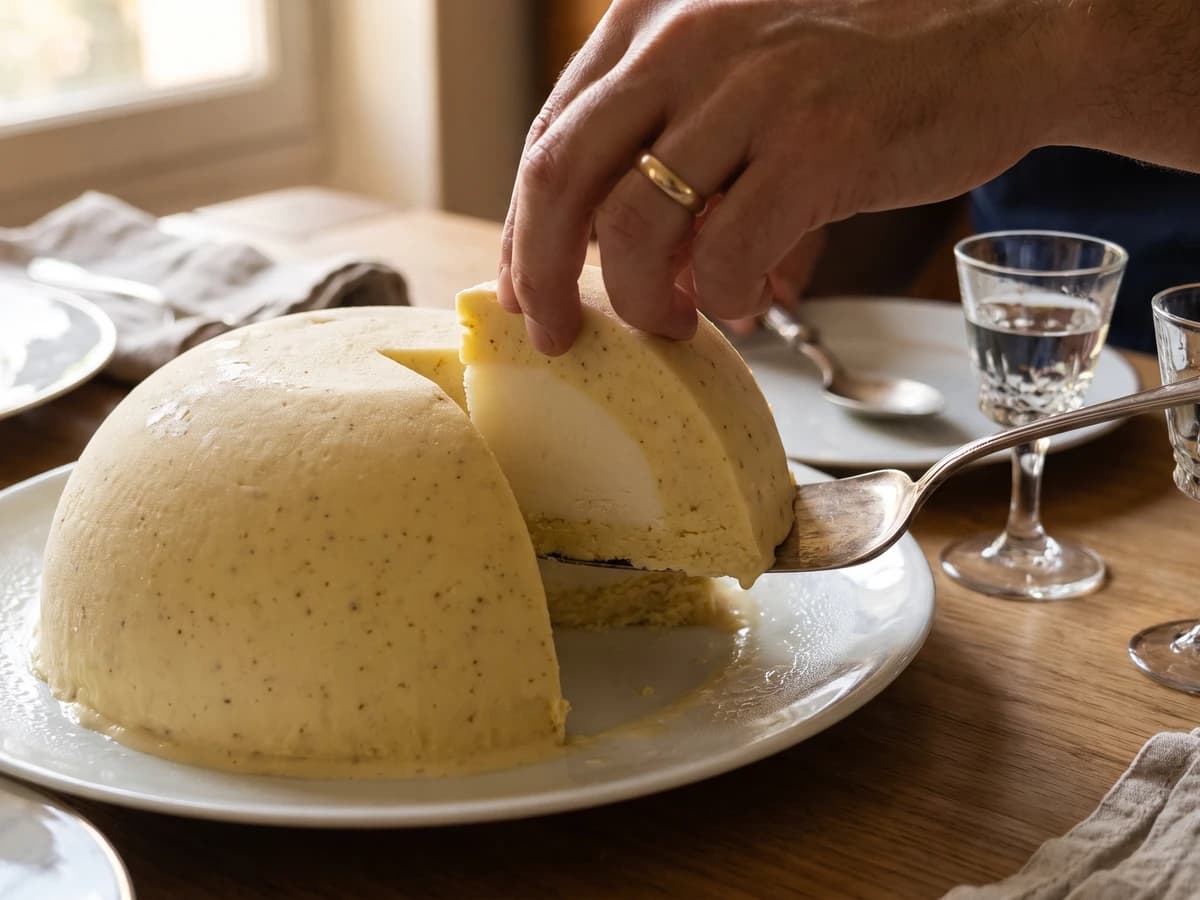
A pale banana-ice shell hides pear pâte à bombe scented with Kirsch, a make-ahead frozen centerpiece whose clean layers depend on fast freezing and one steady hand.

Chef Juliette
Bombe Fanchon teaches the architecture of a frozen entremets: praline ice pressed into a neat shell, Kirsch pâte à bombe folded light, and coffee drops added last so every bite keeps its crisp surprise.
Chef Juliette
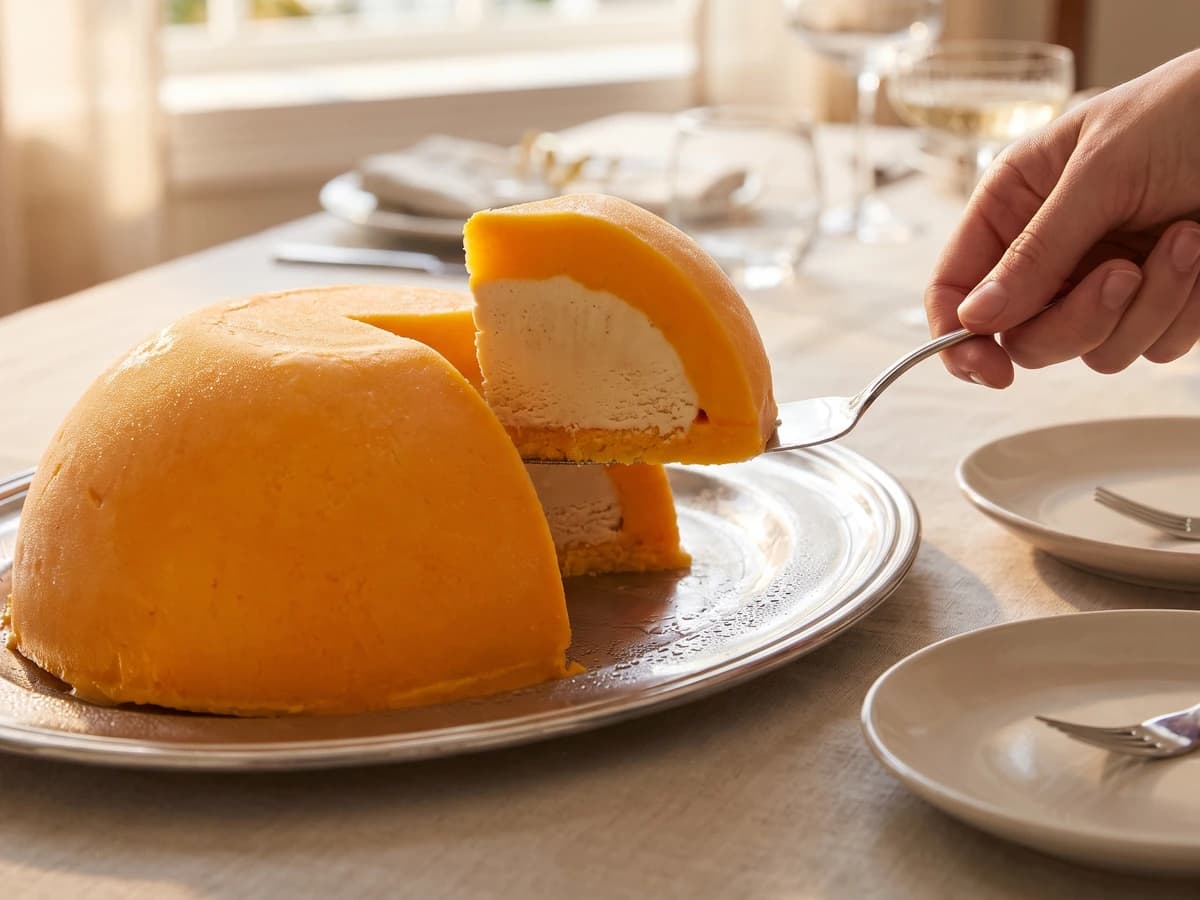
Orange perfume in a clean frozen shell, praline richness at the heart: Bombe Fedora turns two distinct ices into one celebration, provided the zest oil reaches the sugar before the juice does.
Chef Juliette
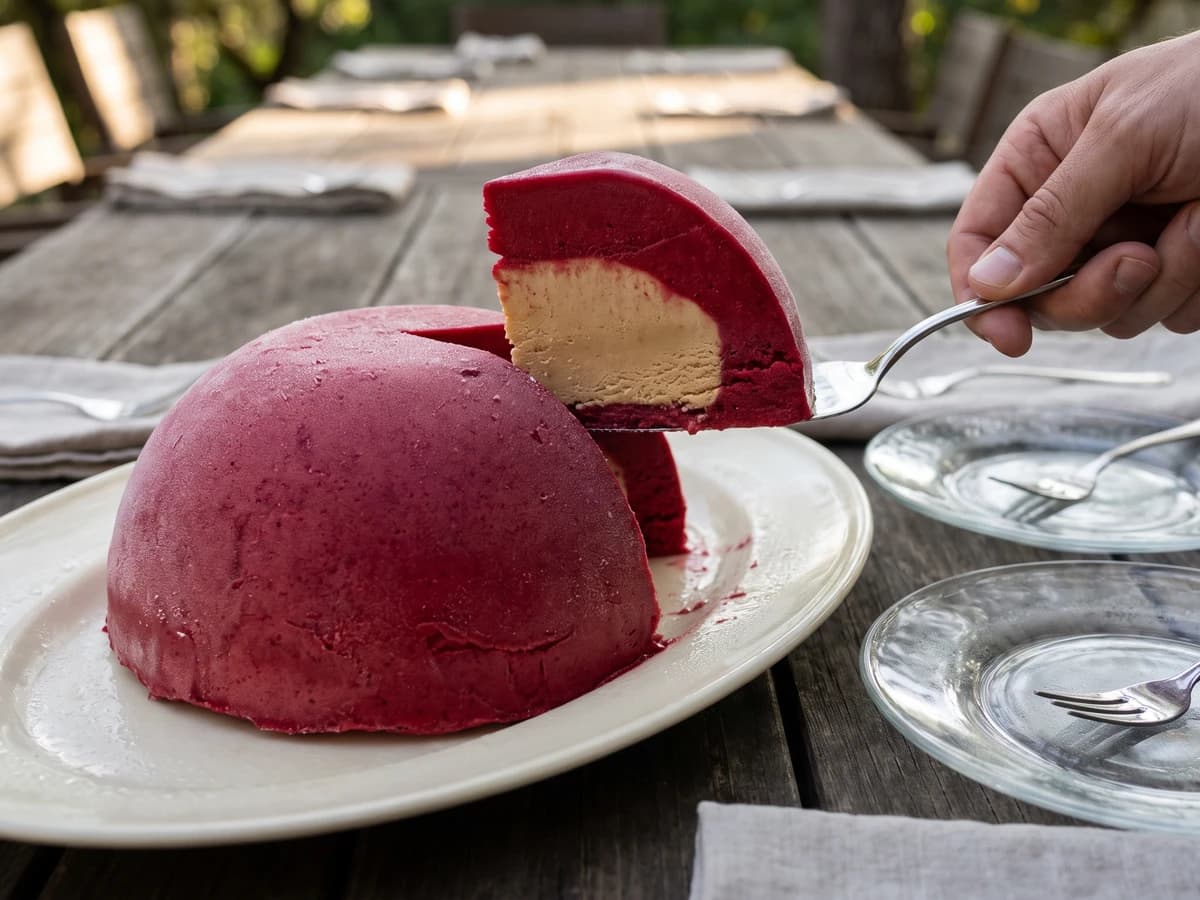
A vivid shell of raw raspberry ice gives way to praline pâte à bombe and softly whipped cream, a frozen French centerpiece built by patient layering, not complicated equipment.
Chef Juliette
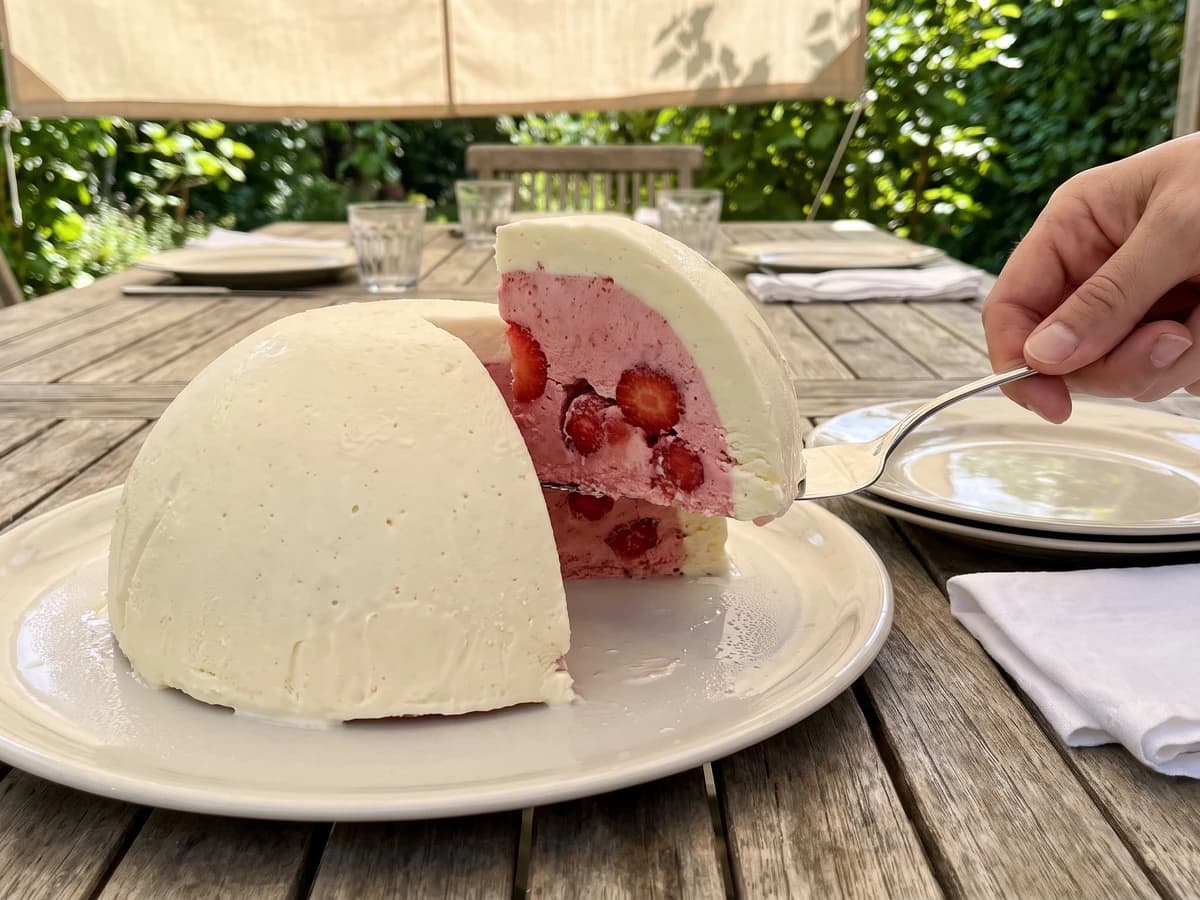
A vanilla ice-cream shell around strawberry pâte à bombe and whole ripe berries, turned out in one generous dome: the frozen dessert that teaches temperature, timing, and a clean unmoulding.

Chef Juliette
Coffee ice embraces a Cognac-scented pâte à bombe in this frozen French centrepiece, a lesson in gentle yolk thickening, clean moulding, and the patience to let cold finish the work.
Chef Juliette
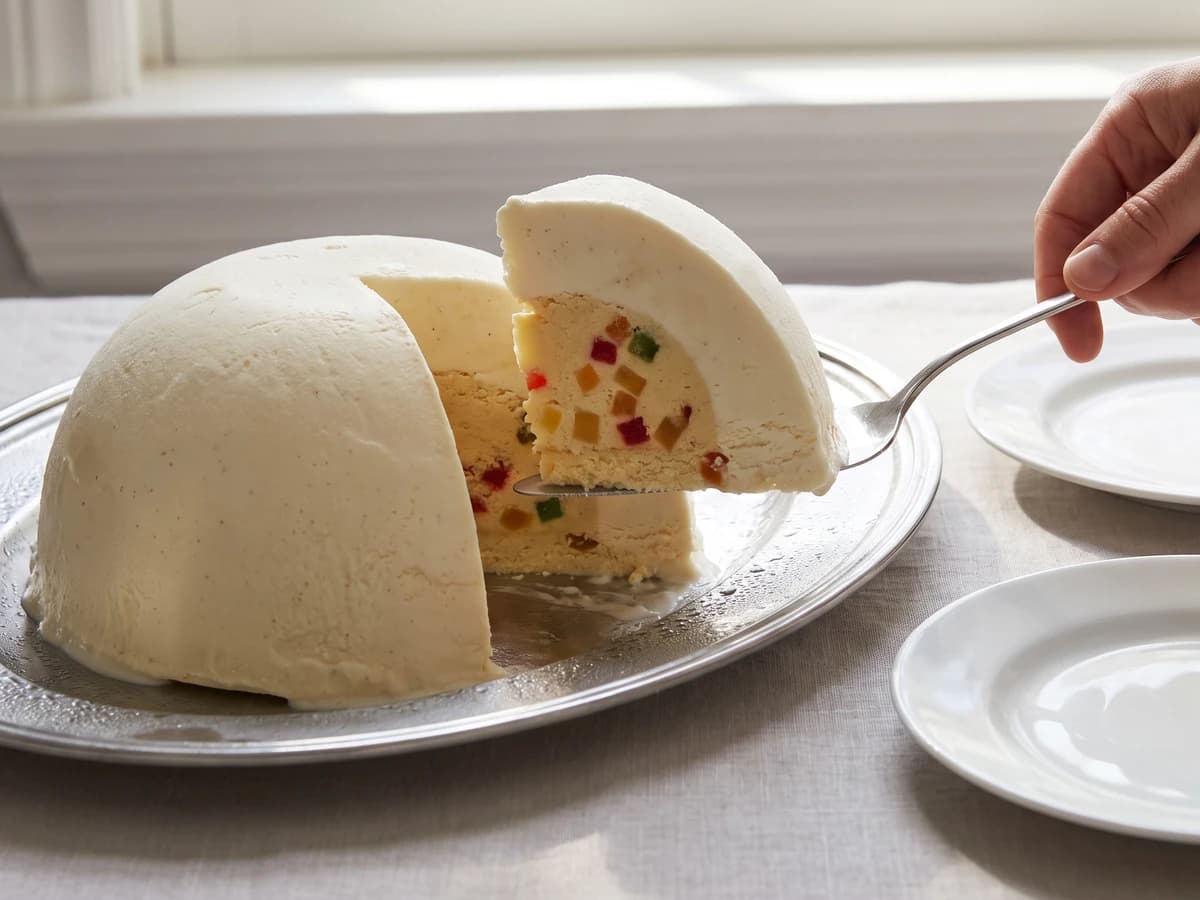
A domed shell of vanilla ice cream hides a light rum pâte à bombe jeweled with candied fruit, built on one discipline: drain the fruit until no syrup follows it into the cream.
Chef Juliette
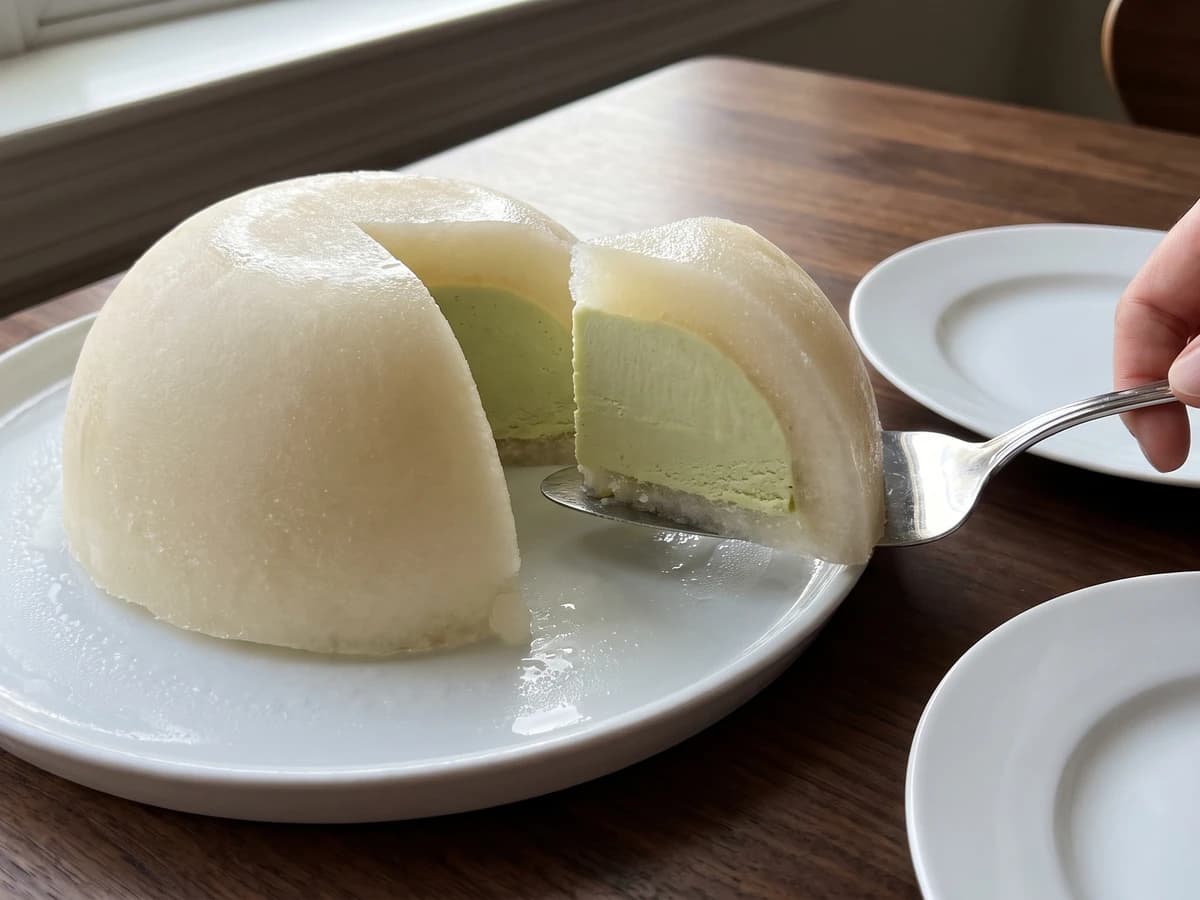
Pear ice becomes the mould itself, holding a silken Chartreuse pâte à bombe whose herbal sweetness is measured, not guessed. The reward is a clean-cut dome of fruit, cream, and cold.
Chef Juliette
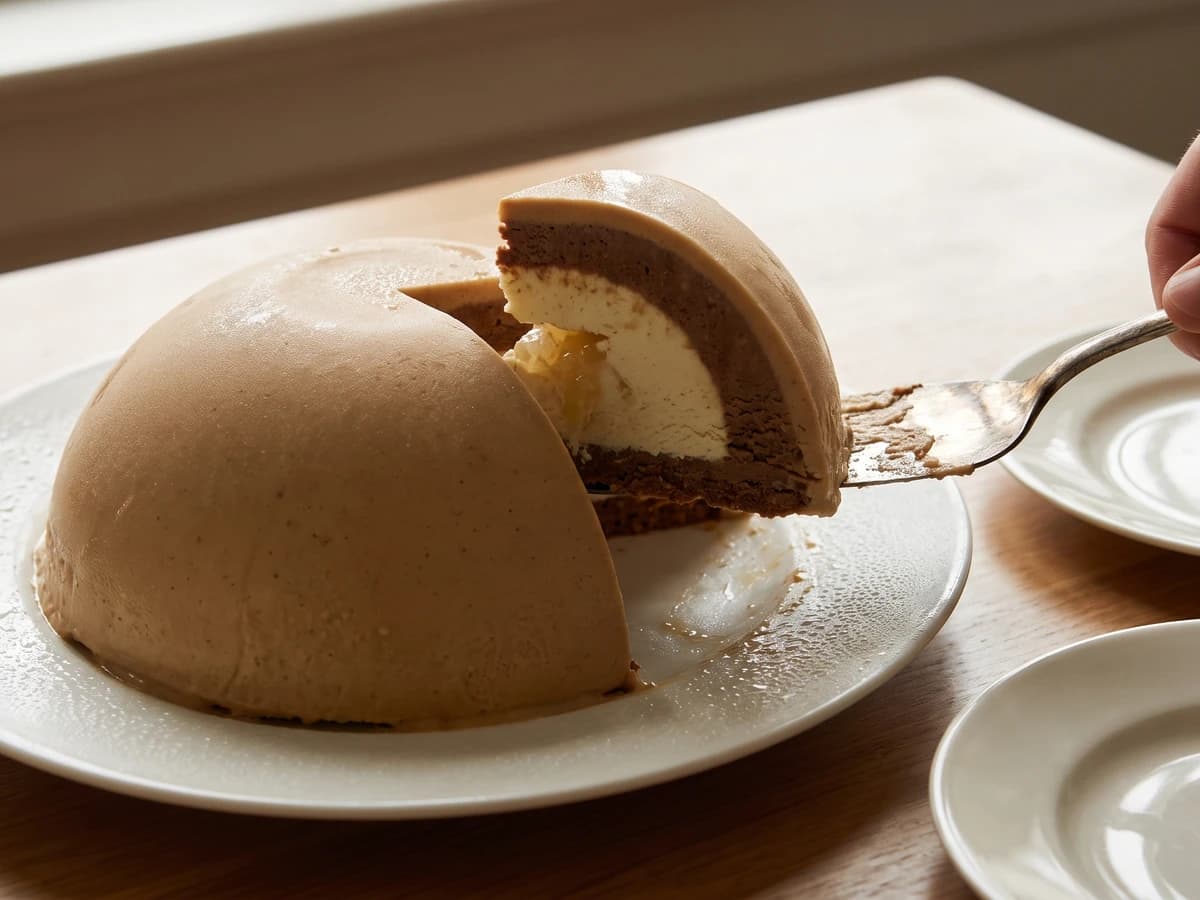
Bombe Gismonda cuts in clean rings: praline ice outside, airy anisette pâte à bombe within, and pale Bar-le-Duc currant preserve left in bright veins through the centre.
Chef Juliette
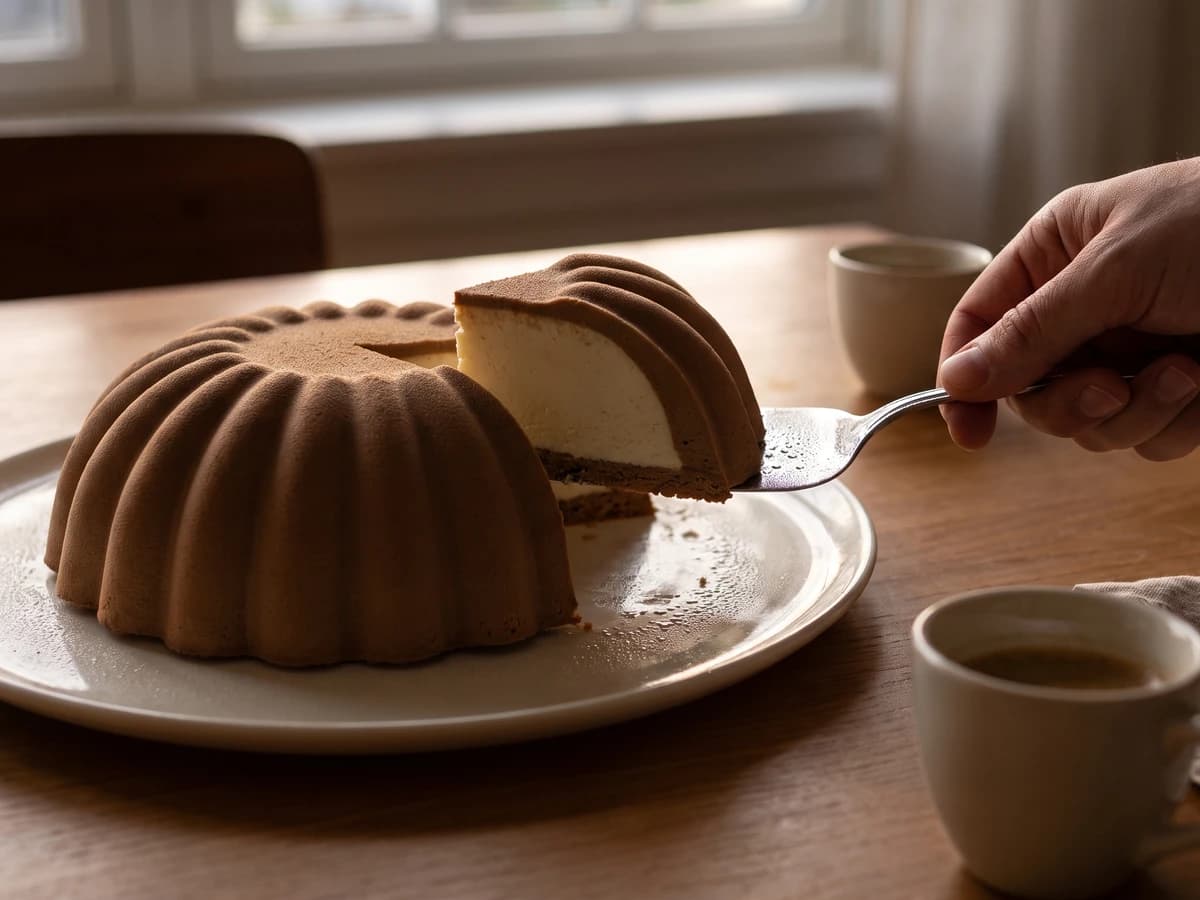
Coffee ice holds a pale vanilla-rum pâte à bombe in a clean frozen shell, a lesson in controlling water, temperature, and texture so every slice cuts creamy rather than grainy.
Chef Juliette
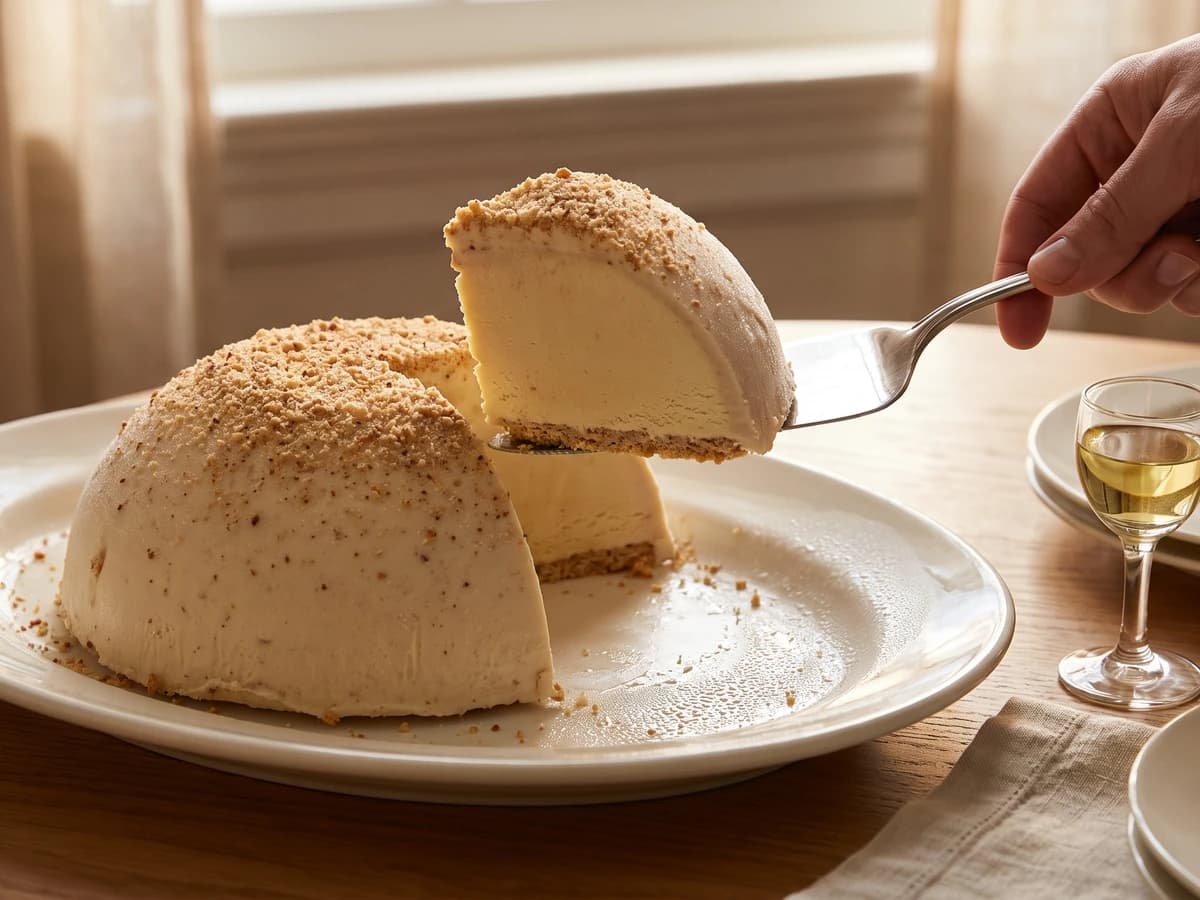
Bombe Hilda teaches the architecture of a frozen bombe: deeply toasted filbert ice around a satin Chartreuse pâte à bombe, with hazelnut pralin folded through for caramel crunch and perfume.
Chef Juliette
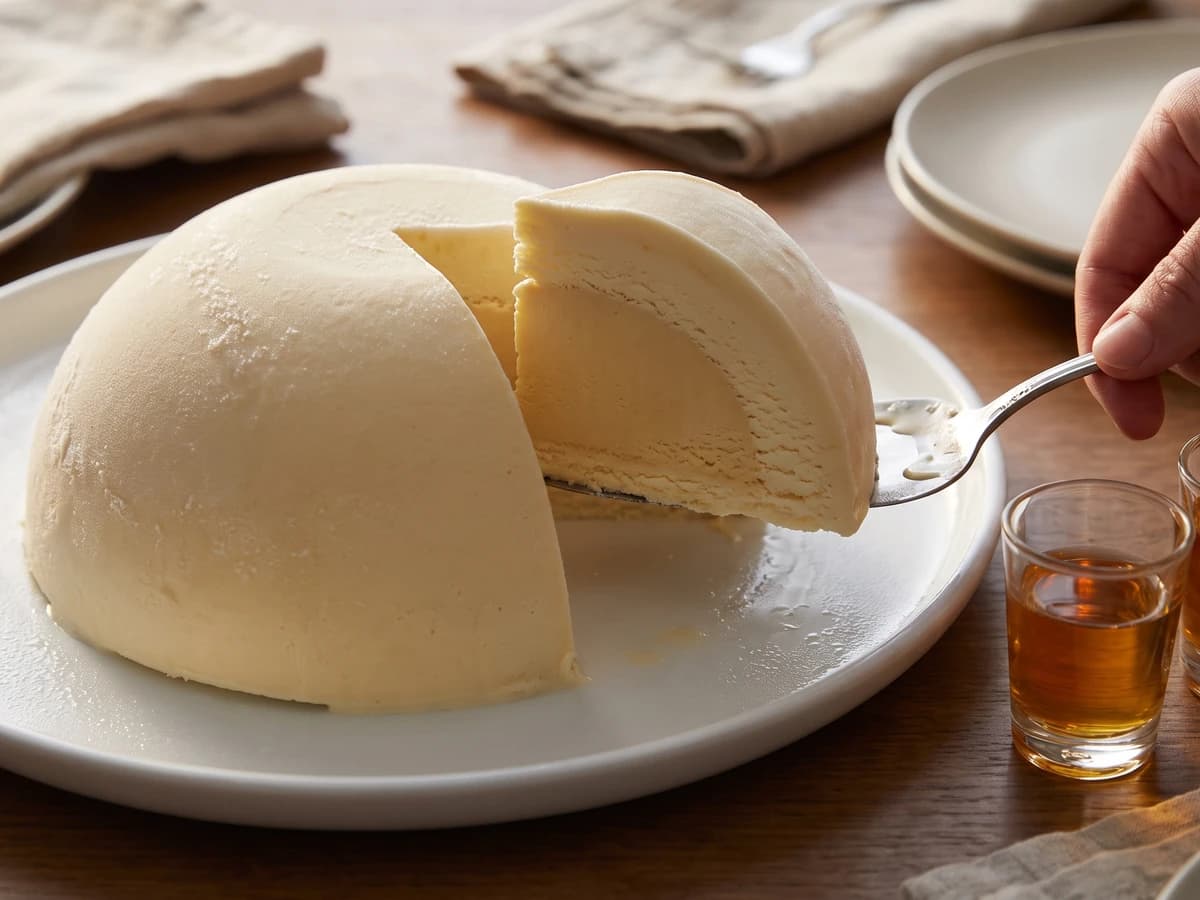
Vanilla ice cream forms the pale shell around a Curaçao pâte à bombe, rich with yolks and softly whipped cream. The lesson is temperature: add the liqueur only when the base is cold.
Chef Juliette
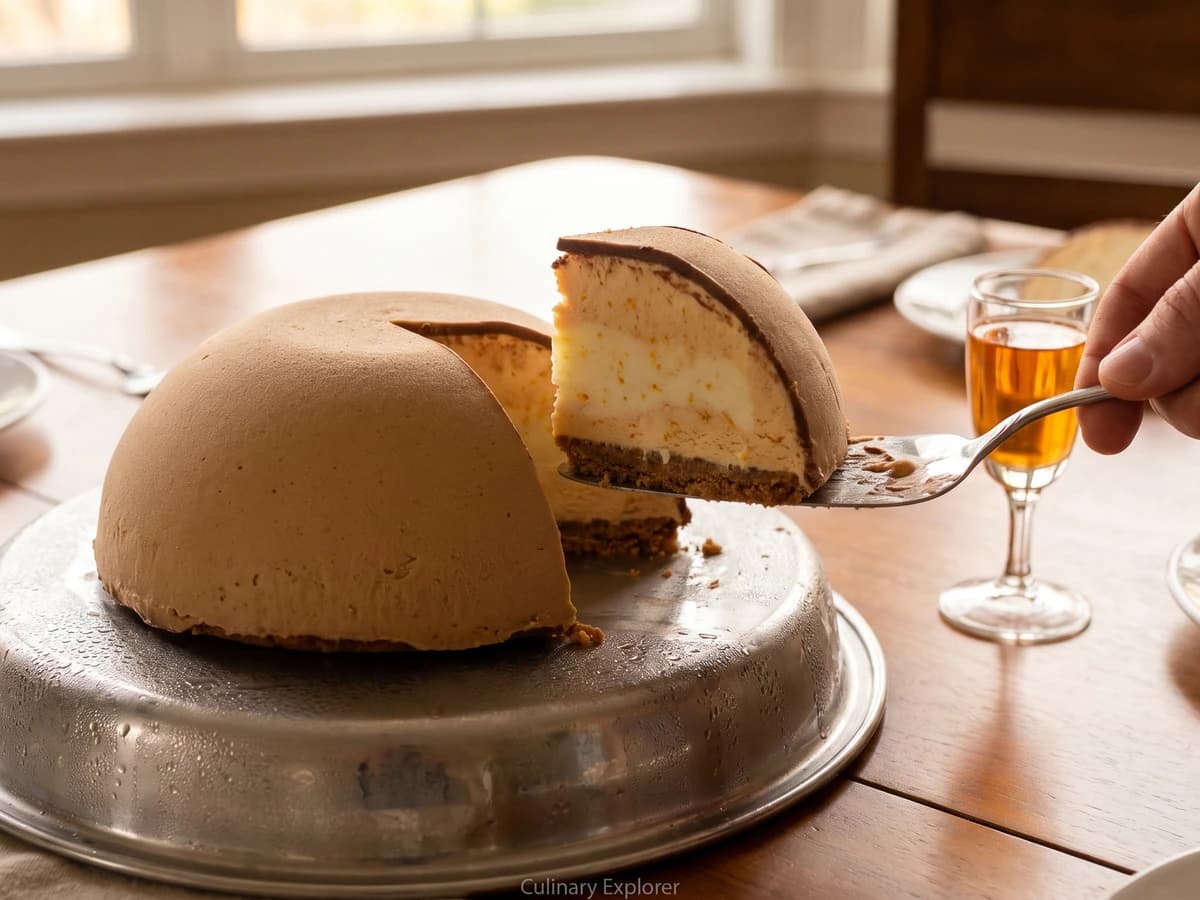
Bombe Jaffa hides a pale orange pâte à bombe inside praline ice cream, giving each cold slice a nutty outer shell and a feather-light center scented with zest.
Chef Juliette
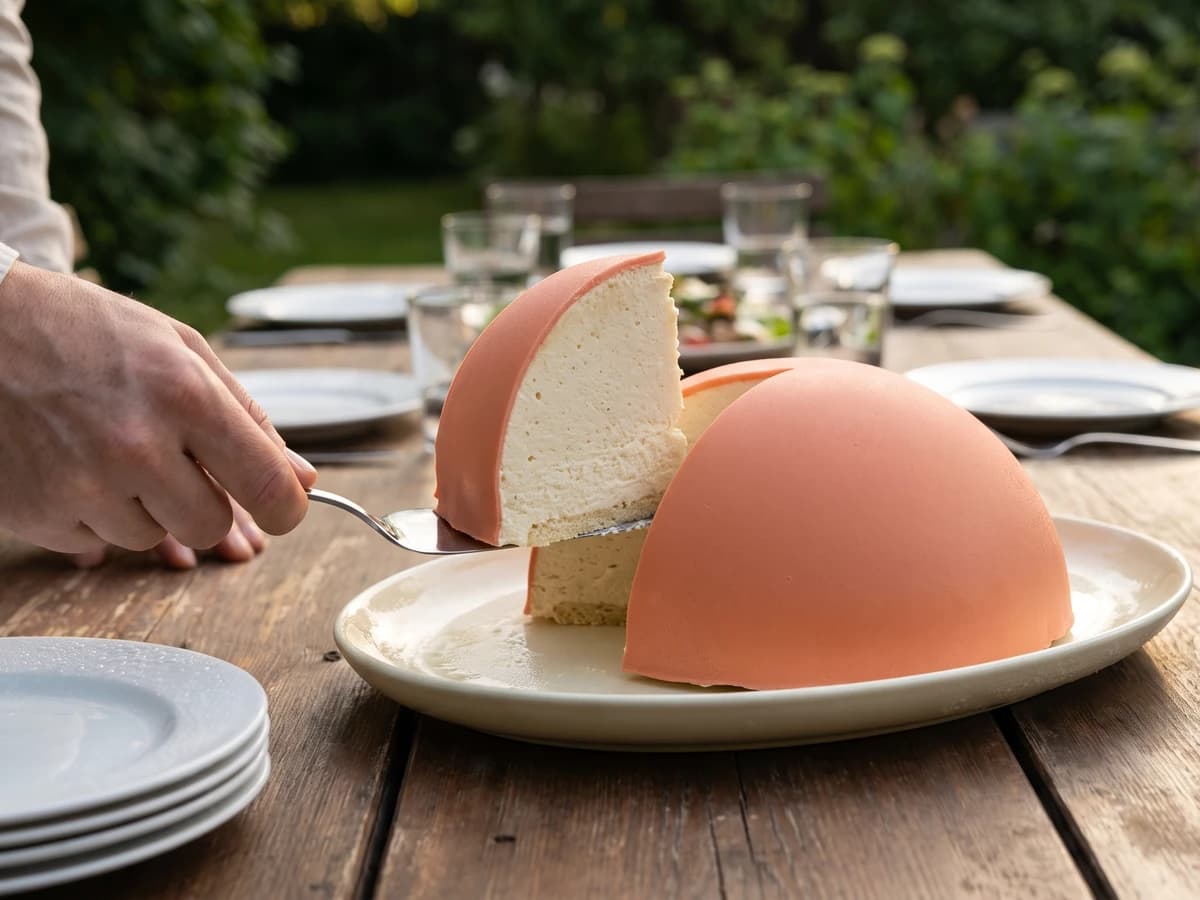
Peach ice clothes the mould around a feather-light iced tea mousse, a French frozen bombe whose success rests on an even shell, a brief infusion, and a patient freeze.
Chef Juliette
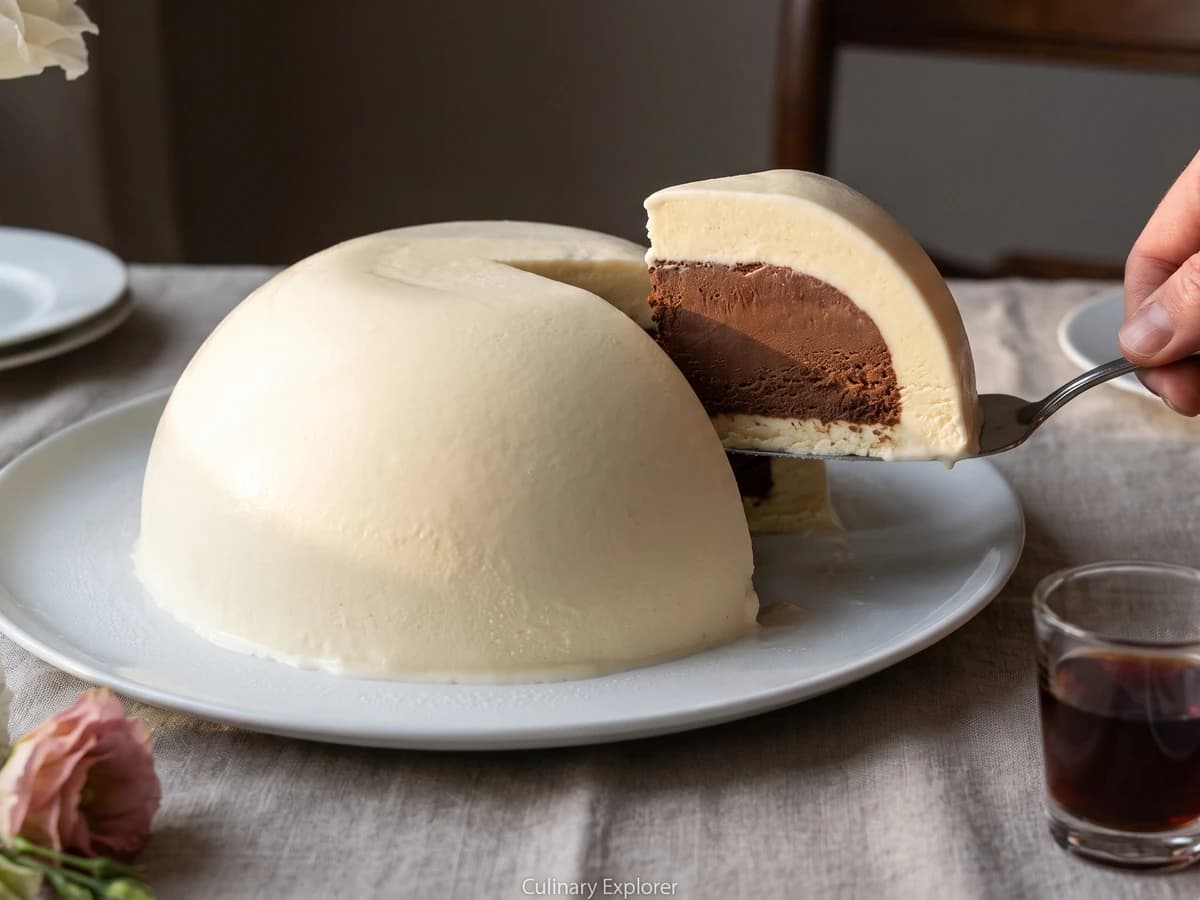
Vanilla ice cream hides a satin-dark heart of chocolate-praline pâte à bombe in this celebration dome, a lesson in temperature, patient layering, and knowing exactly when warm is warm enough.
Chef Juliette
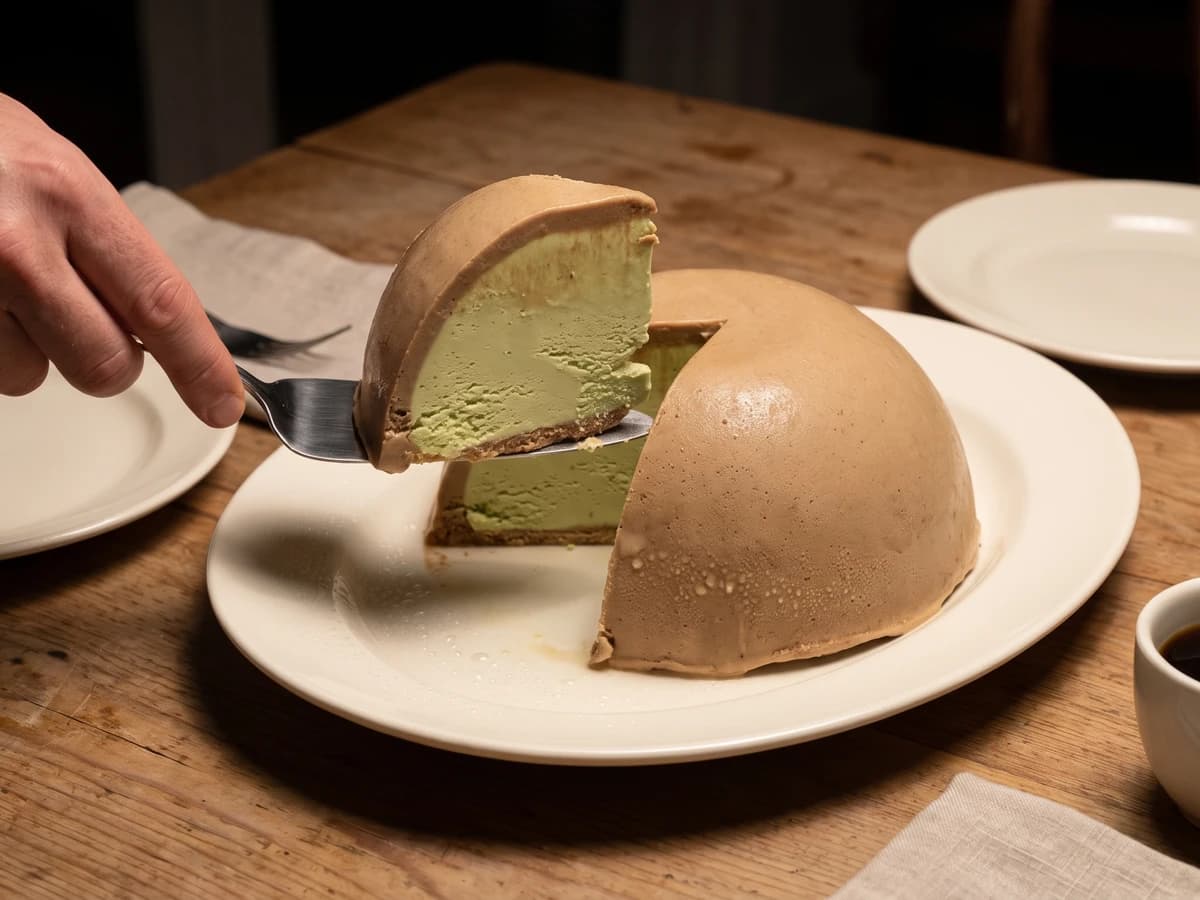
Coffee ice forms a bittersweet shell around pale-green pistachio pâte à bombe, a frozen lesson in contrast whose success depends on skinning the nuts and clothing the mould evenly.
Chef Juliette
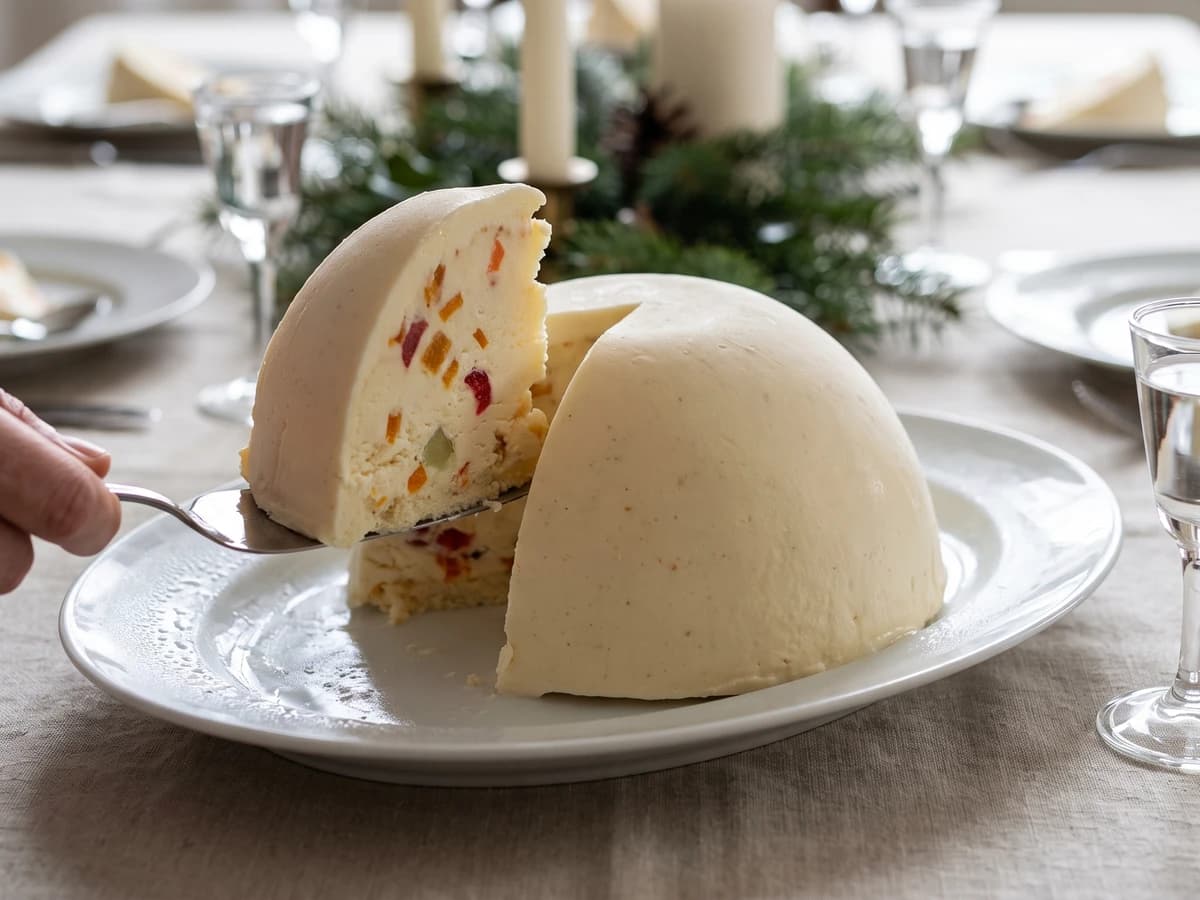
An ivory almond-ice shell gives way to vanilla and Kirsch pâte à bombe jeweled with candied fruit, a make-ahead lesson in freezing each layer before the next one touches it.

Chef Juliette
A crimson shell of blood-orange ice closes around softly whipped tangerine Chantilly, giving a clean citrus snap before the cream melts, fragrant and light, at the center.
Culinary guides, cultural storytelling, and the editorial depth that makes cooking meaningful.
Discover Culinary Explorer