
Chef Lupita
Agua de Xoconostle del Bajio
Queretaro's Bajio agua fresca, made from acidic pink xoconostle peeled by hand, blended with water and piloncillo, and served cold when the altiplano heat gets serious.

Recipe Archive
Beverages include bright refreshers, hot drinks, smoothies, cocktails, and alcohol-free options where balance and garnish matter as much as the base.
602 recipes
A cooking platform built around craft, culture, and the stories behind what we eat.
Chef Lupita
Queretaro's Bajio agua fresca, made from acidic pink xoconostle peeled by hand, blended with water and piloncillo, and served cold when the altiplano heat gets serious.
Chef Lupita
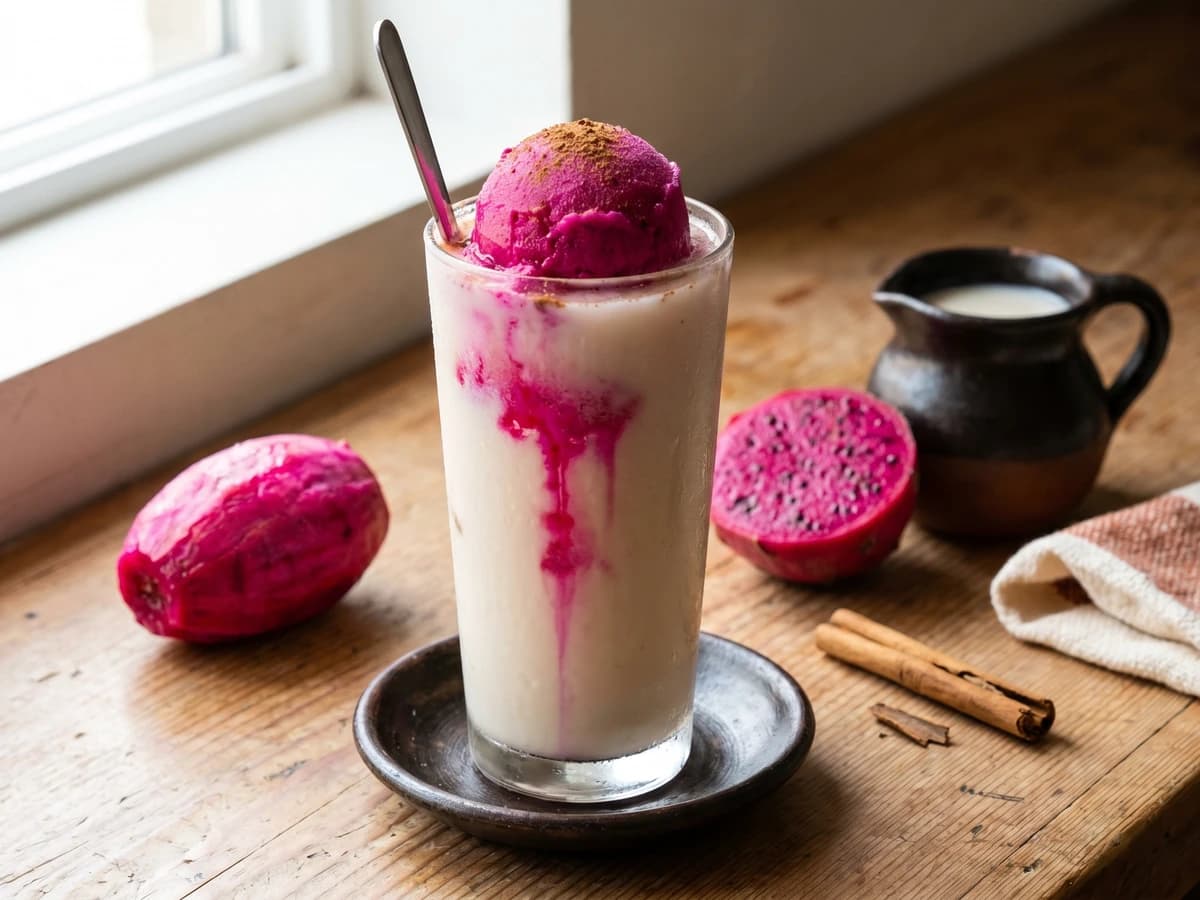
Oaxaca's mercado float, a tall glass of cold rice horchata crowned with a scoop of magenta prickly pear nieve, eaten with a long spoon while the colors bleed into each other.
Chef Lupita
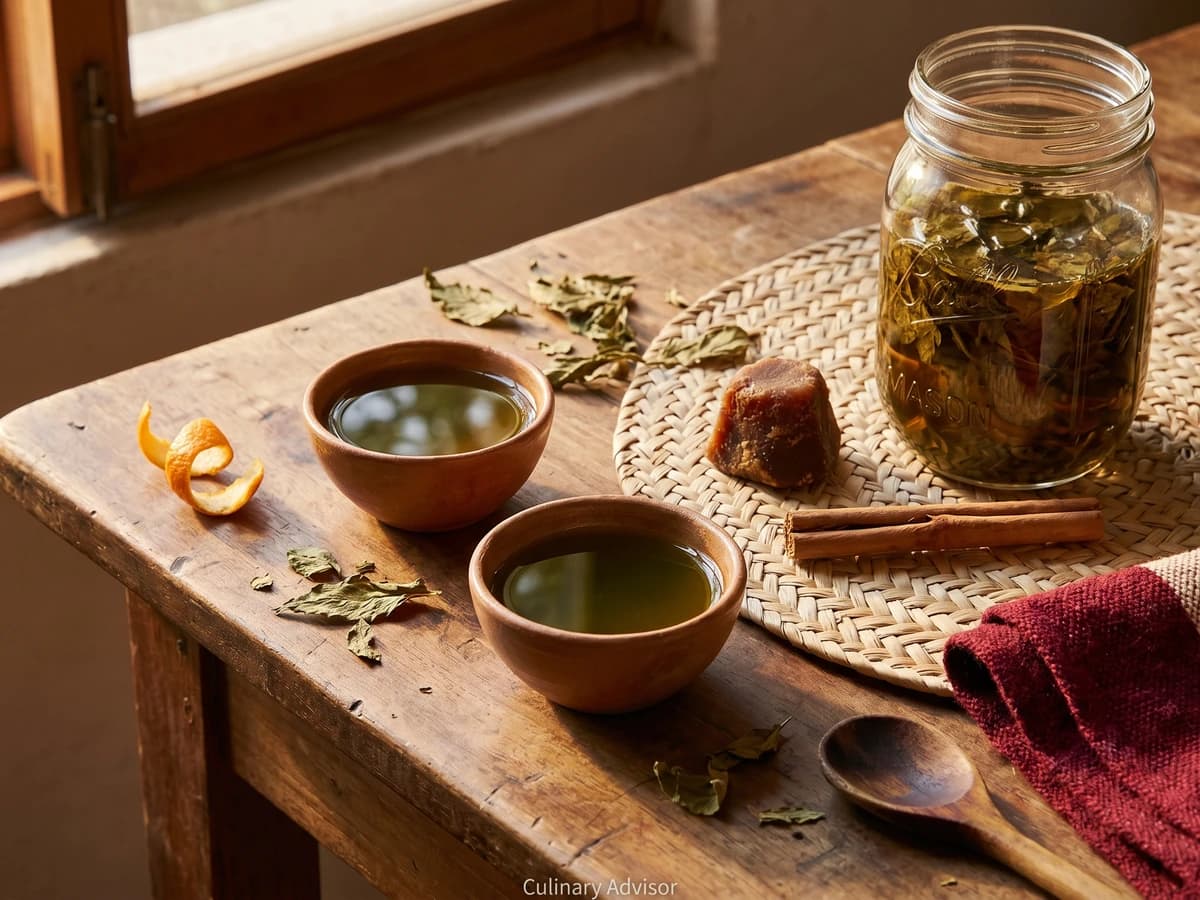
Tlaxiaco's home digestif from the Mixteca Alta of Oaxaca, cane aguardiente steeped for two months with wild damiana, piloncillo, and canela, served in copitas at the end of the night.
Chef Lupita
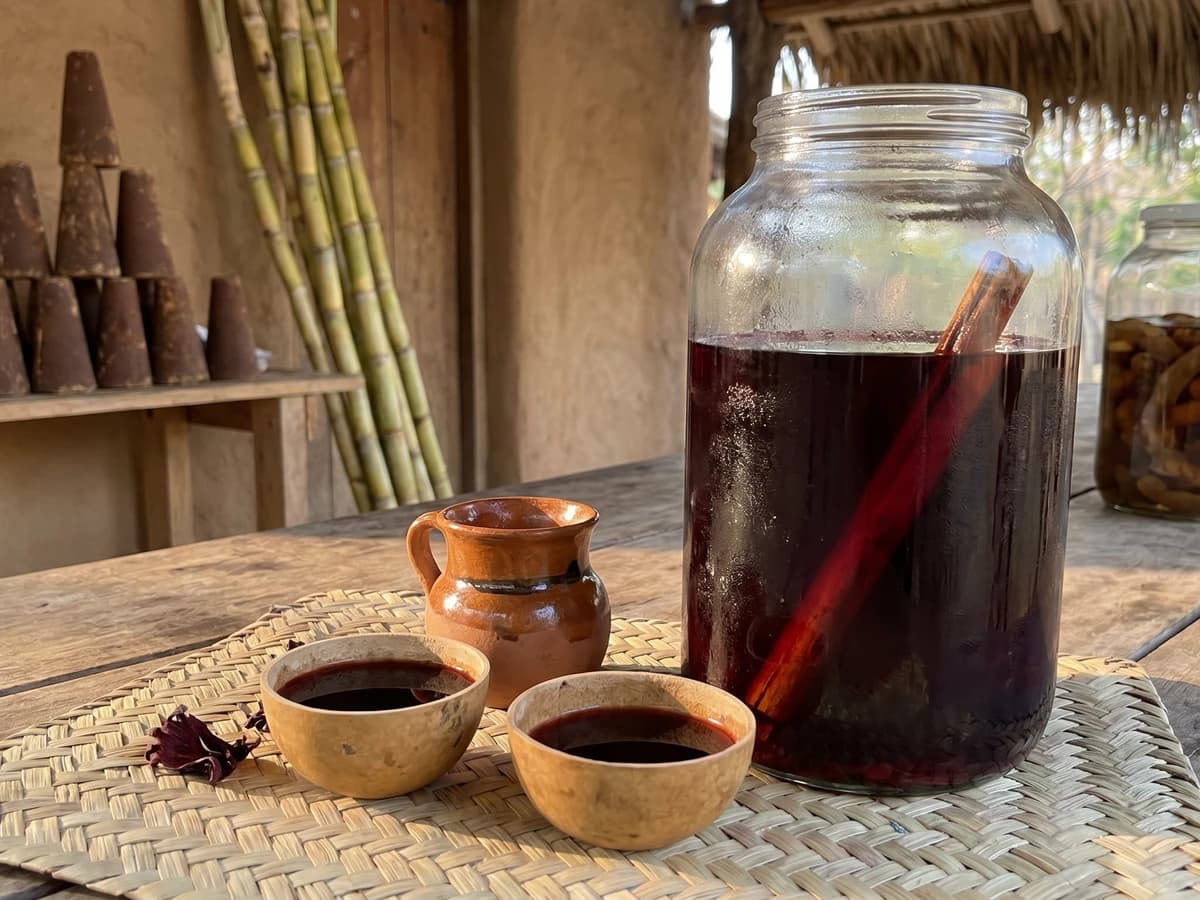
From Huajintepec in the Costa Chica de Guerrero, the Afro-Mexican curado: aguardiente de caña left to macerate for weeks with dried jamaica and piloncillo until it turns deep garnet, then poured neat at the fandango.
Chef Graziella
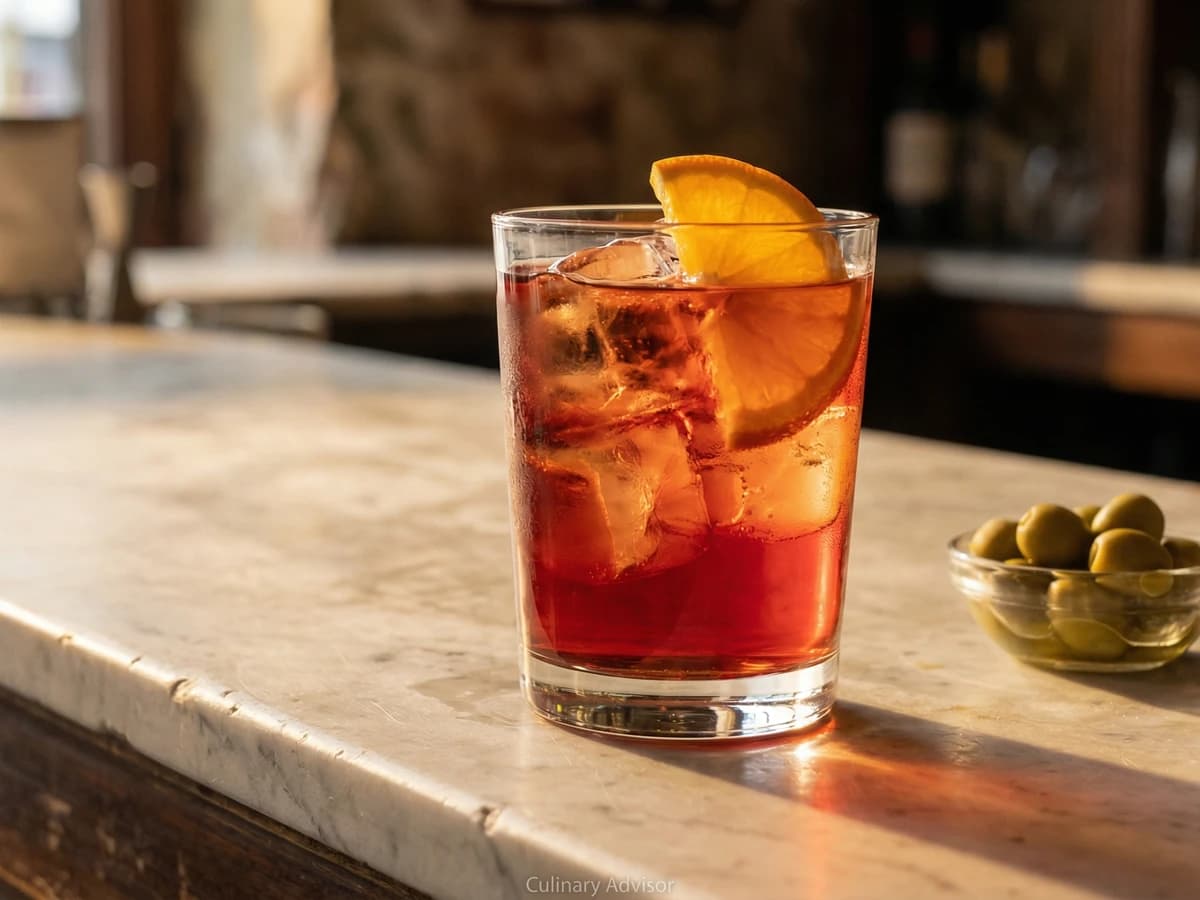
The original aperitivo of the Risorgimento era, when bitter Campari from Milan met sweet vermouth from Turin. Before someone added gin and called it a Negroni, this was the drink of Italian sophistication.

Chef Joost
Anijsmelk is the Dutch night drink of cold hands and quiet kitchens: milk, anise, a little butter, and the sweet medicinal smell every child remembers.

Chef Klaus
Cloudy apple juice, sharp mineral water, and no sugar bowl: the German Schorle that belongs in school bags, beer gardens, picnic baskets, and the table when supper is quick.

Chef Klaus
Frankfurt's long drink for a warm table: dry Apfelwein, cold mineral water, and the ribbed Geripptes glass that tells you where you are.

Chef Dean
The legendary golfer's signature refreshment: brisk black tea meets tart fresh lemonade in a drink so perfectly balanced it became an American institution, best served ice-cold on a summer afternoon.

Chef Zohra
The cold-evening cousin of mint tea: gunpowder green tea brewed with chiba, the bitter winter herb Moroccans use when na'na is scarce and the house needs warming.

Chef Zohra
Atay is Morocco's welcome made liquid: green tea rinsed clean, mint pressed into the pot, sugar dissolved into the whole house, then poured high into small glasses.

Chef Dimitra
Athens made espresso Greek by serving it cold: a double shot shaken with ice until the crema turns thick, then poured over cubes for the cafe standard.

Chef Dimitra
Athens cafe freddo cappuccino is iced double espresso crowned with cold afrogala, the dense milk foam that makes the drink clean, bitter, and properly Greek.

Chef Lupita
Oaxaca's foundational atole, the white canvas every regional atole builds from. Nixtamalized corn, water, a little salt, and the patience to whisk until the masa stops tasting raw.

Chef Lupita
Estado de Mexico's plain white atole is fresh corn masa whisked into water until thick, perfumed with canela, and served hot from a clay jarro before the day starts.

Chef Lupita
Michoacan's Meseta Purhepecha gives this atole its character: fresh aguamiel from maguey, white nixtamal masa, slow stirring in a clay olla, and sweetness before sugar.

Chef Lupita
San Luis Potosí's Altiplano atole, thickened with fresh nixtamal masa and sweetened only by same-day aguamiel, tastes like a cold dawn beside the maguey fields before pulque begins.

Chef Lupita
Puebla's convent almond atole, ground from blanched almendras, milk, canela, and a pinch of arroz, belongs to the quiet winter kitchens of the Clarisas.

Chef Lupita
Southern Guanajuato's atole de cacahuate is built from comal-toasted peanuts, nixtamal masa, piloncillo, and canela, the thick drink Tarimoro families keep alive one patient pot at a time.

Chef Lupita
A Oaxacan breakfast atole from the Mixteca, built on comal-toasted peanuts ground silky with masa and sweetened with piloncillo and canela. The cup that warms a cold morning in the sierra.

Chef Lupita
Sonora's Valle del Yaqui atole, built on cooked criolla pumpkin, nixtamalized masa, piloncillo, and canela. The hot, earthy drink that anchors a Yaqui harvest morning.

Chef Lupita
Michoacán's Meseta P'urhépecha kamáta for Día de Muertos, thickened with fresh nixtamal masa and perfumed with food-grade cempasúchil petals, served from a clay olla into jarros beside pan de muerto.

Chef Lupita
Michoacán's Lago de Pátzcuaro black atole, built from tatemado cacao shells, toasted corn silk, nixtamal masa, piloncillo, and canela, poured into clay jarros for Día de Muertos.
Chef Lupita
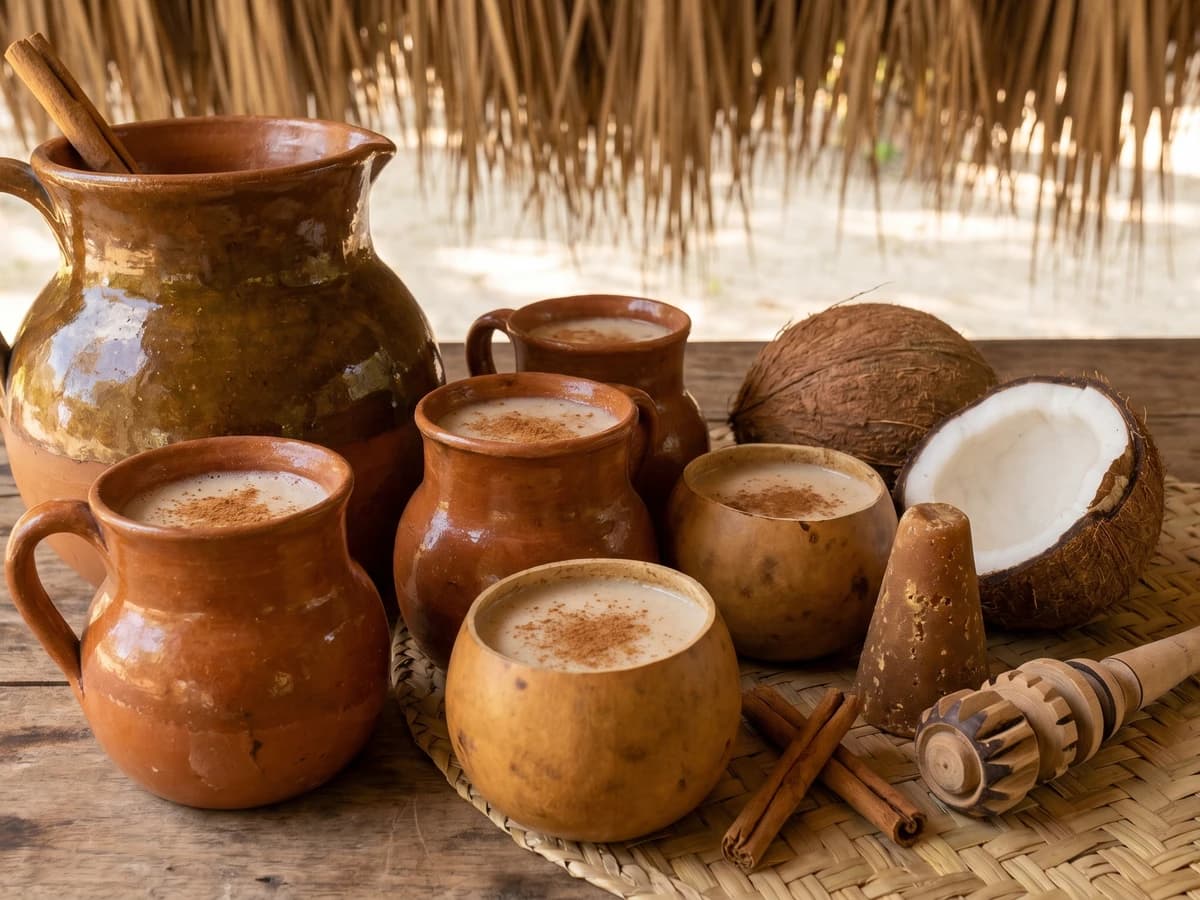
The warm coconut atole of Guerrero's Costa Chica, where fresh masa, hand-pressed coconut milk, piloncillo, and canela are whisked over low heat into the everyday morning drink of Mexico's Afro-Mexican coast.
Culinary guides, cultural storytelling, and the editorial depth that makes cooking meaningful.
Discover Culinary Explorer