Chef Juliette
Suprêmes, Côtelettes et Filets de Faisan
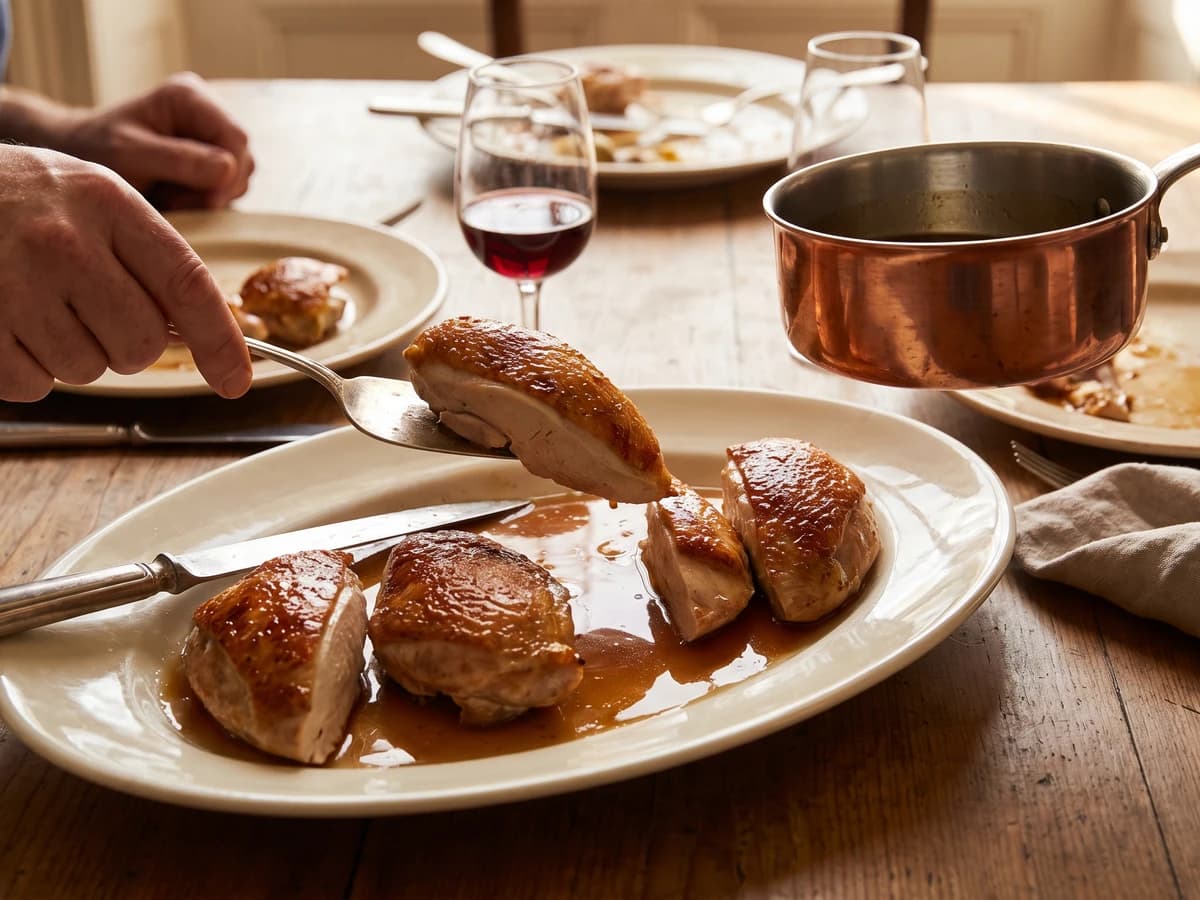
The decisive rule for pheasant breast: poêle the birds just underdone, keep the meat on the bone until the plates are ready, then raise the suprêmes and serve immediately with glossy jus.

Recipe Archive
Main dishes anchor the meal. This category gathers poultry, seafood, meat, pasta, grains, and plant-forward recipes with clear methods and satisfying structure.
3095 recipes
A cooking platform built around craft, culture, and the stories behind what we eat.
Chef Juliette
The decisive rule for pheasant breast: poêle the birds just underdone, keep the meat on the bone until the plates are ready, then raise the suprêmes and serve immediately with glossy jus.
Chef Juliette
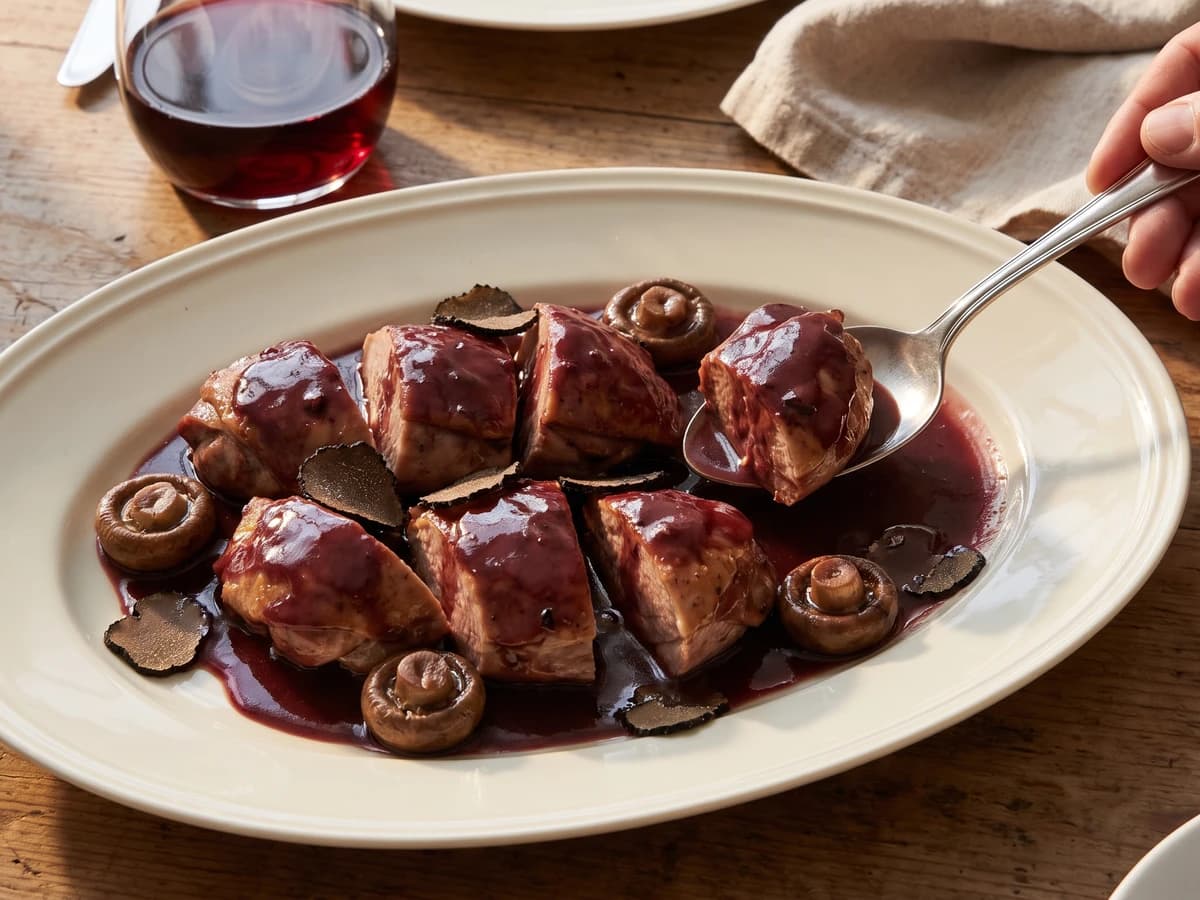
Salmis de Faisan makes one bird build its own sauce: roast it deliberately underdone, crush the carcass into reduced wine and game Espagnole, then finish the pieces once, glossy, hot, and fragrant with truffle.
Chef Juliette
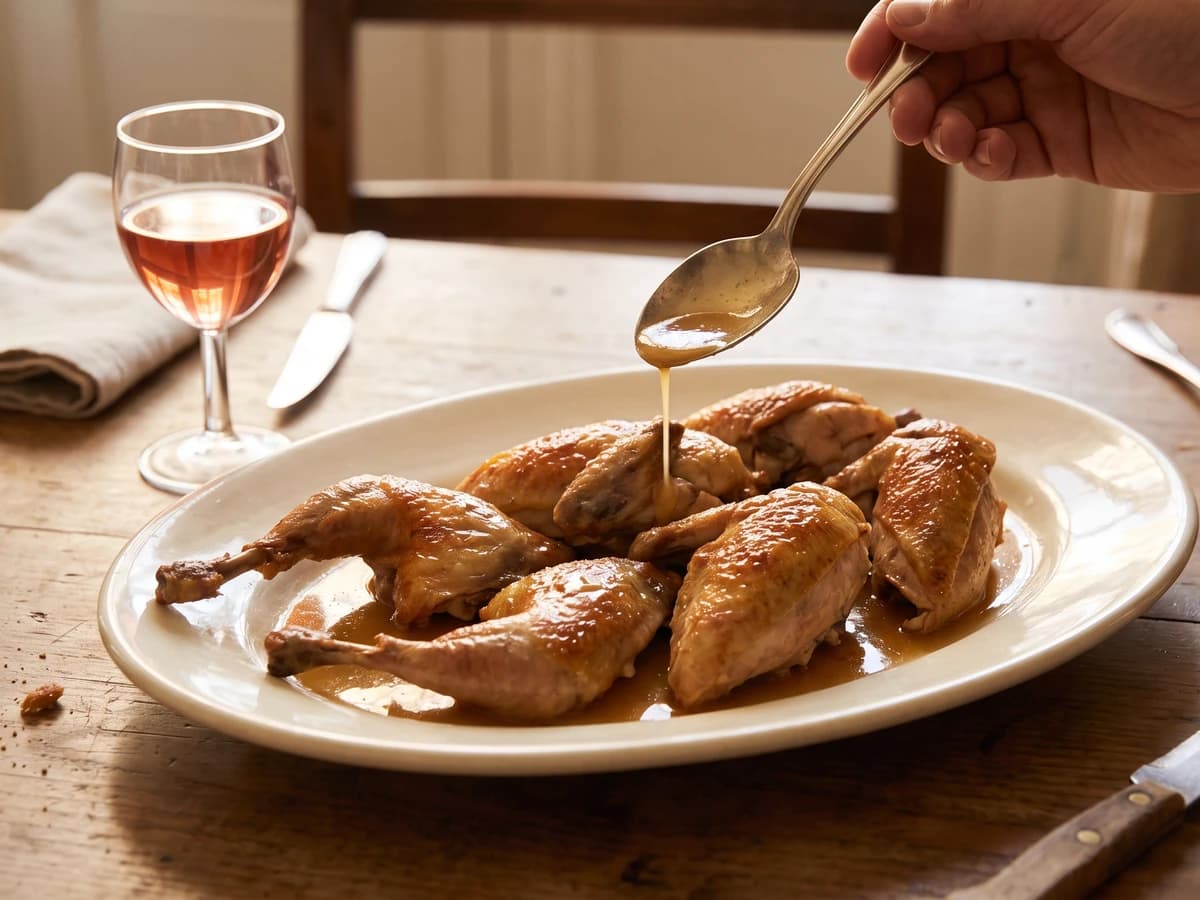
Sauté de Faisan rewards restraint: young pheasant cooked gently in butter, breast pulled early, and a short pan sauce reduced to a gloss and poured only when the platter is ready.
Chef Juliette
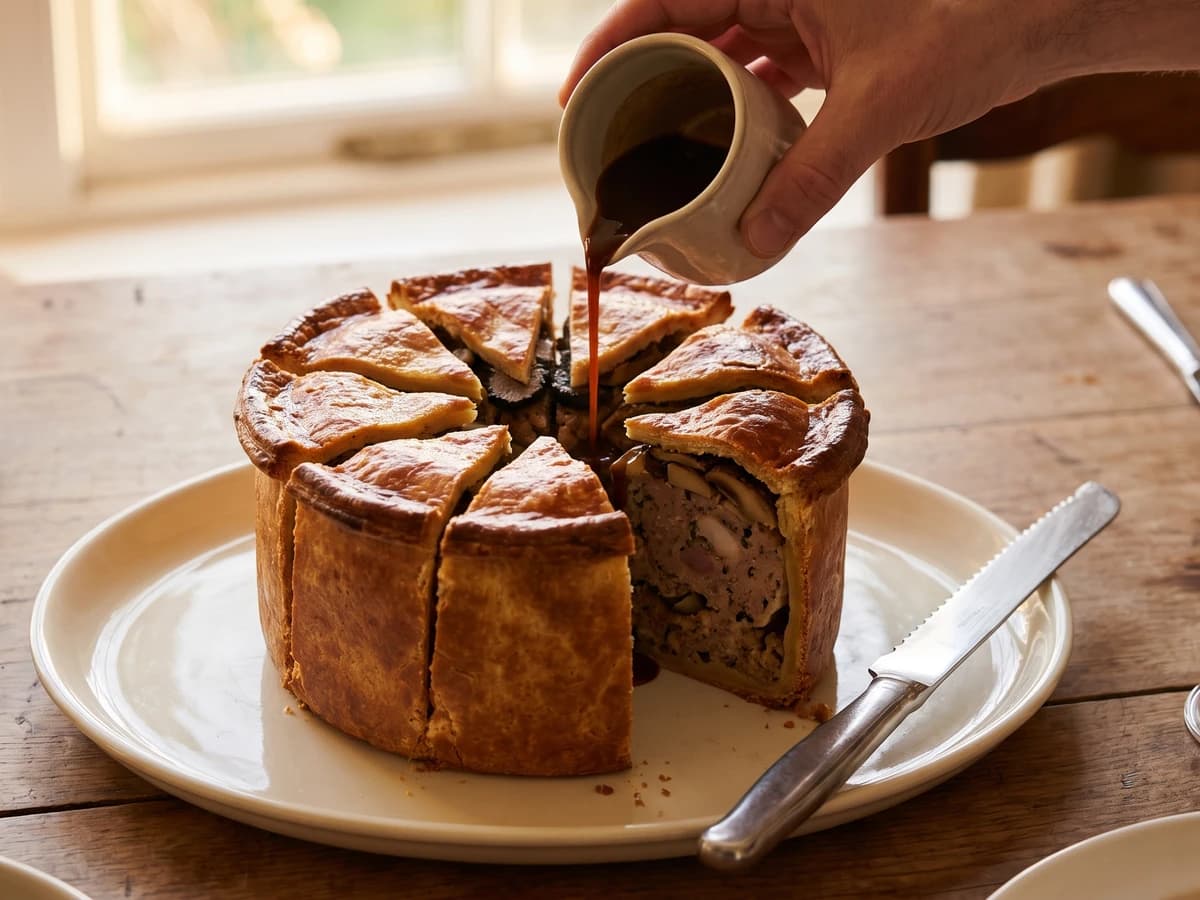
Pheasant roasted deliberately underdone, layered with game-liver gratin forcemeat, mushrooms, and truffle inside a burnished raised crust, then opened at the table for a glossy carcass-built salmis sauce.
Chef Juliette
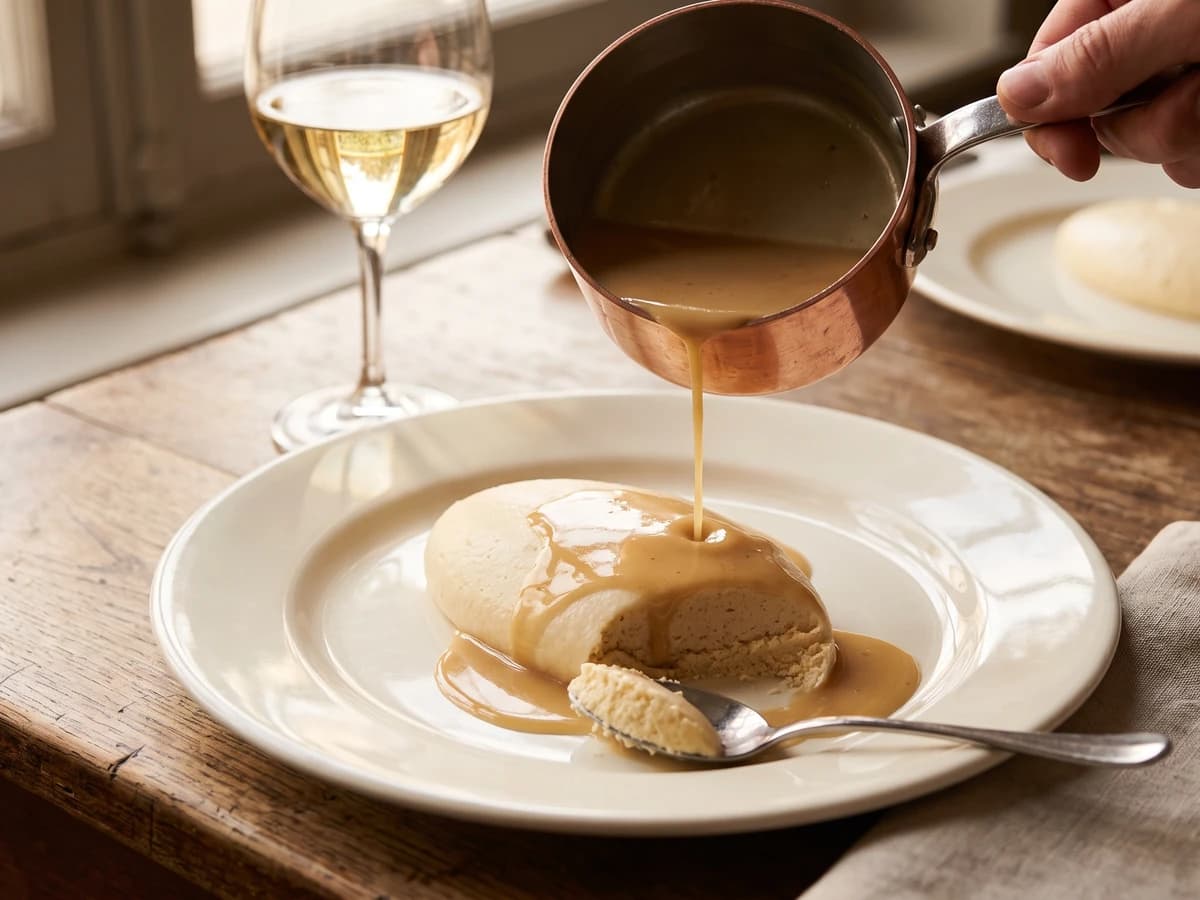
Cold is the craft in these pheasant mousselines: a fine forcemeat bound with egg white and cream, poached gently, then served with a glossy sauce drawn from the bird's own fumet.
Chef Juliette
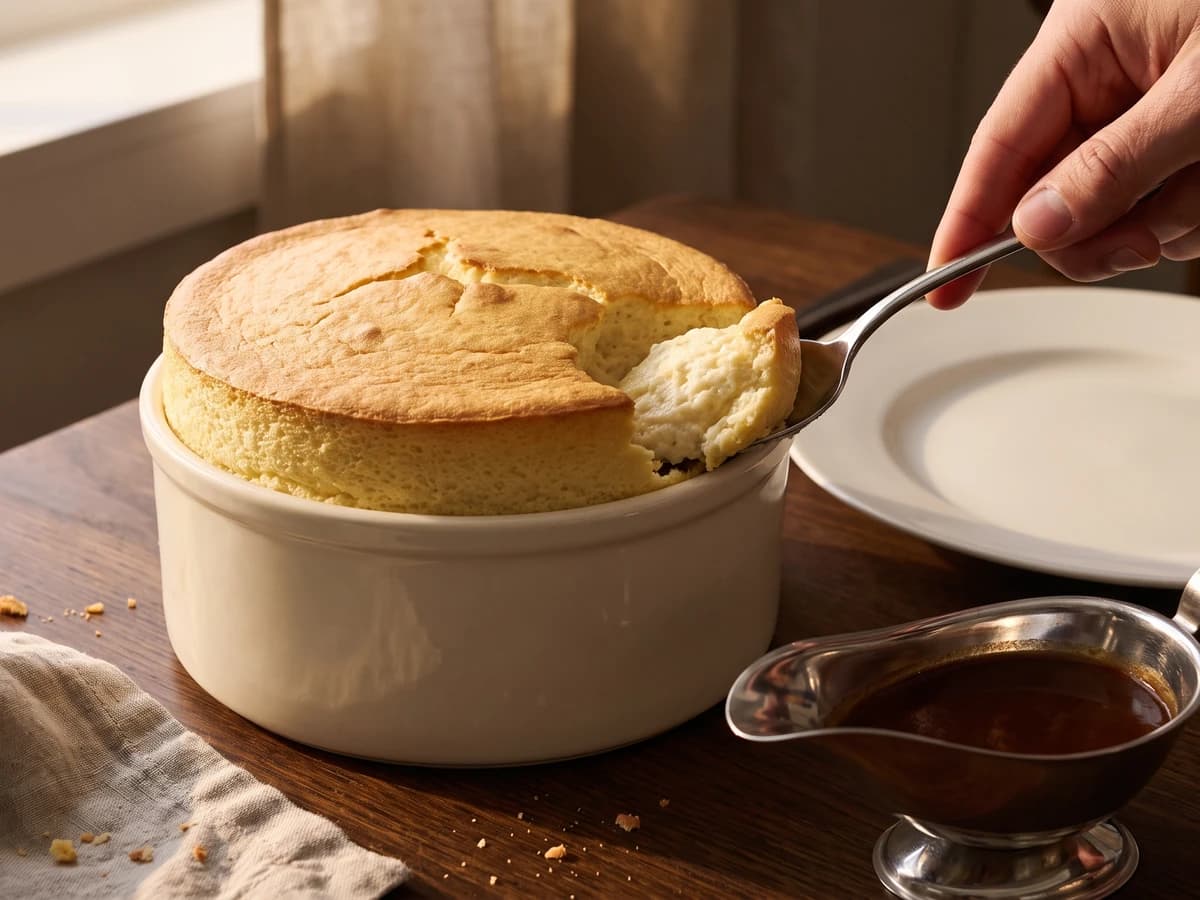
Pheasant and cream become a feather-light mousseline in a buttered dish, baked gently so the centre stays tender, with a glossy game-scented demi-glace served separately.
Chef Juliette
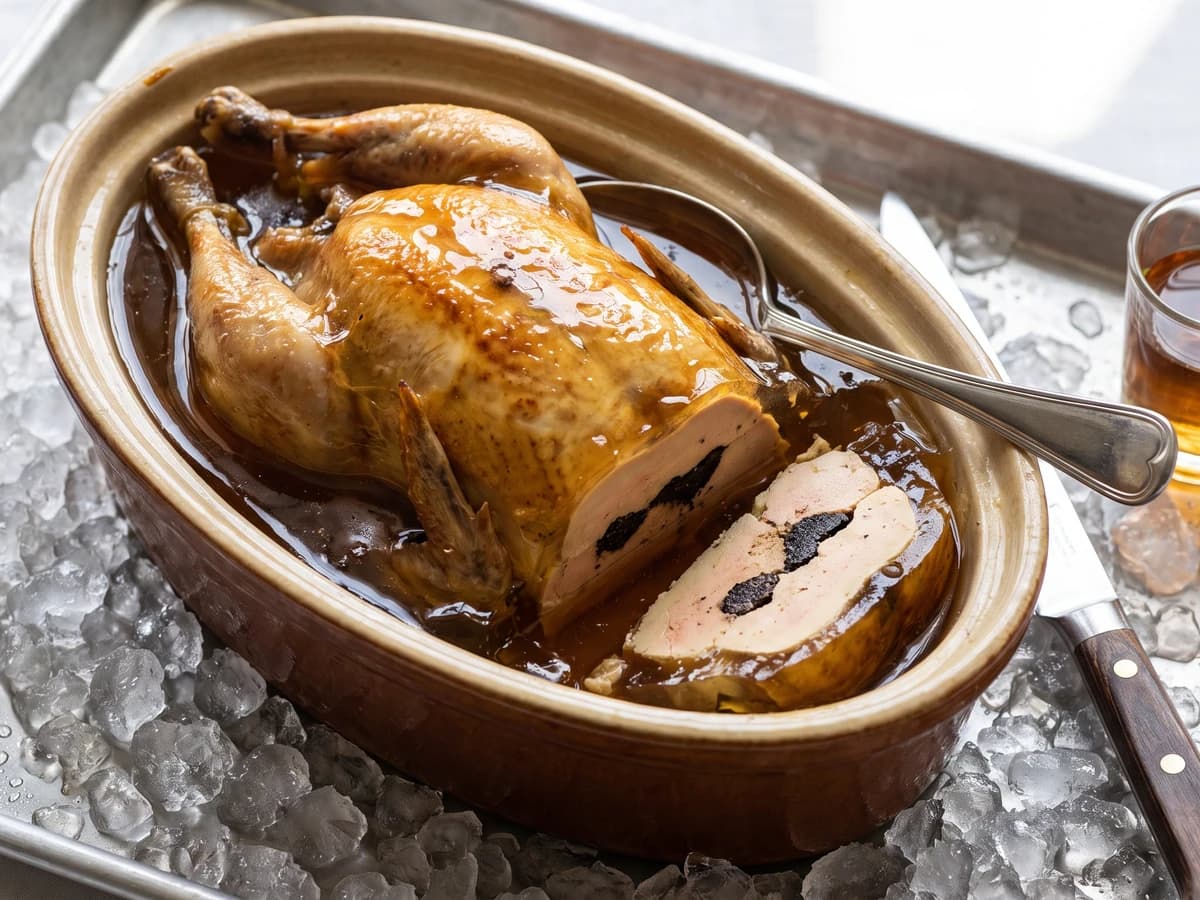
Whole pheasant filled with truffled foie gras, butter-cooked with Madeira and burnt brandy, then sealed in deeply savoury jelly: a cold centerpiece whose success rests on seasoning before chilling.
Chef Juliette
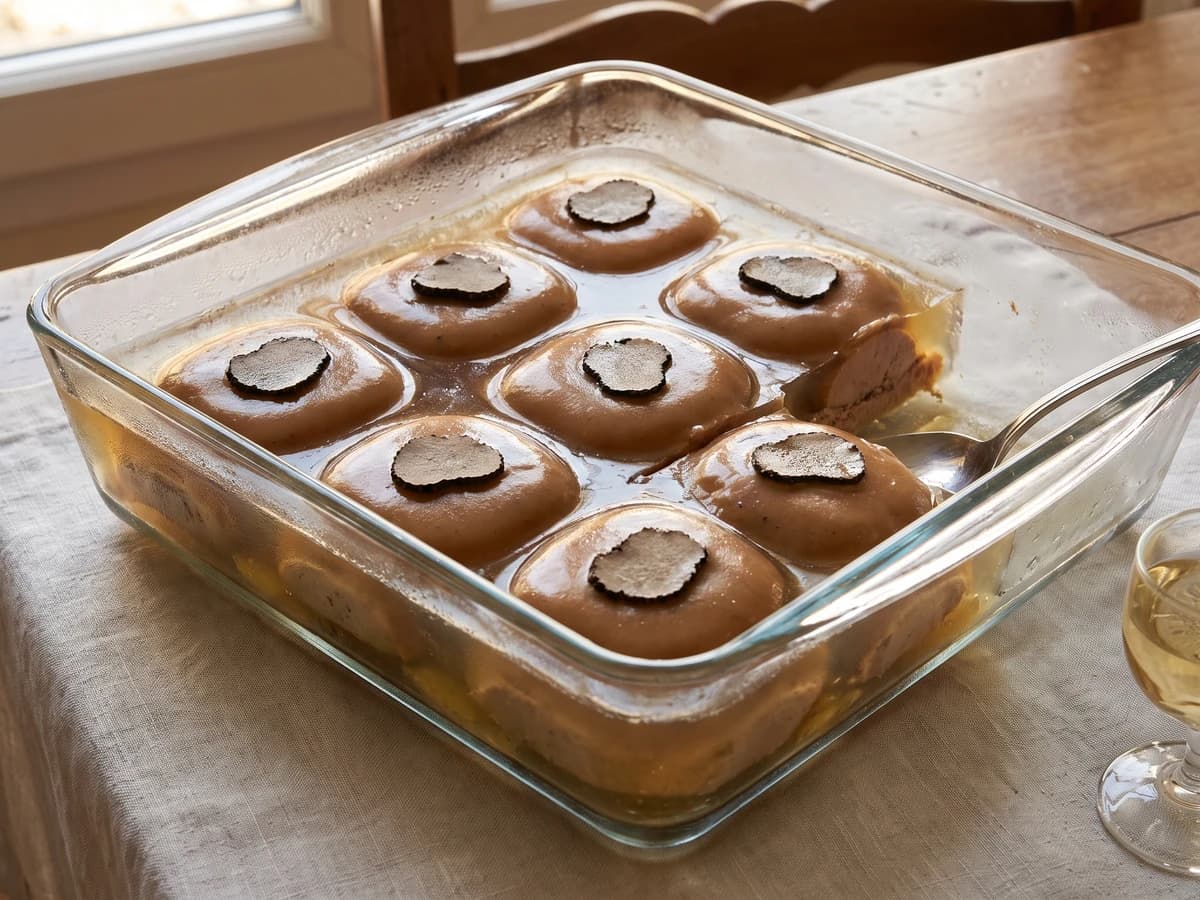
Cold poached pheasant, a brown chaud-froid sauce deepened with its own fumet, black truffle, and trembling aspic: an exacting make-ahead centerpiece whose success rests on coating while the sauce still flows.
Chef Juliette
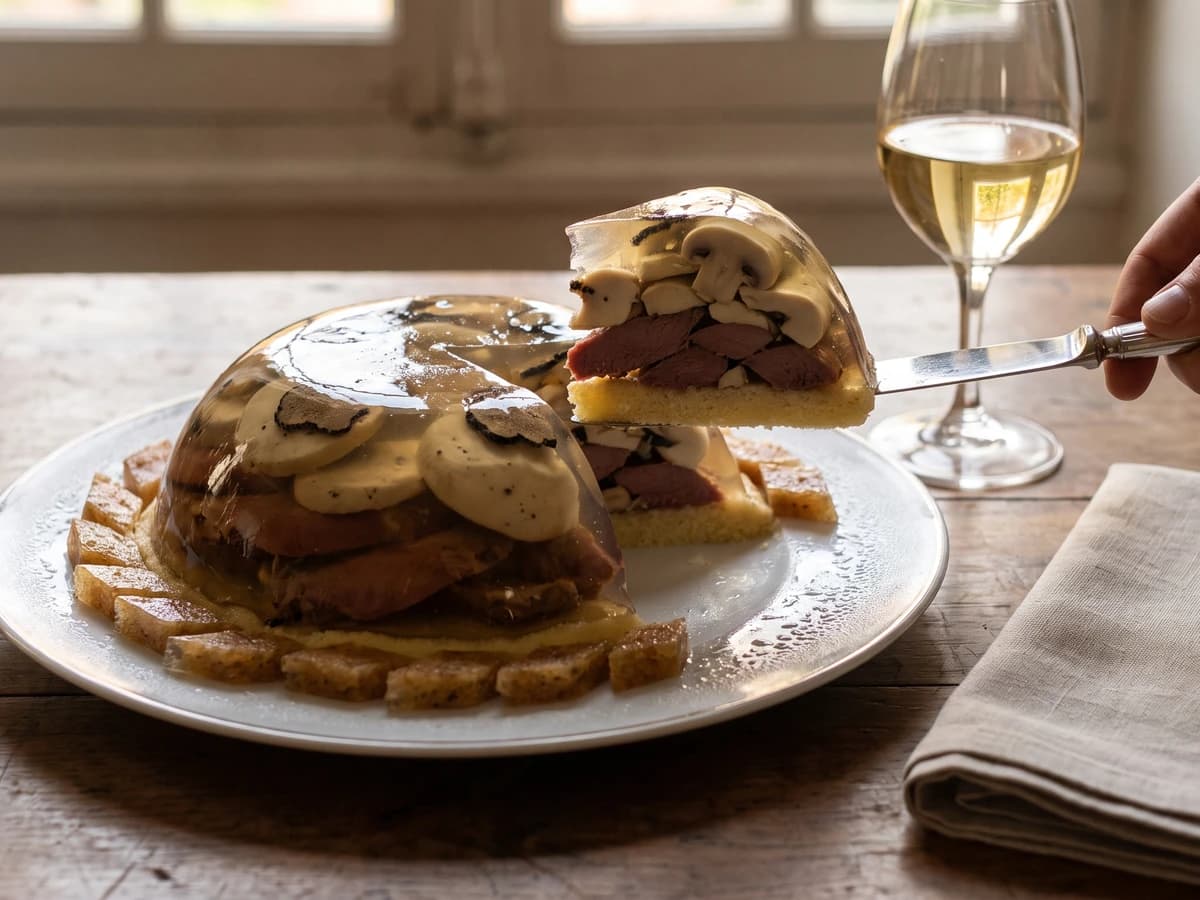
Brown-glazed pheasant suprêmes and ivory mushrooms alternate beneath a clear, truffle-set dome of aspic, a cold centerpiece whose elegance depends on temperature, not ornament alone.
Chef Juliette
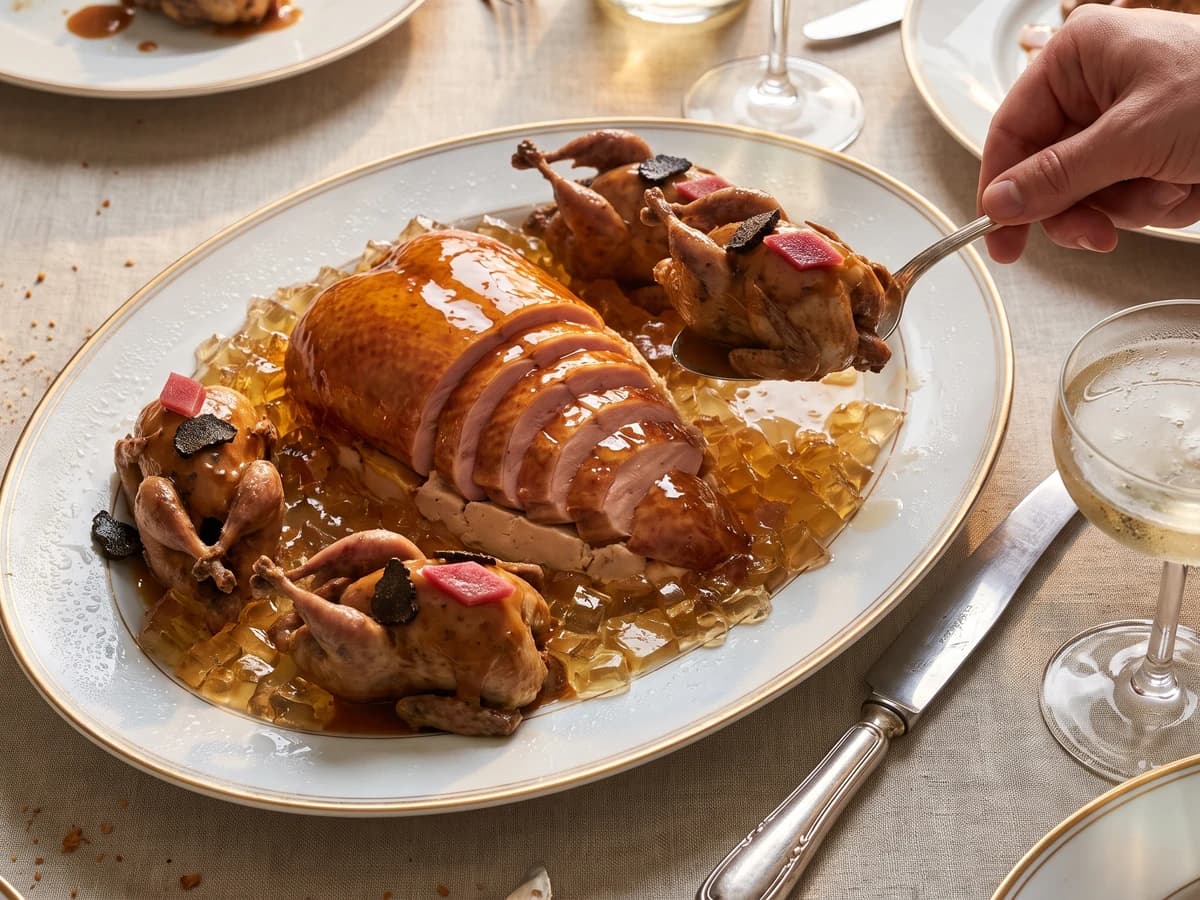
Cold pheasant rebuilt over truffled foie-gras parfait, its sliced fillets lacquered with clear aspic and ringed by chaud-froid-coated quail: a grand lesson in temperature, structure, and patient hands.
Chef Juliette
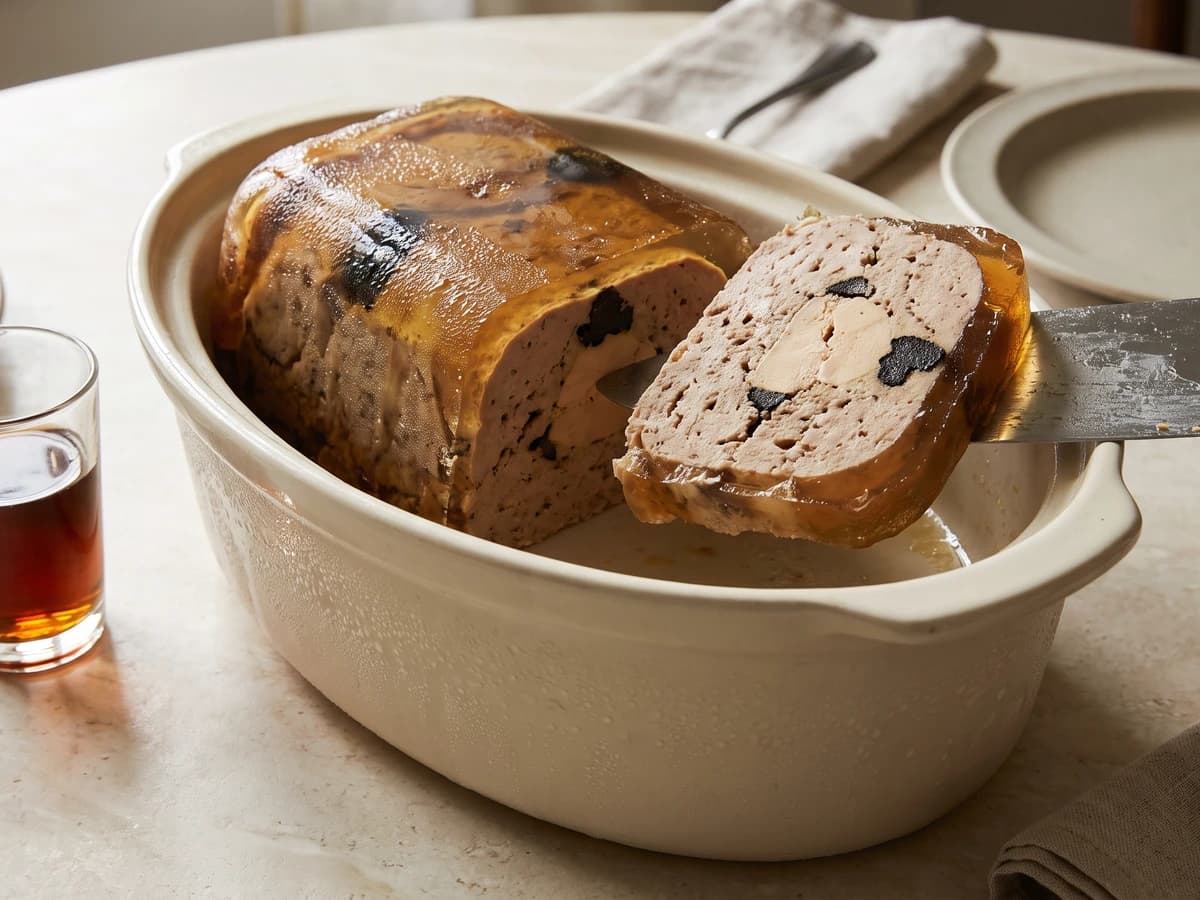
A whole pheasant, boned and rebuilt around truffled forcemeat and foie gras, gently poêlé in Madeira, then chilled in its own savory jelly until every slice holds clean and gleaming.
Chef Juliette
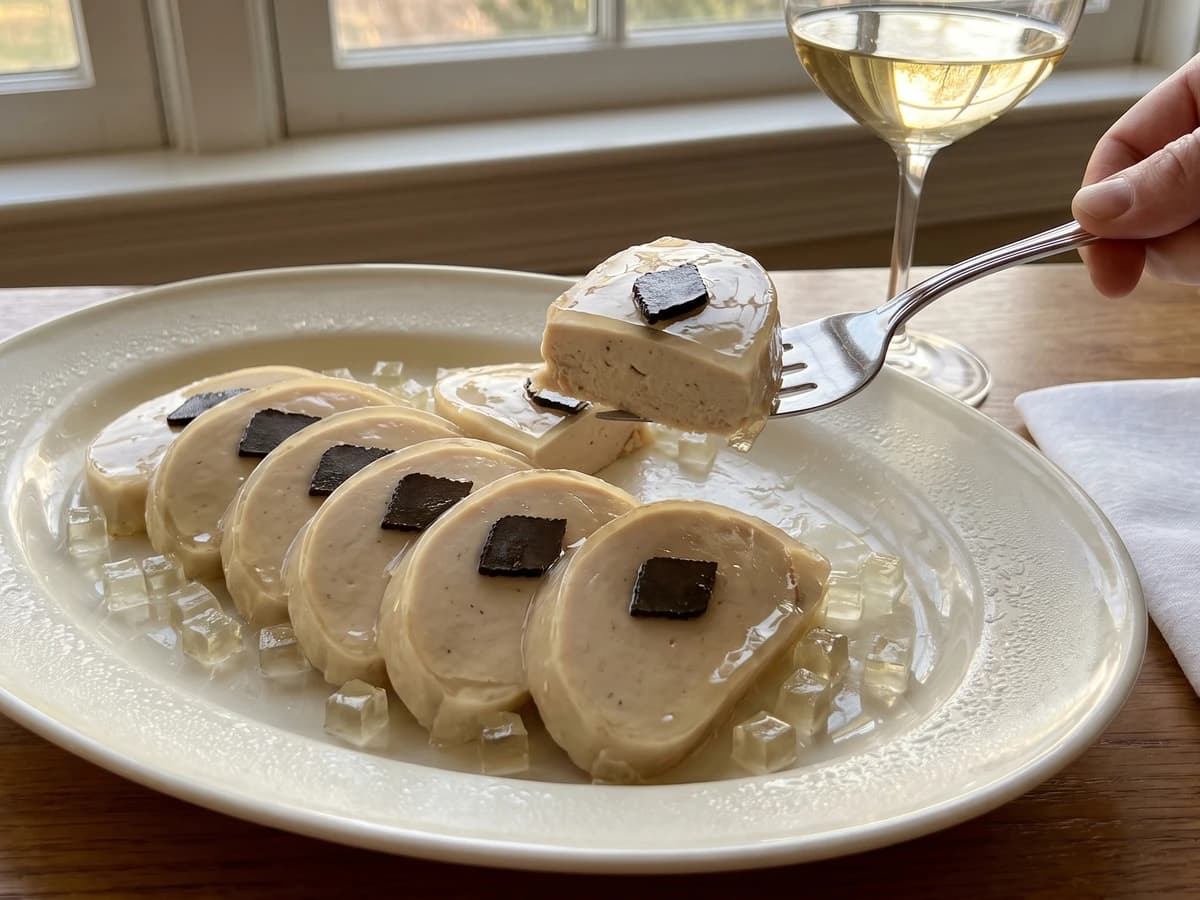
Cold pheasant mousseline, cut into neat côtelettes, masked with glossy sauce chaud-froid, truffled, and sealed beneath clear aspic: a grand cold preparation made manageable for one attentive home cook.
Chef Juliette
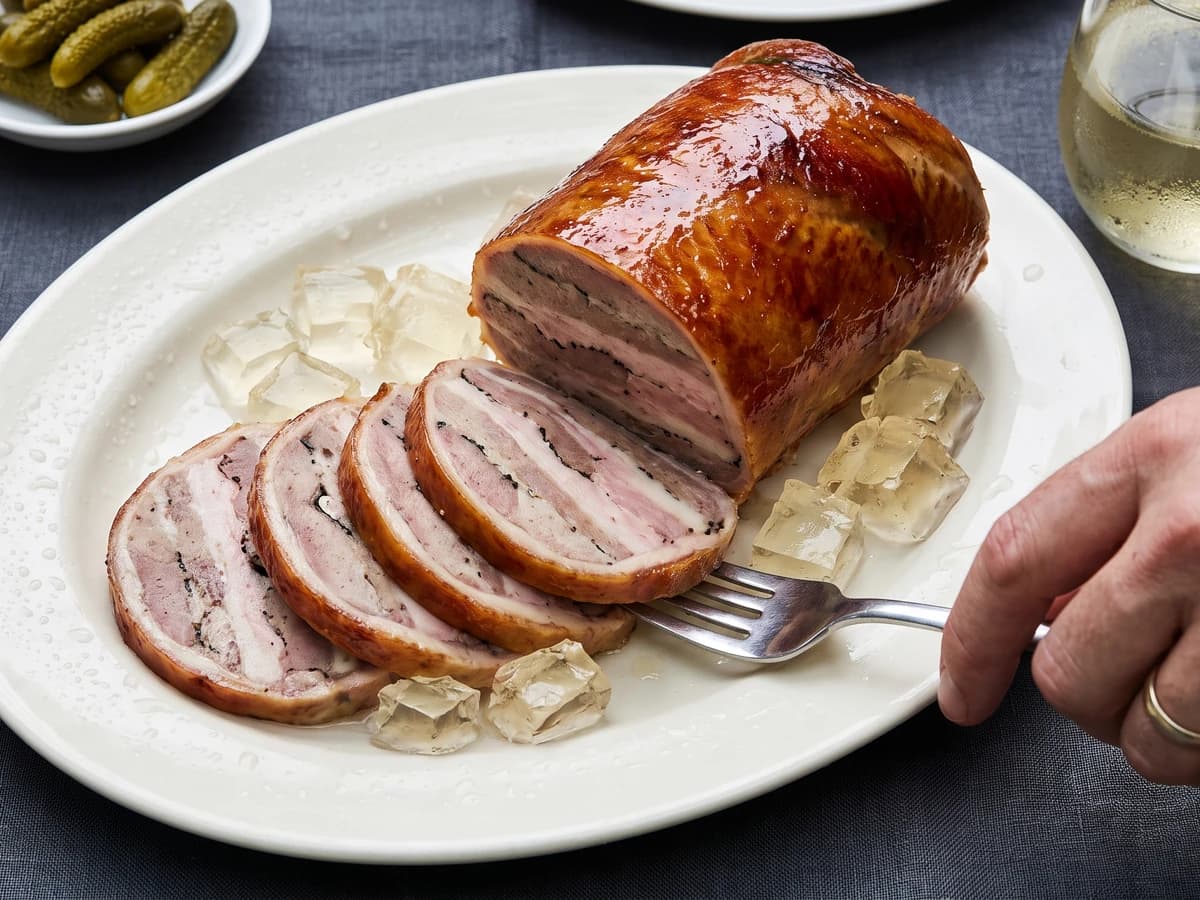
A pheasant galantine teaches disciplined cold cookery: bone through the back, stripe the forcemeat with tongue and truffle, poach at a tremble, then press lightly for a clean, generous slice.
Chef Juliette
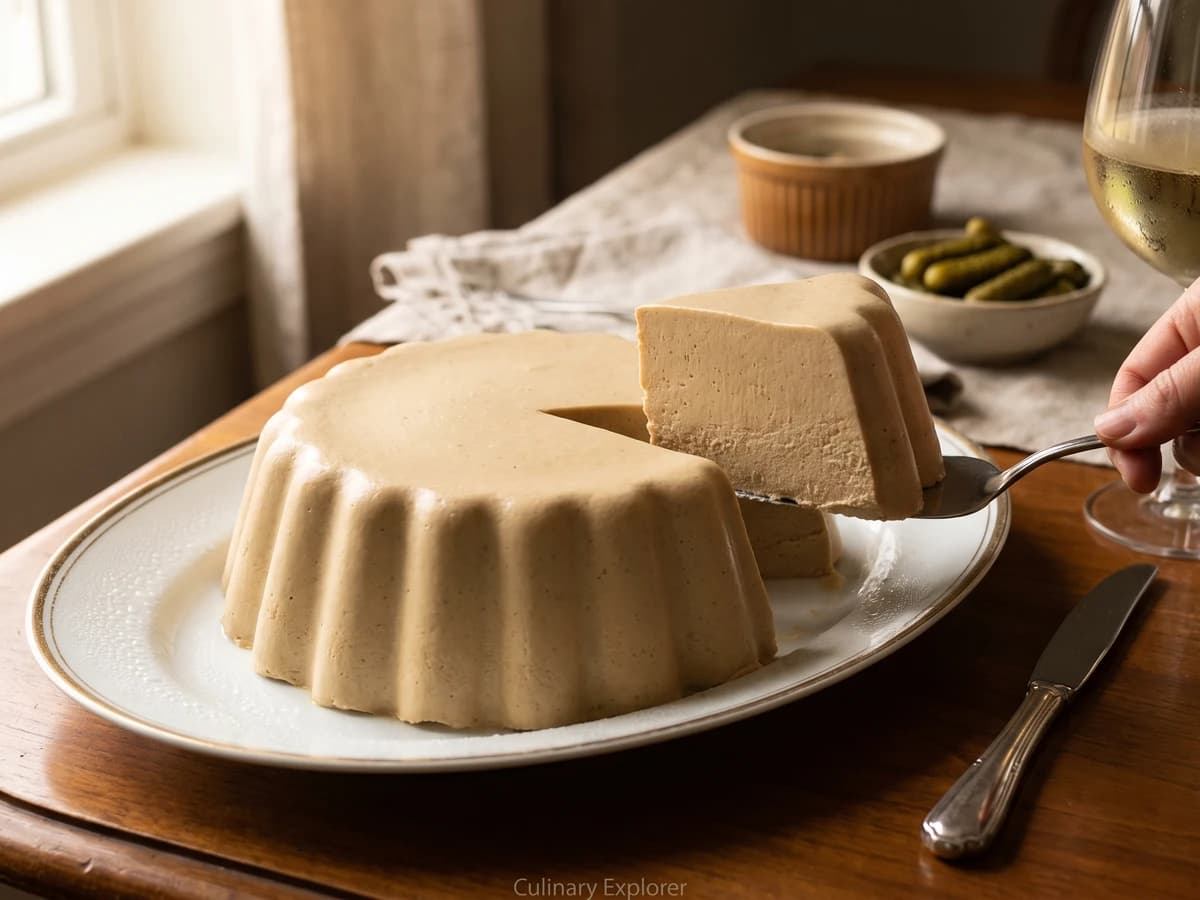
Mousse de Faisan sets roasted game and half-whipped cream into a chilled, silken mould for four, proving that the classical cold table needs attention, not a brigade.
Chef Juliette
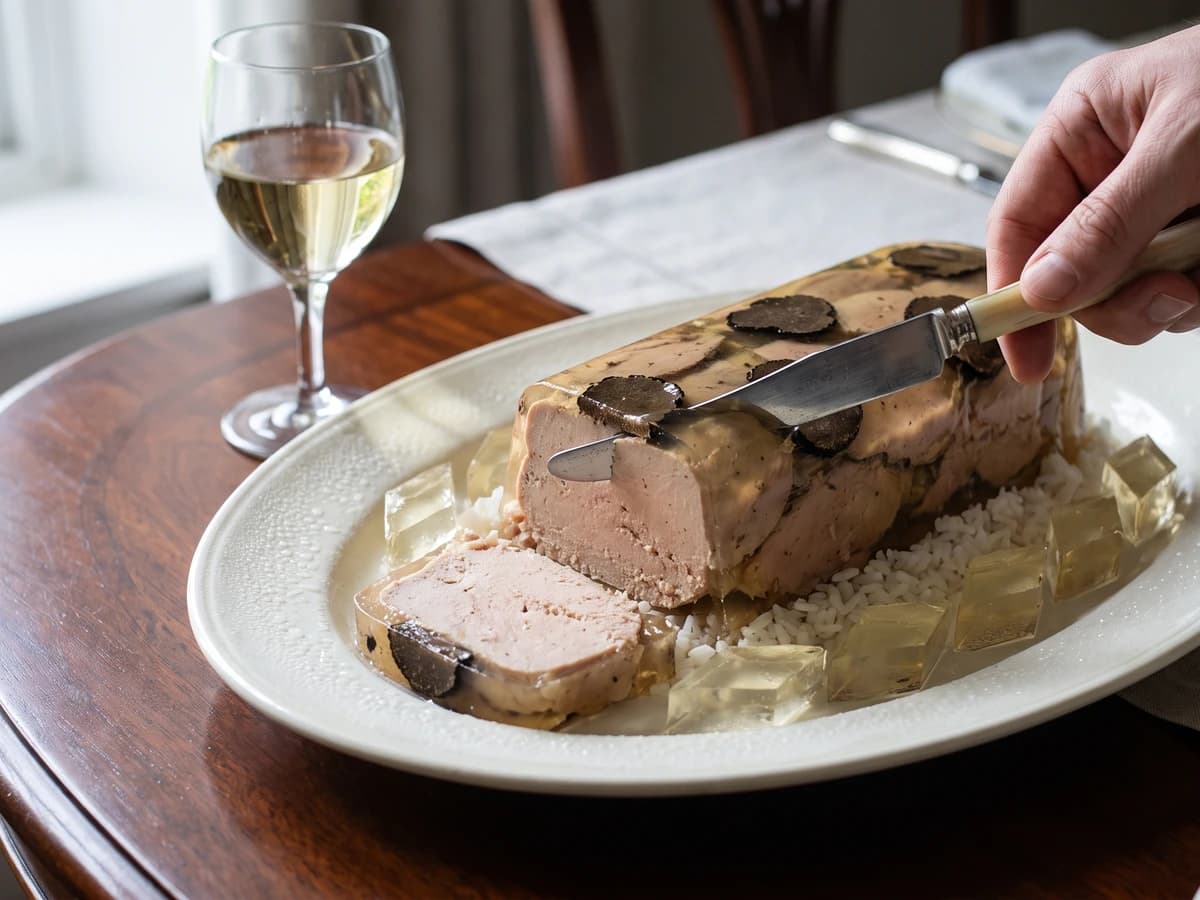
Pain de Faisan en Belle-vue sets tender pheasant and black truffle beneath clear aspic, with a butter-rich filling and a cold, clean slice that returns the classical buffet canon to the home table.
Chef Juliette
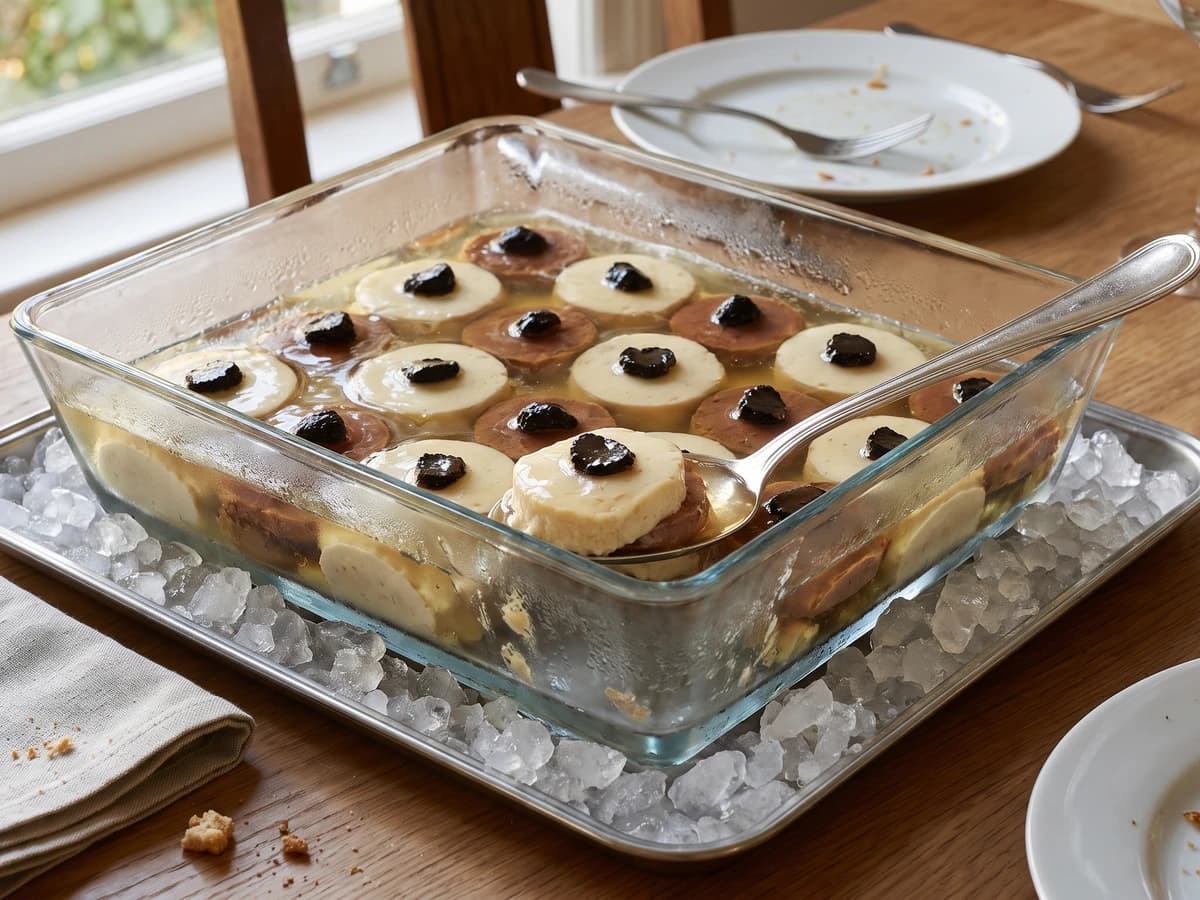
Suprêmes de Faisan Châtelaine turns poached pheasant into alternating ivory and brown medallions, each domed with cold mousse, glazed with chaud-froid sauce, and suspended under clear, savory aspic.
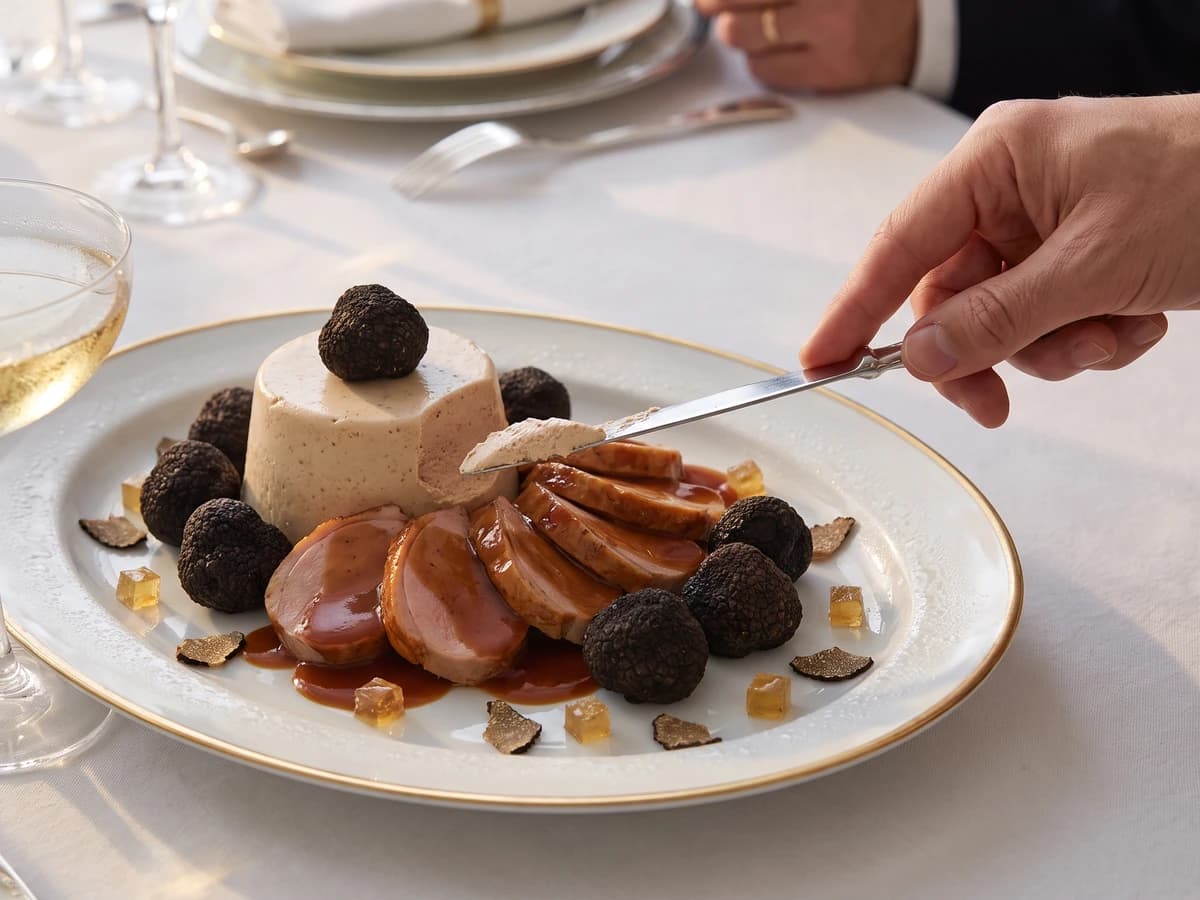
Chef Juliette
Suprêmes de Faisan Gastronome turns one pheasant into a cold architectural centerpiece: glossy chaud-froid breast slices, a precisely matched leg-meat mousse, Champagne-poached truffles, and aspic cut like little jewels.
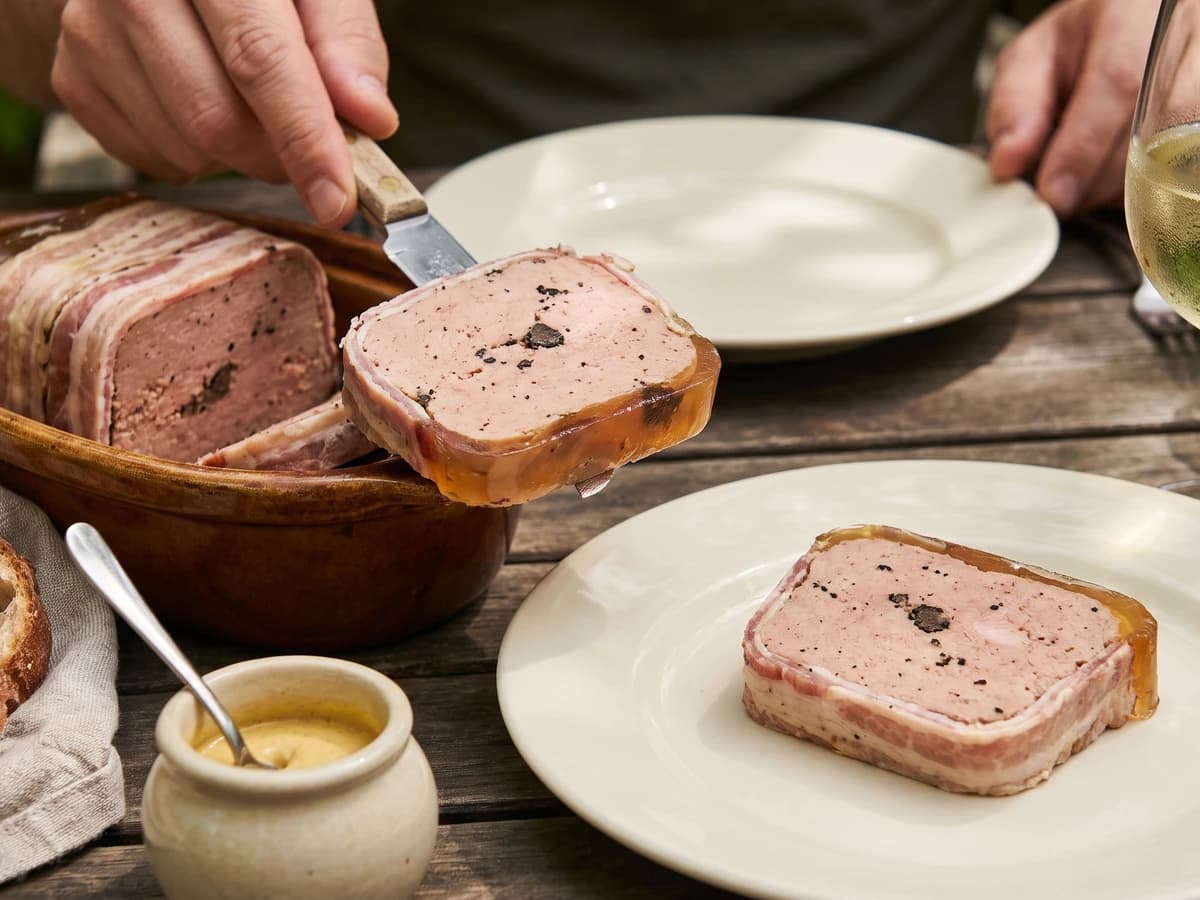
Chef Juliette
Terrine de Faisan follows the hare terrine's grammar with tenderer game: bake it more briefly, trust the clear fat at the surface, then press it cold for generous, clean slices.

Chef Juliette
Young partridge cooked poêlé in butter, then finished with glazed onions, mushroom caps, and red Burgundy reduced into game half-glaze: a compact lesson in preserving delicacy while building a wine-dark sauce.

Chef Juliette
Black truffle beneath pale partridge skin, a butter-bound game forcemeat within, and a bare-tremble poach in fumet: half-mourning teaches that gentleness, not ceremony, keeps a grand bird succulent.

Chef Juliette
Four partridges, burnished in a hot oven, layered with Matignon (No. 227) and juniper, then closed beneath a paste-ringed lid with burnt brandy and game fumet for twenty-five fragrant minutes.

Chef Juliette
A butter-brushed young partridge, opened down the back and grilled flat until evenly bronzed, with mushroom caps carrying maître d’hôtel butter, lemon, and a fine gleam of meat glaze.

Chef Juliette
Butter-basted partridge turns bronze before raw truffle, burnt Cognac, and meat glaze enter for the final quarter, preserving their perfume while warm Sauce Soubise waits in its own boat.

Chef Juliette
Two partridges do two jobs: the mature bird perfumes the cabbage, the young bird crowns it underdone, and a narrow ribbon of game-scented demi-glace binds the plate.
Culinary guides, cultural storytelling, and the editorial depth that makes cooking meaningful.
Discover Culinary Explorer