
Chef Juliette
The Quantity of the Frying Medium
The classical frying lesson is simple: use enough fat to submerge the food completely, then fry modest batches so the bath stays hot and the crust turns crisp, even, and clean.

Recipe Archive
Explore appetizers and snacks built for the first impression: crisp textures, generous dips, shareable bites, and small dishes that set the tone for the meal.
1088 recipes
A cooking platform built around craft, culture, and the stories behind what we eat.
Chef Juliette
The classical frying lesson is simple: use enough fat to submerge the food completely, then fry modest batches so the bath stays hot and the crust turns crisp, even, and clean.

Chef Juliette
The quiet discipline behind every good friture: strain the fat while it is warm, before crumbs settle into black powder, and one clear, clean-tasting medium will serve batch after batch.
Chef Juliette
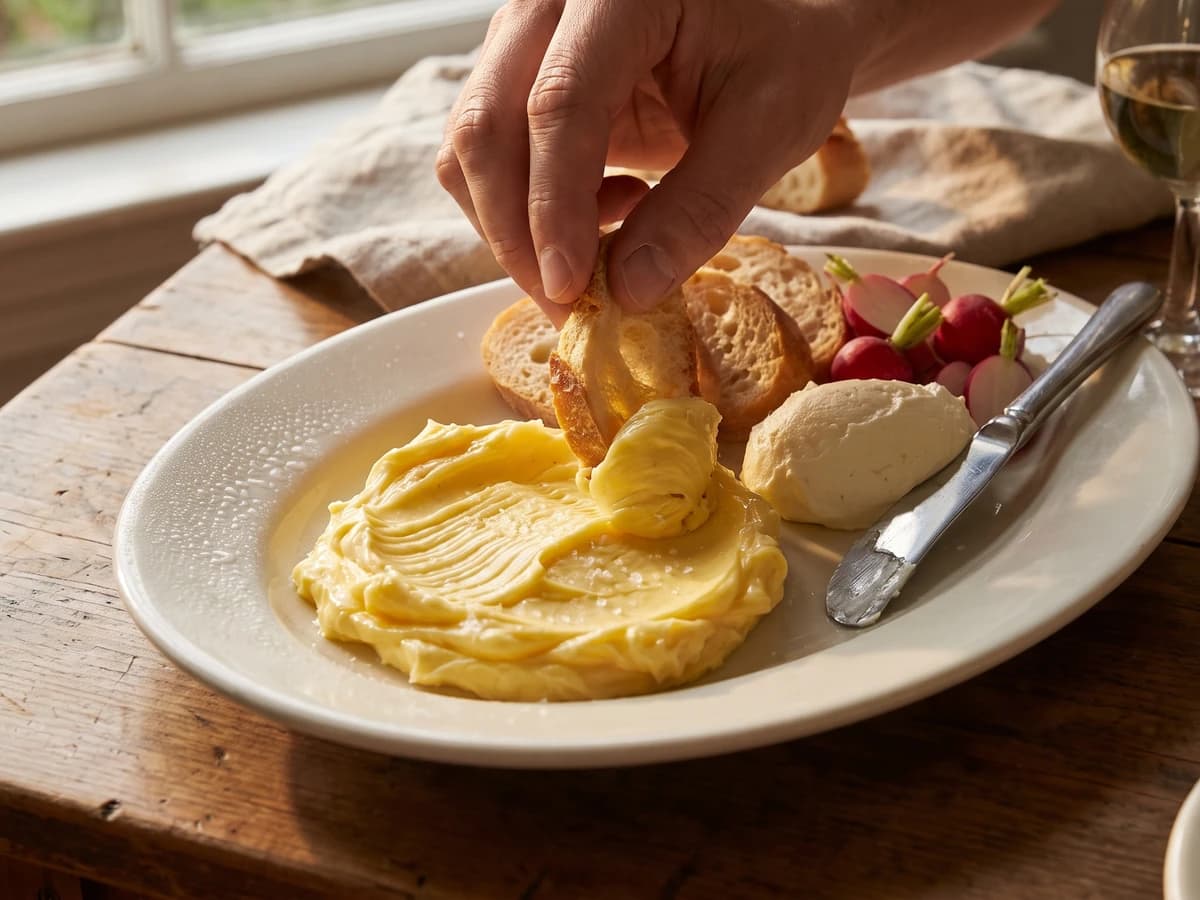
Beurres et crèmes d’hors-d’œuvre prove that cold-table finesse is mostly timing: smooth good dairy, cover it closely, hold it cool, then season only as you dish so every spoonful keeps a clean edge.
Chef Juliette
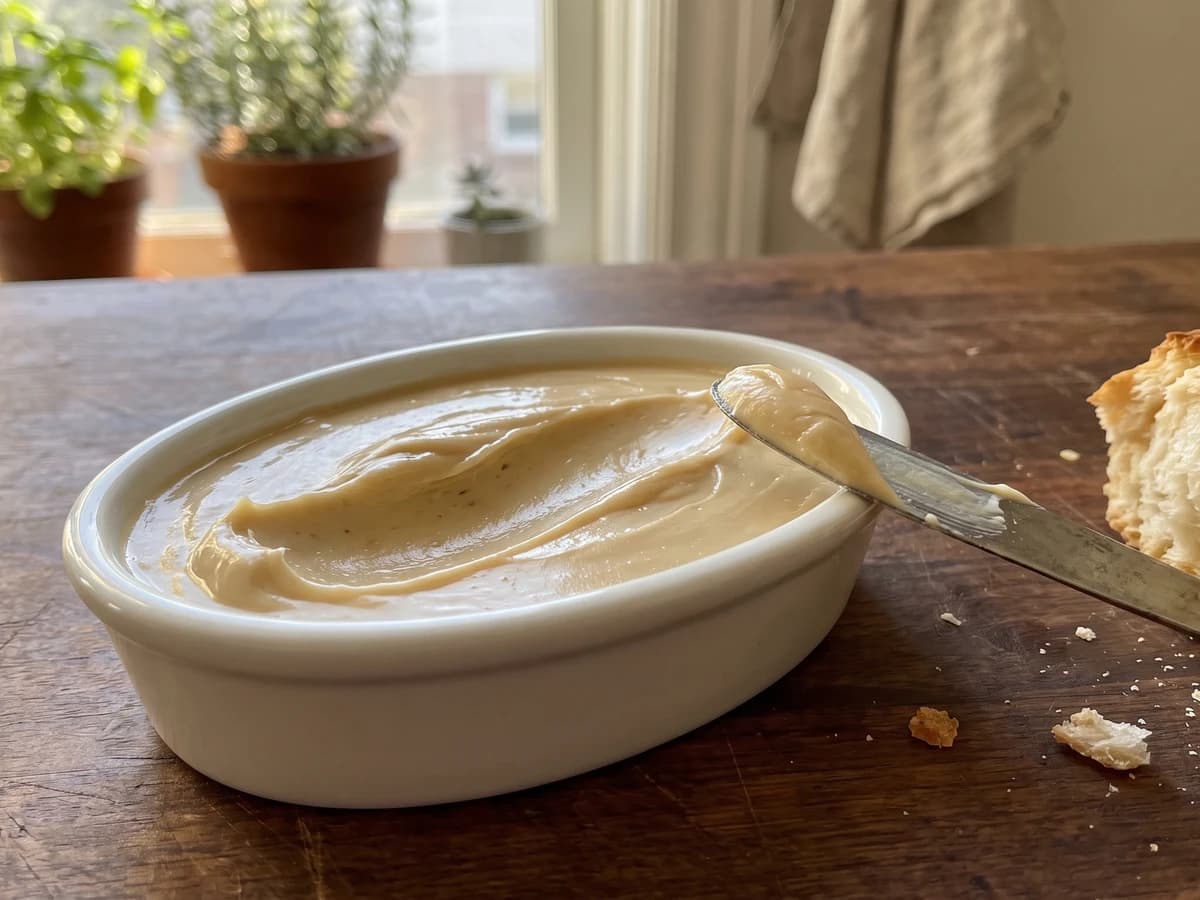
Beurre d’Anchois turns two ingredients into a silky, deeply savoury spread. Pounding makes them one, but the fine sieve finishes the work, removing every fibre and pin bone before the butter reaches bread.
Chef Juliette
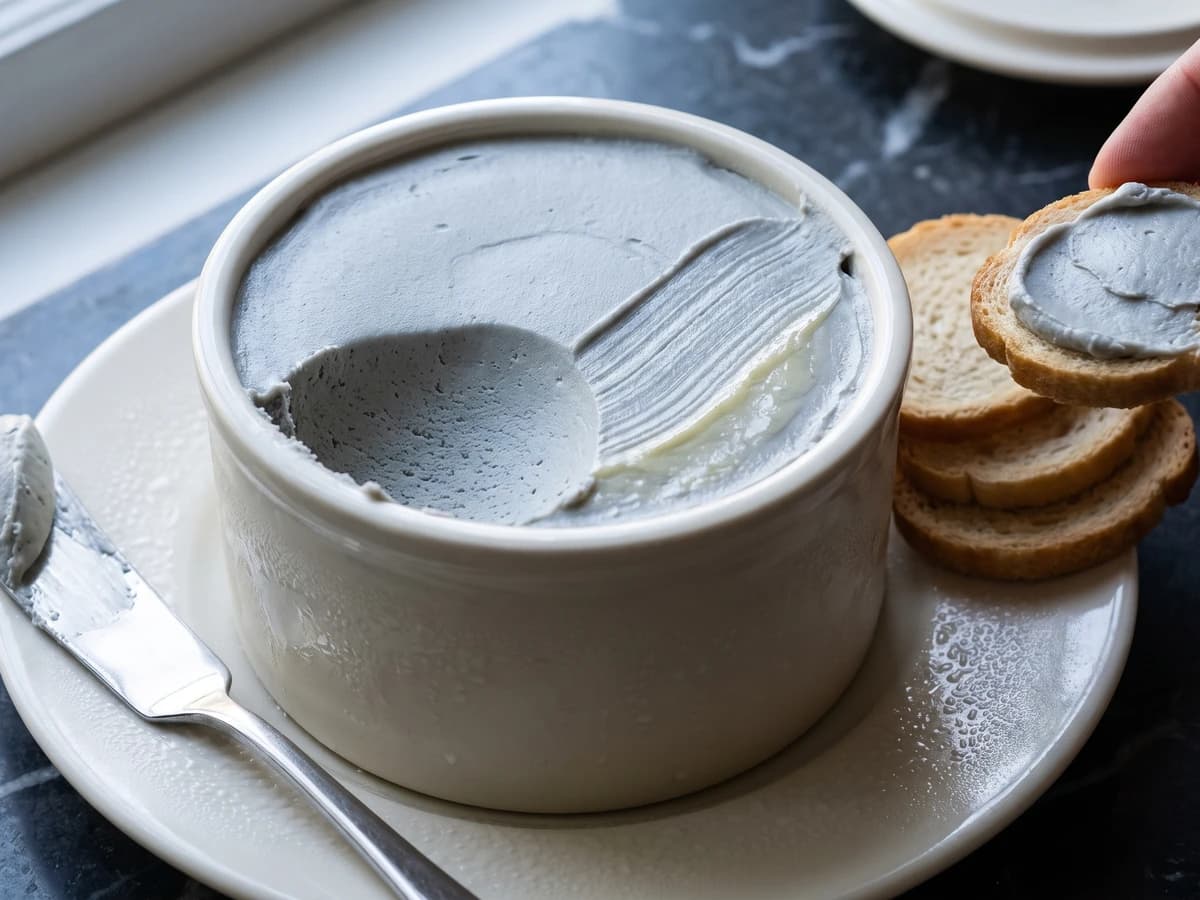
Beurre de caviar turns two ingredients into a polished cold-table spread: keep the butter cool, pound until completely uniform, then pass it fine so every bite carries the roe's full salt-brine.
Chef Juliette
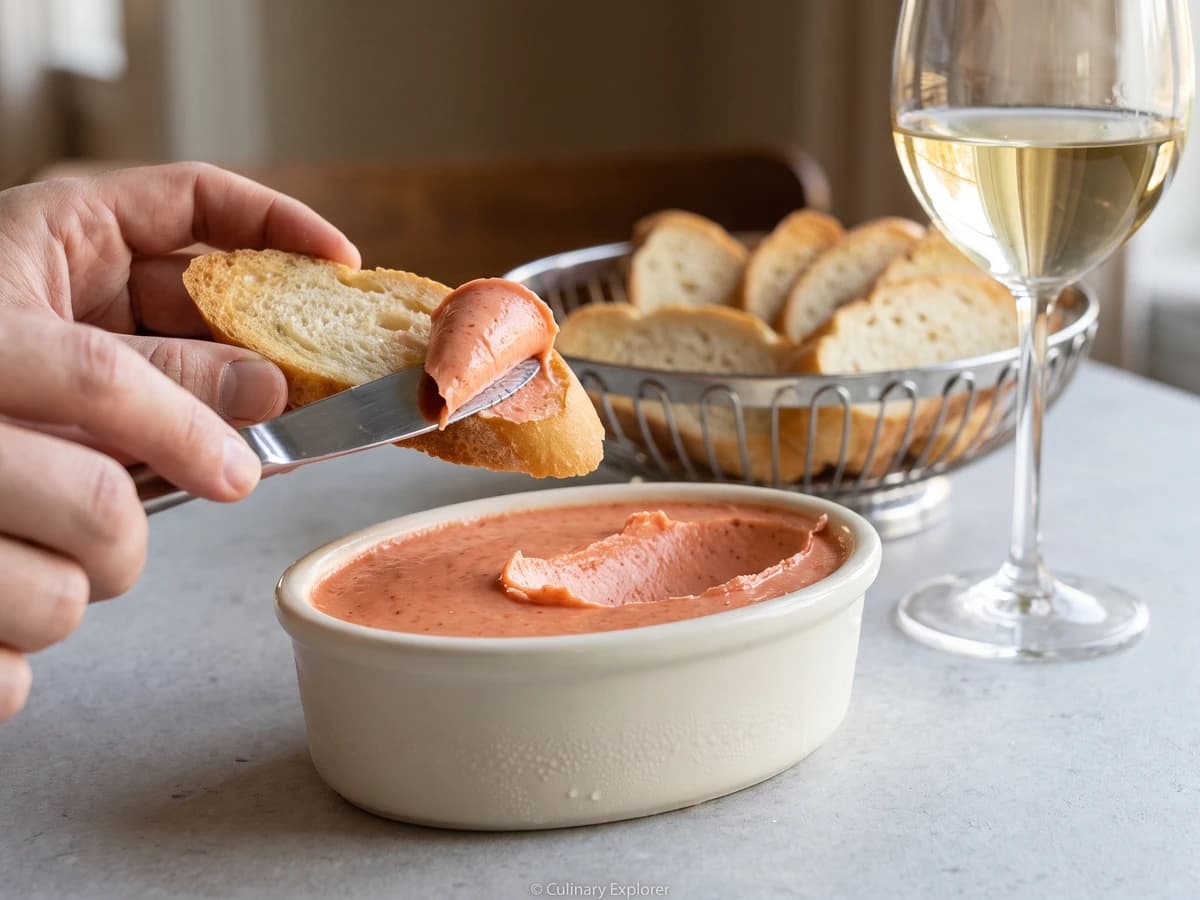
Whole shell-on shrimp, equal butter, and two patient passes make a rose-pink beurre de crevettes with remarkable delicacy: a small classical preparation whose silk depends entirely on the second straining.

Chef Juliette
Beurre au curry turns two ingredients into a decided, aromatic spread: soft butter carries every note of the powder, while patient tasting, not a rigid spoonful, sets the proper strength.

Chef Juliette
Beurre d’écrevisses turns what looks like waste into the rose-red heart of sauce Nantua: crayfish shells pounded fine with real butter, then passed twice until all perfume remains and every fragment is gone.

Chef Juliette
Beurre de hareng saur is smoke, salt, and butter made silken: pound the skinned fillets, force them through a fine sieve, and spread the sharp paste thickly on brown-bread toast.

Chef Juliette
Beurre de Homard turns useful lobster scraps into a satin, coral-pink butter, proving that careful pounding and a fine sieve, not expensive claw meat, make this classical spread.

Chef Juliette
Beurre de laitances turns mild herring milt, lemon, mustard, and its own weight in butter into a pale, silken spread. Gentle poaching preserves tenderness; the fine sieve makes the dish.

Chef Juliette
Beurre Montpellier is the cold emulsion that teaches water control: blanched herbs pressed dry, sharpened with caper, gherkin, and anchovy, then worked into butter until it glows green beside salmon or trout.
Chef Juliette
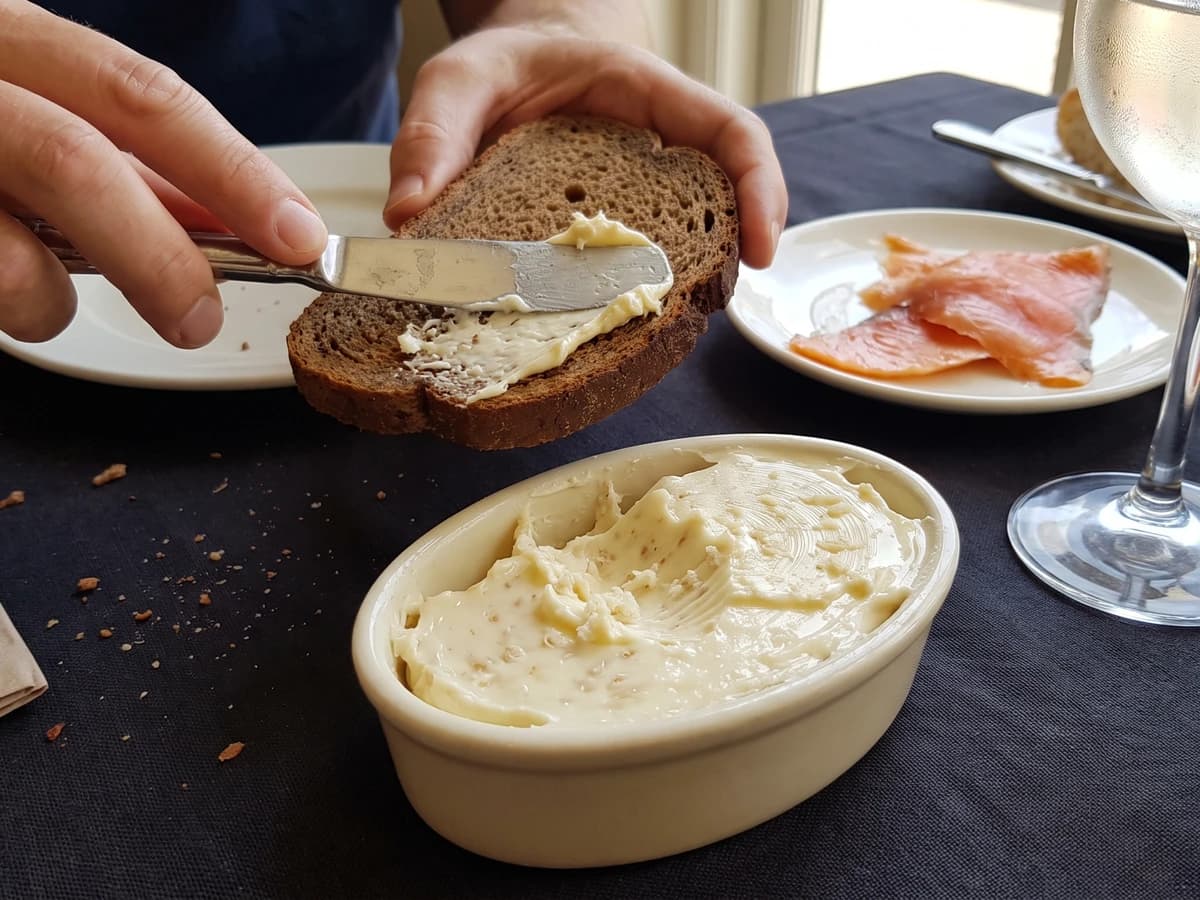
Beurre de raifort turns two ingredients into a clean, bracing spread: fresh horseradish pounded into real butter, then sieved smooth for smoked fish, cold beef, and a dinner-party table.

Chef Juliette
Beurre de saumon fumé is smoked salmon and butter in exact balance, pounded then sieved to a rose-colored silk that spreads cleanly on toast without letting the smoke turn sharp.

Chef Juliette
Sweet paprika is briefly awakened in warm white wine or consommé, then worked into soft butter until red-gold and fragrant, a three-ingredient lesson in why infusion comes before mixing.

Chef Juliette
Equal weights of red capsicum and real butter become one silken, red-gold spread, provided you honor the final sieve, the step that gives Beurre de Piment its polish.

Chef Juliette
Preserved caviare, fresh cream, and softened butter are pounded and sieved to silk, then lightened with whipped cream: a cold hors d’œuvre whose quiet secret is butter firming in the chill.

Chef Juliette
Crème de homard turns cooked lobster trimmings and coral into a silken chilled spread, dense with butter yet lifted by whipped cream, proof that pounding and sieving are the heart of refinement.

Chef Juliette
Crème de gibier turns a small piece of cold roast into a generous hors d'oeuvre: game worked with butter and cream, sieved to silk, then lightened for the first toast.

Chef Juliette
Crème de saumon fumé is a lesson in texture: smoked salmon, butter, and cream worked perfectly smooth, then lifted with softly whipped cream into a cool, silken spread for the first glass of the evening.

Chef Juliette
Oil-packed tuna, soft butter, and whisked cream become a cool, silken hors d'oeuvre for toast. Crème de thon teaches the cold emulsion: match temperatures, pound finely, then fold gently.

Chef Juliette
Cold white chicken, butter, and cream worked to silk, pressed through a sieve, then lifted with whipped cream: a pale hors d'oeuvre whose whole art lies in texture and last-minute seasoning.

Chef Juliette
Allumettes aux anchois turn cold puff pastry, fish mousseline, and anchovy butter into crisp little matchsticks, bronze at the edges and savoury through the centre, built for an apéritif tray passed warm.

Chef Juliette
Filets d’Anchois turn a jar of oil-cured fish into a proper cold hors-d’œuvre: slender fillets crossed in a lattice, bright capers, parsley, and alternating gold and white egg.
Culinary guides, cultural storytelling, and the editorial depth that makes cooking meaningful.
Discover Culinary Explorer