
Chef Juliana
Padê de Exu
You don't need mystery to handle farinha and dendê well. You need respect, a bowl, and the sense to stop when the grains turn glossy and orange.

Updated June 5, 2026
The Afro-Baiana sacred-secular table: acarajé, abará, and the comidas dos orixás taught for the home kitchen, with dendê named as non-negotiable and the Candomblé lineage stated as fact.
A cooking platform built around craft, culture, and the stories behind what we eat.
Chef Juliana
You don't need mystery to handle farinha and dendê well. You need respect, a bowl, and the sense to stop when the grains turn glossy and orange.

Chef Juliana
You don't need mystery. You need corn cooked until tender, coconut cut clean, dendê used with respect, and the sense to know this is sacred food, not your costume.

Chef Juliana
You think this is sacred enough to be impossible. It isn't. Acaçá is patience, stirring, and ponto, taught plainly, with respect for the terreiros that carry it.

Chef Juliana
You think ritual food means you can't touch the pot. Respect says learn the cooking, know what isn't yours, and build black beans, meat, dendê, and hortelã properly.

Chef Juliana
If candy makes you whisper isso não é pra mim, anota aí: coconut, sugar, heat, and attention. Two cocadas, one white and one dark, taught without mystery.

Chef Juliana
You think this dense cassava sweet belongs to someone else's hands. It doesn't. Grate, sweeten, bake, and you've got tabuleiro doçaria at home, with respect and no powdered lie.
Chef Juliana
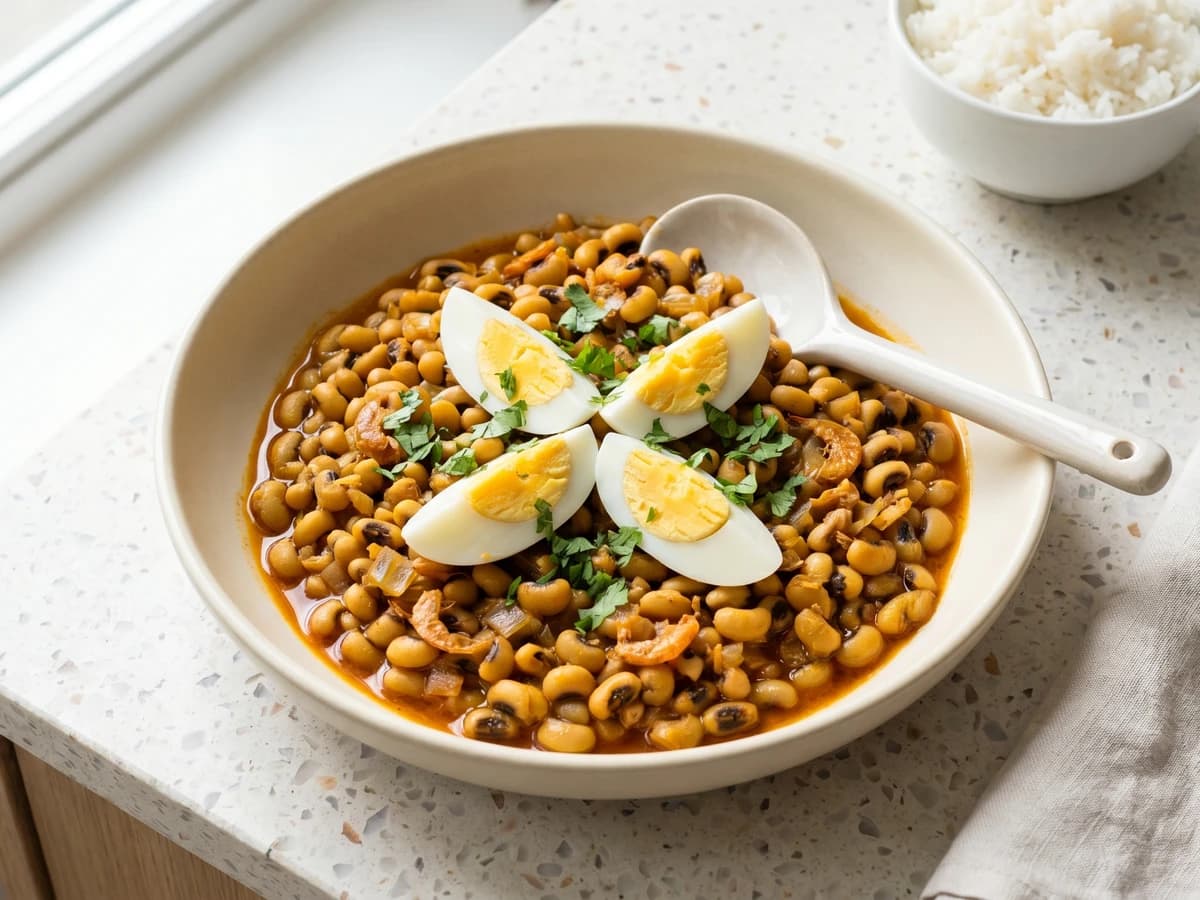
You think sacred food is automatically impossible at home. It isn't. Omolocum belongs to Oxum, and this version teaches respect through method: beans, dendê, onion, shrimp, eggs, and attention.

Chef Juliana
Think hard white corn can't become dessert in your pot? Soak it, simmer it tender, finish with coconut milk and cinnamon, and the tabuleiro's quiet sweet becomes a recipe that works.

Chef Juliana
You don't need mystery for this. Soak the corn, cook it until tender, finish it with coconut milk and sugar, and you've made a bowl that asks for quiet.

Chef Juliana
You don't need mystery for this pot. You need okra, dendê, onion, dried shrimp, and the patience to stir until the quiabo gives up its own caldo.

Chef Juliana
You think sacred food means you can't touch the pan. Respect, yes. Fear, no. This home deburu is corn, dendê, a lid, and the discipline to listen.

Chef Juliana
You think frying sweets is for someone braver. It isn't. Hydrate the tapioca properly, keep the bolinhos small, and you've got the baiana's tabuleiro translated for a home stove.

Chef Juliana
You think this belongs far away from your kitchen. It doesn't. Yam, onion, dried shrimp, and dendê become a soft golden mash when a gente teaches the method plainly.
Chef Juliana
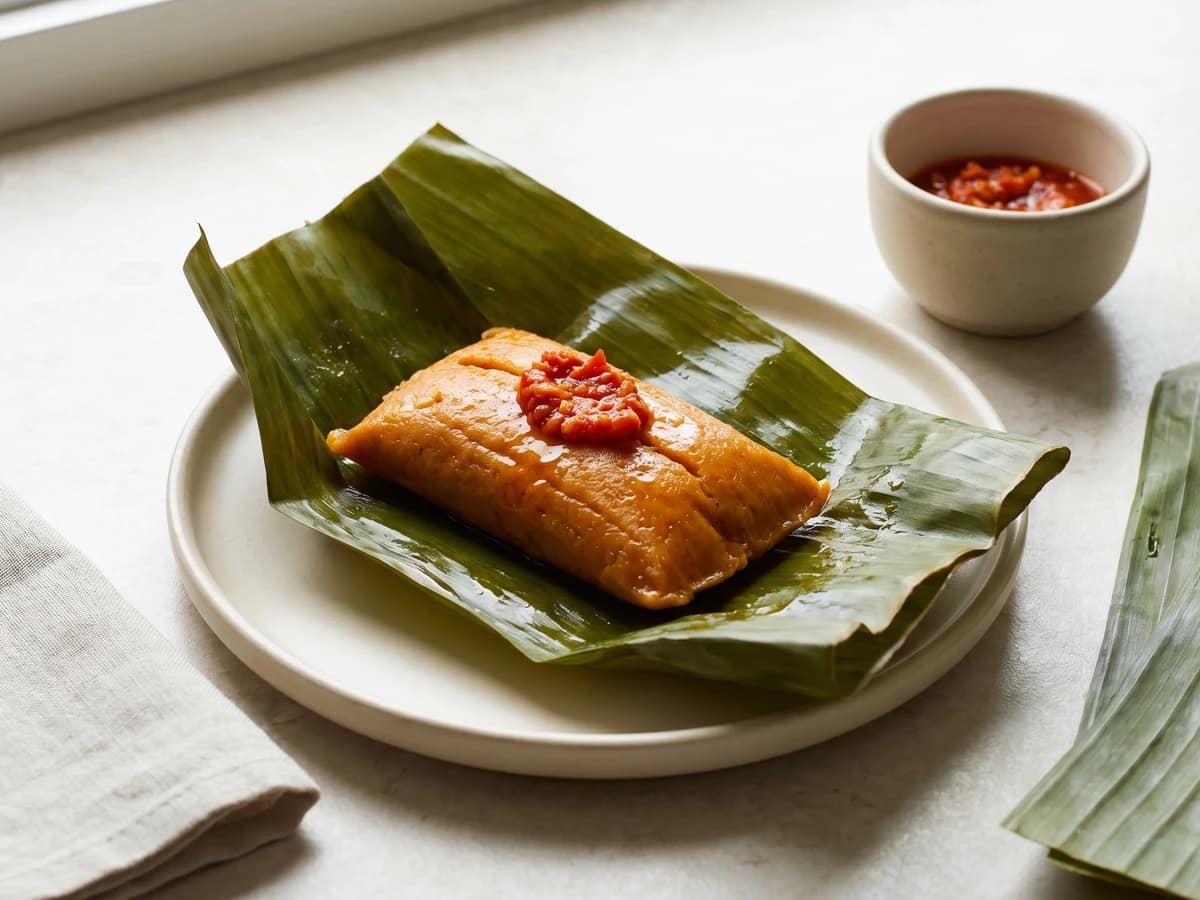
You think banana leaves and hand-whipped bean massa mean “isso não é pra mim.” Wrong. Soak, peel, beat, wrap, steam. Abará is learned by touch, not inherited by magic.

Chef Juliana
You think a white pudding can't matter until it holds its shape on the plate: coconut milk, sugar, cornstarch, patience. Learn the ponto, and the celebration is already steadier.

Chef Juliana
You think food of Iansã from the baianas' tabuleiro is not for your stove. Anota aí: soaked feijão-fradinho, real dendê, and hand-whipping make a home version learnable.
Culinary guides, cultural storytelling, and the editorial depth that makes cooking meaningful.
Discover Culinary ExplorerChef Juliana is a fictional culinary guide to Brazilian Home Cooking, written with the assistance of AI.