Chef Juliana
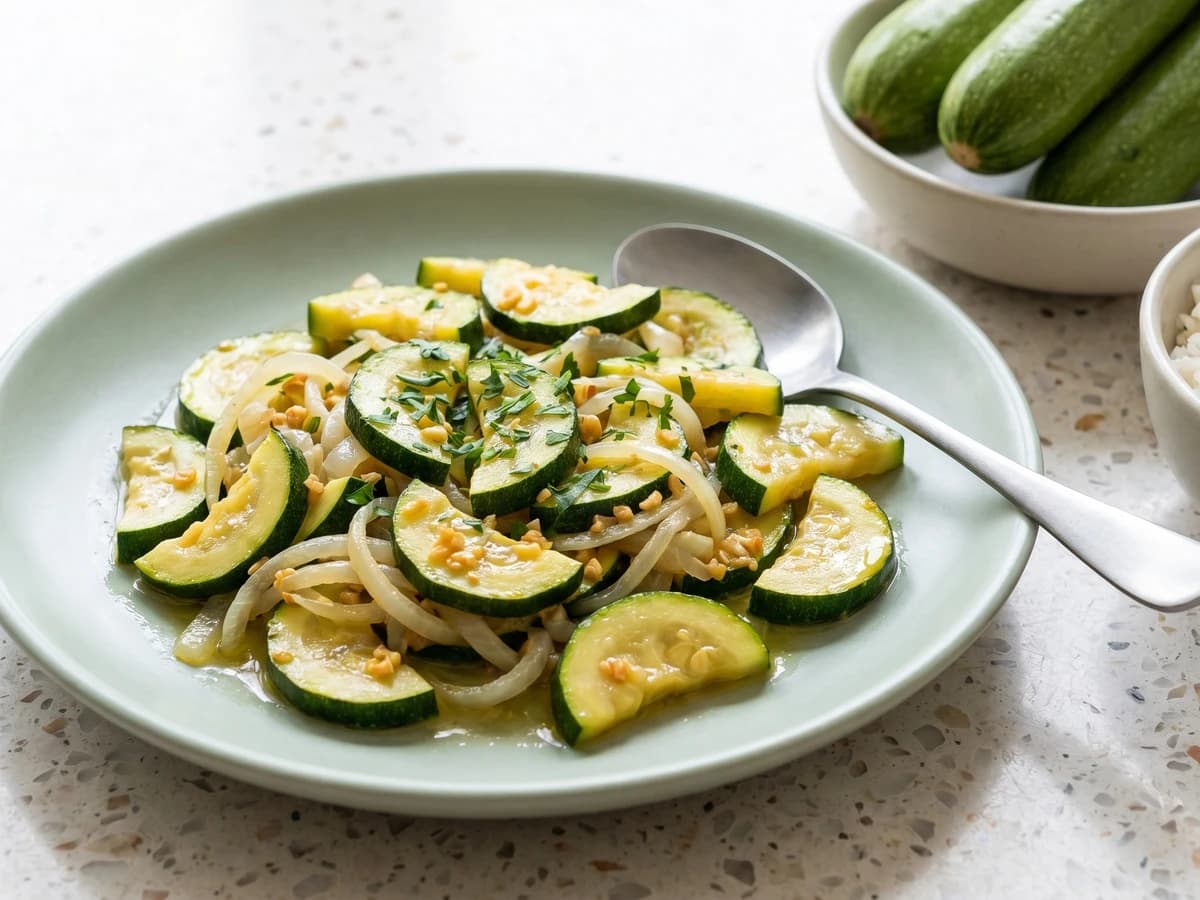
Abobrinha Refogada
You think you'll turn zucchini into mush. Fine. Anota aí: high heat, wide pan, salt at the end, and suddenly this little green side starts solving dinner.
A cooking platform built around craft, culture, and the stories behind what we eat.

Created by
You think this is sacred enough to be impossible. It isn't. Acaçá is patience, stirring, and ponto, taught plainly, with respect for the terreiros that carry it.
You may look at acaçá and hear that little voice: isso não é pra mim. Sacred food, banana leaf, white mass folded into a clean little packet. I understand the hesitation. But hesitation is not reverence. Reverence is doing the simple thing properly, without pretending you own what other people have carried for generations.
Acaçá is comida de santo in the Afro-Baiana lineage, laid before every orixá and especially tied to Oxalá, the orixá of white foods, calm, and clarity. I teach this as a home kitchen version, not as a ritual. For the meaning inside the terreiro, a gente defers to the mães, pais, filhas, filhos, and cooks who know that ground with their feet, not with a search bar.
The cooking itself is learnable. Cornmeal goes into cold water first so it dissolves without lumps. Then you cook it slowly, stirring until it thickens, shines, and pulls away from the bottom of the pot. That's the ponto. Not mystery. Method. Cozinhar não é dom, é um aprendizado, even when the food asks for quiet hands.
On the everyday plate, acaçá can sit beside beans, greens, and a simple fish or stew the way rice would: plain, soft, and steady. It doesn't shout. It carries. That's comida de verdade too.
Acaçá belongs to the Afro-Baiana ritual food repertoire, where white cornmeal is cooked into a smooth mass and wrapped in banana leaf for offerings, especially to Oxalá and also to other orixás according to each house's practice. In Bahia, the public food knowledge around the tabuleiro and the women who sell and preserve these preparations was formally recognized when IPHAN inscribed the Ofício das Baianas de Acarajé in the Livro dos Saberes in 2005. The home version teaches the cooking technique, not the ritual authority, which remains with the terreiros.
Quantity
1 cup
Quantity
4 cups
divided
Quantity
1/2 teaspoon
Quantity
1 teaspoon
for a softer sheen
Quantity
8 pieces
cut into 10 by 10 inch squares
| Ingredient | Quantity |
|---|---|
| fine white cornmeal or white corn flour | 1 cup |
| cold waterdivided | 4 cups |
| fine salt | 1/2 teaspoon |
| neutral oil (optional)for a softer sheen | 1 teaspoon |
| fresh banana leafcut into 10 by 10 inch squares | 8 pieces |
Pass each banana leaf square quickly over a low burner flame, or dip it in hot water for 20 seconds, until it turns glossy and flexible. Wipe it dry. Raw banana leaf cracks when you fold it, and then your acaçá leaks instead of setting neatly.
Put the cornmeal in a bowl with 1 cup of the cold water and stir until smooth, scraping the bottom so no dry pockets hide there. Cold water first, anota aí. Hot water hits dry cornmeal and makes stubborn lumps, and then you're chasing little pebbles around the pot.
Pour the remaining 3 cups cold water into a medium heavy pot. Add the salt and bring it just to a simmer over medium heat, with small bubbles around the edge. Stir in the dissolved cornmeal in a thin stream. Keep the spoon moving so the starch spreads evenly before it grabs.
Lower the heat and cook, stirring steadily, until the mixture thickens into a smooth white paste, about 18 to 25 minutes. It should shine, feel heavy on the spoon, and pull away from the bottom of the pot for a second before settling back. Stop too soon and it tastes raw and grainy. Cook it properly and it becomes soft, clean, and steady.
Turn off the heat and let the pot sit for 3 minutes. The mass will tighten just enough to scoop without spreading everywhere. Don't wait too long, because cold acaçá stiffens and becomes harder to fold cleanly.
Lay one softened banana leaf square shiny side up. Spoon about 1/3 cup of the hot cornmeal mass into the center, then fold the leaf over it into a small packet, tucking the sides under. The leaf shapes the acaçá and gives it that green, living aroma without turning it into decoration.
Set the packets seam side down on a plate and let them rest 15 minutes before serving. They should hold their shape but still feel tender when pressed. Serve warm or at room temperature, plain and white, beside beans, greens, and a simple fish or stew if you're making it for the table.
1 serving (about 125g)
Culinary guides, cultural storytelling, and the editorial depth that makes cooking meaningful.
Discover Culinary ExplorerChef Juliana
You think you'll turn zucchini into mush. Fine. Anota aí: high heat, wide pan, salt at the end, and suddenly this little green side starts solving dinner.
Chef Juliana
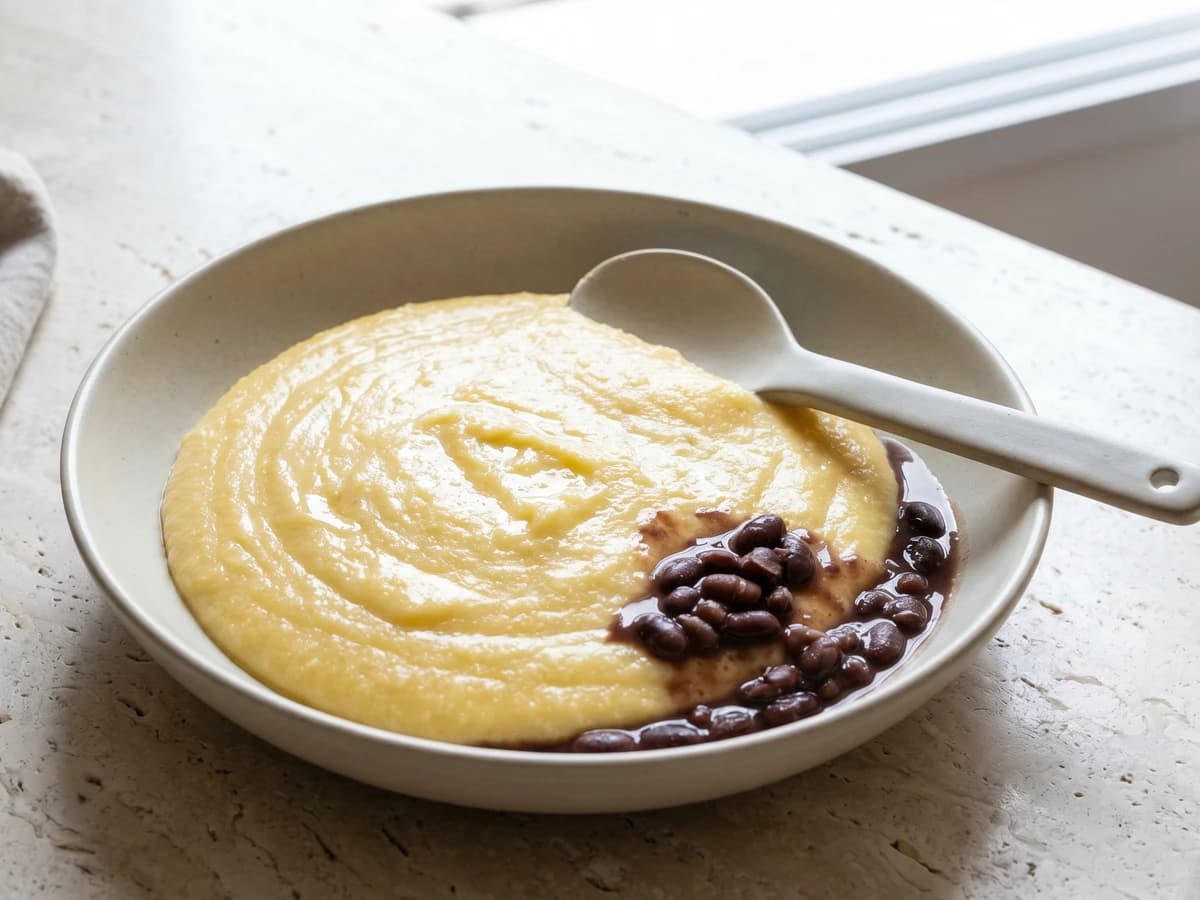
You think cornmeal will turn into lumps and shame. It won't. Cold water first, patient stirring, and a real garlic base give you angu that solves dinner.
Chef Juliana
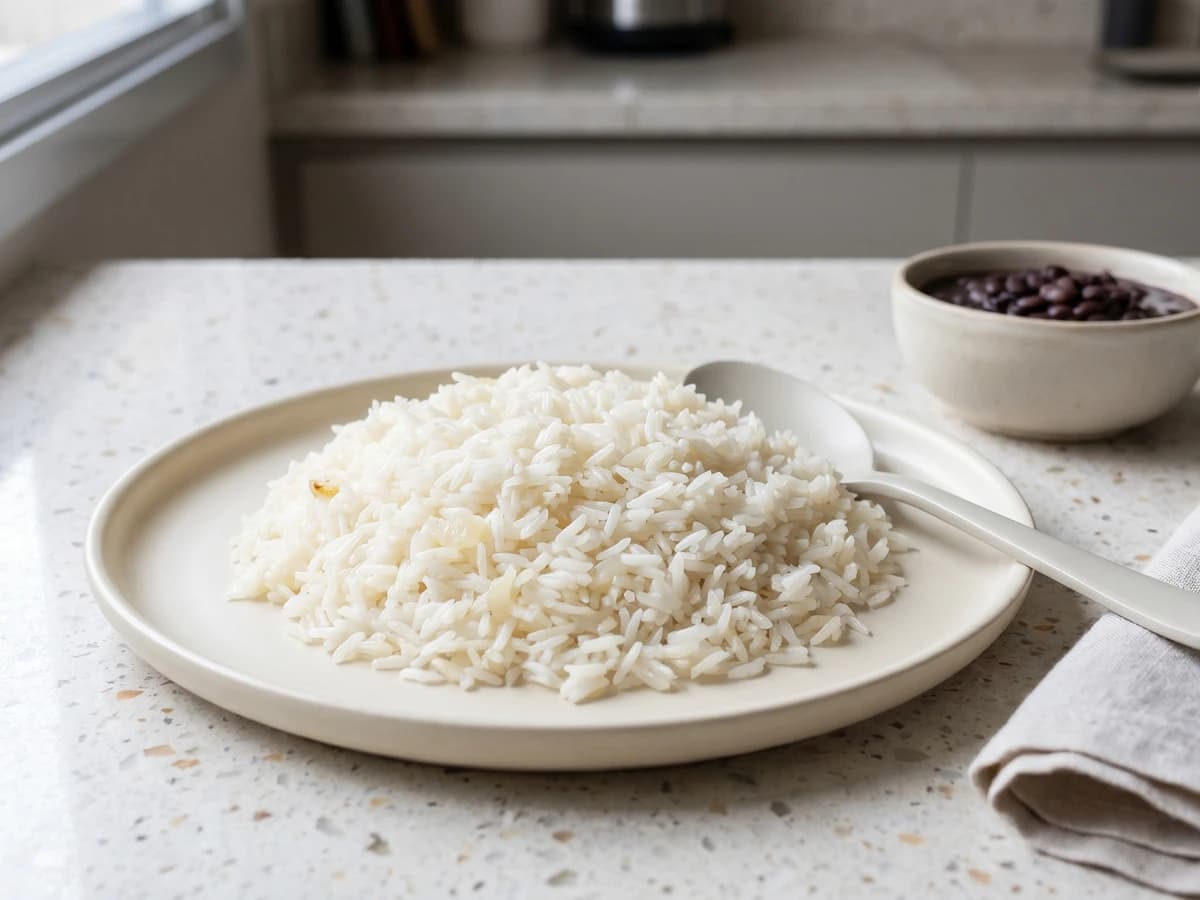
Everyone swears they can't make good rice. They're wrong. Refogue onion and garlic, use two parts water to one rice, then close the lid and leave the poor thing alone.
Chef Juliana
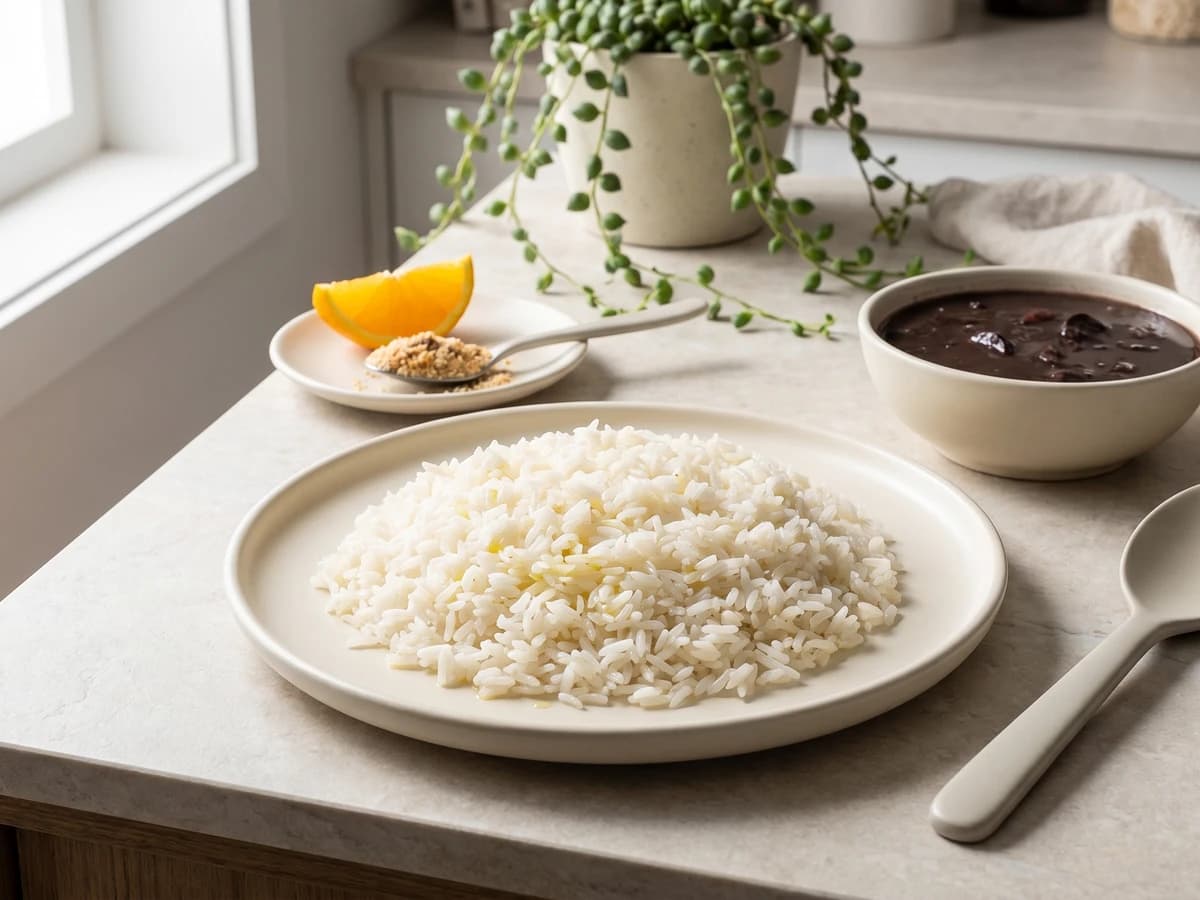
You think rice is hard. It isn't. Two parts water to one of rice, a real refogado, and the discipline to stop stirring. Anota aí.