
Chef Juliana
Acarajé
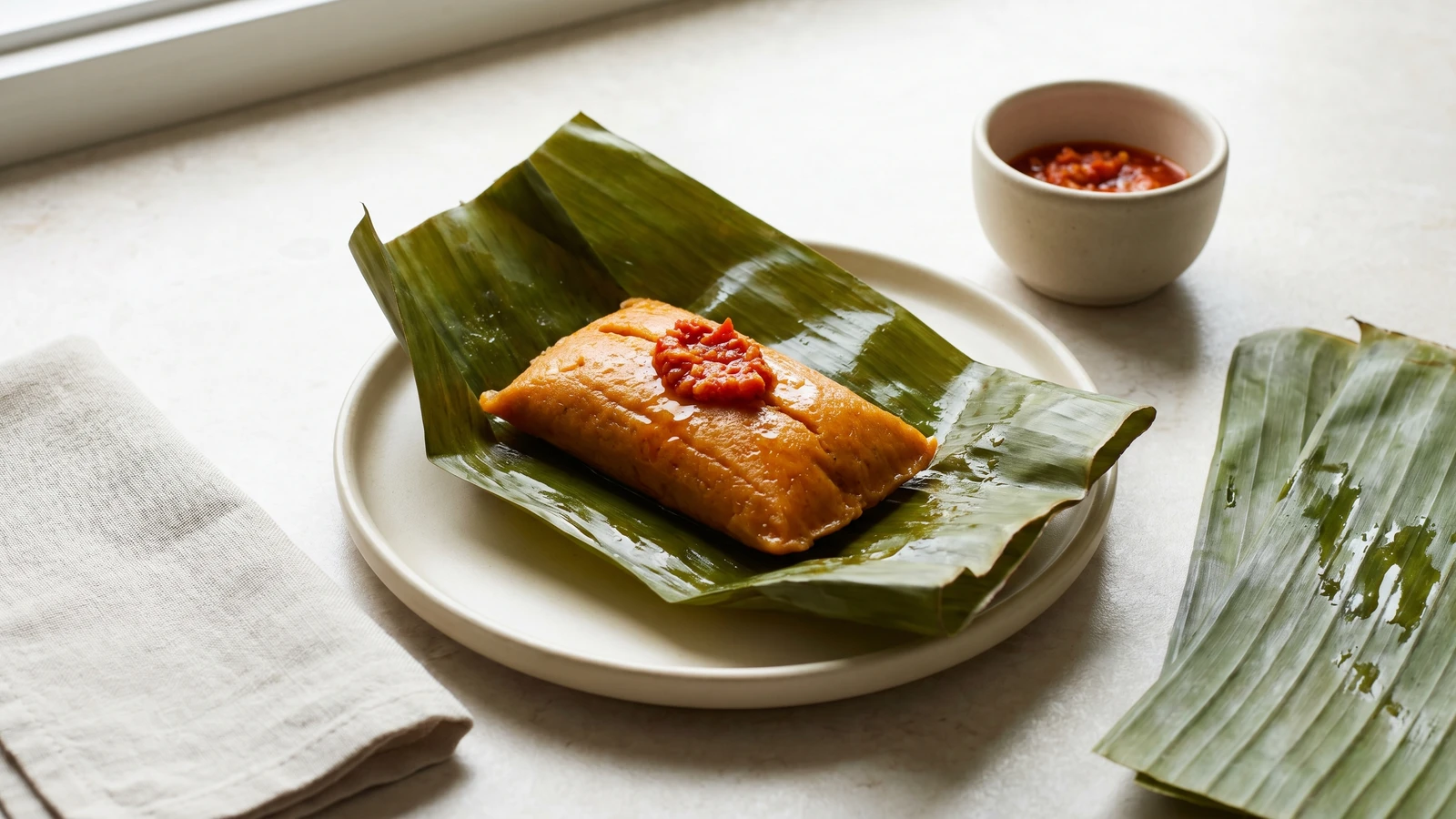
You think food of Iansã from the baianas' tabuleiro is not for your stove. Anota aí: soaked feijão-fradinho, real dendê, and hand-whipping make a home version learnable.
A cooking platform built around craft, culture, and the stories behind what we eat.
Created by
You think banana leaves and hand-whipped bean massa mean “isso não é pra mim.” Wrong. Soak, peel, beat, wrap, steam. Abará is learned by touch, not inherited by magic.
You look at a bright green banana leaf parcel and that little voice starts: “isso não é pra mim.” I know that voice. It loves to take ordinary work, dress it in mystery, and send you back to the sofa hungry. A gente is going to take the mystery off the stove. Cozinhar não é dom, é um aprendizado.
Abará belongs to the Afro-Baiana line, comida de santo of Iansã and Obá, carried by the baianas de acarajé and by the cooks of the terreiros who know this food from inside the tradition. I teach a home version with respect, not ownership. You are not being asked to perform a ritual that is not yours. You are learning to cook comida de verdade: beans, onion, dried shrimp if you use it, dendê, banana leaf, patience.
The everyday Brazilian plate, the pê-efe, teaches the same lesson: rice, beans, something from the pan, something green, and no packet pretending to be dinner. Abará is not your daily Tuesday rice and beans, but it speaks the same language. The bean is the center. The method is what makes it sing.
Soak the feijão-fradinho so it hydrates evenly and lets go of its skins. Peel it so the massa turns smooth instead of sandy. Grind it thick, then beat it by hand until it lightens, because that beating traps air and keeps the parcel tender instead of heavy. Fold in real azeite de dendê, wrap in banana leaf, and let the steamer do its quiet work. Anota aí: this is a recipe that works because every step has a reason.
In Bahia, abará shares the black-eyed pea massa of acarajé, but it is wrapped in banana leaf and steamed instead of fried in dendê, and it is associated in Afro-Brazilian foodways with Iansã and Obá. The public craft of the baianas, including acarajé and related tabuleiro knowledge, was inscribed by IPHAN in the Livro dos Saberes in 2005 as the Ofício das Baianas de Acarajé. Its bean-paste lineage connects Bahia to West African food traditions, transformed in Brazil through dendê, local leaves, and the hands of the women who carried the work.
Quantity
2 cups
soaked 8 to 12 hours
Quantity
as needed
for soaking, peeling, and steaming
Quantity
1 medium
roughly chopped
Quantity
1/2 cup
rinsed and soaked 10 minutes
Quantity
1 teaspoon
finely grated
Quantity
1 1/4 teaspoons, plus more to taste
Quantity
1/3 cup
Quantity
8 pieces, about 10 by 12 inches each
fresh or thawed frozen
Quantity
to serve
Quantity
to serve
| Ingredient | Quantity |
|---|---|
| dried black-eyed peas (feijão-fradinho)soaked 8 to 12 hours | 2 cups |
| waterfor soaking, peeling, and steaming | as needed |
| onionroughly chopped | 1 medium |
| dried shrimp (camarão seco) (optional)rinsed and soaked 10 minutes | 1/2 cup |
| fresh ginger (optional)finely grated | 1 teaspoon |
| salt | 1 1/4 teaspoons, plus more to taste |
| azeite de dendê (red African palm oil) | 1/3 cup |
| banana leaf piecesfresh or thawed frozen | 8 pieces, about 10 by 12 inches each |
| pimenta baiana or malagueta sauce (optional) | to serve |
| vatapá or caruru (optional) | to serve |
Put the feijão-fradinho in a large bowl and cover with plenty of water. Soak 8 to 12 hours, until the beans are swollen and the skins rub loose between your fingers. This is not fuss. Soaking hydrates the beans evenly, helps them grind into a smooth massa, and makes them sit easier in your stomach.
Drain the beans, cover them with fresh water, and rub handfuls between your palms. The skins will loosen and float. Pour off the floating skins, add more water, and repeat until most of the beans are pale and skinless. You do not need perfection, but you do need effort. Too many skins make the abará coarse and heavy, and then people blame the recipe. Vamos com calma.
Wipe the banana leaves clean. Pass each piece quickly over a gas flame, or dip it in very hot water for a few seconds, until it turns glossy and bends without cracking. The leaf is the wrapper and the perfume. If you skip this, it tears when you fold it and you end up chasing bean paste around the counter. I have done this. It is annoying.
Put the peeled beans in a food processor with the onion, the drained dried shrimp if using, the ginger if using, and the salt. Grind until thick and mostly smooth, scraping the bowl often. Add water only by the tablespoon if the machine refuses to move. The massa should hold soft peaks, not pour like soup, because a wet batter leaks from the leaf and cooks dense.
Scrape the massa into a large bowl and beat it hard with a wooden spoon for 8 to 10 minutes, always pulling from the bottom and folding over the top. Watch it lighten a little and loosen without turning runny. This is the heart of abará and acarajé technique. The beating traps air in the bean paste, so the steamed parcel sets tender instead of landing on the plate like a brick.
Pour in the azeite de dendê and fold until the massa turns a warm rust-orange and looks glossy. Taste a tiny bit and adjust the salt. Dendê is not decoration and not just color. It is fat, flavor, and lineage. Do not swap it for annatto in sunflower oil. That paints the food orange while taking out the thing that makes it abará.
Lay one softened banana leaf piece shiny side up. Spoon about 1/3 cup massa into the center. Fold the long sides over the batter, then fold the ends under to make a snug parcel. Set it folded side down, or tie it with kitchen twine if your leaves are stubborn. Leave a little room inside, because the bean paste swells as it cooks.
Set a steamer basket or rack inside a large pot and add water below the basket, not touching the parcels. Bring the water to a steady simmer, arrange the abarás in one or two loose layers, cover, and cook for 40 to 45 minutes. The leaves will darken and the parcels will feel firm when pressed. Gentle steaming sets the bean starch without frying, which is why abará is softer and calmer than acarajé.
Turn off the heat and let the parcels rest 10 minutes before opening one. The massa should be set all the way through, tender, moist, and orange from the dendê. If the center still looks wet and pasty, wrap it back up and steam 10 minutes more. Beans tell you when they are done. Listen.
Serve the abará warm in its opened banana leaf, with pimenta, vatapá, or caruru if those are on your table. For a home plate, put it beside rice and something green and you have the same old Brazilian wisdom wearing a celebration shirt: beans, leaf, fat, heat, and a cook who did not give up.
1 serving (about 115g)
Culinary guides, cultural storytelling, and the editorial depth that makes cooking meaningful.
Discover Culinary ExplorerChef Juliana
You think food of Iansã from the baianas' tabuleiro is not for your stove. Anota aí: soaked feijão-fradinho, real dendê, and hand-whipping make a home version learnable.

Chef Juliana
You think fried salgados belong to the birthday table you buy, not the one you make. Wrong. Learn the dough, seal the cheese, and the freezer starts working for you.

Chef Juliana
You think stuffed fried bolinhos are for the boteco cook, not your kitchen. Wrong. Mash the aipim warm, keep the filling dry, fry in small batches, and the tray disappears.

Chef Juliana
You thought leftover rice was finished. Wrong. Mix it with egg, cheese, parsley, and a little patience, and yesterday's arroz soltinho becomes today's crisp petisco.