Chef Juliana
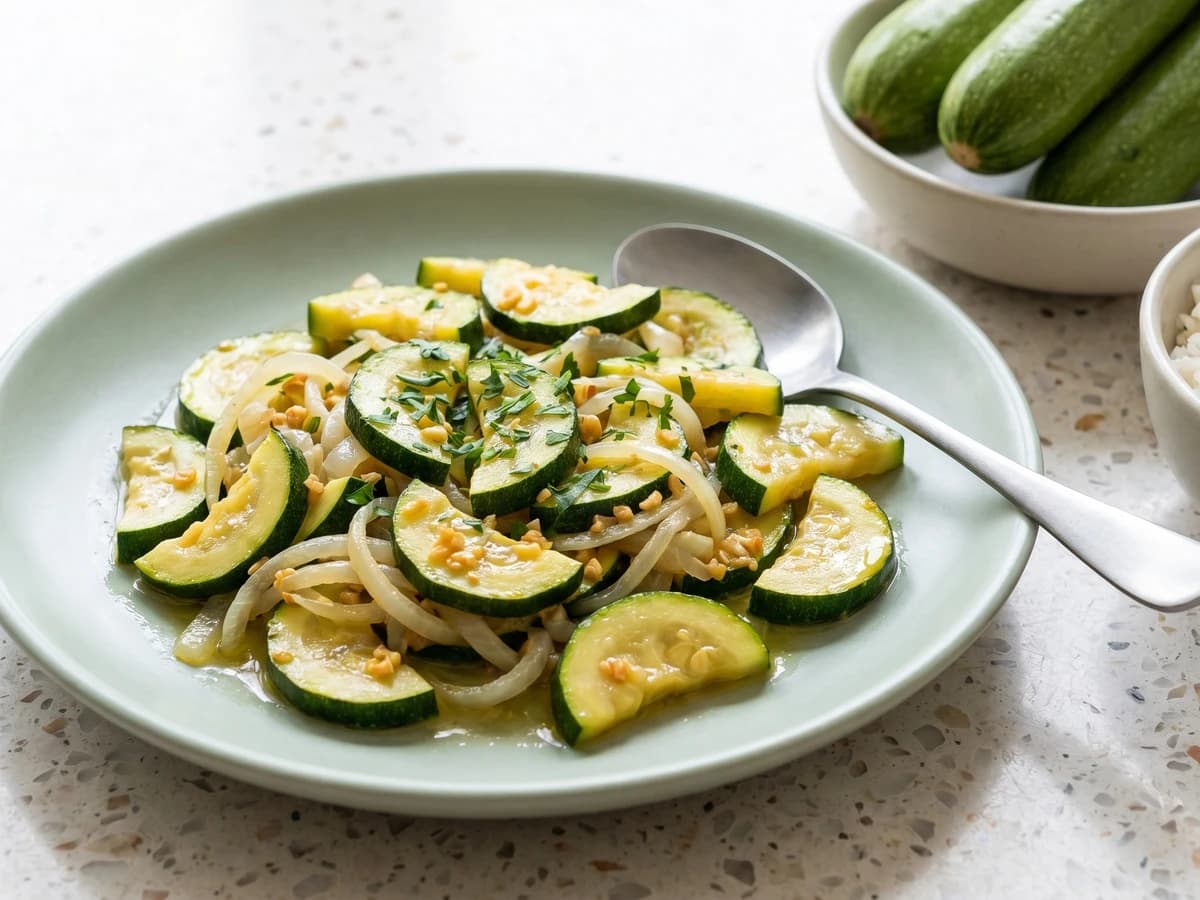
Abobrinha Refogada
You think you'll turn zucchini into mush. Fine. Anota aí: high heat, wide pan, salt at the end, and suddenly this little green side starts solving dinner.
A cooking platform built around craft, culture, and the stories behind what we eat.

Created by
You don't need mystery. You need corn cooked until tender, coconut cut clean, dendê used with respect, and the sense to know this is sacred food, not your costume.
You may be looking at this and thinking, isso não é pra mim. Good. Let's say the fear out loud so it loses its little crown. This isn't a dish for pretending you belong to a ritual you don't belong to, and it isn't a dish for turning Afro-Baiana food into decoration. Axoxó belongs to Oxóssi and Ogum. The baianas de acarajé and the cooks of the terreiros carry these traditions. A gente can learn a home version with respect, clear hands, and no ownership nonsense.
The food itself is simple: red corn cooked until it gives under your teeth, then dressed with coconut, azeite de dendê, and a little dried shrimp. Corn, fat, salt, sea, palm. Comida de verdade. It sits beautifully beside the everyday Brazilian plate, next to rice, beans, the main dish, and something green, because the pê-efe has always known how to make room for the foods that carry memory.
The method is not difficult. Soak the corn so it cooks evenly and doesn't keep a hard little heart just to annoy you. Simmer it gently until the kernels are tender but still whole. Warm the dendê carefully, because scorched dendê turns bitter and loud. Toss everything together while the corn is warm, so the oil coats each kernel and the coconut catches that rust-orange shine.
No packet, no powdered shrimp flavor, no fake yellow oil with annatto trying to pass as dendê. Anota aí: cooking isn't a gift, it's something you learn, and respect is part of the recipe.
Axoxó, often spelled axoxô in Bahia, is a comida de santo made from boiled corn and associated in Candomblé houses with Oxóssi, and in some lineages also with Ogum, which is why the exact preparation belongs to the house that teaches it. Afro-Baiana foodways are carried publicly by the baianas de acarajé and privately by terreiros, and IPHAN recognized the Ofício das Baianas de Acarajé in the Livro dos Saberes in 2005. This home version names the lineage plainly without turning the sacred offering into a ritual performance.
Quantity
2 cups
rinsed and soaked overnight
Quantity
8 cups, plus more as needed
Quantity
1 teaspoon, plus more to taste
Quantity
1 cup
cut into thin small slices
Quantity
2 tablespoons
Quantity
2 tablespoons
rinsed, soaked 10 minutes, drained, and chopped
Quantity
1 small
finely chopped
Quantity
1 clove
minced
Quantity
1 tablespoon
chopped
| Ingredient | Quantity |
|---|---|
| dried red corn for canjica or hominyrinsed and soaked overnight | 2 cups |
| water | 8 cups, plus more as needed |
| salt | 1 teaspoon, plus more to taste |
| fresh coconutcut into thin small slices | 1 cup |
| azeite de dendê | 2 tablespoons |
| dried shrimprinsed, soaked 10 minutes, drained, and chopped | 2 tablespoons |
| onionfinely chopped | 1 small |
| garlicminced | 1 clove |
| cilantro (optional)chopped | 1 tablespoon |
Put the red corn in a large bowl, cover with plenty of water, and leave it overnight, at least 8 hours. The kernels should swell a little and lose that stone-hard look. Soaking is not ceremony, it's arithmetic: hydrated corn cooks more evenly, faster, and with a better bite.
Drain the corn, put it in a heavy pot with 8 cups fresh water, and bring it to a boil. Lower the heat, cover partly, and simmer until the kernels are tender but still whole, about 1 to 1 1/2 hours. Bite one. It should give under your teeth without turning mushy. Add hot water if the level drops too low, because dry corn at the bottom of the pot toughens and catches.
When the corn is tender, stir in 1 teaspoon salt and simmer 5 more minutes. Drain well, then return the warm corn to the pot off the heat. It should look plump and separate, not swimming. Dressing wet corn makes the dendê slide off instead of coating the kernels.
Rinse the dried shrimp quickly, soak it in warm water for 10 minutes, drain, and chop it small. Taste a piece before adding more salt later. Dried shrimp carries salt and deep sea flavor, and if you treat it like decoration instead of seasoning, it will boss the whole bowl around.
In a small pan over low heat, warm the dendê with the onion for 3 to 4 minutes, until the onion murcha, softens, and smells sweet. Add the garlic for 30 seconds, just until you smell it, then stir in the chopped shrimp. Keep the heat gentle. Dendê is non-negotiable here, but burnt dendê gets bitter, and burnt garlic is worse because it follows you into every bite.
Pour the warm dendê mixture over the warm corn, add the coconut slices, and fold gently until everything is glossy and rust-orange in spots. Taste and adjust the salt. The coconut should stay fresh and firm, the corn should stay whole, and the dendê should shine without pooling at the bottom.
Serve warm or at room temperature, with cilantro only if you already use it at your table. Keep the portion honest, not precious. This is a respectful home preparation of sacred food, good beside rice, beans, greens, and the rest of the plate, without pretending your kitchen is a terreiro.
1 serving (about 200g)
Culinary guides, cultural storytelling, and the editorial depth that makes cooking meaningful.
Discover Culinary ExplorerChef Juliana
You think you'll turn zucchini into mush. Fine. Anota aí: high heat, wide pan, salt at the end, and suddenly this little green side starts solving dinner.

Chef Juliana
You think this is sacred enough to be impossible. It isn't. Acaçá is patience, stirring, and ponto, taught plainly, with respect for the terreiros that carry it.
Chef Juliana
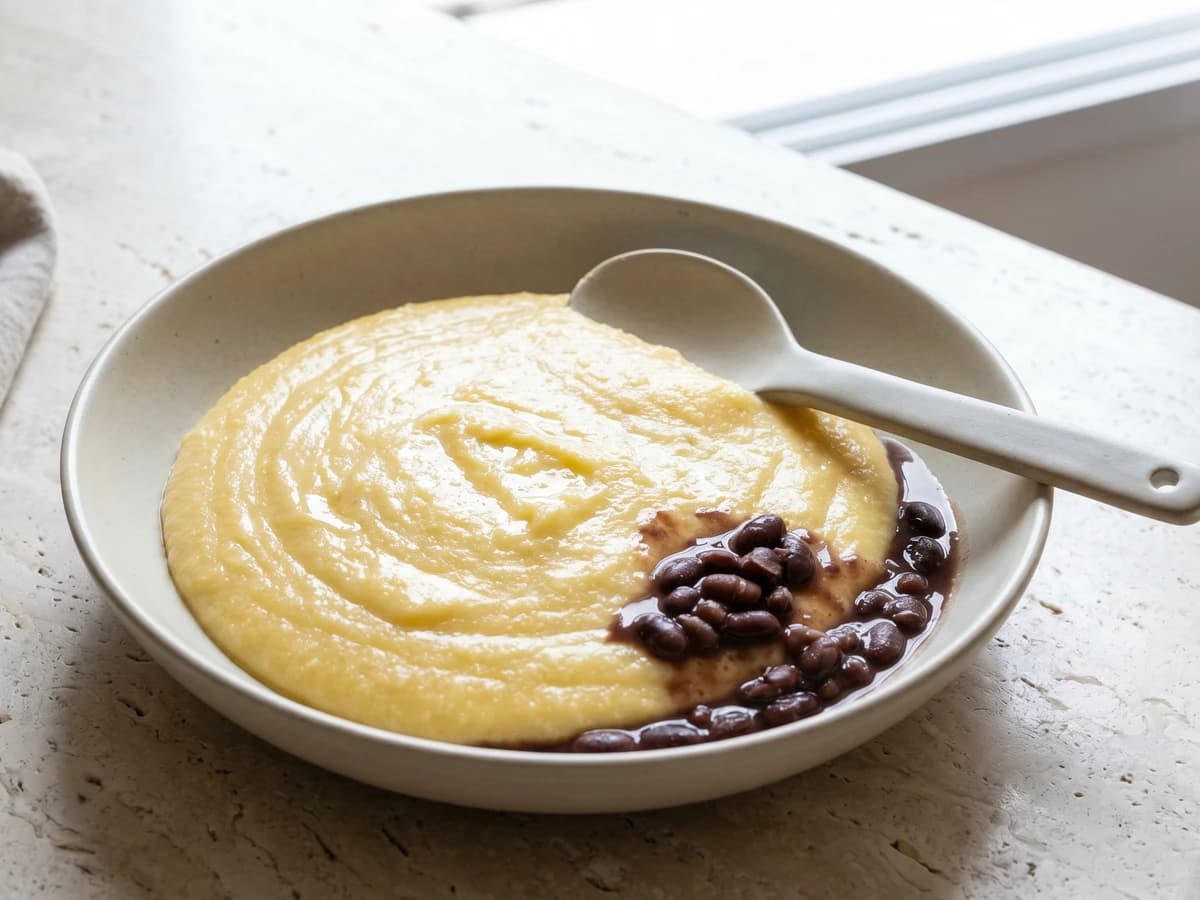
You think cornmeal will turn into lumps and shame. It won't. Cold water first, patient stirring, and a real garlic base give you angu that solves dinner.
Chef Juliana
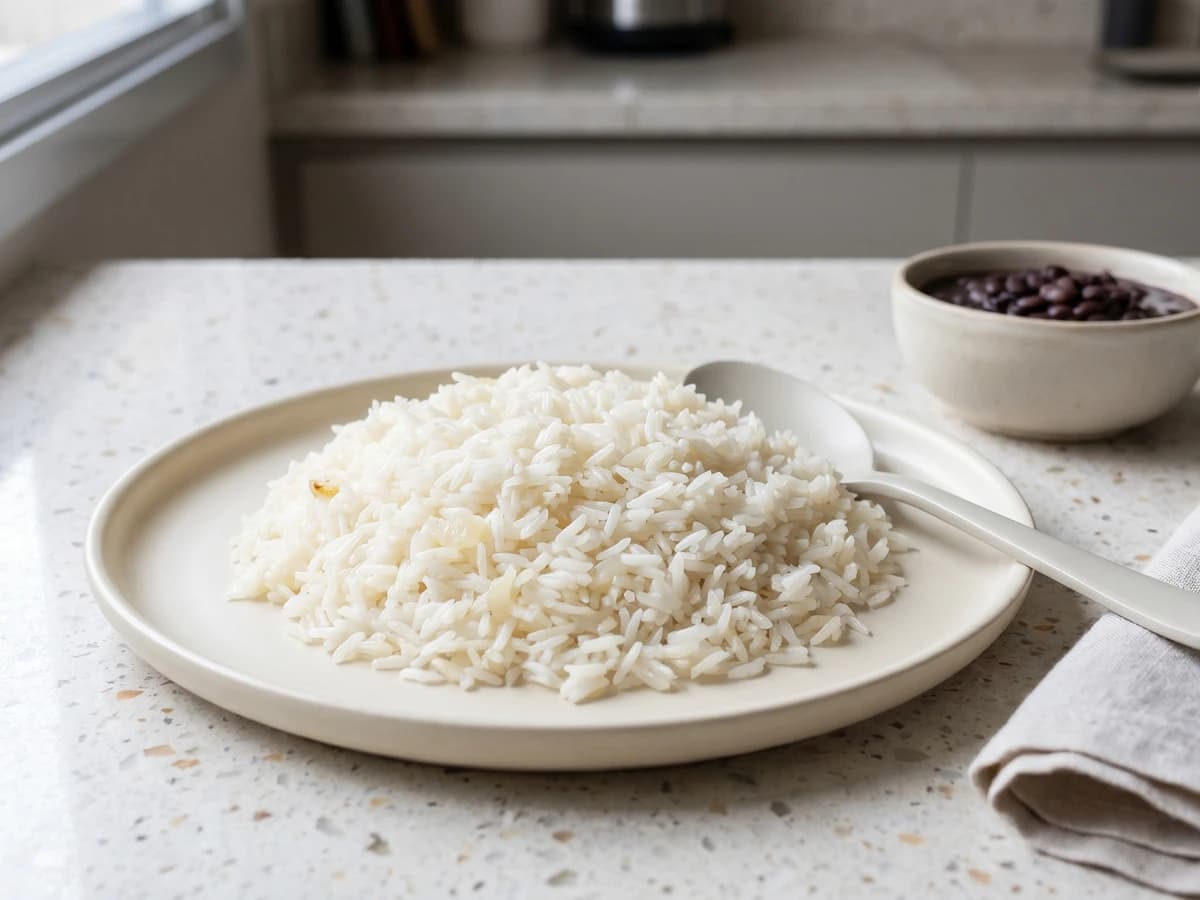
Everyone swears they can't make good rice. They're wrong. Refogue onion and garlic, use two parts water to one rice, then close the lid and leave the poor thing alone.