
Chef Juliana
Escondidinho de Carne de Sol
You don't need courage for this, just layers: carne de sol pulled fine, macaxeira mashed smooth, queijo coalho on top, and dinner solved without a packet in sight.

Updated June 5, 2026
The cuisine of the sertão, the dry Nordeste interior, taught from the home kitchen. Carne de sol cured at home, the pilão pounding dried meat into farinha, baião de dois carrying a household, the bode in every honest pot, feijão verde with nata, jerimum melting into a purê. Cure, dry, pound, stretch, the grammar of a cuisine that refused to be marginal. Defended against the Sudeste-centric "national" framing that pushed it aside.
A cooking platform built around craft, culture, and the stories behind what we eat.
Chef Juliana
You don't need courage for this, just layers: carne de sol pulled fine, macaxeira mashed smooth, queijo coalho on top, and dinner solved without a packet in sight.

Chef Juliana
You don't need courage here. You need to boil the macaxeira until it cracks, brown the carne de sol without crowding the pan, and let real butter do its honest work.

Chef Juliana
You don't need mystique. You need salt, thin goat, dry air, and a pan hot enough to dourar. Serve it with rice, beans, and couve, and dinner knows where it lives.

Chef Juliana
Your isso não é pra mim ends here: soaked corn, a little feijão, carne de sol, and a real refogado turn into a thick bowl that solves dinner without a packet.

Chef Juliana
You think this is Nordeste magic. It's not. It's rice, beans, carne de sol, queijo coalho, and a pot taught in the right order.

Chef Juliana
You think offal means trouble. Good, let's teach it properly: clean it, season hard, build a real refogado, and simmer until the molho turns dark, glossy, and ready for rice.

Chef Juliana
You don't need a grandmother whispering secrets over your shoulder. Fresh feijão, a real refogado, and nata folded in at the end give you Ceará's creamy side without powder, drama, or fear.
Chef Juliana
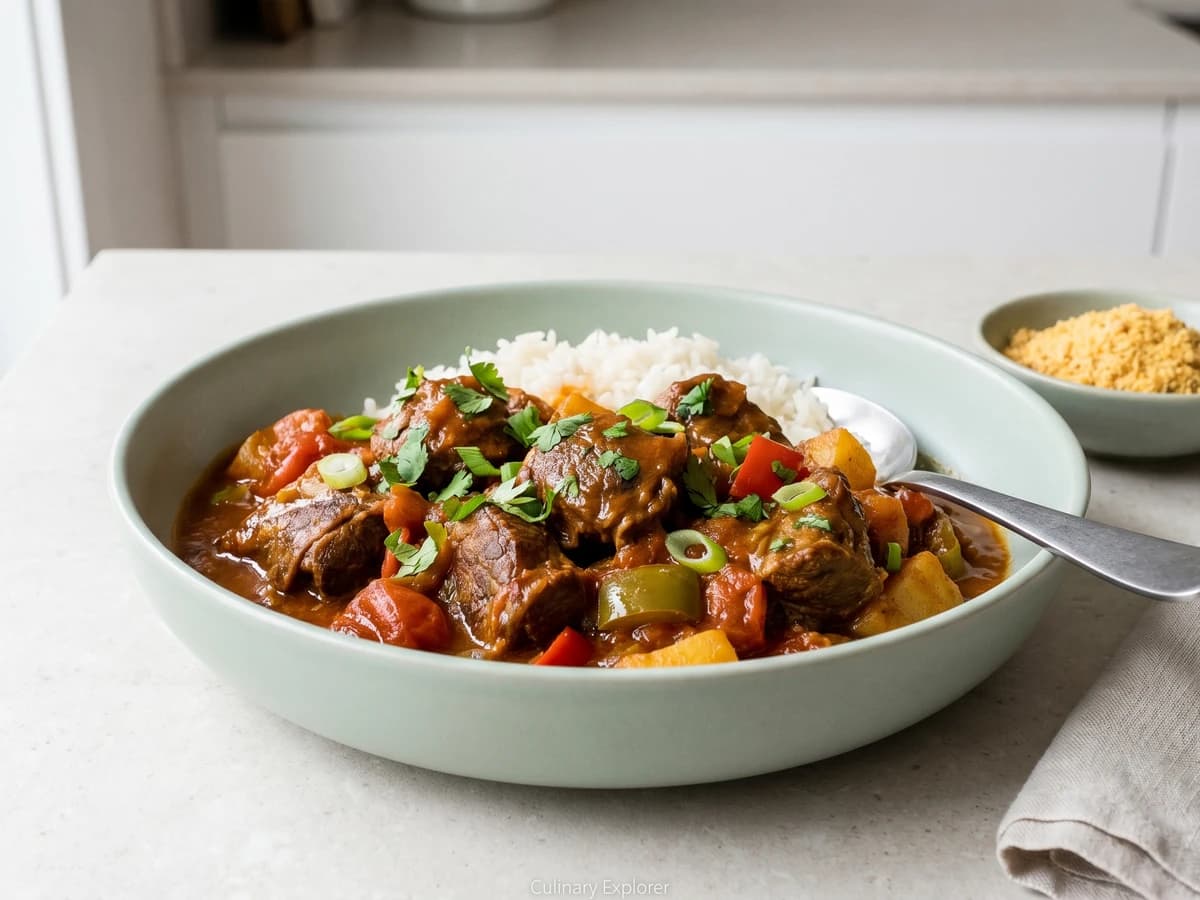
You think goat stew belongs to somebody else's kitchen. It doesn't. Brown the pieces well, build a proper refogado, and let time do the tenderness while you make rice and beans.

Chef Juliana
You don't need a sertão childhood to learn the grammar: salt, dry, brown, pound, stretch. Carne de sol and farinha become comida de verdade that carries a whole plate.

Chef Juliana
You think curing beef at home is not for you. Anota aí: salt, air, patience, and a hot pan. This is carne de sol taught for a real home kitchen.

Chef Juliana
You think pumpkin purê is fussy until the pan proves otherwise: onion, garlic, jerimum, salt, and patience. Mash it rough and your pê-efe gets orange, sweet, savory sense.

Chef Juliana
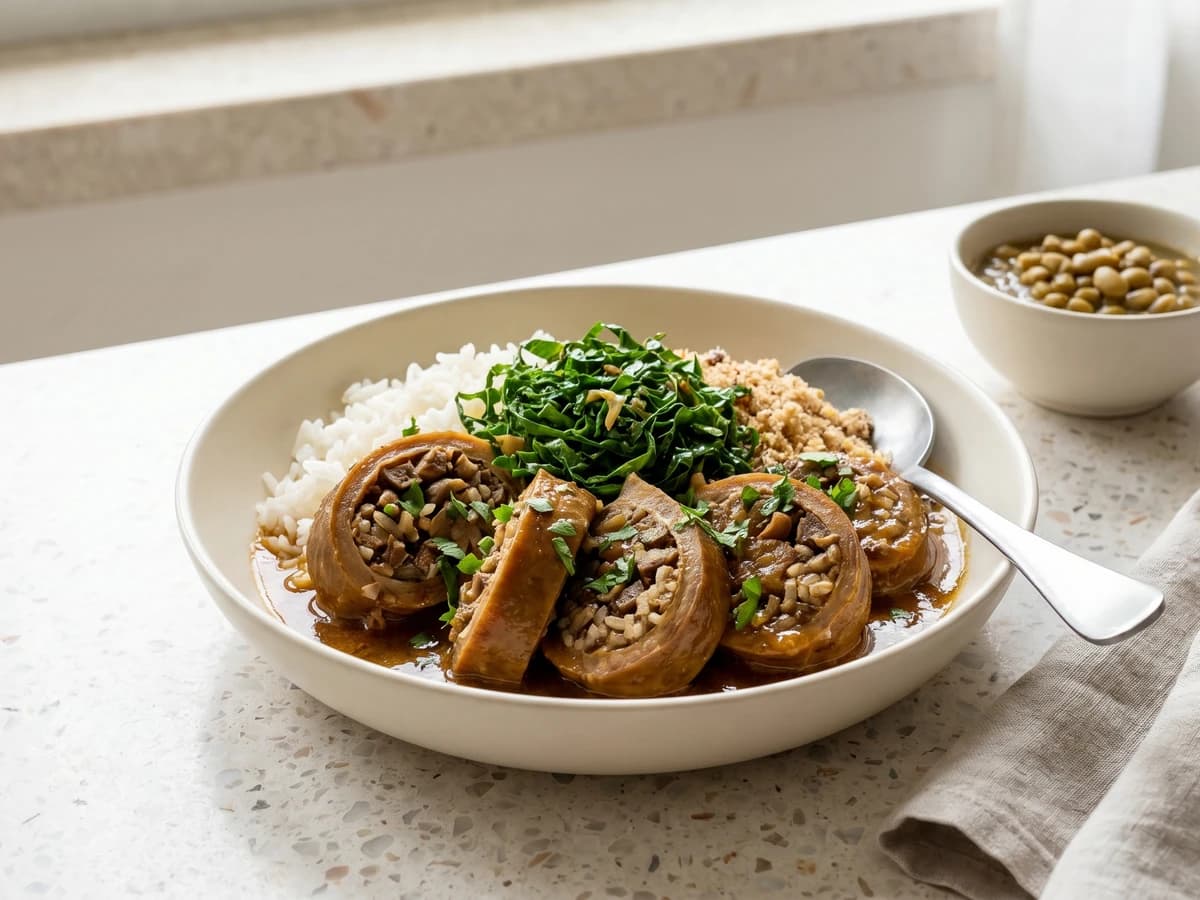
You think tripe is the line you don't cross. Good. We'll cross it properly: cleaned, blanched, refogado right, simmered until the broth turns thick and the pot starts arguments.
Chef Juliana
You think this is the dish for someone else. It isn't. Clean it well, season it hard, cook it slow, and serve it with rice, beans, and something green.
Chef Juliana
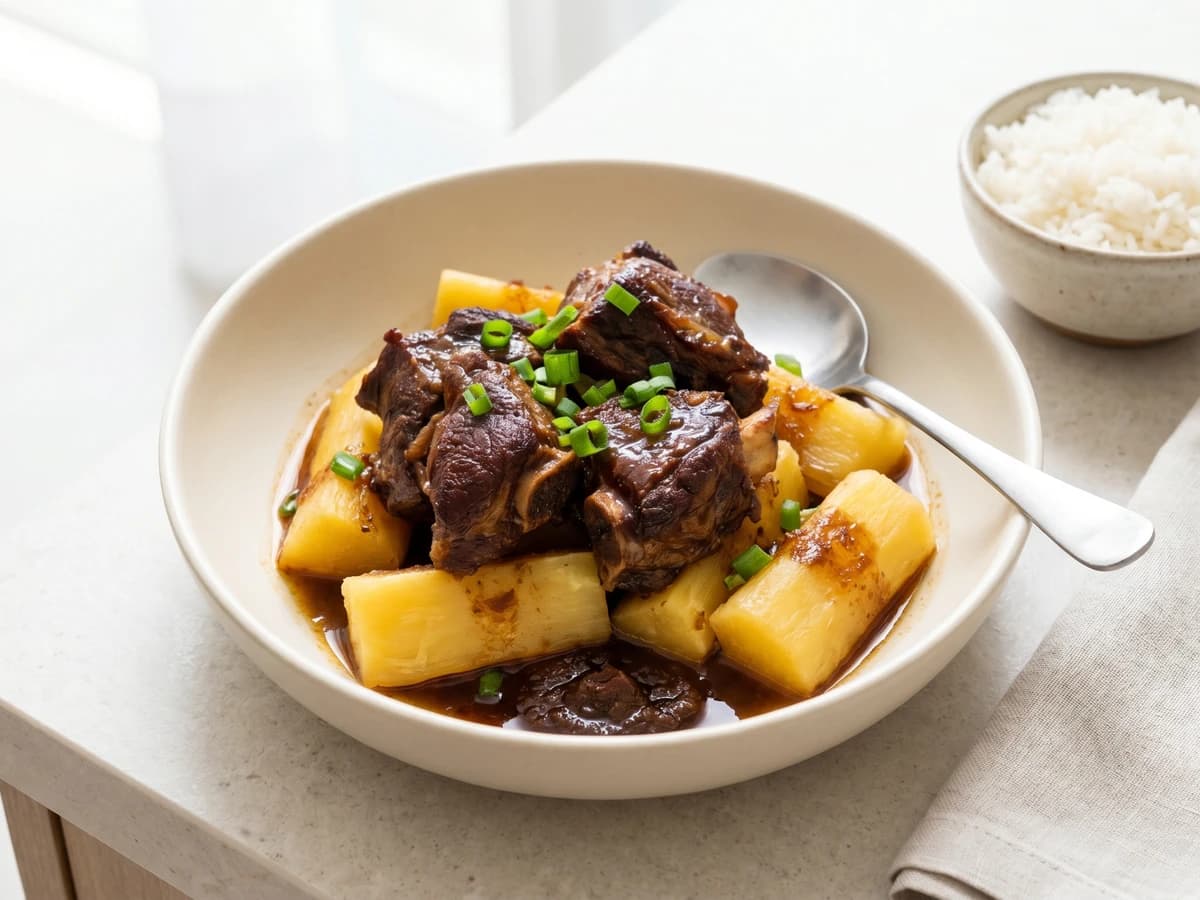
You think roast goat is for someone else's kitchen. It's not. Marinate it overnight, roast it low and patient, and let macaxeira catch the pingo like it was born for the job.

Chef Juliana
You don't need a sertão kitchen to understand this plate. Salted beef, sweet jerimum, onion, garlic, and patience make a dinner that lands hard and asks very little.

Chef Juliana
You think this is too regional, too specific, too much. Wrong. It's rice, beans, a good refogado, and the patience to let the pot go creamy without turning sticky.

Chef Juliana
You think blood in the pot means isso não é pra mim. It's not mystery, it's timing: vinegar first, low heat, patient simmer, and a molho that teaches you to trust your eyes.
Culinary guides, cultural storytelling, and the editorial depth that makes cooking meaningful.
Discover Culinary ExplorerChef Juliana is a fictional culinary guide to Brazilian Home Cooking, written with the assistance of AI.