Chef Juliana
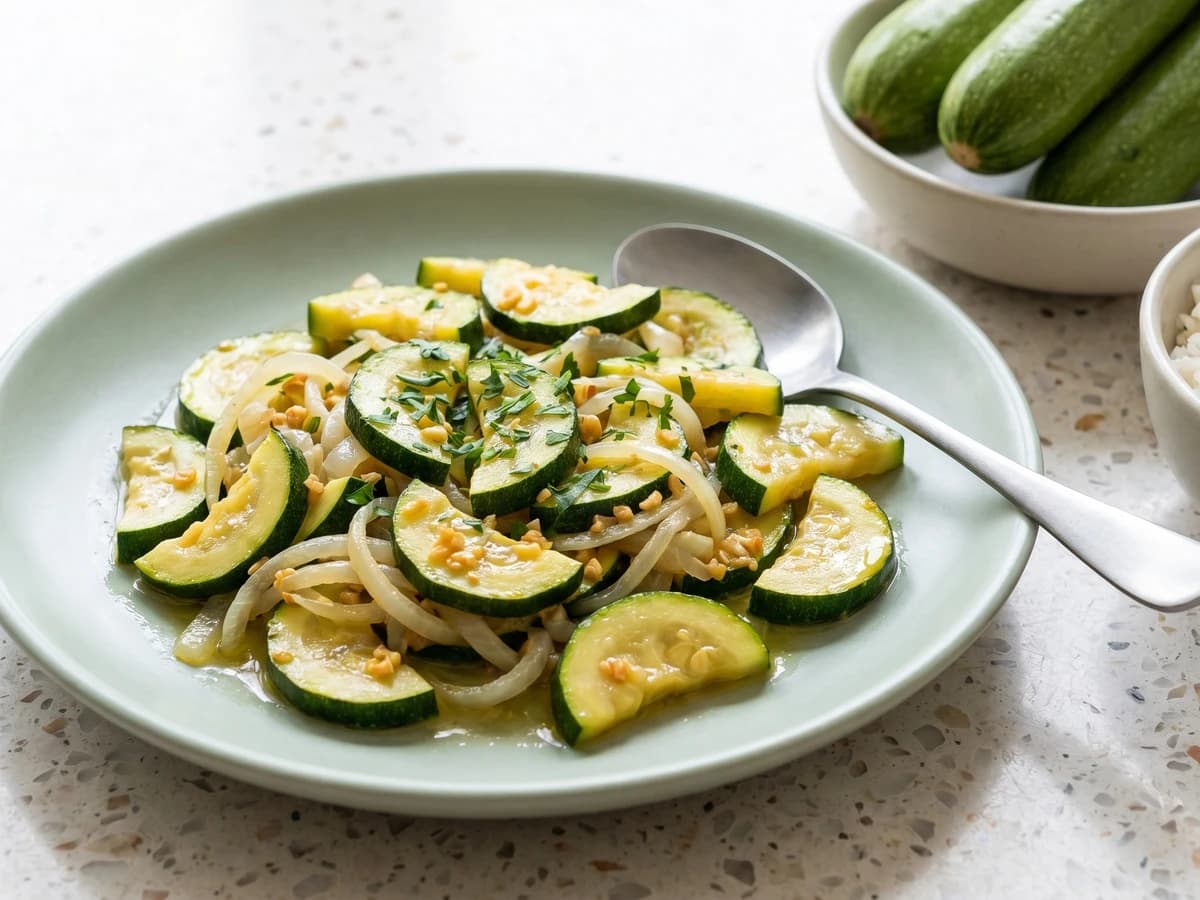
Abobrinha Refogada
You think you'll turn zucchini into mush. Fine. Anota aí: high heat, wide pan, salt at the end, and suddenly this little green side starts solving dinner.
A cooking platform built around craft, culture, and the stories behind what we eat.
Created by
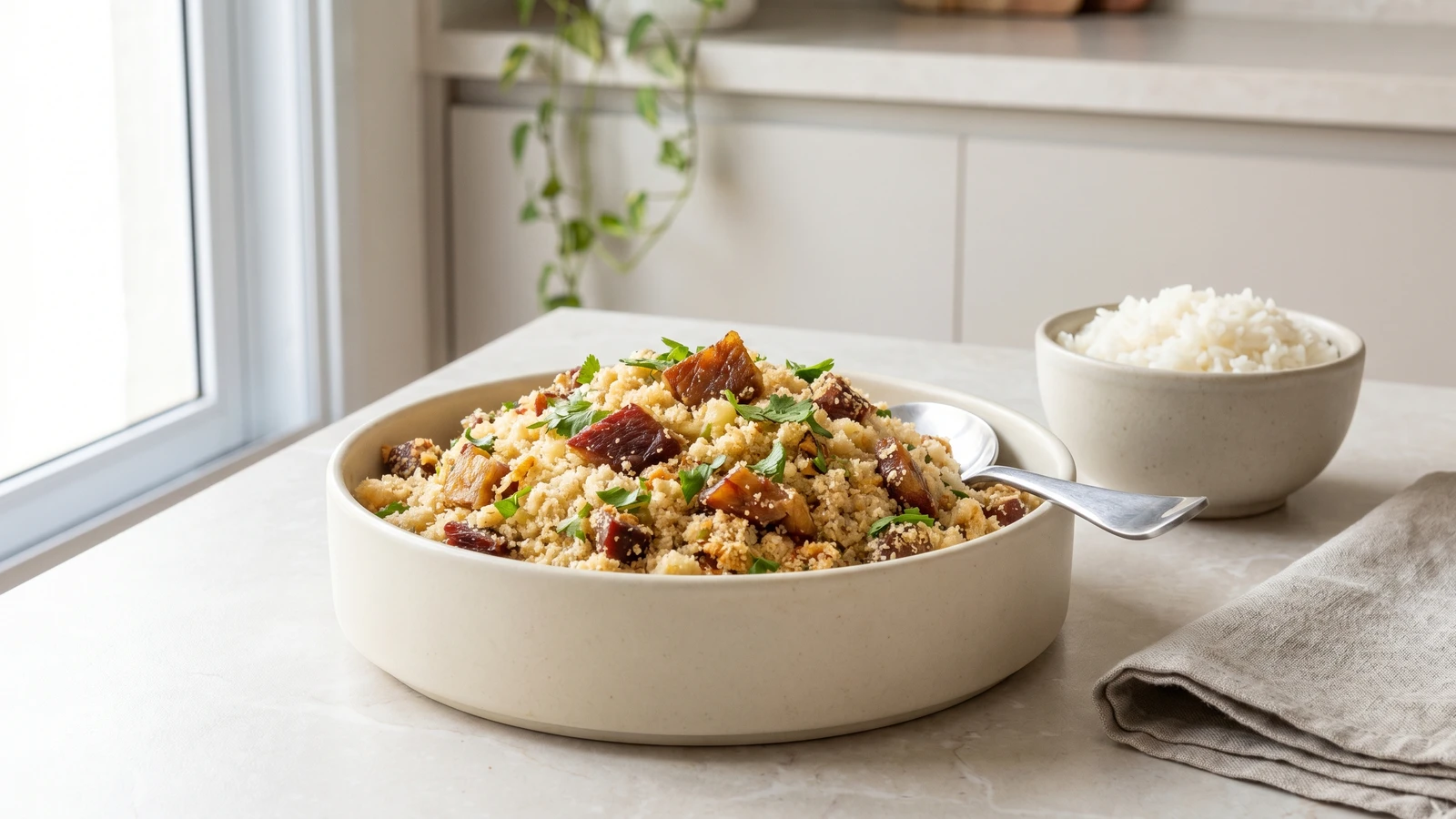
You don't need a sertão childhood to learn the grammar: salt, dry, brown, pound, stretch. Carne de sol and farinha become comida de verdade that carries a whole plate.
You may be looking at the word pilão and already hearing that little voice: isso não é pra mim. Too regional, too old, too much arm work. Anota aí: cooking isn't a gift, it's something you learn, and pounding meat with farinha is not a test of your soul. It's a method.
I teach this as a home kitchen version, with respect for the sertanejos who carry the real tradition of the Nordeste interior. The intelligence here is not poverty dressed up for a story. It's scarcity turned into technique: cure the meat so it lasts, dry it so it travels, pound it with farinha so a small piece feeds more people. That's not backward. That's someone solving dinner before the refrigerator entered the room.
On the pê-efe, this paçoca does a beautiful job. Rice, beans, something green, and this salty, savory crumb over the top, suddenly the plate has depth and bite. The method is plain: soften the salt if needed, brown the meat so it tastes like itself, build a real refogado with onion and garlic in butter, then pound everything with farinha until it becomes a loose, tender crumb. No packet. No powder pretending to be flavor. Just comida de verdade, taught in steps.
If you have a pilão, use it. If you don't, a food processor can help on a Tuesday. It won't give the same irregular, tender crumb a pilão gives, but it'll still put dinner on the table, and dinner on the table counts.
Paçoca de carne de sol belongs to the sertão food grammar of the Nordeste, where salted, dried meat and farinha de mandioca made food portable for vaqueiros and long days away from home. Carne de sol is usually more lightly salted and moister than carne seca or charque, which are drier, saltier preservation methods with longer soaking needs. The dish is still debated and varied by region and household, especially in how finely the meat is pounded and whether butter, onion, or only farinha carries the finish.
Quantity
500 g
cut into 2-inch pieces
Quantity
4 cups
for simmering
Quantity
2 tablespoons
Quantity
3 tablespoons
Quantity
1 medium
finely chopped
Quantity
3 cloves
minced
Quantity
1 1/2 cups, plus more if needed
Quantity
1/4 teaspoon
Quantity
2 tablespoons
chopped
| Ingredient | Quantity |
|---|---|
| carne de solcut into 2-inch pieces | 500 g |
| waterfor simmering | 4 cups |
| oil | 2 tablespoons |
| butter or manteiga de garrafa | 3 tablespoons |
| onionfinely chopped | 1 medium |
| garlicminced | 3 cloves |
| toasted cassava flour (farinha de mandioca torrada) | 1 1/2 cups, plus more if needed |
| black pepper (optional) | 1/4 teaspoon |
| cilantro or parsley (optional)chopped | 2 tablespoons |
Cut off a tiny cooked edge if your carne de sol is already cooked, or smell and feel the raw meat if it isn't: it should be salty, firm, and still a little moist, not rock-hard like charque. If it tastes aggressively salty after simmering later, soak the pieces in cold water for 20 minutes and drain. Carne de sol varies from butcher to butcher, so you adjust the salt before it takes over the whole paçoca.
Put the carne de sol in a pot with 4 cups of water. Bring it to a gentle boil, then lower the heat and simmer until the pieces pull apart with a fork, about 20 to 30 minutes. Drain and let the meat cool just until you can handle it. This step softens the fibers and pulls out extra salt, so the pounding gives you tender shreds instead of dry little stones.
Pull the warm meat apart with your fingers or two forks, removing any hard bits of fat or gristle. Keep the shreds rough, not perfect. Rough edges brown better and later grab the farinha, which is what makes the paçoca taste like one thing instead of meat mixed with dust.
Heat the oil in a wide skillet over medium-high heat. Add the shredded meat in one loose layer and cook, stirring now and then, until the edges go deep amber and a little crisp, 6 to 8 minutes. If the pan is crowded, brown in two batches. Crowd it and the meat steams in its own water, turns grey, and loses the flavor you came here to build.
Lower the heat to medium and add the butter to the same skillet. Add the onion and cook until it murcha, soft and see-through, about 5 minutes, scraping the browned bits from the bottom. Add the garlic for 1 minute, just until you smell it. The onion sweetens the salt of the meat, and the garlic only needs a minute because burnt garlic is bitter and bossy.
Put a handful of browned meat and refogado into a pilão. Add a few spoonfuls of farinha and pound until the meat breaks into fine, irregular fibers and the farinha turns golden and savory. Repeat in batches, adding farinha little by little, until the paçoca is loose, crumbly, and moist enough to clump when pressed, then fall apart again. The farinha stretches the meat, but too much makes it dry, so let the texture tell you when to stop.
Taste before adding anything. Carne de sol usually brings enough salt. Add black pepper if you want and fold in cilantro or parsley only if it belongs at your table. Serve warm or room temperature with arroz soltinho, feijão, and couve. That's a pê-efe doing its quiet work.
1 serving (about 130g)
Culinary guides, cultural storytelling, and the editorial depth that makes cooking meaningful.
Discover Culinary ExplorerChef Juliana
You think you'll turn zucchini into mush. Fine. Anota aí: high heat, wide pan, salt at the end, and suddenly this little green side starts solving dinner.

Chef Juliana
You think this is sacred enough to be impossible. It isn't. Acaçá is patience, stirring, and ponto, taught plainly, with respect for the terreiros that carry it.
Chef Juliana
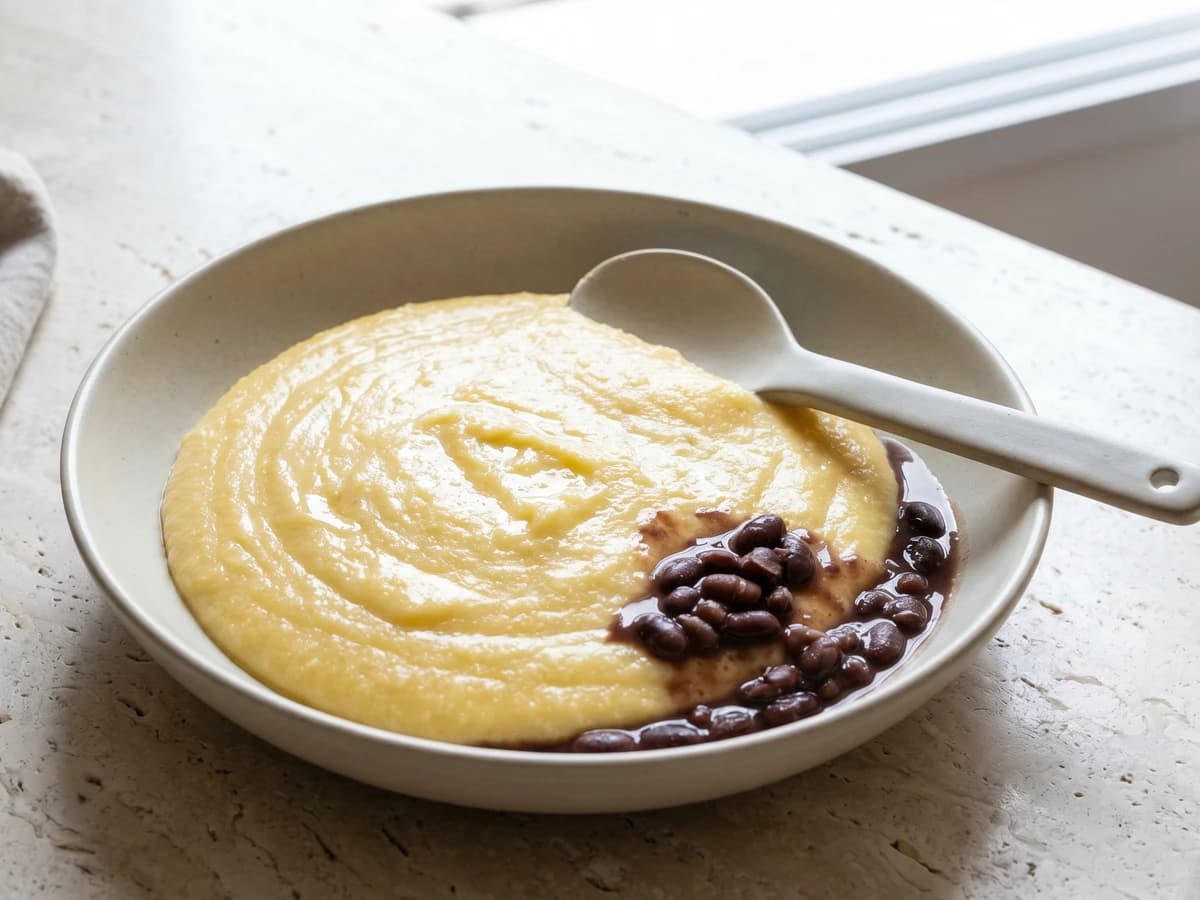
You think cornmeal will turn into lumps and shame. It won't. Cold water first, patient stirring, and a real garlic base give you angu that solves dinner.
Chef Juliana
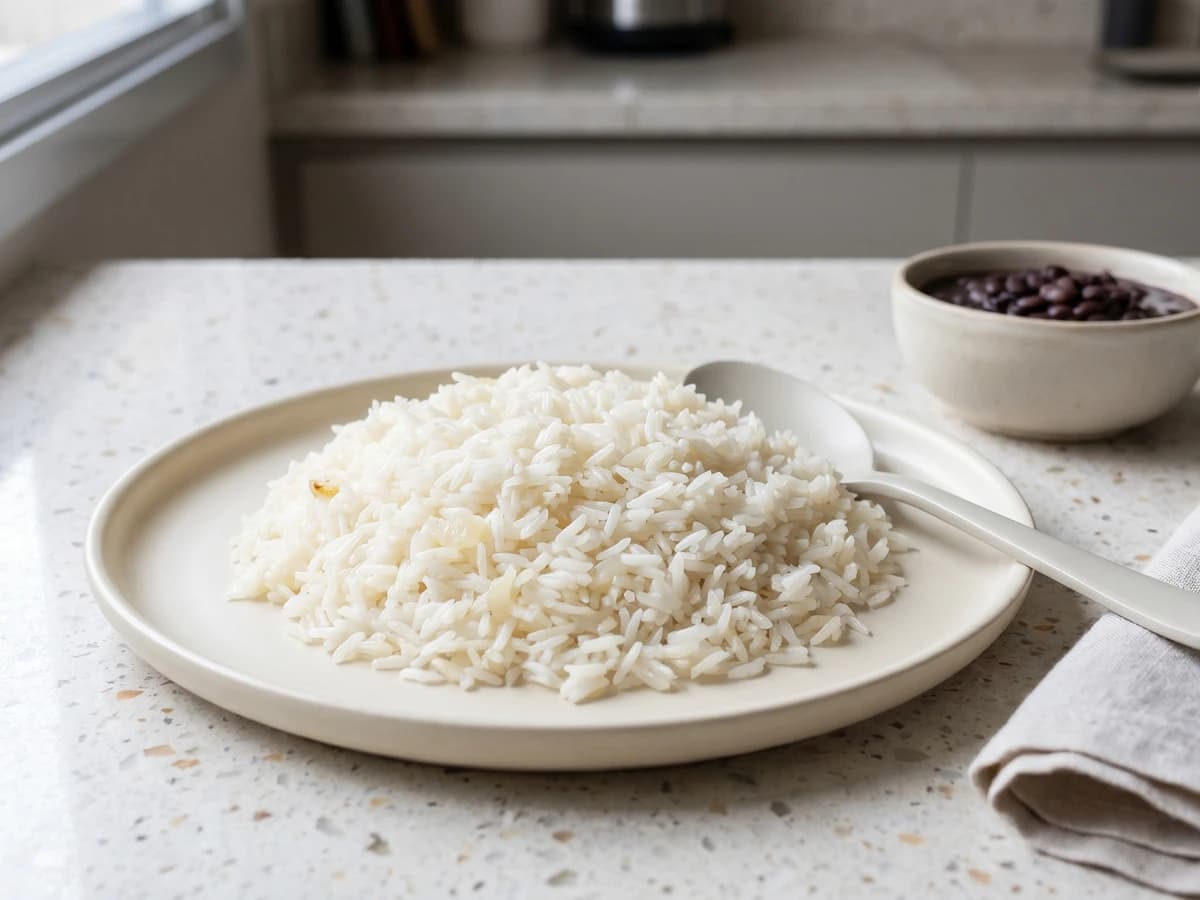
Everyone swears they can't make good rice. They're wrong. Refogue onion and garlic, use two parts water to one rice, then close the lid and leave the poor thing alone.