Chef Juliana
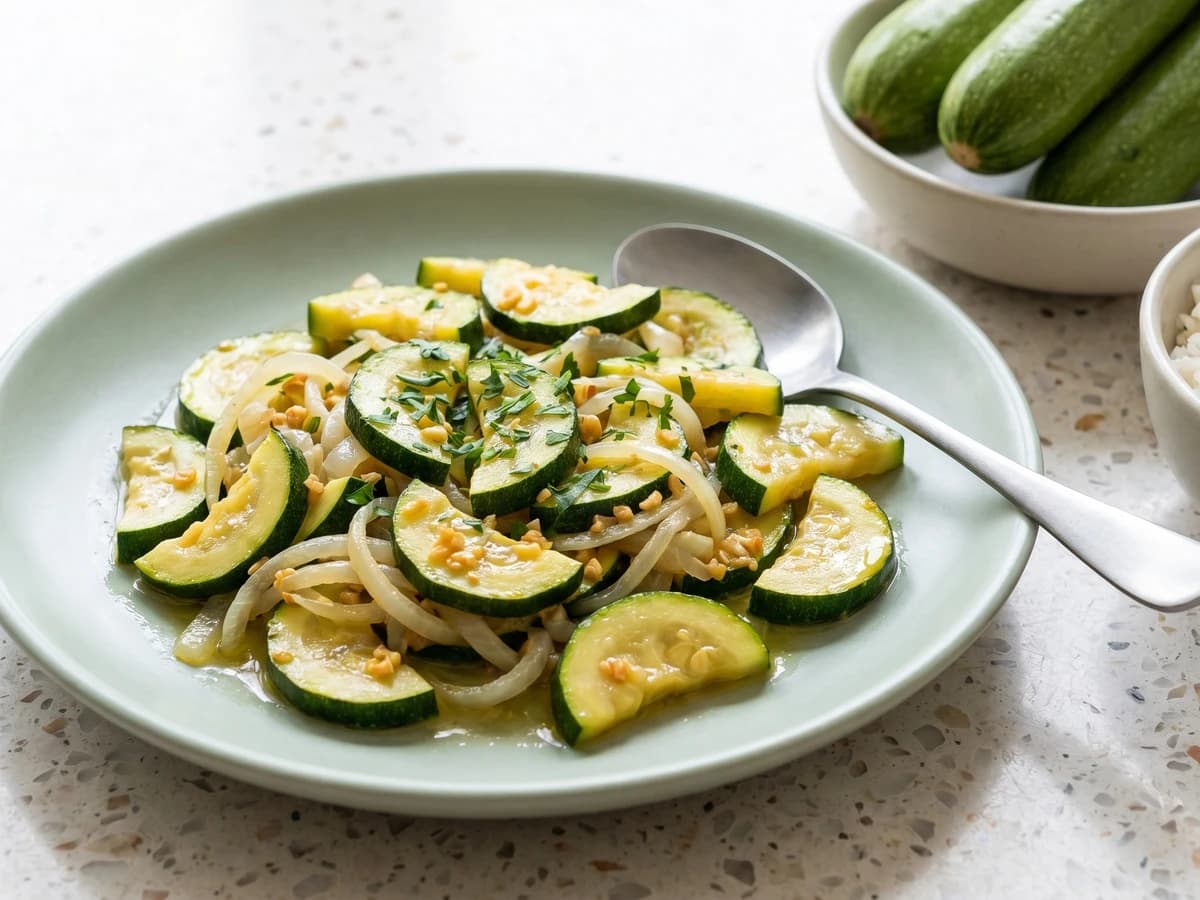
Abobrinha Refogada
You think you'll turn zucchini into mush. Fine. Anota aí: high heat, wide pan, salt at the end, and suddenly this little green side starts solving dinner.
A cooking platform built around craft, culture, and the stories behind what we eat.

Created by
You think this belongs far away from your kitchen. It doesn't. Yam, onion, dried shrimp, and dendê become a soft golden mash when a gente teaches the method plainly.
You may look at this and hear that quiet little voice: isso não é pra mim. Too sacred, too Baiana, too easy to get wrong. Good. Respect is right. Fear is not a cooking method.
Ipetê belongs to Oxum, and I say that plainly because this food has lineage. The baianas de acarajé and the cooks of the terreiros carry these traditions; I don't pretend to own them, and neither should a home cook. What a gente can do here is cook a respectful home version, without turning dinner into a ritual that isn't ours to perform.
The method is simple. Boil the yam until it crushes against the spoon, because a hard center gives you a lumpy mash and makes you fight the bowl. Refogue onion in dendê until it softens and stains the oil gold, then wake the dried shrimp in that fat so its salt and sea flavor spread through the whole pan. No packet. No powder. Comida de verdade knows what it is.
Serve it beside rice, beans, something green, and the rest of the pê-efe if that's your table tonight. Special food doesn't need to be unreachable. Cozinhar não é dom, é um aprendizado. Anota aí.
Ipetê is an Afro-Baiana preparation associated with Oxum in Candomblé foodways, made from yam or related tubers enriched with dried shrimp and azeite de dendê. Its gentler texture distinguishes it from omolocum, another food of Oxum, which is built around whole black-eyed peas. In 2005, IPHAN inscribed the Ofício das Baianas de Acarajé in the Livro dos Saberes, recognizing the knowledge carried through the tabuleiro, dendê, shrimp, and the broader Afro-Baiana cooking tradition.
Quantity
900 g
peeled and cut into 3 cm chunks
Quantity
6 cups, or enough to cover the yam
Quantity
1 1/2 teaspoons, divided, plus more to taste
Quantity
3/4 cup
rinsed quickly and chopped
Quantity
1/2 cup
for softening the shrimp
Quantity
1/3 cup
Quantity
1 large
finely chopped
Quantity
2 cloves
minced
Quantity
1 small
seeded and minced
Quantity
1/2 cup
Quantity
1/4 cup, plus more as needed
Quantity
2 tablespoons
chopped
| Ingredient | Quantity |
|---|---|
| white yam or inhamepeeled and cut into 3 cm chunks | 900 g |
| water | 6 cups, or enough to cover the yam |
| salt | 1 1/2 teaspoons, divided, plus more to taste |
| dried shrimprinsed quickly and chopped | 3/4 cup |
| warm waterfor softening the shrimp | 1/2 cup |
| azeite de dendê | 1/3 cup |
| onionfinely chopped | 1 large |
| garlicminced | 2 cloves |
| fresh malagueta or dedo-de-moça chile (optional)seeded and minced | 1 small |
| coconut milk | 1/2 cup |
| reserved yam cooking water | 1/4 cup, plus more as needed |
| fresh cilantro or coentro (optional)chopped | 2 tablespoons |
Put the dried shrimp in a small bowl, rinse quickly under running water, then cover with the warm water for 10 minutes. Drain and chop them, keeping the pieces small enough to spread through the mash. This removes surface salt and softens the shrimp so they season the dish instead of landing in harsh little bites.
Put the yam chunks in a pot, cover with water, and add 1 teaspoon of the salt. Bring to a boil, then cook at a steady bubble until a piece crushes easily against the side of the pot with a spoon, about 18 to 25 minutes. Don't stop at fork-tender if the center still resists. That hard middle becomes lumps, and lumps are not personality.
Drain the yam, saving 1 cup of the cooking water. Mash the hot yam with a fork, masher, or wooden spoon until soft and mostly smooth. Add 1/4 cup of the cooking water if it looks dry. The hot yam takes liquid better now, and the reserved water carries starch that helps the mash turn creamy instead of loose.
Warm the dendê in a wide pan over medium heat. Add the onion and cook, stirring often, until it goes soft, glossy, and golden-orange, about 6 minutes. Add the garlic and chile, if using, for 1 minute, just until you smell them. The onion needs time to murchar and sweeten; the garlic does not. Burn it and it will boss the whole pan around.
Add the chopped shrimp to the refogado and stir for 2 to 3 minutes, until the smell turns deep and savory and the shrimp stains the oil. This quick refogar lets the shrimp flavor move into the dendê, so every spoonful tastes seasoned, not just the bites that happen to find a shrimp.
Lower the heat and add the mashed yam to the pan in spoonfuls, stirring until the orange refogado disappears into the mash. Add the coconut milk and stir until the mixture turns soft, glossy, and thick enough to hold a mound on the spoon. If it grips the pan too tightly, add reserved yam water 1 tablespoon at a time. You want creamy, not soupy.
Taste before adding the remaining salt, because dried shrimp brings its own. Add more salt only if the yam tastes flat. Cook 2 more minutes, stirring slowly, until the mash moves as one soft mass and leaves a clean trail on the bottom of the pan for a second. That's the ponto. Off the heat before it dries out.
Spoon the ipetê into a shallow bowl and finish with cilantro if you use it. Serve warm, with rice, beans, sautéed greens, or other dishes on the table. Let the food be food. Sacred lineage deserves respect, not theater.
1 serving (about 240g)
Culinary guides, cultural storytelling, and the editorial depth that makes cooking meaningful.
Discover Culinary ExplorerChef Juliana
You think you'll turn zucchini into mush. Fine. Anota aí: high heat, wide pan, salt at the end, and suddenly this little green side starts solving dinner.

Chef Juliana
You think this is sacred enough to be impossible. It isn't. Acaçá is patience, stirring, and ponto, taught plainly, with respect for the terreiros that carry it.
Chef Juliana
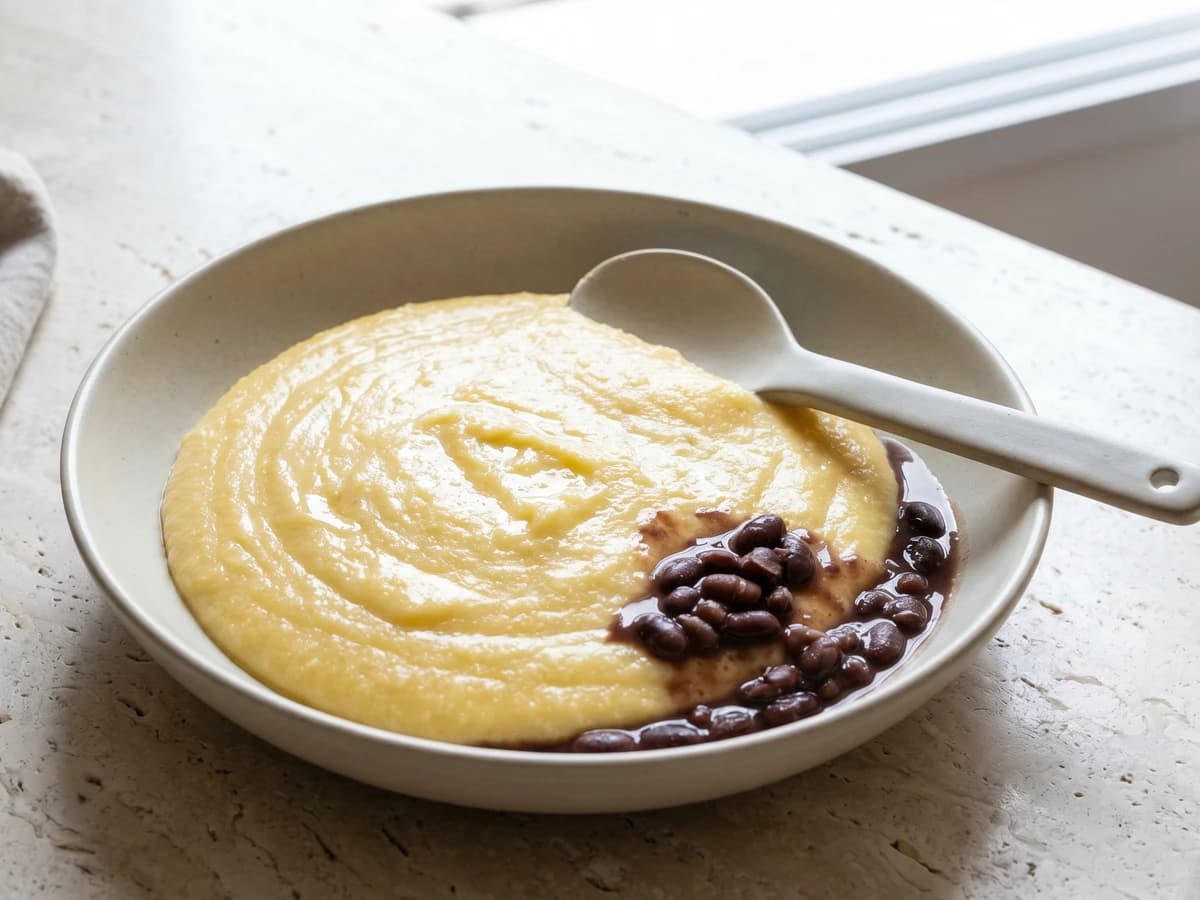
You think cornmeal will turn into lumps and shame. It won't. Cold water first, patient stirring, and a real garlic base give you angu that solves dinner.
Chef Juliana
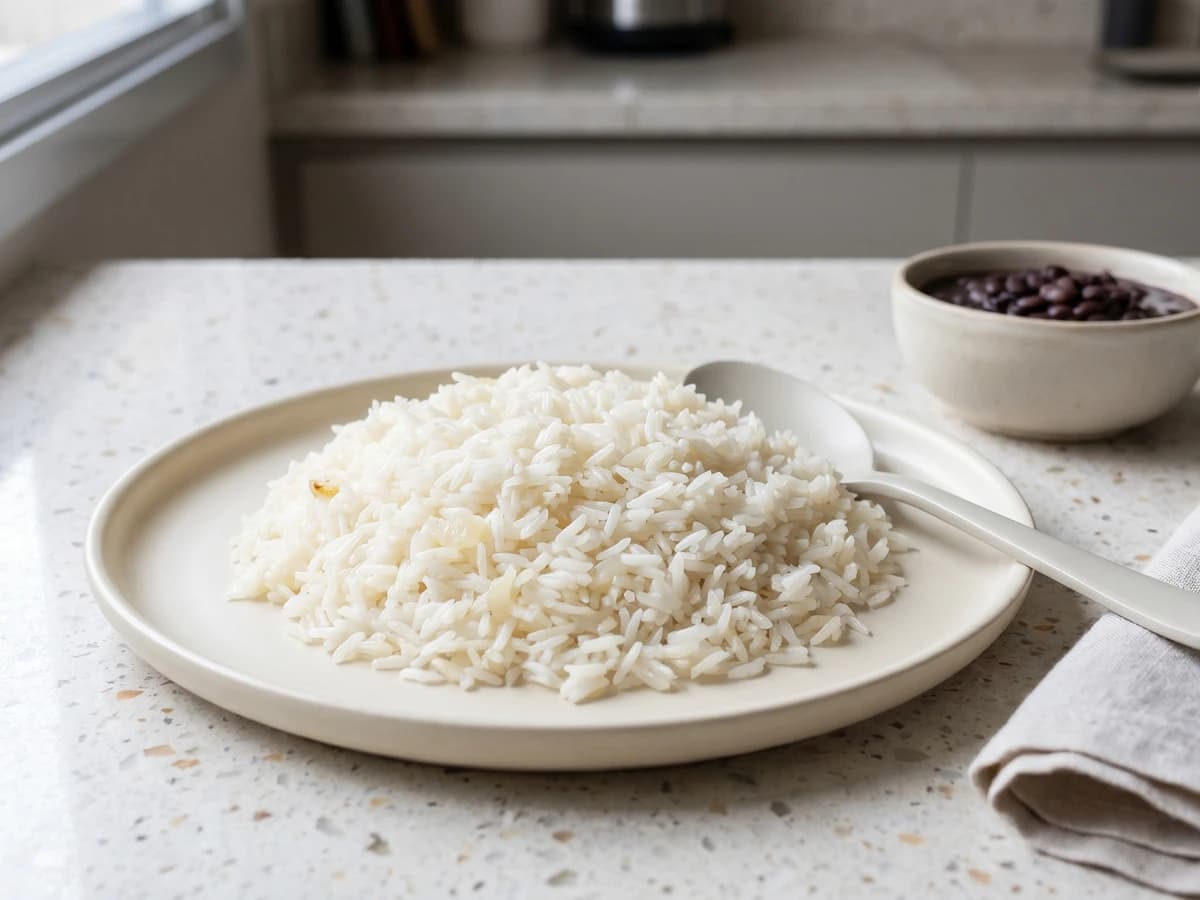
Everyone swears they can't make good rice. They're wrong. Refogue onion and garlic, use two parts water to one rice, then close the lid and leave the poor thing alone.