Chef Juliana
Abobrinha Refogada
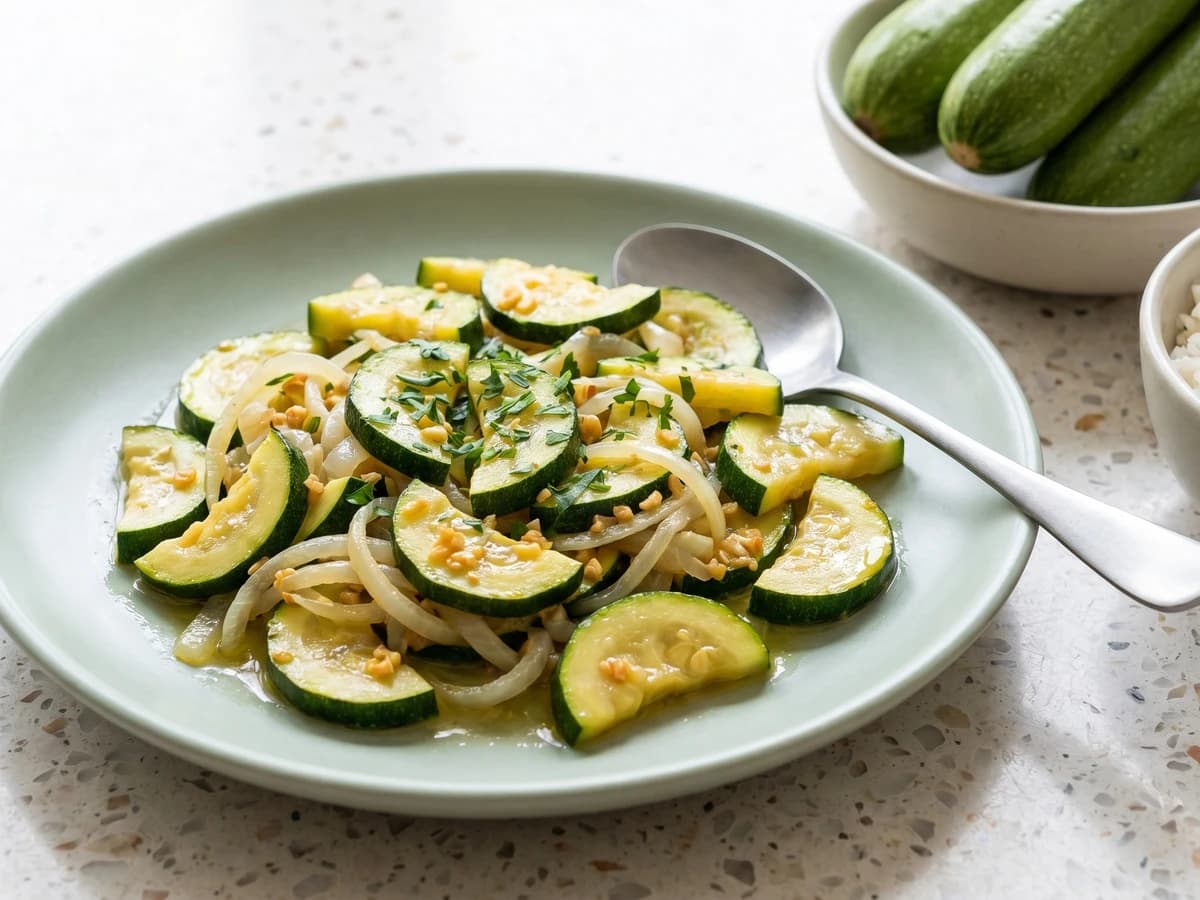
You think you'll turn zucchini into mush. Fine. Anota aí: high heat, wide pan, salt at the end, and suddenly this little green side starts solving dinner.
A cooking platform built around craft, culture, and the stories behind what we eat.

Created by
You don't need mystery to handle farinha and dendê well. You need respect, a bowl, and the sense to stop when the grains turn glossy and orange.
You may be looking at this and thinking, isso não é pra mim. Good. Let's put that sentence on the counter where a gente can see it. Padê belongs to Exu, and in the houses that carry this tradition it is sacred food, set down first because Exu opens the way. I don't own that ritual, and you don't need to pretend you do. The baianas de acarajé and the cooks of the terreiros carry this knowledge. Here, we're making a respectful home version so you understand the food with your hands, not with costume or nonsense.
This is farinha de mandioca meeting azeite de dendê, red African palm oil, with honey and sometimes cachaça. That's it, and that's plenty. The technique is small but exacting: add the dendê slowly, rub it through the farinha, and watch the dry grains turn evenly rust-orange and glossy without becoming greasy paste. Cooking isn't a gift, it's something you learn. Anota aí.
And yes, I will still tie it to the pê-efe, because farinha is one of the great Brazilian table workers. It sits beside rice, beans, greens, and meat or egg, catching broth, giving texture, making the plate feel complete. This version is not Tuesday farofa, because its lineage matters. But the lesson is the same as all comida de verdade: use the real ingredient, learn the point, and don't let a packet or a fake shortcut do the thinking for you.
Padê, also called ipadê in many Candomblé houses, is associated with Exu and is traditionally offered first because Exu is the messenger who opens communication before other ritual foods proceed. The mixture varies by house and nation, but farinha de mandioca with azeite de dendê is a central form, sometimes joined by honey, cachaça, or water according to the lineage. In 2005, IPHAN inscribed the Ofício das Baianas de Acarajé in the Livro dos Saberes, recognizing Afro-Baiana food knowledge as Brazilian cultural heritage, including the dendê-based cooking and sacred ties carried by the baianas and terreiros.
Quantity
2 cups
Quantity
1/4 cup
Quantity
1 tablespoon
Quantity
1 tablespoon
Quantity
1/4 teaspoon
| Ingredient | Quantity |
|---|---|
| coarse toasted farinha de mandioca | 2 cups |
| azeite de dendê | 1/4 cup |
| honey | 1 tablespoon |
| cachaça (optional) | 1 tablespoon |
| fine salt (optional) | 1/4 teaspoon |
Put the farinha in a wide bowl and run your fingers through it. It should feel dry, loose, and sandy, with grains that fall apart instead of clumping. If the farinha smells stale or damp, stop there and buy another bag. This dish has almost nowhere to hide, so tired farinha will taste tired on the plate.
Drizzle in half the azeite de dendê and rub it through the farinha with your fingertips or a spoon. Watch the color spread from pale beige to deep rust-orange. Add the rest slowly, one spoonful at a time, until the grains are evenly colored and glossy but still separate. Too much at once gives you oily paste, and paste is not the point.
Add the honey and mix again, breaking up any sticky spots with your fingers. The farinha should hold together for a second when squeezed, then fall apart when you rub it. That little grip matters because the honey rounds the bitterness of the dendê without turning the dish into candy.
Add the cachaça if using, a teaspoon at a time, and mix until the smell is present but not sharp. Taste a pinch. Add the salt only if your farinha tastes flat. The final padê should be moist, loose, fragrant, and orange from dendê, not wet, not grey, and absolutely not made with annatto oil pretending to be the same thing.
Spoon the padê into a small plain bowl or onto a simple plate. If serving it as food at home, keep the portion modest and place it beside the meal like a strong farofa, where it can meet rice, beans, greens, and the rest of the plate. If you are not part of the ritual tradition, don't stage one. Respect is quieter than theater.
1 serving (about 79g)
Culinary guides, cultural storytelling, and the editorial depth that makes cooking meaningful.
Discover Culinary ExplorerChef Juliana
You think you'll turn zucchini into mush. Fine. Anota aí: high heat, wide pan, salt at the end, and suddenly this little green side starts solving dinner.

Chef Juliana
You think this is sacred enough to be impossible. It isn't. Acaçá is patience, stirring, and ponto, taught plainly, with respect for the terreiros that carry it.
Chef Juliana
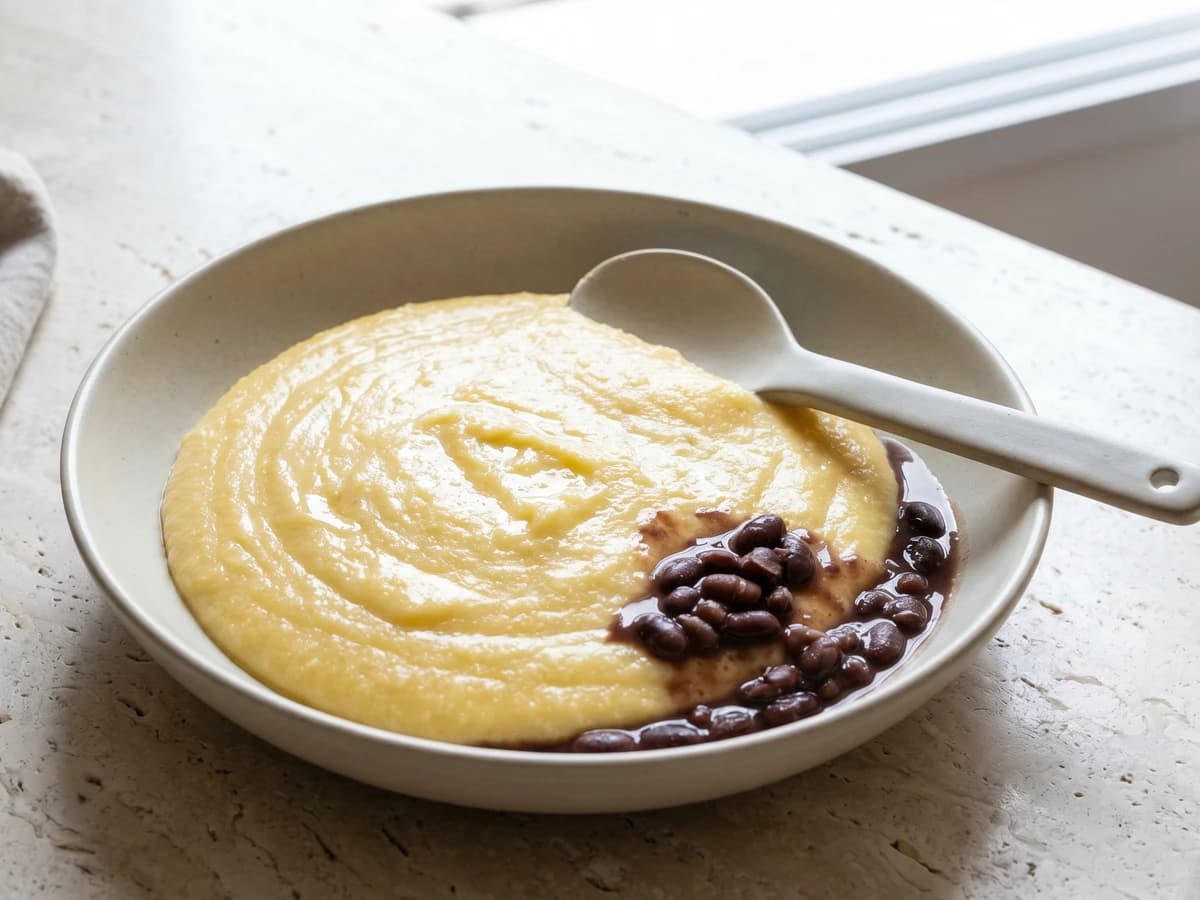
You think cornmeal will turn into lumps and shame. It won't. Cold water first, patient stirring, and a real garlic base give you angu that solves dinner.
Chef Juliana
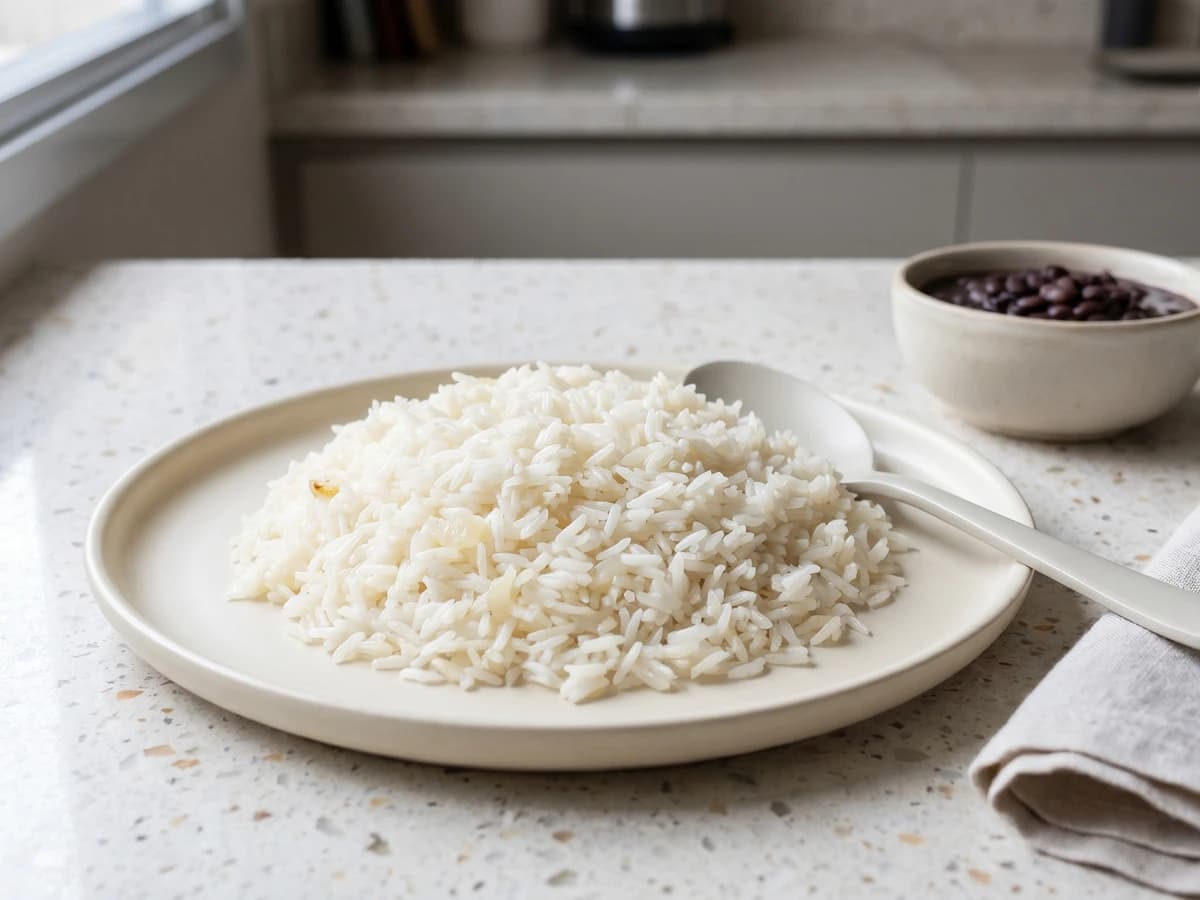
Everyone swears they can't make good rice. They're wrong. Refogue onion and garlic, use two parts water to one rice, then close the lid and leave the poor thing alone.