
Chef Graziella
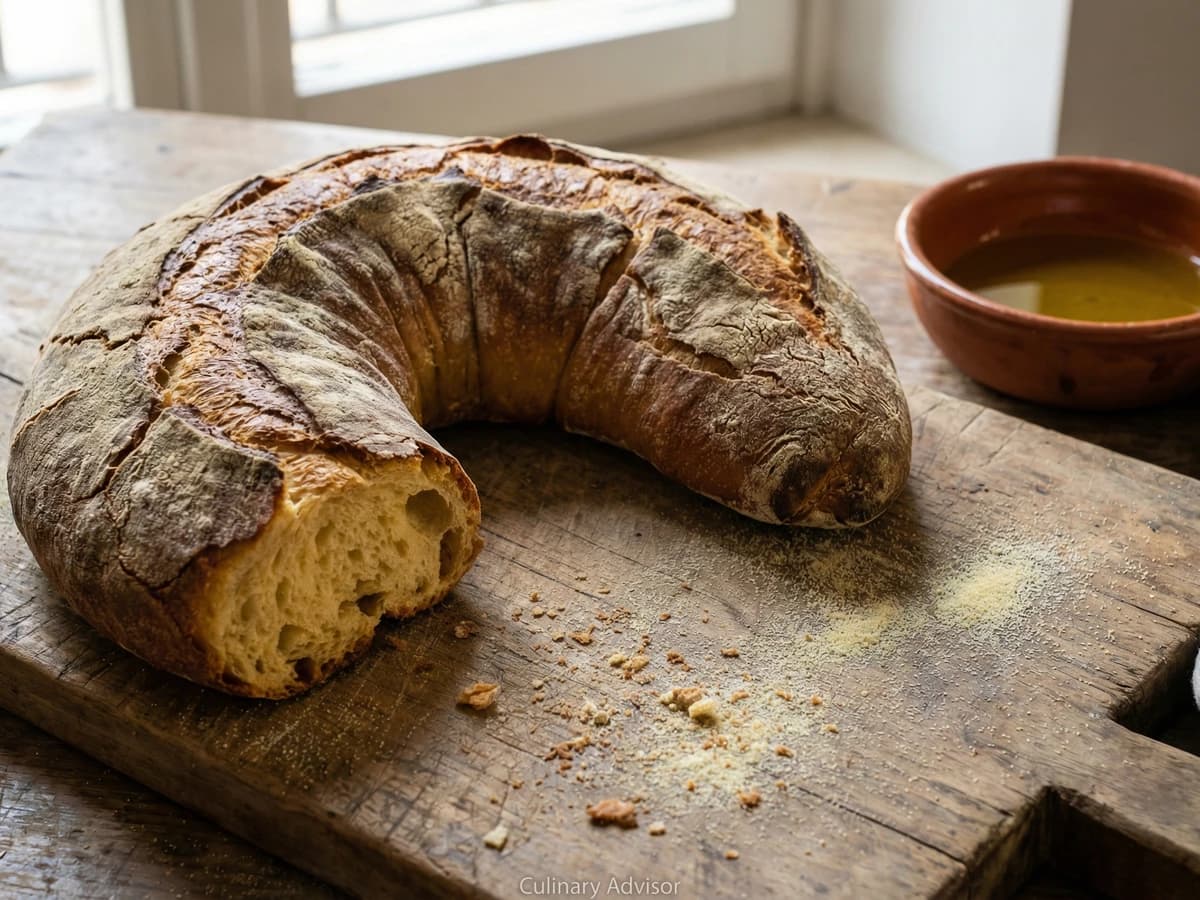
Pane Casareccio
The rustic loaf of the Italian countryside, where flour, water, salt, and wild yeast transform through patience into bread worth tearing with your hands and sharing at the table.

Updated January 2, 2026
Regional Italian breads from Emilia-Romagna to Sicily, honoring the traditions that make each loaf distinct. Simple ingredients, proper technique, and the restraint that defines true Italian baking.
A cooking platform built around craft, culture, and the stories behind what we eat.
Chef Graziella
The rustic loaf of the Italian countryside, where flour, water, salt, and wild yeast transform through patience into bread worth tearing with your hands and sharing at the table.
Chef Graziella
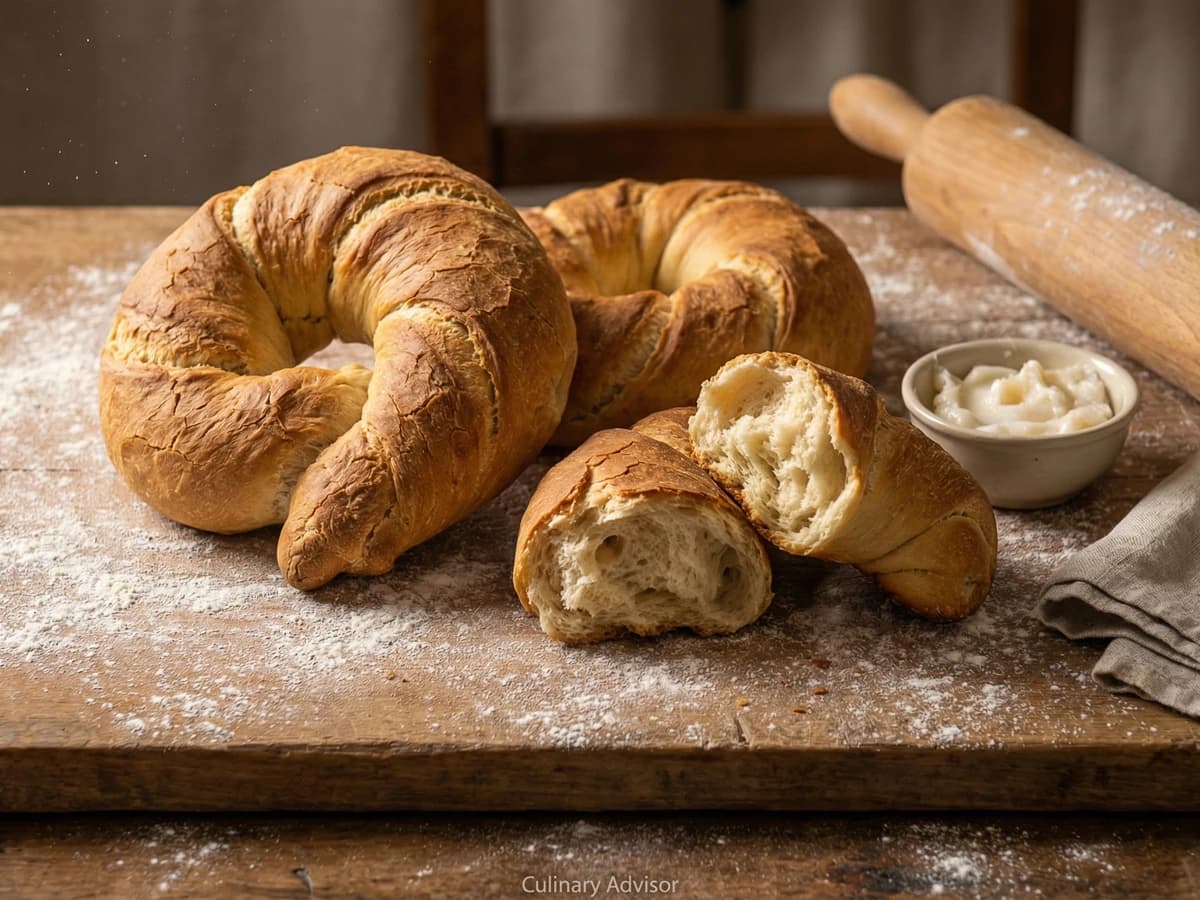
The horn-shaped bread of Basilicata, made from durum wheat semolina and natural leavening, baked until the crust cracks like ancient stone. A bread meant to last, because in the south, bread was too precious to waste.

Chef Graziella
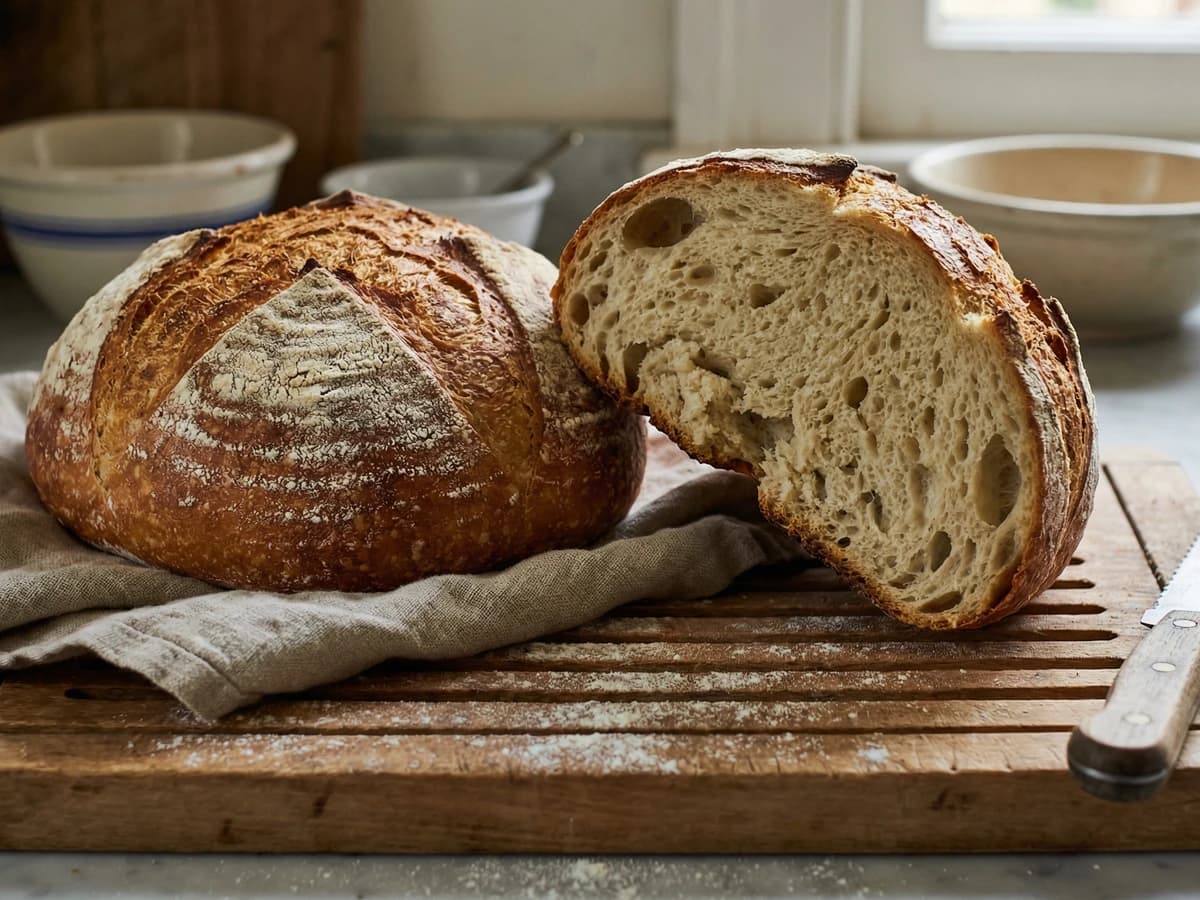
The bread of the Castelli Romani, with a crust like armor and a crumb that stays moist for a week. This is what Romans mean when they speak of bread worth eating.
Chef Graziella
The saltless bread of Tuscany, made as it has been for centuries. What seems like an absence is actually the point: this bread exists to balance the salty abundance of the Tuscan table.

Chef Graziella
The saltless long loaf of Tuscany, shaped to maximize crust and designed to accompany the salty prosciutto, finocchiona, and pecorino that define the region's table.

Chef Graziella
The sesame-crusted bread of Sicily, where Arab traders left their mark on Italian tables centuries ago. Golden semolina dough beneath a generous blanket of toasted seeds.
Chef Graziella
The ancient twisted bread of Ferrara, where four delicate horns create maximum crust and the dough demands the patience of generations of Emilian bakers who understood that shape is not decoration but function.

Chef Graziella
The great round loaf of Sardinia, built from golden semolina and baked until the crust turns nearly black. Shepherds carried this bread into the hills because it kept for weeks without staling.

Chef Graziella
The hand-stretched breadsticks of Turin, pulled thin as pencils and baked until they shatter at the first bite. Once you make these, the packaged versions become unthinkable.

Chef Graziella
The rose-shaped roll of Milan, engineered for maximum crust and minimum crumb. Inside is almost nothing but air. Outside is a shell that shatters at first bite.

Chef Graziella
The iconic Roman breakfast roll with its hollow heart and shattering crust. Five points like a star, light as air inside. This is what Romans have broken over their morning coffee for generations.

Chef Graziella
The sesame-crusted bread of Palermo, soft as a whisper and covered in seeds that toast golden in the oven. These are the rolls Sicilians break for their beloved dead and for their living families.

Chef Graziella
The boat-shaped bread rolls of Piedmont, crusty and substantial, built on an overnight biga that gives them character no quick bread can match. Northern Italian baking at its most honest.
Chef Graziella
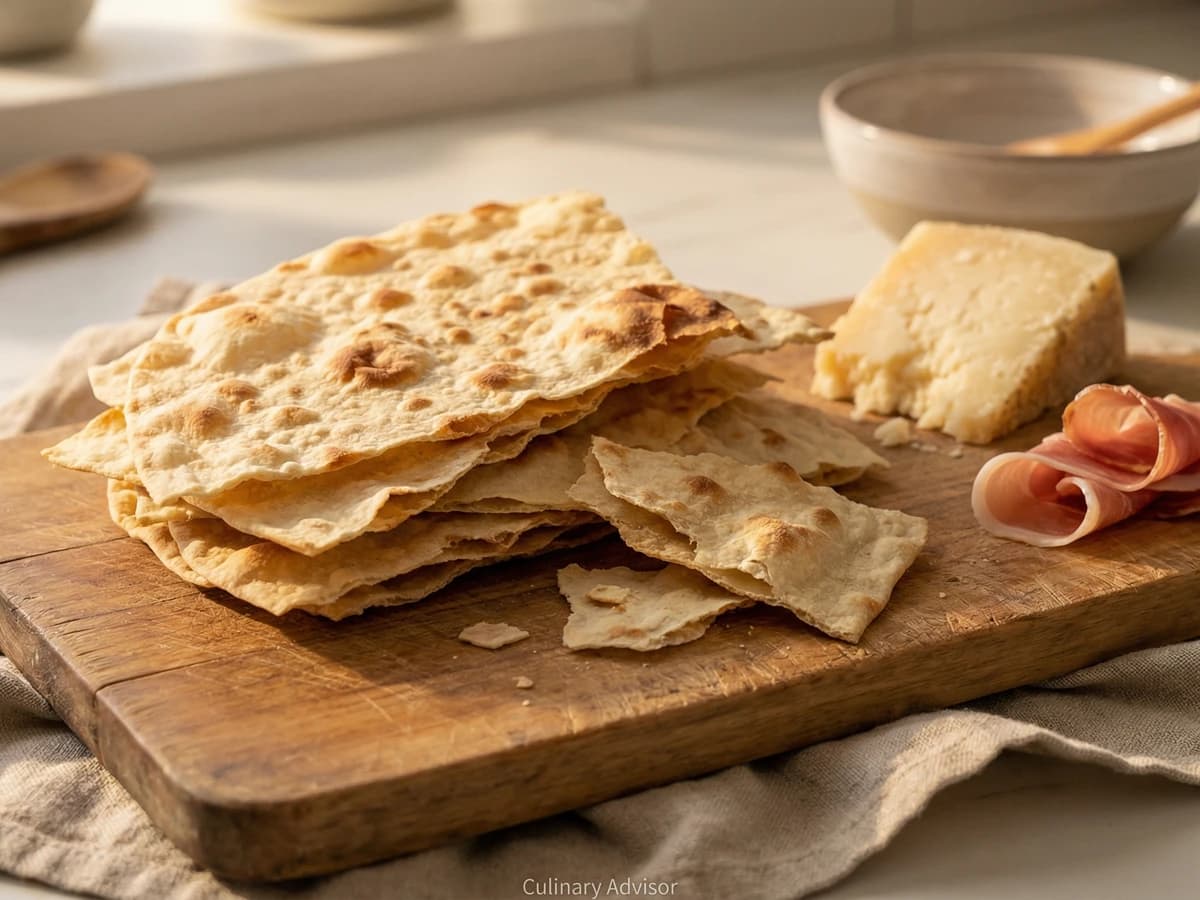
The ancient twice-baked bread of Sardinian shepherds, rolled impossibly thin and dried until it lasts for months. When you break a sheet, it sings.

Chef Graziella
The shepherd's reward after weeks in the hills with his flock. Paper-thin Sardinian bread, transformed by olive oil and salt into something you cannot stop eating.

Chef Graziella
The mountain bread of Modena, cooked between heated molds until golden and puffed, split while still warm and filled with lardo that melts into the crumb.

Chef Graziella
The puffed fried bread of Modena, impossibly light and hollow inside, served hot from the oil with prosciutto di Parma and soft stracchino cheese. This is how Emilians begin a meal.

Chef Graziella
The street bread of Rome, nothing but flour, water, salt, and good olive oil, baked until blistered and eaten warm from the forno. What you keep out is as significant as what you put in.

Chef Graziella
The dove that lands on Italian tables at Easter, demanding three days of patience in exchange for a crumb so tender it dissolves on the tongue. Topped with almonds and pearl sugar, it proves that festive breads need not be complicated to be profound.

Chef Graziella
The golden star of Verona's Christmas table, where butter, eggs, and patience create a bread so light it seems to defy gravity. This is what Milan's panettone wishes it could be.

Chef Graziella
The savory Easter bread of Naples, where lard-enriched dough embraces chunks of salami and sharp cheese, crowned with whole eggs that bake within their shells. This is how Naples celebrates resurrection.
Chef Graziella
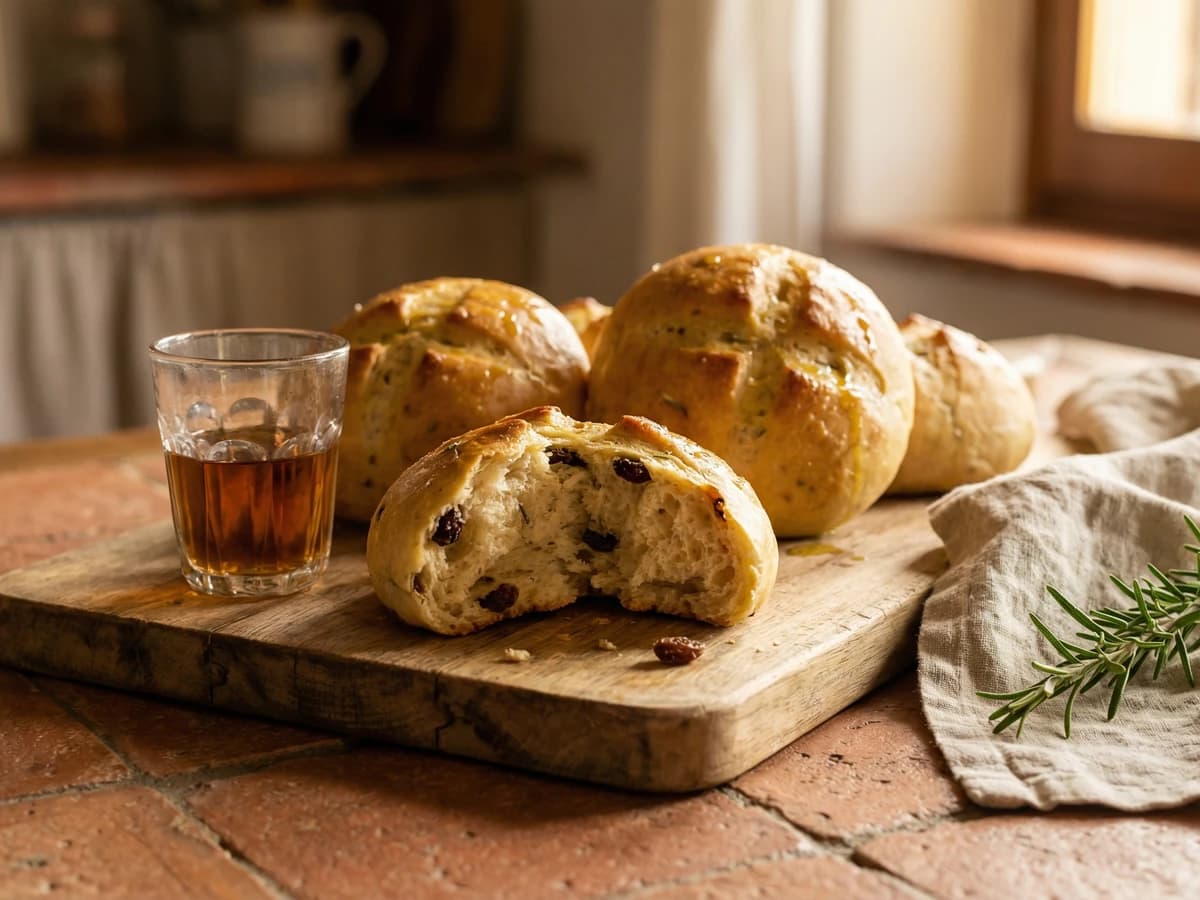
The rosemary bread of Florence, studded with raisins plumped in vin santo, baked in homes across Tuscany on Holy Thursday as they have been for centuries.
Culinary guides, cultural storytelling, and the editorial depth that makes cooking meaningful.
Discover Culinary ExplorerChef Graziella is a fictional culinary guide to Italian Regional Home Cooking, written with the assistance of AI.