
Chef Jeong-sun
Kkakdugi (Cubed Radish Kimchi)
Clean, crunchy cubes of Korean radish salted evenly, stained red with gochugaru, garlic, ginger, and salted shrimp, then fermented until the snap stays sharp and the broth turns lively.
Recipe Archive
Sauces and condiments carry a surprising amount of technique. Find dressings, marinades, stocks, gravies, relishes, and finishing sauces with clear purpose.
965 recipes
A cooking platform built around craft, culture, and the stories behind what we eat.
Chef Jeong-sun
Clean, crunchy cubes of Korean radish salted evenly, stained red with gochugaru, garlic, ginger, and salted shrimp, then fermented until the snap stays sharp and the broth turns lively.

Chef Jeong-sun
A clean, pale fish sauce made by salting spring sand lance until time pulls out an amber seasoning, gentle enough for white kimchi and firm enough to season a whole winter's jars.

Chef Jeong-sun
Fresh baby squid cleaned by hand, salted at 15 percent, cold-cured until savory, then seasoned lightly with gochugaru, garlic, ginger, and sesame for a small banchan that wakes plain rice.

Chef Joost
The garlic sauce of the Dutch snack counter, sharp enough for shoarma, friendly enough for fries, and honest enough to admit that raw garlic is doing all the talking.
Chef Takumi
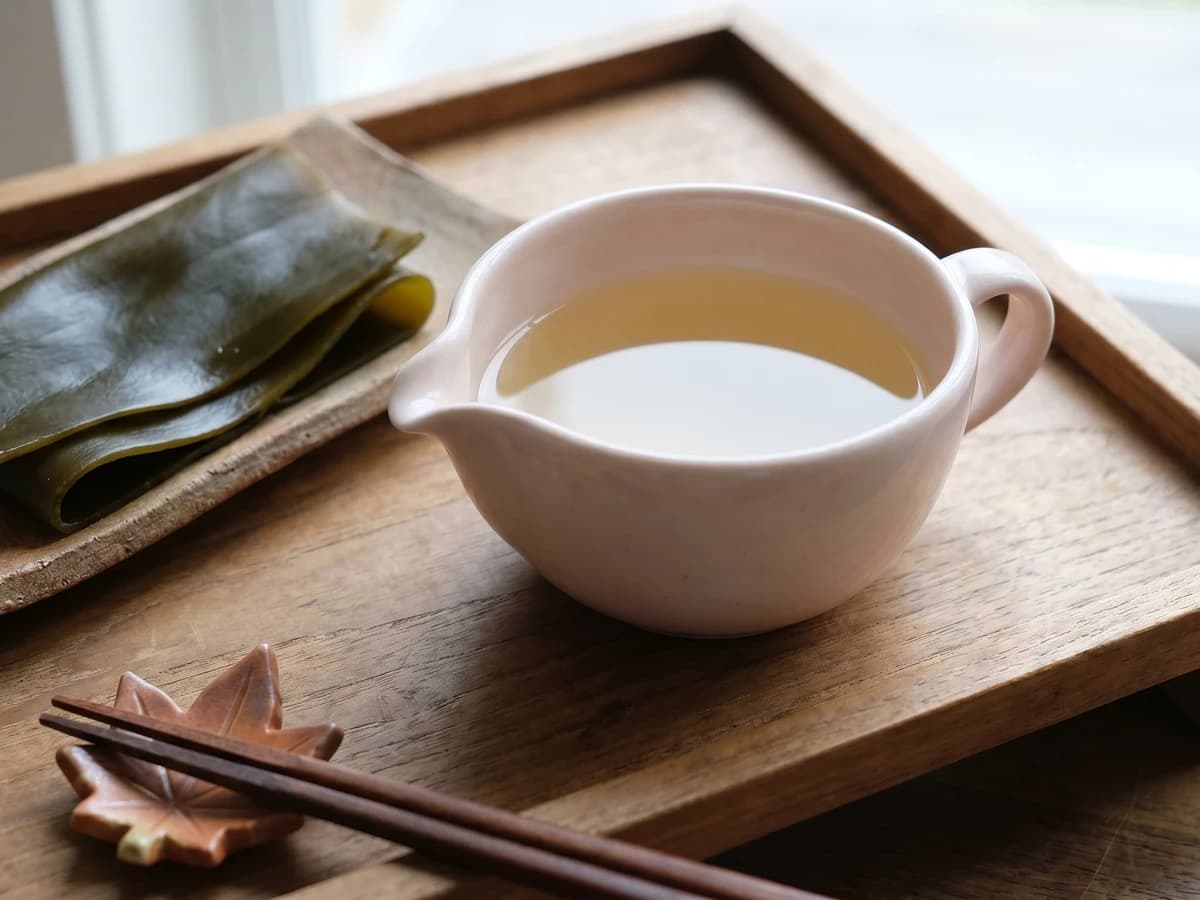
Konbu dashi asks for patience, not skill: good kelp, cold water, and the sense to stop before the pot boils. The result is clear, quiet, and deeply useful.

Chef Jeong-sun
Late-season soybean leaves, brined until yellow and soft, then cured under a measured doenjang paste until one leaf can season a whole spoonful of rice.

Chef Lupita
Yucatán's k'óol rojo, the Maya red gravy thickened with strained masa, bloomed with recado rojo, charred xcatic and habanero, and finished with epazote. The sauce that fills the mukbilpollo for Hanal Pixán.

Chef Dean
A deeply savory Korean marinade that transforms ordinary beef into something extraordinary, with Asian pear enzymes that tenderize while soy, garlic, and toasted sesame build layers of caramelized sweetness.
Chef Fai
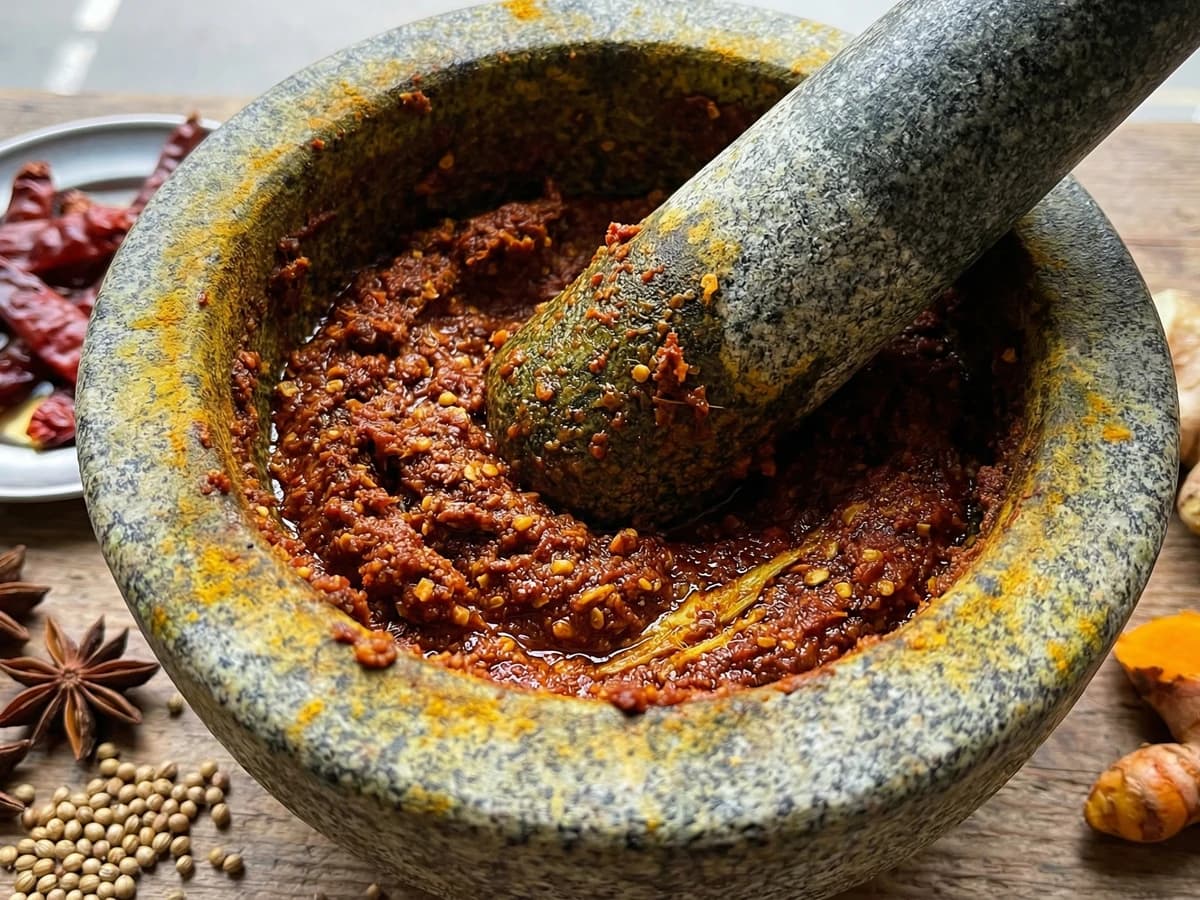
The kreung tam that proves the system adapts. Ginger instead of galangal, cumin and star anise alongside lemongrass. Lanna's mortar holds the whole Burma-to-Chiang Mai trade route in a single paste.
Chef Fai
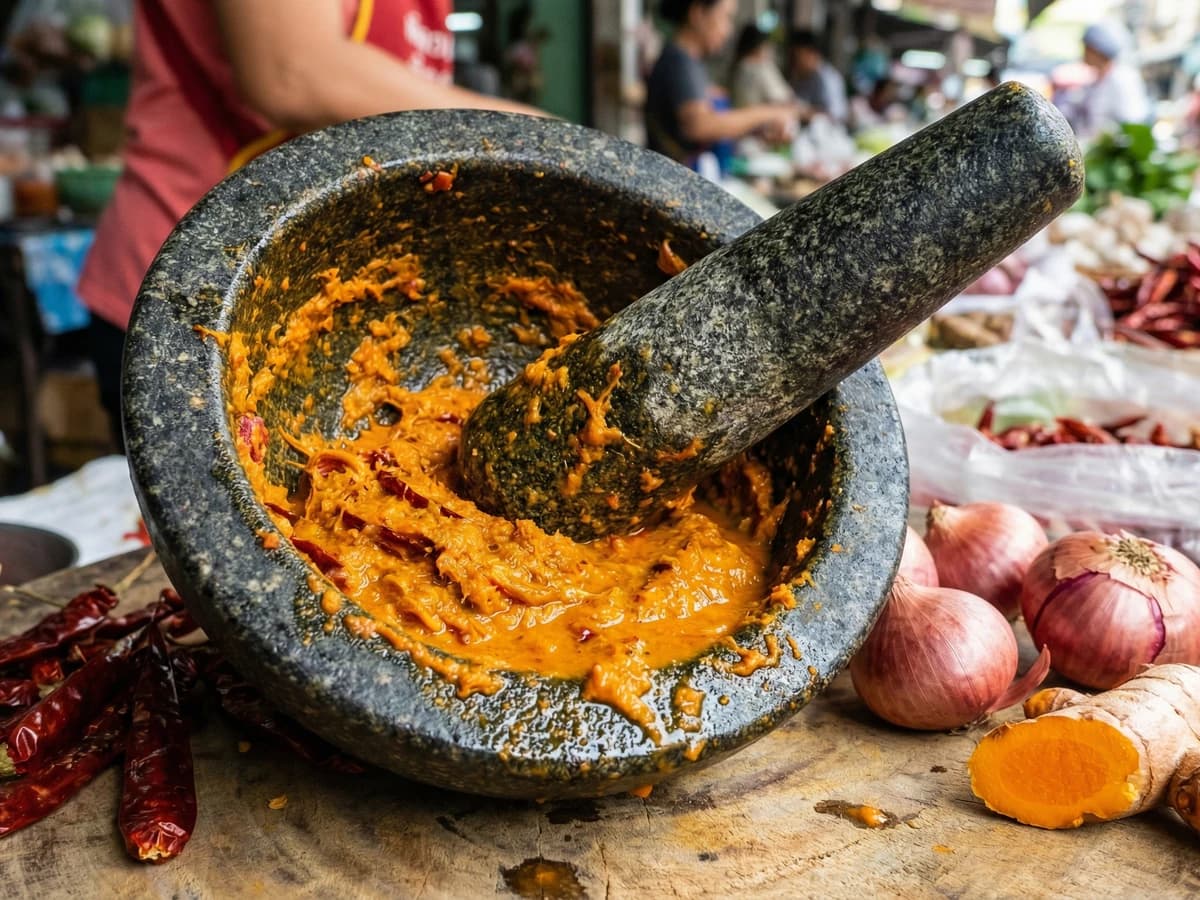
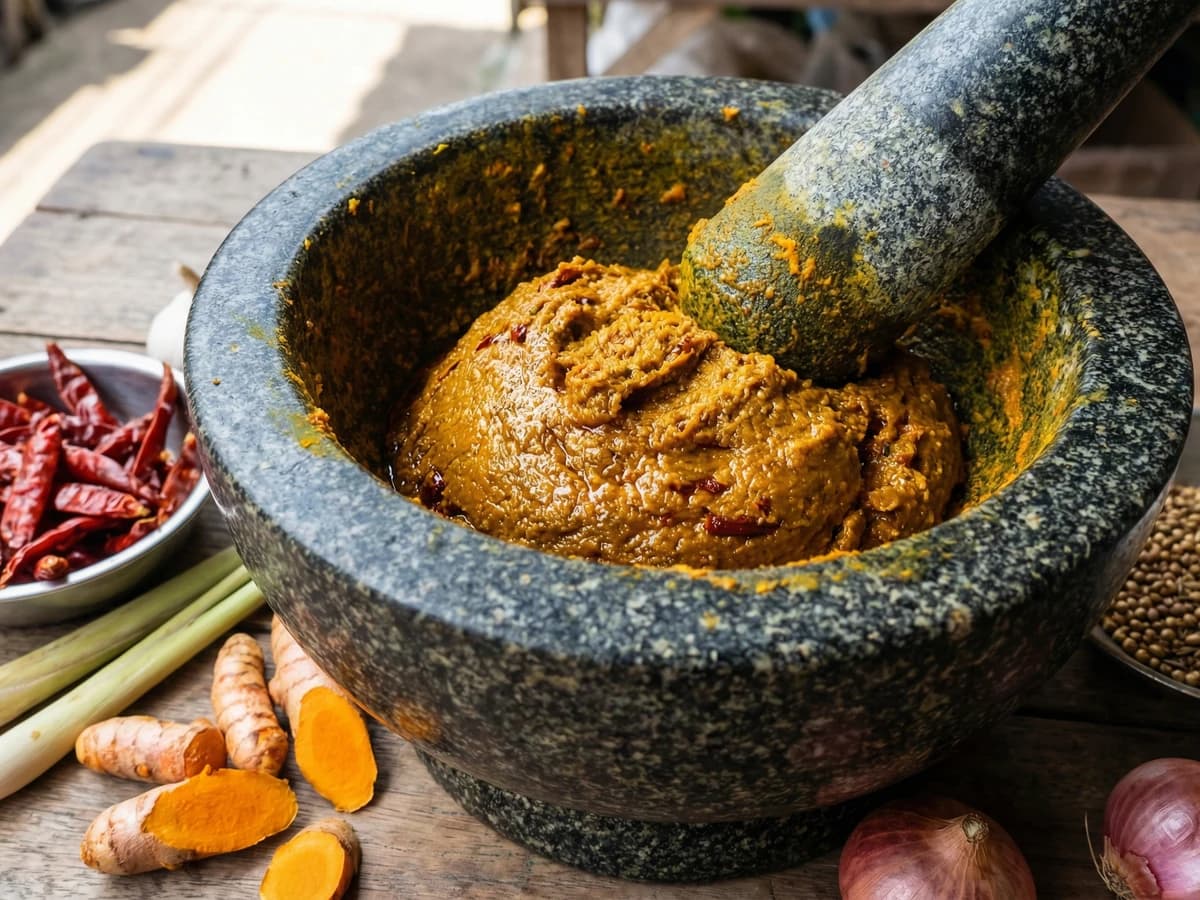
Four ingredients pounded clean in a granite mortar. This is the kreung tam stripped to its essence: dried chilies for heat, shallots for aromatics, turmeric for earth, kapi for depth. The foundation of Thailand's most underestimated curry.
Chef Fai
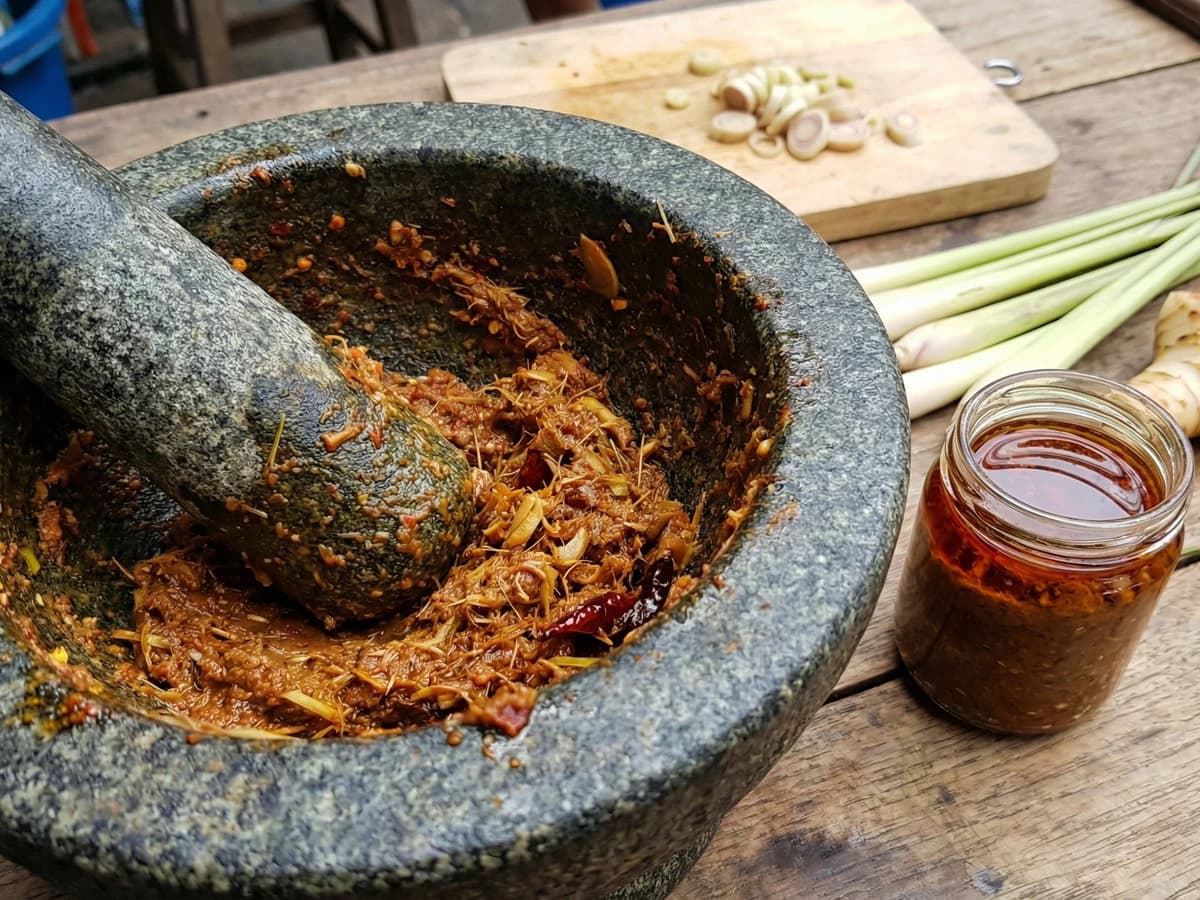
The south's kreung tam is pure confrontation: turmeric-stained, chili-loaded, and built to stand alone in a hot wok with nothing but minced meat and fish sauce. No coconut milk. Nowhere to hide.
Chef Fai
Tom yum is the one dish that breaks the kreung tam rule. This paste breaks it back. Every aromatic that normally floats whole in the broth, pounded into a concentrated bomb you can jar, store, and deploy in minutes.
Chef Elsa
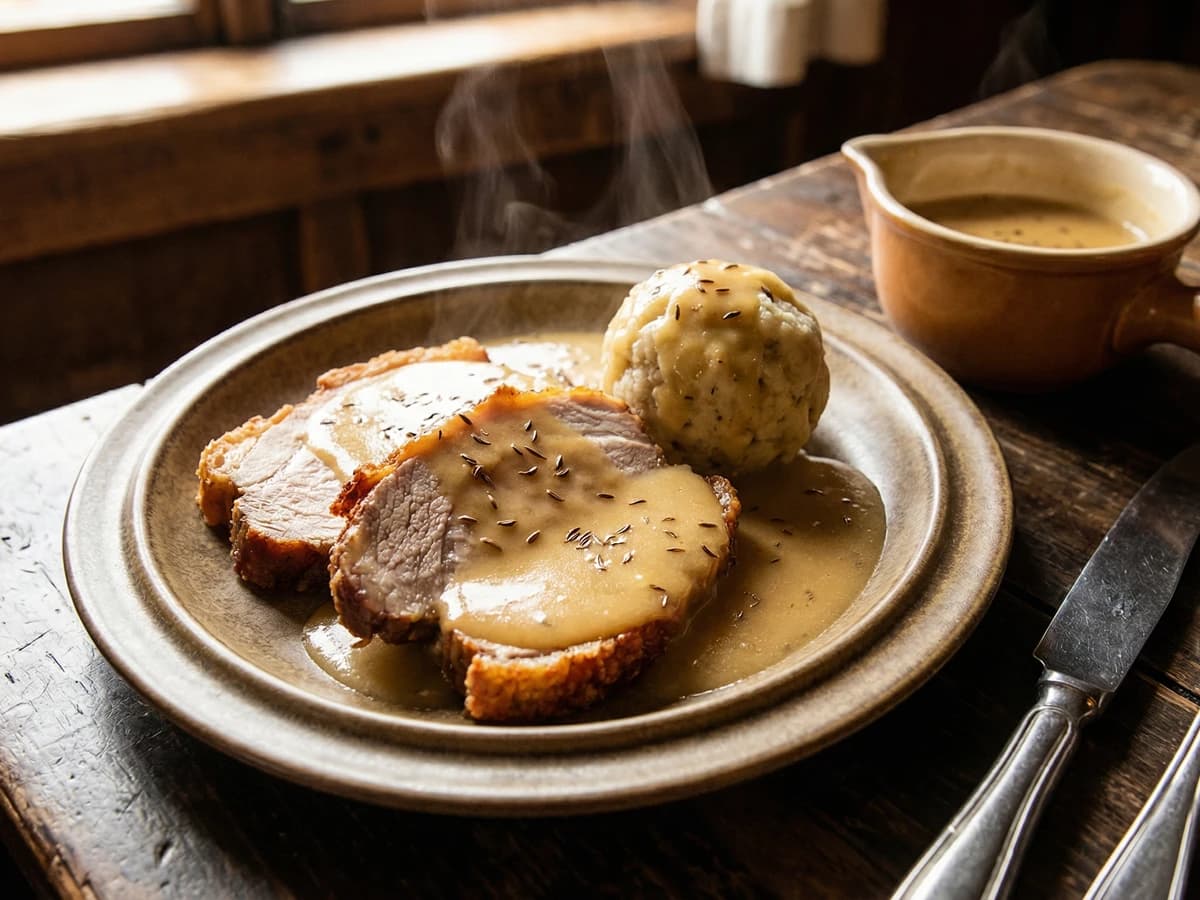
The toasted caraway and garlic roux sauce that belongs next to every Schweinsbraten in Austria, built on a proper Einbrenn the way Viennese grandmothers have always made it.

Chef Fai
Three ingredients, five days, and salt-tolerant bacteria do the rest. Kung jom is kapi's rougher, chunkier ancestor: the ferment that taught Thai cooks what shrimp could become.
Chef Lesia
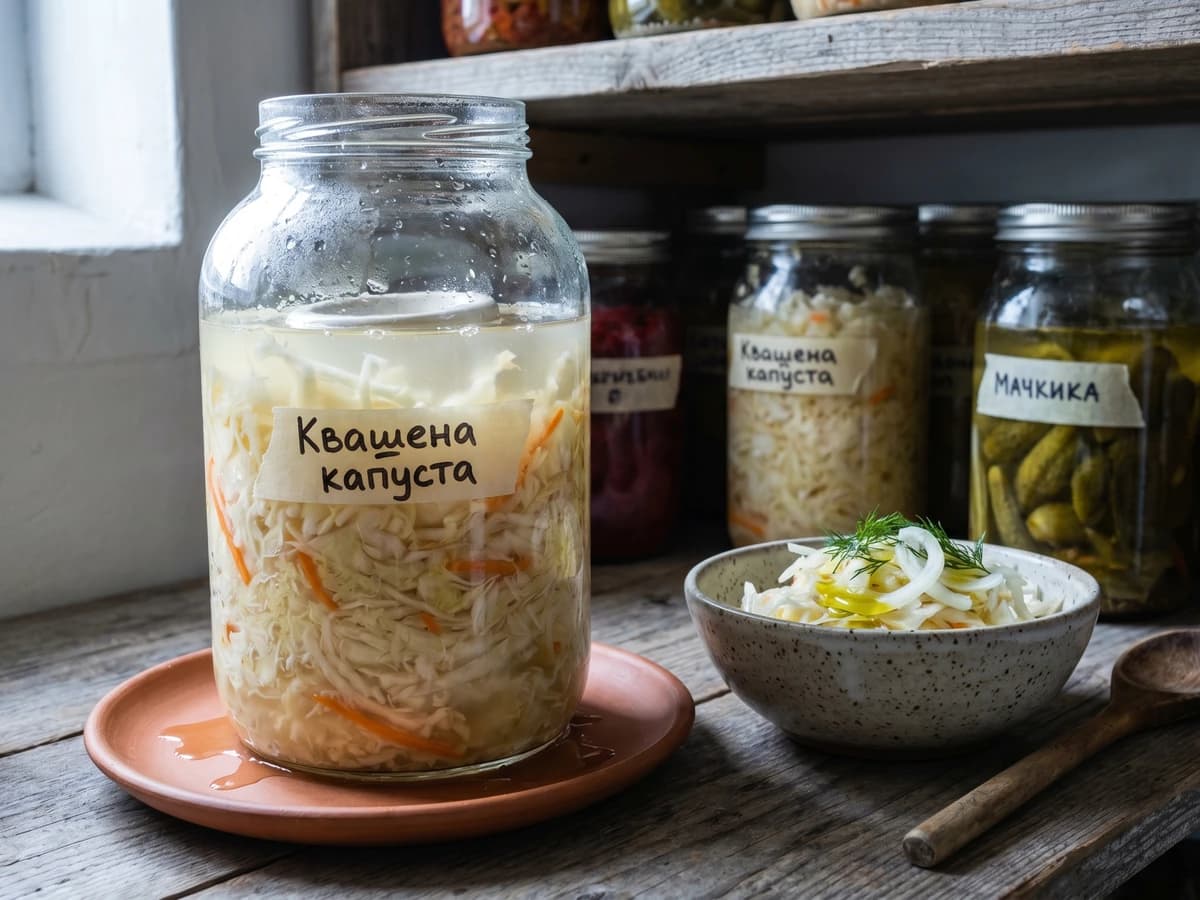
Cabbage looks like nothing until salt wakes it up: the bowl turns glossy, the jar starts to hiss, and winter suddenly has something green and sharp to bite.
Chef Lesia
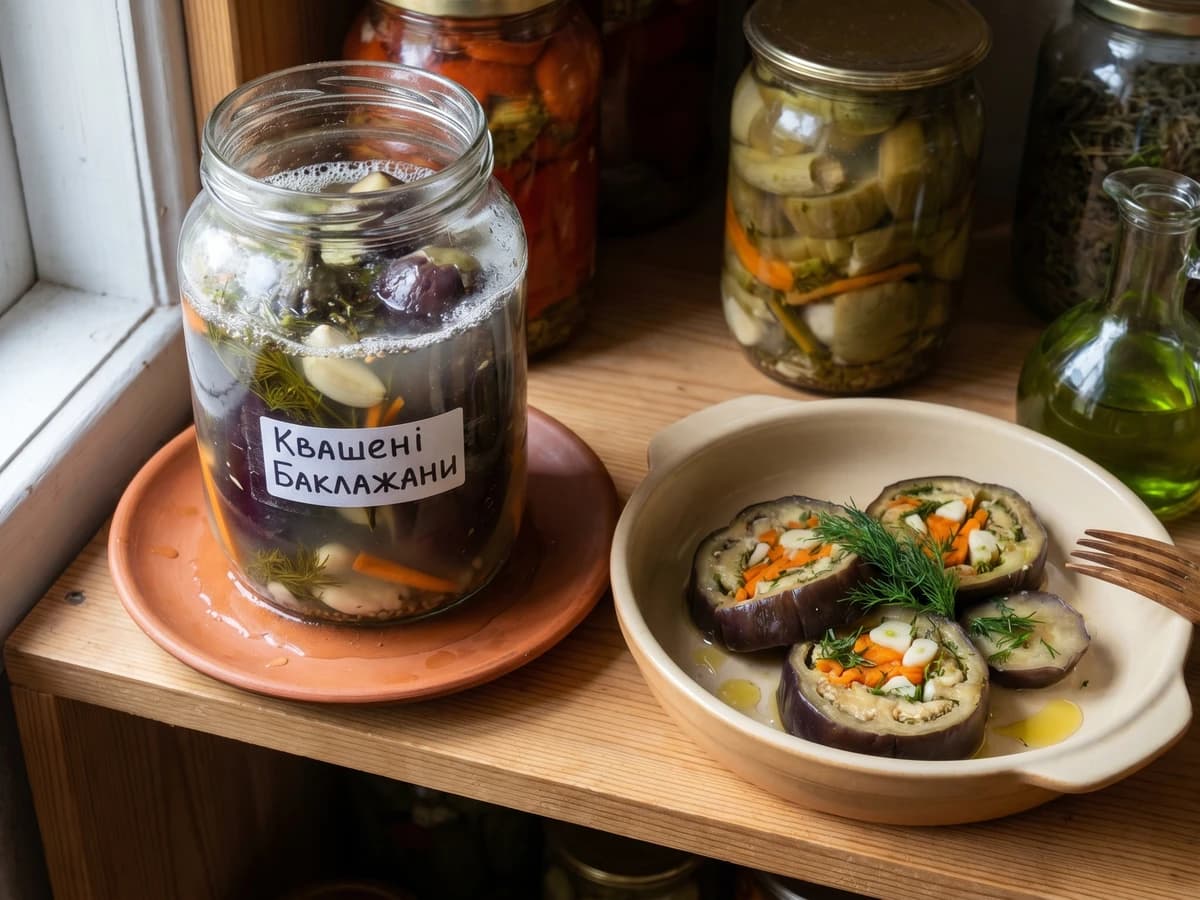
The aubergines come out of the jar striped purple, orange, and dill-green, sour enough to wake your mouth and tender enough to eat like a small meal.
Chef Lesia
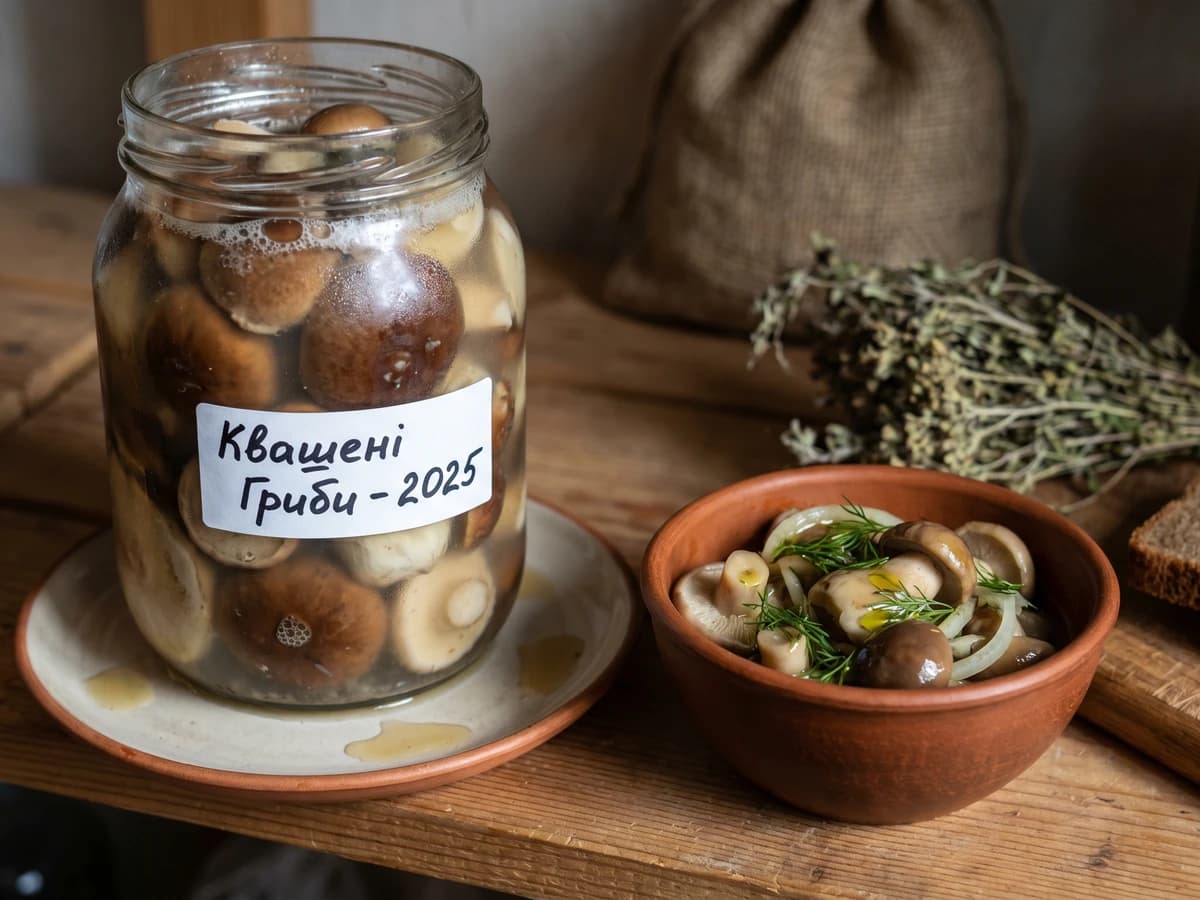
Mushrooms are not pickled here to make them sharp. They are salted, weighted, and left to sour slowly until the forest smell turns deep, garlicky, and alive.
Chef Lesia
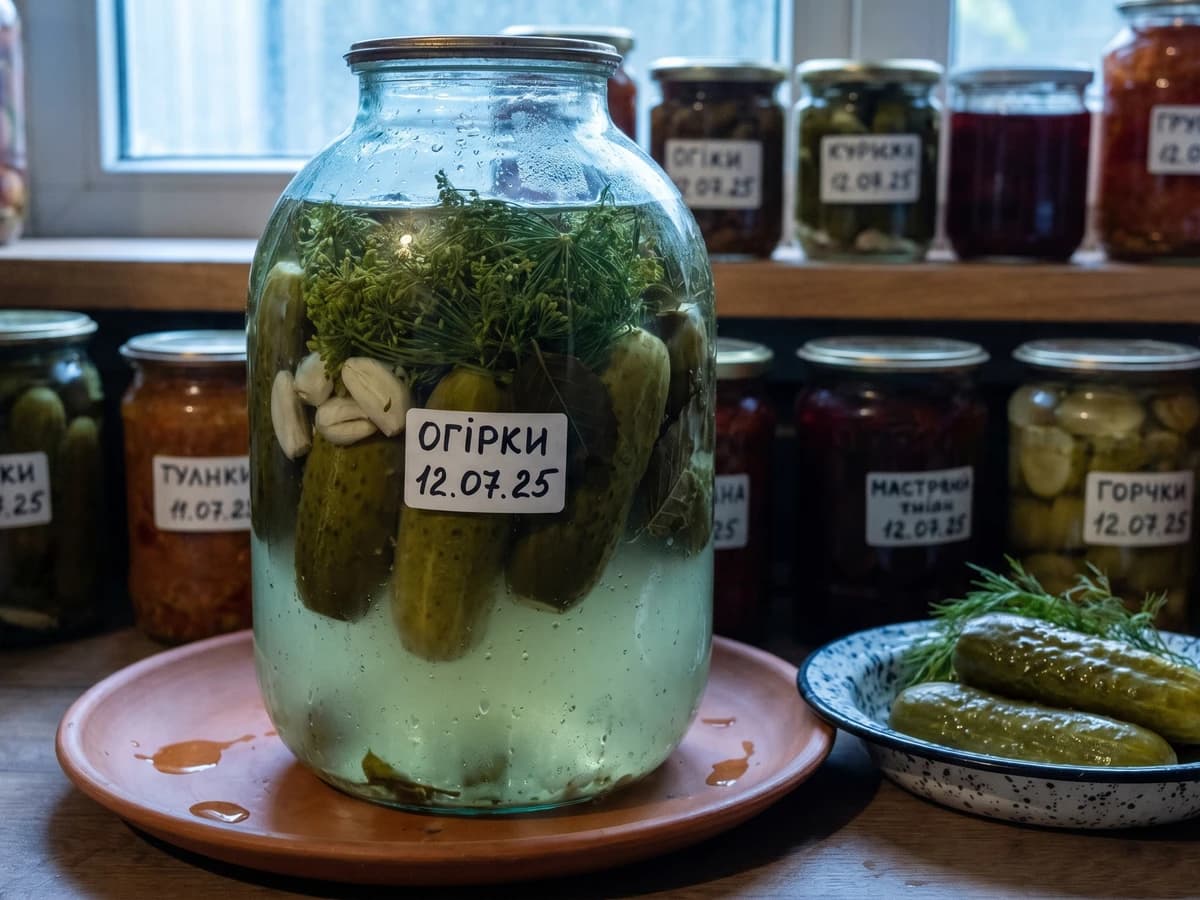
The brine goes cloudy on purpose: small cucumbers, dill crowns, garlic and one tannin leaf sour slowly until they snap under your teeth with salt, fizz and summer-kitchen sharpness.
Chef Lesia
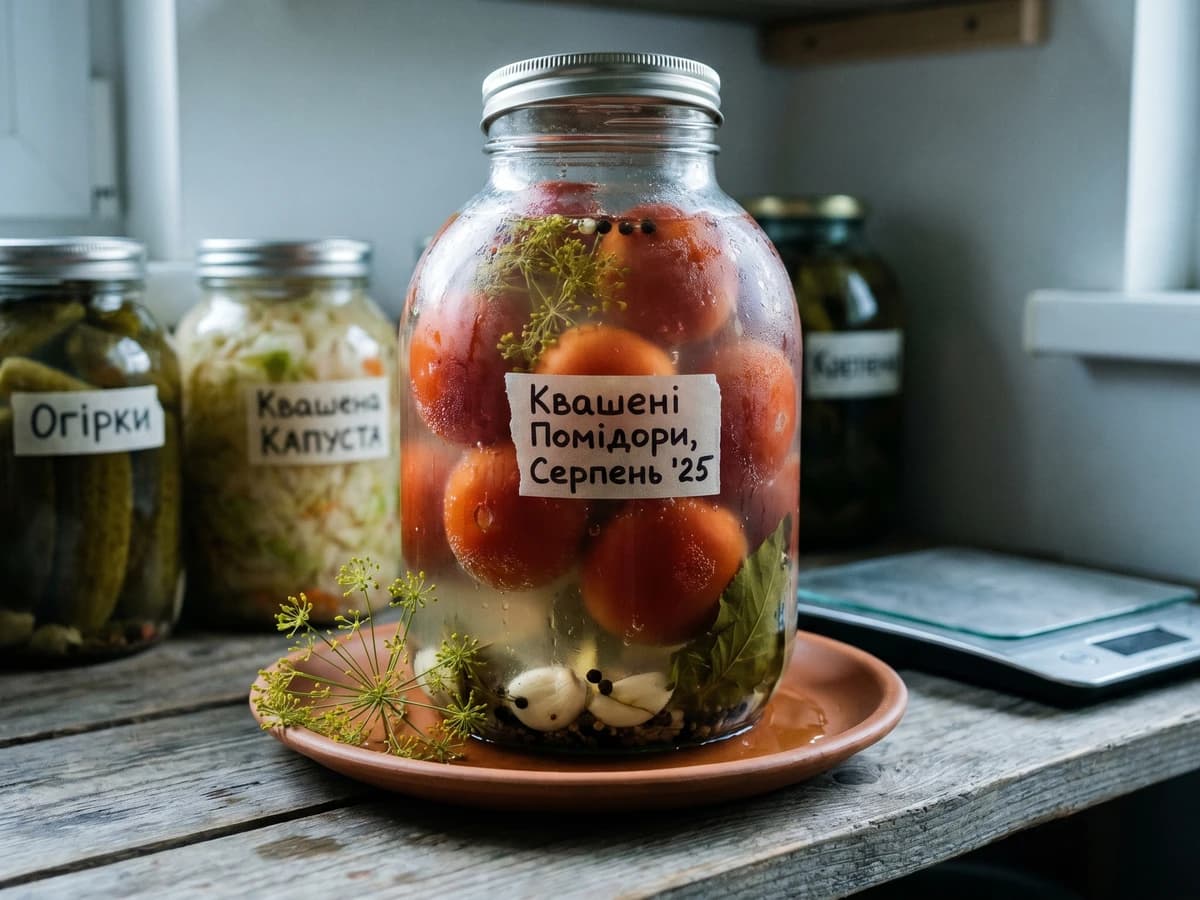
Whole tomatoes go into the jar taut and glossy, then come out fizzing, sour, and a little alive. Weigh the water, weigh the salt; this brine doubts nothing.

Chef Lesia
The beets stain the brine first like spilled ink, then slowly turn it sour, ruby-deep, and useful enough to carry a whole winter pot of borshch.
Chef Lesia
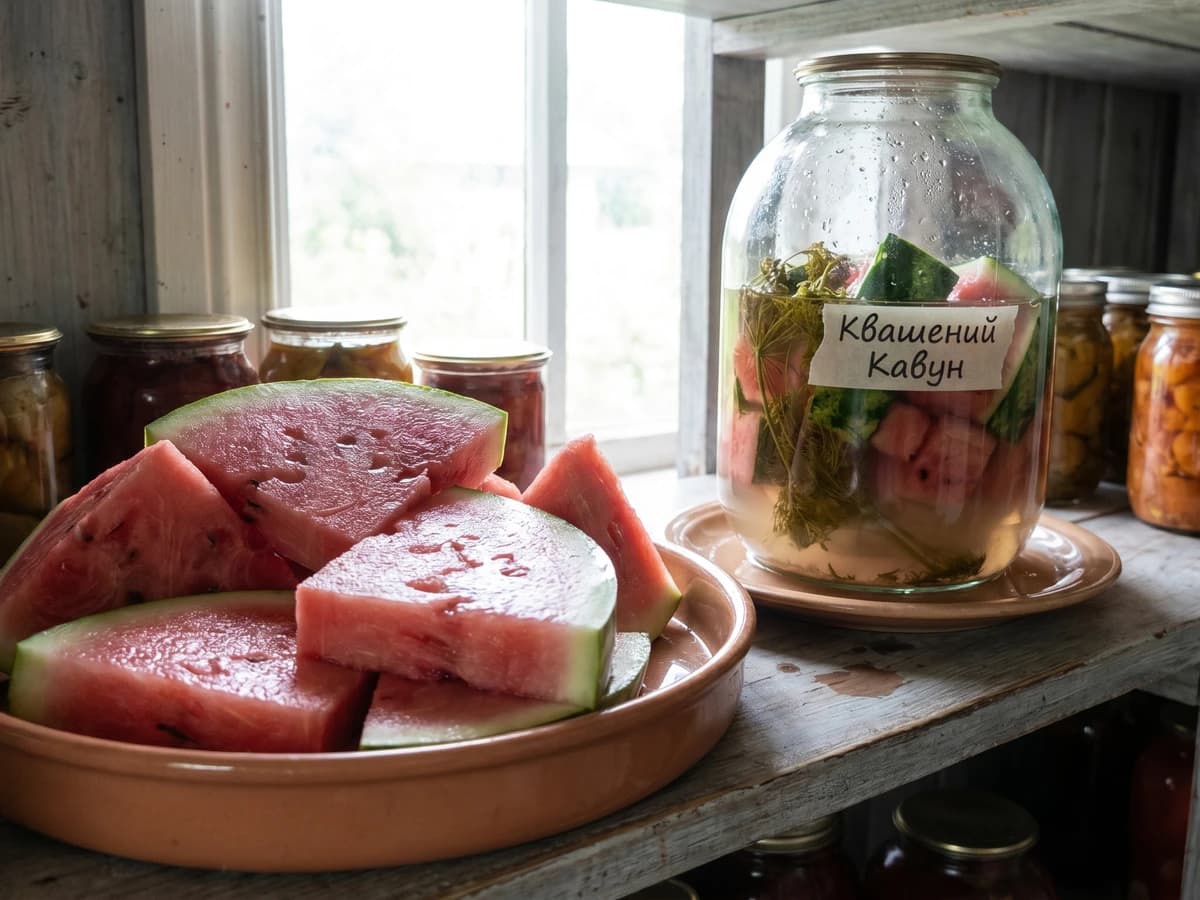
A whole watermelon goes into brine as summer fruit and comes back as something stranger: pink, salty, sour-sweet, faintly fizzy, and very much alive.
Chef Lesia
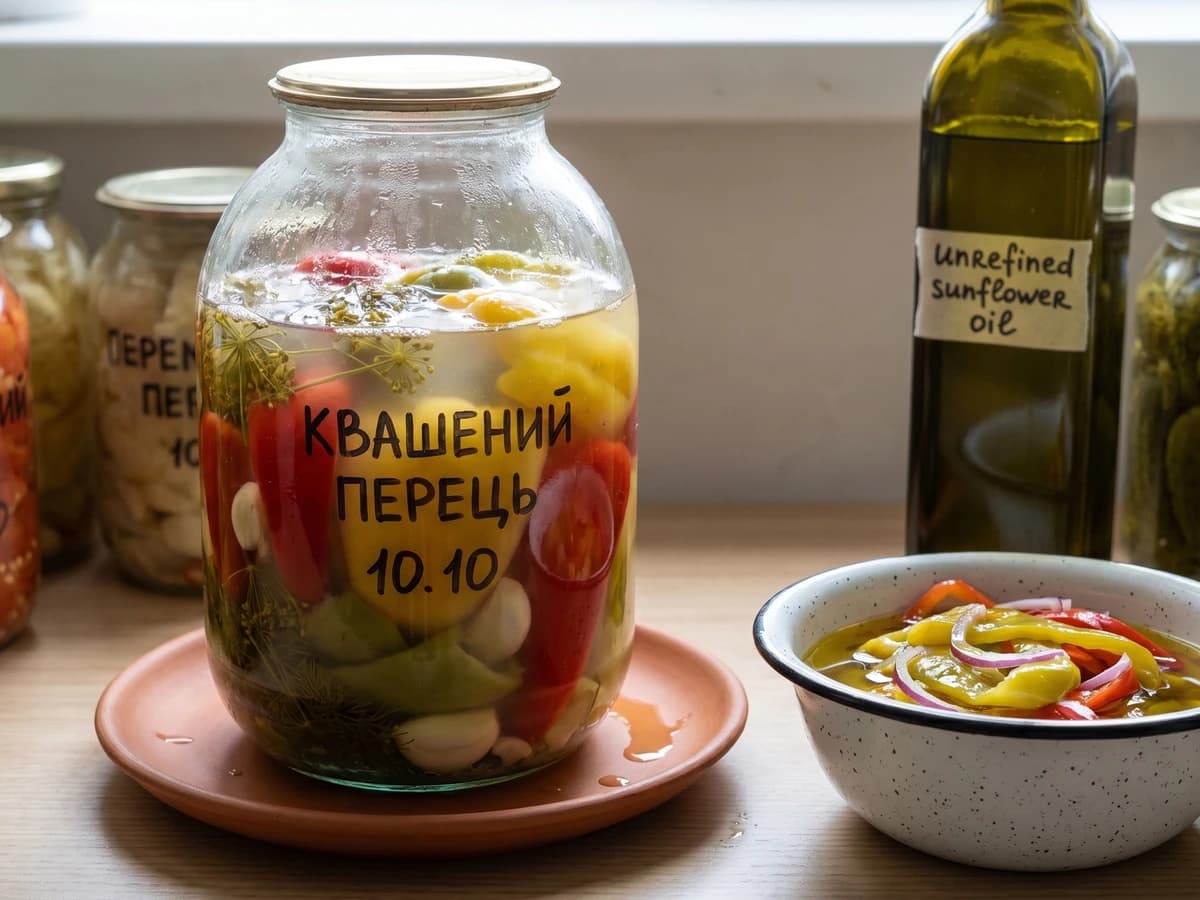
Red and yellow peppers go into the jar glossy and loud, then the brine turns cloudy and they soften into a sour, fizzy condiment for potatoes, beans, rye bread, and winter plates.
Chef Takumi
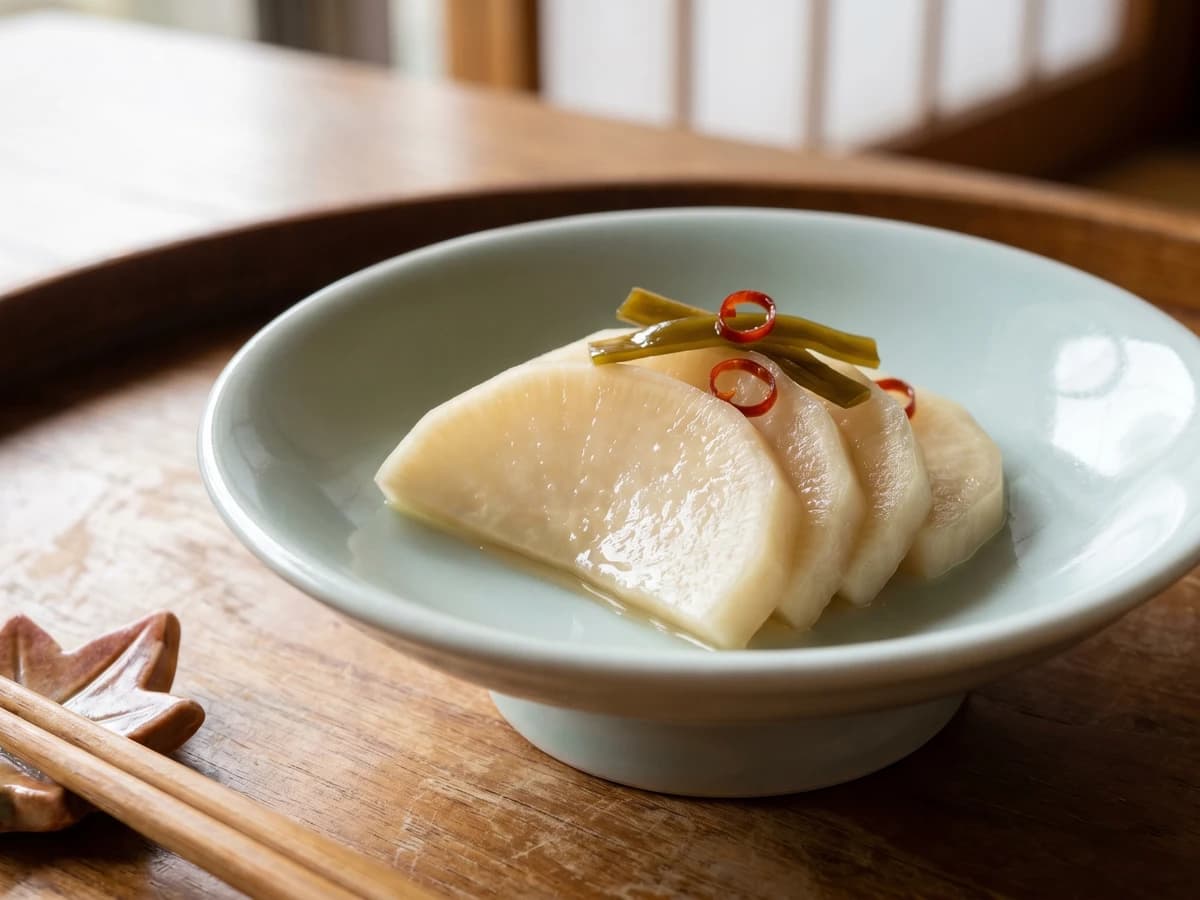
Senmaizuke asks for one good winter turnip, sliced thin enough to turn translucent, then left under weight with konbu and sweet rice vinegar until it softens into quiet elegance.

Chef Thomas
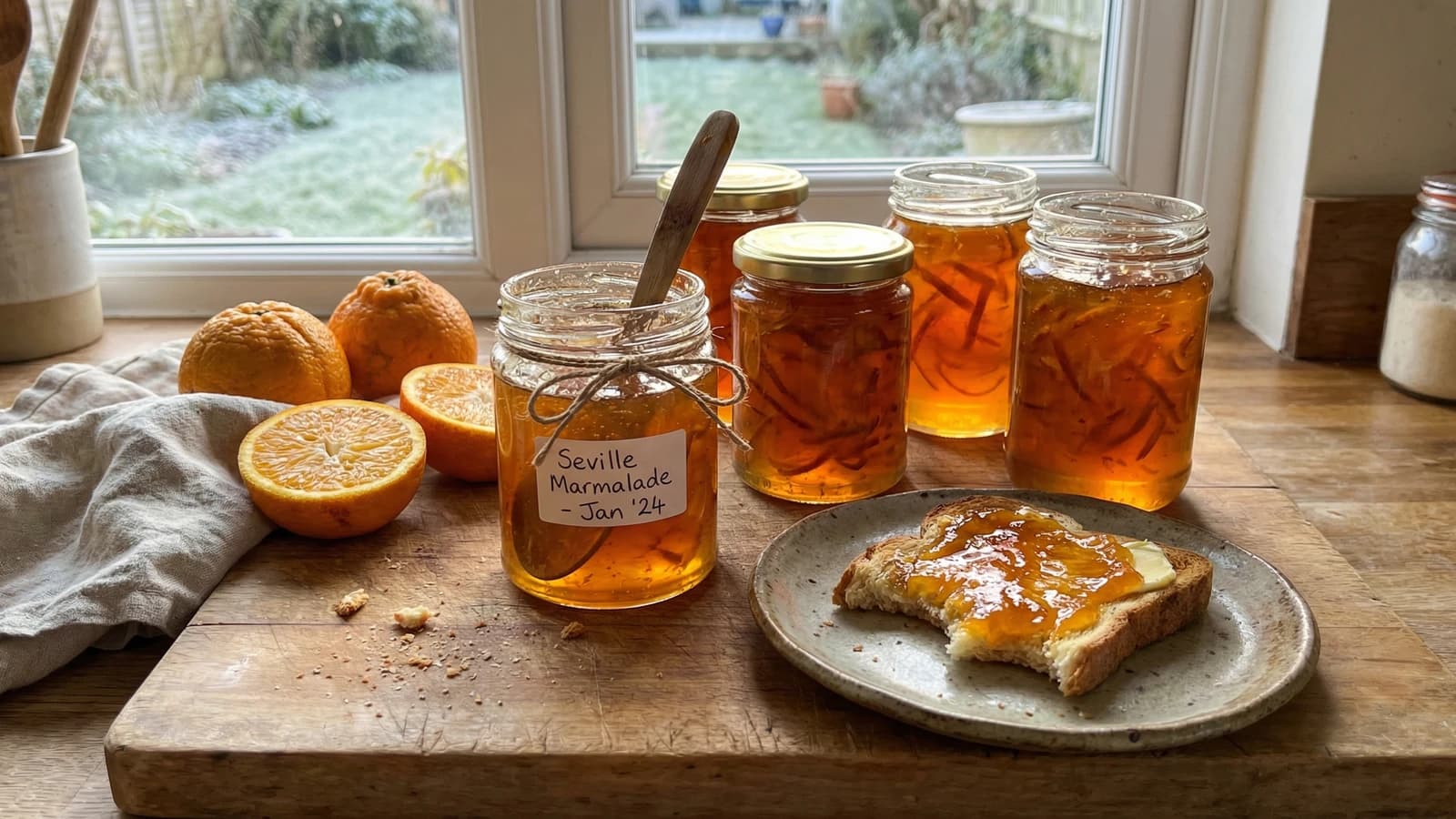
A small jar of lemon curd made the slow way, butter and sugar and eggs and lemons stirred patiently in a pan until it goes glossy and golden and tastes like a window opened in February.
Culinary guides, cultural storytelling, and the editorial depth that makes cooking meaningful.
Discover Culinary Explorer