Chef Jeong-sun
Hwangtae Yuksu (Dried Pollock Stock)
A pale, restorative Korean stock made from dried pollock, kelp, radish, and scallion, simmered gently until it tastes clean, savory, and ready to carry soup.

Recipe Archive
Sauces and condiments carry a surprising amount of technique. Find dressings, marinades, stocks, gravies, relishes, and finishing sauces with clear purpose.
710 recipes
A cooking platform built around craft, culture, and the stories behind what we eat.

Chef Jeong-sun
A pale, restorative Korean stock made from dried pollock, kelp, radish, and scallion, simmered gently until it tastes clean, savory, and ready to carry soup.

Chef Freja
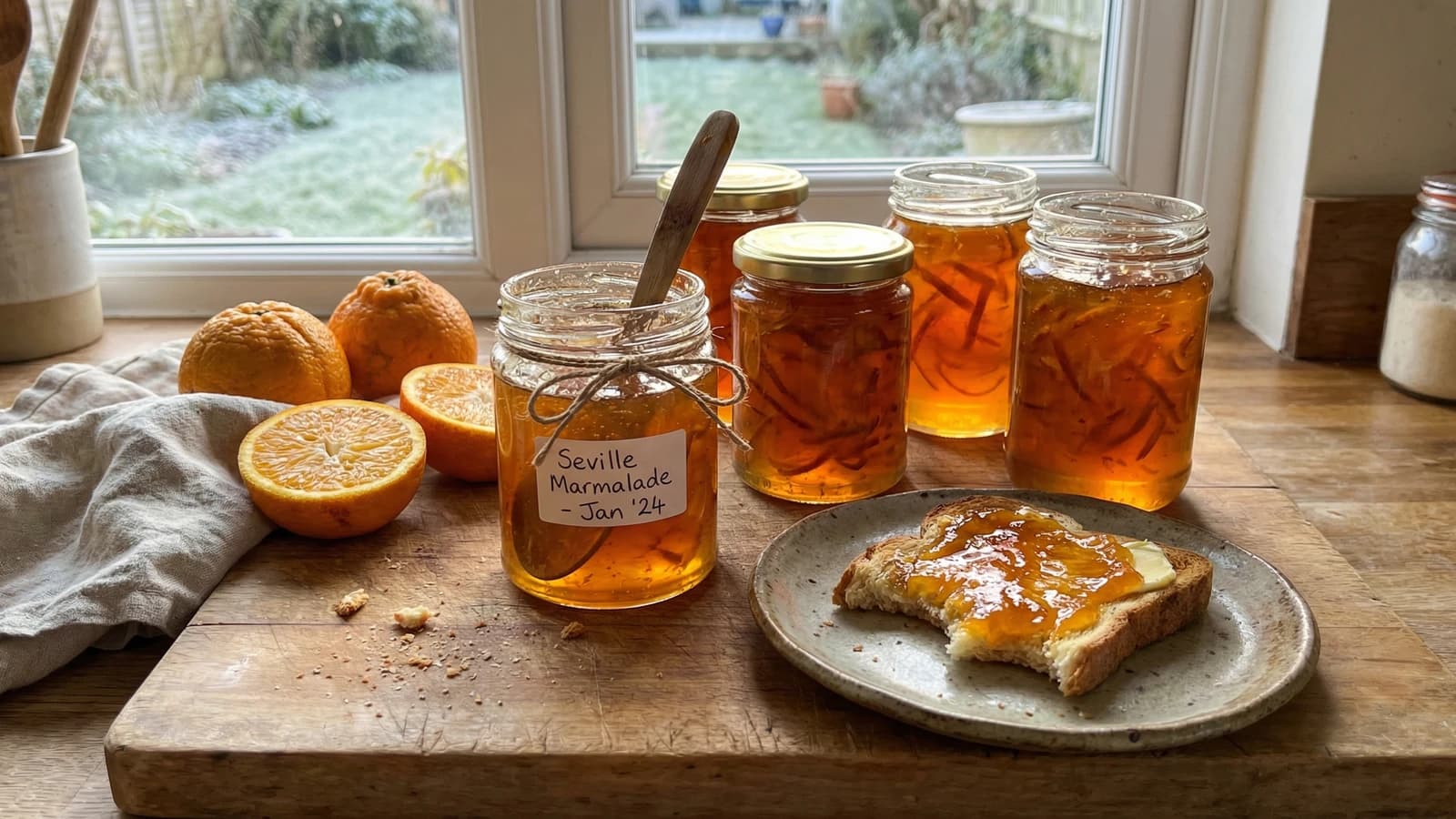
Beach rosehips halved and deseeded by hand, cooked slow with sugar and vanilla into a deep amber marmalade that tastes like the Danish coast in October. Spread it on buttered rugbrod with aged Vesterhavsost and understand why people walk the hedgerows every autumn.

Chef Takumi
First dashi is not a difficult stock. It is cold water, good konbu, fragrant katsuobushi, and the restraint to stop before clarity is lost.

Chef Makoa
Roasted kukui nut pounded soft with paʻakai ʻalaea, the salty, oily Hawaiian relish that makes poke taste like home and carries the old hand into a weeknight kitchen.

Chef Fai
Every grilled dish in Isan answers to this dip. Roasted dried chilies, nam pla, manao, khao khua, and shallots: the four pillars in a condiment that's structural, not optional.

Chef Ally
A vibrant, bracing sauce of hand-chopped parsley, capers, and anchovy bound with good olive oil. The kind of preparation that proves perfect ingredients need almost nothing done to them.

Chef Klaus
A Franconian mushroom sauce lives or dies in the first ten minutes: brown the mushrooms hard, then wine, stock, tomato, Speck, and cream can do their proper work.

Chef Fai
Roasted dried chilies and galangal pounded to a rough paste, folded with shredded pork skin and palm sugar until it becomes something sweet, smoky, and chewy that belongs on every khantoke tray in Chiang Mai.

Chef Dean
A blazing, aromatic paste of scotch bonnet peppers, allspice berries, and fresh thyme that carries the soul of Jamaica. This is the marinade that turns ordinary chicken into something worth fighting over at the grill.

Chef Jeong-sun
An amber winter water kimchi for the holiday table, napa cabbage and radish softened in soy brine, pear, honey, ginger, and clean cold fermentation until it sits quietly beside tteokguk.

Chef Takumi
Neri karashi is only mustard powder, warm water, and a short rest. The whole character of it lives in that rest, when the heat wakes up.

Chef Lupita
Veracruz's Gulf-side adobo, built from toasted guajillo, ancho, chipotle, vinagre de manzana, garlic, and dried herbs for the chicken and pork that feed a Jarocho table.

Chef Jeong-sun
A pale, briny winter cabbage kimchi from the old court table, built on croaker and shrimp jeotgal so the cabbage stays clean, sweet, and deeply seasoned.

Chef Jeong-sun
Spring clams preserved with enough salt to keep them clean and soft, then dressed only when served with gochugaru, scallion, garlic, and sesame so the shellfish still tastes of the tide.

Chef Joost
The name sounds older than it is: Joppie was a nickname in a Twente snack bar, and the sauce became the yellow promise that fries, frikandel, and football nights understand perfectly.

Chef Freja
Danish strawberry jam made with midsummer berries, a vanilla pod, and a brief boil. The taste of June sealed in a jar for every dark morning that follows.

Chef Joost
The Dutch plate waits for jus: a thin, intense pan gravy, more meat memory than sauce, poured into the kuiltje, the little well, of stamppot.

Chef Takumi
The eel glaze is only soy, mirin, sake, and sugar, but timing decides it. Reduce it gently, brush it late, and the fish wears a dark lacquer, not a burnt coat.

Chef Takumi
Kaeshi is not a sauce yet. It is the dark, patient base: shōyu, mirin, and sugar warmed gently, then rested until it is ready to meet dashi.

Chef Dimitra
Kalamata's little eggplants are slit, filled with garlic and celery, tied closed, and left under vinegar brine until they turn firm, sour, and ready for the meze plate.

Chef Dean
The thick, glossy, sweet-tangy sauce that put Kansas City on the barbecue map. One batch transforms ribs, brisket, pulled pork, and anything else you dare to brush it on.

Chef Klaus
The pale sauce that makes Königsberger Klopse worth cooking: butter and flour kept blonde, broth from the pot, then capers and lemon stirred in last so the edge stays bright.

Chef Klaus
North Hesse answers Frankfurt with coarse herbs, dill, and lemon balm, folded cold into Schmand so the sauce stays bright, thick, and ready for eggs, potatoes, or cold meat.

Chef Takumi
Sake lees look stubborn at first, then soften into one of the most generous beds in the Japanese kitchen: fragrant, pale, gently sweet, and patient enough to season while you do nothing.
Culinary guides, cultural storytelling, and the editorial depth that makes cooking meaningful.
Discover Culinary Explorer