
Chef Lupita
Té de Chiltepín Sonorense
Sonora's wild bird-pepper tea, brewed from cracked chiltepín, canela, and piloncillo. The desert's folk remedy for a cold, a fever, or a chest that will not clear.

Recipe Archive
Beverages include bright refreshers, hot drinks, smoothies, cocktails, and alcohol-free options where balance and garnish matter as much as the base.
602 recipes
A cooking platform built around craft, culture, and the stories behind what we eat.
Chef Lupita
Sonora's wild bird-pepper tea, brewed from cracked chiltepín, canela, and piloncillo. The desert's folk remedy for a cold, a fever, or a chest that will not clear.

Chef Lupita
Baja California Sur's wild-harvested damiana infusion, steeped with canela and miel de mezquite. The herbal tea the Guaycura were drinking centuries before anyone bottled it into a liqueur.

Chef Lupita
Sonora's desert tea brewed from the leaves of the creosote bush, the plant the Yaqui and Mayo curanderos have used for kidney and urinary trouble for generations. Bitter, resinous, and not gentle.

Chef Lupita
Oaxaca's quiet after-meal infusion, hoja santa leaf steeped with toasted canela and piloncillo into an anise-scented digestive that settles a heavy comida.

Chef Lupita
Yucatán's hibiscus tea, steeped hot with canela, cloves, and the Peninsula's own pimienta gorda. Drunk warm when the cool wind blows in from the Gulf, iced when the sun returns.

Chef Lupita
Morelos's patio remedy of bruised zacate de limón, boiled until the oils open, sweetened lightly if needed, and poured hot into clay jarritos for the stomach.

Chef Lupita
Valle de México manzanilla tea is the small pot every abuela knows: dried chamomile, a piece of canela, hot water, and patience. No chile. No drama. Just the kitchen remedy.

Chef Lupita
Oaxaca's wild mint, steeped hot for the morning after, chilled with lime for the afternoon under the jacarandas. The herb that ends every calenda and starts every recovery.

Chef Lupita
Jalisco's street-corner tejuino, made from lightly fermented nixtamalized corn and piloncillo, served cold with lime, sea salt, and a scoop of nieve de limon.

Chef Lupita
Sinaloa's cold fermented corn-masa drink, sweetened with piloncillo, sharpened with lime and sea salt, and crowned with a scoop of lime nieve that melts down into the glass as you drink it.

Chef Lupita
Guanajuato's Bajío tepache is pineapple rind, piloncillo, canela, and patience, a light ferment poured cold outside the mercado when the afternoon heat starts leaning on everyone.

Chef Lupita
Ciudad de México's market tepache, made from pineapple rinds, piloncillo, canela, and clove, ferments for two days into a cold, lightly fizzy drink that teaches economy better than any lecture.
Chef Lupita
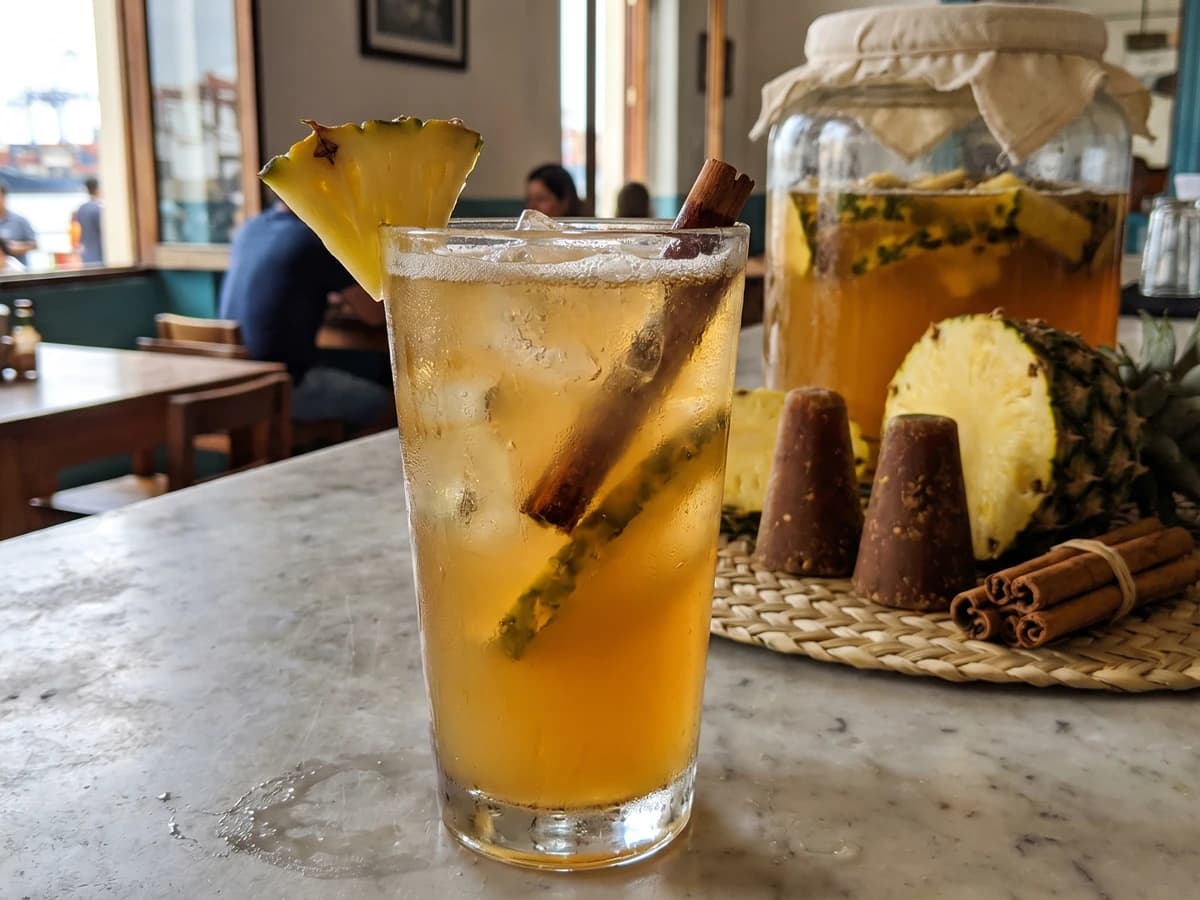
Veracruz's jarocho refresco, built from the pineapple rinds most kitchens throw away. Piña, piloncillo, and canela left under a cloth for three days until the wild yeast turns them fizzy and sweet-sour. Served cold over ice at the afromestizo table.

Chef Lupita
Northern Mexico's lightly fermented pineapple drink, built on ripe rinds, piloncillo, canela, and clove, left to wake up in a clay olla for three days. Sweet, tangy, and cut with a cold lager in the Sonoran heat.

Chef Lupita
Oaxaca's two-day fermented agua of pineapple rind, piloncillo, canela, and clove. Fizzy, low-alcohol, and made from the part of the fruit you would have thrown away.
Chef Juliana
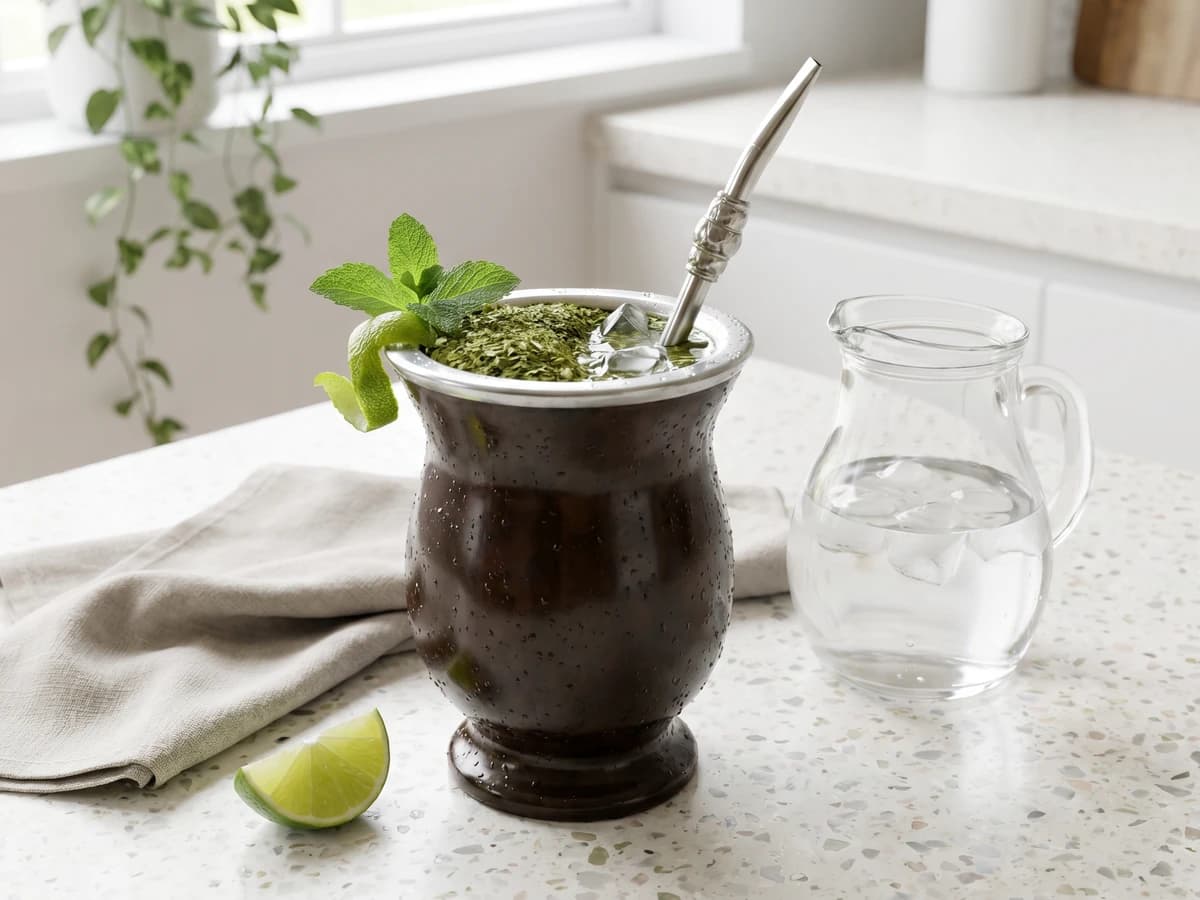
You don't need special courage for tereré. You need cold water, good erva-mate, and the patience to pour gently so the bomba doesn't clog.

Chef Dean
The iconic street drink of Bangkok rendered faithfully in your kitchen: aggressively steeped spiced tea meets sweet condensed milk, poured over a mountain of ice until the glass beads with condensation and the whole thing glows like a Thai sunset.

Chef Remy
New Orleans in a glass: bold rye whiskey softened by sugar, awakened by Peychaud's bitters, and perfumed with the ghost of absinthe, the cocktail that started it all and still reigns supreme on Bourbon Street.

Chef Dimitra
Thessaloniki's café glass is instant coffee, sugar, and cold water beaten until the foam stands high, then poured over ice with or without milk. Nothing more.

Chef Lupita
Yucatán's after-dinner mint infusion, fresh yerbabuena bruised and steeped in hot water with a strip of lima agria, sweetened with miel de melipona from the Peninsula's native stingless bees.

Chef Lupita
Colima's coastal version of the creamy torito, thick with chilled milks, roasted peanut or strong coffee, and cane aguardiente, served frappe before a serious seafood table.
Chef Lupita
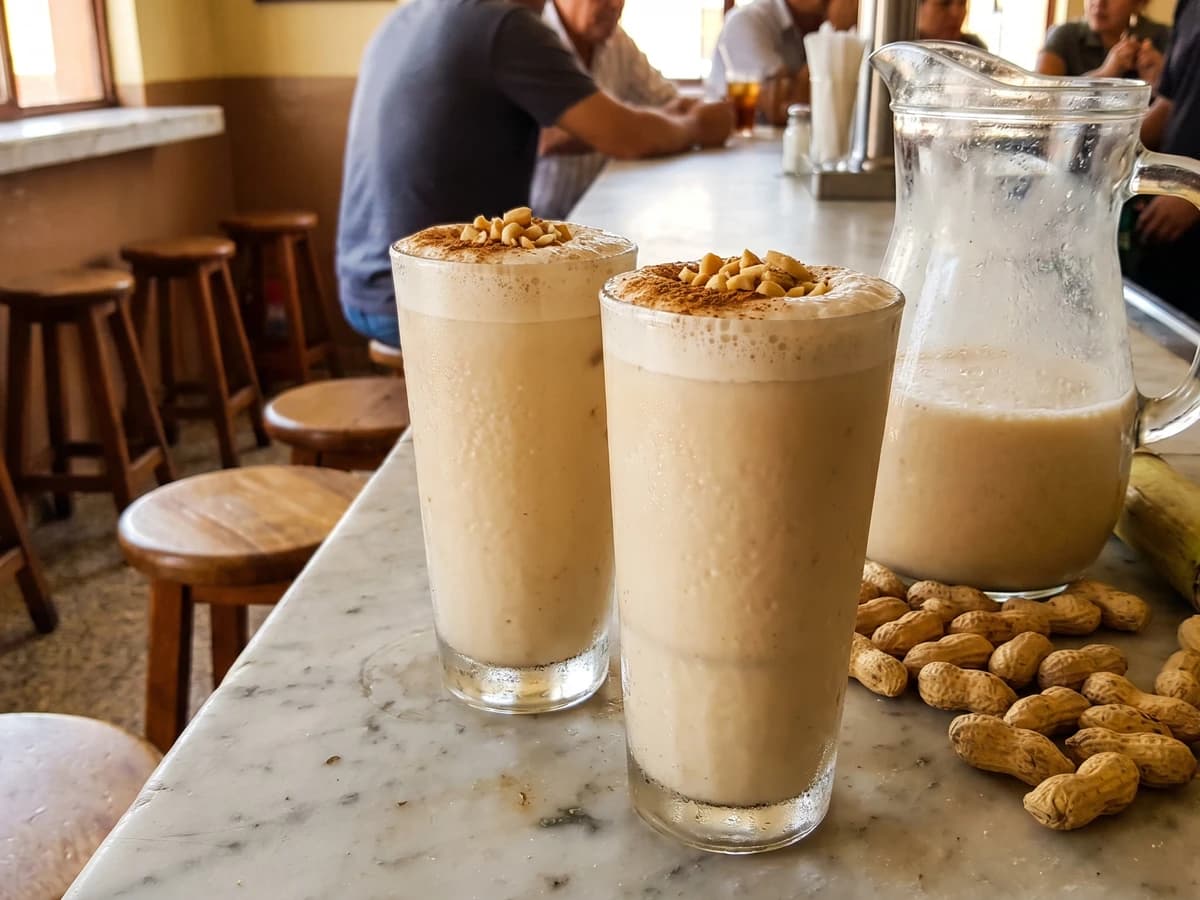
From the cantinas of Boca del Río, where the river meets the Gulf: sugarcane spirit, sweet condensed milk, and toasted ground peanut whipped ice-cold and frothy. The Sotavento's son jarocho poured into a tall frosted glass.
Chef Lupita
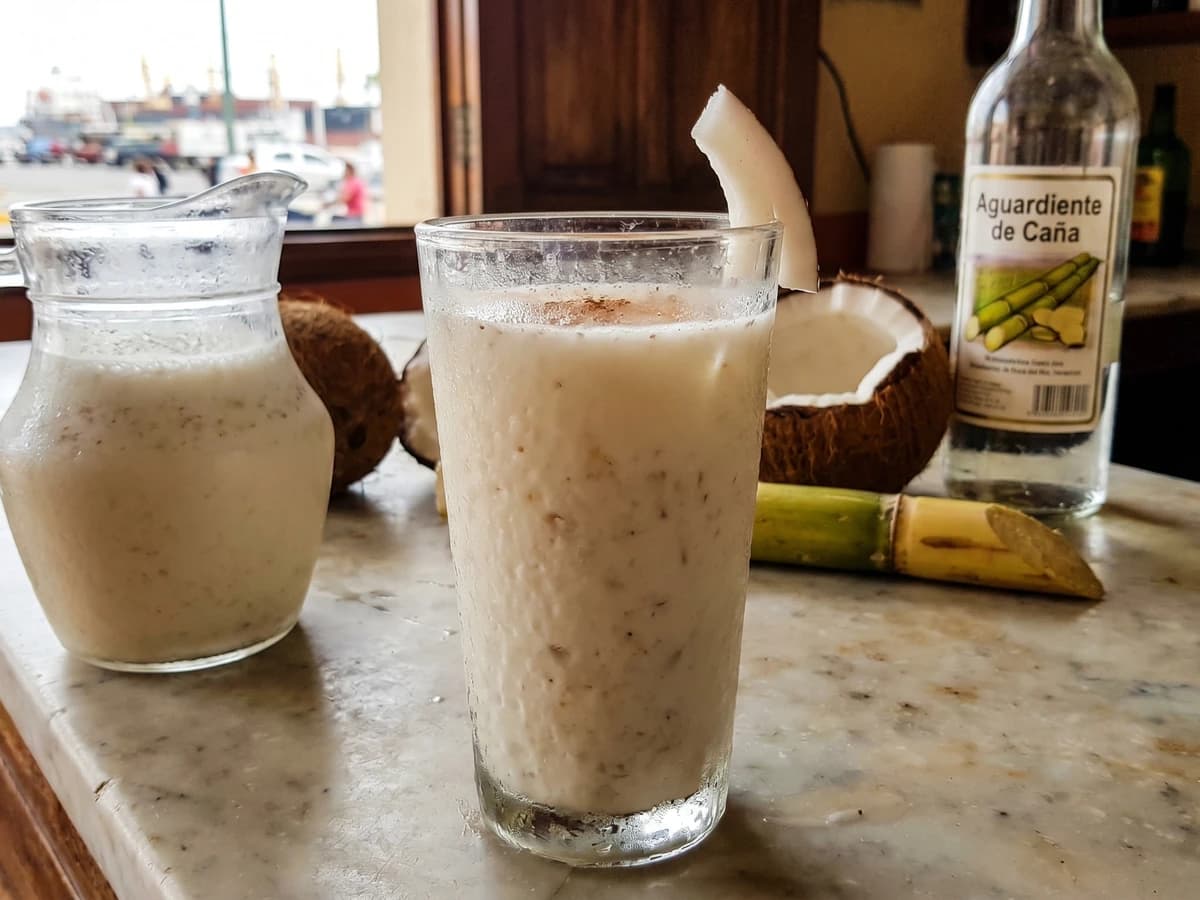
Boca del Río's creamy coconut drink, where fresh coconut and condensed milk ride on a backbone of cane spirit. The jarras come out cold at every fandango in the Sotavento, and the aguardiente is the spine, not the afterthought.
Chef Lupita
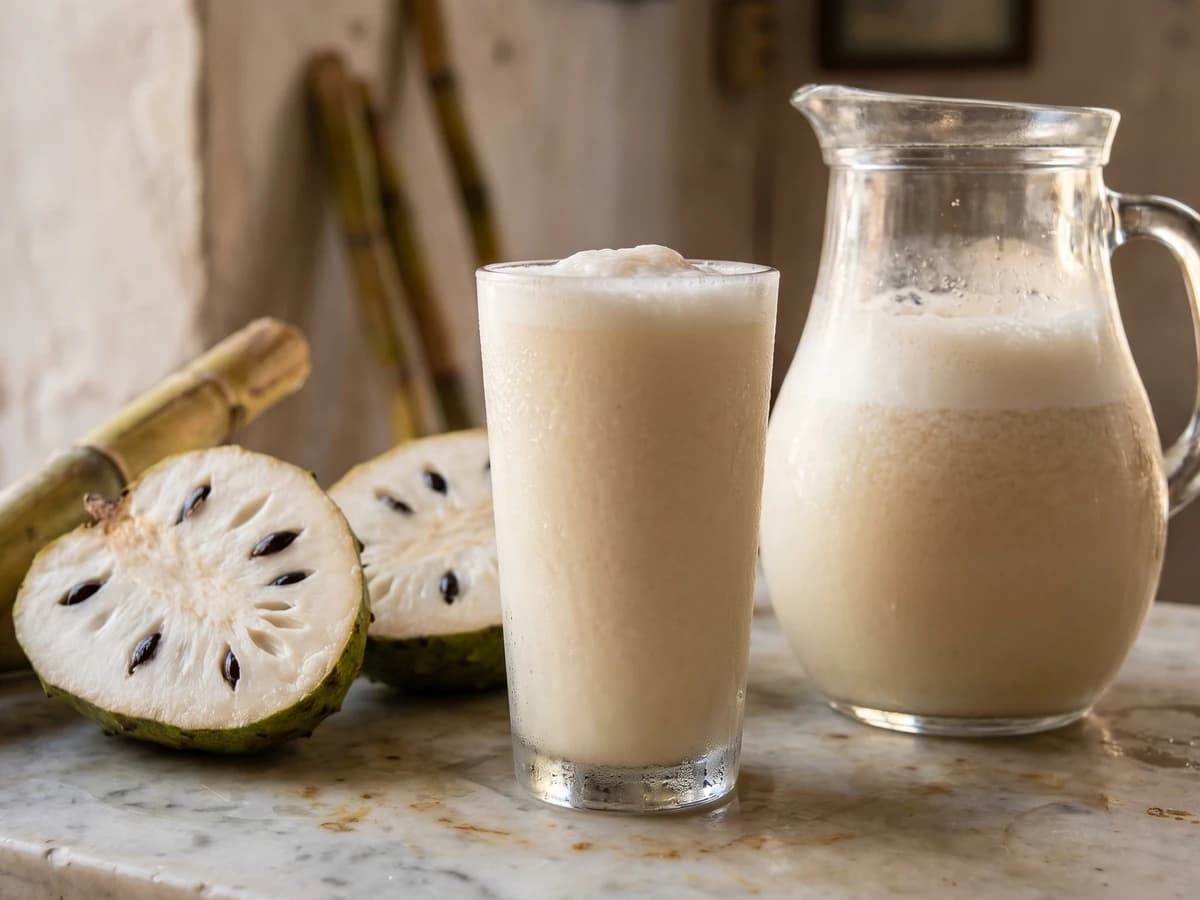
Veracruz's jarocho cooler from the cantinas of Boca del Río: ripe soursop blended with aguardiente de caña, sweetened condensed milk, and evaporated milk into a creamy, tropical pour served ice cold in a frosted glass.
Culinary guides, cultural storytelling, and the editorial depth that makes cooking meaningful.
Discover Culinary Explorer