
Chef Lupita
Lengua en Encacahuatado Jarocho
Veracruz beef tongue simmered tender and napped in a glossy sauce of ground peanut, guajillo, and tomato. This is encacahuatado the jarocho way: the cooking of the Sotavento, of la tercera raíz.

Updated June 1, 2026
The plated flagships of the Afro-Mexican corridors. Tamales de tichinda from Costa Chica Oaxaca, pescado a la talla from Guerrero coast, pollo encacahuatado jarocho, plátanos rellenos plated as the home plate, frijoles negros con plátano frito as the diasporic vegetarian main. Each plate carries the diasporic synthesis: lagoon mussel wrapped in masa, coconut wood under butterflied fish, peanut ground into chile sauce, plantain sweetening and thickening the table.
A cooking platform built around craft, culture, and the stories behind what we eat.
Chef Lupita
Veracruz beef tongue simmered tender and napped in a glossy sauce of ground peanut, guajillo, and tomato. This is encacahuatado the jarocho way: the cooking of the Sotavento, of la tercera raíz.

Chef Lupita
The Costa Chica's beef braised in a fierce paste of chile costeño, guajillo, and pasilla oaxaqueño with two whole heads of charred garlic. The chileajo of the Afro-Mexican coast, foundational and unapologetic.
Chef Lupita
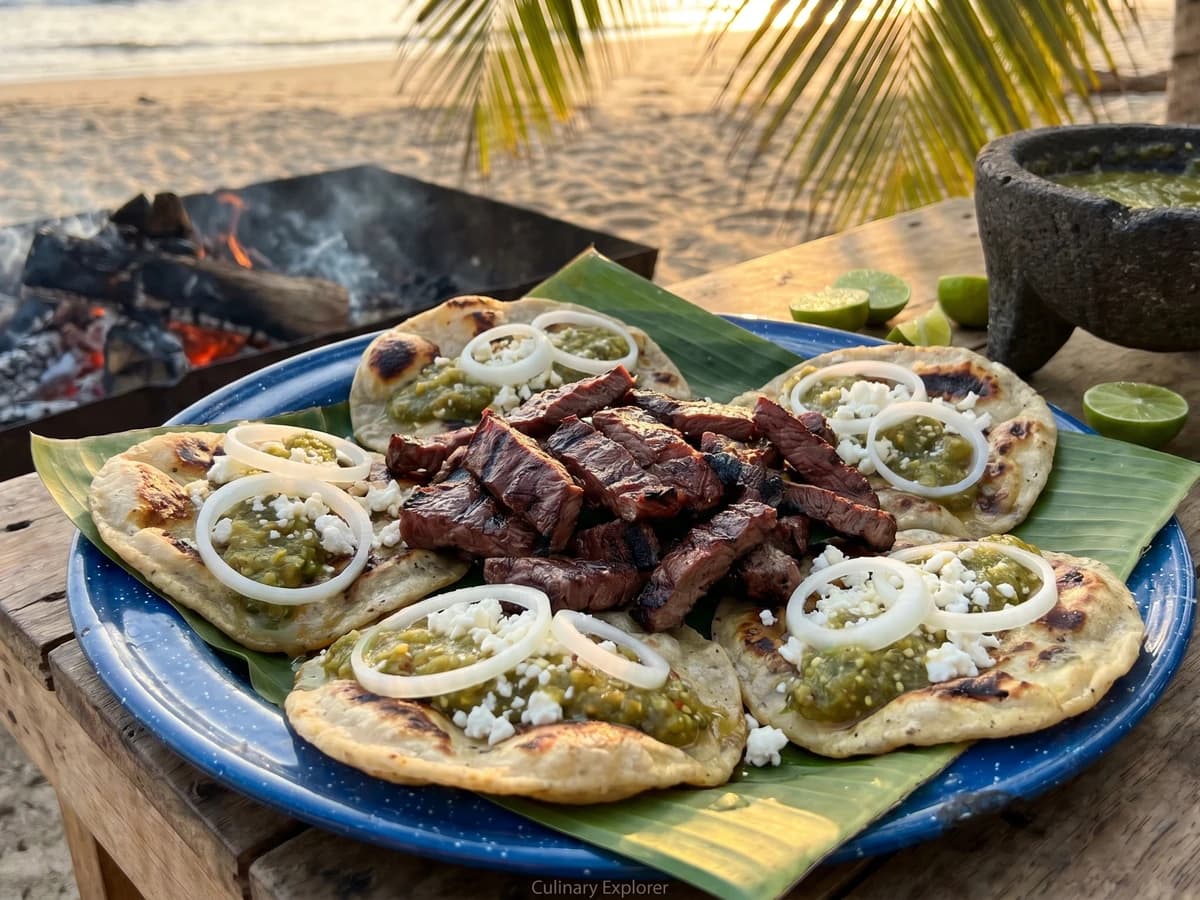
The Costa Chica's salt-cured, air-dried beef, grilled over coconut-wood coals and folded into hot memelas with salsa verde and lime. The Afro-Mexican weekend ritual of Cuajinicuilapa, where the sea breeze does half the cooking.

Chef Lupita
From the Sotavento coast of Veracruz, ripe plátano macho pounded into a sweet dough, wrapped around a sweet-savory beef picadillo of raisins, almonds, olives, and capers, then fried in lard until the shell turns deep gold.
Chef Lupita
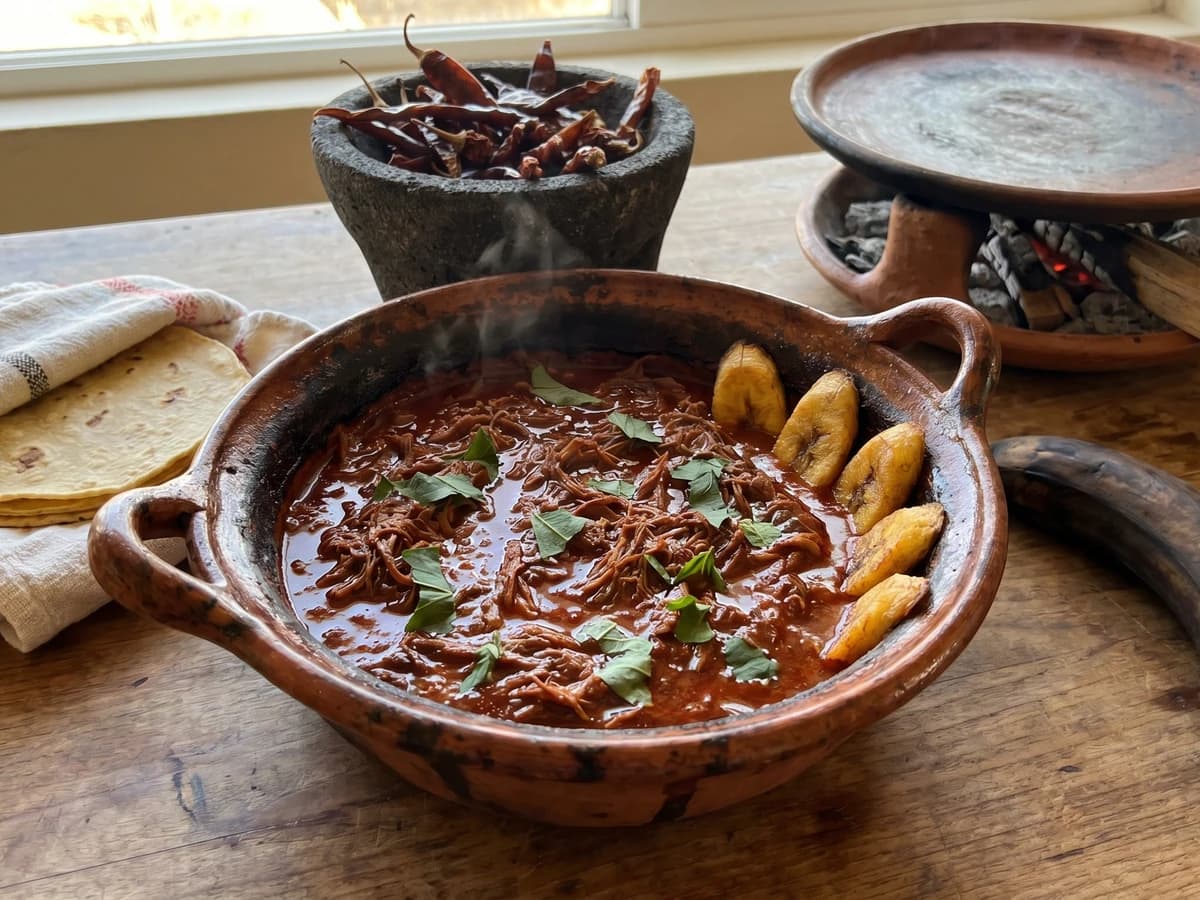
Guerrero's Costa Chica cooks dry their cattle into cecina, pound it to fibers on a stone, and stew it slow in chile costeño and epazote. The Afro-Mexican noon meal, built on lard, no eggs in this one.

Chef Lupita
Guerrero's Costa Chica builds chilate from chile costeño, guajillo, and pasilla oaxaqueño, thickened with corn masa and ladled over poached chicken. The savory plate of Cuajinicuilapa's Afro-Mexican kitchens, the third root cooking Mexico only began to count in 2020.

Chef Lupita
From the Costa Chica, the Afro-Mexican coast of Guerrero and Oaxaca, a brick-red mole built on chile costeño, toasted sesame, almond, and fried plátano macho, ladled over chicken the way the women of Cuajinicuilapa have always made it.

Chef Lupita
Jarocho Veracruz's encacahuatado: chicken drowned in a glossy sauce of toasted ground peanut, ripe tomato, and chile guajillo, fried down in pork lard. The third root of Mexican cooking, on the plate where it belongs.
Chef Lupita
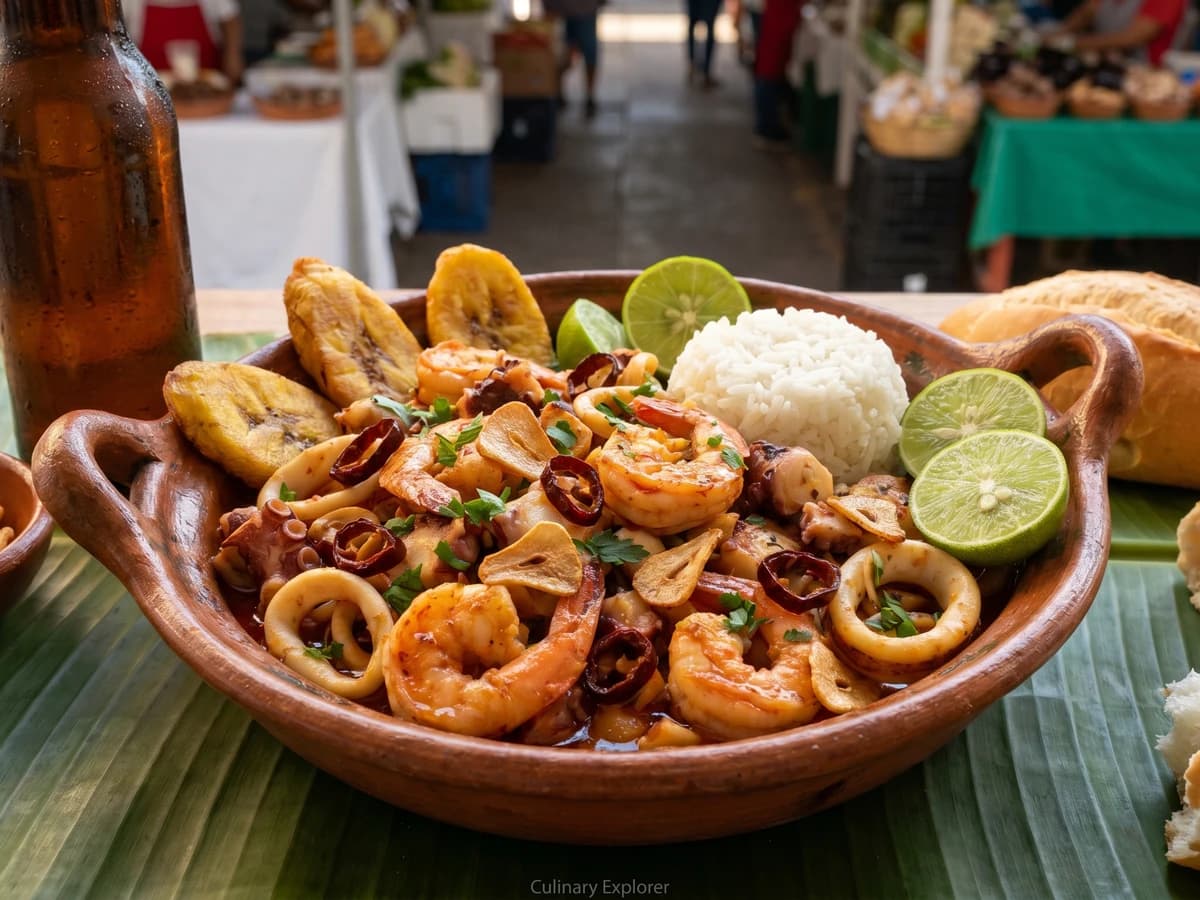
Shrimp, octopus, and squid seared hard in pork lard with a fistful of sliced garlic and guajillo cut into rings. This is the seafood of the jarocho cantinas, where the Afro-Veracruz coast cooks the Gulf the way it always has.

Chef Lupita
From the mangrove lagoons of Oaxaca's Costa Chica, the Afro-Mexican tamale that wraps tiny tichinda mussels whole in their shells inside chile costeño masa, steamed in banana leaf until the briny liquor soaks the corn.

Chef Lupita
Guerrero and Oaxaca's Costa Chica opens a whole snapper like a book, paints it with an adobo of chile costeño, guajillo, and achiote, and grills it over coconut wood. The Afromestizo beach fire's centerpiece.

Chef Lupita
The everyday plate of the Costa Chica, the Afro-Mexican coast of Guerrero and Oaxaca: a whole lagoon mojarra fried until the skin cracks, fanned with caramelized plátano macho, white rice, and salsa de chile costeño.

Chef Lupita
The Costa Chica's Afro-Mexican tamal, where the masa is grated yuca instead of corn, the filling is a peanut-thickened salsa of chile costeño and pasilla oaxaqueño, and the banana leaf does half the cooking.

Chef Lupita
The Costa Chica's meatless home plate: ripe plátano macho boiled soft, mashed, and wrapped around salty queso costeño, then fried dark in manteca until the sugars caramelize. Sweet and salt in one bite, from Mexico's Afro-Pacific coast.
Chef Lupita
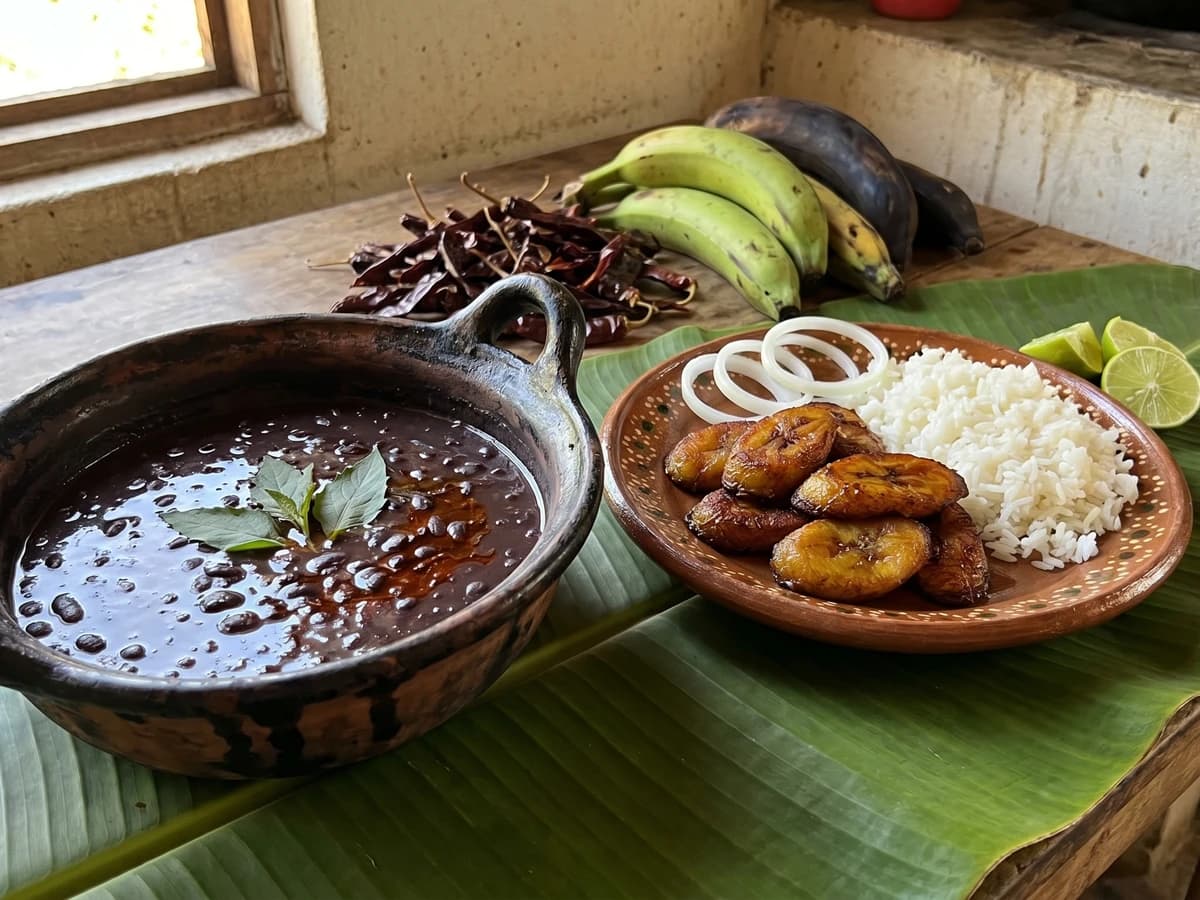
The everyday plate of the Costa Chica and jarocho Veracruz: black beans simmered with epazote and chile costeño in an olla de barro, served beside sweet fried plátano macho and white rice. The third root, on a plate.

Chef Lupita
From the Costa Chica de Oaxaca, where Mexico's Black communities have cooked for four centuries: grated cassava and queso fresco patties fried in pork lard, then bathed in a brick-red caldillo built on fruity chile costeño.
Culinary guides, cultural storytelling, and the editorial depth that makes cooking meaningful.
Discover Culinary ExplorerChef Lupita is a fictional culinary guide to Regional Mexican Cuisine, written with the assistance of AI.