Chef Juliette
Various Preparations of Celery
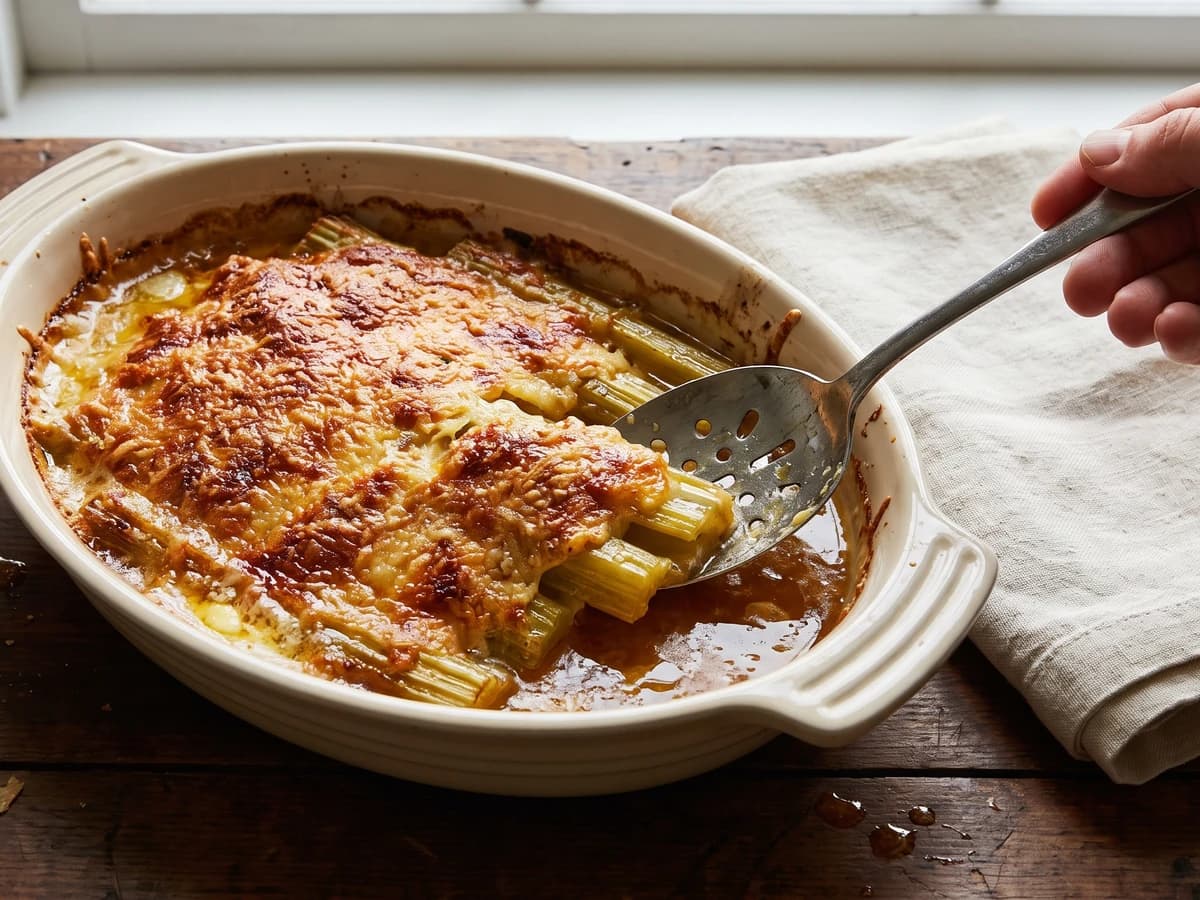
One gentle braise turns celery into six classical dishes: glossy with jus, bronzed under Parmesan or Mornay, crisped à la Milanaise, or dressed à l'Italienne or with Hollandaise.

Recipe Archive
Side dishes should earn their place at the table. These recipes focus on contrast, seasoning, and supporting flavors that make the whole meal better.
1006 recipes
A cooking platform built around craft, culture, and the stories behind what we eat.
Chef Juliette
One gentle braise turns celery into six classical dishes: glossy with jus, bronzed under Parmesan or Mornay, crisped à la Milanaise, or dressed à l'Italienne or with Hollandaise.
Chef Juliette
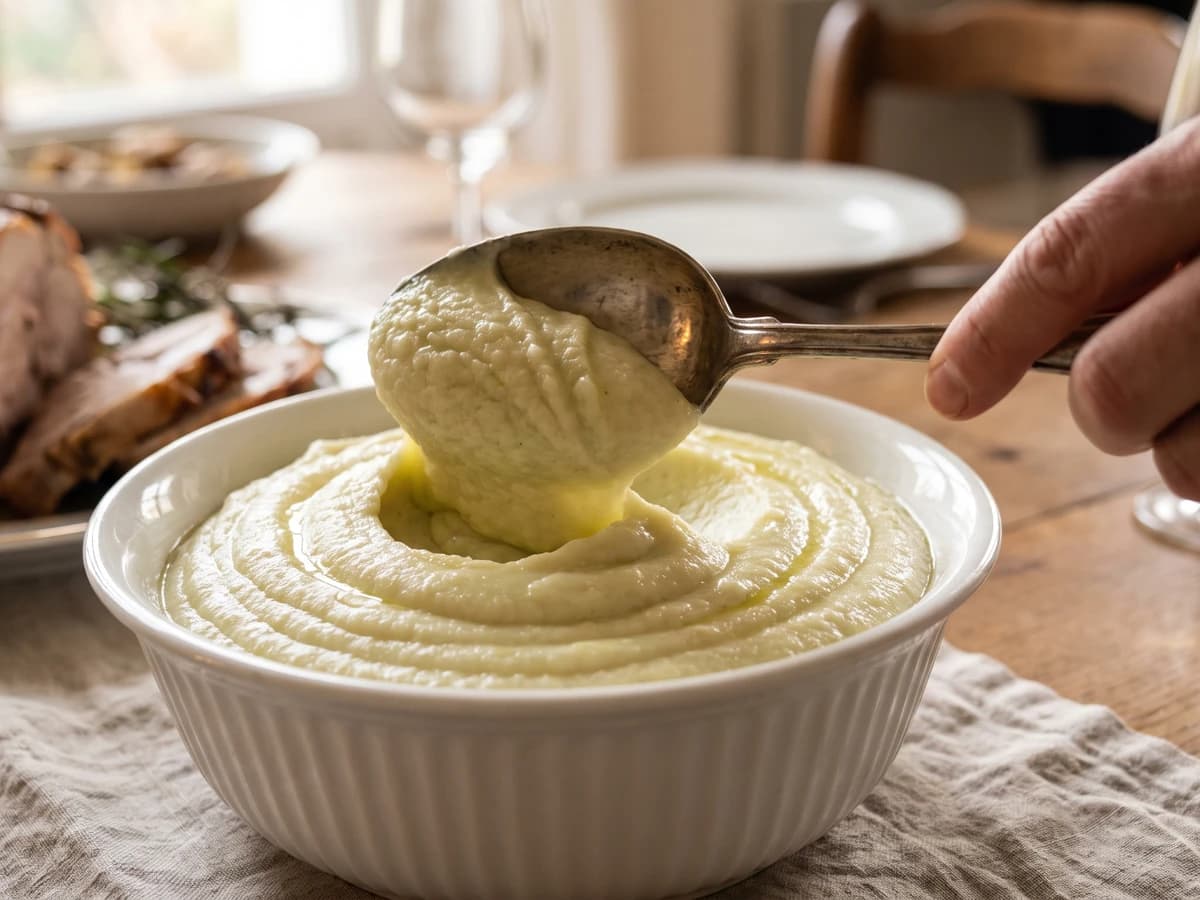
Celery cooked until yielding in rich consommé, sieved to silk, then given backbone with firm potato purée and finished with butter: a quiet classical side whose whole success rests on controlling water.
Chef Juliette
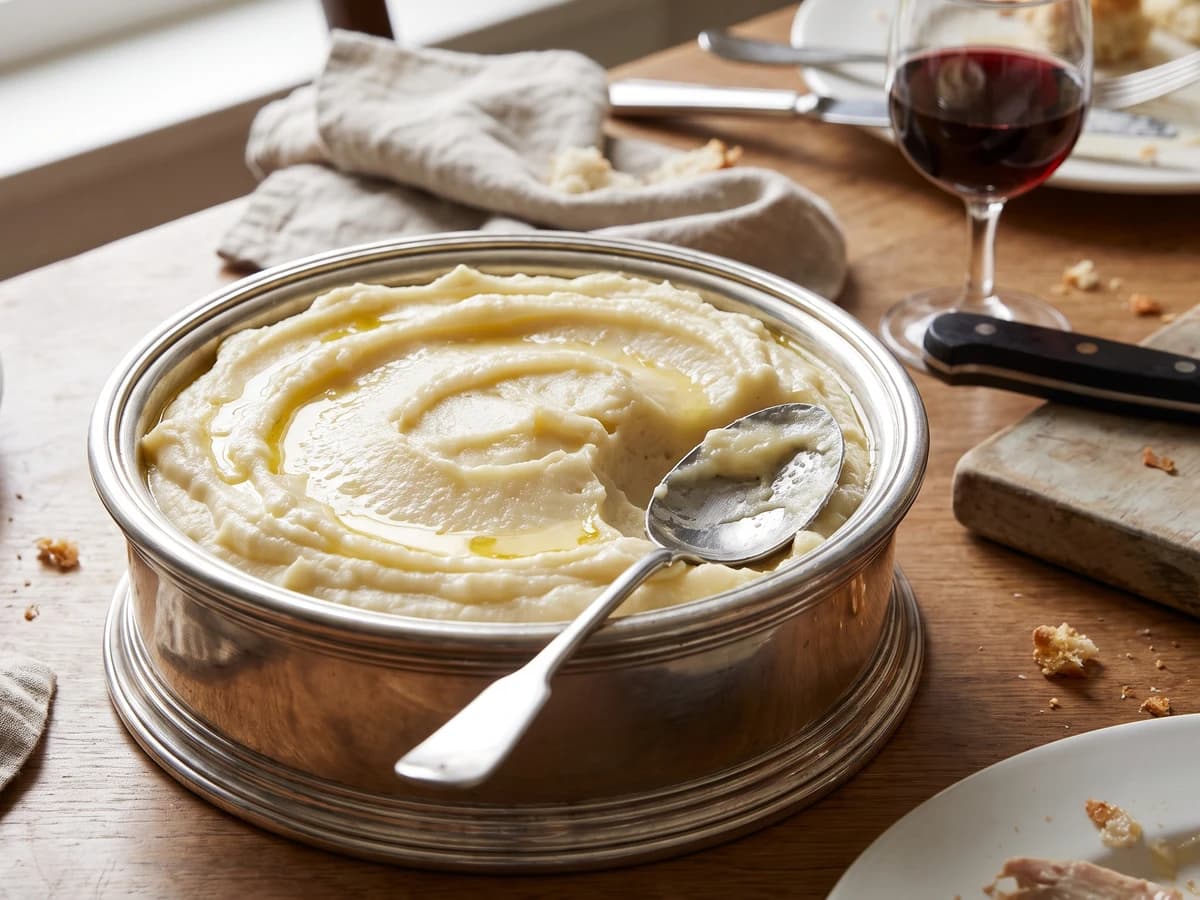
Purée de céleri-rave turns a knobbly root into silk by one decisive act: dry it fiercely before milk goes in, then finish with butter off the heat for a purée that holds a spoon and melts.
Chef Juliette
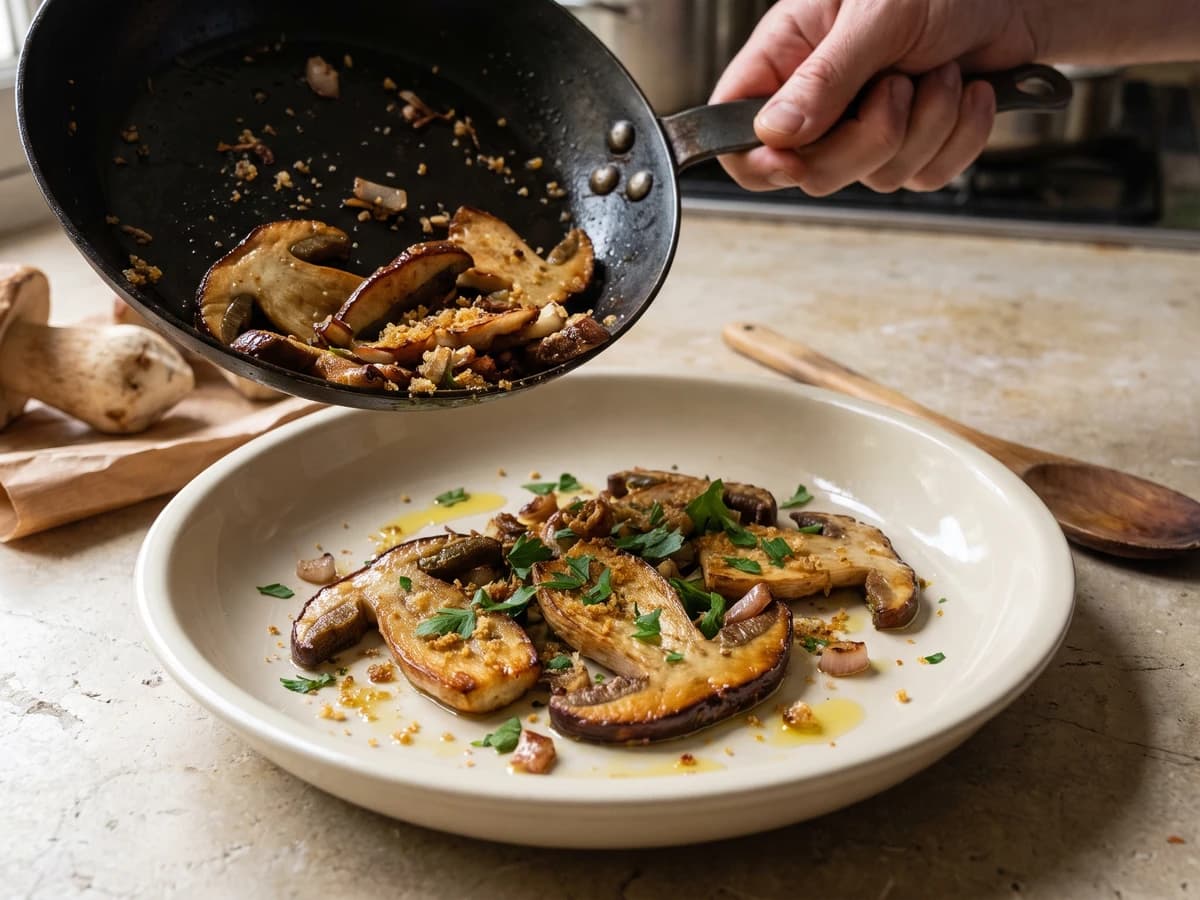
Cèpes à la Bordelaise turns fresh porcini bronze and frizzled in hot oil, then folds in chopped stalks, shallot, crumbs, lemon, and parsley, with every ounce of flavor protected by an uncrowded pan.
Chef Juliette
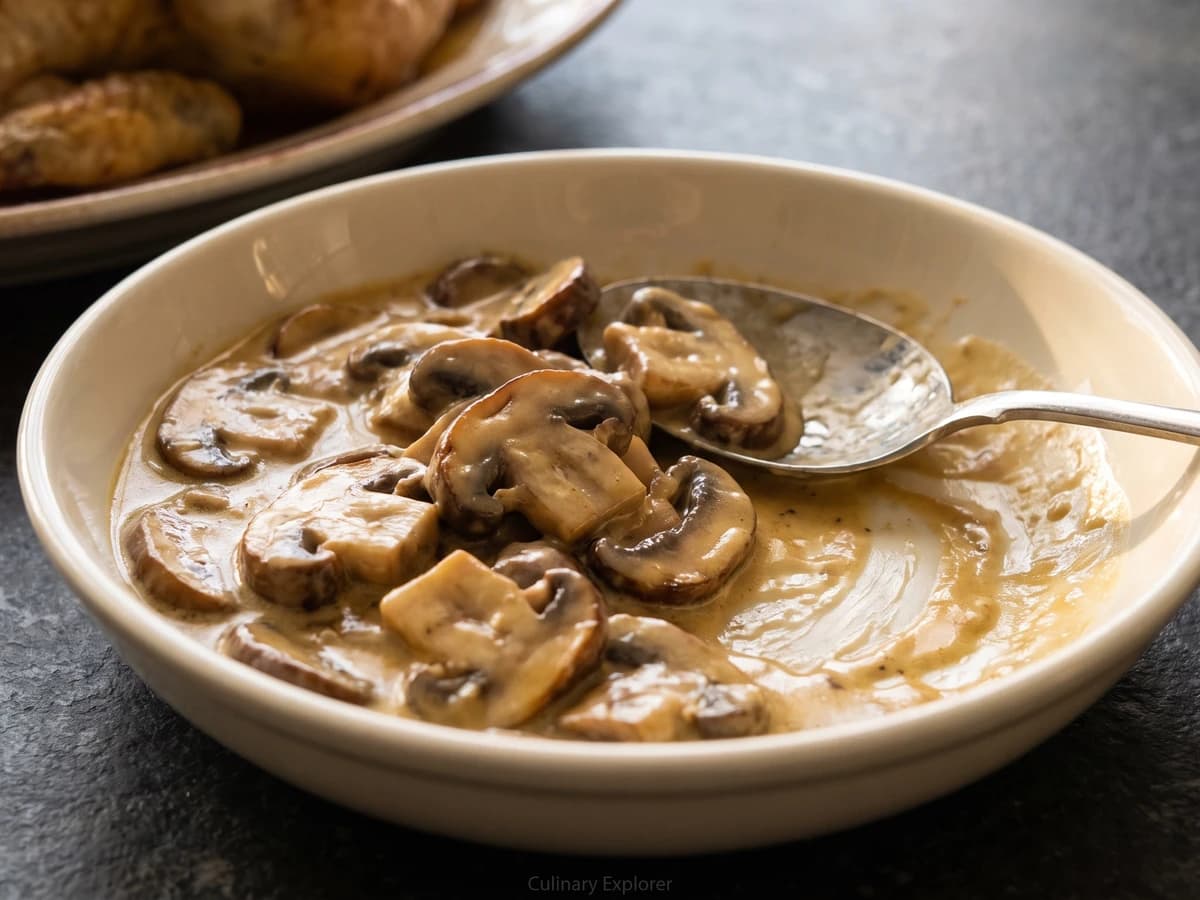
Cèpes cooked gently in butter, drained of every drop they release, then cloaked in cream reduced to a glaze: a quiet French lesson in keeping mushroom water out of the sauce.
Chef Juliette
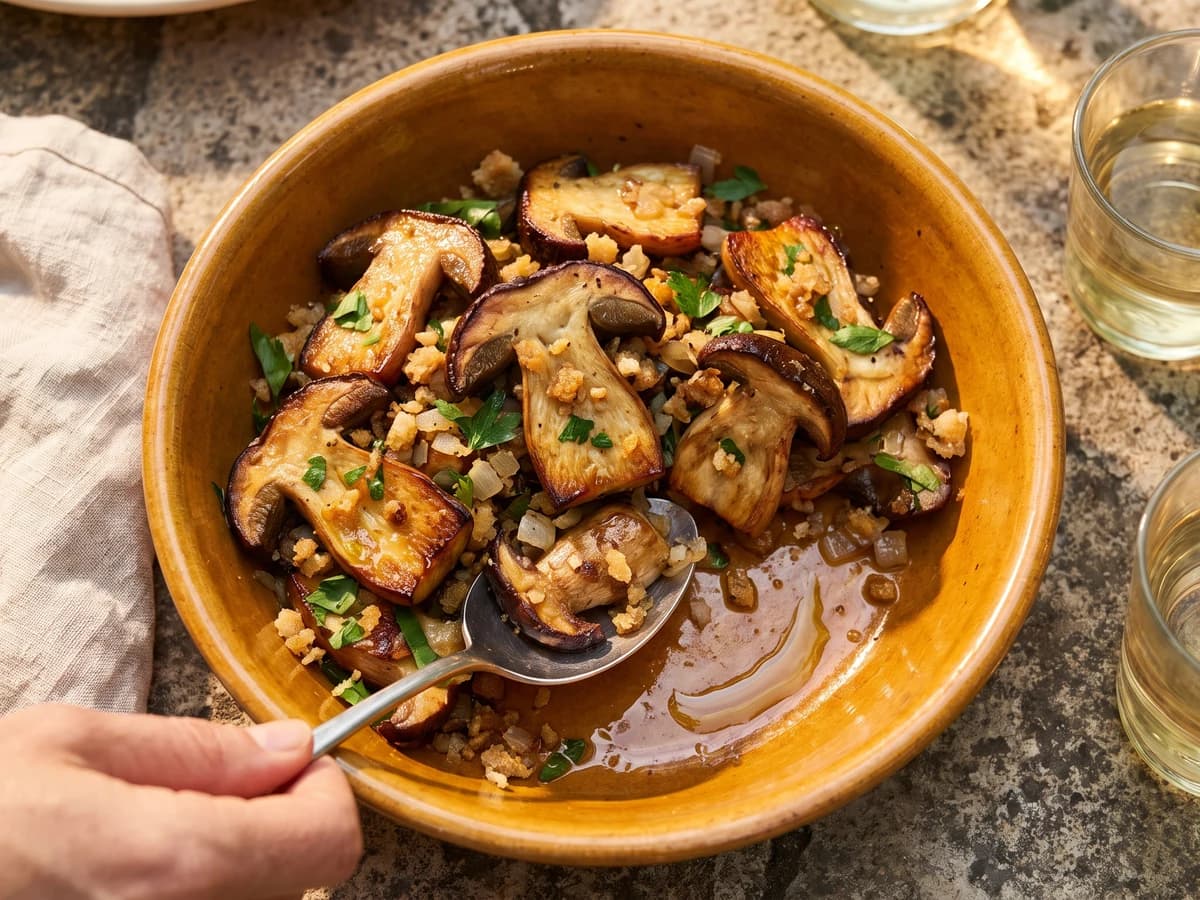
Cèpes à la Provençale turn fierce heat into flavor: bronzed mushrooms, sweet onion, a mite of garlic, and breadcrumbs that catch the oil, finished with lemon and parsley while every edge still has bite.
Chef Juliette
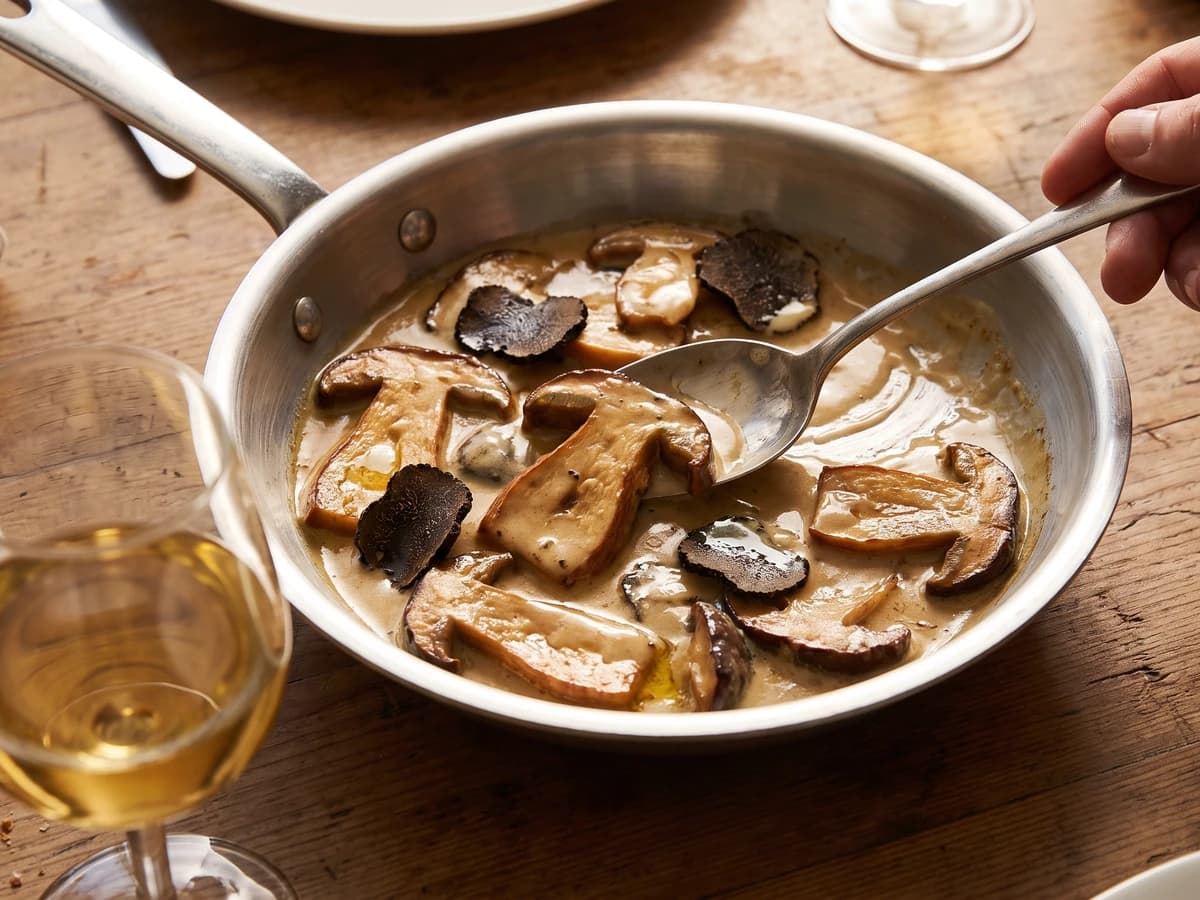
Cèpes and raw black truffle stew together in butter and cream, then pale meat glaze gives the sauce its final gleam. The truffle cooks from the beginning, because that shared perfume is the whole dish.
Chef Juliette
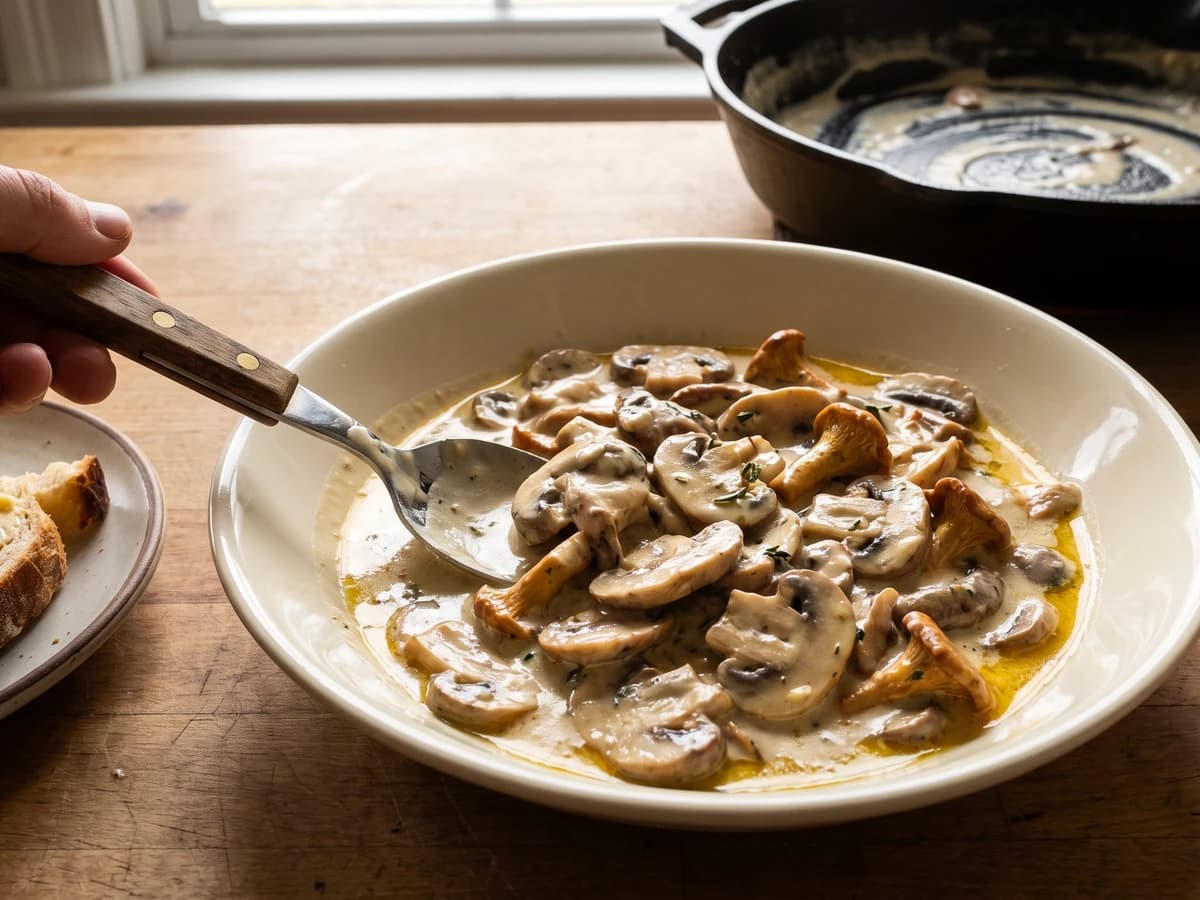
Cultivated mushrooms receive the cèpe treatment: butter, pale onion, and patient reduction, finished with light cream so the sauce clings in a glossy coat without burying the mushroom.
Chef Juliette
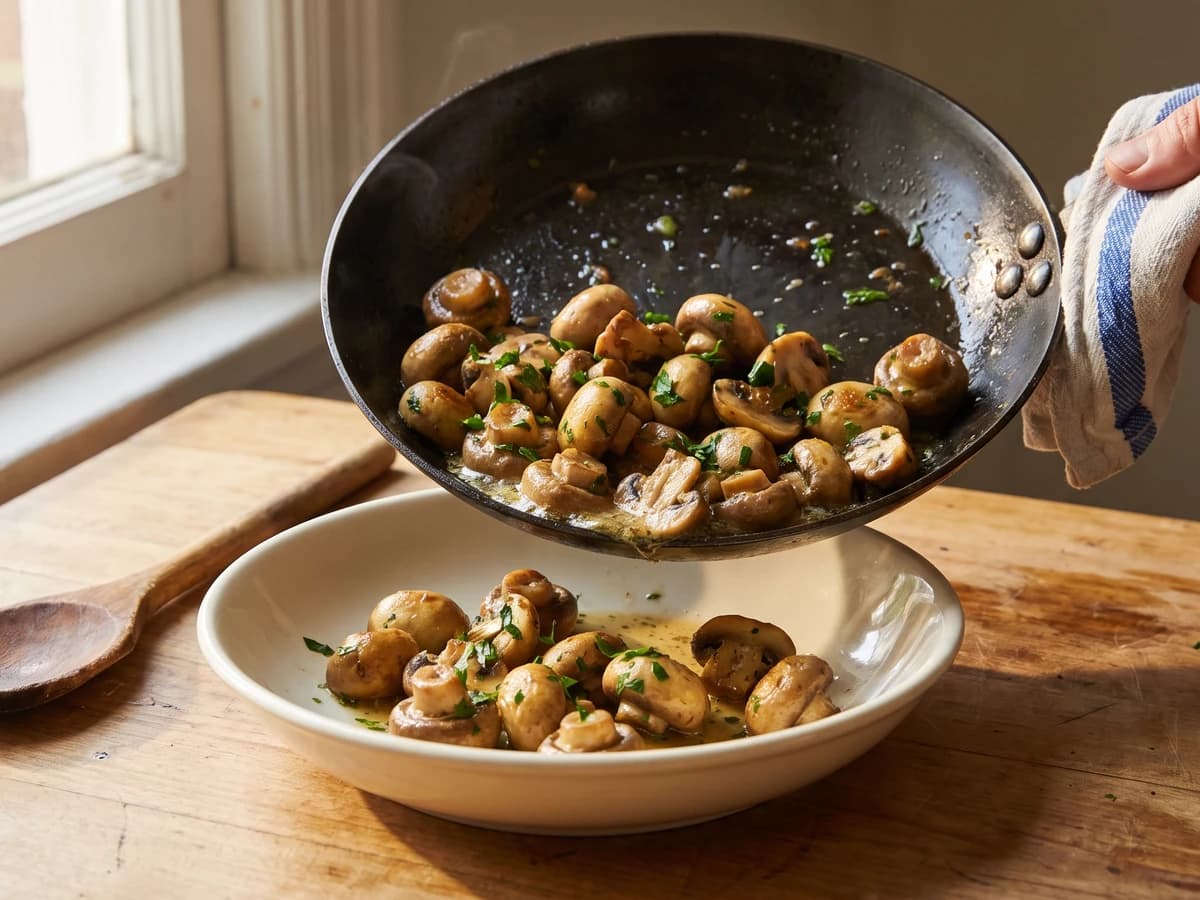
Dry mushrooms, a broad hot pan, and real butter: champignons sautés turn bronze instead of grey, then take parsley at the last second. This quick side teaches the first law of sautéing.
Chef Juliette
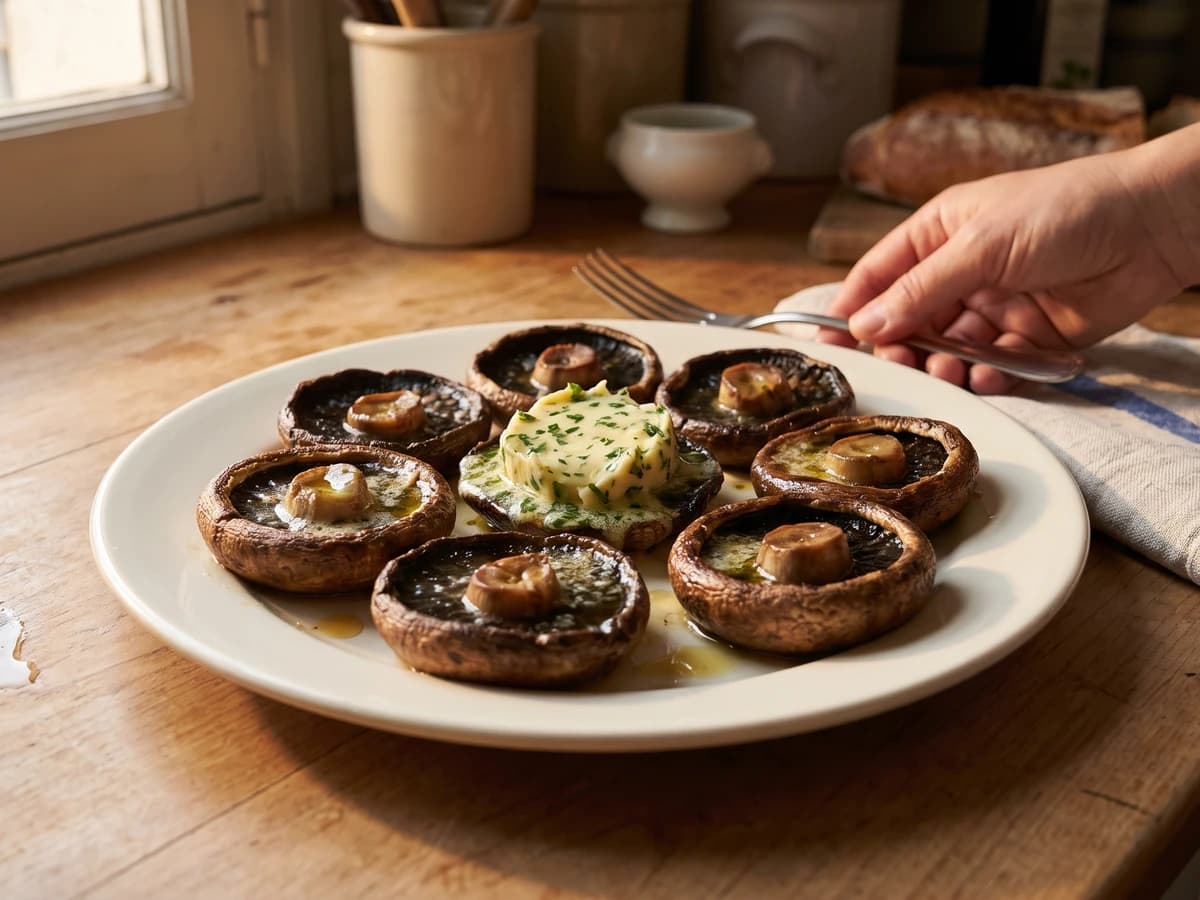
Eight bronzed mushroom caps, grilled gently so they stay tender, circle a mound of lemon-parsley maître d'hôtel butter: a quick side that proves heat control matters more than complication.
Chef Juliette
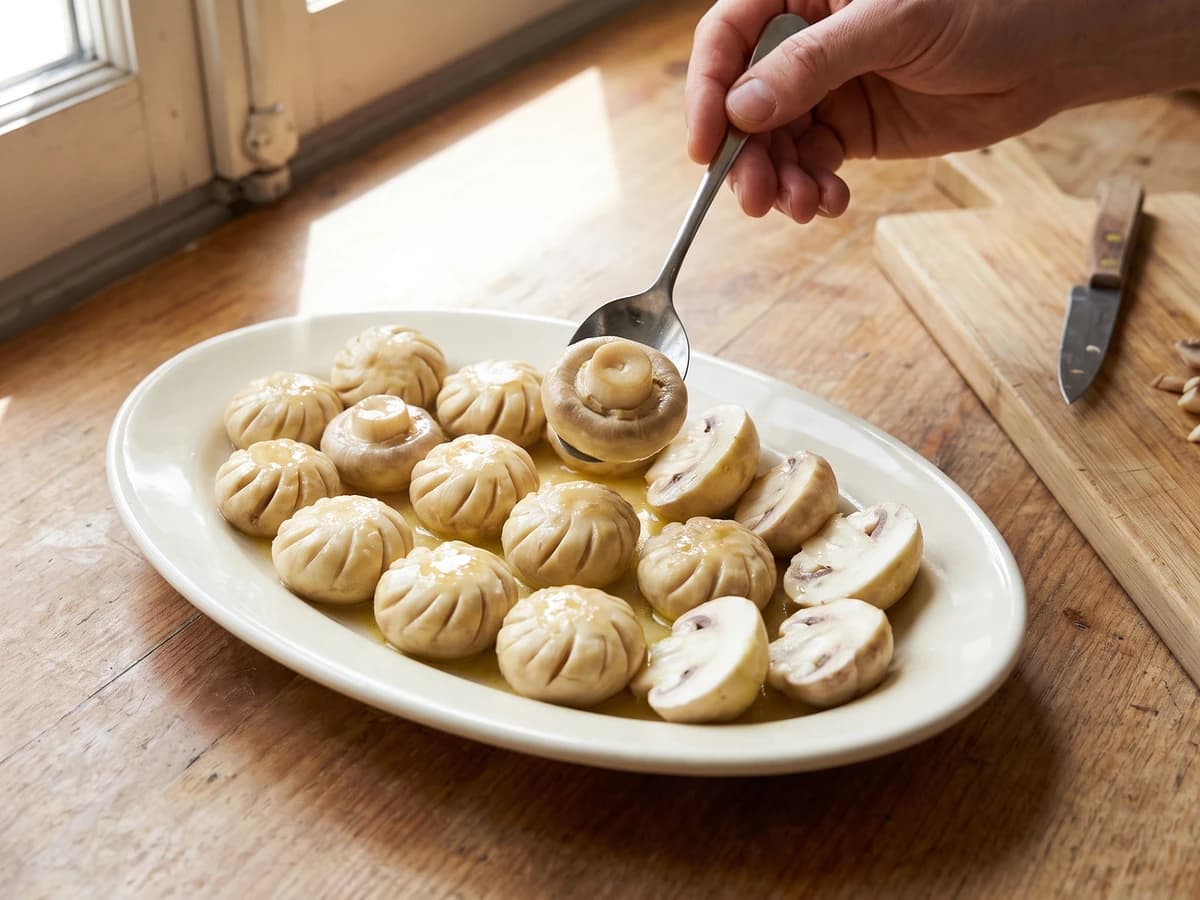
Fresh white mushroom caps, fluted by hand and cooked five minutes in lemon, butter, and salted water, make the classical garnish that teaches a light knife, exact timing, and no wasted motion.

Chef Juliette
Raw mushrooms, sieved before they ever meet heat, become a pale, silken purée with reduced Béchamel, cream, and butter. The lesson is speed: cook out the moisture without cooking away the delicacy.
Chef Juliette
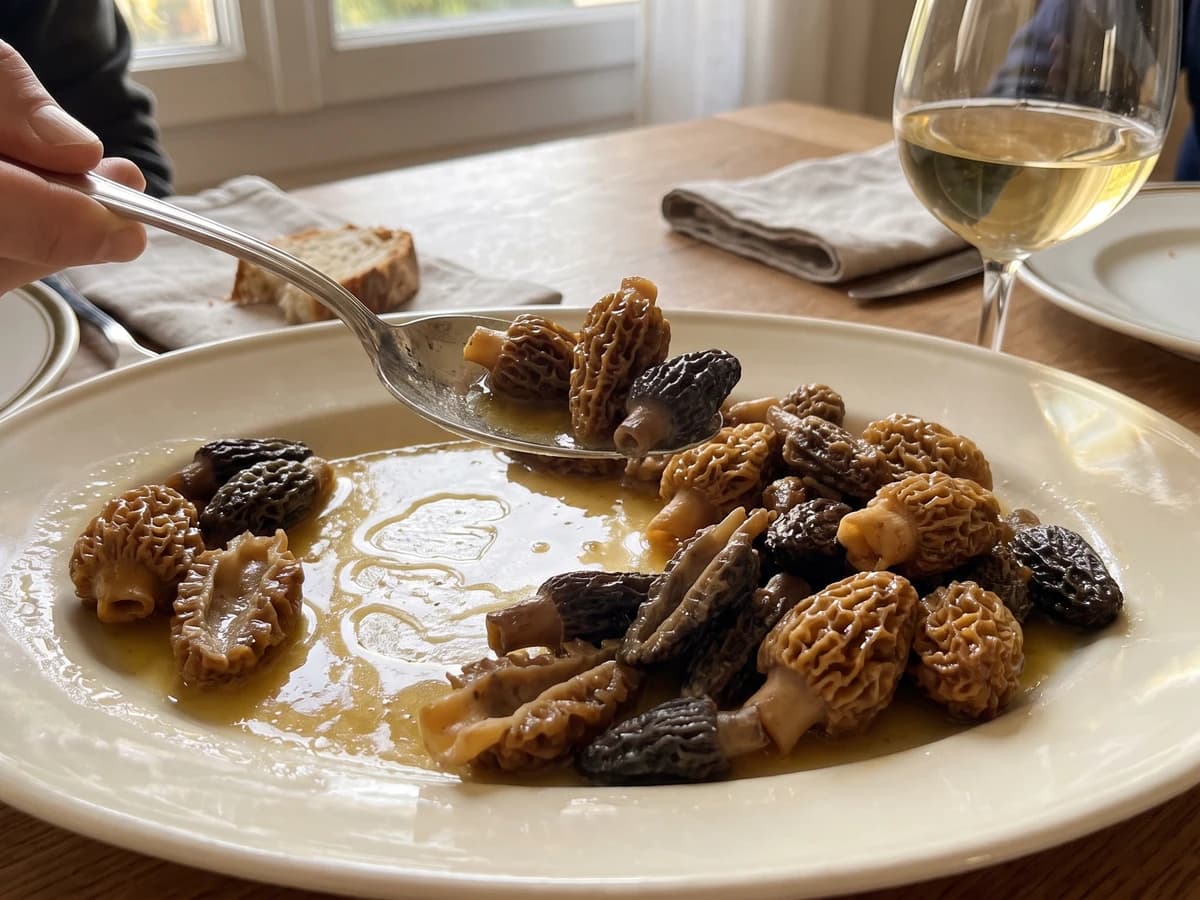
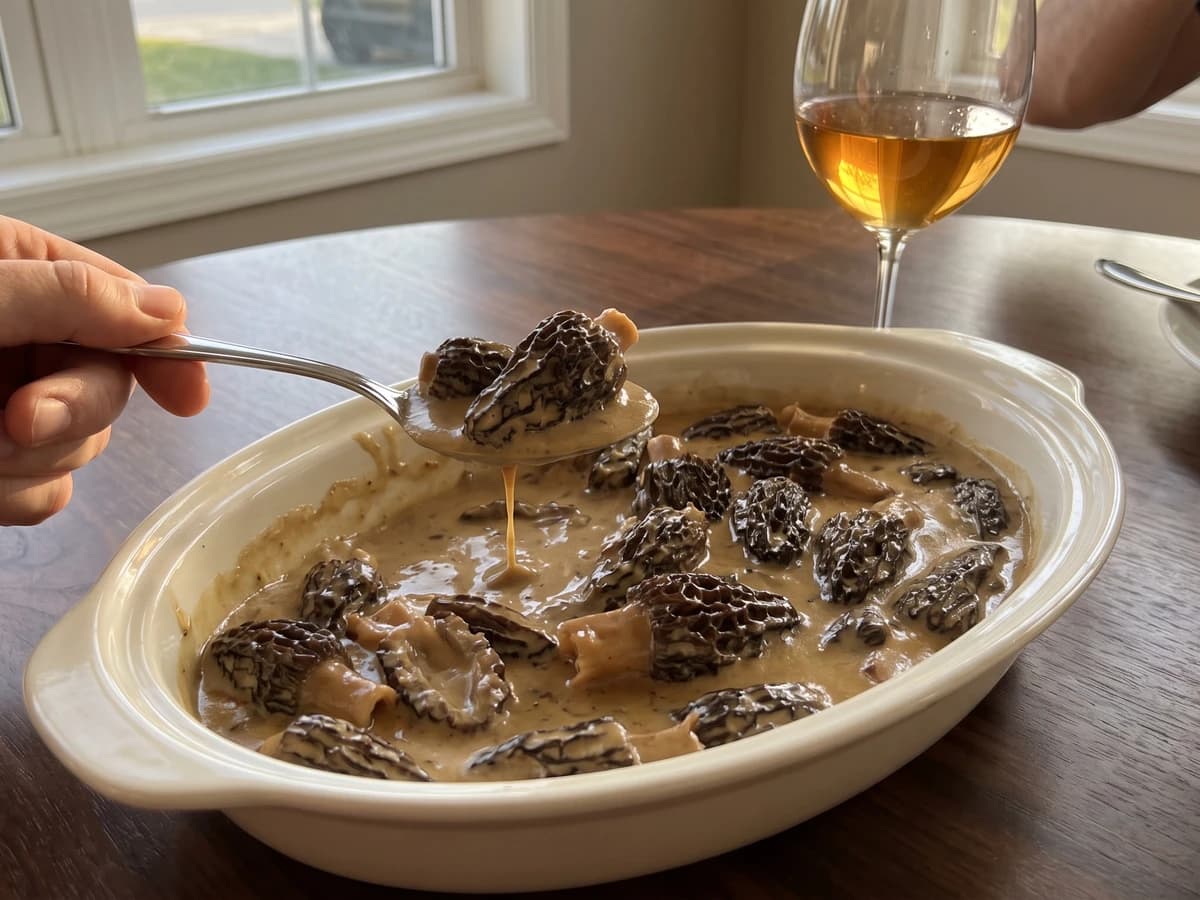
Morilles étuvées turn one careful wash and twelve gentle minutes into a spring side dish of tender honeycombed caps, bright lemon, and butter gloss, with every drop of woodland liquor reduced back around them.
Chef Juliette
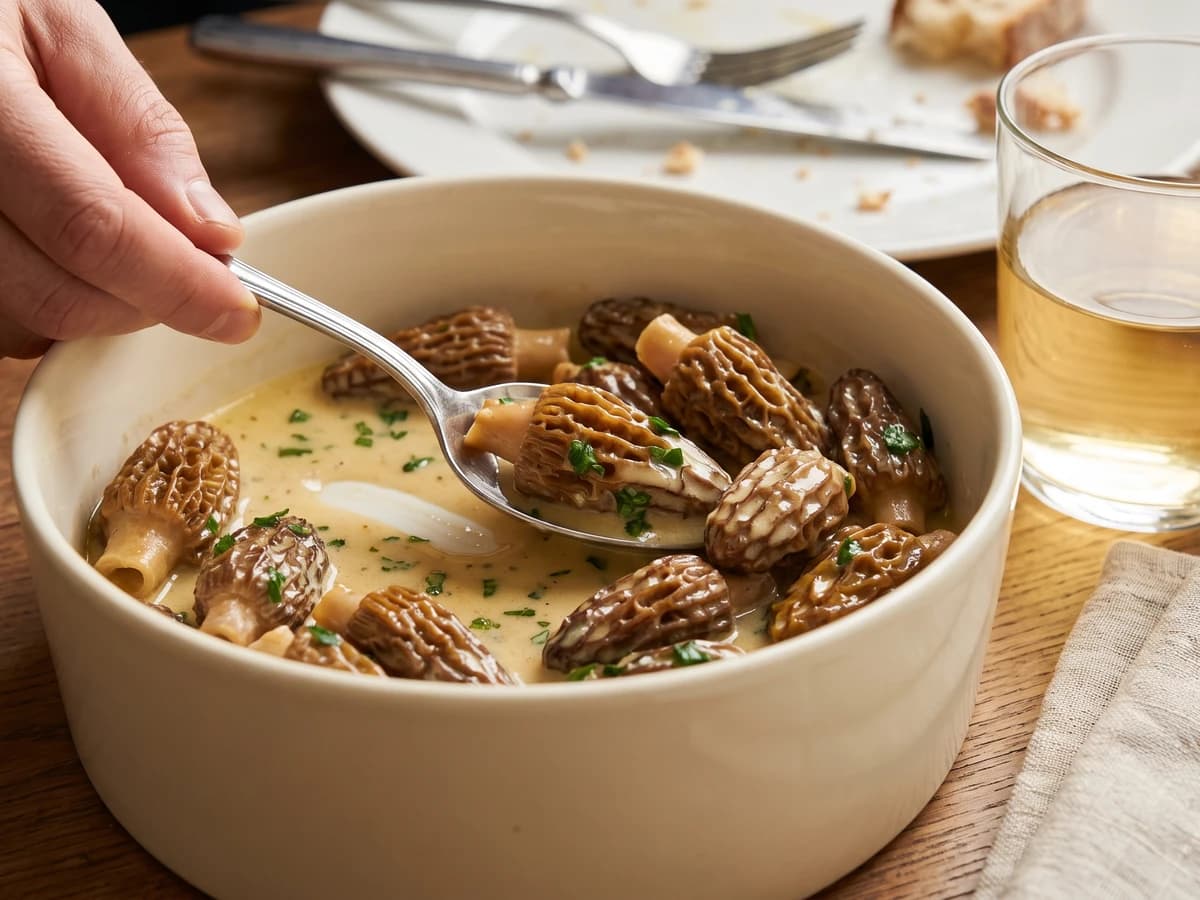
Morels, butter, onion, and cream become one glossy sauce when every drop of mushroom liquor is reduced, not discarded: a woodland side dish scaled for one cook and four generous plates.
Chef Juliette
Morels surrender their woodland liquor, then take it back through glossy sauce poulette: a lesson in reduction, restraint, and why the final butter emulsion must never meet a boil.
Chef Juliette
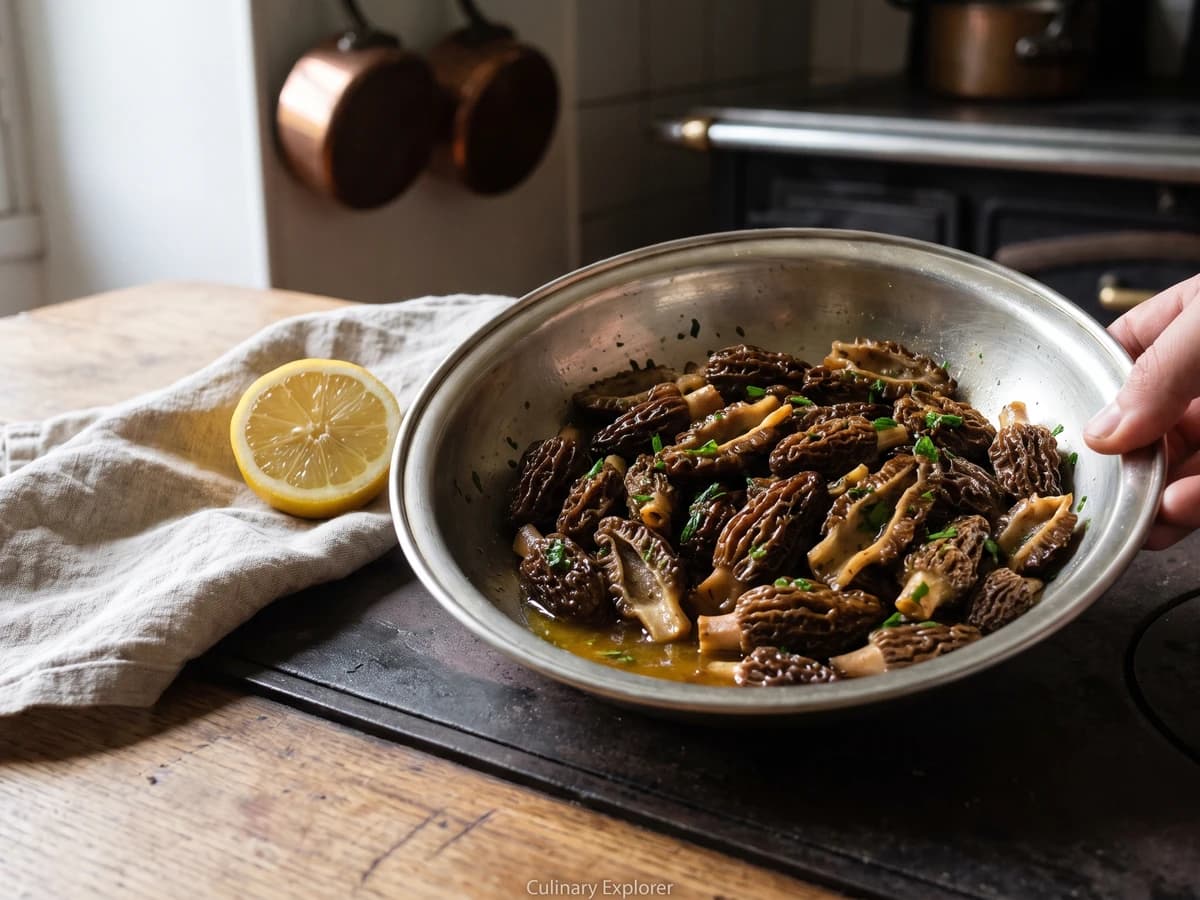
Morilles Sautées teach the clean logic of the sauté: dry mushrooms, fierce heat, enough butter, and no crowding, followed by lemon and parsley at the last moment before the bowl reaches the table.

Chef Juliette
Three wild mushrooms, one hot pan, and enough butter to make them gleam. Keep them dry, cook each briefly, then bring them together while their woodland characters remain distinct.
Chef Juliette
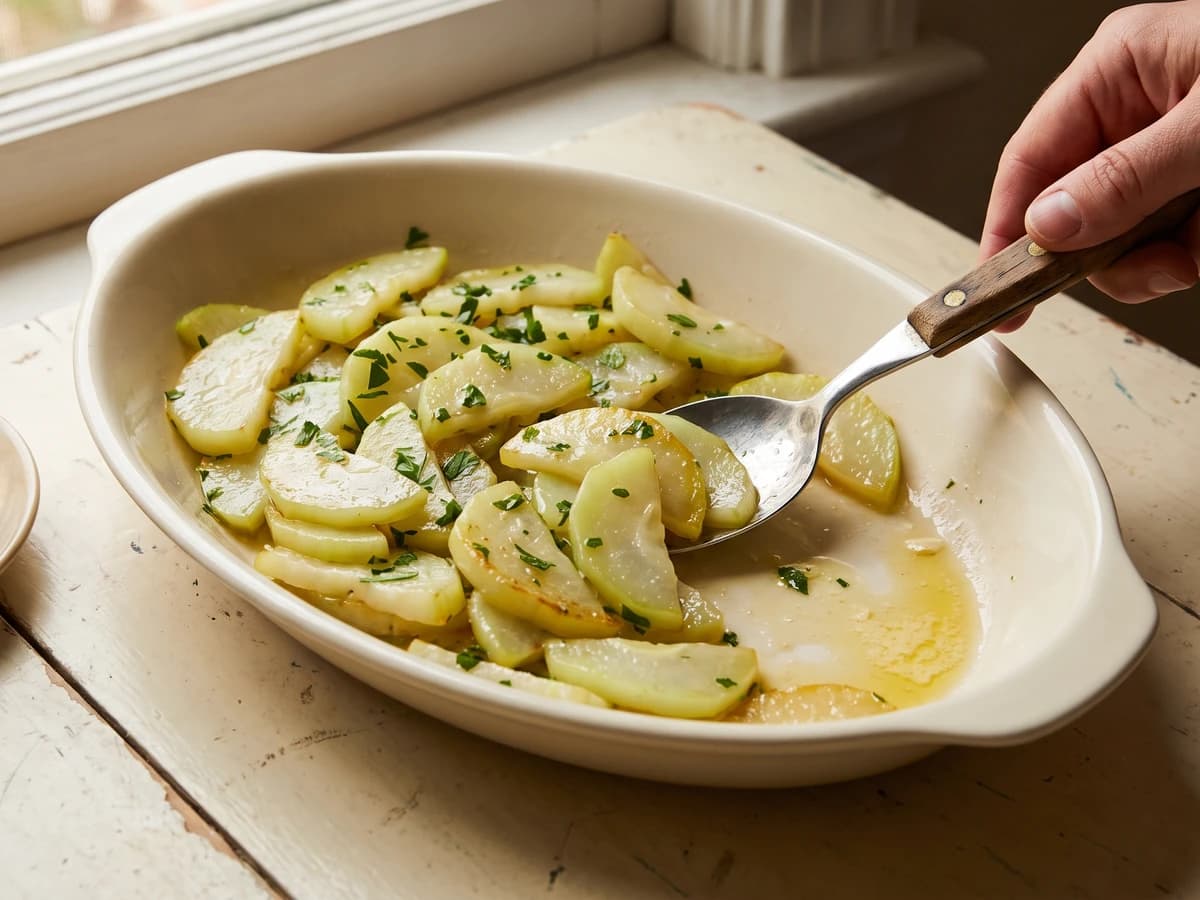
Brionne sautée au beurre turns the quiet chayote into a proper French side: tender, translucent slices with butter-gold edges, lemon, and parsley. Dry it well after blanching, because water decides the pan.
Chef Juliette
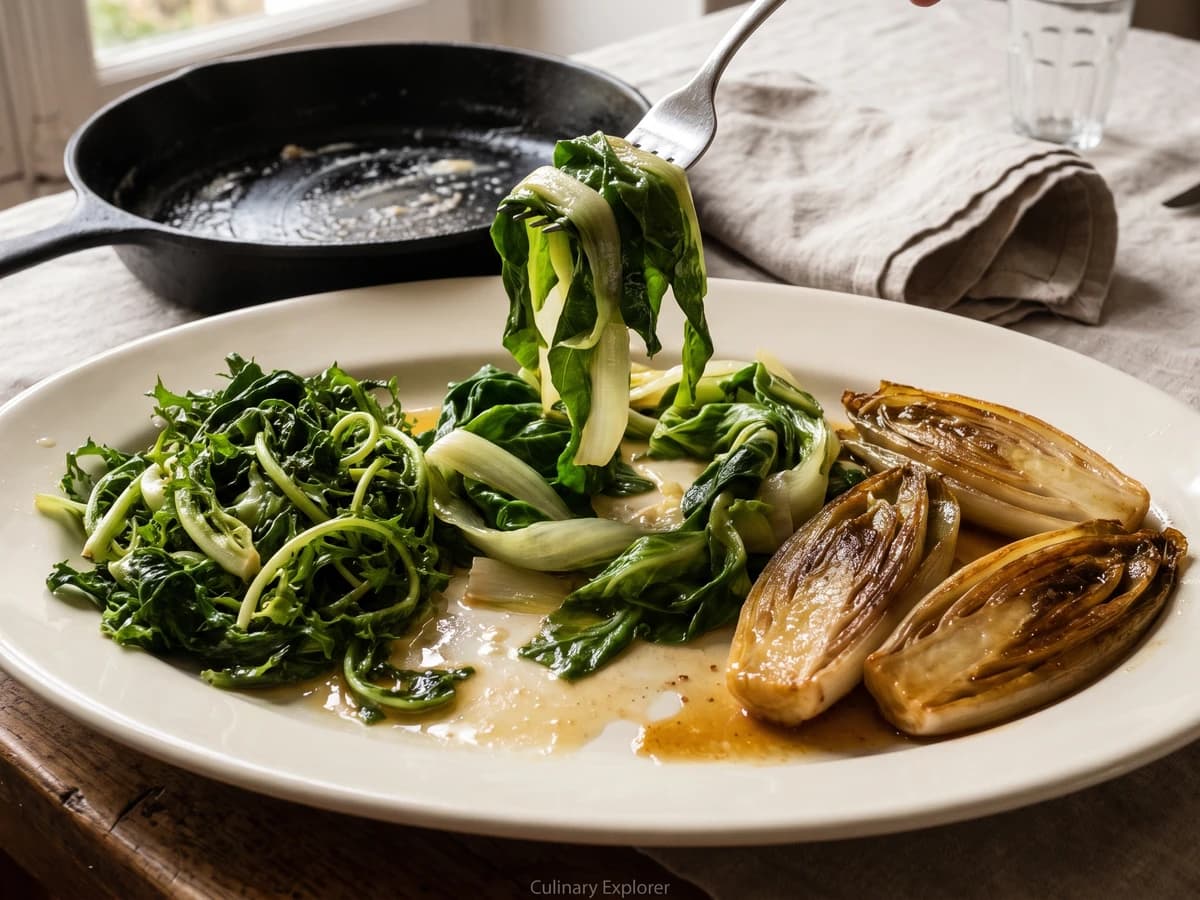
Frisée, escarole, and Belgian endive share a family, not a method: two leafy greens blanched and butter-sautéed, one tight pale head gently braised until bittersweet and glazed.
Chef Juliette
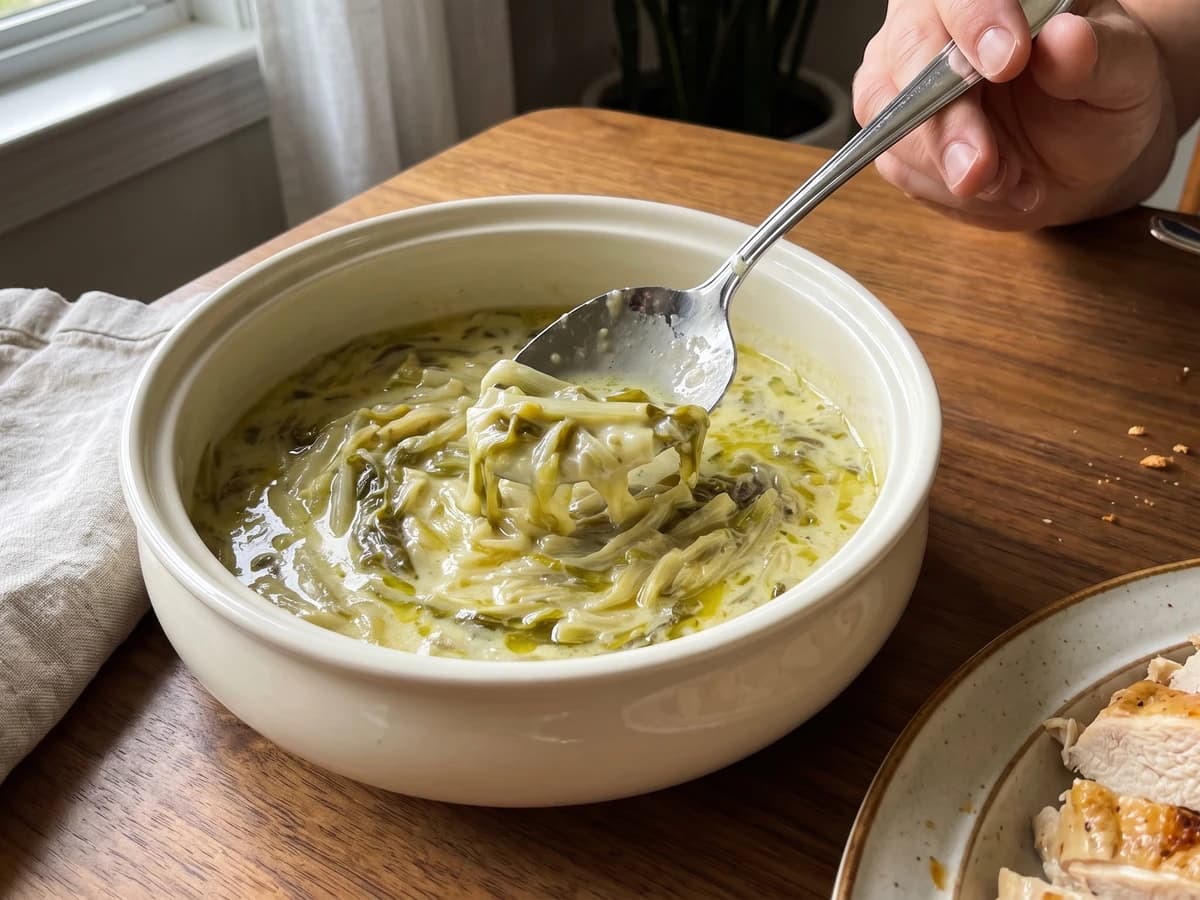
Chicorée à la crème turns a sturdy bitter green into a silken side through blanching, hard pressing, pale roux, and a patient consommé braise, with cream and butter bringing the final gloss.

Chef Juliette
Pain de Chicorée turns braised chicory and stiffly whipped eggs into a tender moulded loaf, gently poached, allowed to settle, then covered with glossy cream sauce.
Chef Juliette
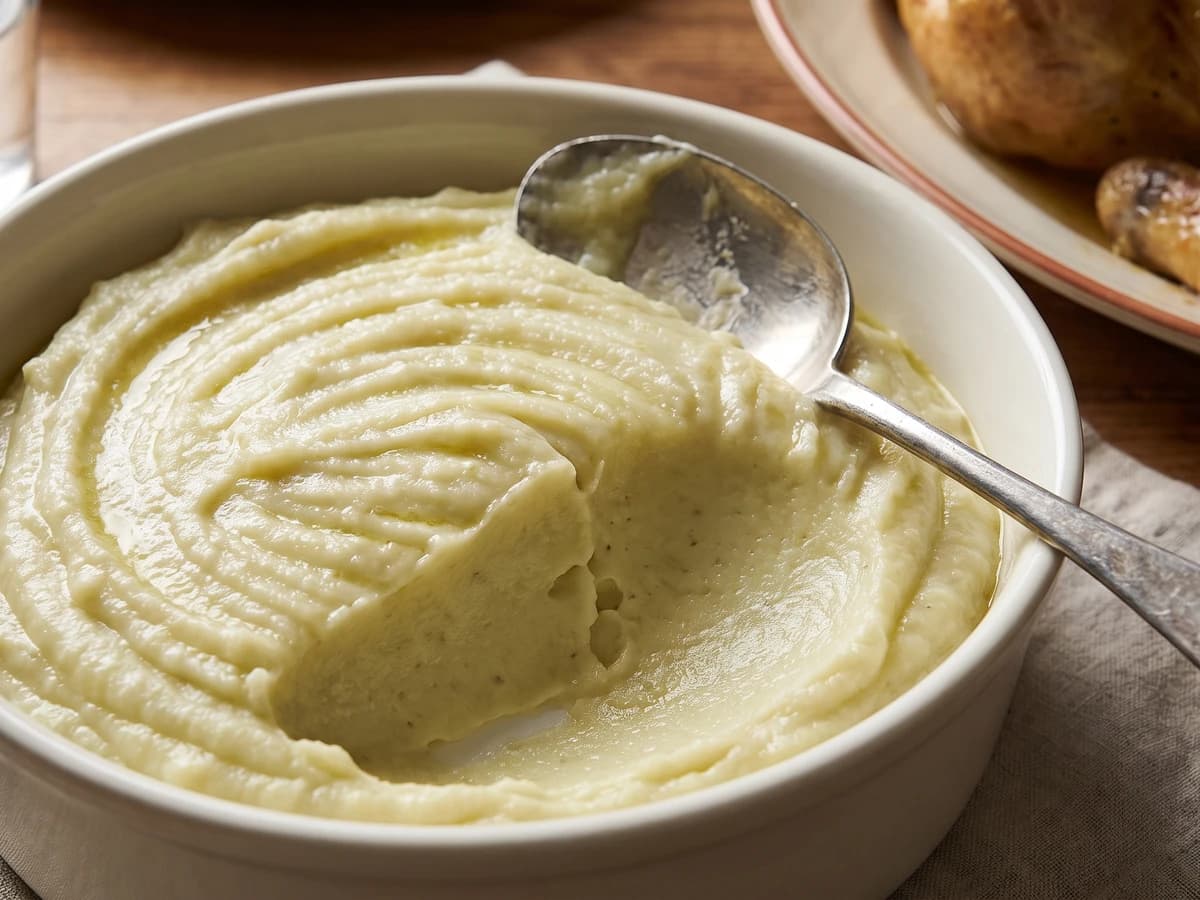
Purée de Chicorée turns braised Belgian endive into a silken, pleasantly bitter companion, held by one-third its bulk of creamed potato and glossed with butter only after the heat is gone.
Chef Juliette
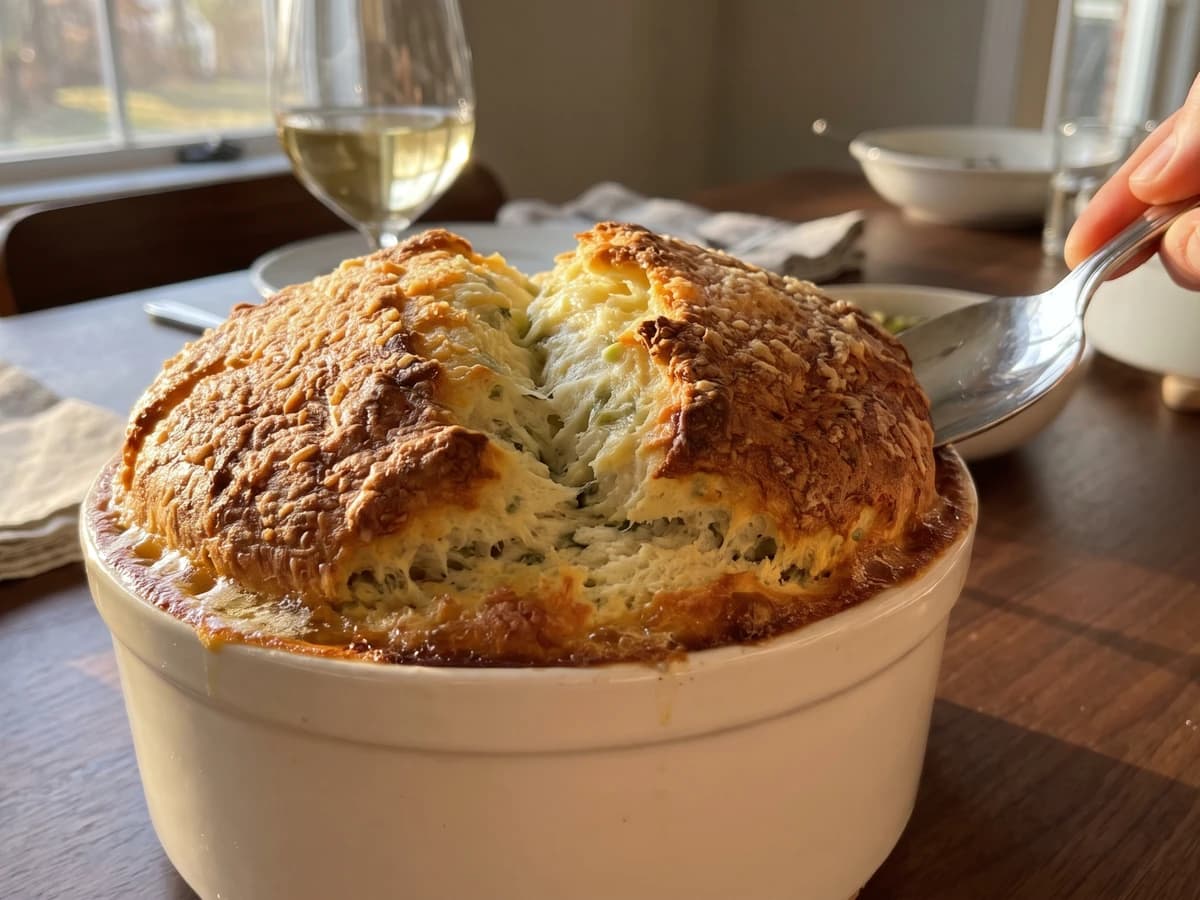
Soufflé de Chicorée rises on one discipline: a dry chicory base, enriched with yolks and Parmesan, folded with firm whites, and baked until the crown turns bronze while the center stays tender.

Chef Juliette
Chicorée à la Flamande keeps its long pieces and pleasing bitterness beneath a glossy cream finish, proving that careful draining, not chopping, lets tender chicory hold its character.
Culinary guides, cultural storytelling, and the editorial depth that makes cooking meaningful.
Discover Culinary Explorer