
Chef Graziella
Asparagi al Forno con Parmigiano
Roasted asparagus finished with aged Parmigiano-Reggiano from the same region that grows the best spears. Four ingredients. No complications. Nothing to hide behind.
A cooking platform built around craft, culture, and the stories behind what we eat.
Created by
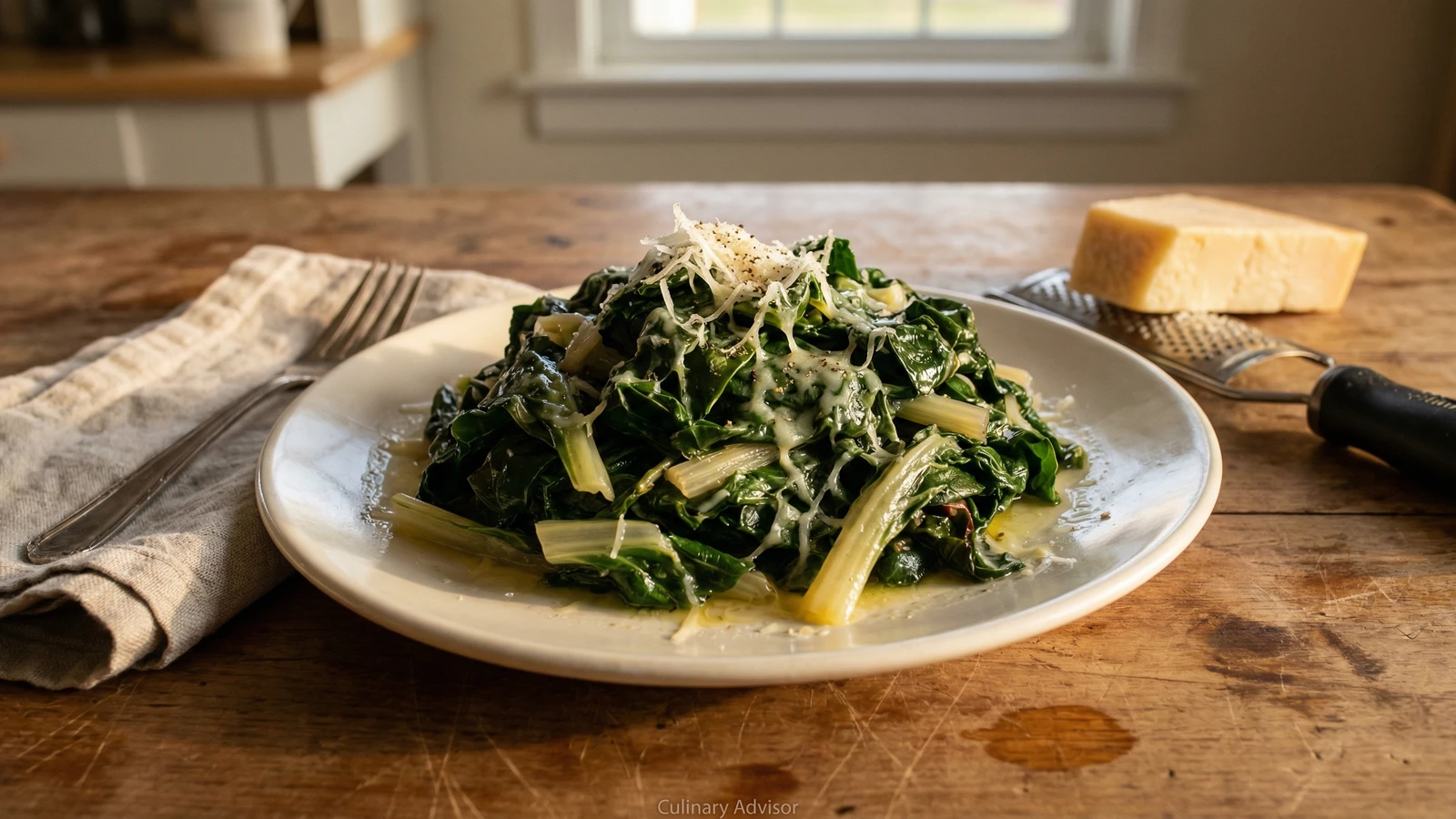
Swiss chard from the kitchens of Emilia-Romagna, wilted in butter until tender, then showered with Parmigiano-Reggiano that melts into the warm greens. Three ingredients. Nothing more.
In Emilia-Romagna, we cook with butter. This is not negotiable. The south has its olive oil; we have our butter, our Parmigiano-Reggiano, our egg pasta. These are the foundations of our cooking, and they appear together in this simple preparation of Swiss chard.
The greens must be thoroughly dried after washing. Water is the enemy of proper sautéing. It creates steam instead of allowing the butter to do its work. You want the chard to soften in the fat, to absorb it, to become silky rather than waterlogged.
The cheese goes on at the end, off the heat, when the greens are still hot enough to melt it into strands. You toss it through, and the Parmigiano becomes one with the vegetables. This is not a garnish. This is a transformation. What you keep out is as significant as what you put in: no garlic, no onion, no herbs. Just chard, butter, cheese, and the understanding that simplicity demands excellence.
Bietole, the Italian term for Swiss chard and its relatives, have grown in the gardens of Emilia-Romagna since Roman times. This preparation reflects the region's prosperity: the butter that enriched farm cooking, the Parmigiano-Reggiano that has been produced in these hills for eight centuries. Contadini served greens prepared this way alongside bollito misto and braised meats, letting the vegetables absorb the richness of the main course.
Quantity
2 pounds (about 2 large bunches)
Quantity
4 tablespoons
Quantity
1 cup (about 3 ounces)
freshly grated, plus more for serving
Quantity
to taste
Quantity
to taste
freshly ground
| Ingredient | Quantity |
|---|---|
| Swiss chard | 2 pounds (about 2 large bunches) |
| unsalted butter | 4 tablespoons |
| Parmigiano-Reggianofreshly grated, plus more for serving | 1 cup (about 3 ounces) |
| kosher salt | to taste |
| black pepperfreshly ground | to taste |
Separate the leaves from the stems. The stems take longer to cook, so they must be handled differently. Cut the stems crosswise into pieces about half an inch wide. Stack the leaves, roll them loosely, and slice them into ribbons about one inch wide. Wash both stems and leaves thoroughly in cold water. Sand hides in chard. Lift the greens from the water rather than draining, so the grit stays behind. Repeat until no sand remains at the bottom of the bowl.
Spin the washed chard in a salad spinner or spread it on clean kitchen towels and pat thoroughly dry. This step is essential. Wet greens will steam rather than sauté. You want the leaves to cook in butter, not in their own water. Take the time to dry them properly.
Melt the butter in a large skillet over medium heat. When the foam subsides, add the chard stems. Season lightly with salt. Cook, stirring occasionally, until the stems are nearly tender, about 5 minutes. They should still have a slight bite. Test one.
Add the chard leaves to the skillet in batches if necessary, allowing each addition to wilt before adding more. Toss and stir to coat the leaves with the butter. Cook until the leaves are completely wilted and tender, another 4 to 5 minutes. The chard will reduce dramatically. Season with salt and pepper. Taste it. Adjust.
Remove the skillet from the heat. The residual warmth is enough. Add the grated Parmigiano-Reggiano and toss immediately, turning the greens to distribute the cheese evenly. The cheese should melt into fine strands that cling to the chard, not sit on top in a clump. Work quickly. Transfer to a warm serving dish.
Bring the dish to the table at once. Pass additional Parmigiano-Reggiano for those who want it. This is a contorno, a vegetable accompaniment meant to be eaten alongside meat or fish. It does not wait.
1 serving (about 125g)
Culinary guides, cultural storytelling, and the editorial depth that makes cooking meaningful.
Discover Culinary ExplorerChef Graziella
Roasted asparagus finished with aged Parmigiano-Reggiano from the same region that grows the best spears. Four ingredients. No complications. Nothing to hide behind.

Chef Graziella
The humblest contorno of Bologna, where white onions and tomatoes melt together over low heat until they become something almost indistinguishable from each other, sweet and yielding.
Chef Juliette
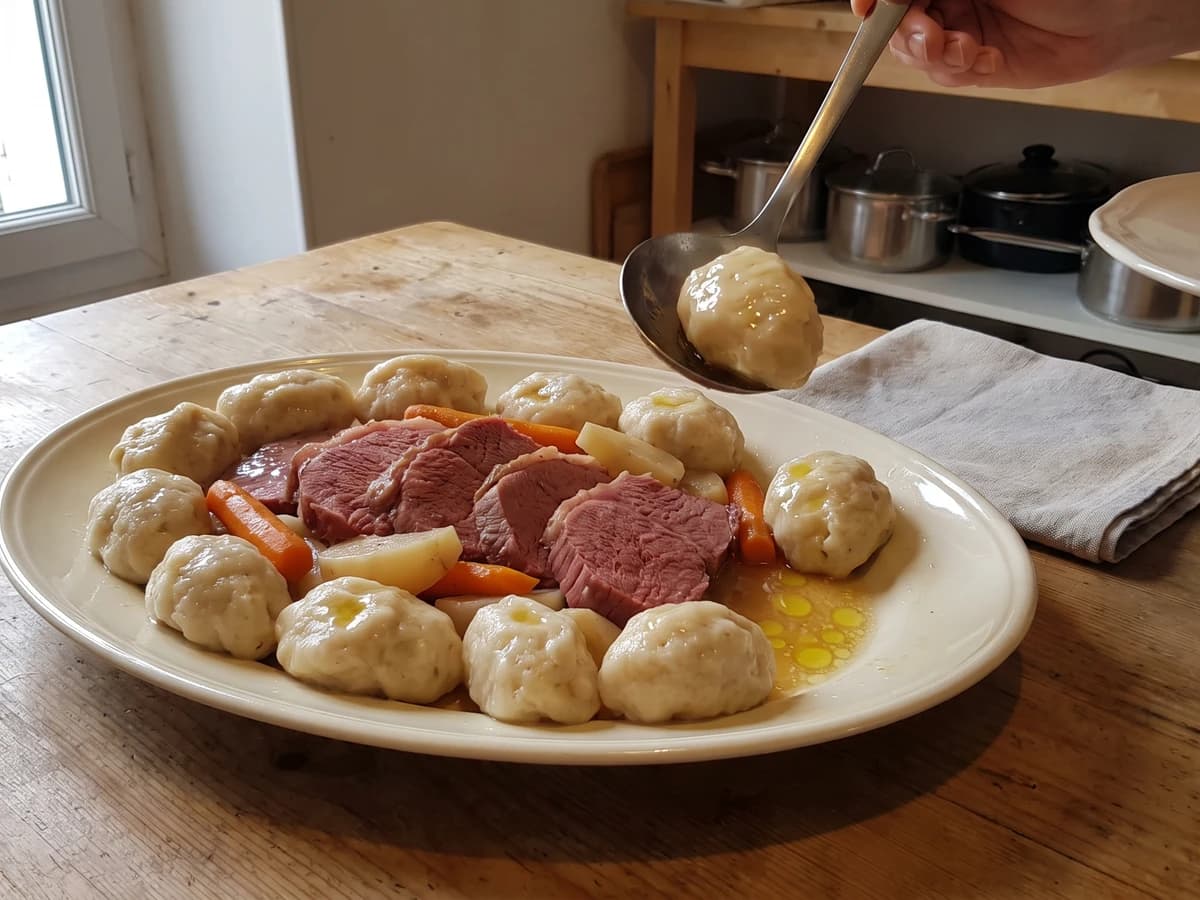
Boulettes au suif, poached beside salt beef, turn equal weights of flour and finely chopped suet into tender, rich dumplings. Keep the beef liquor at a bare tremble and the old garnish works beautifully at home.

Chef Juliette
Bread, flour, frangipane, and rice become four cool, supple panades for binding forcemeats, each changing body and flavor while preserving tenderness. The finest Mousselines need none, and knowing that distinction is the lesson.