Chef Lupita
Canilla Veracruzana
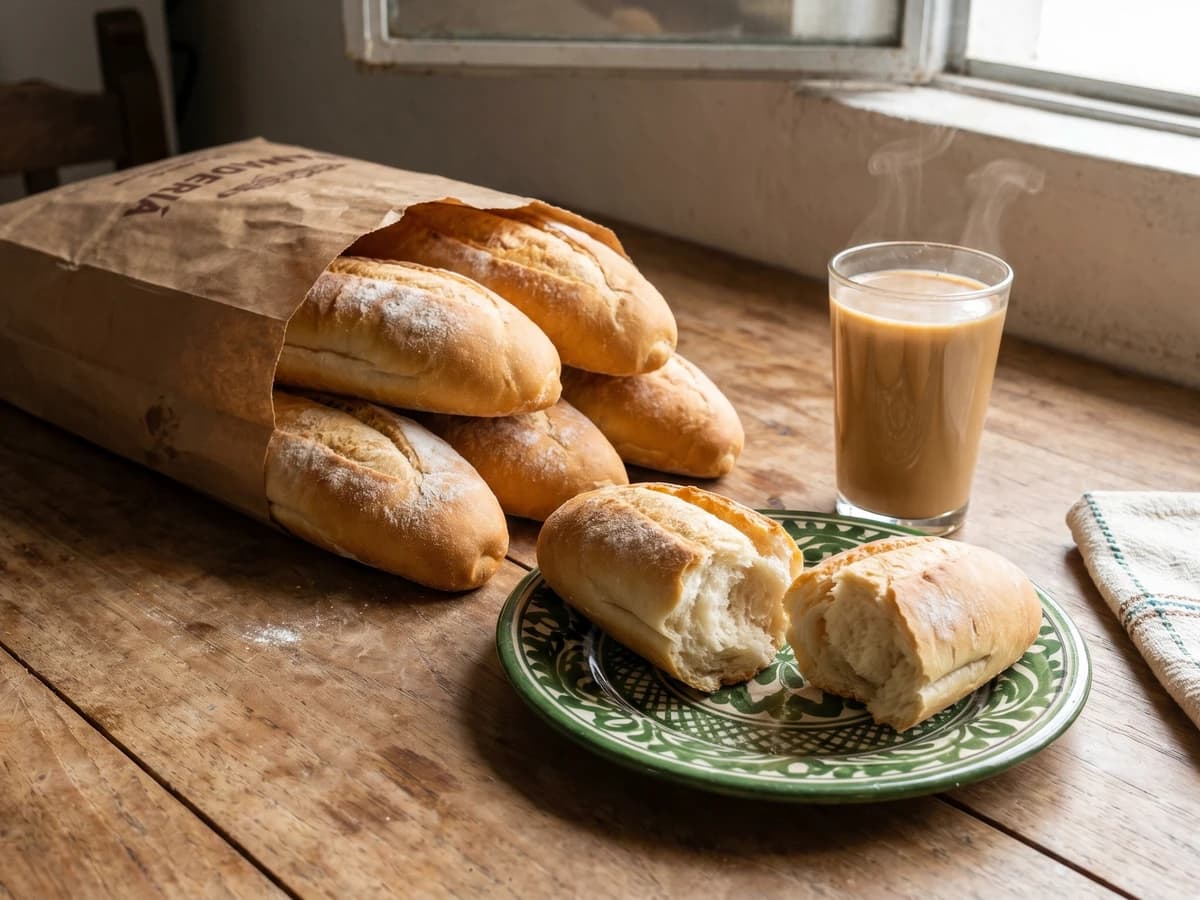
Veracruz port bread baked long and lean, with a crisp crust, pale open crumb, and enough strength to survive a dunk in café lechero without falling apart.
Updated May 30, 2026
The corn and the wheat of the Gulf. Tortillas pressed from the Tuxpeño landrace, the canilla of the port served at every café lechero, the cemita and the pan de panela, the memelas pinched on the comal, and the wood-fired breads of the Huasteca and Xico. Tri-cultural Tercera Raiz baking: Totonac and Huastec corn, Spanish Mediterranean wheat, Afro-Veracruzan plantain. Cada estado, su propia cocina.
A cooking platform built around craft, culture, and the stories behind what we eat.
Chef Lupita
Veracruz port bread baked long and lean, with a crisp crust, pale open crumb, and enough strength to survive a dunk in café lechero without falling apart.
Chef Lupita
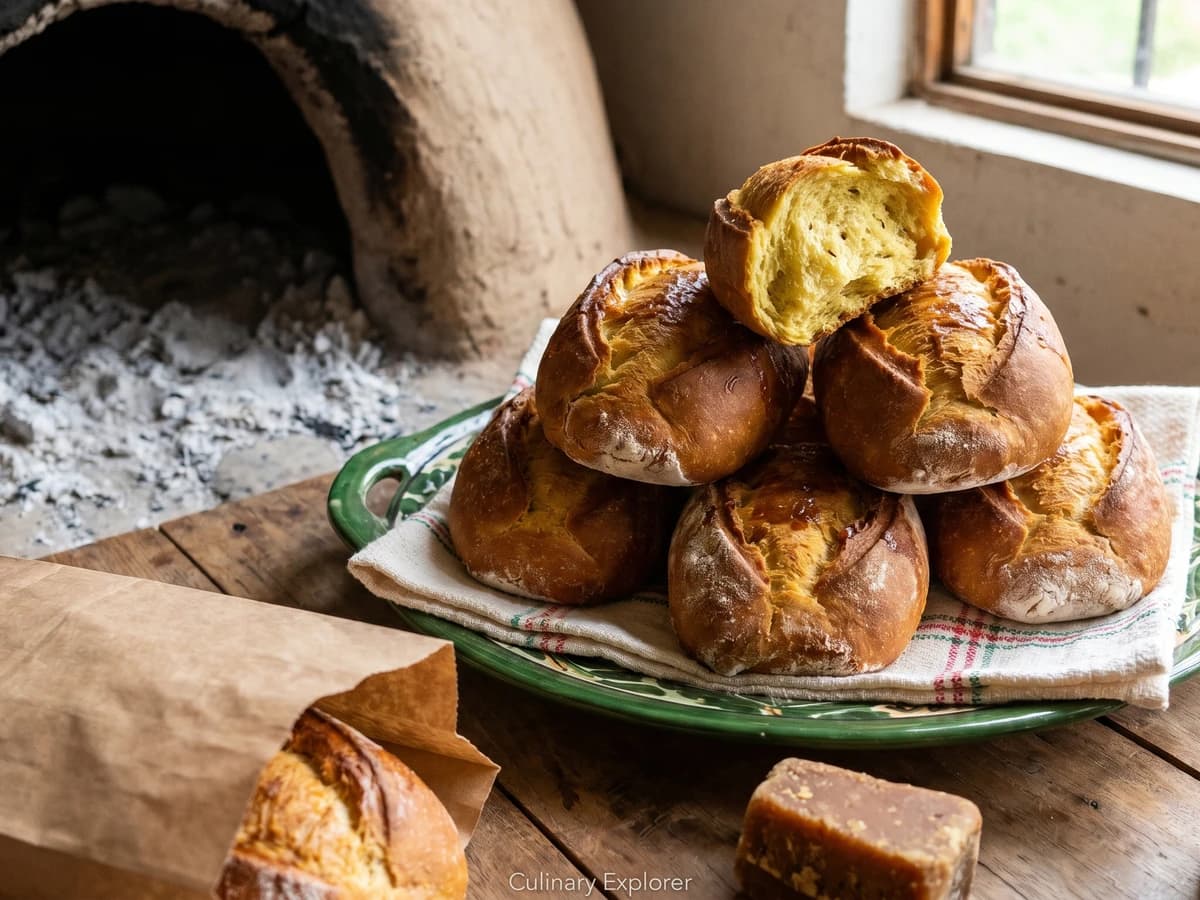
Veracruz's Huasteca pan de rancho, enriched with manteca de cerdo and piloncillo from cane country, fermented overnight and baked against the stored heat of a mud horno de leña.
Chef Lupita
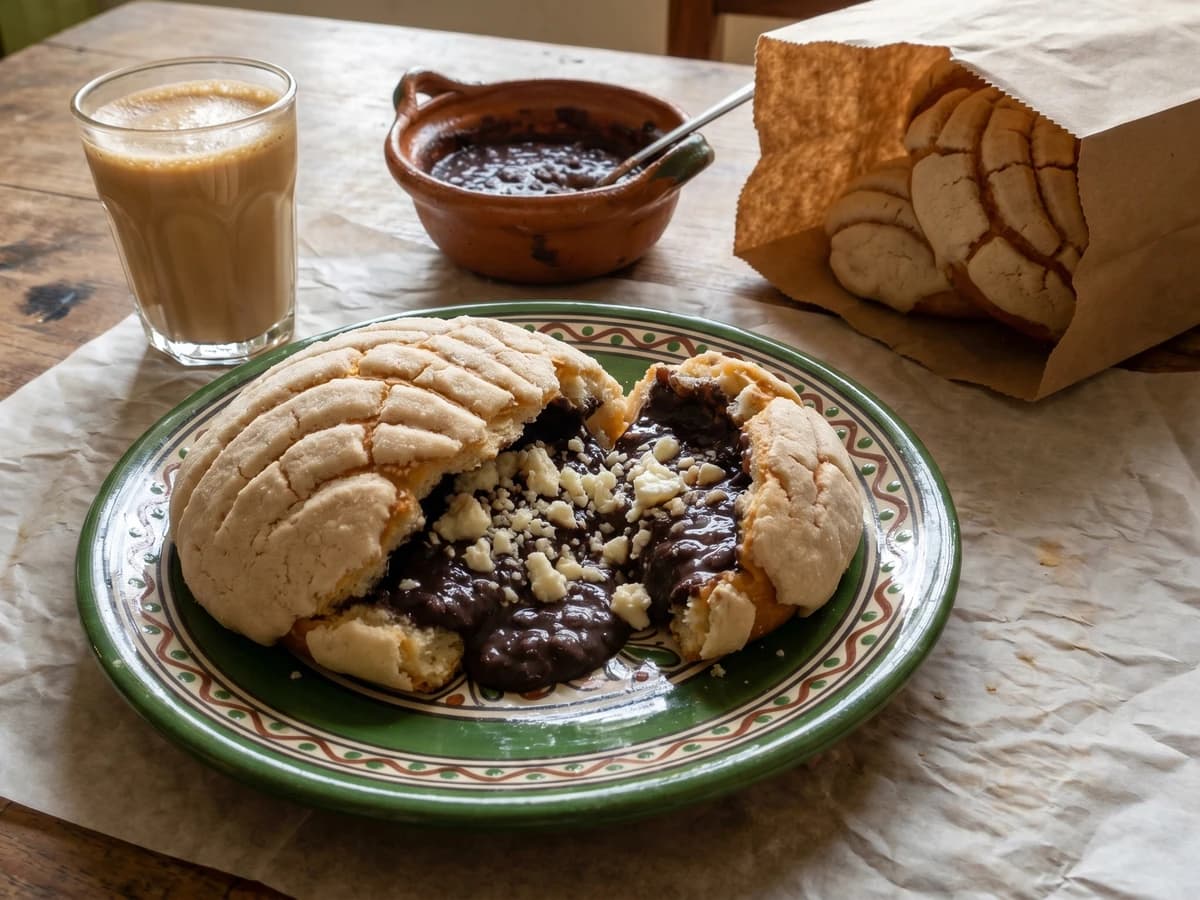
Veracruz's sweet concha split open and filled with refried black beans, epazote, manteca de cerdo, and queso fresco, the quick jarocho answer to a torta.
Chef Lupita
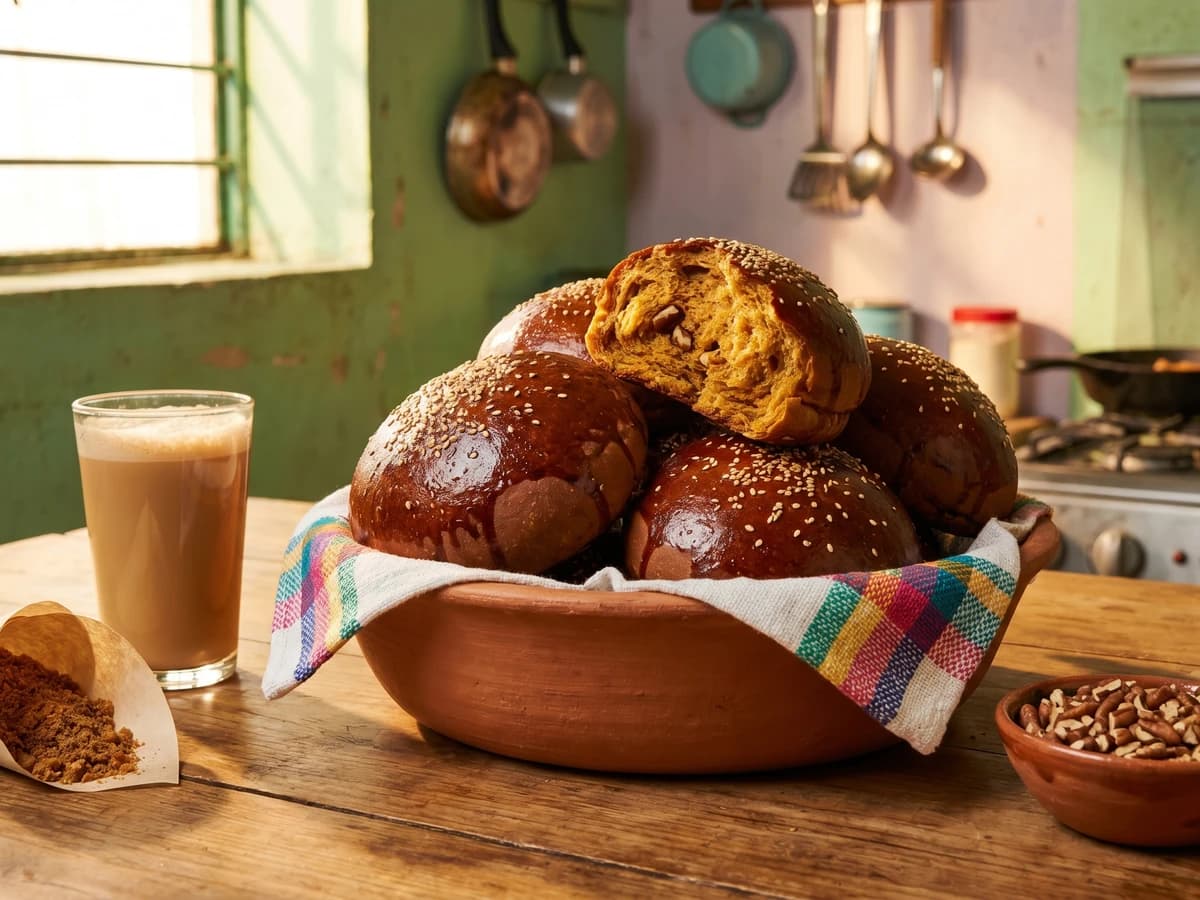
Veracruz's sweet cemita is a piloncillo-darkened wheat roll scented with anise and nuts, born from cane country and the old bread ovens of the Gulf coast.
Chef Lupita
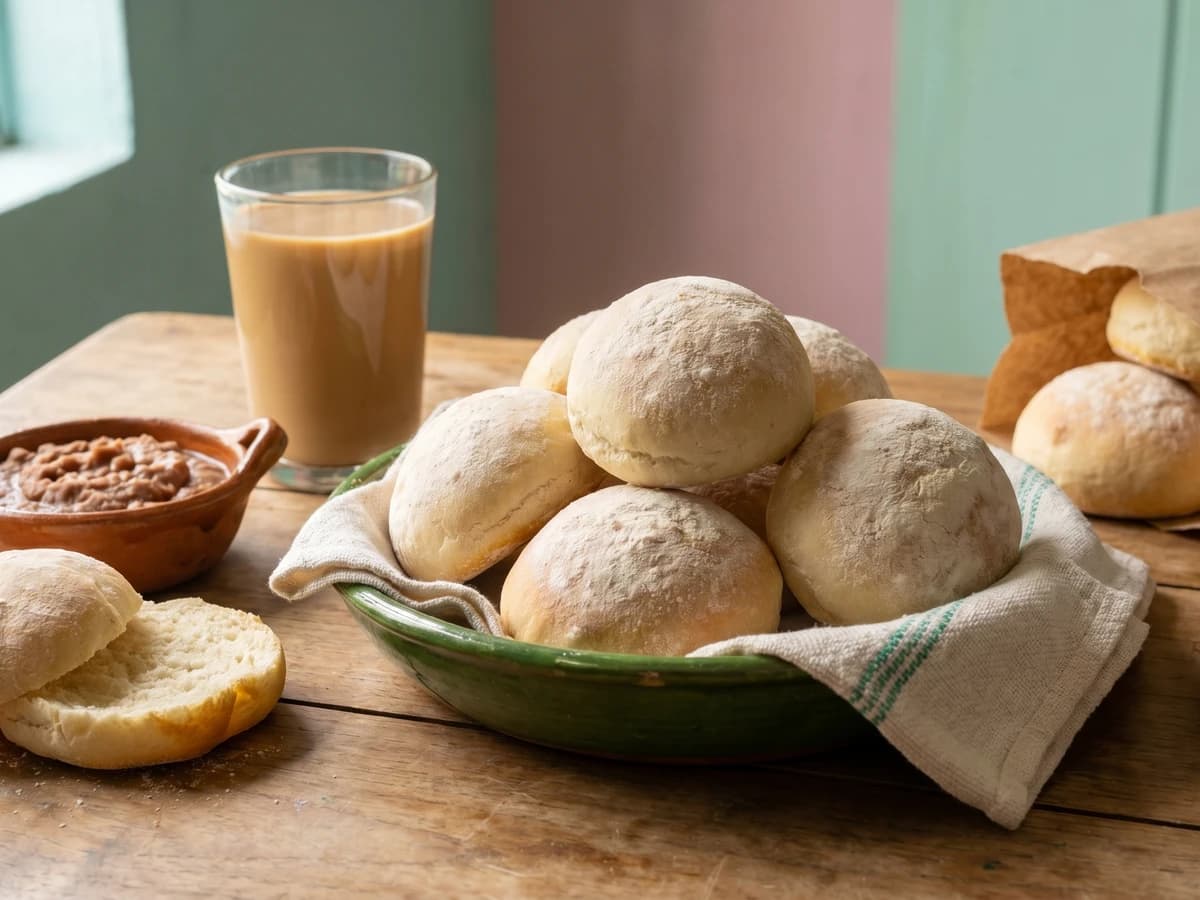
Veracruz's white wheat pambazo is a dry, flour-dusted roll from the port and mountain corridor, built for beans, café lechero, and hard working hands.
Chef Lupita
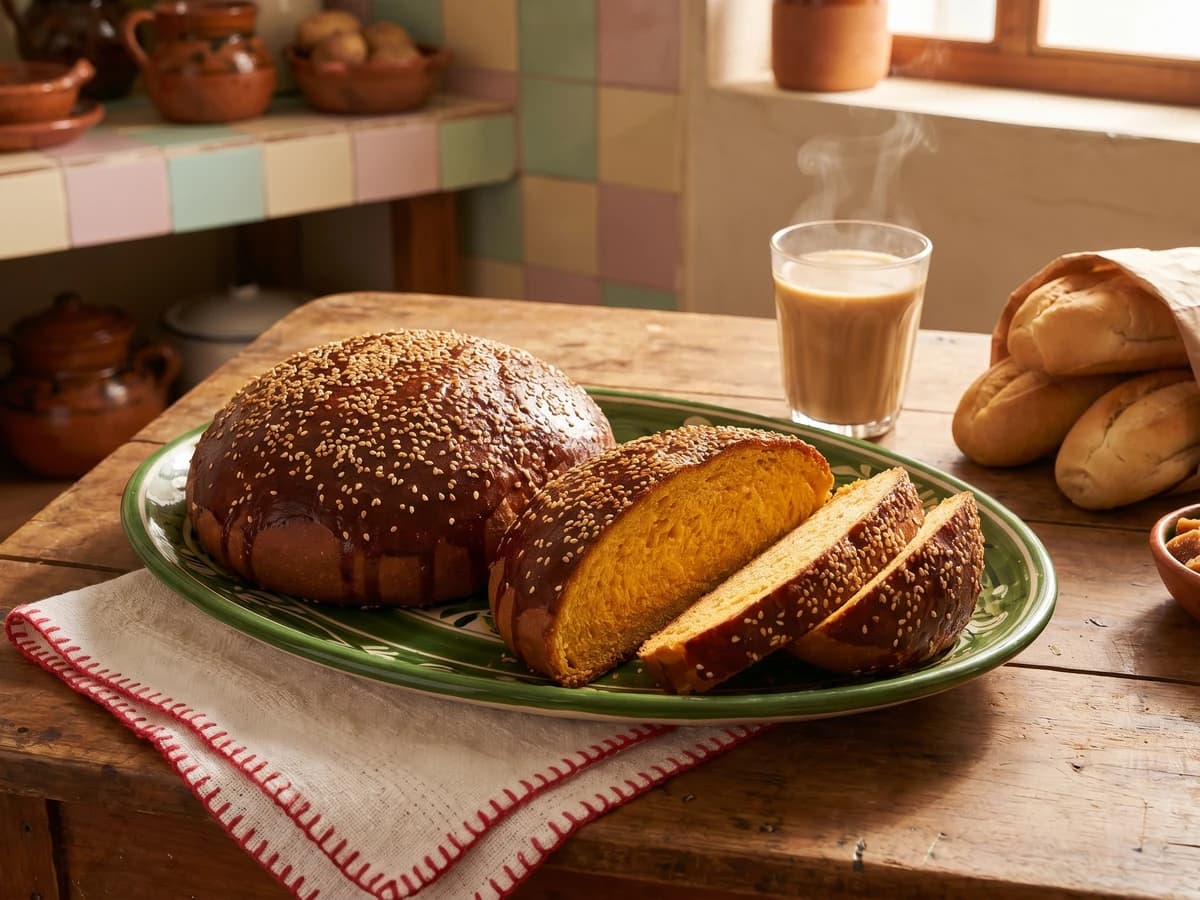
Veracruz's Day of the Dead hojaldra is a sweet wheat bread from the Gulf port tradition, perfumed with azahar, glazed with piloncillo, and covered with ajonjolí.
Chef Lupita
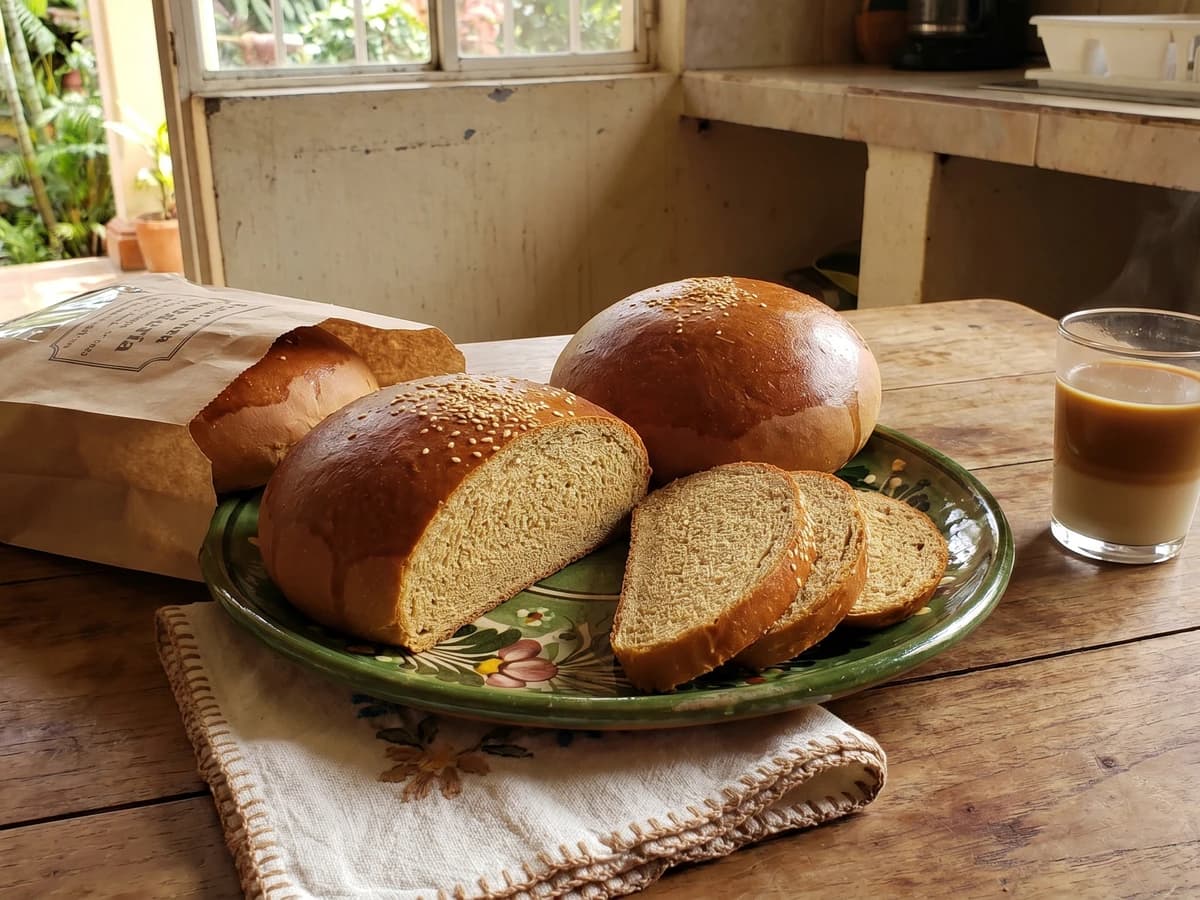
Veracruz's coffee-country loaf from Coatepec, worked hard with manteca de cerdo and piloncillo until the dough turns smooth, tight, and ready for the family table.

Chef Lupita
Central Veracruz's rhombus-shaped pan dulce, sweetened with piloncillo from the cañaverales, scented with anise and clove, and baked the way old panaderías kept port wheat traditions alive.
Chef Lupita
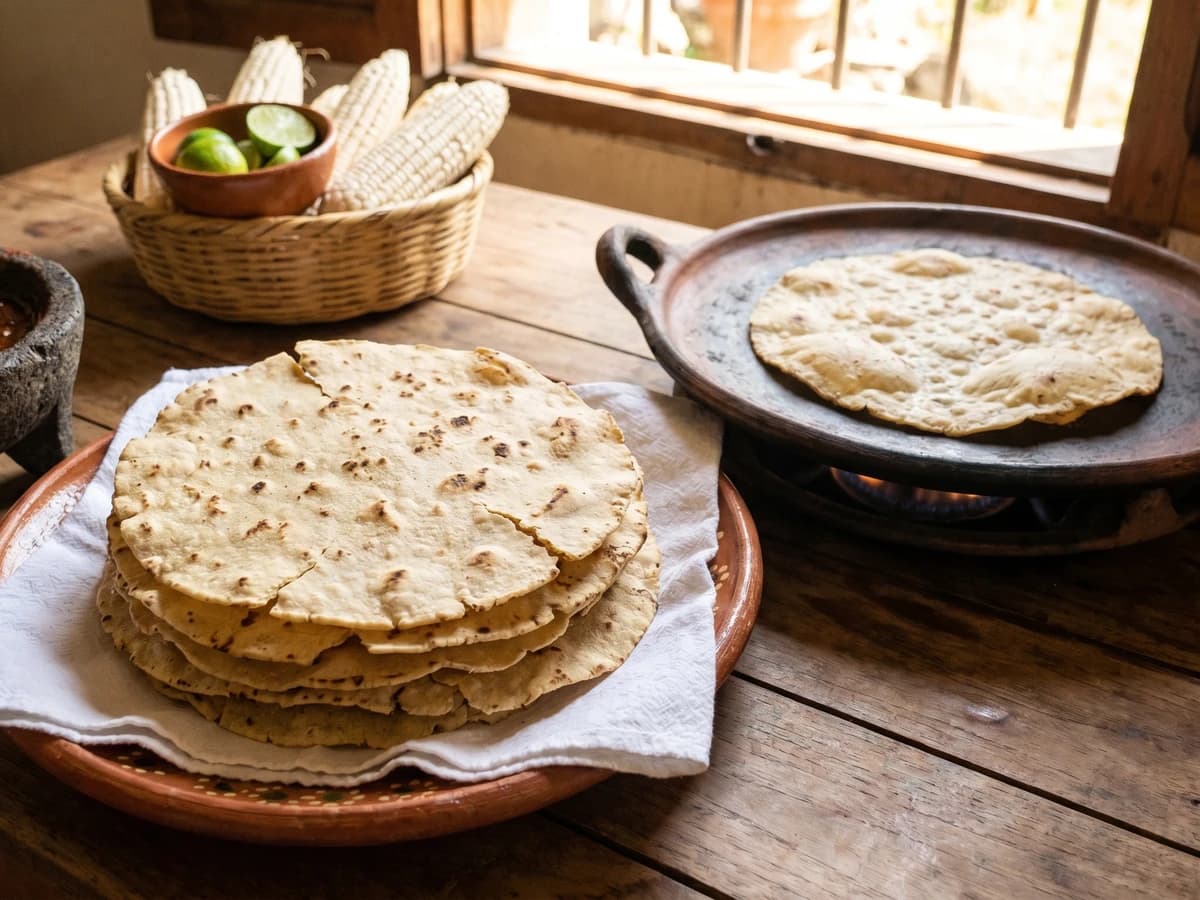
Veracruz's Los Tuxtlas totoposte is a wide, thin nixtamal tortilla toasted until brittle, the Nahua pan de viento built for travel, storage, and hard-working kitchens.
Chef Lupita
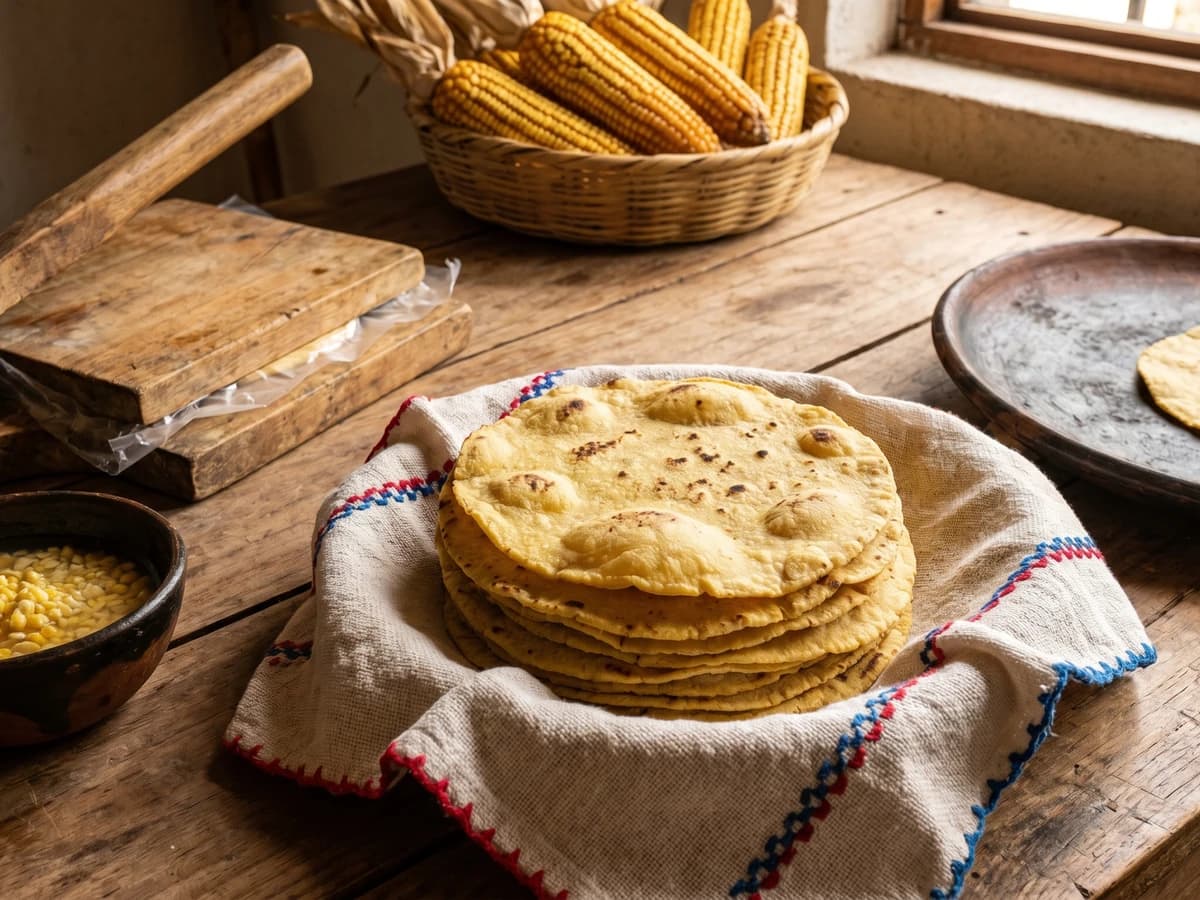
Northern Veracruz tortillas made from nixtamalized maíz Tuxpeño, yellow and sturdy enough for beans, fish, eggs, and the daily work of feeding a house.
Chef Lupita
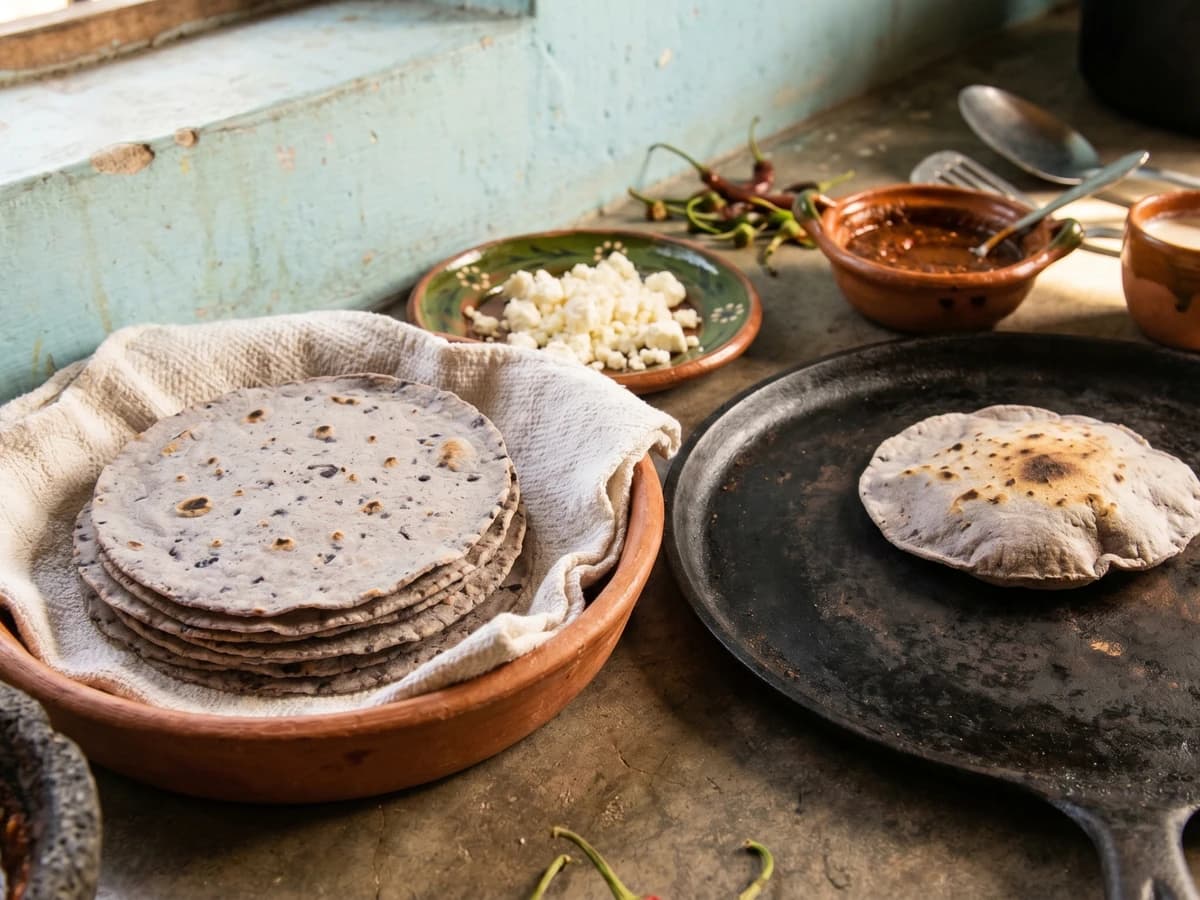
Southern Veracruz's tortilla de frijol folds black beans into nixtamal masa, then meets the comal until spotted, warm, and sturdy enough for salsa, queso fresco, or nothing at all.
Chef Lupita
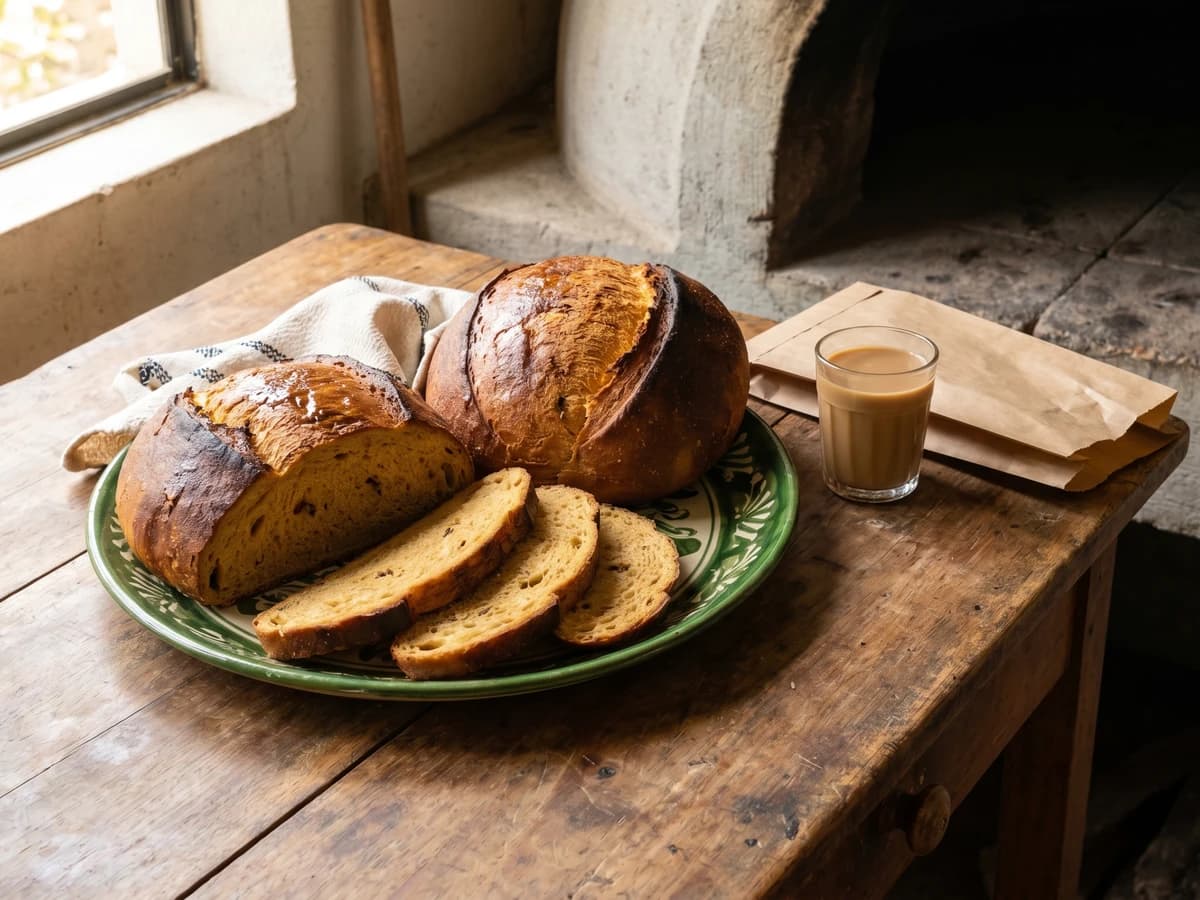
Central Veracruz's pan de Xico is a tender wheat loaf scented with anise, sweetened with piloncillo, enriched with manteca, and baked until the crust carries the memory of a horno de leña.
Chef Lupita
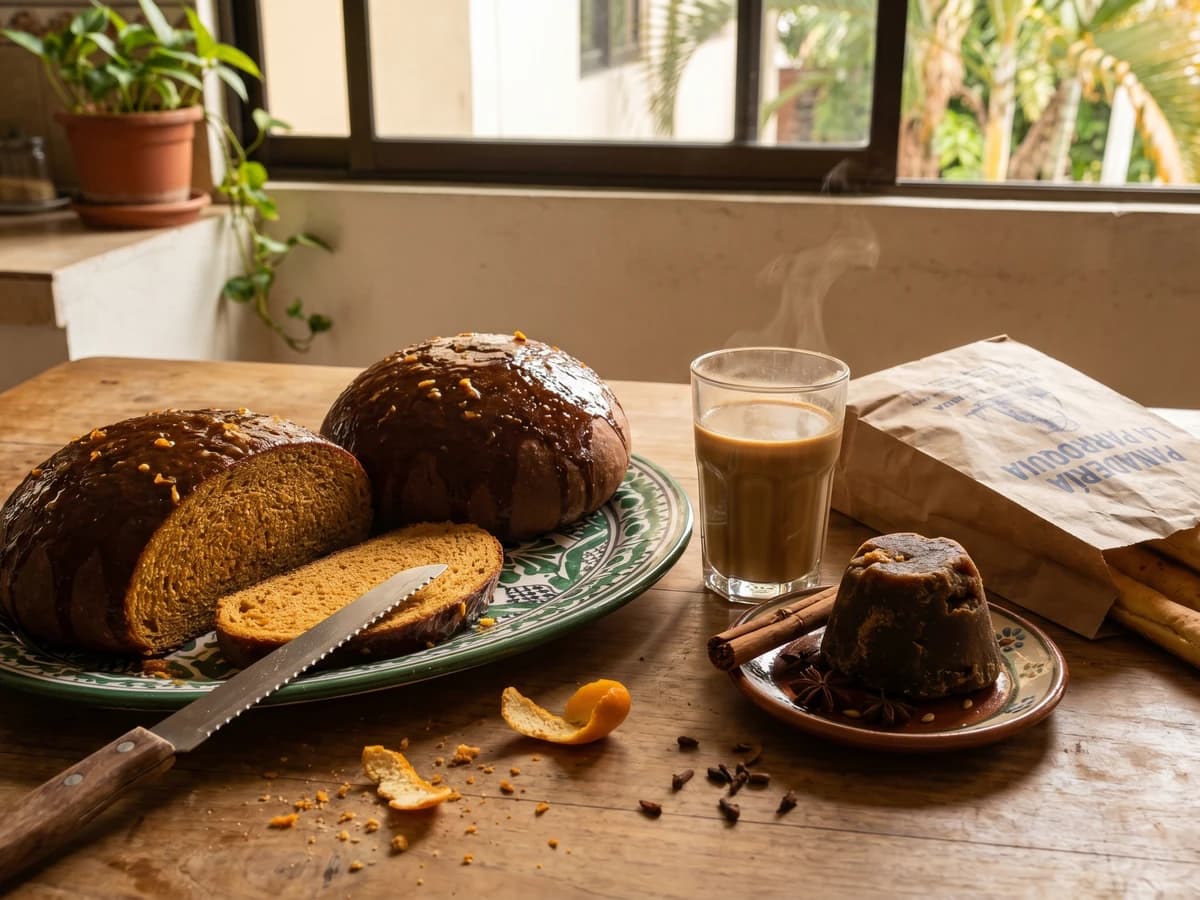
Veracruz's panela bread belongs to the Gulf sugar belt, a dark wheat loaf fed by cane sugar, softened with lard, and built for cafe lechero before the day's heat settles in.
Chef Lupita
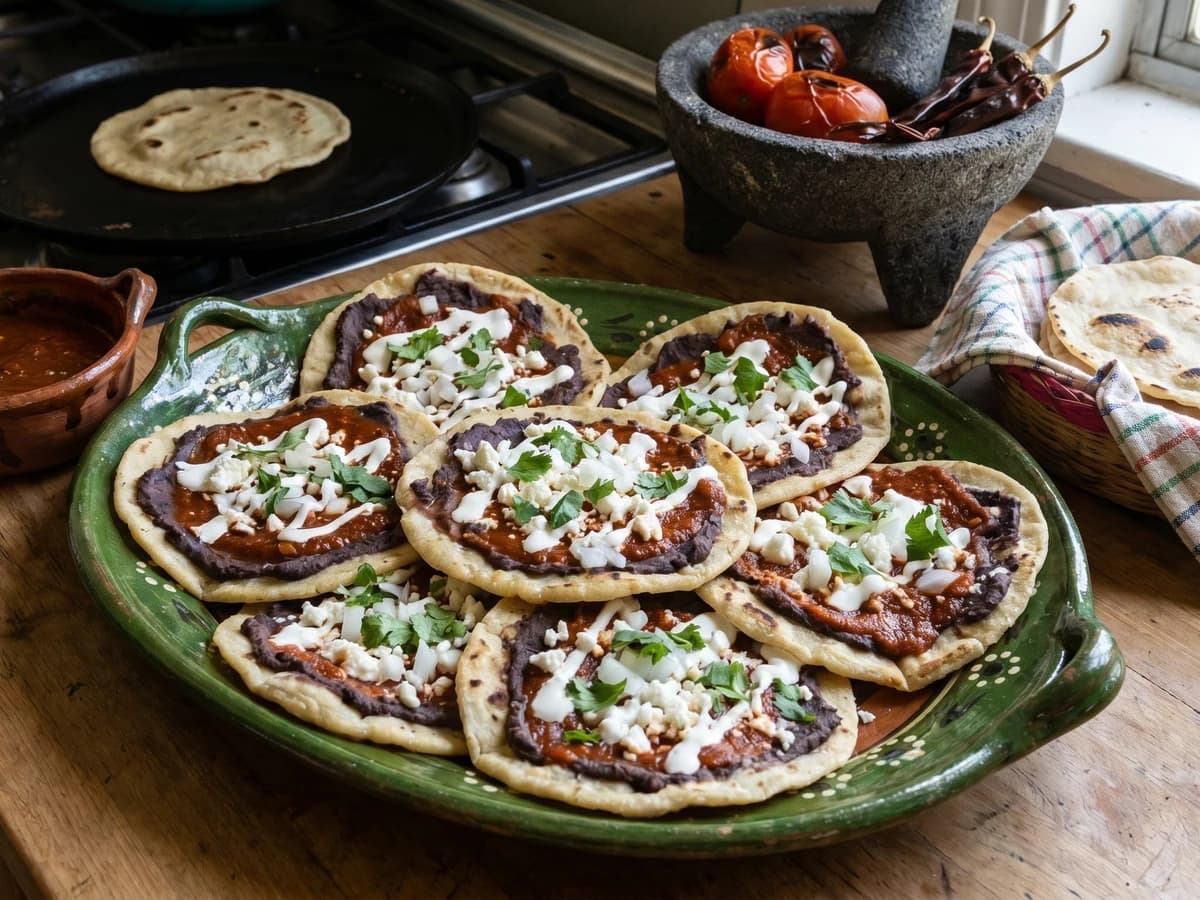
Veracruz's comal-built masa flatbreads, pinched while hot so the salsa and frijol negro stay where they belong. Cheap, filling, regional, and not trying to be anyone's taco.
Chef Lupita
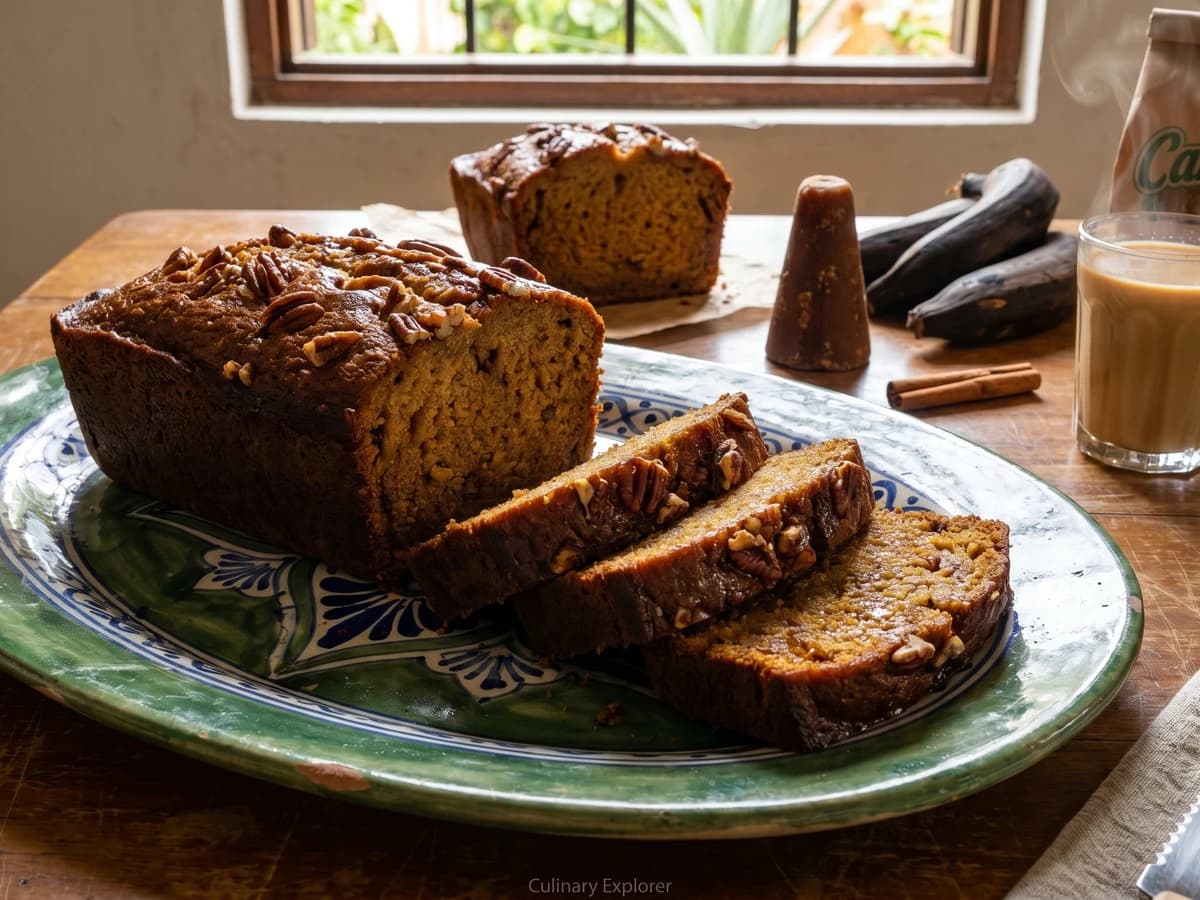
Veracruz's Sotavento loaf turns black-skinned plátano macho, piloncillo from the cañaverales, vanilla, and toasted pecans into a moist quick bread made for café lechero and tomorrow's breakfast.
Culinary guides, cultural storytelling, and the editorial depth that makes cooking meaningful.
Discover Culinary ExplorerChef Lupita is a fictional culinary guide to Regional Mexican Cuisine, written with the assistance of AI.