Chef Fai

Chef Fai

Thai Fermented & Preserved

Updated May 14, 2026

The preservation traditions that define regional identity. Ten dishes spanning fermentation and drying techniques from Isan, Lanna, Central Thai, and the coast. Pla ra, tua nao, naem, kapi: these aren't condiments, they're the reason Thai regional cuisines taste different from each other.

Culinary Explorer

A cooking platform built around craft, culture, and the stories behind what we eat.

Discover Culinary Explorer
Crispy Rice Salad with Fermented Pork (Yam Naem Khao Tod ยำแหนมข้าวทอด) - Chef Fai

Chef Fai

Crispy Rice Salad with Fermented Pork (Yam Naem Khao Tod ยำแหนมข้าวทอด)

Lactic acid bacteria do the cooking for you: three days of fermentation turn pork and sticky rice into naem, the sour heart of this salad. Then you fry rice until it shatters and let the four pillars tie everything together.

Lanna Fermented Soybean Disc (Tua Nao) - Chef Fai

Chef Fai

Lanna Fermented Soybean Disc (Tua Nao)

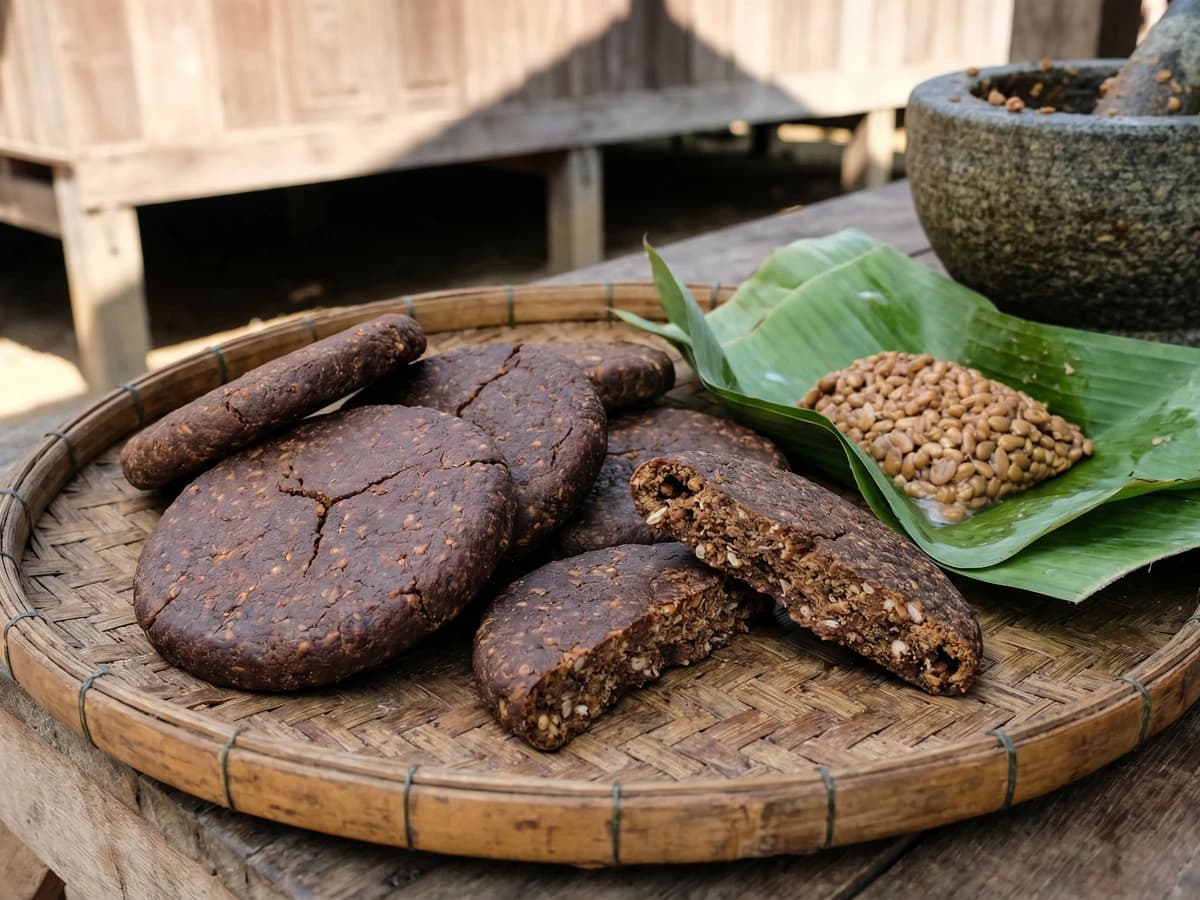
The Lanna mountains don't have ocean shrimp or river fish in abundance, so the North fermented soybeans instead. Same principle, different protein. The system adapts to what the land gives you.

Sun-Dried Beef (Nua Daet Diew) - Chef Fai

Chef Fai

Sun-Dried Beef (Nua Daet Diew)

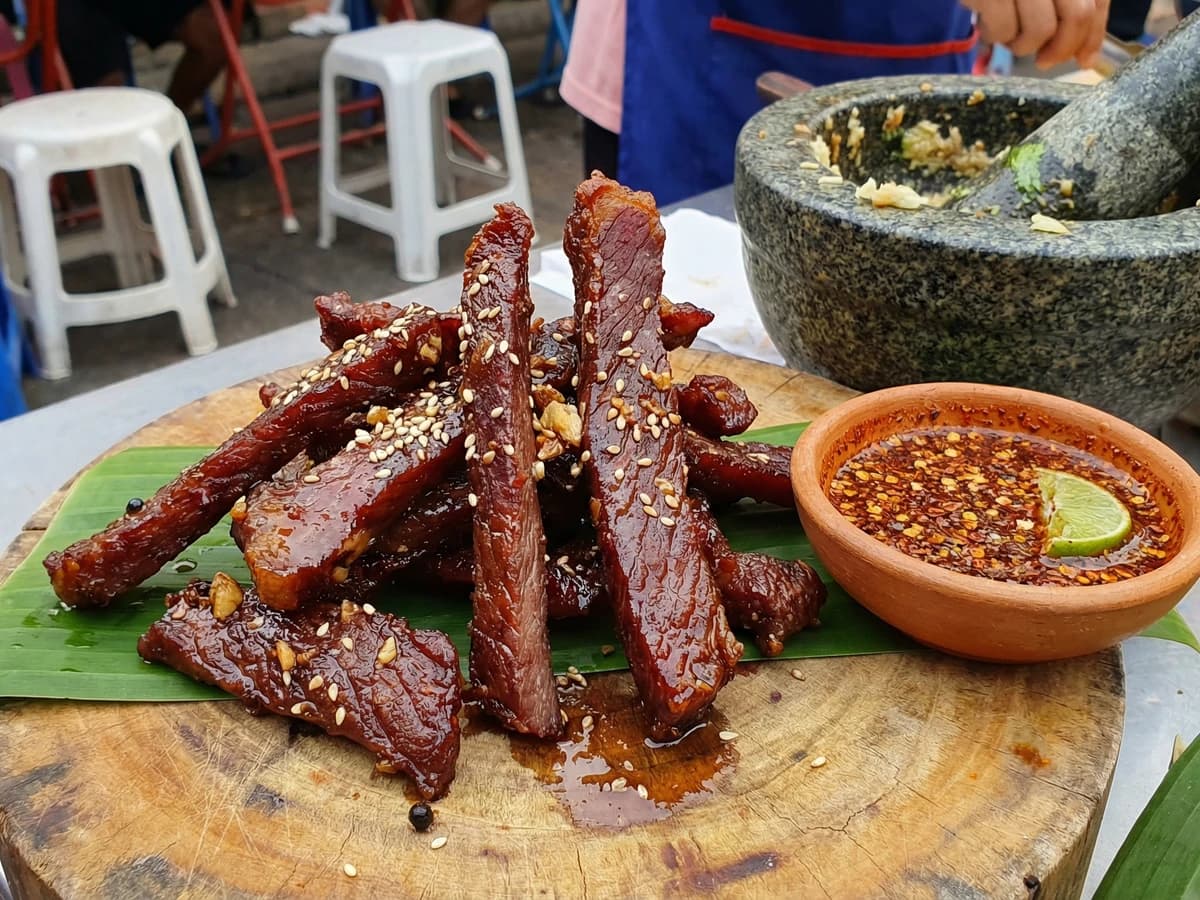
Salt draws moisture, sun concentrates flavor, frying seals the surface. Three stages of transformation governed by one principle: preservation is not the absence of freshness, it's the intensification of it.

Fermented Sour Pork Ribs (Naem Si Krong Moo / แหนมซี่โครงหมู) - Chef Fai

Chef Fai

Fermented Sour Pork Ribs (Naem Si Krong Moo / แหนมซี่โครงหมู)

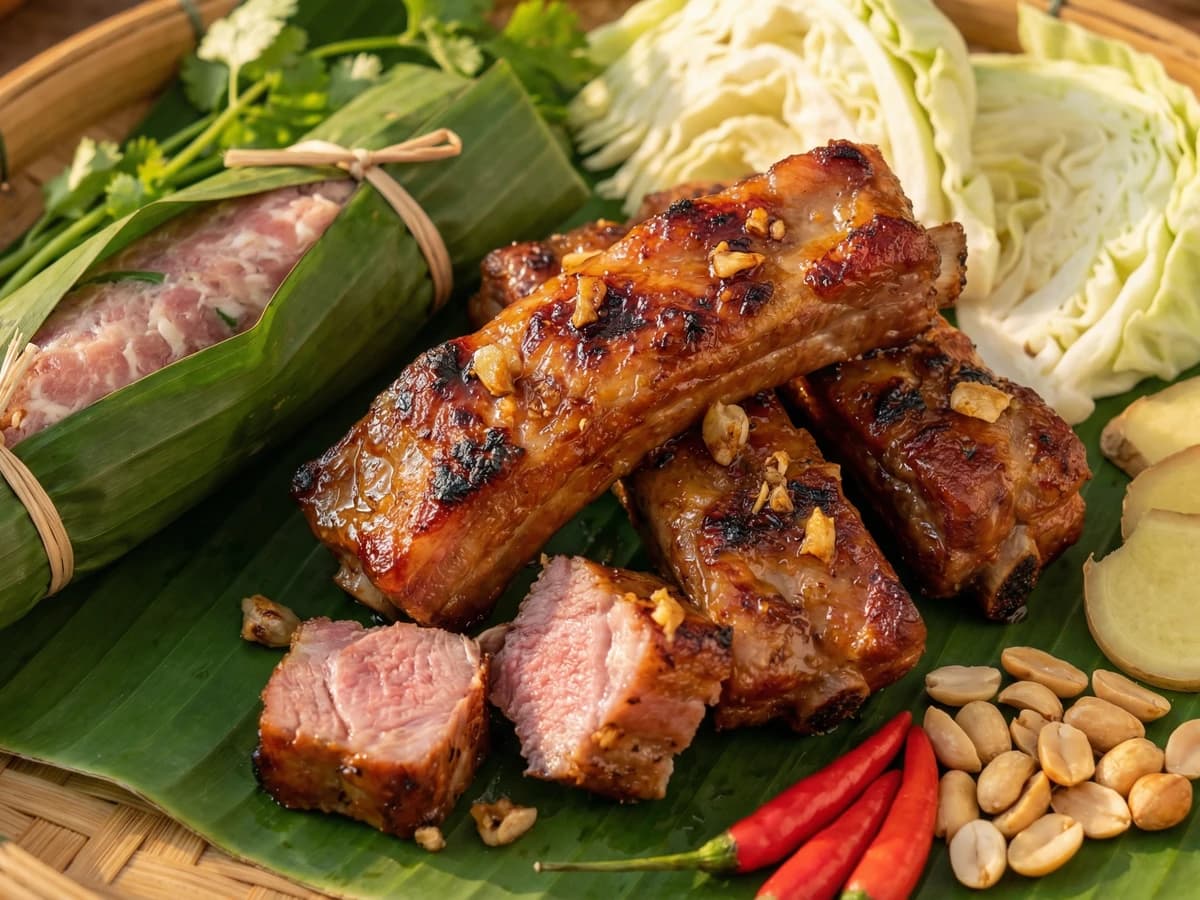
Lactic acid bacteria turn sticky rice into sour gold around bone-in pork ribs. Three days wrapped in banana leaves. The same naem science that's preserved Thai pork for centuries, applied to the richest cut on the animal.

Fermented Shrimp Condiment (Kung Jom) - Chef Fai

Chef Fai

Fermented Shrimp Condiment (Kung Jom)

Three ingredients, five days, and salt-tolerant bacteria do the rest. Kung jom is kapi's rougher, chunkier ancestor: the ferment that taught Thai cooks what shrimp could become.

Fermented Fish Coconut Dip (Pla Ra Lon) - Chef Fai

Chef Fai

Fermented Fish Coconut Dip (Pla Ra Lon)

Pla ra is fish sauce before civilization polished it. Six months in a clay jar, salt-tolerant bacteria breaking protein into pure umami, then simmered into coconut cream. This is Isan's soul in a dipping bowl.
Sweet Fish Sauce Dip (Nam Pla Wan) - Chef Fai

Chef Fai

Sweet Fish Sauce Dip (Nam Pla Wan)

Fish sauce and palm sugar reduced to a glossy, salty-sweet syrup with raw shallots, sliced chilies, and a squeeze of lime. The four pillars in a jar. Served with unripe fruit that fights back.

Fermented Sweet Rice (Khao Mak) - Chef Fai

Chef Fai

Fermented Sweet Rice (Khao Mak)

No sugar. No cooking. Just sticky rice, a fermentation starter, and time. The mold breaks starch into sweetness, the yeast adds booze. Thai dessert by microbiology, not by recipe.

Fermented Tea Leaf Chew (Miang, เมี่ยง) - Chef Fai

Chef Fai

Fermented Tea Leaf Chew (Miang, เมี่ยง)

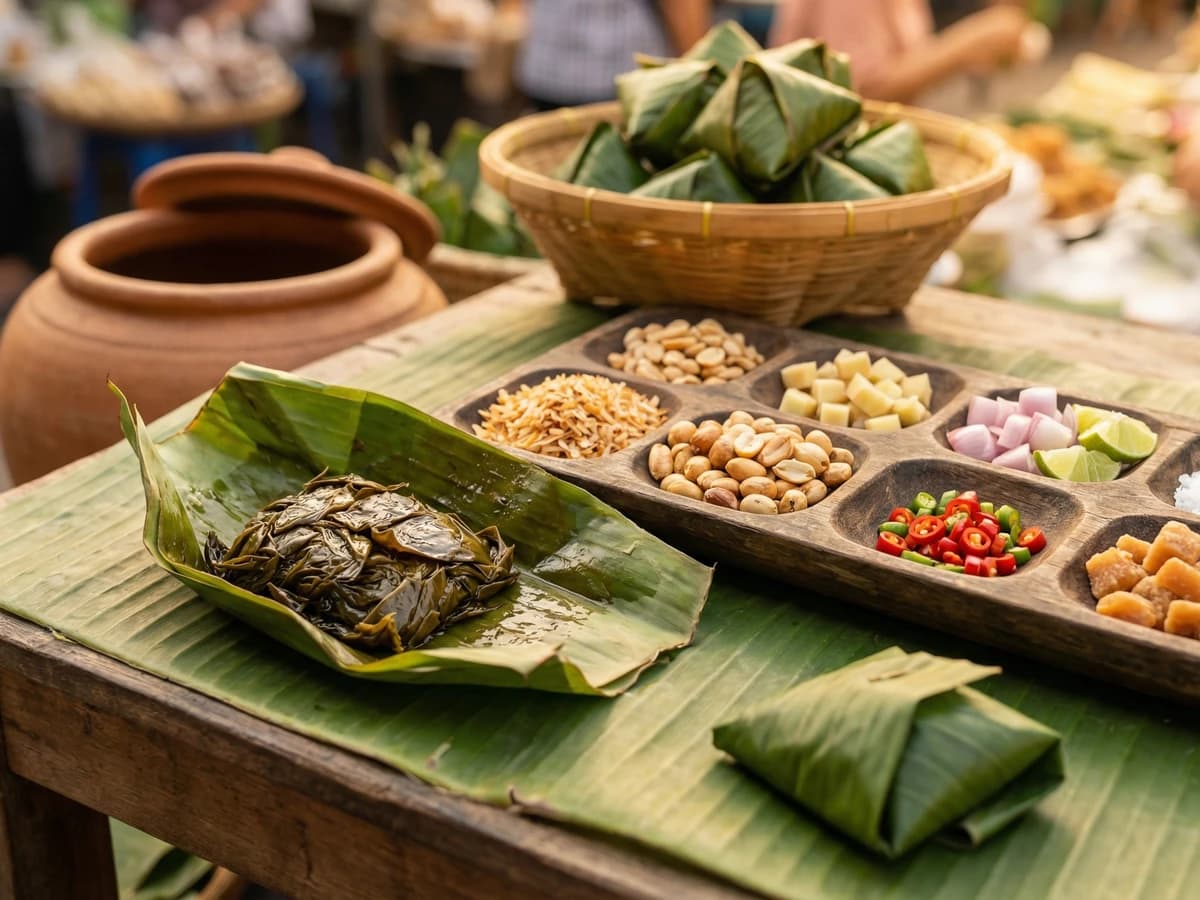
Lanna's oldest fermented tradition: wild tea leaves steamed, packed tight in banana leaf, and transformed by lactic acid bacteria over months. Time is the ingredient no one can skip.

Raw Shrimp in Fish Sauce (Kung Chae Nam Pla) - Chef Fai

Chef Fai

Raw Shrimp in Fish Sauce (Kung Chae Nam Pla)

No fire, no wok, no heat. Nam pla does the curing, garlic and chili do the aromatics, lime juice does the acid. The fermented backbone of Thai cuisine becomes the cooking method itself.

Where cooking meets culture.

Culinary guides, cultural storytelling, and the editorial depth that makes cooking meaningful.

Discover Culinary Explorer