Chef Isabel
Abanico Ibérico a la Plancha
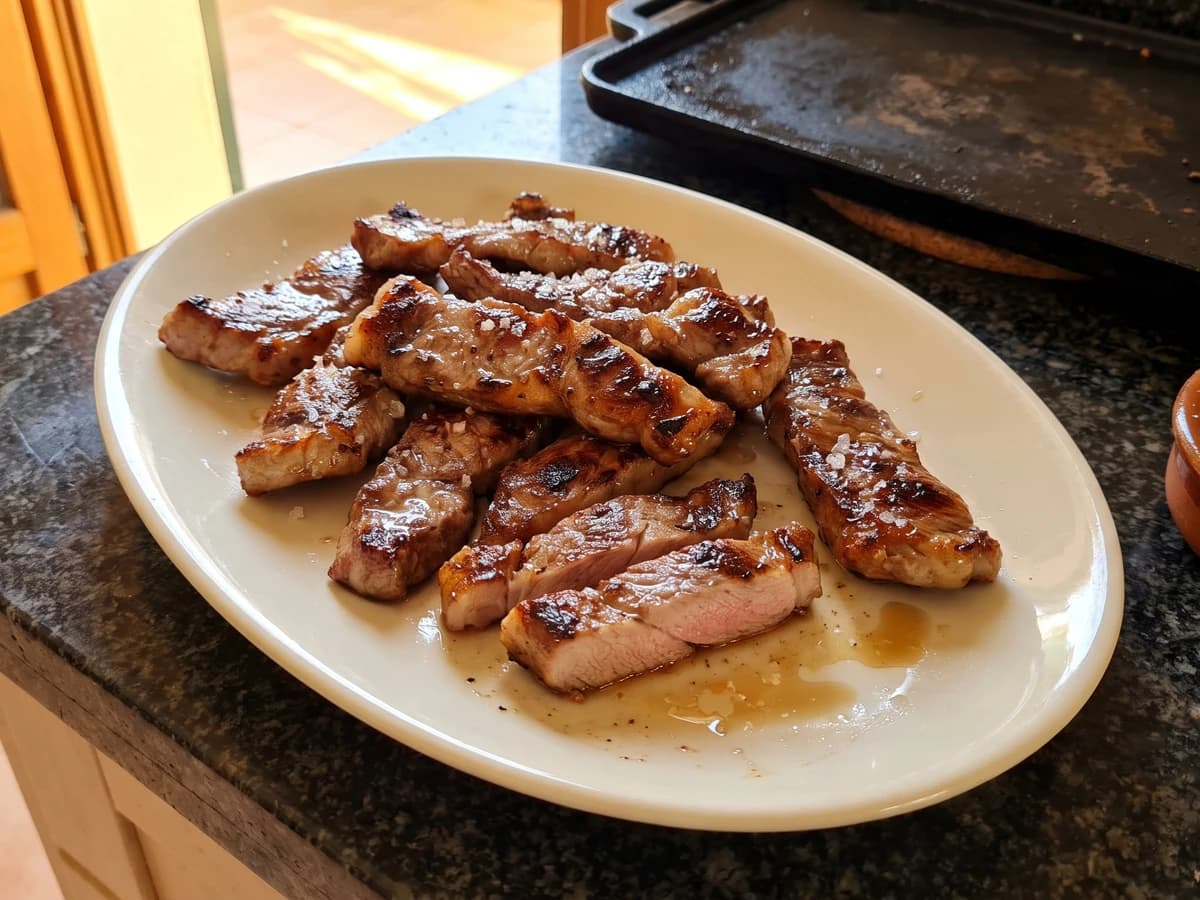
Extremadura's dehesa gives us this fan-shaped, marbled rib cut: salt it at the last moment, lay it on a fierce plancha, and count in seconds so the centre stays juicy.
A cooking platform built around craft, culture, and the stories behind what we eat.
Created by
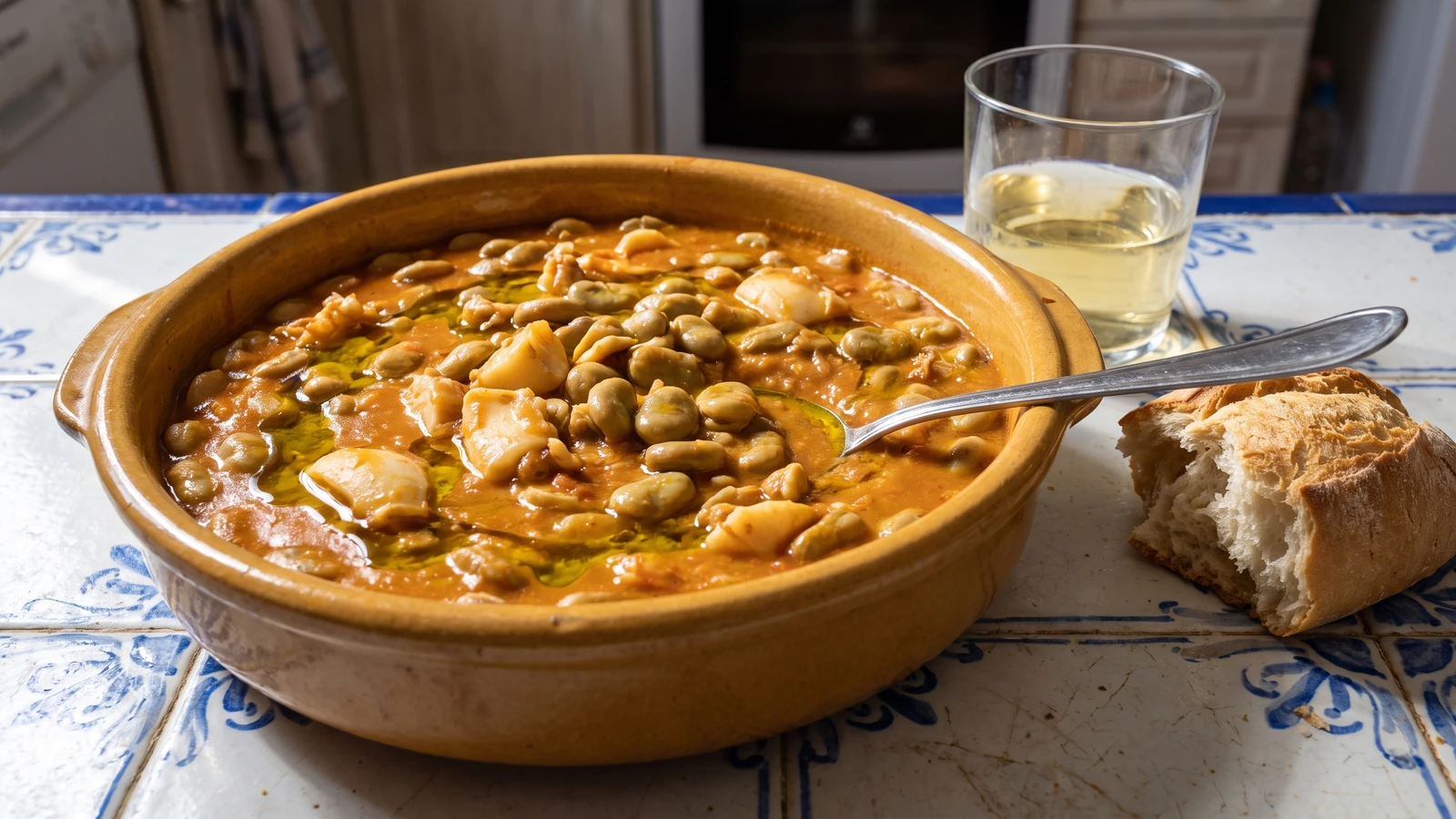
Habas con chocos is Huelva's coast and fields in one pot: Atlantic cuttlefish braised tender with spring fava beans, white wine, garlic, and pimentón, with the beans added late so they stay green and silky.
Habas con chocos is Huelva's spring cocina de cuchara, spoon food: Atlantic cuttlefish, called choco there, simmered with small fresh fava beans in a dark, sweet sofrito of onion, garlic, tomato, and pimentón. The meeting of the coast and the spring bean harvest makes this Huelva's dish, not a general Andalusian seafood stew. The sauce should cling loosely to the choco and habas, never drown them.
The order decides whether it works. Cook the sofrito low until the onion is deep gold and the tomato has lost its raw water, then braise the choco until nearly tender before the habas go in. Cuttlefish needs patience; young favas need very little. Put them in together and either the choco stays tough or the beans turn grey and floury. Beans last. That's the line written in the Margin beside mine.
Far from Huelva, frozen baby broad beans are the honest substitute for fresh habas. Add them straight from the freezer and shorten their cooking time; they lose a little of spring's green sweetness but keep the right tenderness. If you can't find cuttlefish, use cleaned squid and expect a softer, slightly sweeter result. No hace falta haber pisado España. Siempre sale, si lo sigues. It turns out if you follow it.
Habas con chocos belongs to Huelva, where the Atlantic fish market meets the spring fava harvest of the coastal plain and inland campiña. Cuttlefish is so closely tied to the city and its coast that people from Huelva are known as choqueros. The dry white wine of the Condado de Huelva in the cooking pot places the stew firmly in the province's own larder.
Quantity
800g
patted dry; body and tentacles cut into 3cm pieces
Quantity
600g shelled, from about 2kg pods
shelled, with the tender skins left on
Quantity
600g
use directly from frozen
Quantity
60ml
Quantity
220g
finely diced
Quantity
16g, about 4 cloves
finely chopped
Quantity
150g
grated or crushed
Quantity
4g, about 1 1/2 teaspoons
Quantity
1
Quantity
150ml
Quantity
400ml
Quantity
7g
divided
| Ingredient | Quantity |
|---|---|
| cleaned cuttlefish (choco or sepia)patted dry; body and tentacles cut into 3cm pieces | 800g |
| young fresh fava beansshelled, with the tender skins left on | 600g shelled, from about 2kg pods |
| frozen baby broad beans (optional)use directly from frozen | 600g |
| extra virgin olive oil | 60ml |
| onionfinely diced | 220g |
| garlicfinely chopped | 16g, about 4 cloves |
| ripe tomato or canned whole tomatograted or crushed | 150g |
| sweet pimentón | 4g, about 1 1/2 teaspoons |
| bay leaf | 1 |
| dry white wine, preferably Condado de Huelva | 150ml |
| hot water | 400ml |
| fine sea saltdivided | 7g |
Shell the fresh favas and weigh out 600g. Keep the pale skins on small, tender beans; peeling every one belongs to another sort of afternoon. Pat the cleaned cuttlefish very dry and cut the body and tentacles into even 3cm pieces so they tenderize together. Pésalo, no lo adivines. Weigh it, don't guess.
Heat the olive oil in a wide heavy casserole over medium-low heat. Add the onion with 2g of the salt and cook for 15 to 18 minutes, stirring often, until deep gold, soft, and sweet but not scorched. Add the garlic and cook for 2 minutes. Stir in the tomato and cook for another 8 to 10 minutes, until the sofrito, the slow onion base, is dark and thick with no watery edge around it.
Add the cuttlefish and bay leaf, raise the heat to medium-high, and cook for 6 to 8 minutes. Stir now and then while the choco turns opaque and releases its liquid. Keep going until most of that liquid has cooked away and the oil appears again at the bottom.
Take the casserole off the heat, stir in the pimentón for 10 seconds, and immediately pour in the white wine so the spice cannot scorch. Return the pot to the heat and boil for 3 minutes. Add the hot water and the remaining 5g salt, then lower the heat and simmer partly covered for 25 minutes.
Push the point of a small knife into a thick piece of cuttlefish. It should yield but still offer a little resistance. If it feels springy or rubbery, simmer for another 10 minutes and test again. Keep the liquid at a gentle bubble and add 50ml hot water only if the base threatens to catch. Don't add the favas until the choco is nearly tender.
Stir in the fresh favas and simmer uncovered for 12 to 18 minutes, shaking the casserole occasionally, until the beans are tender and creamy inside but still green. For frozen baby broad beans, add them without thawing, let the pot return to a simmer, and cook for 8 to 10 minutes. The sauce should be loose enough for a spoon but thick enough to cling to the beans.
Remove the bay leaf, take the casserole off the heat, and let it rest for 10 minutes. Taste and add salt only if it needs it; cuttlefish brings some salinity of its own. Serve in deep bowls with bread for the pimentón-stained sauce. Con buenos ingredientes y paciencia, nothing else is needed.
1 serving (about 480g)
Culinary guides, cultural storytelling, and the editorial depth that makes cooking meaningful.
Discover Culinary ExplorerChef Isabel
Extremadura's dehesa gives us this fan-shaped, marbled rib cut: salt it at the last moment, lay it on a fierce plancha, and count in seconds so the centre stays juicy.
Chef Isabel
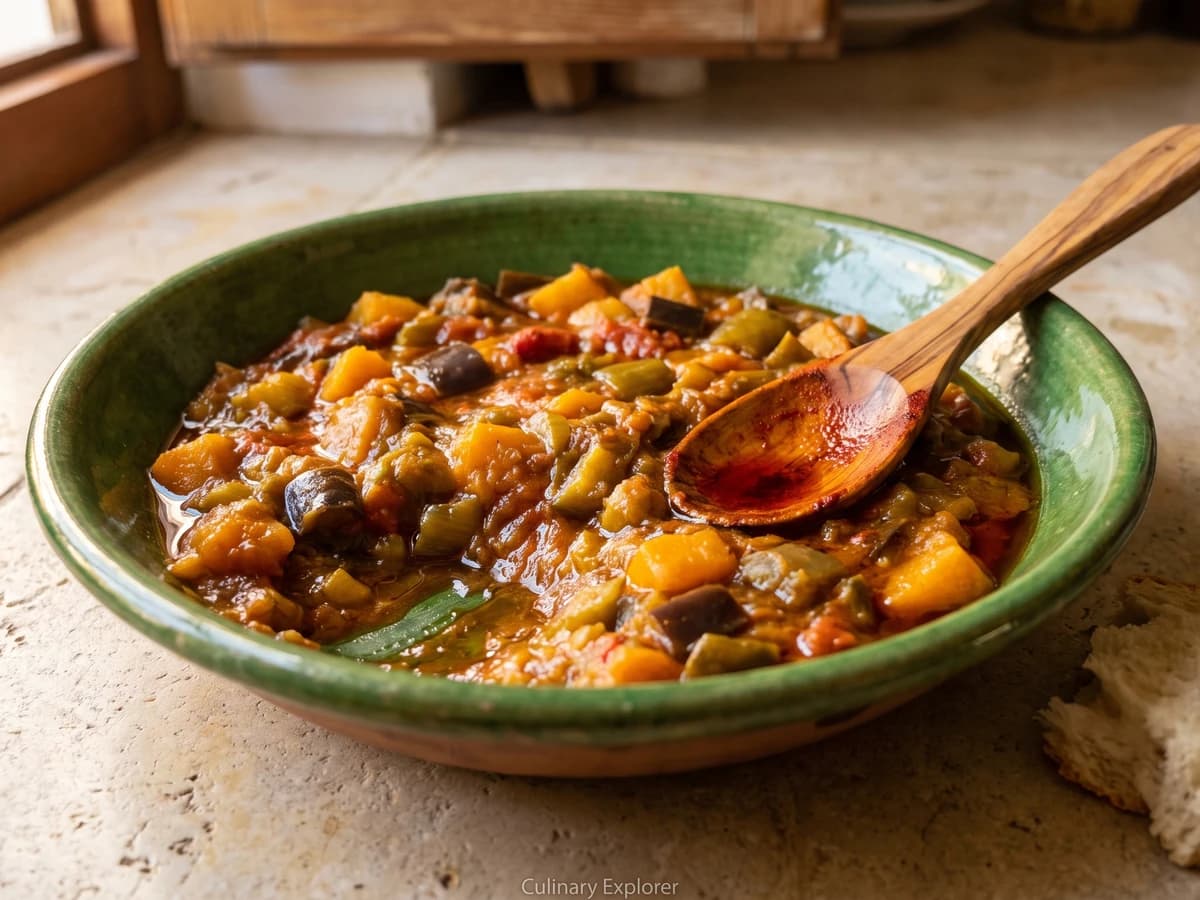
Alboronía is Andalucía's old pumpkin and aubergine stew, deepened with tomato, pimentón, and cumin, then cooked without hurry until the vegetables settle into a glossy, sweet, spoon-soft whole.

Chef Isabel
Aletría Murciana is Murcia's humble noodle guiso: fine fideos, pork ribs, potato, saffron, and a dark sweet sofrito. Get that base right and the pot knows where it's going.
Chef Isabel
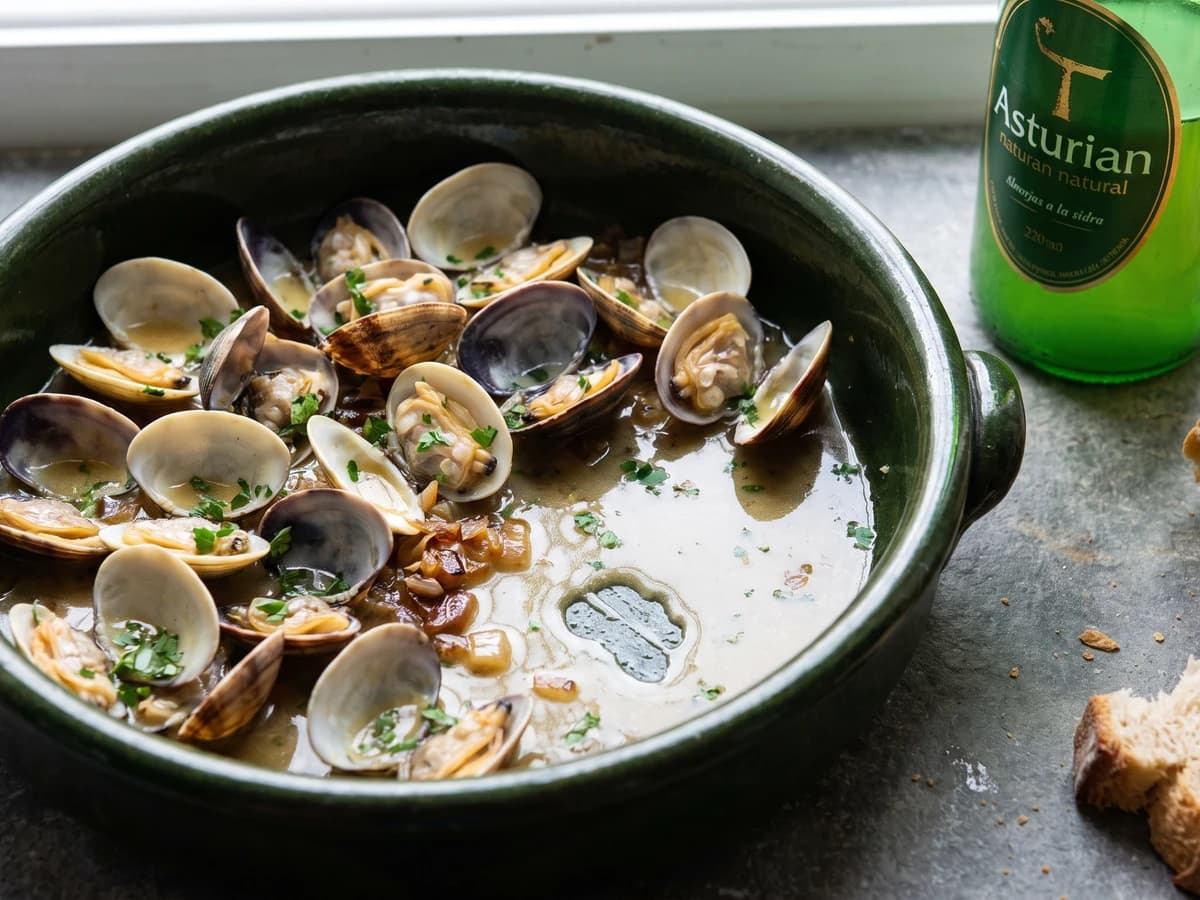
Asturias opens clams in tart natural cider over a slow onion and garlic sofrito, making a bright, briny sauce that asks for bread and rewards one rule: lift each clam as it opens.