Chef Isabel
Abanico Ibérico a la Plancha
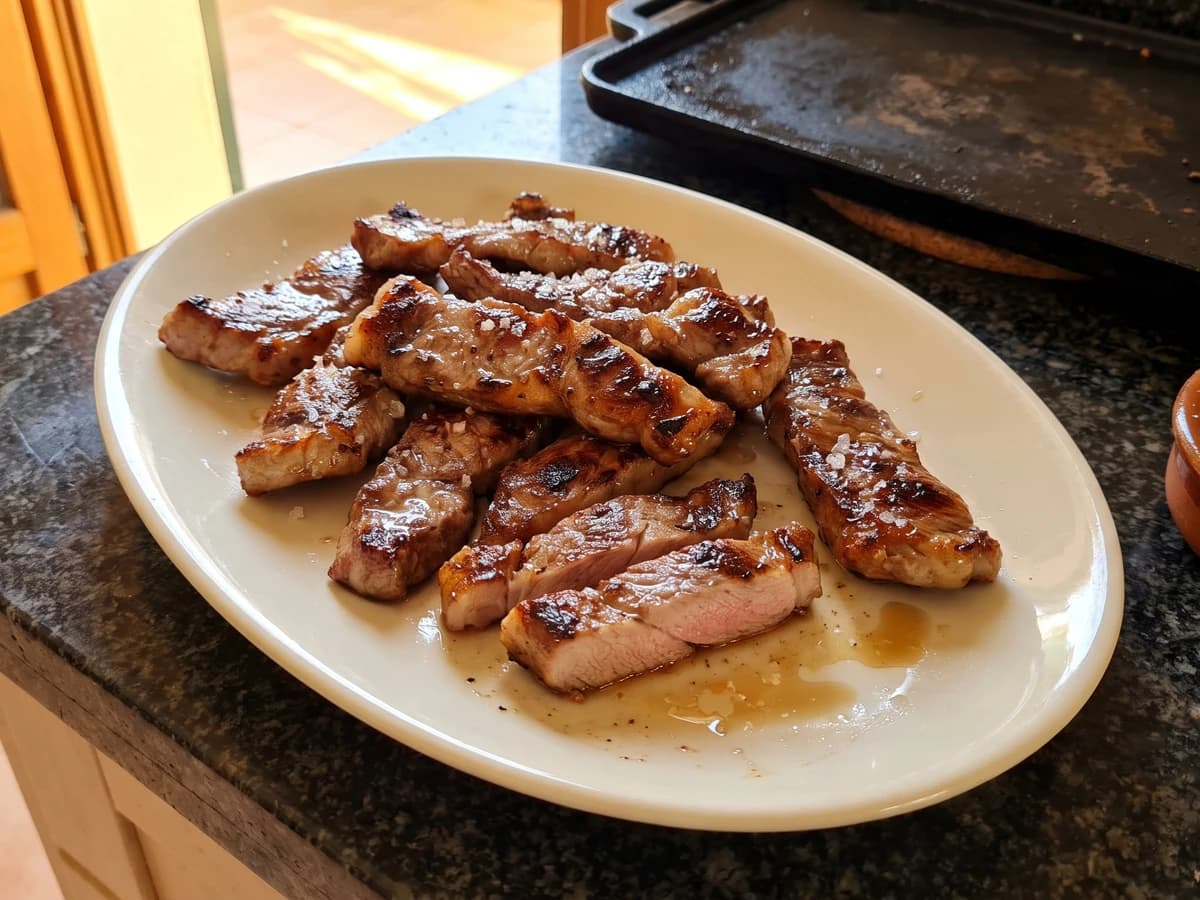
Extremadura's dehesa gives us this fan-shaped, marbled rib cut: salt it at the last moment, lay it on a fierce plancha, and count in seconds so the centre stays juicy.
A cooking platform built around craft, culture, and the stories behind what we eat.
Created by
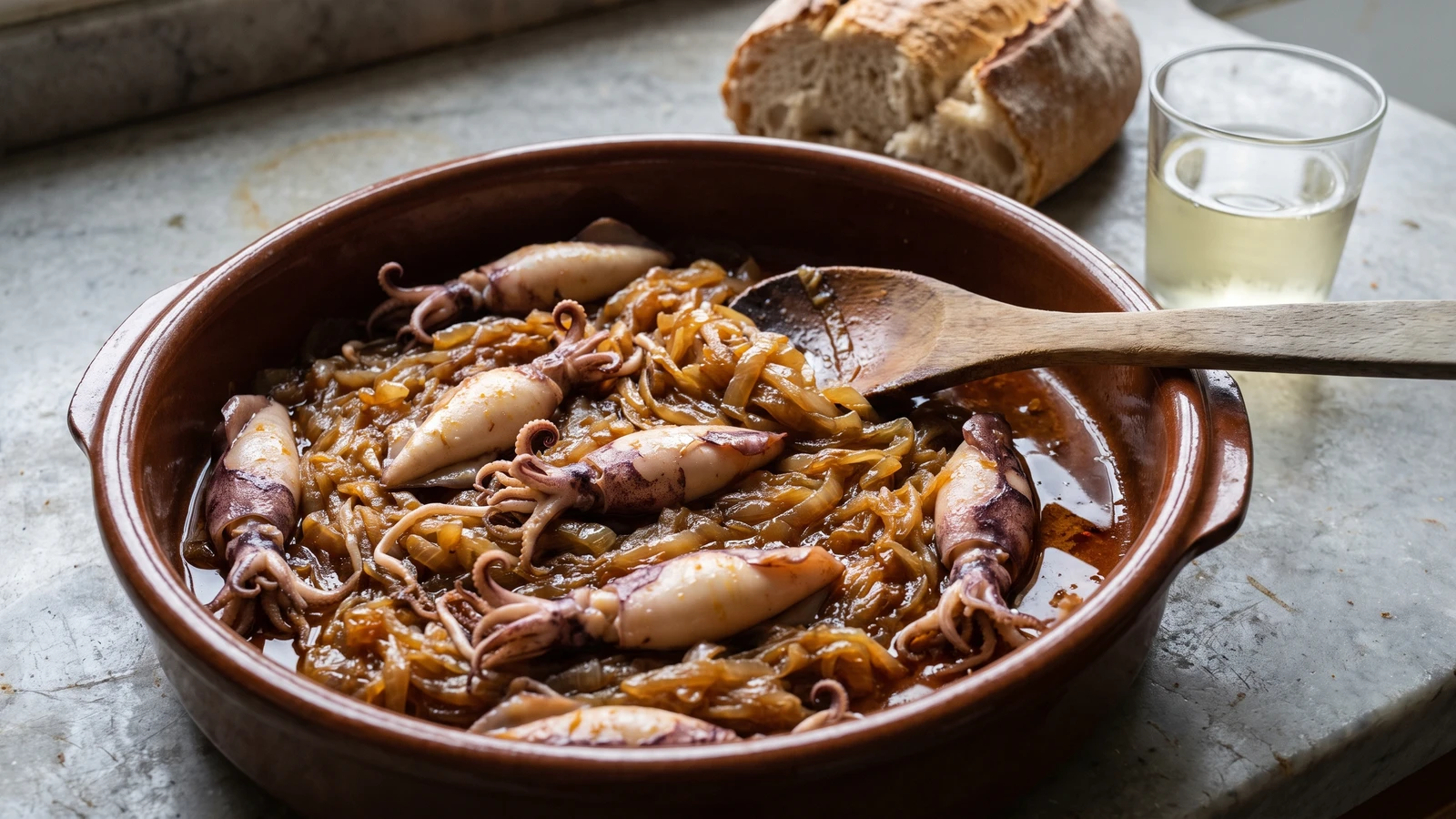
Basque coast baby squid buried under slow-cooked onions, white wine, and sweet pimentón, glossy and tender from one pan. Take the onions past gold and the whole dish finds its depth.
Chipirones encebollados belong to the Basque coast, where small squid are cooked beneath a great weight of onion until seafood and sauce become one thing. Unlike chipirones en su tinta, their black-ink cousin, this dish builds its character from onion, white wine, and a restrained spoonful of pimentón. The onion isn't background here. It's the sauce.
The method that decides it is simple and cannot be hurried. Cook the onions low until they pass gold, collapse into deep amber strands, and taste properly sweet. Stop while they're merely soft and the sauce stays pale and thin. Keep going, without scorching them, and they give the squid a dark, glossy depth that no stock can supply.
Frozen baby squid is often the best choice far from the Basque coast, and a Spanish home kitchen would use it without apology. Thaw it slowly and dry it well. If you can find only larger squid, cut the bodies into 3cm pieces and expect a firmer bite, with another 5 to 10 minutes of cooking. Any crisp, dry white wine can stand in for txakoli, though the sauce will lose a little of its bright acidity. The margin beside my recipe says only, "past gold." Follow that, and siempre sale, si lo sigues.
In Donostia and the fishing ports of the Basque coast, small squid, known as txipiroiak in Euskara, have long belonged to the everyday maritime larder. The celebrated black version, chipirones en su tinta, uses the animal's ink, while encebollados rely on the household store of onions to stretch the catch and make their own sauce. That abundance of onion was practical coastal cooking: an inexpensive keeping vegetable turned a modest haul of squid into a full family meal.
Quantity
800g
bodies left whole and tentacles reserved
Quantity
900g
halved and sliced 5mm thick
Quantity
3 cloves (about 12g)
thinly sliced
Quantity
60ml
Quantity
125ml
Quantity
2g (about 3/4 teaspoon)
Quantity
1
Quantity
8g
divided
Quantity
up to 60ml
only if needed while cooking the onions
| Ingredient | Quantity |
|---|---|
| cleaned baby squid (chipirones)bodies left whole and tentacles reserved | 800g |
| yellow onionshalved and sliced 5mm thick | 900g |
| garlicthinly sliced | 3 cloves (about 12g) |
| extra virgin olive oil | 60ml |
| dry white wine, preferably txakoli | 125ml |
| sweet pimentón | 2g (about 3/4 teaspoon) |
| bay leaf | 1 |
| fine sea saltdivided | 8g |
| water (optional)only if needed while cooking the onions | up to 60ml |
Check the squid carefully, removing any remaining clear quills, innards, and hard beaks. Keep the bodies whole if they are no longer than 12cm; leave the mottled outer skin on, because it gives the sauce color and flavor. Rinse the cavities briefly, drain well, and pat everything thoroughly dry.
Put the olive oil, onions, and 5g of the salt into a wide, heavy pan. Cover and cook over low heat for 12 minutes, stirring twice, until the onions collapse. Uncover and continue cooking for 28 to 33 minutes, stirring every few minutes, until they pass pale gold and become deep amber, soft, and jammy. Add the garlic for the final 3 minutes. If the pan begins catching before the onions are ready, add water 15ml at a time.
Take the pan off the heat. Add the pimentón and stir through the onions for 15 seconds, just until its warm, sweet smell rises. Don't leave it over direct heat or it turns bitter, and bitterness has nowhere to hide in a dish this plain.
Return the pan to medium heat, pour in the wine, and add the bay leaf. Scrape up the dark onion from the bottom and bubble for about 5 minutes, until the wine has reduced by half. Add the squid and the remaining 3g salt, turning the bodies and tentacles through the onions until evenly coated.
Cover, lower the heat, and cook gently for 15 minutes. The squid will release enough liquid to loosen the onions into a sauce. Uncover and cook for another 8 to 12 minutes, stirring occasionally, until a tentacle cuts easily and the sauce clings thickly to the squid. If the squid is still firm, give it another 5 minutes. Pésalo, no lo adivines for the ingredients, but tenderness is something you check with the knife.
Remove the bay leaf and let the chipirones rest off the heat for 5 minutes. Taste the onions before adding any more salt; the sauce concentrates as it cooks. Bring the pan straight to the table and serve with plenty of bread for the onion-rich juices.
1 serving (about 320g)
Culinary guides, cultural storytelling, and the editorial depth that makes cooking meaningful.
Discover Culinary ExplorerChef Isabel
Extremadura's dehesa gives us this fan-shaped, marbled rib cut: salt it at the last moment, lay it on a fierce plancha, and count in seconds so the centre stays juicy.
Chef Isabel
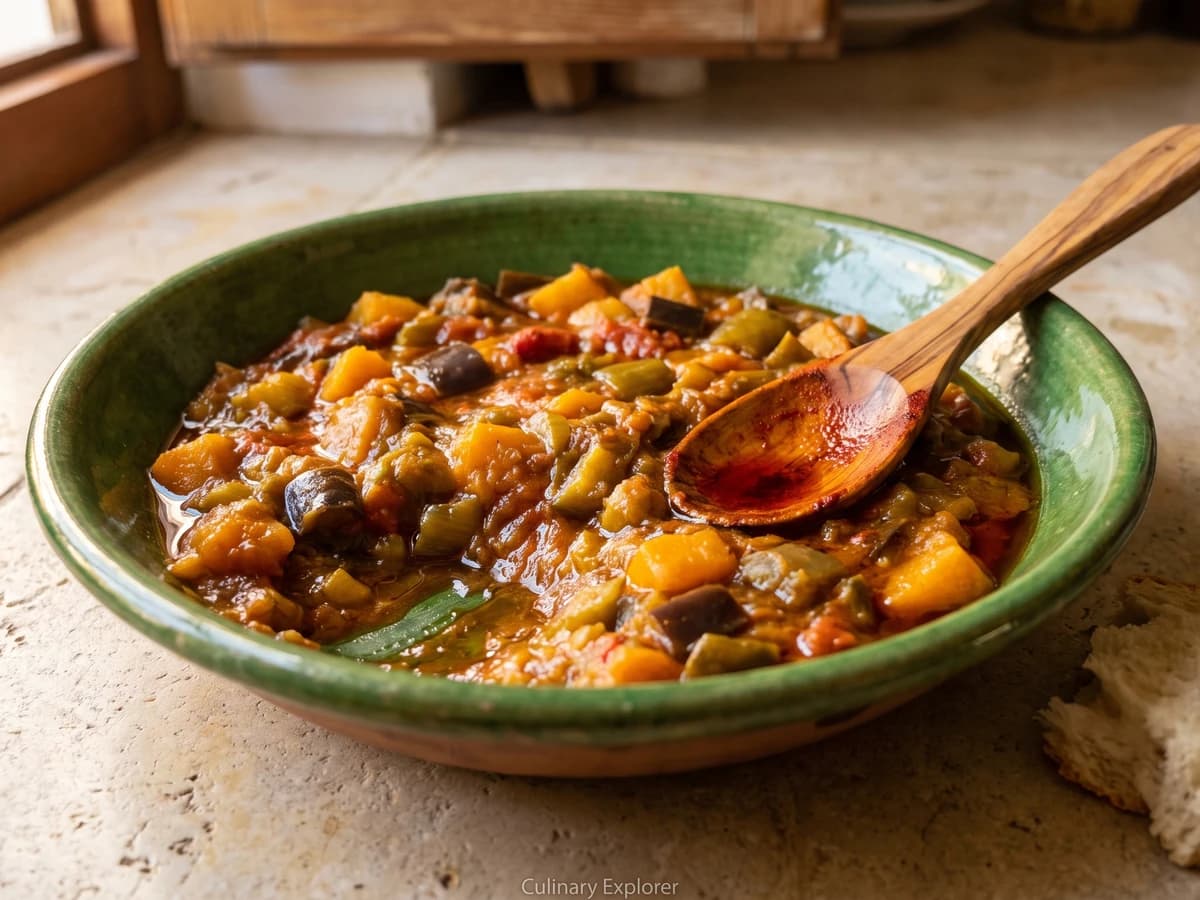
Alboronía is Andalucía's old pumpkin and aubergine stew, deepened with tomato, pimentón, and cumin, then cooked without hurry until the vegetables settle into a glossy, sweet, spoon-soft whole.

Chef Isabel
Aletría Murciana is Murcia's humble noodle guiso: fine fideos, pork ribs, potato, saffron, and a dark sweet sofrito. Get that base right and the pot knows where it's going.
Chef Isabel
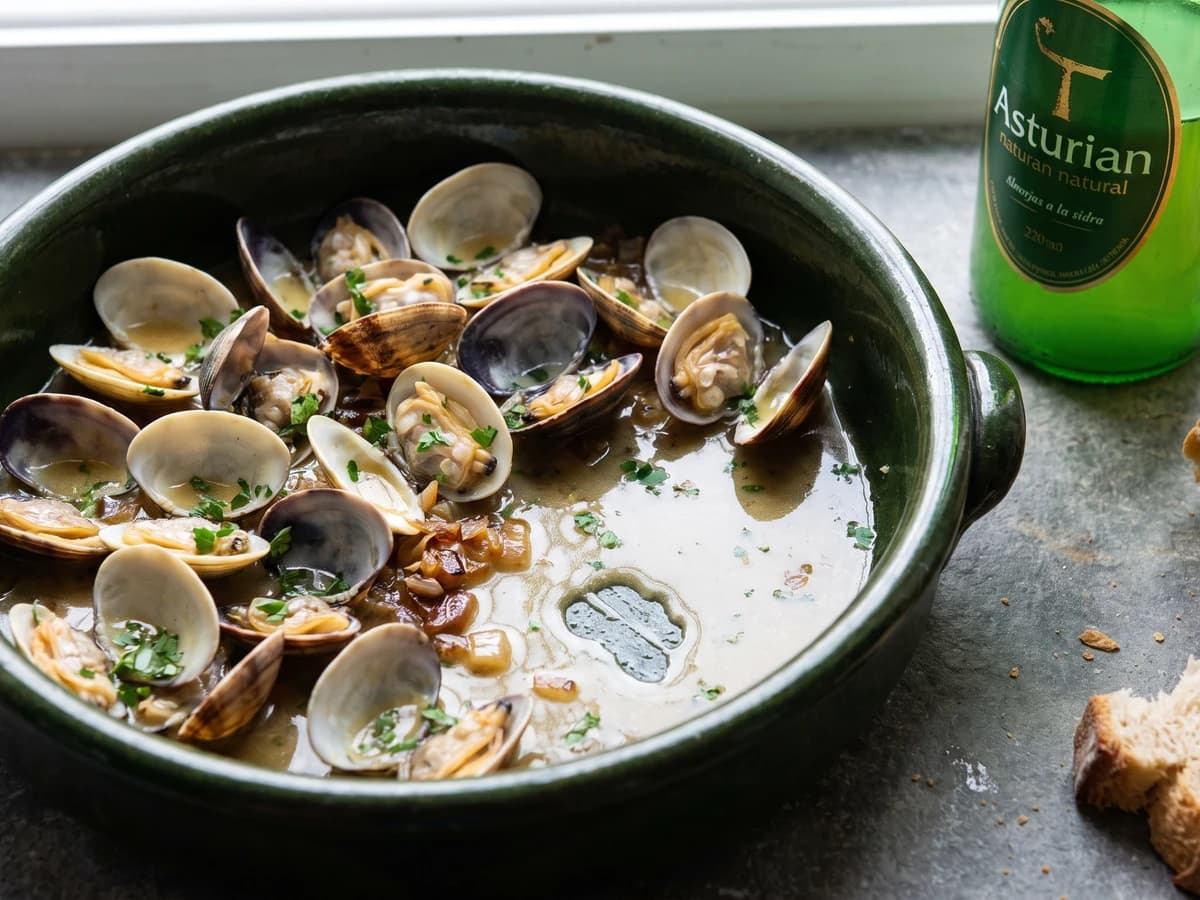
Asturias opens clams in tart natural cider over a slow onion and garlic sofrito, making a bright, briny sauce that asks for bread and rewards one rule: lift each clam as it opens.