
Chef Takumi
Bancha (番茶)
Bancha is the honest daily cup: late-season leaves, hot water, a short steep, and a clean amber-green liquor that asks for no ceremony to be good.
Recipe Archive
Beverages include bright refreshers, hot drinks, smoothies, cocktails, and alcohol-free options where balance and garnish matter as much as the base.
602 recipes
A cooking platform built around craft, culture, and the stories behind what we eat.
Chef Takumi
Bancha is the honest daily cup: late-season leaves, hot water, a short steep, and a clean amber-green liquor that asks for no ceremony to be good.

Chef Lupita
Sonora's ranchero energy drink, pinole whisked cold into water with piloncillo and a pinch of sea salt from the Sea of Cortez. The original desert hydration, older than any sports bottle.

Chef Lupita
Colima's cold bate is toasted chan seed beaten with water until thick and frothy, then sweetened with piloncillo syrup, the kind of market drink that proves not all Mexican beverages need fruit.

Chef Lupita
Sinaloa's Yoreme heritage refresher: toasted chan seeds bloomed in cold water with piloncillo and lime, served in a jicara gourd. The drink of the northwest summer.

Chef Juliana
Nobody is scared of a blender. Cachaça, coconut milk, condensed milk, and ice go in, and thirty seconds later the churrasco drink is solved.

Chef Juliana
You don't need a bar kit. Fresh maracujá, cachaça, condensed milk, and thirty honest seconds in the blender make a cold Brazilian toast that tastes bright, tart, and grown-up.
Chef Remy
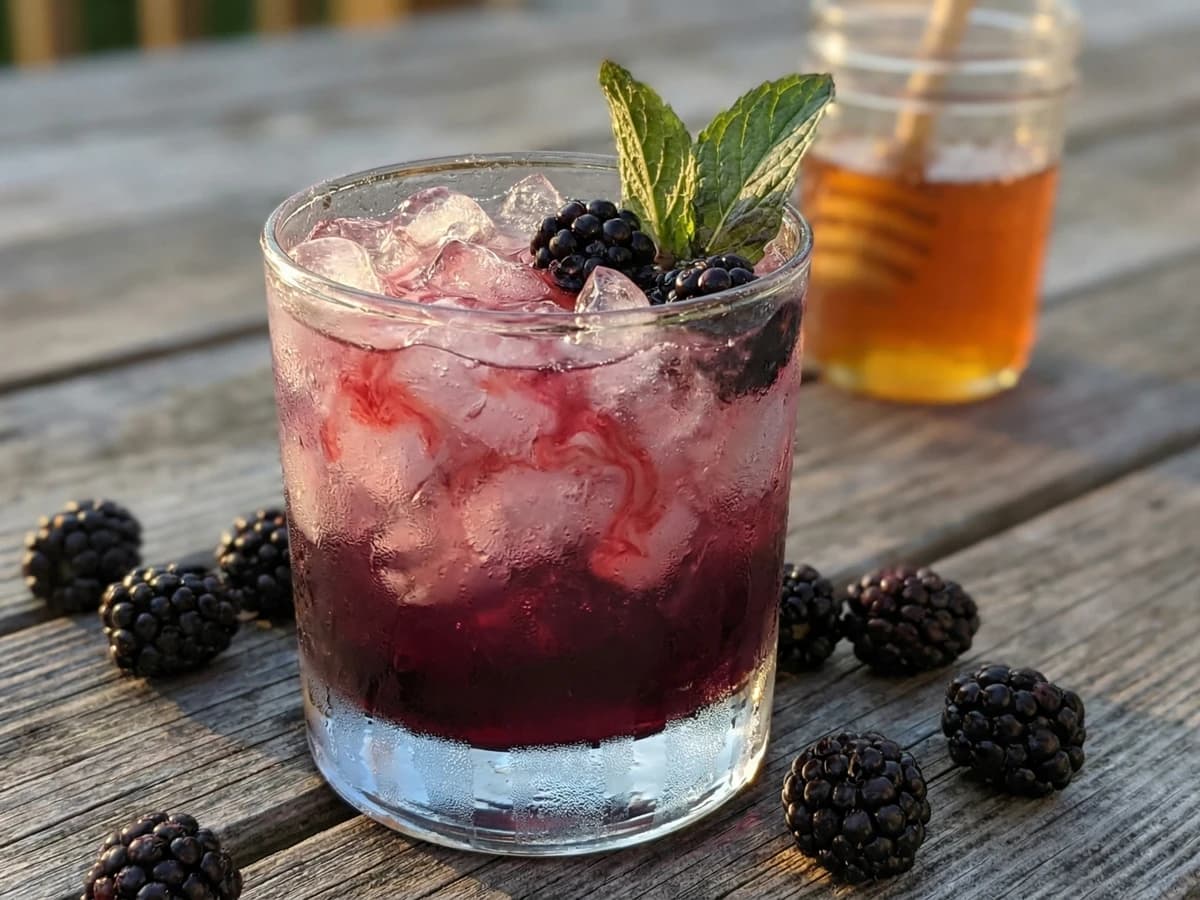
Wild Louisiana blackberries muddled with local honey, shaken with smooth bourbon and fresh lemon, finished with a float of Peychaud's bitters that turns the whole glass into something your grandmother would call medicinal and your friends will call dangerous.

Chef Remy
A stunning ruby-red tea that marries tart hibiscus flowers with bold black tea and Louisiana cane sugar, kissed with cinnamon and served ice-cold on sweltering bayou afternoons the way my grandmother Evangeline made it.

Chef Joost
Beerenburg is Friesland in a small glass: bitter herbs, old jenever, cold quays, and a name that belongs not to bears but to an Amsterdam spice merchant.
Chef Graziella
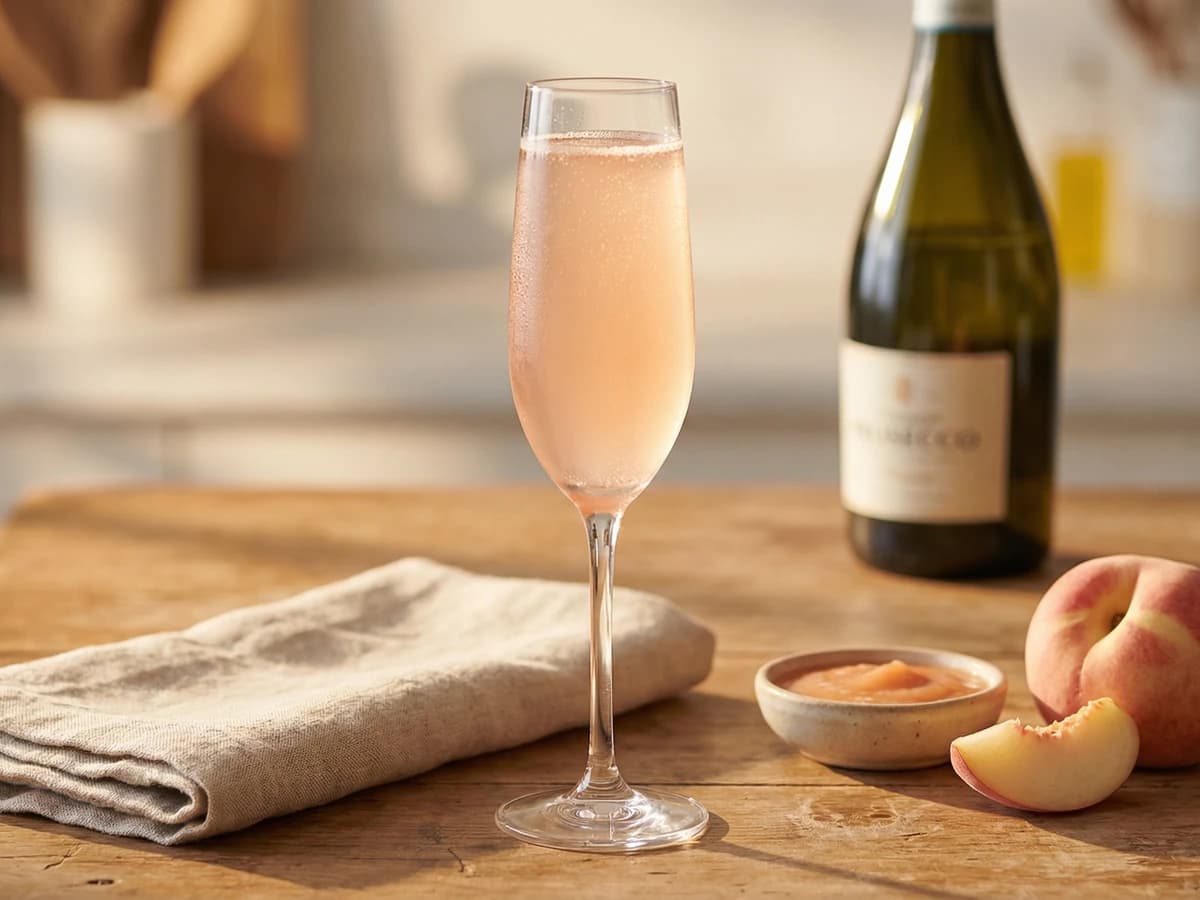
Two ingredients from the hand of Giuseppe Cipriani, who understood that restraint is the highest form of sophistication. Venice in a glass, pale pink and effervescent.

Chef Lesia
Birch sap looks like water until you taste it: cold, faintly sweet, mineral, and gone almost as soon as spring admits it has arrived.

Chef Klaus
Berlin's summer glass: sharp, pale Berliner Weisse softened with a red raspberry or green woodruff Schuss, cold enough to bead the glass and never from bottled syrup.
Chef Graziella
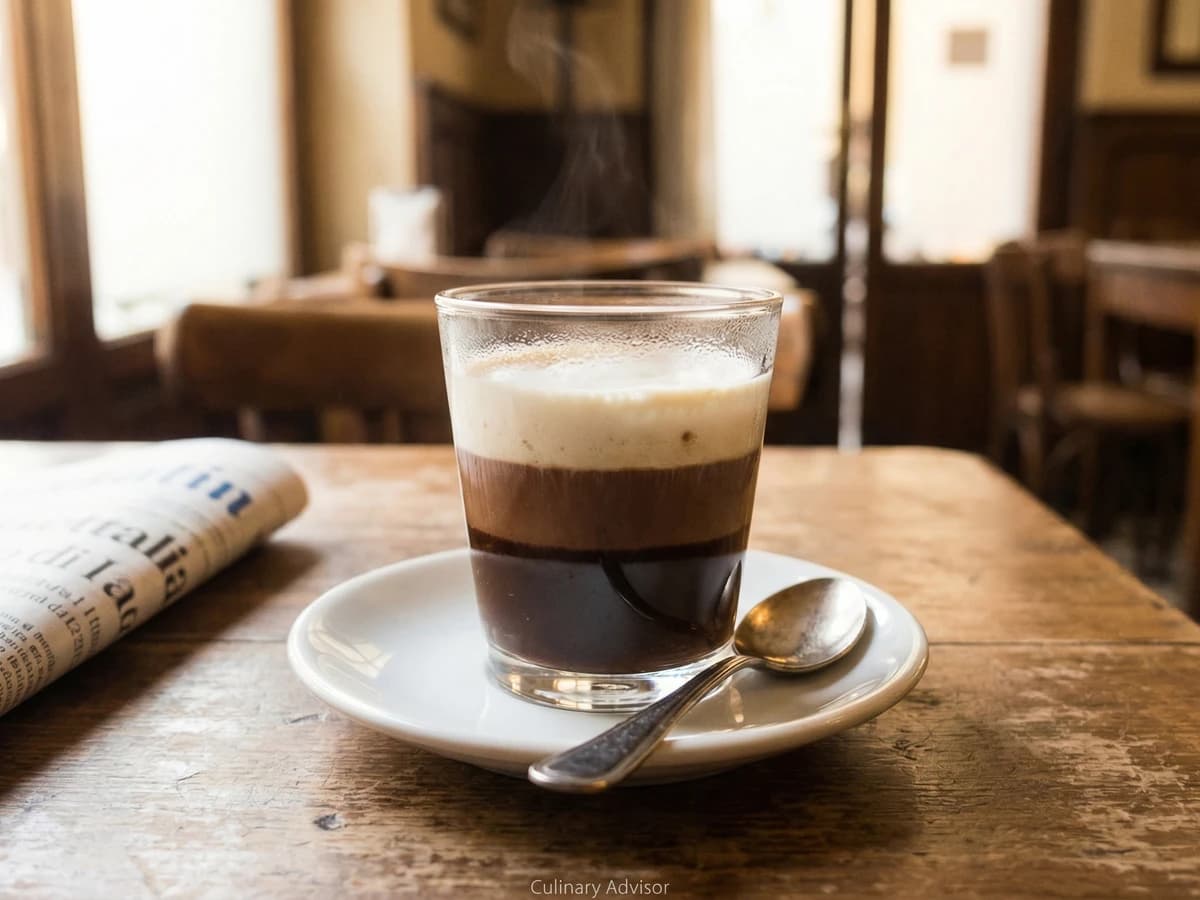
The legendary three-layered drink of Turin, where bitter espresso, silken hot chocolate, and cold cream meet but never mix. You experience each layer separately as you drink.

Chef Lupita
Guanajuato's old agave drink, built from roasted maguey hearts, piloncillo, and slow fermentation, sweet and low-alcohol, made for celebration without pretending it is pulque.

Chef Joost
The bishop's red wine, scented with orange and clove, belongs to Pakjesavond as surely as pepernoten: a small pot of spice-route history passed between cold hands.

Chef Takumi
Whole black soybeans, roasted until their skins split, make a clear amber tea with a roasted sweetness and no caffeine. Drink it plain, then eat the softened beans while they still hold their warmth.

Chef Ally
Sun-warmed blackberries crushed with sugar and stirred into hand-squeezed lemonade, the color of late summer twilight, best drunk on a porch with nowhere to be.

Chef Thomas
A deep, inky cordial made from a glut of August blackcurrants, bottled for the months when summer feels like something you dreamed, and poured over ice when you need proof it happened.

Chef Ally
The classic Italian aperitivo transformed by winter's most dramatic citrus, a ruby-hued drink that balances bitter Campari with the sweet-tart complexity of blood oranges at their peak.

Chef Dean
All the comfort of a warm bakery muffin, transformed into a thick, cold breakfast you can drink on your way out the door. Rolled oats and cinnamon make the illusion complete.

Chef Joost
The name means farm boys, but the jar is pure celebration: raisins swollen with brandy, cinnamon, and patience, spooned out at New Year like a northern Dutch secret.

Chef Joost
Boerenmeisjes are the farm girls of the Dutch feest (celebration) table: dried apricots made golden with brandy, cinnamon, and lemon, waiting until New Year gives them an excuse.

Chef Freja
The non-alcoholic gløgg that belongs to the children at every Danish Christmas table, warmed with the same cinnamon, cardamom, and clove, served with raisins and almonds in the cup, because nobody should be left out of the ritual.

Chef Jeong-sun
Summer bokbunja steeped with sugar and strong damgeum soju until the berries give up their deep tart color, a make-ahead Korean fruit wine for small cold cups and a slow table.
Culinary guides, cultural storytelling, and the editorial depth that makes cooking meaningful.
Discover Culinary Explorer