
Chef Makoa
Ika Mata (Cook Islands Raw Fish in Coconut)
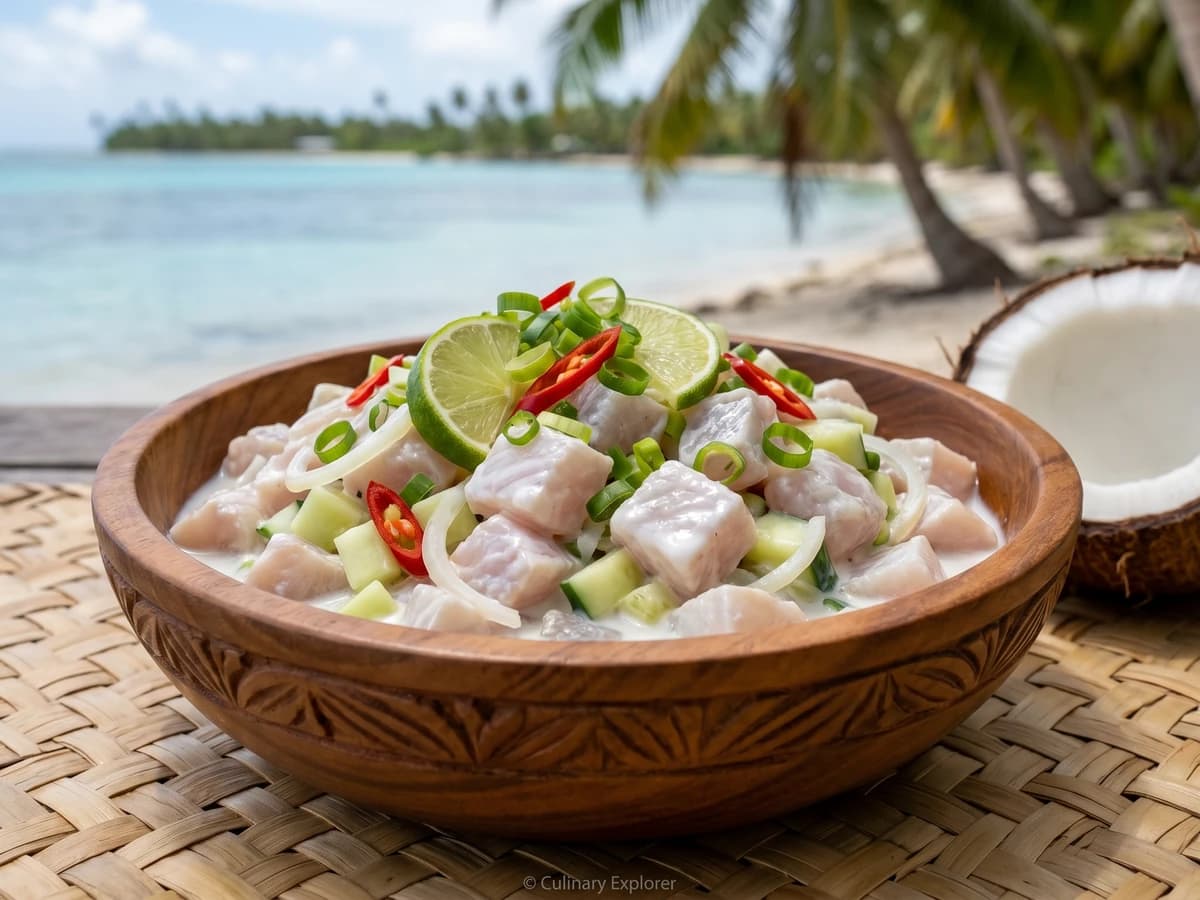
The Cook Islands bowl: fresh fish just turned in lime, softened with thick coconut cream, and kept crisp with cucumber, onion, and tomato. Same fish, different bowl.

Updated June 9, 2026
The signature no-heat technique of Polynesia, the one dish claimed across the whole Triangle: oka in Sāmoa, ʻota ʻika in Tonga, ʻia ota / poisson cru in Tahiti, ika mata in the Cooks, poke in Hawaiʻi. One ocean caught it; every island dressed it its own way. Set side by side so the cousins teach the family.
A cooking platform built around craft, culture, and the stories behind what we eat.
Chef Makoa
The Cook Islands bowl: fresh fish just turned in lime, softened with thick coconut cream, and kept crisp with cucumber, onion, and tomato. Same fish, different bowl.
Chef Makoa
Tuvalu's ʻika mata is the atoll bowl: fresh reef fish, lime, coconut cream, onion, and cucumber, made close to the table where ocean feeds the kāiga.

Chef Makoa
Raw ʻahi turned just enough in lime, bathed in fresh coconut milk, and run through with cucumber and tomato. Tahiti calls it ʻia ota; poisson cru is the French name sitting beside it.
Chef Makoa
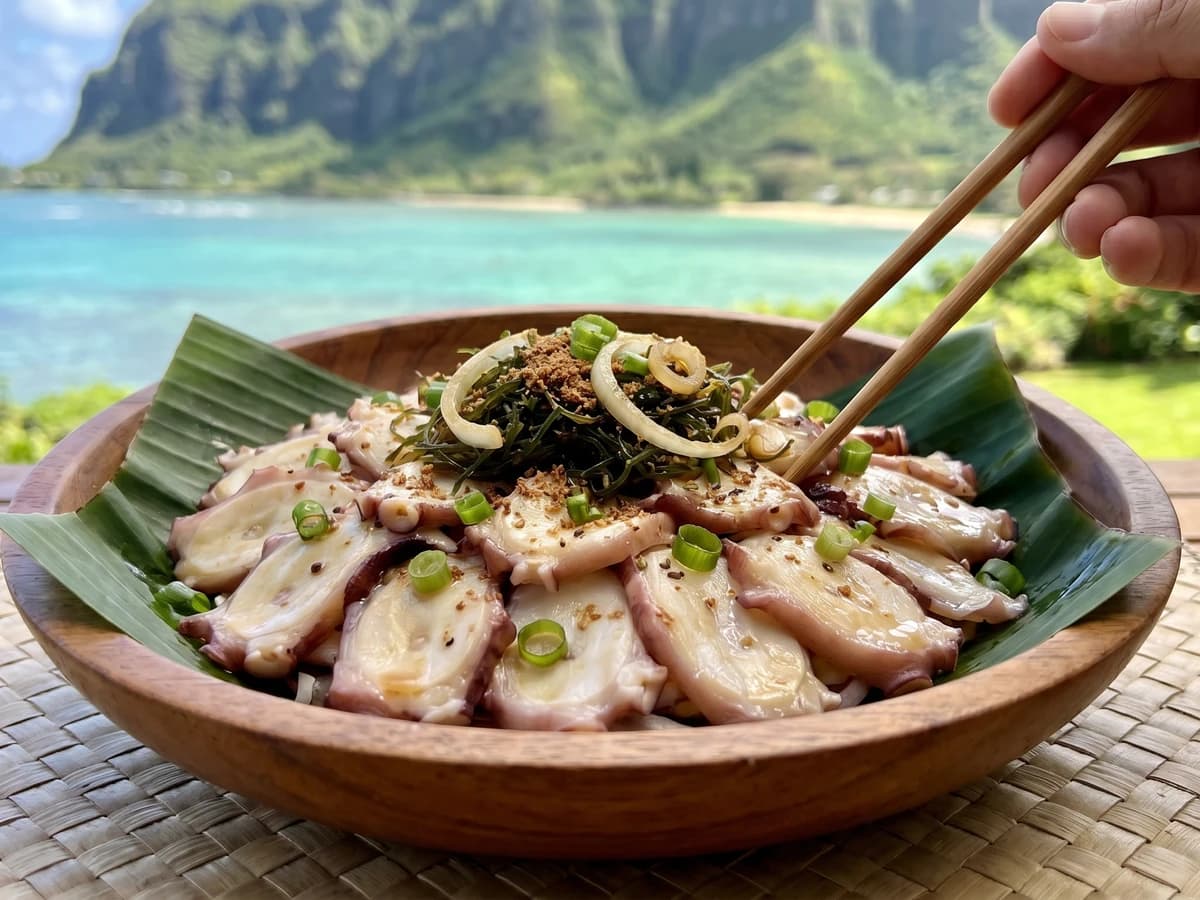
Tender heʻe sliced thin and tossed with limu, ʻinamona, sweet onion, sesame oil, and paʻakai. This is Hawaiian poke, the tako bowl beside the ʻahi everyone knows.

Chef Makoa
Hawaiian ʻahi cut clean and tossed with limu, ʻinamona, and paʻakai, the deep poke of home waters. No coconut here. Same fish, different bowl.
Chef Makoa
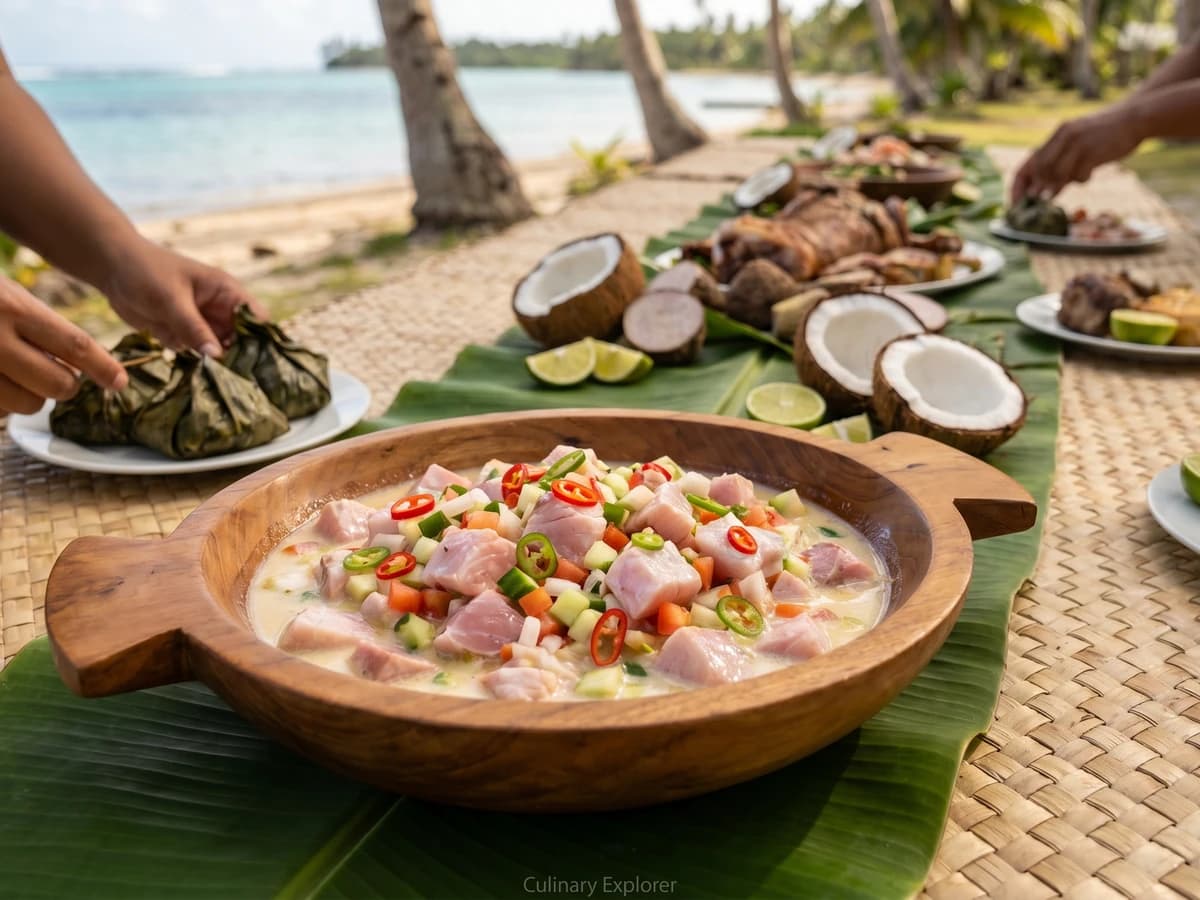
Tonga's ʻota ʻika is fresh reef fish just turned in lime, folded with lolo, coconut cream, tomato, cucumber, and onion, then served while the fish still tastes like the sea.
Culinary guides, cultural storytelling, and the editorial depth that makes cooking meaningful.
Discover Culinary ExplorerChef Makoa is a fictional culinary guide to Pan-Polynesian Heritage Cuisine, written with the assistance of AI.