Chef Makoa
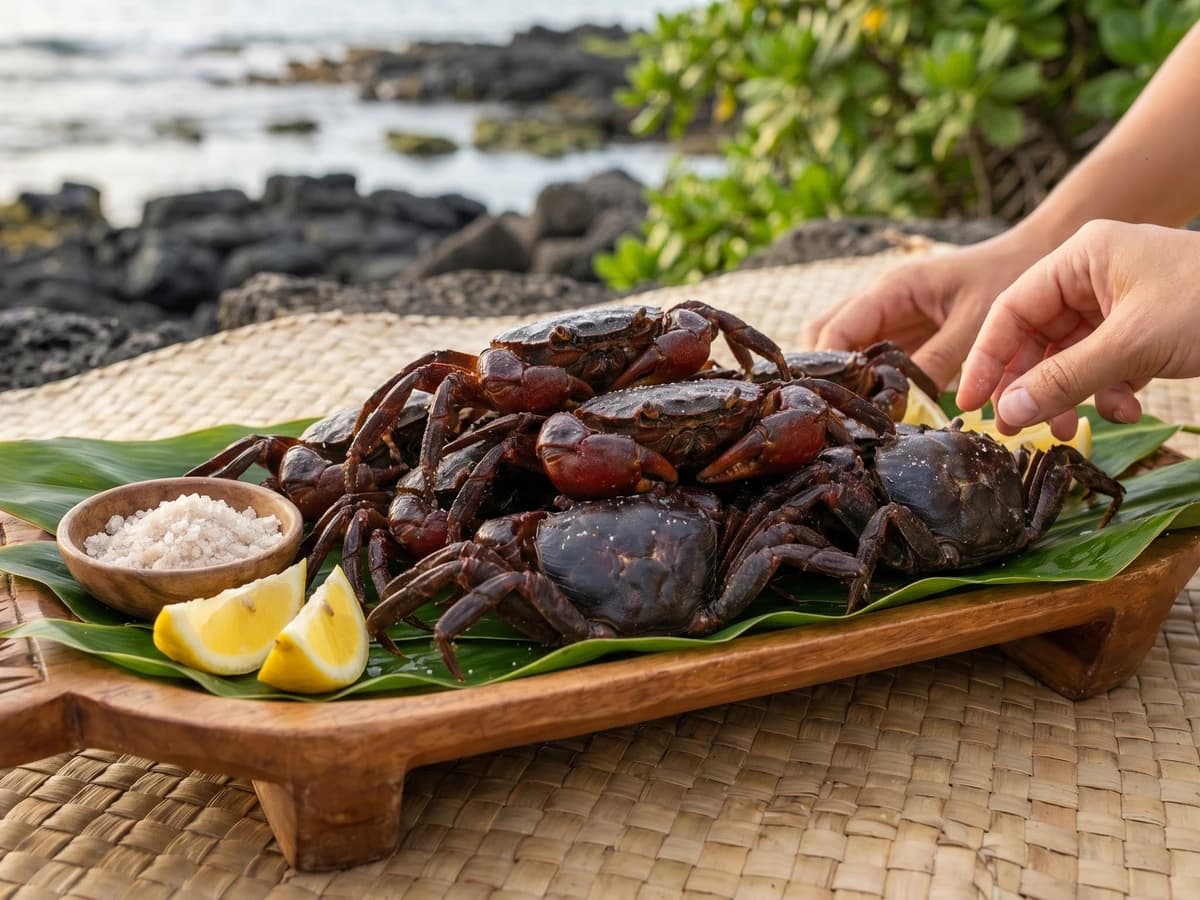
ʻAʻama (Hawaiian Black Rock Crab with Paʻakai)
Hawaiʻi's reef-gathered ʻaʻama, the small black rock crab from the shoreline stones, boiled quick in salty water and picked whole at the lūʻau table beside ʻopihi.
A cooking platform built around craft, culture, and the stories behind what we eat.
Created by
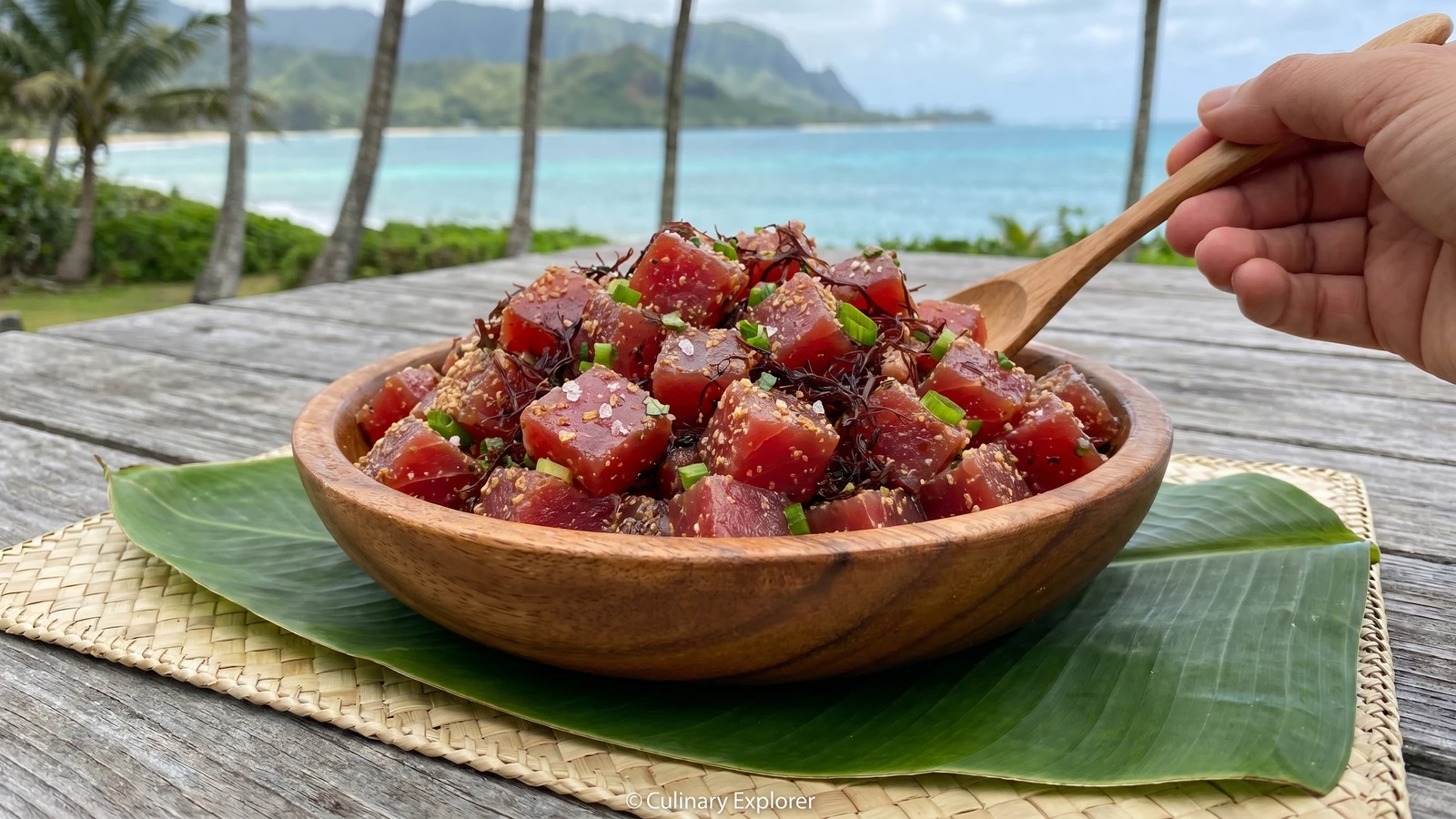
Hawaiian ʻahi cut clean and tossed with limu, ʻinamona, and paʻakai, the deep poke of home waters. No coconut here. Same fish, different bowl.
My kumu used to say the ocean feeds you straight, but only if you come to it straight. This is Hawaiian poke, from my home waters, ʻahi cut clean and held with limu, the seaweed, ʻinamona, roasted crushed kukui, and paʻakai, sea salt. No coconut here. No lime bath. The fish stays itself.
Same fish, different bowl. Sāmoa has oka iʻa, Tonga has ʻota ʻika, Tahiti has ʻia ota, the Cook Islands have ika mata, all those cousins bright with citrus and coconut. Hawaiʻi's old hand is different: reef salt, limu, kukui, the clean fat of the fish, and the taste of the place where the canoe landed.
Bring it into your kitchen without making it precious. Buy the best fish you can, ask when it came out of the water, and use ʻinamona from somebody who knows how to roast kukui right. Then mix close to the table. Raw fish waits for nobody, yeah? Dress it, bless it, eat it.
Poke in Hawaiʻi reaches back before soy sauce and sesame oil, when reef fish or ʻahi were cut and seasoned with paʻakai, limu, and ʻinamona, the roasted kukui relish that gave fat, bitterness, and nutty depth. Its cousins across the Triangle show the same ocean grammar in different hands: Sāmoan oka iʻa, Tongan ʻota ʻika, Tahitian ʻia ota, and Cook Islands ika mata lean on citrus and coconut, while Hawaiian poke keeps the fish bare and salt-bright. Plantation-era and modern local kitchens later welcomed shoyu, onion, sesame, and chili, not as a replacement for the deep bowl, but as proof the food kept living.
Quantity
1 pound
cut into 3/4-inch cubes
Quantity
1/3 cup
rinsed, drained, and chopped
Quantity
2 tablespoons
Quantity
1 teaspoon
plus more to taste
Quantity
2
thinly sliced
Quantity
1 small
minced
Quantity
1 teaspoon
only if the fish is very lean
| Ingredient | Quantity |
|---|---|
| very fresh sashimi-grade ʻahi tunacut into 3/4-inch cubes | 1 pound |
| limu kohu or limu ogorinsed, drained, and chopped | 1/3 cup |
| ʻinamona, roasted and crushed kukui nut relish | 2 tablespoons |
| paʻakai, Hawaiian sea saltplus more to taste | 1 teaspoon |
| green onionsthinly sliced | 2 |
| Hawaiian chile pepper or red chile (optional)minced | 1 small |
| neutral oil (optional)only if the fish is very lean | 1 teaspoon |
Start with ʻahi so fresh you'd eat it plain, because the fish underneath is the whole law. It should smell like clean ocean and almost nothing else, firm under the knife, glossy in the cut. If it smells tired, no make it raw. Cook it instead and eat well.
Pat the ʻahi dry and cut it into even three-quarter-inch cubes with a sharp knife. Clean cuts keep the fish glossy instead of ragged, and that matters here because Hawaiian poke doesn't hide under coconut cream the way Sāmoan oka or Tahitian ʻia ota does.
Rinse the limu, the seaweed, gently and drain it well. Chop it into small bites so it runs through the fish without clumping. Limu brings the reef into the bowl, briny and mineral, the taste of place.
Fold the ʻahi with the paʻakai, limu, ʻinamona, green onion, and chile if you're using it. Use your hands or a soft spoon and turn it gently, just until every cube is touched. The ʻinamona should cling like a roasted nutty dust, not bury the fish.
Taste one cube and adjust with a pinch more paʻakai or a little more limu. If the ʻahi is very lean, fold in the teaspoon of oil for sheen, but don't make it slick. Serve right away in an ʻumeke, a wooden bowl, while the fish is still cold, red, and alive-looking.
1 serving (about 135g)
Culinary guides, cultural storytelling, and the editorial depth that makes cooking meaningful.
Discover Culinary ExplorerChef Makoa
Hawaiʻi's reef-gathered ʻaʻama, the small black rock crab from the shoreline stones, boiled quick in salty water and picked whole at the lūʻau table beside ʻopihi.

Chef Makoa
Hawaiʻi Local chicken hekka, the plantation-camp cousin of Japanese sukiyaki, with tender chicken, long rice, shiitake, bamboo shoots, and sweet shoyu gravy for rice.
Chef Makoa
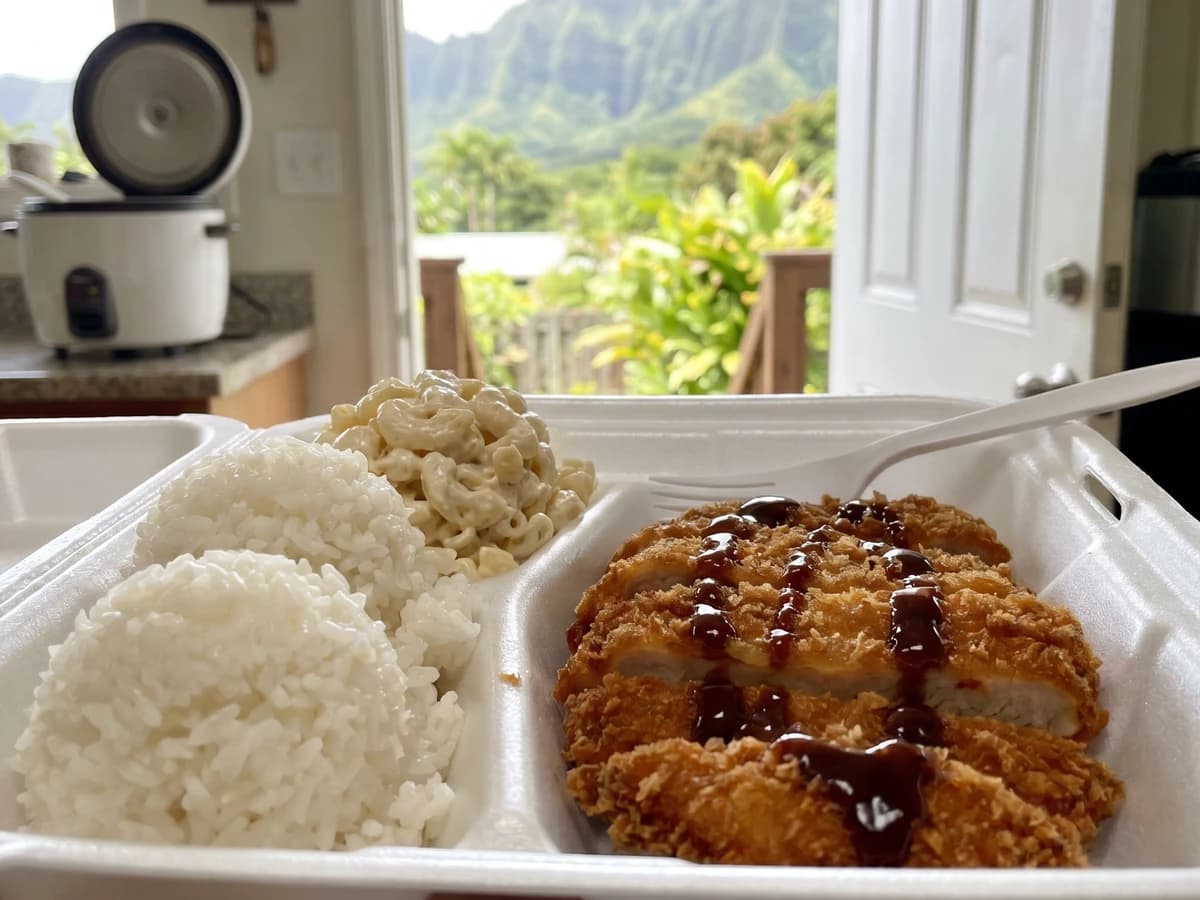
Hawaiʻi's Local plate-lunch comfort: juicy chicken thigh in panko, fried crisp, sliced over white rice with mac salad and katsu sauce, the sugar-camp stove brought home.
Chef Makoa
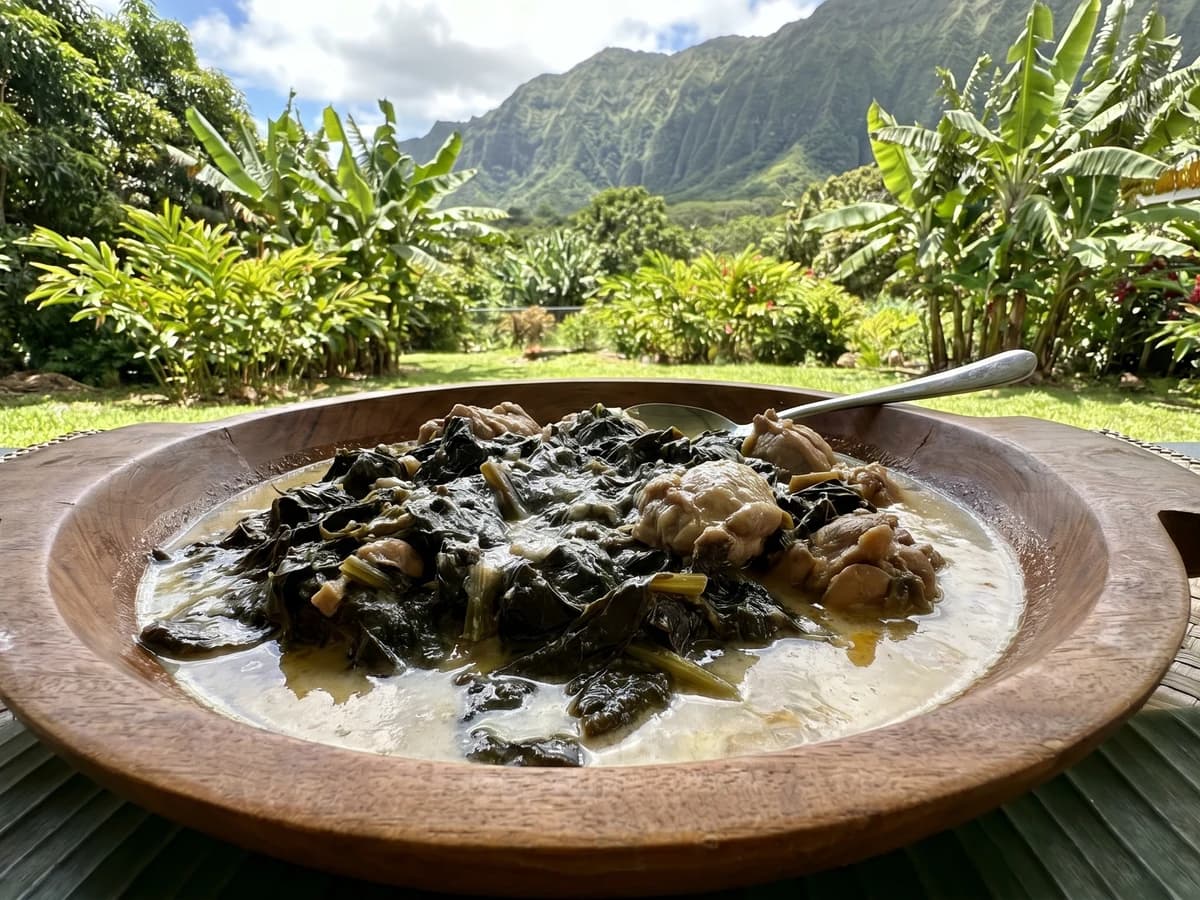
Hawaiian chicken lūʻau is kalo leaf cooked past its bite with tender chicken and coconut milk, a windward Oʻahu comfort pot with cousins in Sāmoa's palusami, Tonga's lū, and Cook Islands rukau.