Chef Isabel
Aceitunas Aliñadas Andaluzas
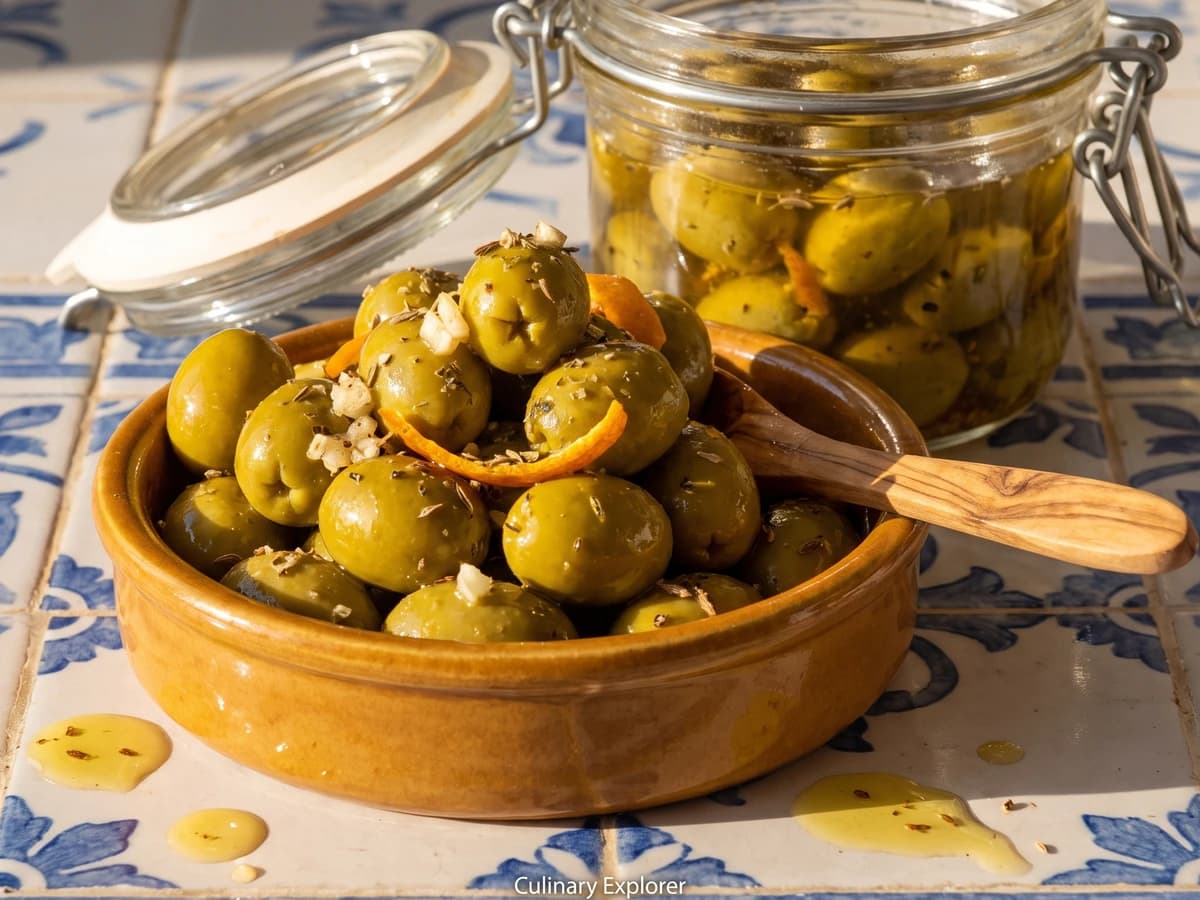
Andalucía's green olives are cracked just enough to drink in garlic, cumin, oregano and sherry vinegar, then left two days until the brine turns fragrant and every bite carries the aliño.
A cooking platform built around craft, culture, and the stories behind what we eat.
Created by
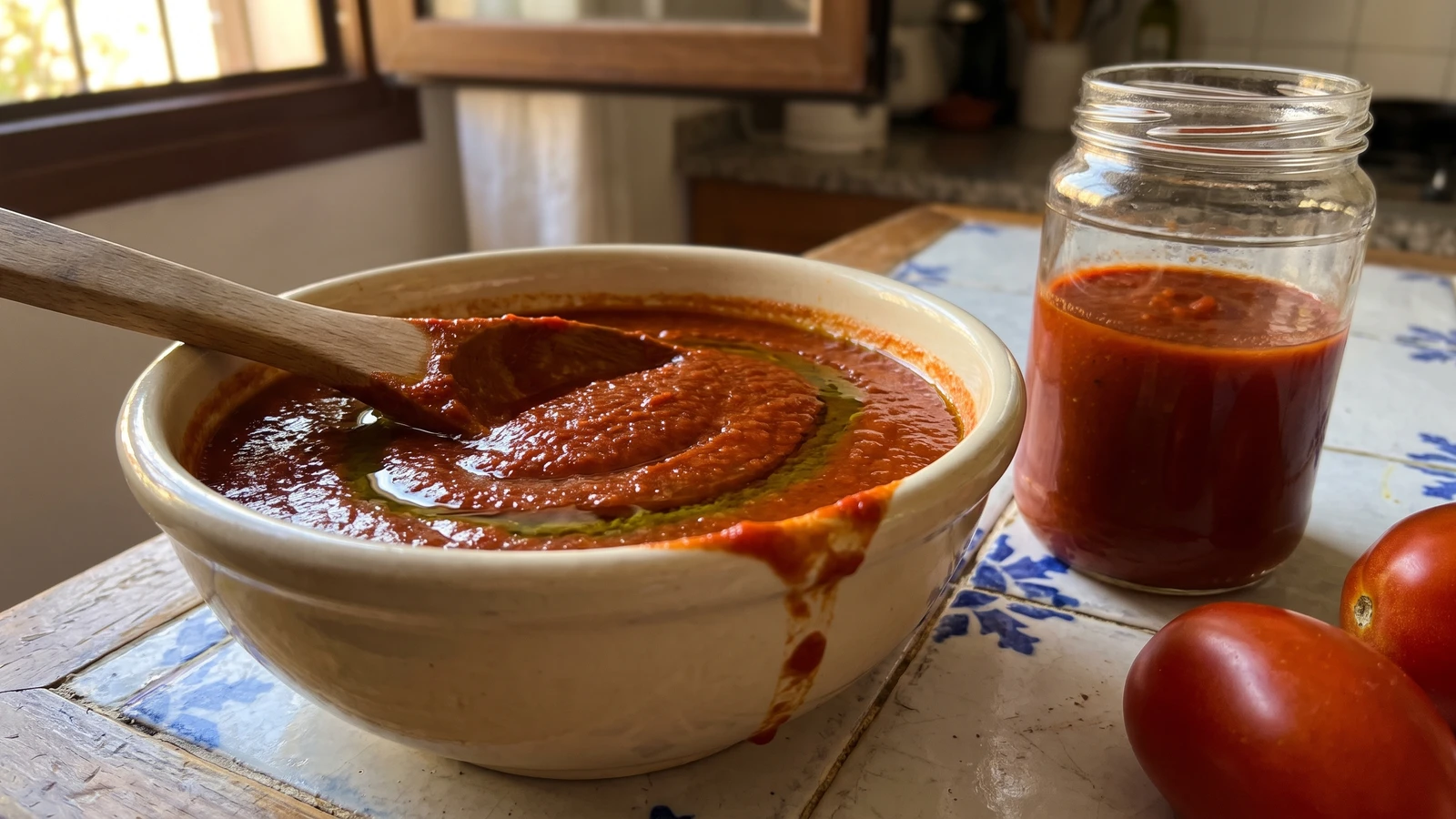
The plain Castilian version of tomate frito cooks ripe tomatoes slowly with olive oil and garlic until their water leaves and the deep red sauce begins to fry.
Tomate frito casero, in its plain Castilian form, is ripe tomato, olive oil, a little garlic, and salt cooked until the fruit loses its water and begins to fry. That final change makes it tomate frito rather than a wet tomato sauce: deep red, glossy, and sweet from concentration, with no herbs covering the tomato. It goes beneath huevos al plato, albóndigas, rice and fish, or onto bread when nobody wishes to complicate lunch.
The method that decides it is patience after the tomatoes have softened. At first they simmer in their own juice. Keep cooking uncovered and the bubbling becomes slow and heavy, the colour darkens, and olive oil begins to show at the rim. Rush this stage and you have tomato water. Turn the heat high and you have burnt sugar stuck to a pan. Low, wide, and unhurried is the whole argument.
Make it in tomato season, when the fruit is heavy, fragrant, and almost too ripe. If you're far from Spain or the market has only hard winter tomatoes, use good canned whole peeled tomatoes in their juice. They make a darker, steadier sauce with less fresh perfume, and they need less cooking. No hace falta haber pisado España. You only need to choose honestly.
I pass the finished sauce through a food mill, then return it to the pan for its last few minutes. That gives the smooth texture of a proper household tomate frito without beating air into it. The Margin beside this recipe says, "Wait for the oil at the edge." Do that, and siempre sale, si lo sigues.
Tomate frito belongs to household cooking across Spain rather than to one province alone; this recipe records a spare Castilian version built from tomato, olive oil, garlic, and salt. The tomato arrived from the Americas, but Spanish cooks made it part of the everyday larder by frying it down in olive oil for eggs, meatballs, fish, rice, and stews. Its name records the method: the fruit is reduced past a simple simmer until it begins to fry in the oil, while other households may also add onion or green pepper.
Quantity
2kg
cored and quartered; replace out of season with 1.6kg canned whole peeled tomatoes and their juice
Quantity
120ml
Quantity
10g, about 2 large cloves
peeled and lightly crushed
Quantity
12g
Quantity
5g
use only if good ripe tomatoes remain sharply acidic
| Ingredient | Quantity |
|---|---|
| very ripe plum tomatoescored and quartered; replace out of season with 1.6kg canned whole peeled tomatoes and their juice | 2kg |
| extra virgin olive oil | 120ml |
| garlicpeeled and lightly crushed | 10g, about 2 large cloves |
| fine sea salt | 12g |
| sugar (optional)use only if good ripe tomatoes remain sharply acidic | 5g |
Core the fresh tomatoes and cut them into quarters. There is no need to peel or seed them because the food mill will do that work later. If you're using canned tomatoes, tip them into a bowl with all their juice and crush them roughly with your fingers or a potato masher.
Put the olive oil and crushed garlic in a wide 30cm heavy pan. Warm them over medium-low heat for 2 to 3 minutes, until the garlic smells sweet and turns pale gold at the edges. Don't let it go brown. Burnt garlic stays bitter however long the tomatoes cook.
Add the tomatoes carefully because the oil may spit, then add the salt. Turn the heat to medium, cover, and cook for 10 minutes. The tomatoes will collapse and release their juice. Uncover and break them up thoroughly with a wooden spoon or potato masher.
Lower the heat to medium-low and cook uncovered for 60 to 90 minutes, stirring every 10 minutes at first and every 3 to 5 minutes as the sauce thickens. Fresh tomatoes usually need the full time; canned tomatoes may be ready after 45 to 60 minutes. Use a splatter guard if needed, but never a lid, because the water must escape.
Watch for the change that decides the sauce. The loose simmer will become a slower, heavier bubbling, the colour will deepen, and small beads of olive oil will appear around the edges. Draw the spoon across the bottom. When the path stays open for about 3 seconds, the tomato has lost enough water to begin frying in the oil. That is tomate frito, not merely boiled tomato.
Take the pan off the heat and pass the sauce through the medium plate of a food mill into a heatproof bowl. Work until only dry skins and seeds remain, then discard them. The sauce should be smooth but still have body, not whipped or pale.
Return the milled sauce to the clean pan and cook over low heat for 10 to 15 minutes, stirring often, until you have about 900ml. Taste for salt. Add the sugar only if ripe tomatoes still taste sharply acidic; sugar cannot rescue a poor winter tomato. The finished sauce should sit on a spoon, then fall in a slow ribbon.
Divide the sauce among clean containers and cool it promptly. Refrigerate within 2 hours, covered, and use within 4 days, or freeze in practical portions for up to 3 months. Filling a jar while the sauce is hot does not make it safe for the pantry.
1 serving (about 75g)
Culinary guides, cultural storytelling, and the editorial depth that makes cooking meaningful.
Discover Culinary ExplorerChef Isabel
Andalucía's green olives are cracked just enough to drink in garlic, cumin, oregano and sherry vinegar, then left two days until the brine turns fragrant and every bite carries the aliño.
Chef Isabel
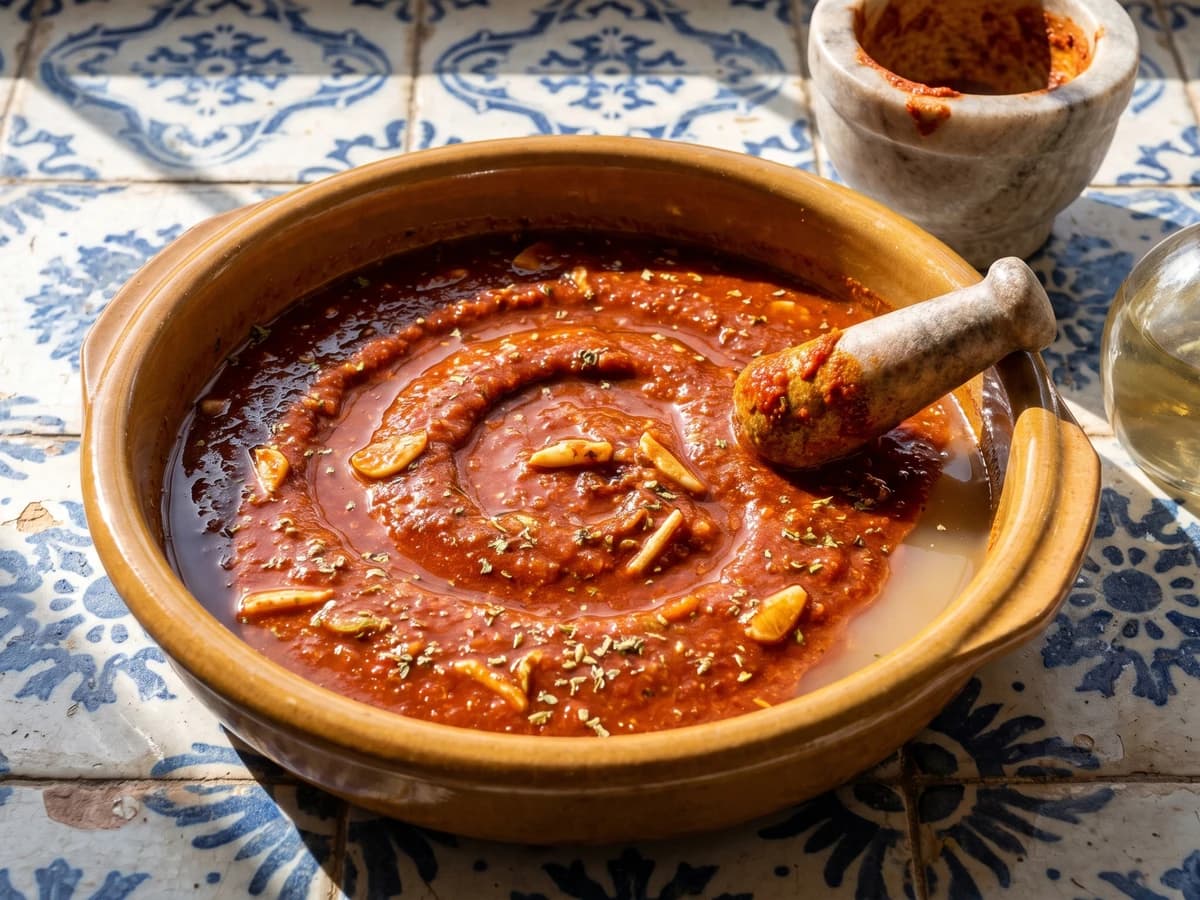
Andalucía's sharp, brick-red marinade brings vinegar, garlic, oregano, cumin and pimentón to fish and pork; pound the seasonings first, then give the acid time to carry them through.
Chef Isabel
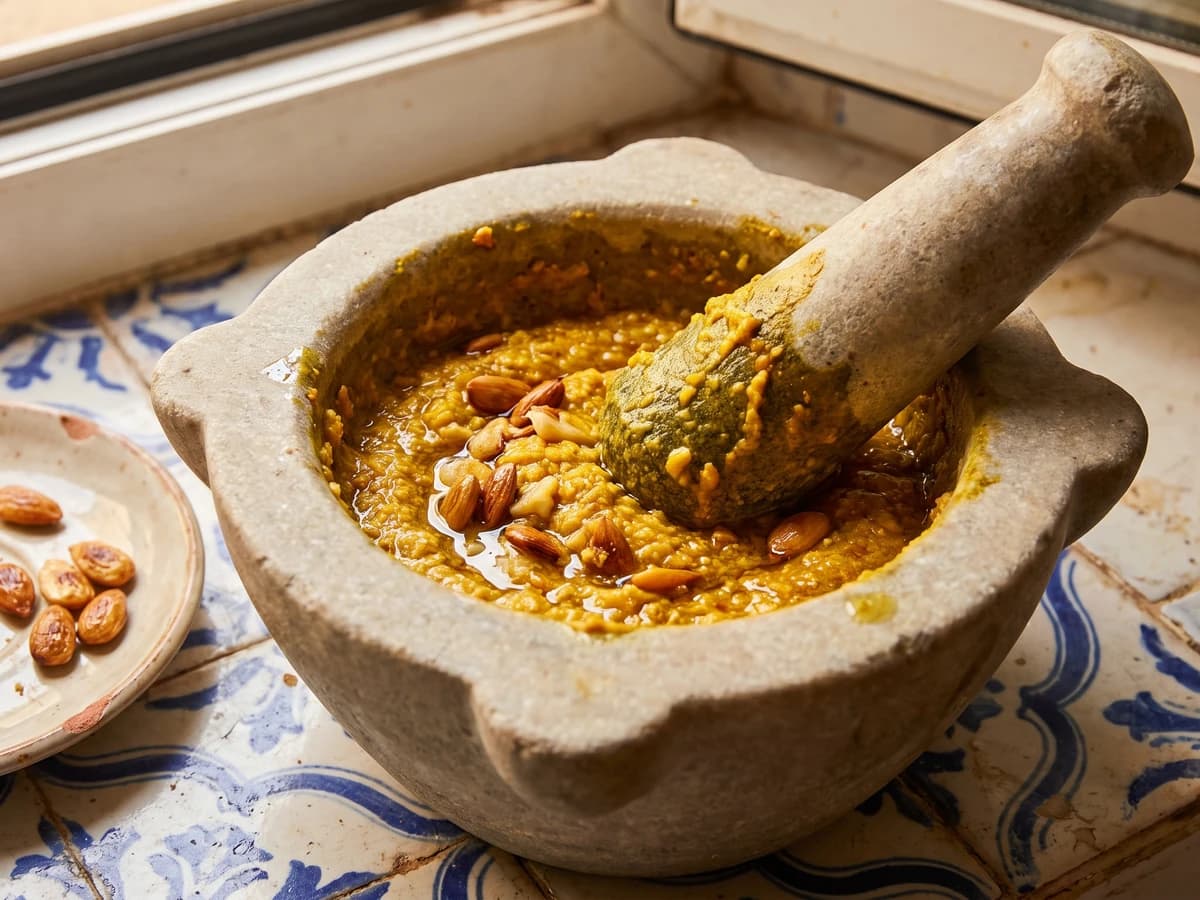
Almería's ajopollo turns fried garlic, almonds, bread and saffron into a golden mortar paste that gives modest fish and potato guisos their body, richness and unmistakable southern depth.
Chef Isabel
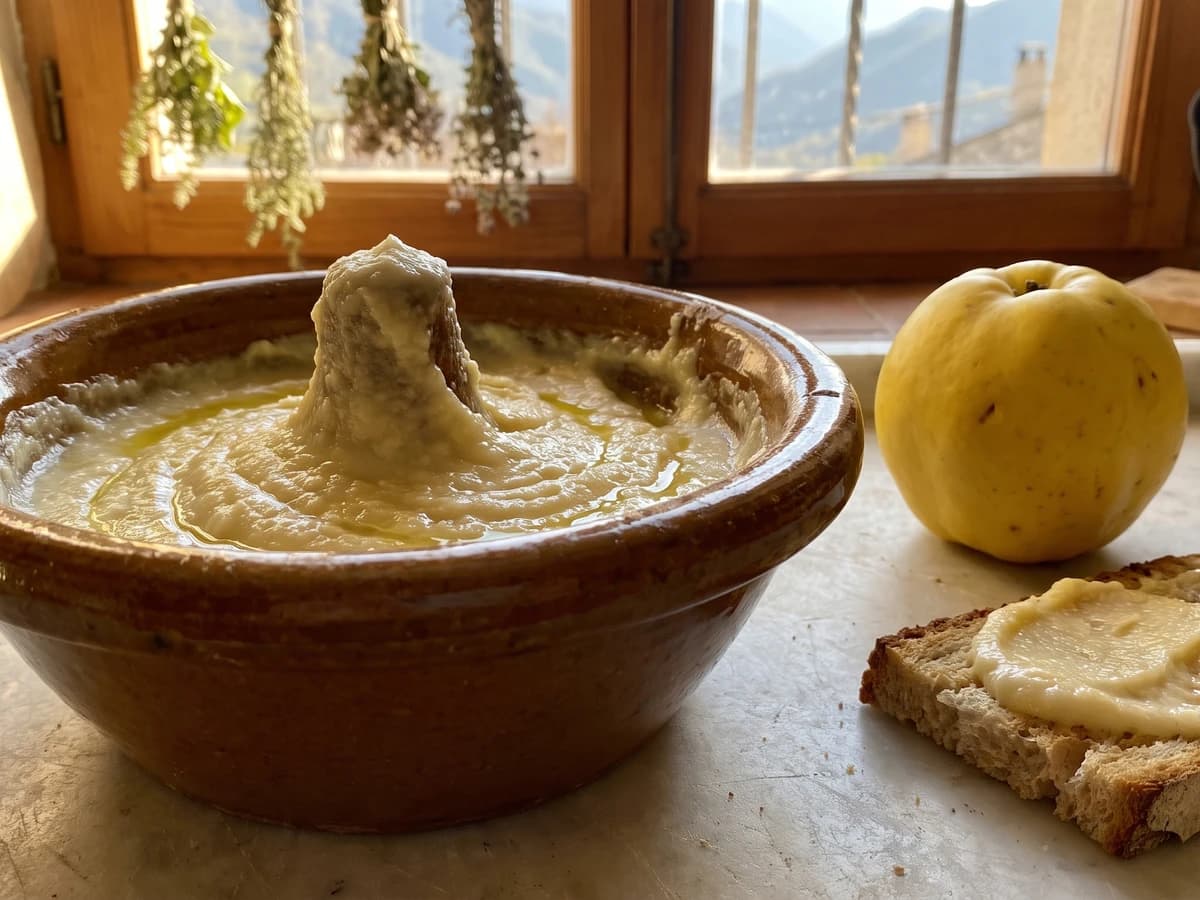
Allioli de codony belongs to the Catalan Pyrenees: boiled quince, raw garlic, salt, and olive oil worked into a thick, fragrant sauce for grilled meat, sausages, bread, and the autumn table.