Chef Isabel
Aceitunas Aliñadas Andaluzas
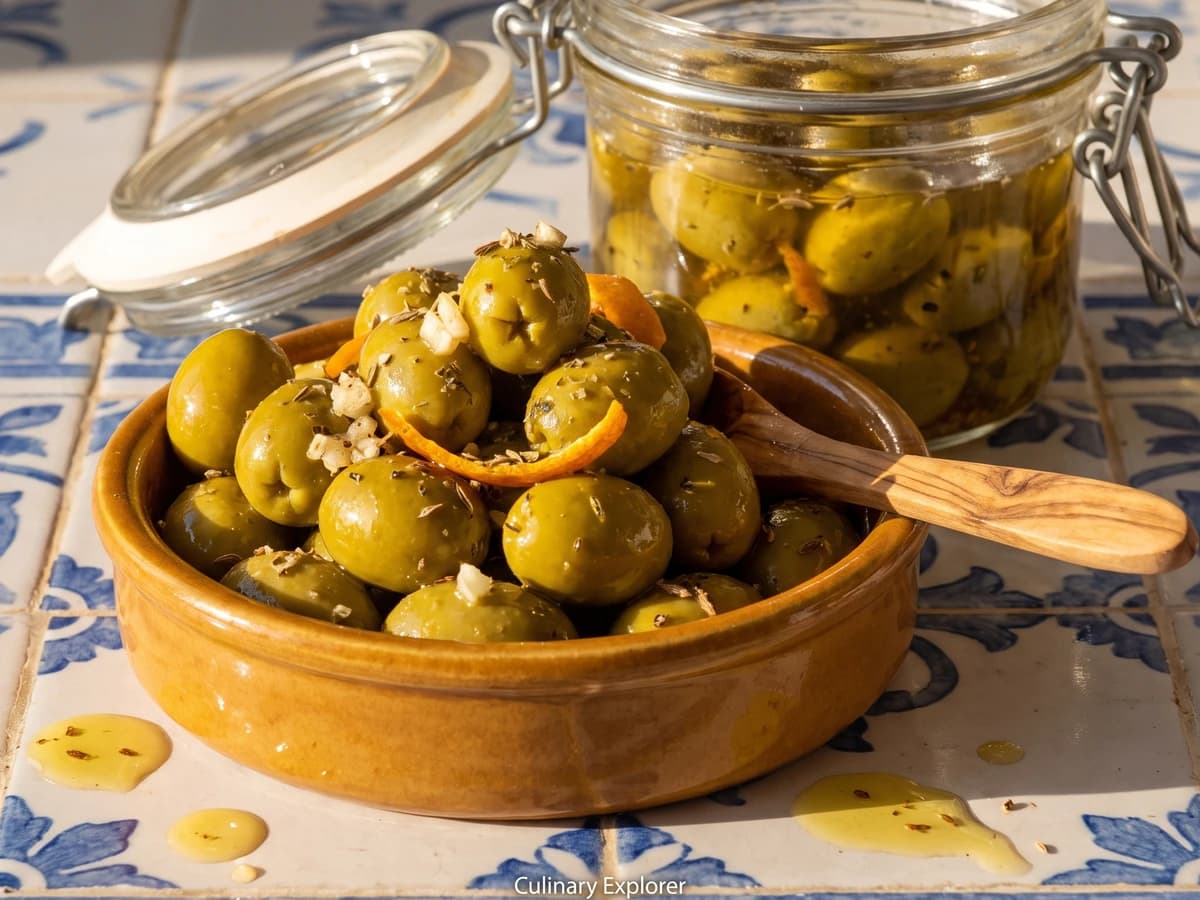
Andalucía's green olives are cracked just enough to drink in garlic, cumin, oregano and sherry vinegar, then left two days until the brine turns fragrant and every bite carries the aliño.
A cooking platform built around craft, culture, and the stories behind what we eat.
Created by
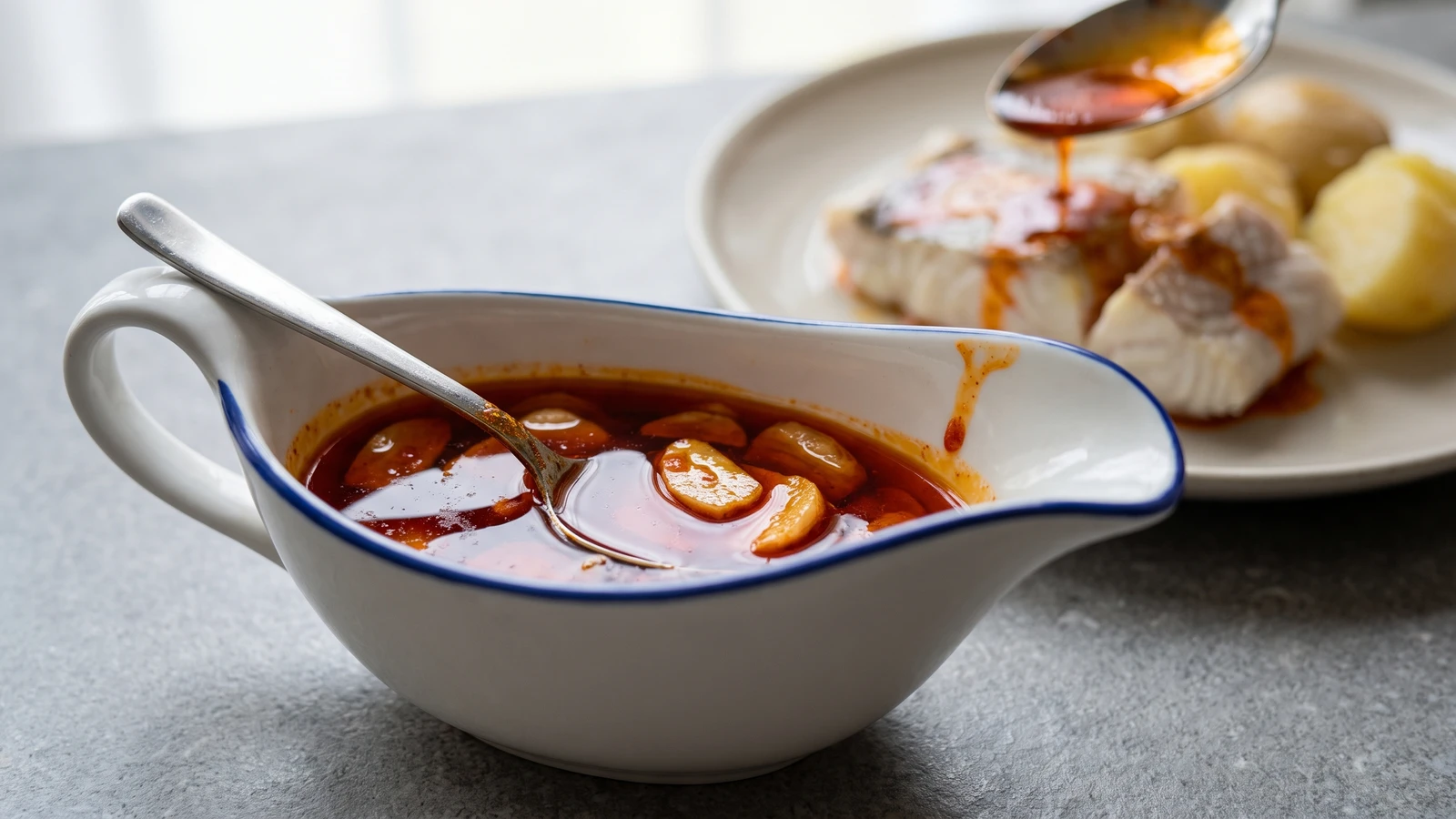
Ajada gallega is Galicia's quick garlic and pimentón refrito for boiled fish, octopus, vegetables and cachelos, with the paprika stirred in off the heat so its red oil stays sweet, never bitter.
Ajada gallega is Galicia's garlic-and-pimentón refrito, the warm dressing spooned over boiled fish, octopus, greens and cachelos, potatoes cooked in their skins. It isn't a thick sauce or a sofrito. It is clear red oil carrying tender golden garlic and the earthy sweetness of pimentón. That paprika is what sets it apart from a plain garlic oil. Some Galician households sharpen it with wine vinegar, while others leave it out, so I've measured it as optional rather than pretending there is no argument.
The moment that decides the sauce comes after the garlic turns pale gold. Take the pan completely off the heat, let the fierce bubbling subside, and only then stir in the pimentón. Paprika scorches in seconds over direct heat, and burnt pimentón makes the whole pan bitter. Pull the garlic early as well. It continues cooking in the oil while you stand there admiring it.
If you can't find Spanish pimentón dulce, use a good plain sweet paprika, never a seasoning blend or chilli powder. The colour will be a little less deep and the flavour less round, but the ajada will still do its work. My margin beside this one says only, "pimentón, fuera del fuego," paprika, off the heat. Siempre sale, si lo sigues.
Ajada, called allada in Galician, takes its name from allo, the Galician word for garlic. Along Galicia's coast it became an everyday dressing for plainly boiled hake, skate, octopus, potatoes and greens, adding fat and flavour without disguising the food beneath it. As peppers from the Americas entered the Iberian larder, pimentón turned the older pale garlic-and-oil allada into the familiar red sauce.
Quantity
150ml
Quantity
30g (about 6 medium cloves)
peeled and sliced evenly, about 2mm thick
Quantity
6g (about 2 1/2 teaspoons)
Quantity
10ml (2 teaspoons)
| Ingredient | Quantity |
|---|---|
| extra virgin olive oil | 150ml |
| garlicpeeled and sliced evenly, about 2mm thick | 30g (about 6 medium cloves) |
| sweet pimentón | 6g (about 2 1/2 teaspoons) |
| mild white wine vinegar (optional) | 10ml (2 teaspoons) |
Put the pimentón in a small dry dish and measure the vinegar separately, if you're using it. Slice the garlic evenly, about 2mm thick, and pat it dry. Once the garlic is ready, the sauce moves quickly, so pésalo, no lo adivines, weigh it, don't guess.
Pour the olive oil into a small frying pan or saucepan and add the garlic while the oil is still cold. Set it over medium-low heat. Cook for 5 to 7 minutes, stirring and separating the slices, until the garlic is tender and pale gold with small, quiet bubbles around it. Remove the pan from the heat as soon as the thinnest slices colour. They will continue darkening in the oil.
Leave the pan off the heat for 45 to 60 seconds, until the bubbling has nearly stopped. Add the pimentón and stir for 10 seconds, coating the garlic and turning the oil a clear brick red. Do not return the pan to the heat. Direct heat scorches the paprika and makes it bitter.
If using the vinegar, pour it slowly down the inside edge of the pan, keeping your face back because the oil may spit, then stir well. Let the ajada stand for 1 minute and spoon it warm over seasoned boiled hake, skate, octopus, potatoes, cauliflower or greens. Allow about 25ml per person, making sure each serving gets some golden garlic.
1 serving (about 27g)
Culinary guides, cultural storytelling, and the editorial depth that makes cooking meaningful.
Discover Culinary ExplorerChef Isabel
Andalucía's green olives are cracked just enough to drink in garlic, cumin, oregano and sherry vinegar, then left two days until the brine turns fragrant and every bite carries the aliño.
Chef Isabel
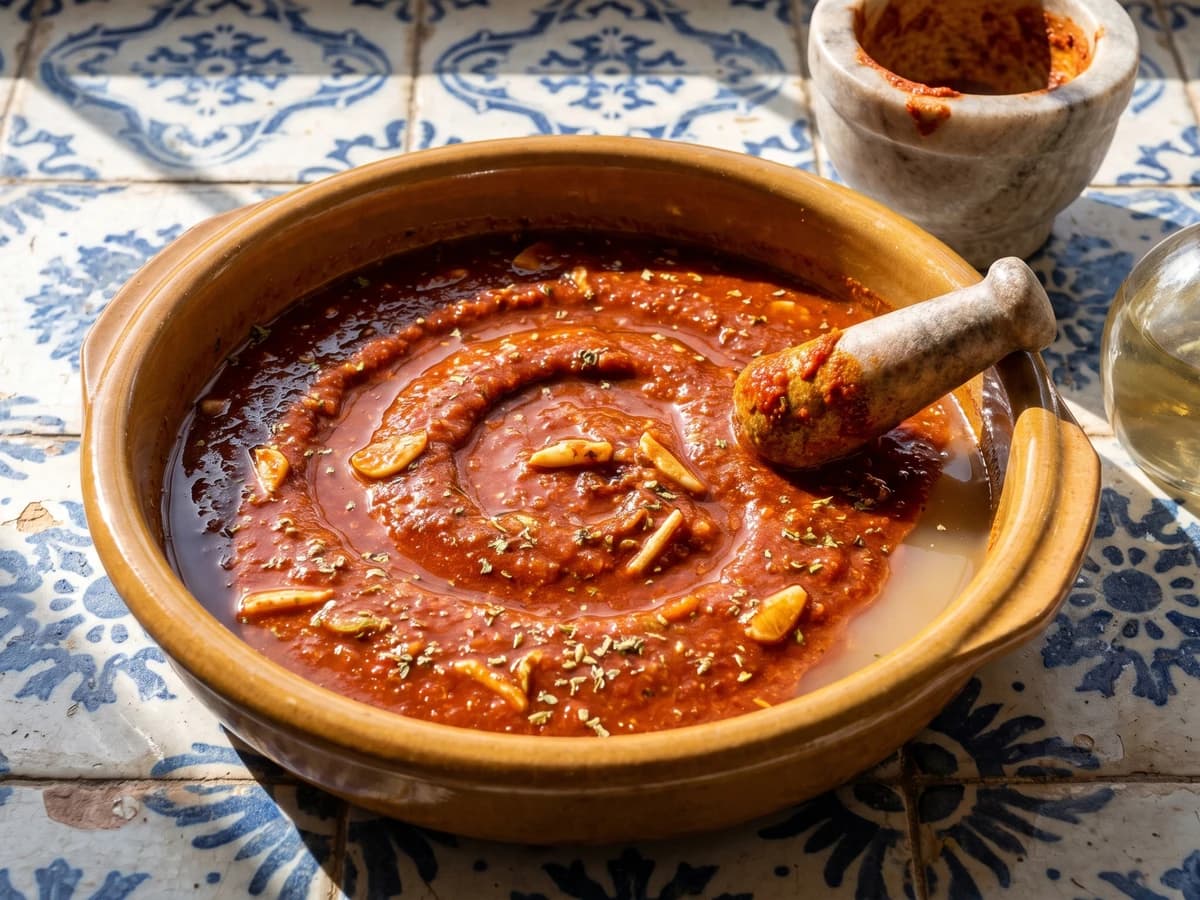
Andalucía's sharp, brick-red marinade brings vinegar, garlic, oregano, cumin and pimentón to fish and pork; pound the seasonings first, then give the acid time to carry them through.
Chef Isabel
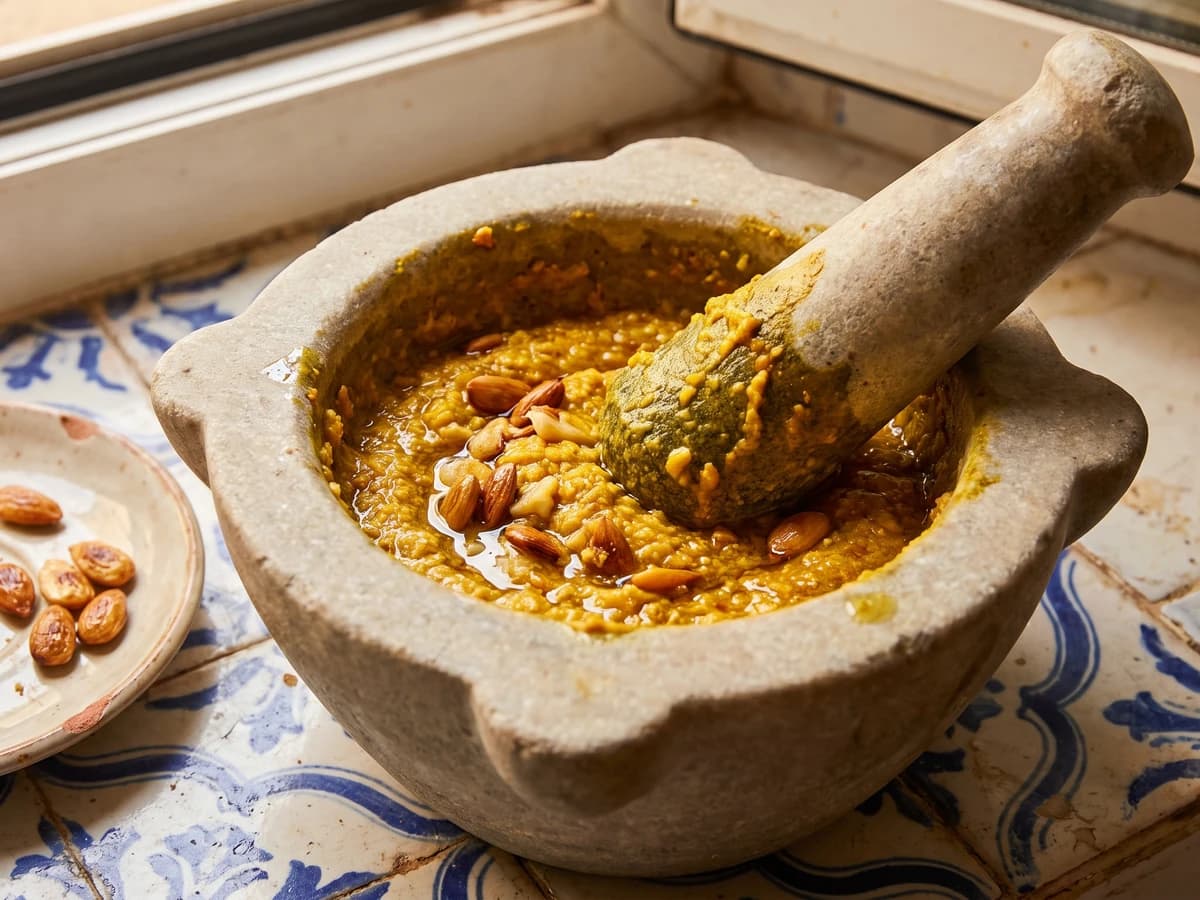
Almería's ajopollo turns fried garlic, almonds, bread and saffron into a golden mortar paste that gives modest fish and potato guisos their body, richness and unmistakable southern depth.
Chef Isabel
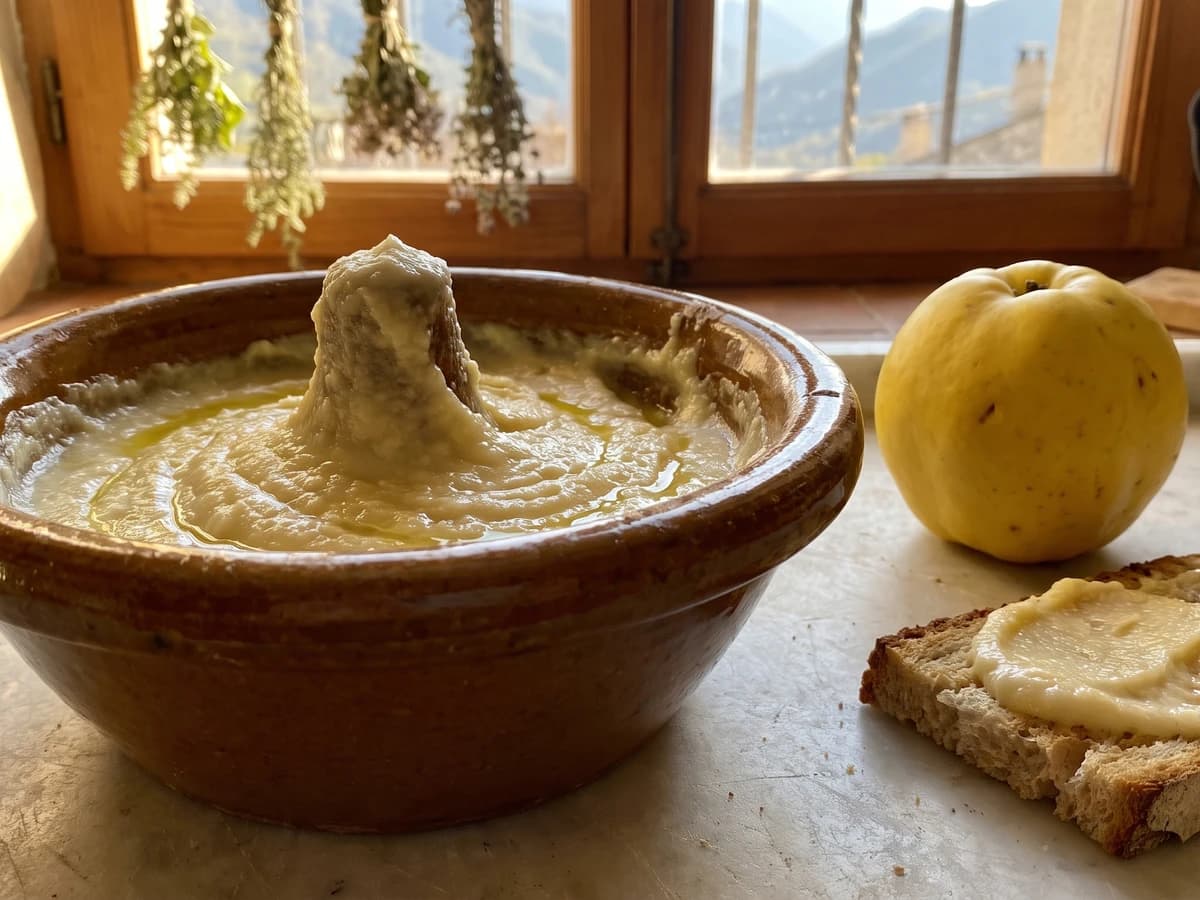
Allioli de codony belongs to the Catalan Pyrenees: boiled quince, raw garlic, salt, and olive oil worked into a thick, fragrant sauce for grilled meat, sausages, bread, and the autumn table.