Chef Isabel
Aceitunas Aliñadas Andaluzas
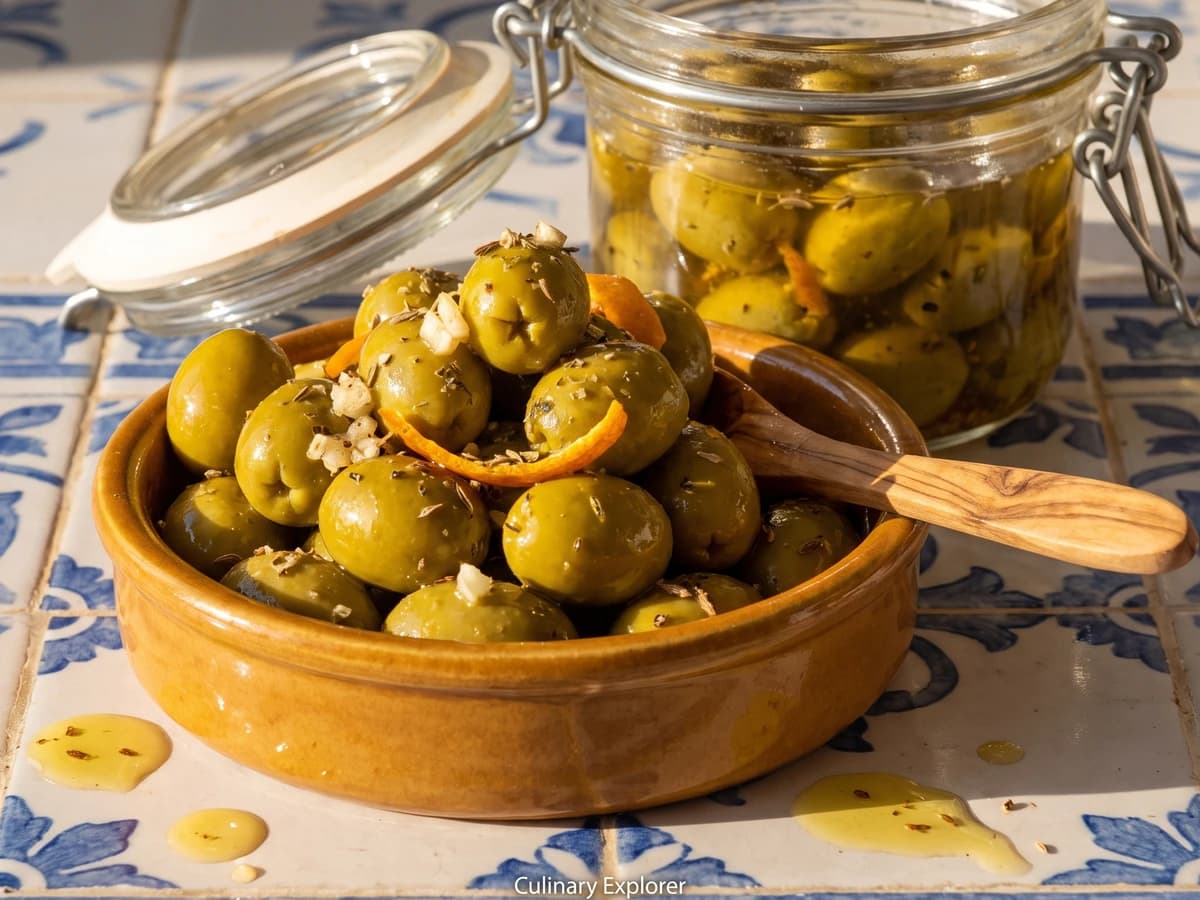
Andalucía's green olives are cracked just enough to drink in garlic, cumin, oregano and sherry vinegar, then left two days until the brine turns fragrant and every bite carries the aliño.
A cooking platform built around craft, culture, and the stories behind what we eat.
Created by
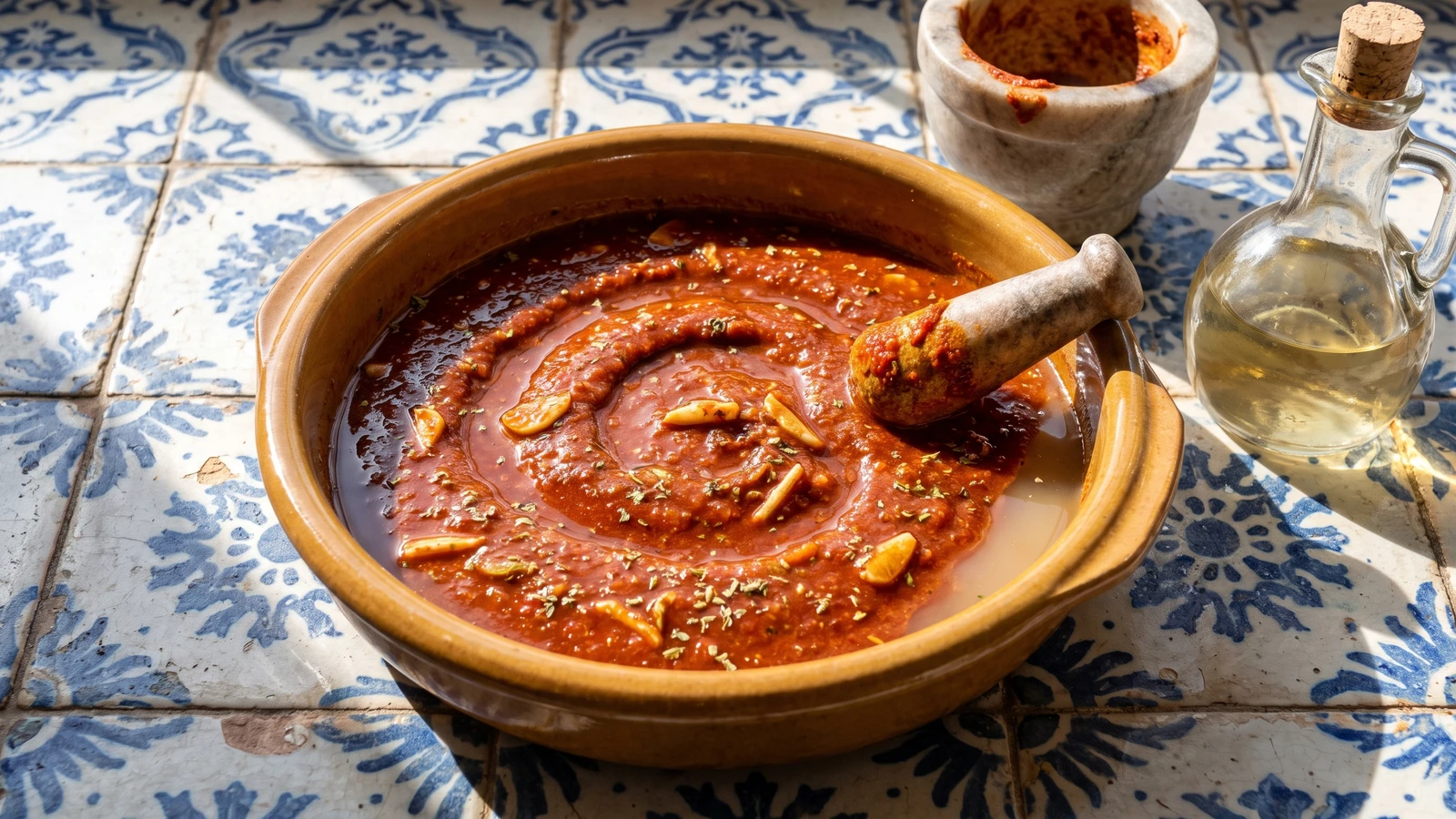
Andalucía's sharp, brick-red marinade brings vinegar, garlic, oregano, cumin and pimentón to fish and pork; pound the seasonings first, then give the acid time to carry them through.
Adobo andaluz is Andalucía's vinegar-bright marinade for firm fish and pork: garlic, oregano, cumin and pimentón beaten into a sharp red mixture before the pan ever gets hot. Along the coast, especially around Cádiz and Málaga, it belongs to pescado en adobo, marinated fish ready for flour and hot oil. Inland, the same family of seasoning meets pork. What marks it is the clean pull of wine vinegar and that dry oregano-cumin fragrance. It isn't sweet, and it isn't a thick sauce.
The step that decides it is the majado, the pounded seasoning base. Crush the cumin with salt, then work the garlic into a smooth paste before the vinegar goes in. Add liquid too soon and the cloves skate around the mortar, leaving harsh little pieces behind. A proper paste carries the seasoning evenly through every piece. Loosen it with vinegar and water, add the bay, then give it half an hour to settle.
Use a white wine vinegar you would willingly put on a salad, not harsh distilled vinegar. If Spanish pimentón is beyond reach, use good sweet paprika; the red note will be gentler and less earthy, but the vinegar, garlic, and oregano remain true to the method. Firm fish needs 4 to 8 hours and pork 8 to 12, always in the refrigerator. The note in my margin is plain: more time is not more flavour once vinegar has done its work. Siempre sale, si lo sigues.
Adobo andaluz belongs especially to the coastal cooking of Cádiz and Málaga, where fish such as cazón was cut into pieces and held in vinegar, salt, garlic, oregano, and cumin before frying; in Cádiz, cazón en adobo is also called bienmesabe. Vinegar and salt helped the catch keep in the southern heat while taming the strong edge of shark and oily fish. After peppers arrived from the Americas, pimentón joined the older mixture and gave the Andalusian marinade its familiar brick-red colour.
Quantity
20g, about 4 large cloves
peeled
Quantity
10g
Quantity
4g
Quantity
6g
Quantity
10g
Quantity
180ml
preferably 6% acidity
Quantity
120ml
Quantity
2
cracked once
| Ingredient | Quantity |
|---|---|
| garlicpeeled | 20g, about 4 large cloves |
| coarse sea salt | 10g |
| cumin seeds | 4g |
| dried oregano | 6g |
| sweet Spanish pimentón | 10g |
| white wine vinegarpreferably 6% acidity | 180ml |
| cold water | 120ml |
| dried bay leavescracked once | 2 |
Put the cumin seeds and salt in a mortar and crush them finely. Add the garlic and pound for 2 to 3 minutes, scraping down the sides, until you have a smooth, damp paste with no large pieces.
Rub the oregano between your fingers over the mortar, then add the pimentón. Pound for another 30 seconds. Add 30ml of the vinegar a spoonful at a time, stirring until the paste loosens without leaving lumps of spice.
Scrape the majado into a 500ml glass jar or nonreactive bowl. Rinse the mortar with the remaining 150ml vinegar and pour that in, followed by the cold water and bay leaves. Stir or shake for 20 seconds. The adobo should be pourable, brick red, and flecked with oregano.
Cover and refrigerate for 30 minutes before using. This short rest softens the raw edge of the garlic and lets the dried oregano take up the vinegar. Stir again before pouring it over the food.
Pour the full batch over 1kg of firm fish or pork in a snug glass, glazed ceramic, or stainless-steel container. Turn everything until evenly coated, cover, and refrigerate. Give firm fish 4 to 8 hours and pork 8 to 12 hours, turning once halfway through.
Lift out the fish or pork and let the excess adobo drain away. Pat lightly before flouring fish for frying or putting pork in a pan or on the grill. Discard every drop of marinade that touched raw food. Cook fish until opaque at the centre, and cook whole-muscle pork to at least 63°C followed by a 3-minute rest.
1 serving (about 350g)
Culinary guides, cultural storytelling, and the editorial depth that makes cooking meaningful.
Discover Culinary ExplorerChef Isabel
Andalucía's green olives are cracked just enough to drink in garlic, cumin, oregano and sherry vinegar, then left two days until the brine turns fragrant and every bite carries the aliño.
Chef Isabel
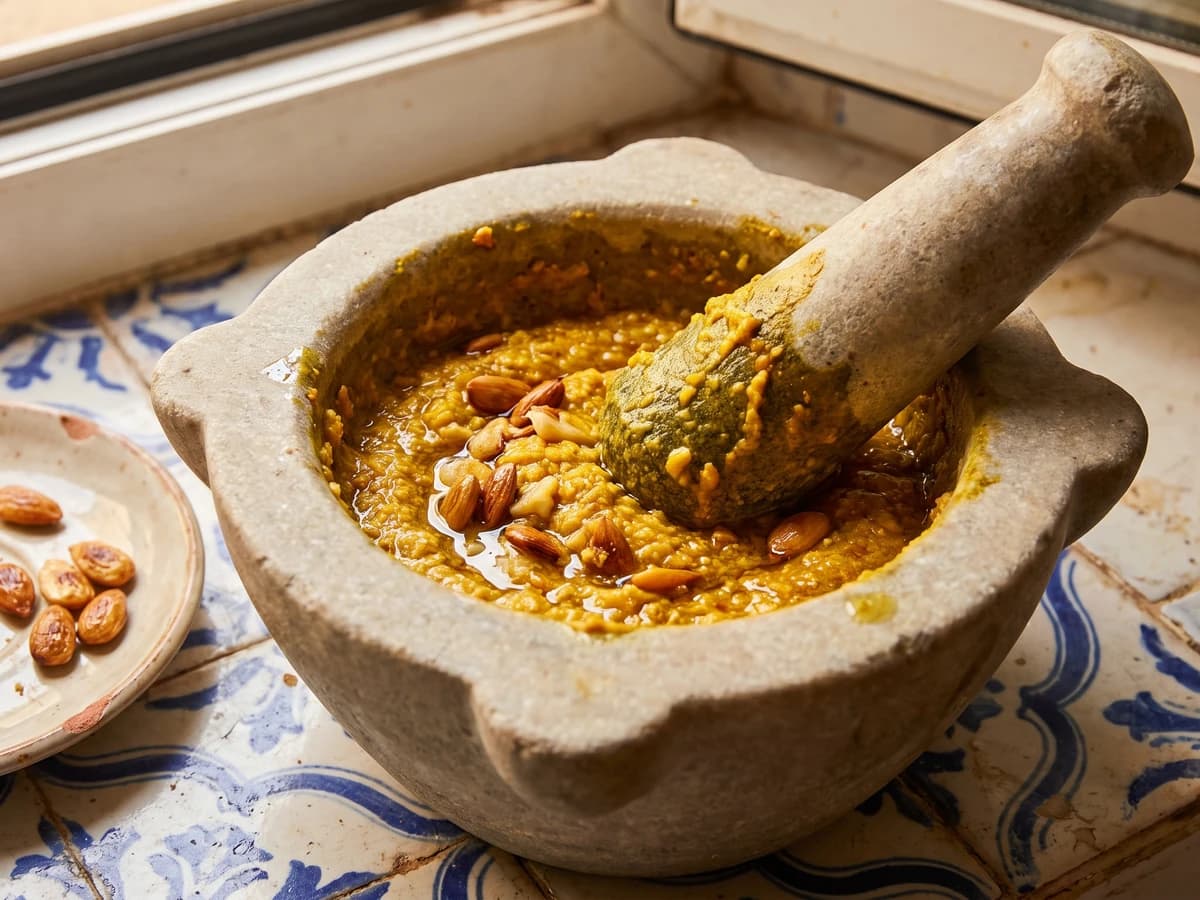
Almería's ajopollo turns fried garlic, almonds, bread and saffron into a golden mortar paste that gives modest fish and potato guisos their body, richness and unmistakable southern depth.
Chef Isabel
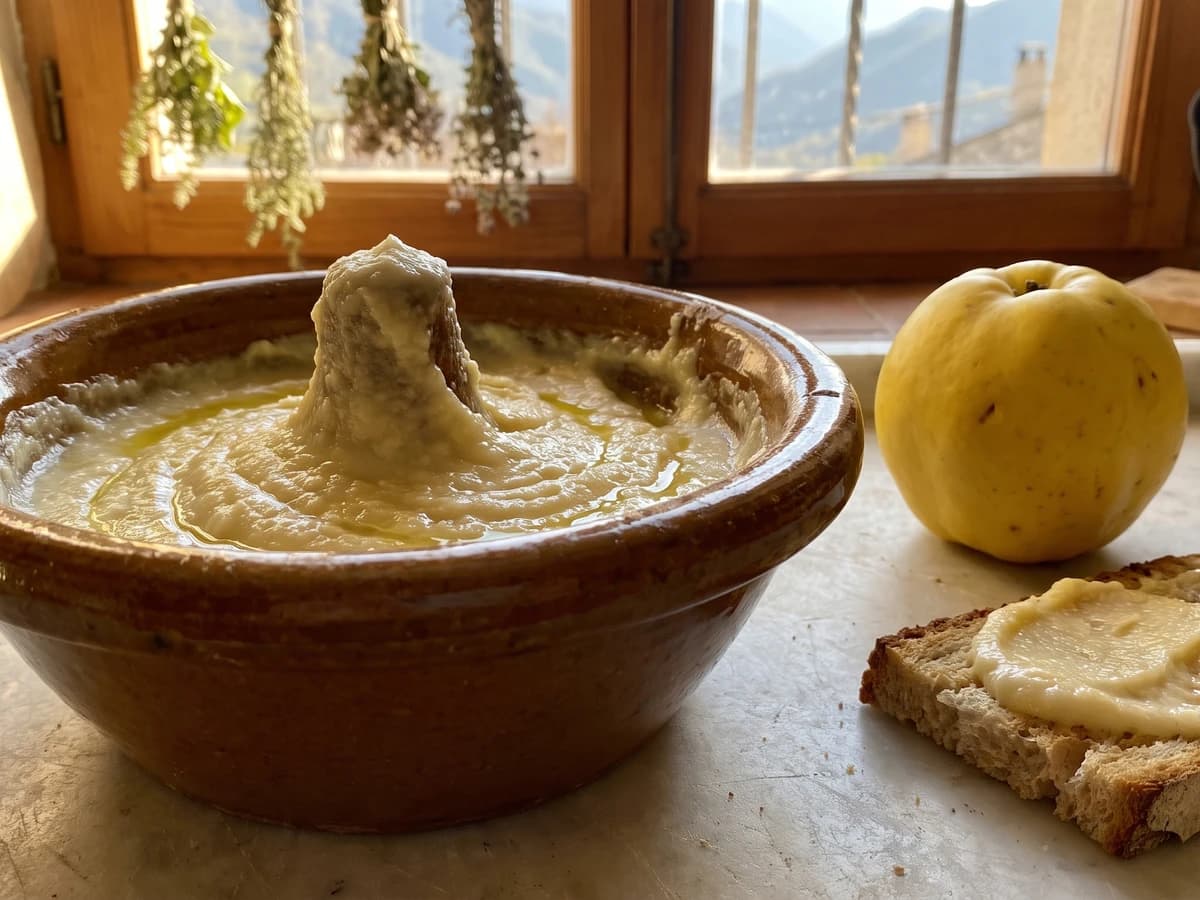
Allioli de codony belongs to the Catalan Pyrenees: boiled quince, raw garlic, salt, and olive oil worked into a thick, fragrant sauce for grilled meat, sausages, bread, and the autumn table.
Chef Isabel
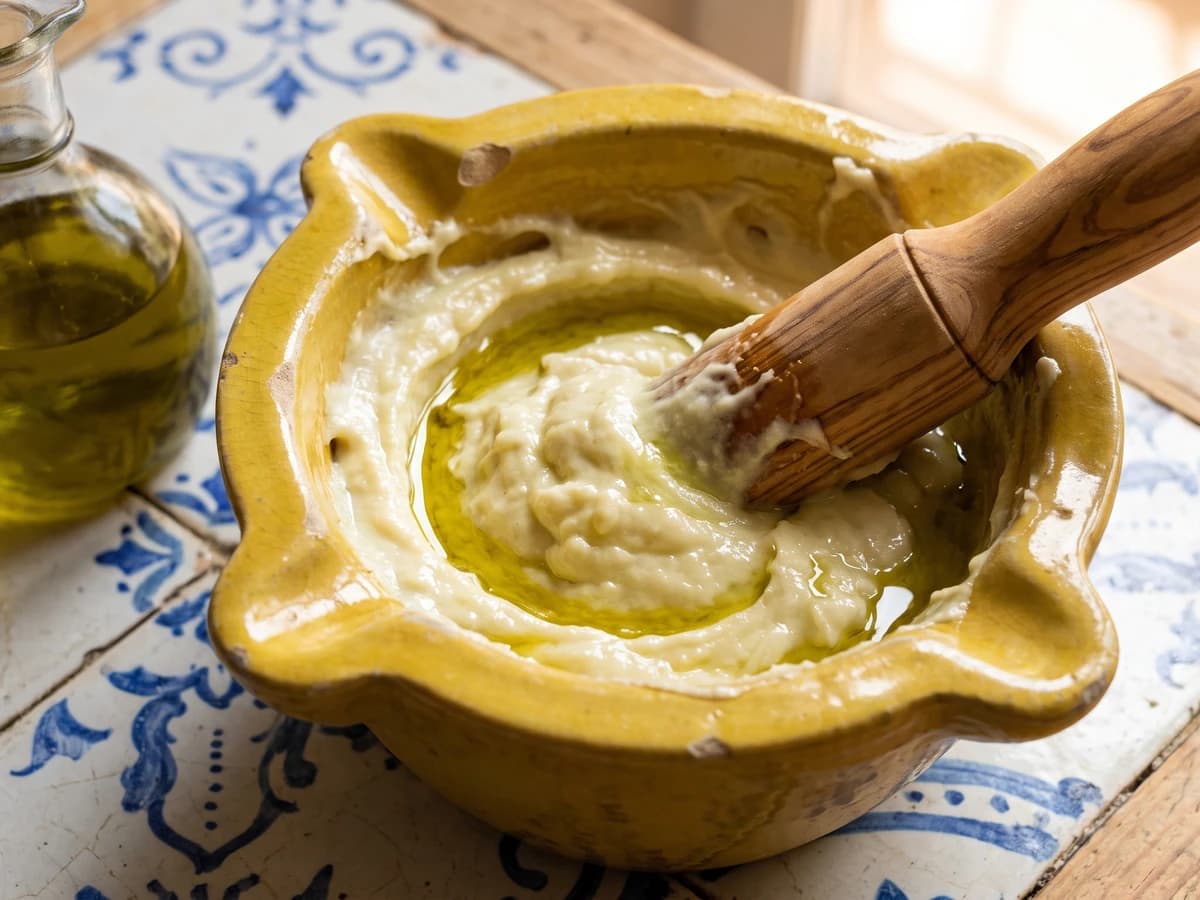
Allioli belongs to Catalonia and Valencia: garlic, salt, and olive oil worked patiently in a mortar until thick and glossy. No egg, no trick, just slow first drops that make the emulsion hold.