Chef Isabel
Bollo Preñao Asturiano
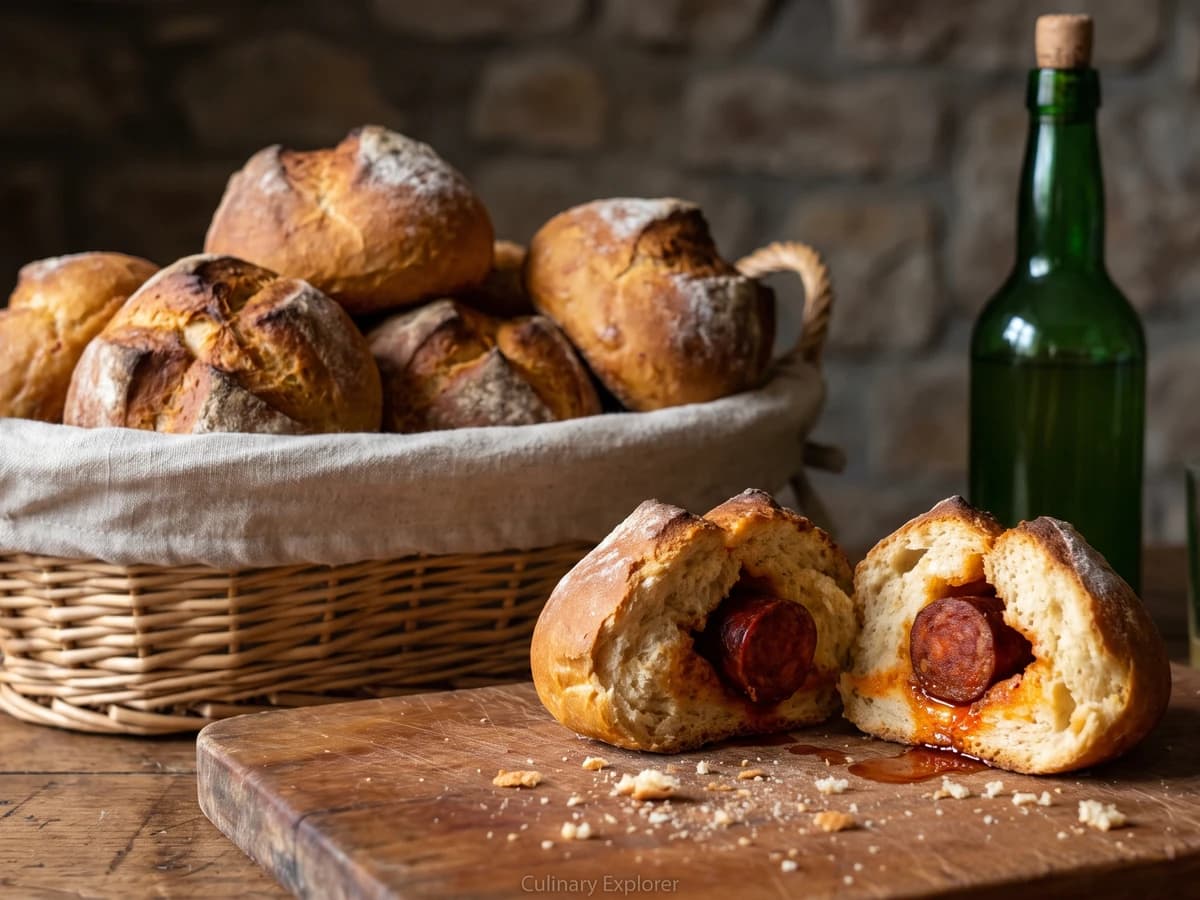
Asturias tucks a whole smoky chorizo inside each bread roll, so its pimentón-red fat seasons the crumb as it bakes. Seal the dough well, and you have the proper food of romerías and picnics.
A cooking platform built around craft, culture, and the stories behind what we eat.
Created by
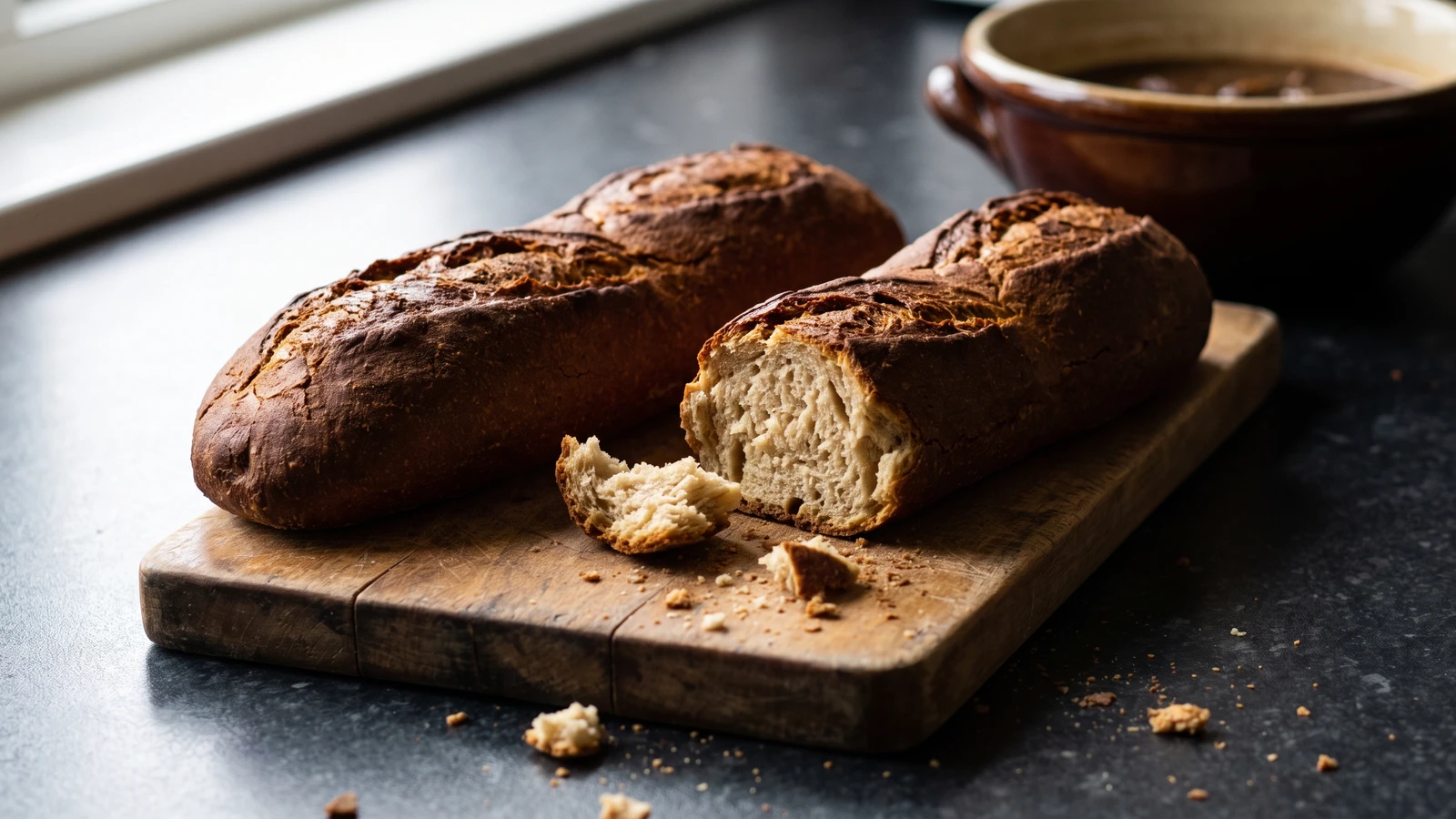
Sopako is the Basque Country’s bread for the soup pot: a compact wheat loaf baked deep brown, then dried hard, ready to drink the broth of zurrukutuna without turning gummy.
Sopako is Basque, a bread made for the soup pot rather than the bread basket. Sopako ogia means bread for soup, and that is exactly what it is: a compact wheat loaf baked dark and dried until hard, ready to be torn into zurrukutuna, the Basque garlic-and-salt-cod soup, or another bowl of cocina de cuchara, spoon food. Fresh, soft bread would collapse into paste. Sopako drinks the broth slowly and gives it body.
The drying decides it. I bake the loaf through at a good heat, then lower the oven and leave it there until the middle has lost every trace of softness. Dry it too quickly and the crust scorches while the centre stays damp; stop too soon and it goes leathery instead of brittle. Judge it cold, because warm bread always bends a little. The piece should snap under your fingers and show a tight, dry crumb.
No special Basque flour is needed. A plain strong white wheat flour makes the right loaf wherever you are. If you cannot bake it, use yesterday’s dense, unsweetened country loaf and dry thick pieces at 110°C until hard; its crumb will usually be more open, so it breaks down sooner in the soup. The note in my Margin is short: never seal sopako while it is warm. Let it cool to the centre and it keeps properly. Siempre sale, si lo sigues.
In Euskara, sopako ogia means “bread for soup”: sopa joined to the suffix -ko, which marks its purpose, with ogia meaning bread. Basque bakers give the loaf a compact crumb and a long, dark bake so it can be kept dry and broken into the cooking pot rather than wasted as old table bread. It is closely tied to zurrukutuna, the Basque garlic-and-salt-cod soup in which dry wheat bread turns a modest broth into substantial spoon food.
Quantity
500g
11 to 12% protein
Quantity
310g
lukewarm, about 24°C
Quantity
10g
Quantity
5g
or 15g fresh baker’s yeast
| Ingredient | Quantity |
|---|---|
| unbleached white bread flour11 to 12% protein | 500g |
| waterlukewarm, about 24°C | 310g |
| fine sea salt | 10g |
| instant dried yeastor 15g fresh baker’s yeast | 5g |
Combine the flour and instant yeast in a large bowl, then add the water and mix until no dry flour remains. If you are using fresh yeast, dissolve it in the water first. Add the salt, cover the rough dough, and leave it for 15 minutes. This short rest lets the flour drink before you ask the dough to become smooth.
Knead for 8 to 10 minutes by hand, or 6 minutes with a mixer on low speed. The dough should become smooth, firm, and only faintly tacky. Put it in a clean bowl, cover, and leave at a moderate room temperature for 75 to 90 minutes, until it has grown by roughly three quarters. It need not double.
Turn the dough out and divide it into two equal 412g pieces. Pésalo, no lo adivines, weigh it, don’t guess. Pat each piece into a rectangle, pressing out the large bubbles, then roll it tightly into a narrow loaf about 28cm long. Pinch the seam closed and set both loaves seam-side down on a lined baking sheet. Cover and prove for 35 to 45 minutes. They should look lightly swollen, not airy or doubled; sopako needs a close crumb that absorbs broth evenly.
Heat the oven to 230°C conventional, 450°F, with a heavy baking sheet or stone inside. Score each loaf once lengthways, about 1cm deep. Slide the loaves onto the hot surface and bake for 15 minutes. Lower the oven to 190°C, 375°F, and bake for another 25 to 30 minutes. The crust should be deep chestnut, well beyond the pale gold wanted from table bread, and the centre should reach 96 to 98°C if checked with a thermometer.
Remove the loaves while the oven drops to 110°C, 230°F. Return them directly to the oven rack and dry for 75 to 90 minutes, turning them over halfway through. This low, patient drying is the step that decides sopako: it removes the moisture from the centre without blackening the crust. The loaves should feel remarkably light and hard. Switch off the oven, leave them inside for 20 minutes with the door slightly open, then cool on a rack for at least 90 minutes. Break an end only when cold; the crumb should snap and crumble, not bend. If it remains soft at the centre, dry it for another 20 minutes at 110°C.
1 serving (about 290g)
Culinary guides, cultural storytelling, and the editorial depth that makes cooking meaningful.
Discover Culinary ExplorerChef Isabel
Asturias tucks a whole smoky chorizo inside each bread roll, so its pimentón-red fat seasons the crumb as it bakes. Seal the dough well, and you have the proper food of romerías and picnics.
Chef Isabel
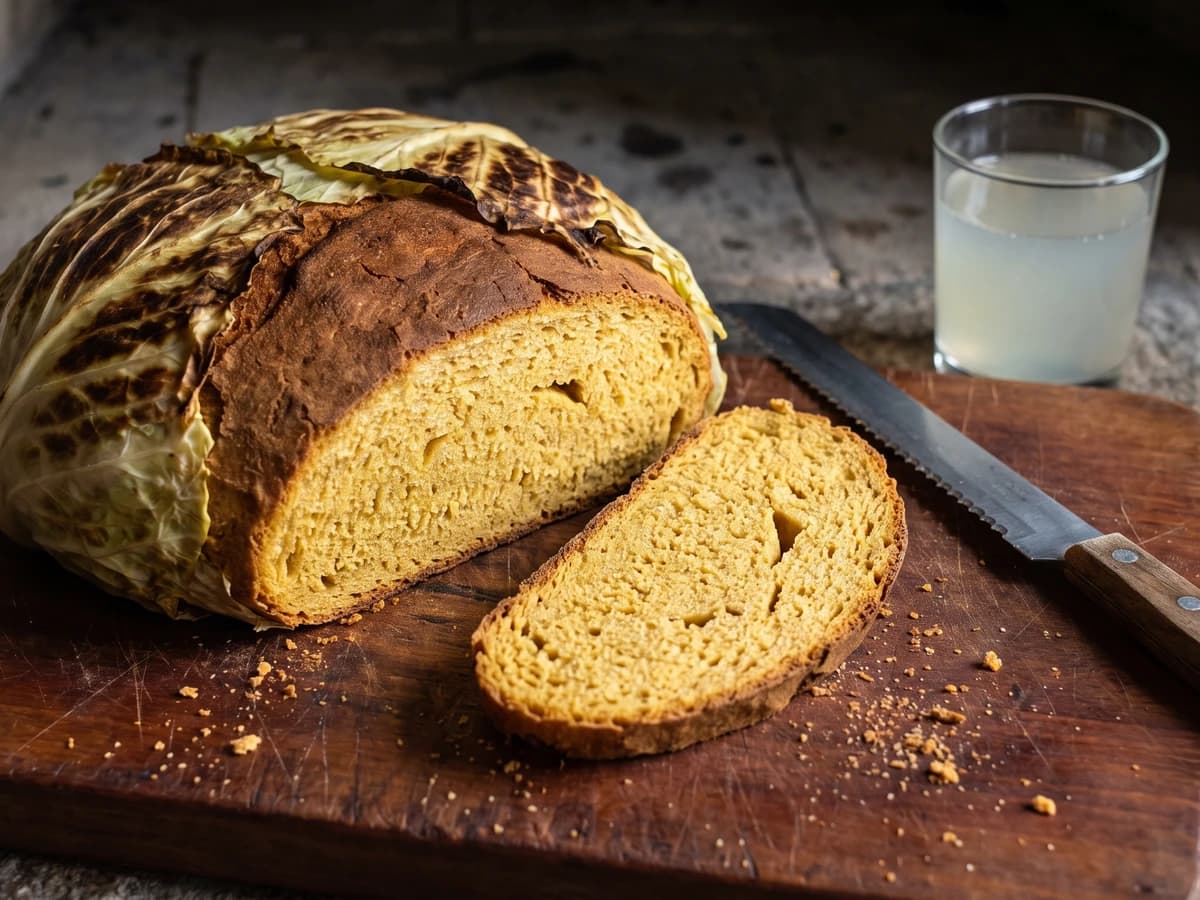
Asturian boroña is the plain corn loaf of the wet north, scalded with salted water and baked inside cabbage leaves until the crust darkens and the crumb stays close, gold, and moist.
Chef Isabel
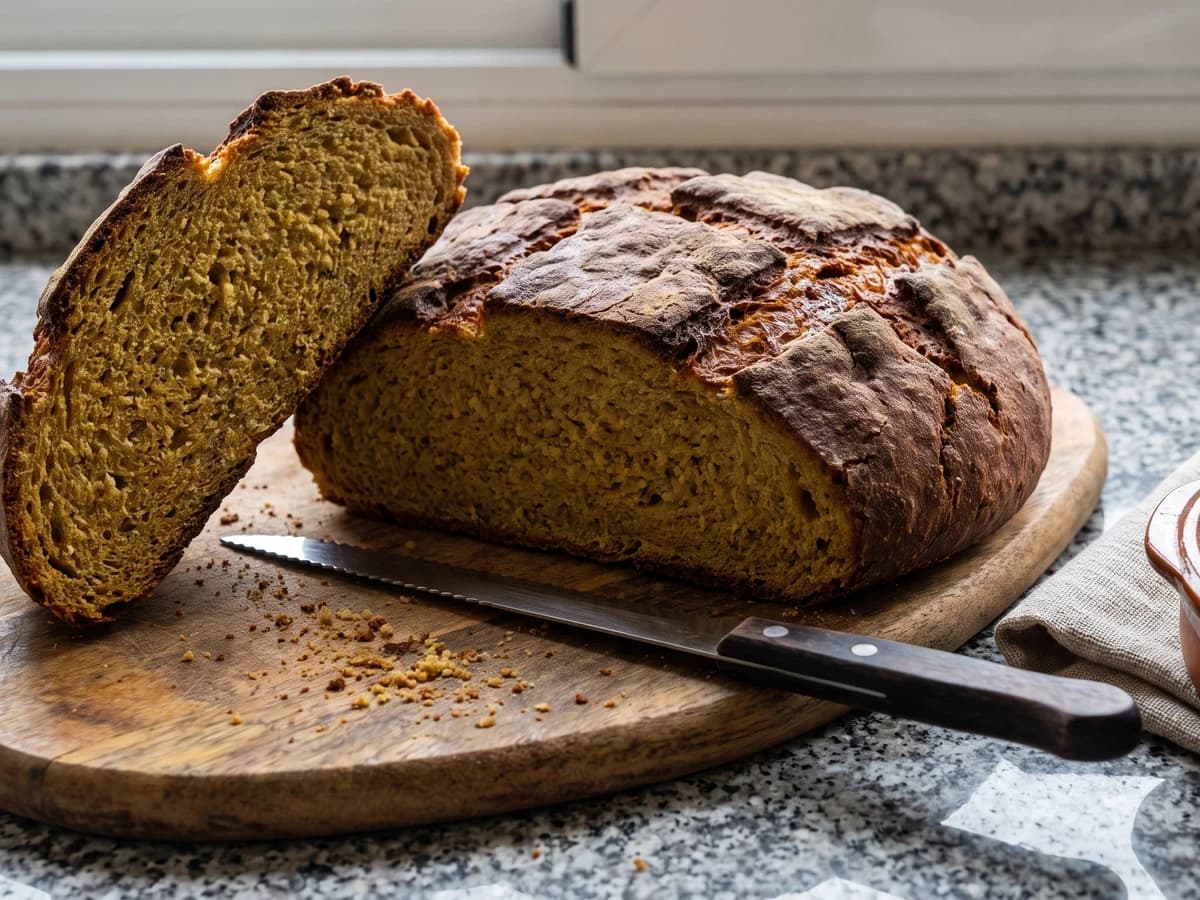
Broa Galega is Galicia's sturdy maize-and-rye loaf: scald the corn flour, give the damp dough time to rise, and the oven gives back a cracked crust and close, faintly sweet crumb.
Chef Isabel
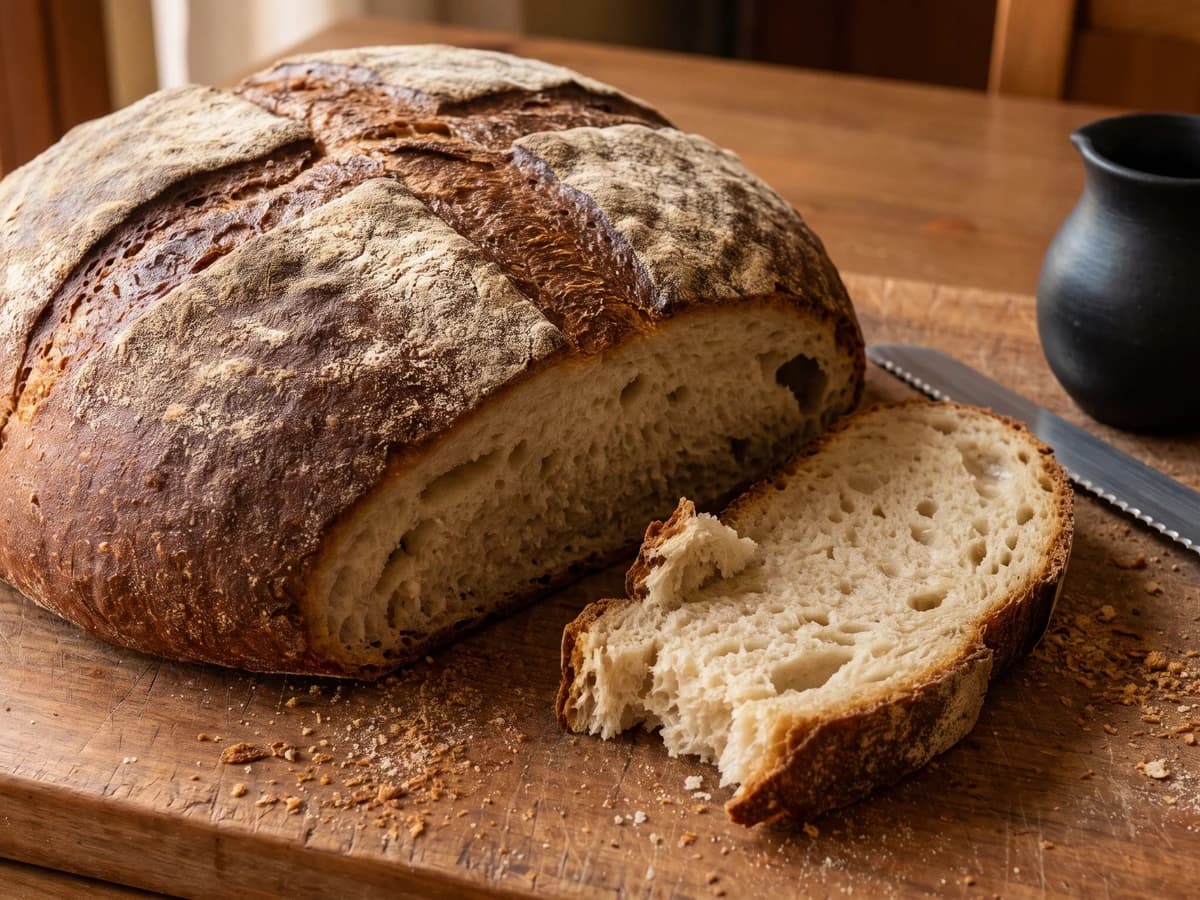
León's great pan de flama is a one-and-a-half-kilo round, slowly fermented and baked dark, with a thick crust that protects its moist, irregular crumb for days.