Chef Isabel
Aceitunas Aliñadas Andaluzas
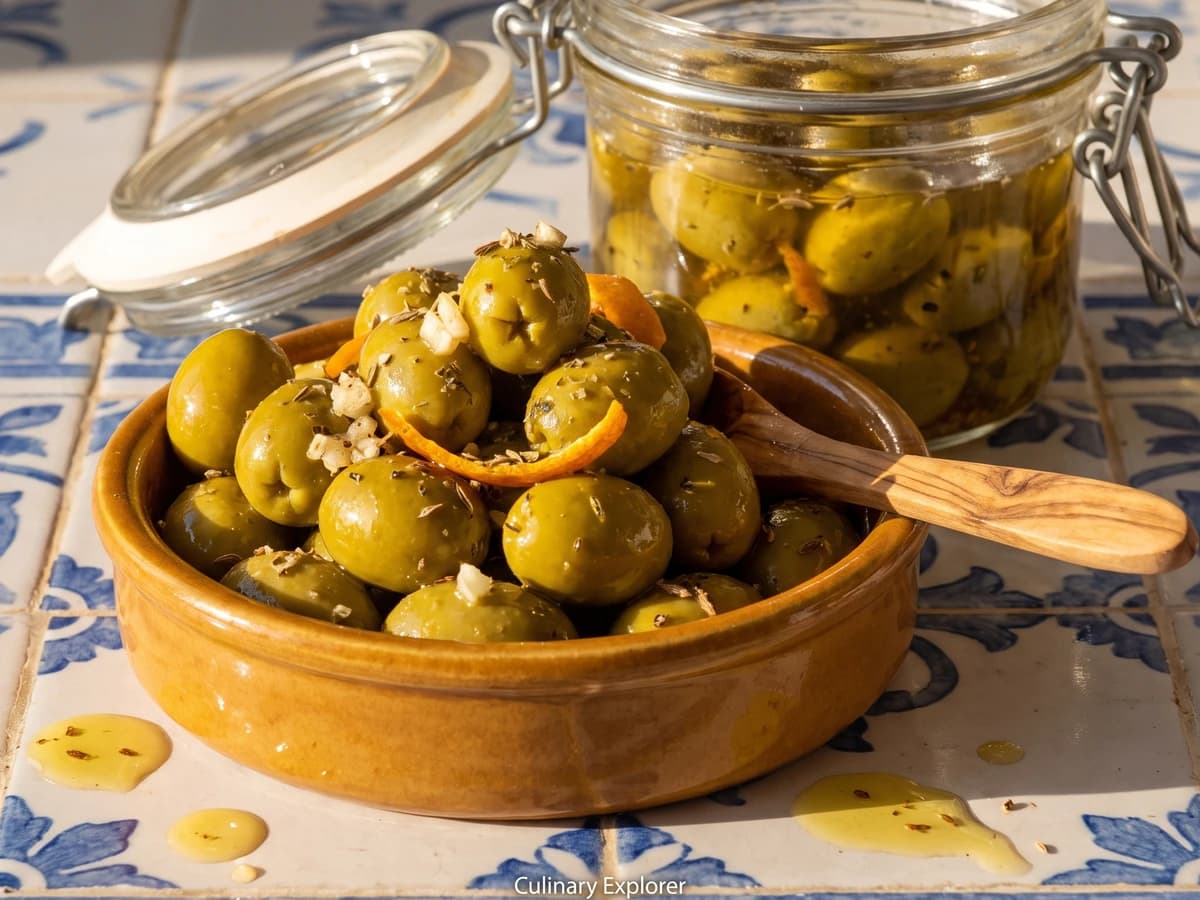
Andalucía's green olives are cracked just enough to drink in garlic, cumin, oregano and sherry vinegar, then left two days until the brine turns fragrant and every bite carries the aliño.
A cooking platform built around craft, culture, and the stories behind what we eat.
Created by
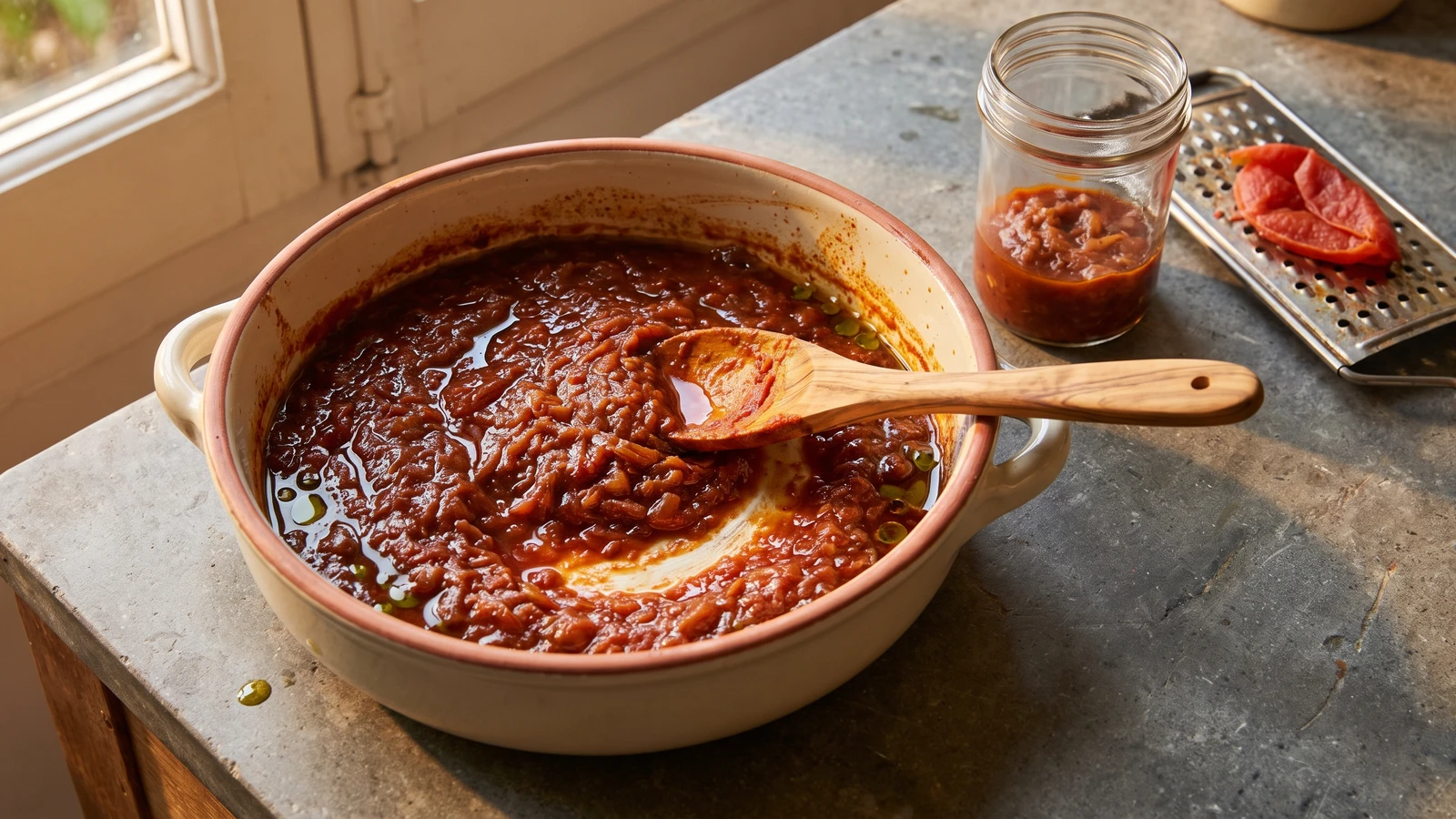
Catalan sofregit turns onion, garlic and tomato into the dark, jammy floor beneath rice, beans and stews. Keep the heat low, give the onion its time, and every spoonful does its work.
Sofregit català is Catalonia's slow onion-and-tomato base, the dark floor beneath arrossos (rice dishes), fideus (noodle dishes), beans and guisats (stews). It isn't tomato sauce by another name. The Catalan mark is the onion cooked patiently to dark gold before the tomato enters, so the finished base tastes sweet, deep and savoury, with no raw edge.
The onion decides it. Keep the heat low and cook it until collapsed and jammy, because that long, gentle cook carries off its water and draws out its sweetness. Turn the flame up and the edges burn while the middle stays sharp, then every pot built on it tastes thinner. Add the garlic only when the onion is ready, followed by grated tomato, and reduce everything until a spoon leaves a clean track and the olive oil shows again at the edges.
When tomatoes are heavy and ripe, grate them and leave the skins behind. In winter, good canned whole peeled tomatoes are the sensible substitute a Catalan kitchen would use for a cooked base. Their flavour is rounder and less fresh, but far better than a hard, pale tomato. No hace falta haber pisado España, you don't need to have set foot in Spain. My Margin says only, "Stop when the oil comes back." Siempre sale, si lo sigues, it turns out if you follow it.
Sofregit is a foundation of Catalan cooking, where it begins arrossos, fideus, legumes, and meat or fish guisats. The verb sofregir means to fry gently, and Catalan cooks were slowly working onions into sauces before tomato arrived from the Americas. Once tomato entered the larder, it joined that older onion base and was reduced until nearly dry, which is why sofregit is a concentrated foundation rather than a pourable sauce.
Quantity
500g peeled weight
cut into 2 to 3mm dice
Quantity
650g, from about 800g whole tomatoes
tomatoes halved and grated, skins discarded
Quantity
650g
crushed with their juices; use instead of fresh tomatoes when good ripe ones are unavailable
Quantity
12g, about 3 large cloves
finely minced
Quantity
90ml
Quantity
6g
Quantity
up to 30ml
for loosening onions only if they begin to catch
| Ingredient | Quantity |
|---|---|
| yellow onionscut into 2 to 3mm dice | 500g peeled weight |
| ripe plum tomato pulptomatoes halved and grated, skins discarded | 650g, from about 800g whole tomatoes |
| canned whole peeled tomatoes (optional)crushed with their juices; use instead of fresh tomatoes when good ripe ones are unavailable | 650g |
| garlicfinely minced | 12g, about 3 large cloves |
| extra virgin olive oil | 90ml |
| fine sea salt | 6g |
| water (optional)for loosening onions only if they begin to catch | up to 30ml |
Weigh the onions after peeling and trimming, then cut them into an even 2 to 3mm dice. Pésalo, no lo adivines, weigh it, don't guess. Halve the fresh tomatoes across their middles and grate the cut sides against the large holes of a box grater until only the skins remain. Discard the skins and weigh 650g of pulp. If using canned tomatoes, crush 650g with their juices. Mince the garlic separately.
Set a wide 28cm heavy pan over medium-low heat and add the olive oil, onions, and salt. Cook for 10 minutes, stirring often, until the onions soften and release their water without colouring. Turn the heat to low and cook for another 35 to 45 minutes, stirring and scraping the bottom every 4 to 5 minutes. They are ready when reduced to about one-third of their first volume, dark gold, sticky, and soft enough to crush against the pan with the spoon. This slow cook is where the sweetness comes from. Rush it and the finished base tastes thin.
Stir in the minced garlic and cook over low heat for 2 minutes, just until its raw smell disappears. Don't let it brown. Garlic turns bitter before an onion has time to forgive it.
Add the grated tomato pulp and raise the heat to medium-low until it begins bubbling steadily. Turn the heat back to low and cook uncovered for 35 to 45 minutes, stirring every few minutes as it thickens. Scrape the bottom more often during the final 10 minutes. The sofregit is ready when it has turned deep brick red-brown, no watery liquid remains, small beads of olive oil appear around the edges, and a spoon drawn across the pan leaves a clean track for at least 3 seconds.
Take the pan off the heat and let the sofregit cool for 15 minutes. Divide it into four portions of about 115g each, enough to begin an ordinary four-serving pot of beans, stew, noodles, or rice when its recipe calls for sofregit. Transfer it to shallow covered containers and refrigerate within 2 hours. Keep it chilled for up to 4 days or freeze it for up to 3 months. Olive oil does not make garlic safe to store in the cupboard.
1 serving (about 119g)
Culinary guides, cultural storytelling, and the editorial depth that makes cooking meaningful.
Discover Culinary ExplorerChef Isabel
Andalucía's green olives are cracked just enough to drink in garlic, cumin, oregano and sherry vinegar, then left two days until the brine turns fragrant and every bite carries the aliño.
Chef Isabel
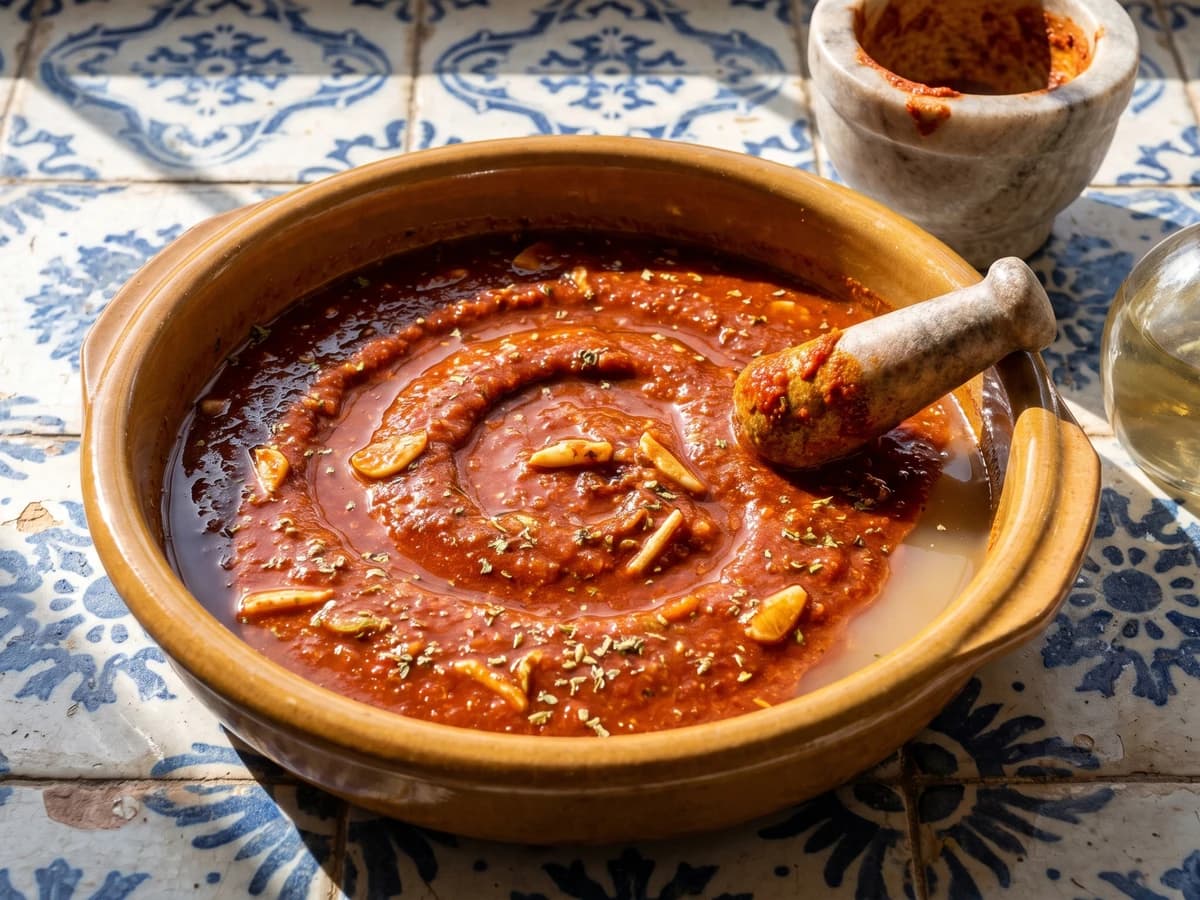
Andalucía's sharp, brick-red marinade brings vinegar, garlic, oregano, cumin and pimentón to fish and pork; pound the seasonings first, then give the acid time to carry them through.
Chef Isabel
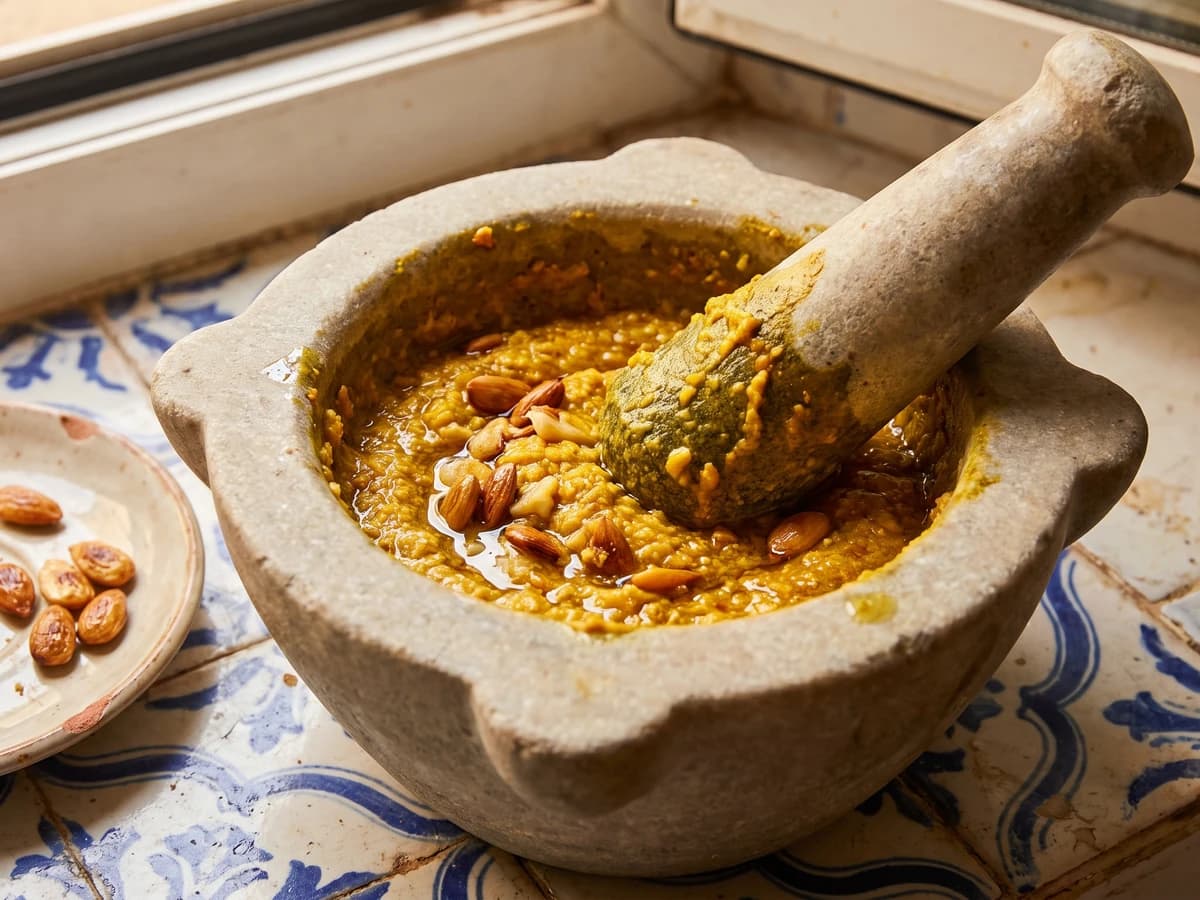
Almería's ajopollo turns fried garlic, almonds, bread and saffron into a golden mortar paste that gives modest fish and potato guisos their body, richness and unmistakable southern depth.
Chef Isabel
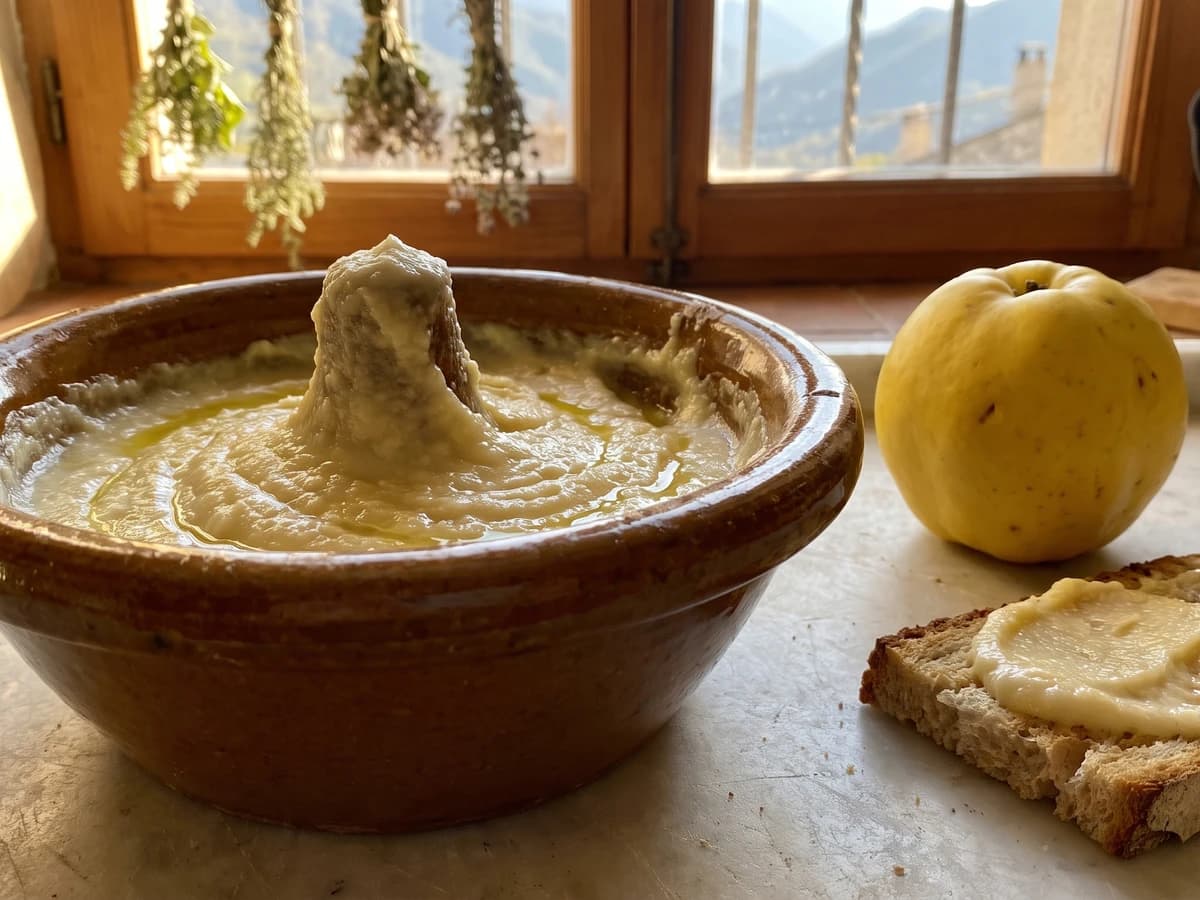
Allioli de codony belongs to the Catalan Pyrenees: boiled quince, raw garlic, salt, and olive oil worked into a thick, fragrant sauce for grilled meat, sausages, bread, and the autumn table.