Chef Isabel
Abanico Ibérico a la Plancha
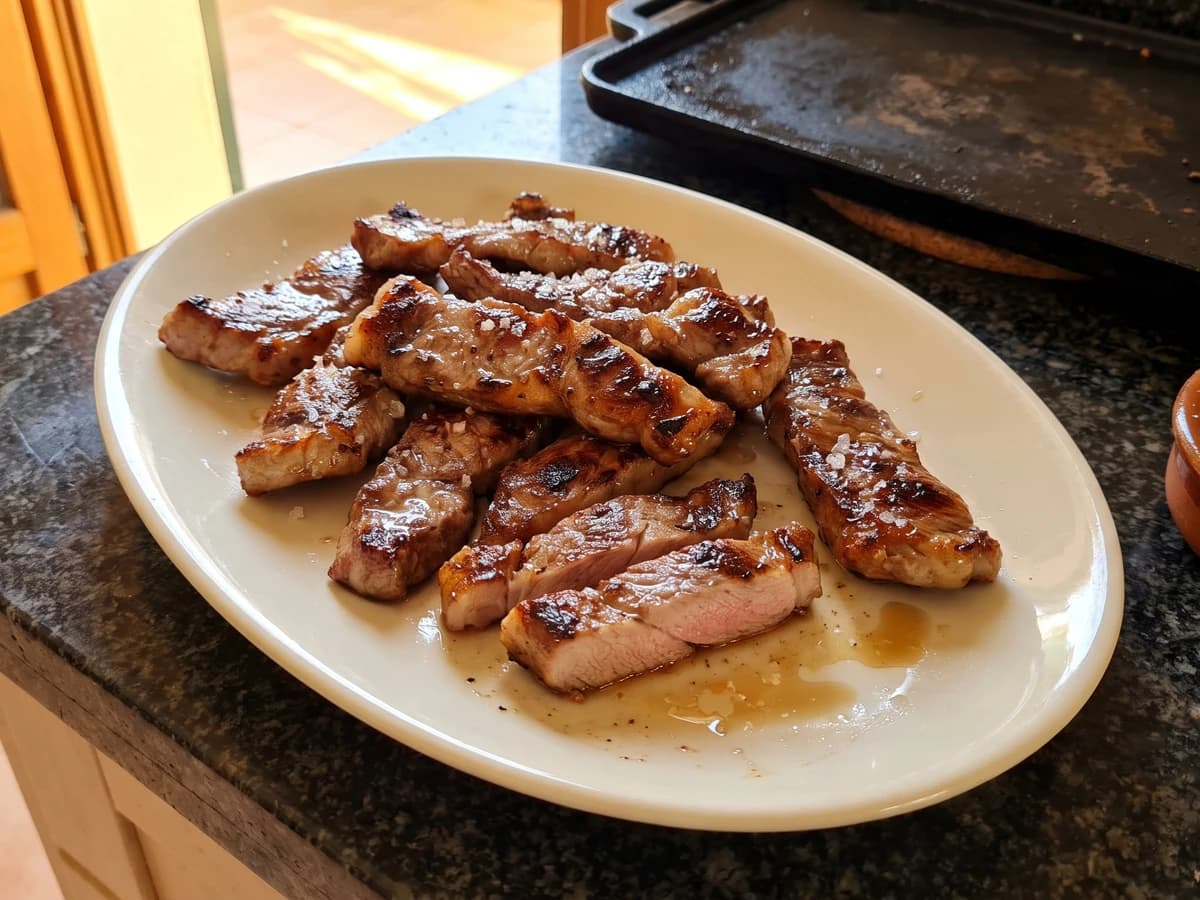
Extremadura's dehesa gives us this fan-shaped, marbled rib cut: salt it at the last moment, lay it on a fierce plancha, and count in seconds so the centre stays juicy.
A cooking platform built around craft, culture, and the stories behind what we eat.
Created by
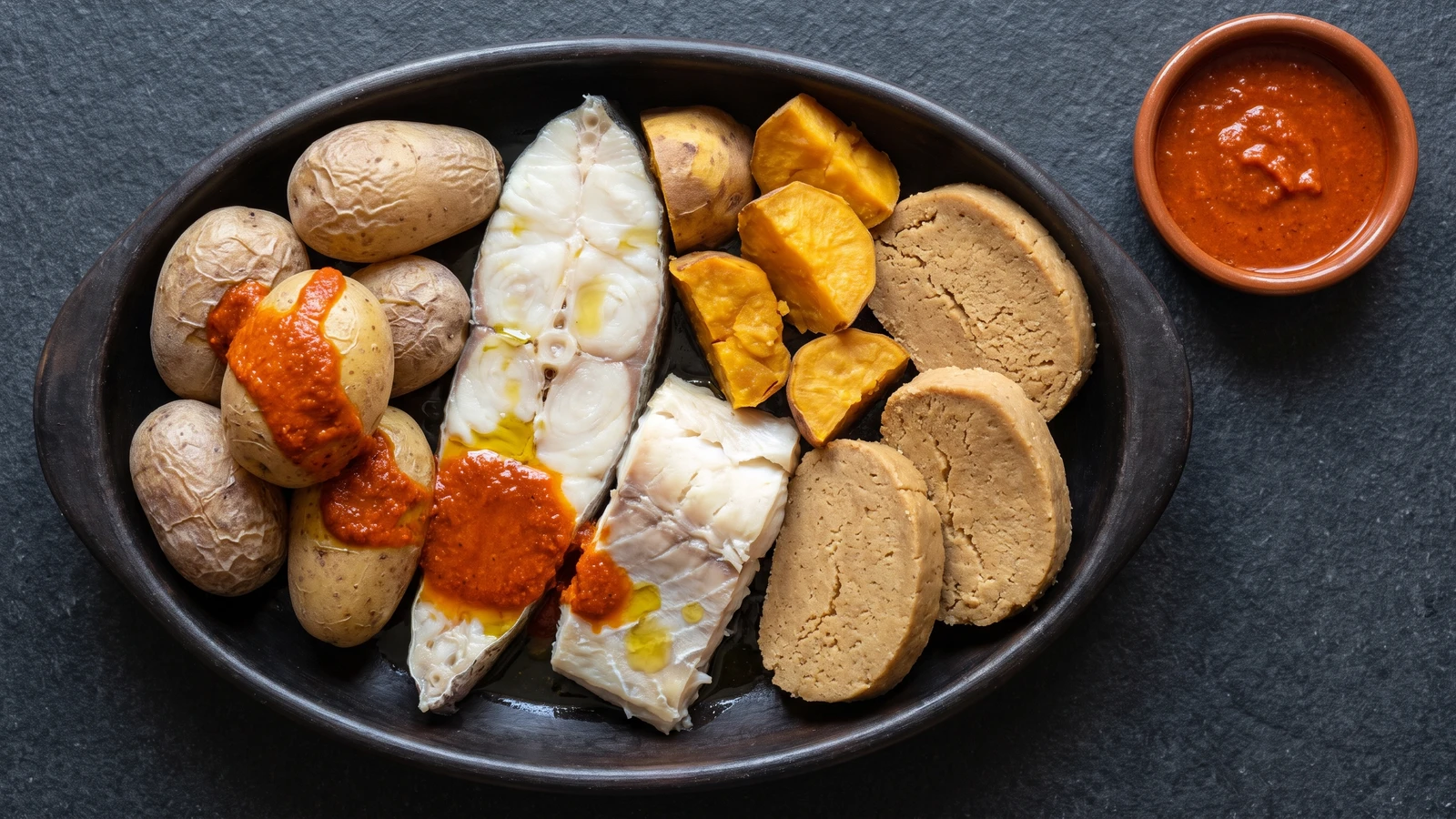
Sancocho Canario is the Canary Islands' Easter plate: salt-cured cherne poached gently with potatoes and sweet potato, then served with red mojo and gofio pella. Desalt the fish properly and the rest is plain work.
Sancocho Canario belongs to the Canary Islands, especially Gran Canaria: thick pieces of salt-cured cherne, skin-on papas, sweet potato, red mojo, and a firm pella of gofio. The salty white fish, sweet tuber, sharp sauce, and roasted grain are what mark the plate as Canarian. It is Easter food and family-table food, substantial without being fussy.
The one thing that decides it is the desalting. Give the fish 24 to 36 hours in plenty of cold water in the refrigerator, changing that water regularly. Time draws the salt evenly from the centre while putting moisture back into the flesh. Rush it and the outside tastes washed while the thickest part still bites with salt. I test a small cooked flake before committing the whole pot. The clock advises; the fish answers.
No hace falta haber pisado España, you don't need to have set foot in Spain. If salt-cured cherne cannot be found, use thick centre-cut salt cod. It breaks into broader flakes and is less meaty, so handle it gently and begin checking it two minutes earlier. Gofio de millo is worth ordering because no raw cornmeal gives the same roasted taste, but another unsweetened roasted maize flour will make a sound pella.
Cook the tubers first, add the fish only when the potatoes are nearly tender, and keep the water at a tremble. Set everything down with the mojo passed separately. My Margin carries one short correction beside this dish: taste the fish, not the soaking water. Siempre sale, si lo sigues. It turns out if you follow it.
Sancocho Canario is most closely associated with Gran Canaria, where it is a customary Good Friday meal, though the fish and tubers vary between islands and households. Salting preserved cherne and other catches for lean days and for times when fresh fish could not be relied upon; the finished plate joins that seafaring larder with potatoes, batata, mojo, and pre-conquest gofio. The pella is not decoration but the oldest element on the plate, a roasted-grain staple made by the Indigenous Canarians before Castilian settlement.
Quantity
1kg
bone-in and skin-on, cut into 4 thick pieces
Quantity
3L for each soaking, four soakings minimum, plus about 3L for cooking
Quantity
1kg
scrubbed and left whole
Quantity
500g
peeled and cut into 5cm pieces
Quantity
2 (about 12g)
stemmed and seeded
Quantity
6 cloves (about 25g)
peeled
Quantity
1 teaspoon (2g)
Quantity
1 teaspoon (3g)
Quantity
1 teaspoon (5g)
Quantity
45ml
Quantity
150ml
Quantity
30ml
Quantity
200g
Quantity
140ml
Quantity
1 tablespoon (15ml)
Quantity
1 teaspoon (5g)
| Ingredient | Quantity |
|---|---|
| salt-cured cherne (wreckfish)bone-in and skin-on, cut into 4 thick pieces | 1kg |
| cold water | 3L for each soaking, four soakings minimum, plus about 3L for cooking |
| small waxy potatoesscrubbed and left whole | 1kg |
| white- or yellow-fleshed sweet potatopeeled and cut into 5cm pieces | 500g |
| dried pimientas palmeras, or 2 dried ñoras plus 1 small dried cayennestemmed and seeded | 2 (about 12g) |
| garlicpeeled | 6 cloves (about 25g) |
| cumin seeds | 1 teaspoon (2g) |
| unsmoked sweet pimentón | 1 teaspoon (3g) |
| coarse salt | 1 teaspoon (5g) |
| red wine vinegar | 45ml |
| extra virgin olive oil | 150ml |
| pepper-soaking water | 30ml |
| gofio de millo (roasted maize flour) | 200g |
| warm cooking liquid, or fresh warm water if needed | 140ml |
| extra virgin olive oil for the gofio pella | 1 tablespoon (15ml) |
| sugar (optional) | 1 teaspoon (5g) |
Rinse the salt from the cherne and place the pieces in a non-reactive container, skin side up. Cover with 3 litres of cold water and refrigerate for 24 hours, replacing the water every 6 hours so the fish has four fresh soakings. After 24 hours, cut off a small flake and simmer it separately for 1 minute before tasting. It should remain pleasantly seasoned, not sharply salty. Give very thick pieces another 6 to 12 hours if needed.
Cover the dried peppers with just-boiled water and leave them for 20 minutes. Drain them, reserving 30ml of the water, then scrape the softened flesh from the skins. Grind the cumin seeds and coarse salt in a mortar, add the garlic, and pound to a paste. Work in the pepper flesh and pimentón, followed by the vinegar. Pour in the olive oil gradually, stirring rather than whipping, and loosen with the reserved pepper water. Let the mojo rojo rest for at least 30 minutes.
Put the whole potatoes in a wide 6-litre pot and cover them with about 3 litres of fresh cold water, or enough to stand 2cm above them. Do not add salt. Bring to a steady simmer and cook for 12 minutes. Add the sweet potato and simmer for another 8 minutes. A knife should enter a potato with resistance at the centre; it must not be fully tender yet.
Lay the drained cherne over the tubers, adding a little hot water only if the pieces are not covered. Lower the heat immediately and hold the liquid at a gentle tremble for 8 to 10 minutes. Never let it roll hard. The fish is ready when the centre is opaque and separates into broad, moist flakes, while the potatoes yield cleanly to a knife.
Reserve 160ml of the cooking liquid, then lift out the fish carefully and keep it covered. Drain the potatoes and sweet potato. Return the tubers to the empty pot over very low heat for 1 to 2 minutes, shaking the pot gently until their surfaces dry and the potato skins wrinkle lightly. Remove any sweet potato piece that begins to crumble.
Taste the reserved cooking liquid. If it is fiercely salty, use fresh warm water instead. Put the gofio in a bowl with the tablespoon of olive oil and the sugar, if your household likes that slight sweetness. Work in 120ml of liquid, then add the remaining 20ml a teaspoon at a time while kneading. Stop when you have a firm, pliable dough that holds together without sticking. Shape it into a 5cm-thick cylinder and cut it into sturdy slices.
Arrange the cherne, wrinkled papas, sweet potato, and slices of pella on one large platter. Spoon a modest amount of mojo over one piece of fish and a potato, then pass the rest separately so each person can add their own. The fish should taste seasoned, the sweet potato should soften that salt, and the sharp mojo should wake up both. Check carefully for bones as you eat.
1 serving (about 710g)
Culinary guides, cultural storytelling, and the editorial depth that makes cooking meaningful.
Discover Culinary ExplorerChef Isabel
Extremadura's dehesa gives us this fan-shaped, marbled rib cut: salt it at the last moment, lay it on a fierce plancha, and count in seconds so the centre stays juicy.

Chef Isabel
Aletría Murciana is Murcia's humble noodle guiso: fine fideos, pork ribs, potato, saffron, and a dark sweet sofrito. Get that base right and the pot knows where it's going.

Chef Isabel
Andrajos are Andalucía's dough-rag stew from Jaén and Granada: a slow rabbit guiso thickened with torn sheets of flour dough, rolled thin so they cook tender instead of gummy.
Chef Isabel
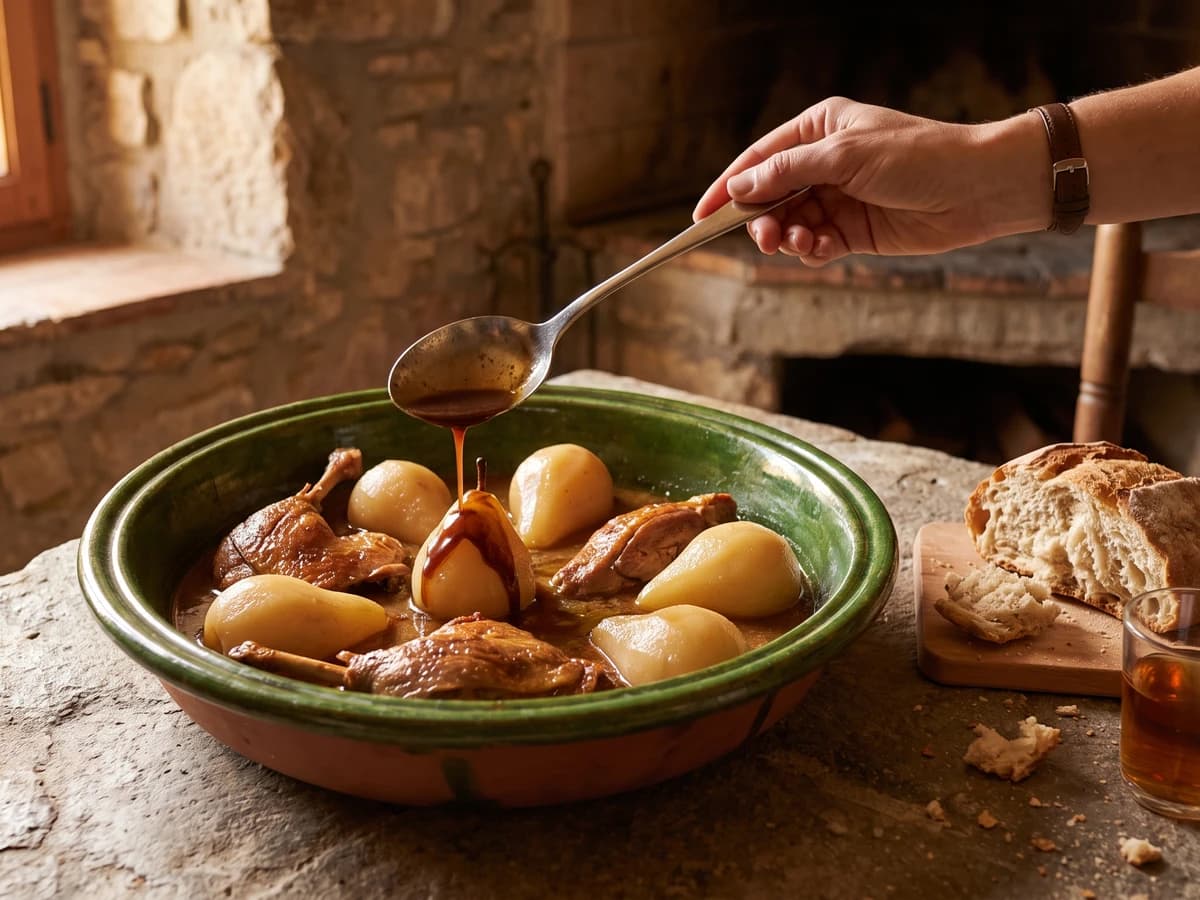
Ànec amb peres is Catalan celebration cooking: duck braised in a dark sofregit, firm autumn pears added near the end, and an almond-garlic picada that turns the juices into a close, glossy sauce.