Chef Isabel
Aceitunas Aliñadas Andaluzas
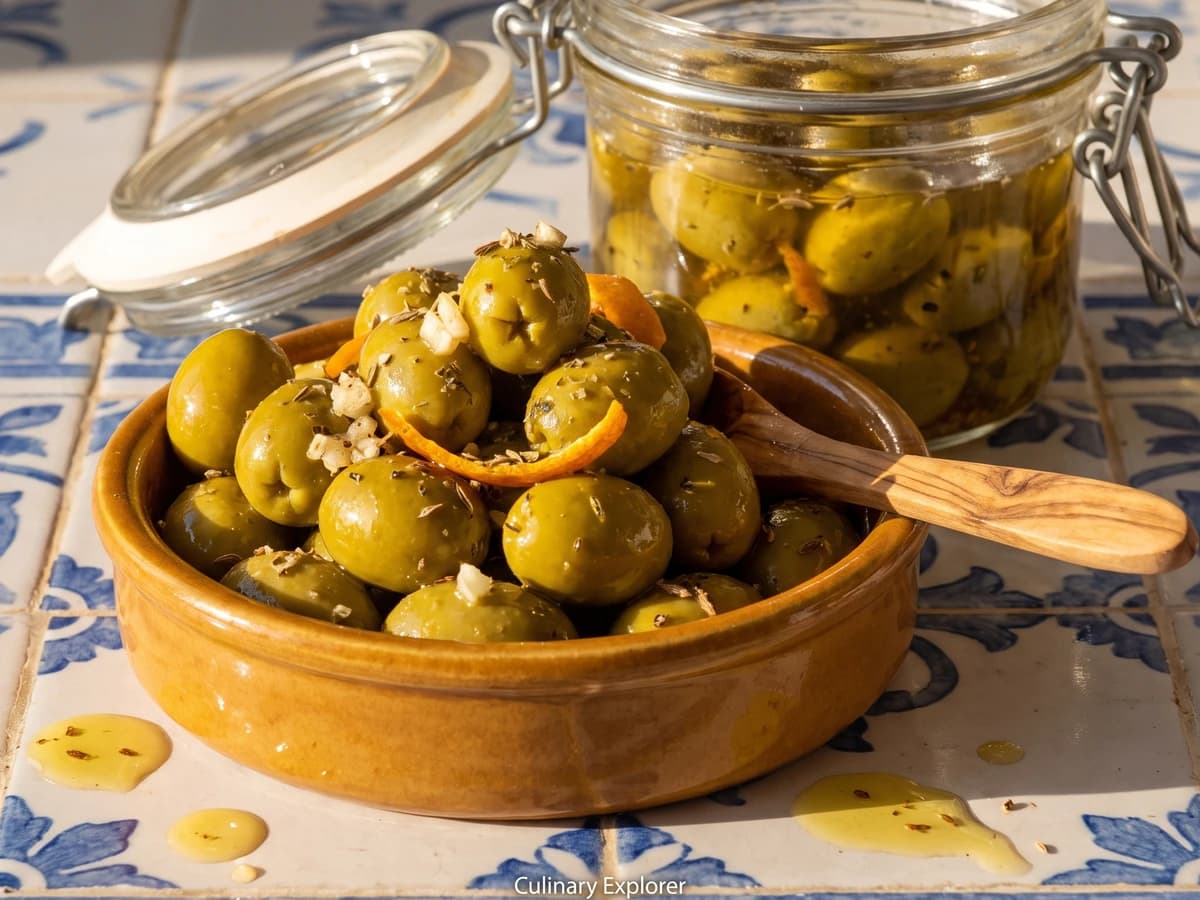
Andalucía's green olives are cracked just enough to drink in garlic, cumin, oregano and sherry vinegar, then left two days until the brine turns fragrant and every bite carries the aliño.
A cooking platform built around craft, culture, and the stories behind what we eat.
Created by
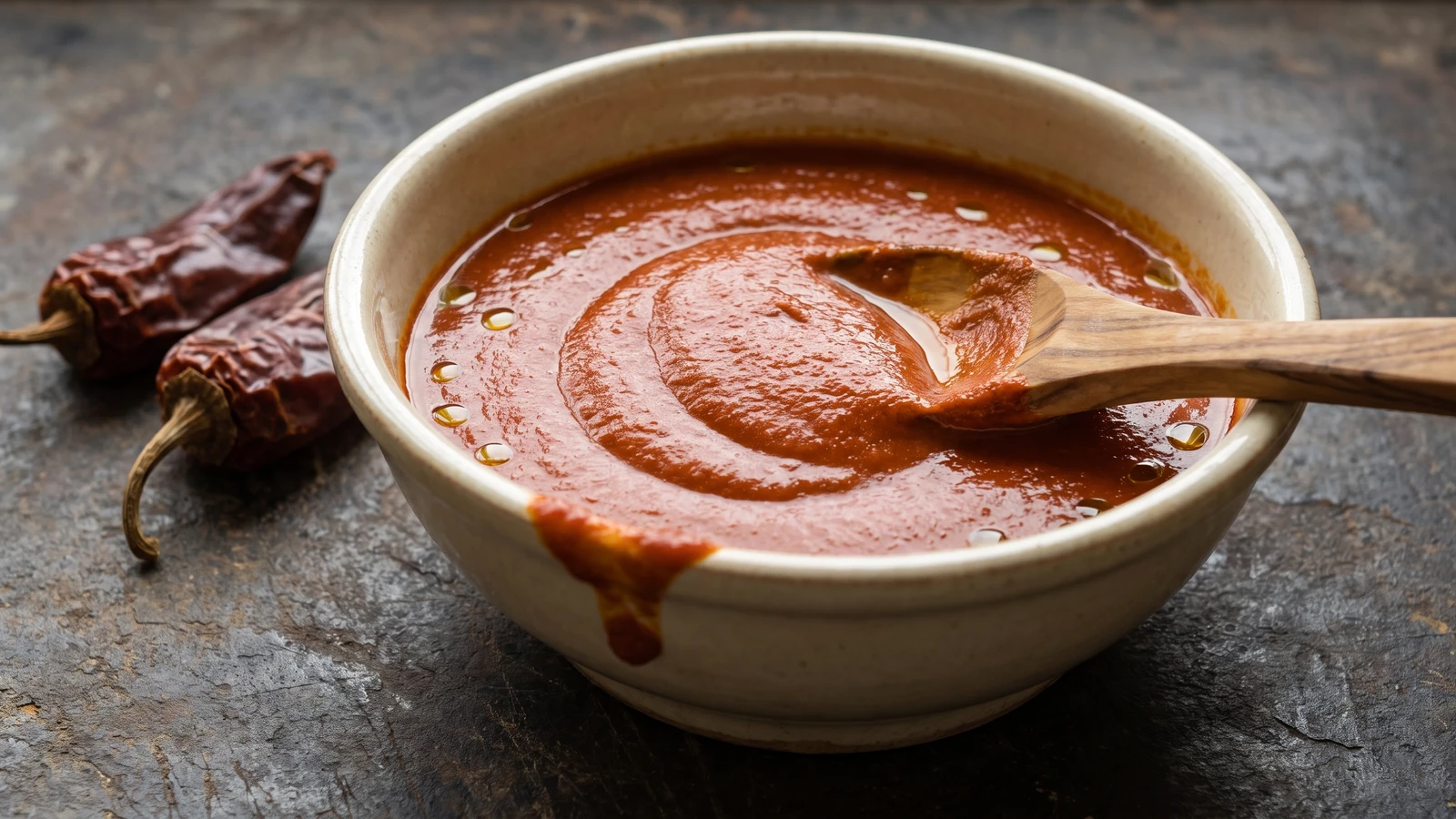
Salsa vizcaína is Bizkaia in a saucepan: choricero pepper pulp and a great weight of onion cooked low and slow into a brick-red sauce for bacalao, meatballs, or tripe, with no tomato.
Salsa vizcaína belongs to Bizkaia, in the Basque Country: a brick-red sauce of choricero pepper pulp and a great weight of onion, traditionally served with salt cod and also at home with meatballs, tripe, or pigs' trotters. What makes it vizcaína is not tomato and not pimentón. It is the sweet dried choricero, soaked until pliable and scraped clean, married to onion cooked down slowly.
The sofrito, the slow onion base, decides the sauce. Keep it low until the onion turns dark gold, soft, and almost jammy, because that long cooking supplies the sweetness that balances the pepper. Rush it and the sauce tastes sharp and hollow. Scrape the softened pepper flesh from its skins with a teaspoon and leave those skins behind. The choricero pulp is the sauce; blending in the skins only gives you bitterness and coarse red flecks.
If dried choriceros are hard to find, use 120g of plain jarred carne de pimiento choricero and skip the soaking. It is the same pepper already scraped, so little changes. If neither is available, twelve dried ñoras are the honest substitute, though the sauce will be fruitier, brighter, and a little less fleshy. No hace falta haber pisado España. Follow the weights and give the onion its time. Siempre sale, si lo sigues. In the Margin beside mine there are six words: the pepper can wait, the onion cannot.
Salsa vizcaína belongs to Bizkaia, where Bilbao's trade in salt cod made bacalao a lasting part of the local larder, and the sauce became its best-known companion. Choricero peppers were dried in strings after the harvest, then softened and scraped through the colder months, giving the sauce colour and sweetness when fresh peppers were gone. Tomato appears in some versions, but in the traditional Biscayan line followed here, onion and scraped choricero are the sauce, with bread used only for body.
Quantity
10 (about 50g)
stemmed and seeded
Quantity
1 litre
heated to about 65°C, for soaking
Quantity
1kg
peeled and finely sliced
Quantity
2 cloves (about 10g)
finely sliced
Quantity
100ml
Quantity
35g
crust removed and torn into small pieces
Quantity
500ml
fish stock for cod or meat stock for meat dishes
Quantity
6g
divided
| Ingredient | Quantity |
|---|---|
| dried choricero peppersstemmed and seeded | 10 (about 50g) |
| warm waterheated to about 65°C, for soaking | 1 litre |
| onions, preferably cebolla morada de Zalla or mild yellow onionspeeled and finely sliced | 1kg |
| garlicfinely sliced | 2 cloves (about 10g) |
| olive oil | 100ml |
| day-old white country breadcrust removed and torn into small pieces | 35g |
| unsalted light stockfish stock for cod or meat stock for meat dishes | 500ml |
| fine sea saltdivided | 6g |
Put the stemmed and seeded choriceros in a heatproof bowl and cover them with the warm water. Set a small plate on top to keep them submerged and leave them for 60 minutes, until the skins bend easily and the flesh feels soft. Do not use boiling water; it pulls out more bitterness than you need.
Drain the peppers and discard the soaking water. Lay one pepper skin-side down on a board and draw the edge of a teaspoon firmly across the inside, collecting every bit of soft red pulp. Repeat with the remaining peppers and discard the bare skins. You should have roughly 100 to 120g of pulp. Pésalo, no lo adivines: if you have much less, add enough plain jarred choricero pulp to reach 100g.
Heat the olive oil in a wide, heavy pan over low heat. Add the onions and 4g of the salt, turn them through the oil, and cover the pan. Cook for 20 minutes, stirring every five minutes, until the onions collapse and release their liquid. Uncover and continue cooking very gently for 45 to 55 minutes, stirring more often near the end, until dark gold, sticky, and almost jammy, with no crisp or black edges.
Add the sliced garlic and cook for 5 minutes without letting it colour. Stir in the torn bread and cook for another 3 minutes, turning it through the onion and oil. Add the scraped choricero pulp and cook for 2 minutes over low heat, just until its colour deepens and it smells sweet. Do not fry it hard or it turns bitter.
Pour in 400ml of the stock and stir well, loosening everything from the bottom of the pan. Bring it to a gentle simmer and cook uncovered for 20 minutes. The bread should disappear into the sauce and the onions should be tender enough to crush against the side of the pan.
Take the pan off the heat and blend for a full 2 minutes with an immersion blender, until no pieces of onion remain. Press the sauce through a fine-mesh sieve into a clean saucepan. Add the remaining stock a little at a time until the sauce coats the back of a spoon but still falls from it in a slow ribbon. This final straining gives salsa vizcaína its proper smooth body.
Return the sauce to low heat for 3 minutes, stirring so it does not catch. Taste before adding the remaining 2g salt, especially if the sauce will meet salt cod. Let it rest for 10 minutes. A little olive oil may rise and glisten at the surface; stir it back in before serving.
1 serving (about 100g)
Culinary guides, cultural storytelling, and the editorial depth that makes cooking meaningful.
Discover Culinary ExplorerChef Isabel
Andalucía's green olives are cracked just enough to drink in garlic, cumin, oregano and sherry vinegar, then left two days until the brine turns fragrant and every bite carries the aliño.
Chef Isabel
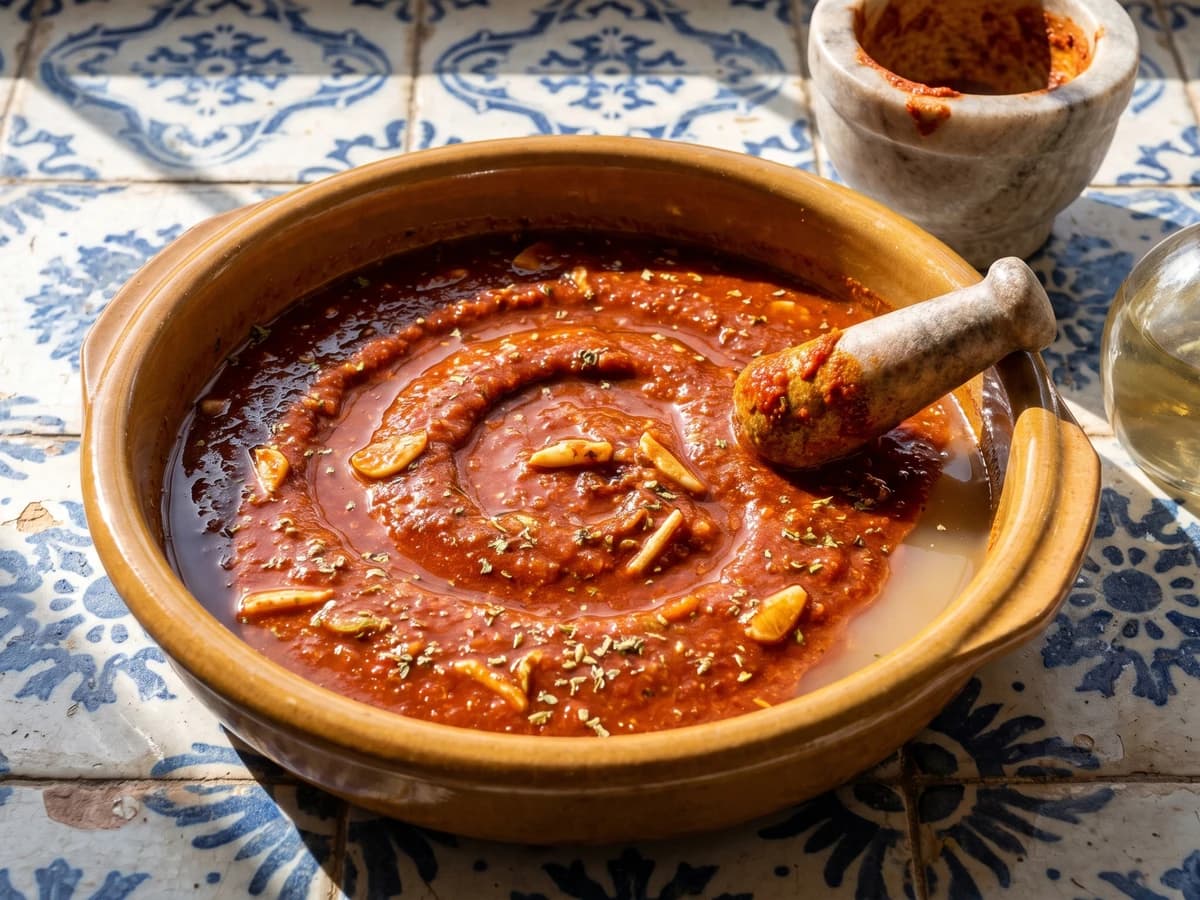
Andalucía's sharp, brick-red marinade brings vinegar, garlic, oregano, cumin and pimentón to fish and pork; pound the seasonings first, then give the acid time to carry them through.
Chef Isabel
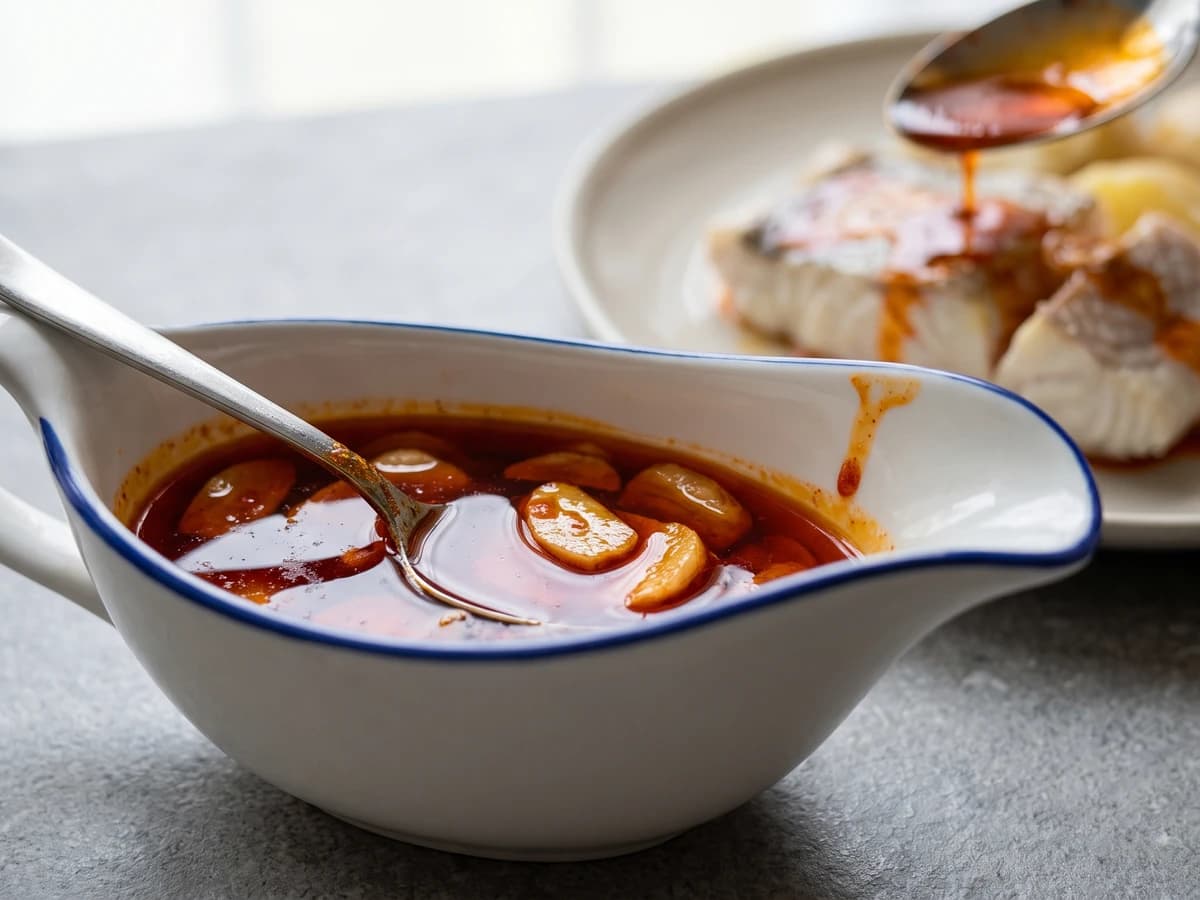
Ajada gallega is Galicia's quick garlic and pimentón refrito for boiled fish, octopus, vegetables and cachelos, with the paprika stirred in off the heat so its red oil stays sweet, never bitter.
Chef Isabel
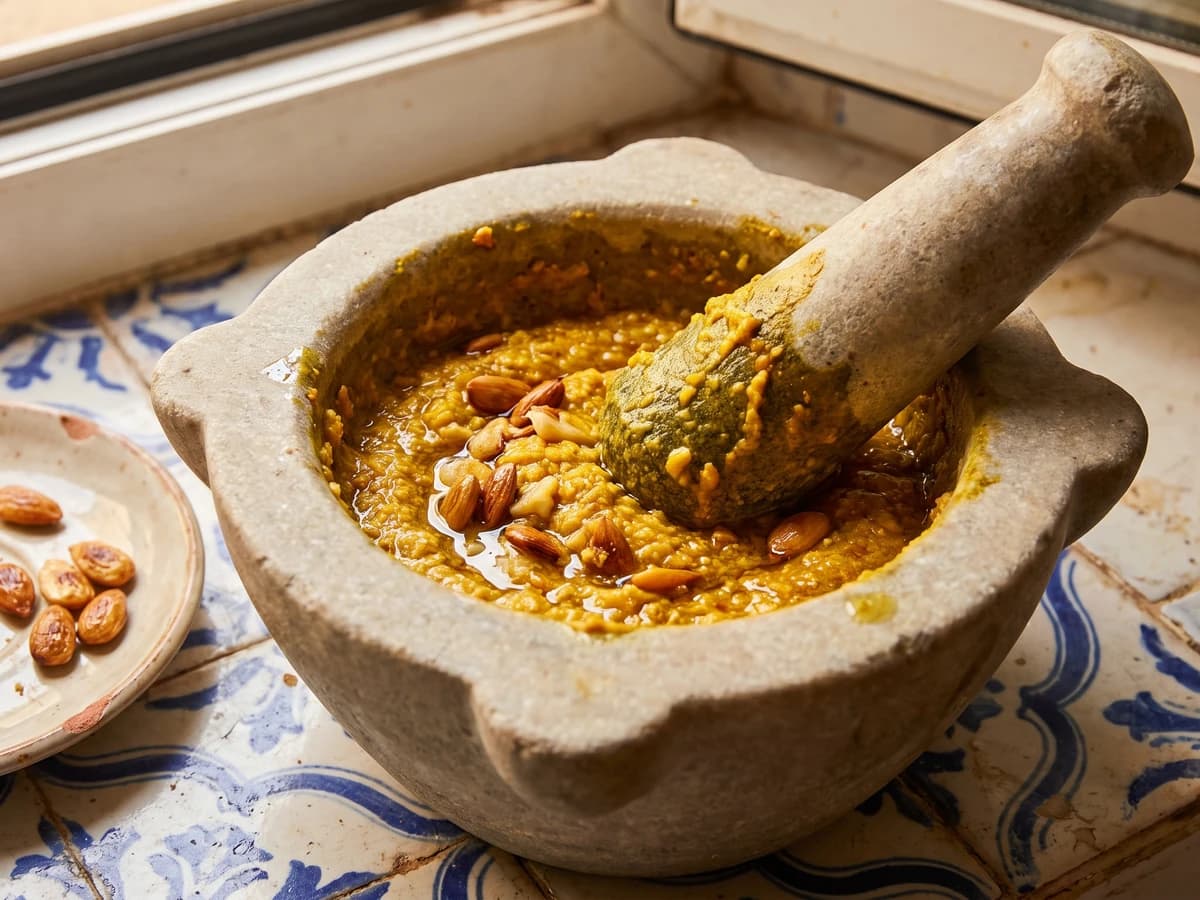
Almería's ajopollo turns fried garlic, almonds, bread and saffron into a golden mortar paste that gives modest fish and potato guisos their body, richness and unmistakable southern depth.