Chef Isabel
Aceitunas Aliñadas Andaluzas
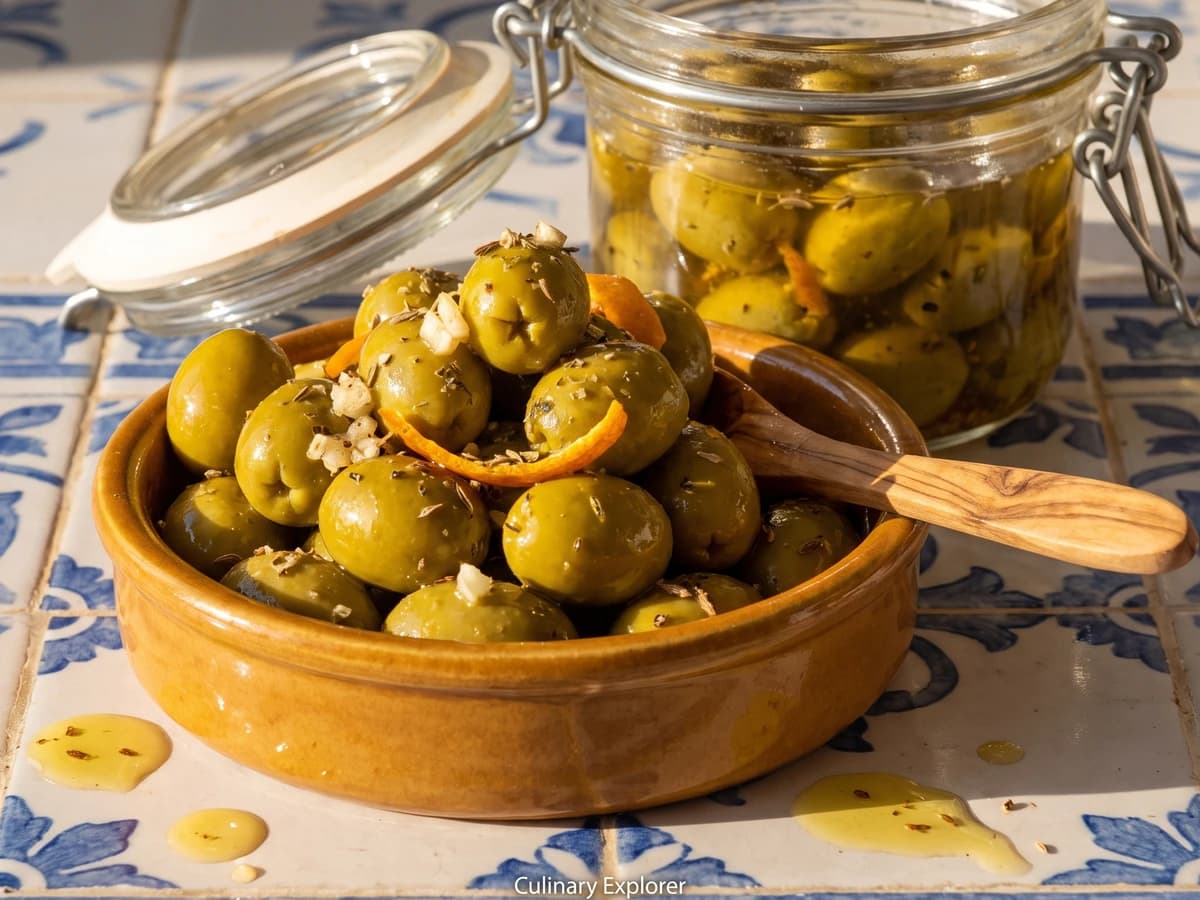
Andalucía's green olives are cracked just enough to drink in garlic, cumin, oregano and sherry vinegar, then left two days until the brine turns fragrant and every bite carries the aliño.
A cooking platform built around craft, culture, and the stories behind what we eat.
Created by
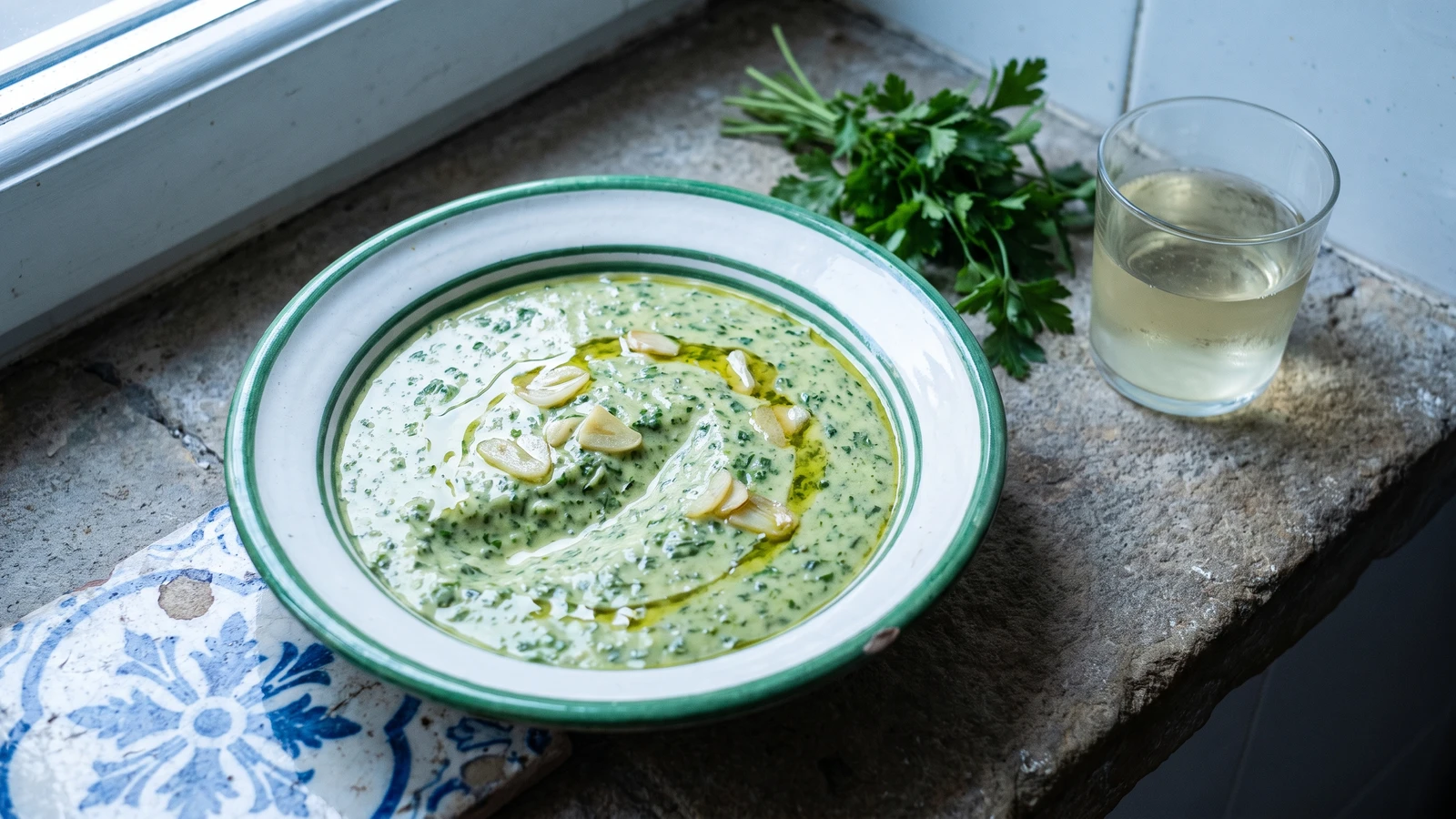
Basque salsa verde is the warm parsley sauce of the northern coast, built with garlic, olive oil, flour and fish stock, then moved in circles until pale green, glossy and silky.
Salsa verde vasca belongs to the Basque coast, where it is the proper companion to merluza, hake, and clams. This is a warm pan sauce of garlic, parsley, olive oil and fish liquor, held together with a little flour. It should be pale green and glossy, loose enough to run around the fish. No blender and no spinach. That makes another sauce.
The method that decides it is the movement of the pan. Once the liquid goes in, don't stir. Hold the cazuela by its handles and move it in small circles so the oil, flour and fish stock draw together without turning pasty. Keep the heat gentle too. A hard boil makes the oil separate and cooks the parsley to khaki.
If txakoli isn't sold where you are, use any crisp, dry, unoaked white wine. If proper fish stock is difficult to find, strained clam or mussel cooking liquor diluted with an equal amount of water works, though the sauce will be brinier and need less salt. My Margin beside this one says only two things: keep the garlic pale and keep the pan moving. Siempre sale, si lo sigues.
Salsa verde belongs to the Basque fishing coast, where it was built around merluza, hake, whose gelatin-rich juices help bind olive oil and fish liquor as the cazuela is moved. A Bilbao household letter records hake in a green parsley sauce with clams and spring garnishes, showing that the pairing was part of home cooking before it acquired formal names. Around Donostia, merluza a la koskera adds clams, white asparagus, peas and egg, but those garnishes belong to the finished fish dish, not to the base sauce.
Quantity
60ml
Quantity
4 medium (about 16g)
thinly sliced
Quantity
15g
Quantity
100ml
Quantity
300ml
kept warm
Quantity
20g
leaves and tender stems very finely chopped, divided
Quantity
2g
Quantity
up to 30ml
for loosening the sauce
| Ingredient | Quantity |
|---|---|
| extra virgin olive oil | 60ml |
| garlic clovesthinly sliced | 4 medium (about 16g) |
| plain flour (all-purpose flour) | 15g |
| txakoli or another dry, unoaked white wine | 100ml |
| unsalted light fish stockkept warm | 300ml |
| fresh flat-leaf parsleyleaves and tender stems very finely chopped, divided | 20g |
| fine sea salt | 2g |
| warm water (optional)for loosening the sauce | up to 30ml |
Warm the fish stock in a small saucepan without letting it boil. Chop the parsley just before cooking so it stays bright, then divide it into 15g for the sauce and 5g for the finish. Have every ingredient measured before the oil reaches the pan; once this starts, it moves quickly.
Put the olive oil and sliced garlic into a cold, wide pan or low cazuela. Set it over low heat and cook for 2 to 3 minutes, tilting the pan occasionally, until the garlic is soft and fragrant but still pale. Brown garlic makes the whole sauce bitter. If it darkens, start again; four cloves cost less than a spoiled pan of fish.
Sprinkle the flour evenly over the oil. Move the pan in tight circles for 1 minute, keeping the heat low, until no dry flour remains and its raw, chalky smell has gone. Do not let the flour or garlic brown. Pour in the wine around the pan and continue the circular movement while it simmers for about 2 minutes, reducing by roughly half.
Add 100ml of warm fish stock and move the pan steadily in small circles until the liquid looks smooth. Repeat twice with the remaining stock. Keep it at a quiet simmer for 4 to 5 minutes, moving the pan often and never stirring with a spoon or whisk. This motion draws the olive oil and stock into a silky emulsion while the flour gives it just enough body.
Lower the heat and scatter in the first 15g of parsley. Move the pan in circles for 60 to 90 seconds, only until the sauce turns pale green and the parsley smells fresh. Remove the pan from the heat, add the remaining parsley and the salt, then shake again. Let it settle for 2 minutes. If it has thickened too far, add warm water 15ml at a time and move the pan until the sauce flows easily again.
Spoon the salsa verde around gently cooked hake, monkfish or clams, or finish the fish directly in the pan so its juices join the sauce. Serve at once while the colour is fresh and the surface still carries a green-gold gloss. Tal como se hace allí.
1 serving (about 100g)
Culinary guides, cultural storytelling, and the editorial depth that makes cooking meaningful.
Discover Culinary ExplorerChef Isabel
Andalucía's green olives are cracked just enough to drink in garlic, cumin, oregano and sherry vinegar, then left two days until the brine turns fragrant and every bite carries the aliño.
Chef Isabel
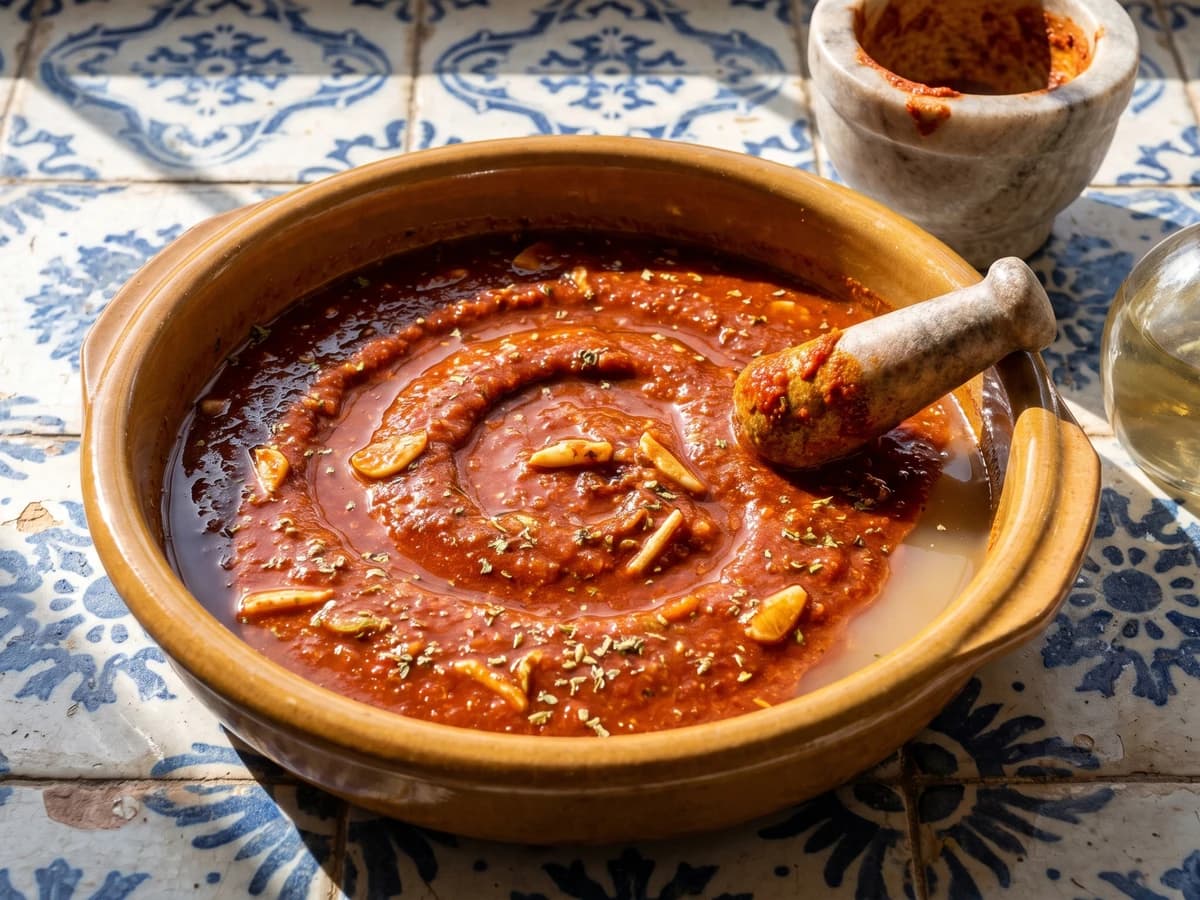
Andalucía's sharp, brick-red marinade brings vinegar, garlic, oregano, cumin and pimentón to fish and pork; pound the seasonings first, then give the acid time to carry them through.
Chef Isabel
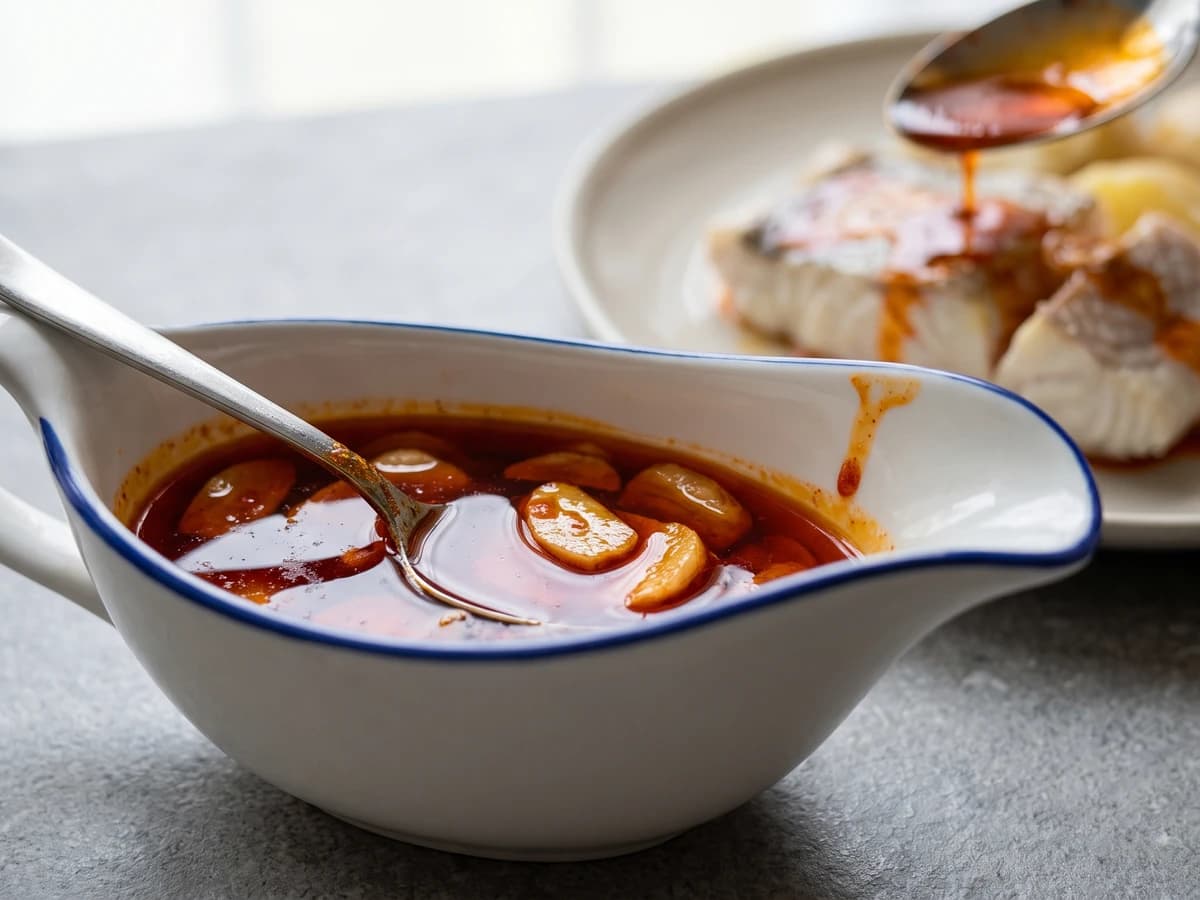
Ajada gallega is Galicia's quick garlic and pimentón refrito for boiled fish, octopus, vegetables and cachelos, with the paprika stirred in off the heat so its red oil stays sweet, never bitter.
Chef Isabel
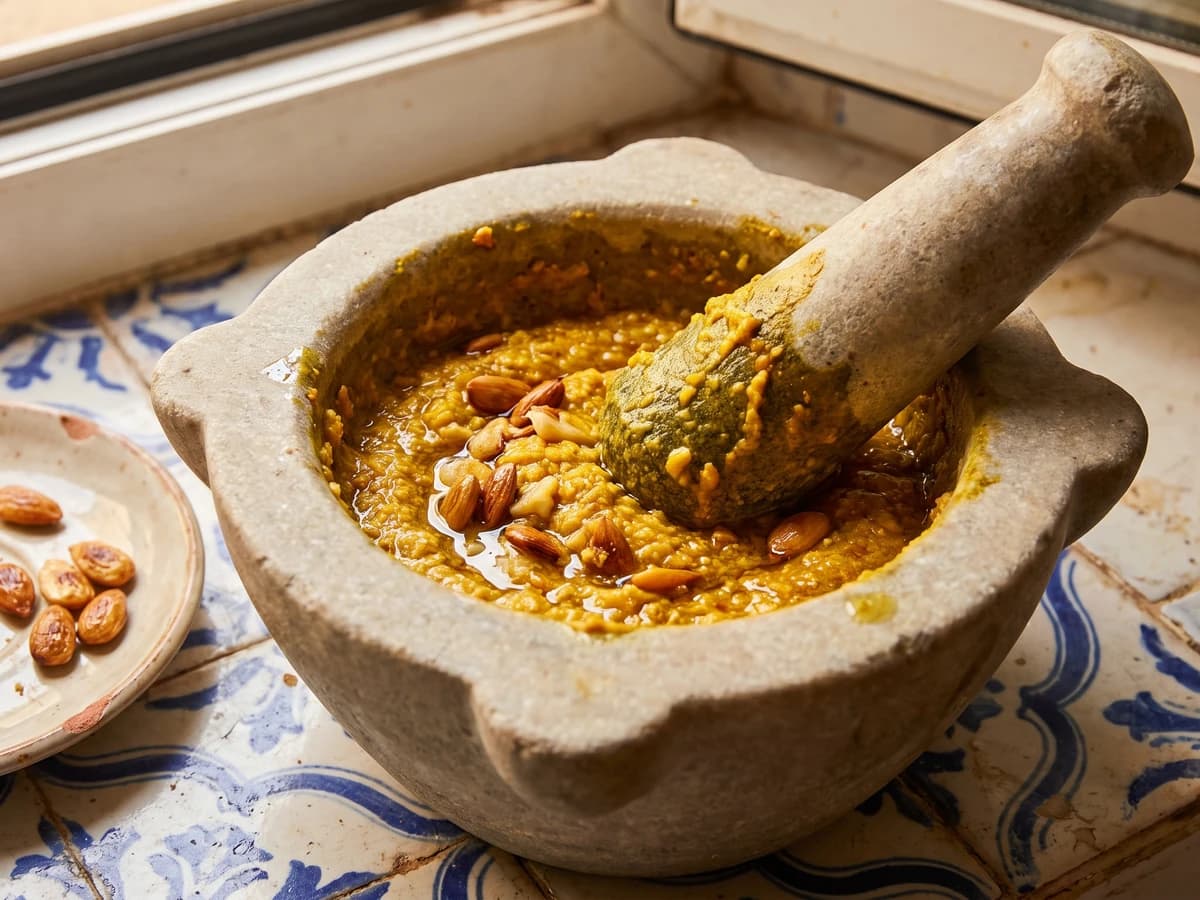
Almería's ajopollo turns fried garlic, almonds, bread and saffron into a golden mortar paste that gives modest fish and potato guisos their body, richness and unmistakable southern depth.