Chef Isabel
Aceitunas Aliñadas Andaluzas
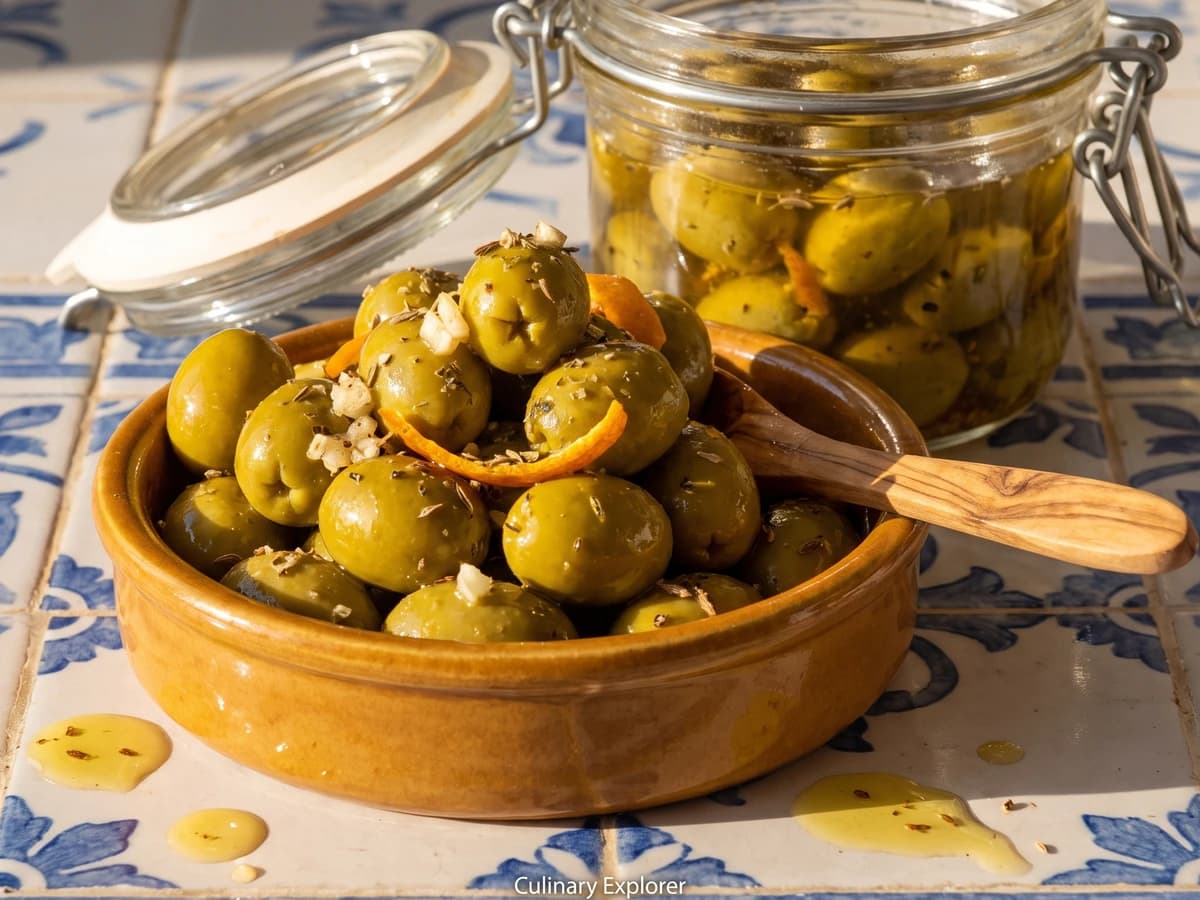
Andalucía's green olives are cracked just enough to drink in garlic, cumin, oregano and sherry vinegar, then left two days until the brine turns fragrant and every bite carries the aliño.
A cooking platform built around craft, culture, and the stories behind what we eat.
Created by
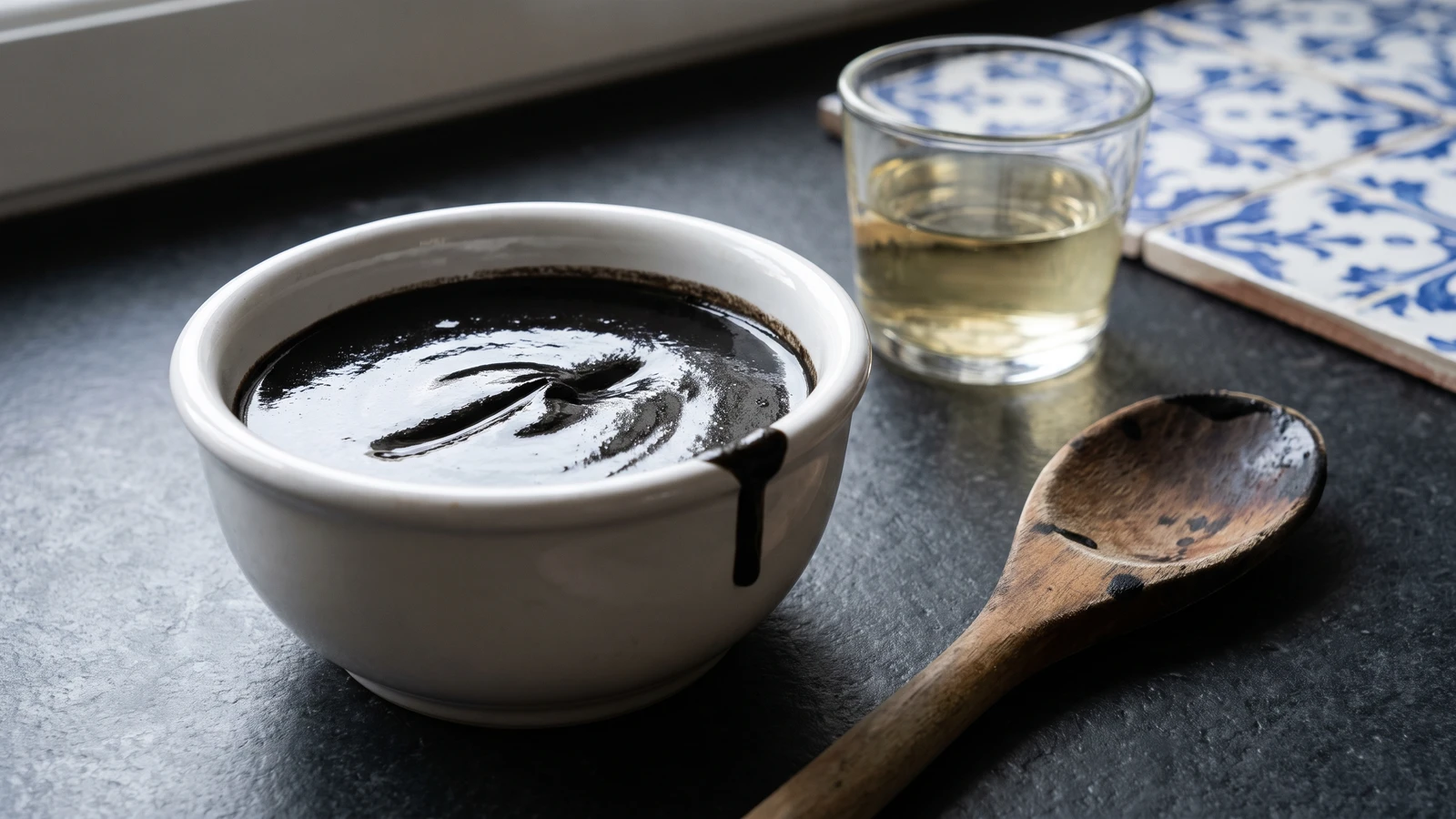
Basque salsa negra is the glossy ink sauce made for txipirones, built on onion cooked slowly to deep sweetness, then sharpened with wine and given its dark marine depth at the end.
Salsa negra vasca belongs to the Basque coast, where it is the sauce for txipirones en su tinta, small squid served in a glossy black gravy of onion, wine, fish juices, and their own ink. The colour is dramatic, but the cooking isn't. What separates it from a merely ink-coloured sauce is the slow, sweet onion foundation underneath.
The method that decides it happens before anything black enters the pan. I cook the onion and green pepper low until they have collapsed, turned dark gold, and become almost jammy. Only after the tomato and wine have reduced do I blend the base and add the ink diluted with stock. Ink dropped onto a bare hot pan catches and turns bitter, while hurried onion stays sharp. Give the sofrito its time and the sauce comes out deep, gently sweet, and cleanly marine.
If squid ink is difficult to find, use pasteurized cuttlefish ink sachets. That is the sensible substitute, though cuttlefish ink can taste a little stronger and saltier, so hold back the final salt. A good canned whole tomato is better than a pale fresh one in winter; it gives a slightly rounder sauce, but keeps the proper balance. No hace falta haber pisado España. The note in my Margin is short: taste for salt after the ink, never before.
Salsa negra belongs to the fishing ports of the Basque coast, particularly those of Bizkaia and Gipuzkoa, as the sauce of txipirones en su tinta, small squid cooked in their own ink. Fishing households wasted little: the ink that protected the squid at sea became seasoning and colour, while onion and bread stretched the catch into enough sauce for the whole table. Some Basque homes include tomato or green pepper and others omit one or both, but the old foundation remains patient onion, the squid's juices, and ink.
Quantity
60ml
Quantity
25g
torn into 2 pieces
Quantity
400g
peeled and thinly sliced
Quantity
80g
seeded and thinly sliced
Quantity
2g, plus more only if needed
Quantity
10g
finely chopped
Quantity
120g
grated, or drained and crushed
Quantity
120ml
Quantity
400ml
divided
Quantity
16g
about four 4g sachets
| Ingredient | Quantity |
|---|---|
| extra virgin olive oil | 60ml |
| day-old rustic breadtorn into 2 pieces | 25g |
| yellow onionspeeled and thinly sliced | 400g |
| green Italian frying pepperseeded and thinly sliced | 80g |
| fine sea salt | 2g, plus more only if needed |
| garlicfinely chopped | 10g |
| ripe tomato flesh or canned whole tomatograted, or drained and crushed | 120g |
| dry white wine | 120ml |
| unsalted light fish stockdivided | 400ml |
| pasteurized squid inkabout four 4g sachets | 16g |
Warm the olive oil in a heavy 24cm sauté pan over medium heat. Add the bread and cook for 60 to 90 seconds on each side, until deep gold and crisp at the edges. Lift it onto a plate and lower the heat. Don't let it blacken. Burned bread has nowhere to hide in a sauce this dark.
Add the onions, green pepper, and 2g salt to the same oil. Stir well, turn the heat to low, and cook uncovered for 35 to 40 minutes, stirring every few minutes. The vegetables must lose about two-thirds of their volume and become dark gold, soft, and almost jammy, with no crisp brown edges. Add the garlic for the final 2 minutes. This slow sofrito, the cooked vegetable base, supplies the sweetness that balances the ink. Rush it and the finished sauce tastes sharp and bitter.
Add the tomato and cook over medium-low heat for 8 to 10 minutes, until its water has gone and small beads of oil show around the edges. Crumble in the toasted bread, pour in the wine, and scrape up everything stuck to the pan. Simmer for 5 to 7 minutes, until the raw smell of alcohol disappears and only a few spoonfuls of liquid remain.
Pour in 275ml of the fish stock. Bring it to a gentle simmer and cook for 12 to 15 minutes, until the bread is completely soft and the onions collapse when pressed. Remove the pan from the heat and blend until smooth. Pass the sauce through a fine sieve into a clean pan, pressing firmly with the back of a ladle. The sieve removes the pepper skin and onion fibres, leaving the finish properly silky.
Whisk the squid ink into the remaining 125ml cold stock until no black clots remain. Set the strained onion base over low heat and whisk in the ink mixture. Bring it only to a gentle simmer, then cook for 8 to 10 minutes, stirring often. Never fry the ink against the bare pan or boil it hard; scorched ink turns metallic and bitter. The sauce is ready when it coats a spoon but still pours in a broad ribbon.
Taste only after the ink has cooked, because both ink and packaged stock may carry salt. Add more salt only if the sauce needs it. Spoon it over sautéed squid, or return cooked chipirones and their pan juices to the sauce for a final gentle warming. The black should be glossy and complete, with sweet onion first and a clean marine finish behind it. Siempre sale, si lo sigues.
1 serving (about 100g)
Culinary guides, cultural storytelling, and the editorial depth that makes cooking meaningful.
Discover Culinary ExplorerChef Isabel
Andalucía's green olives are cracked just enough to drink in garlic, cumin, oregano and sherry vinegar, then left two days until the brine turns fragrant and every bite carries the aliño.
Chef Isabel
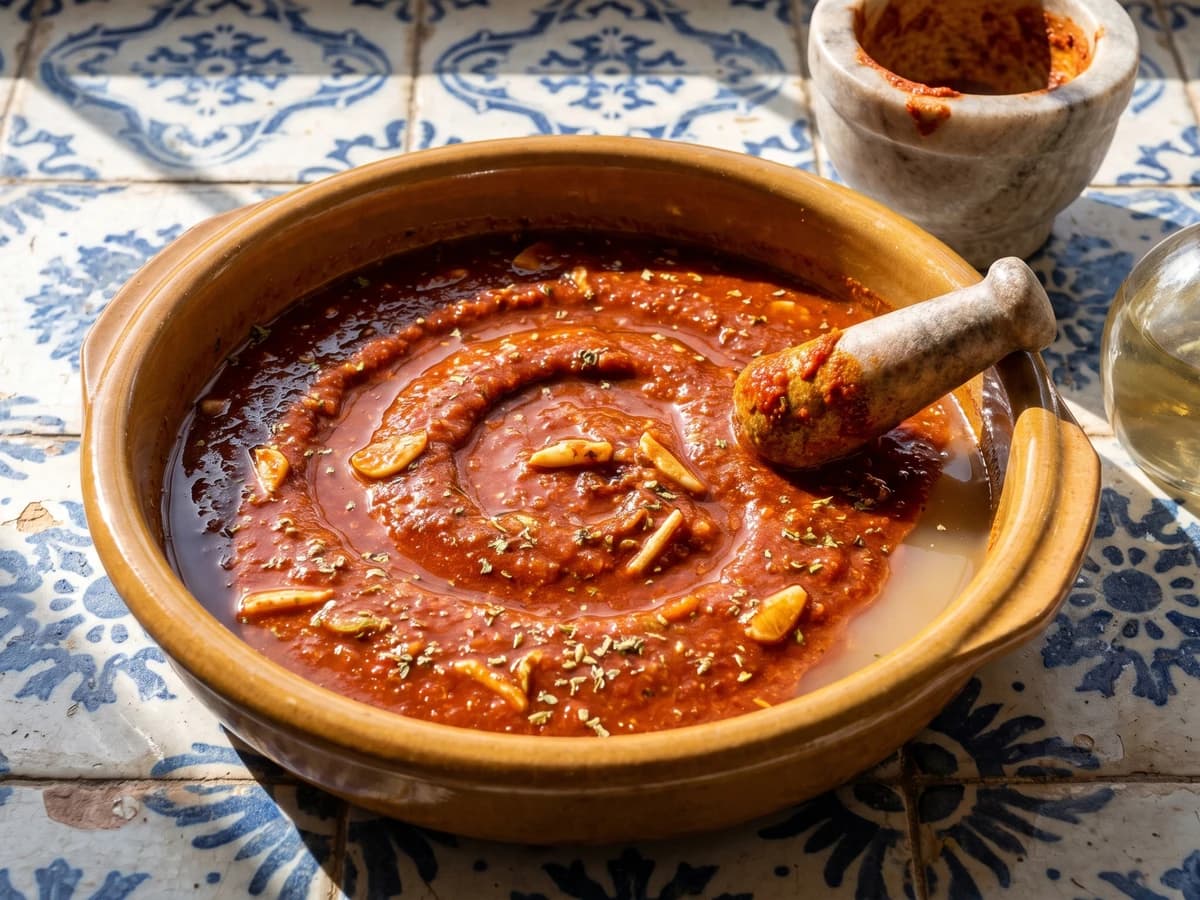
Andalucía's sharp, brick-red marinade brings vinegar, garlic, oregano, cumin and pimentón to fish and pork; pound the seasonings first, then give the acid time to carry them through.
Chef Isabel
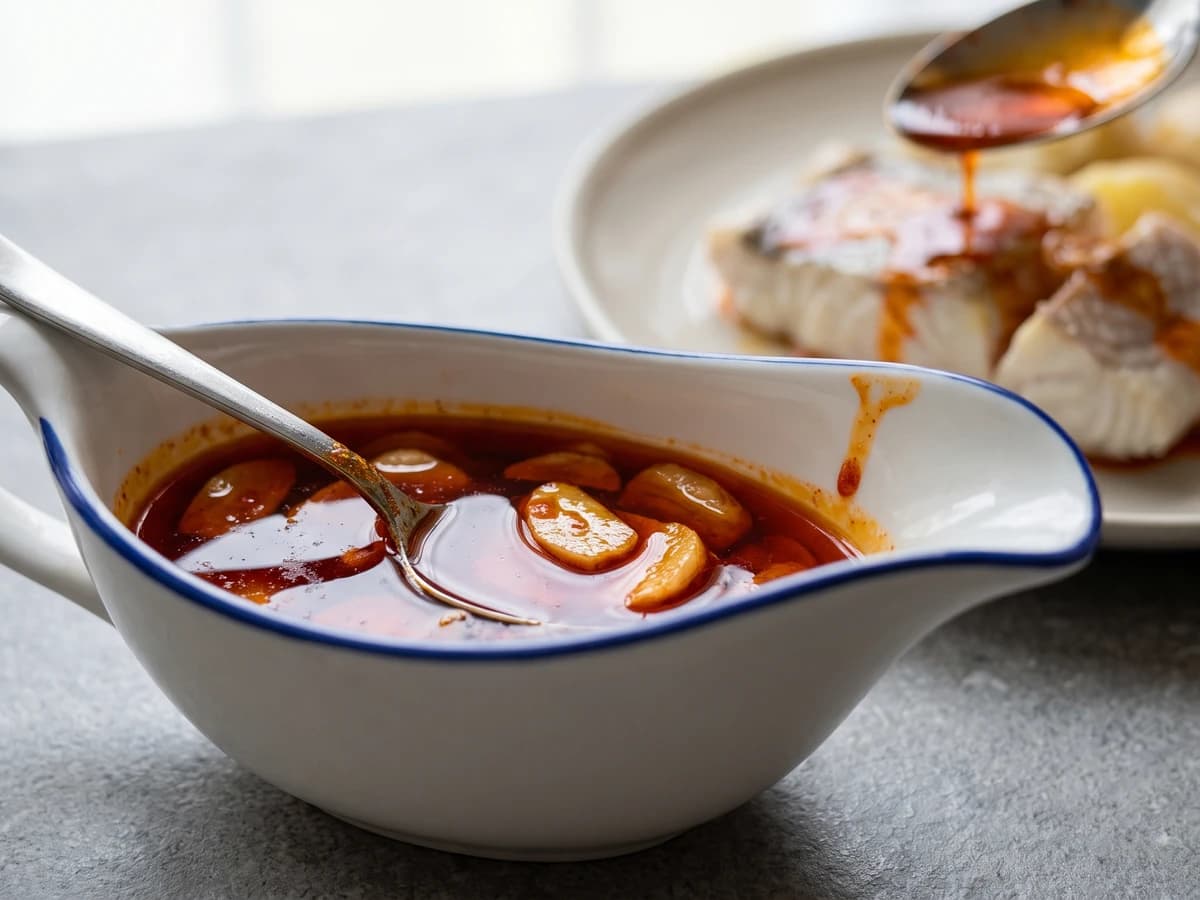
Ajada gallega is Galicia's quick garlic and pimentón refrito for boiled fish, octopus, vegetables and cachelos, with the paprika stirred in off the heat so its red oil stays sweet, never bitter.
Chef Isabel
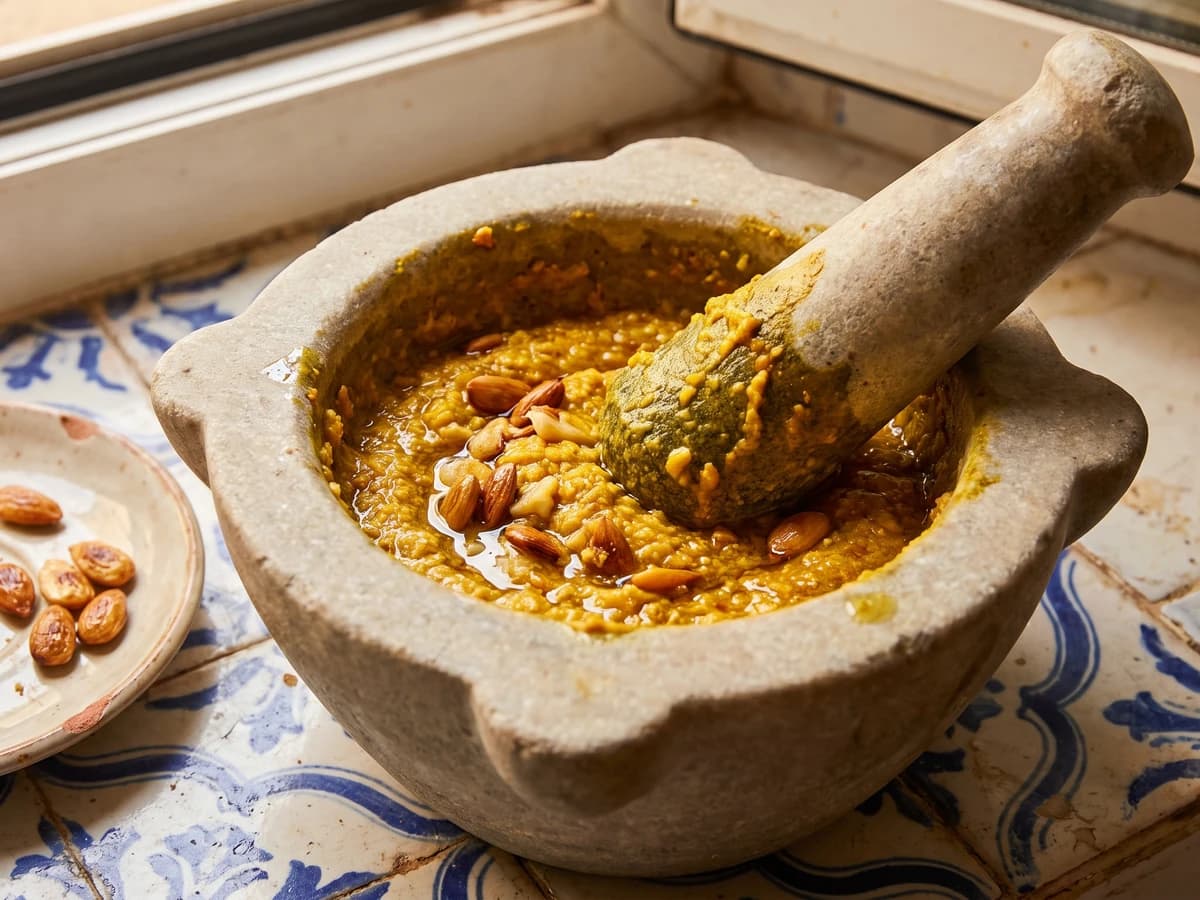
Almería's ajopollo turns fried garlic, almonds, bread and saffron into a golden mortar paste that gives modest fish and potato guisos their body, richness and unmistakable southern depth.