Culinary Explorer
A cooking platform built around craft, culture, and the stories behind what we eat.
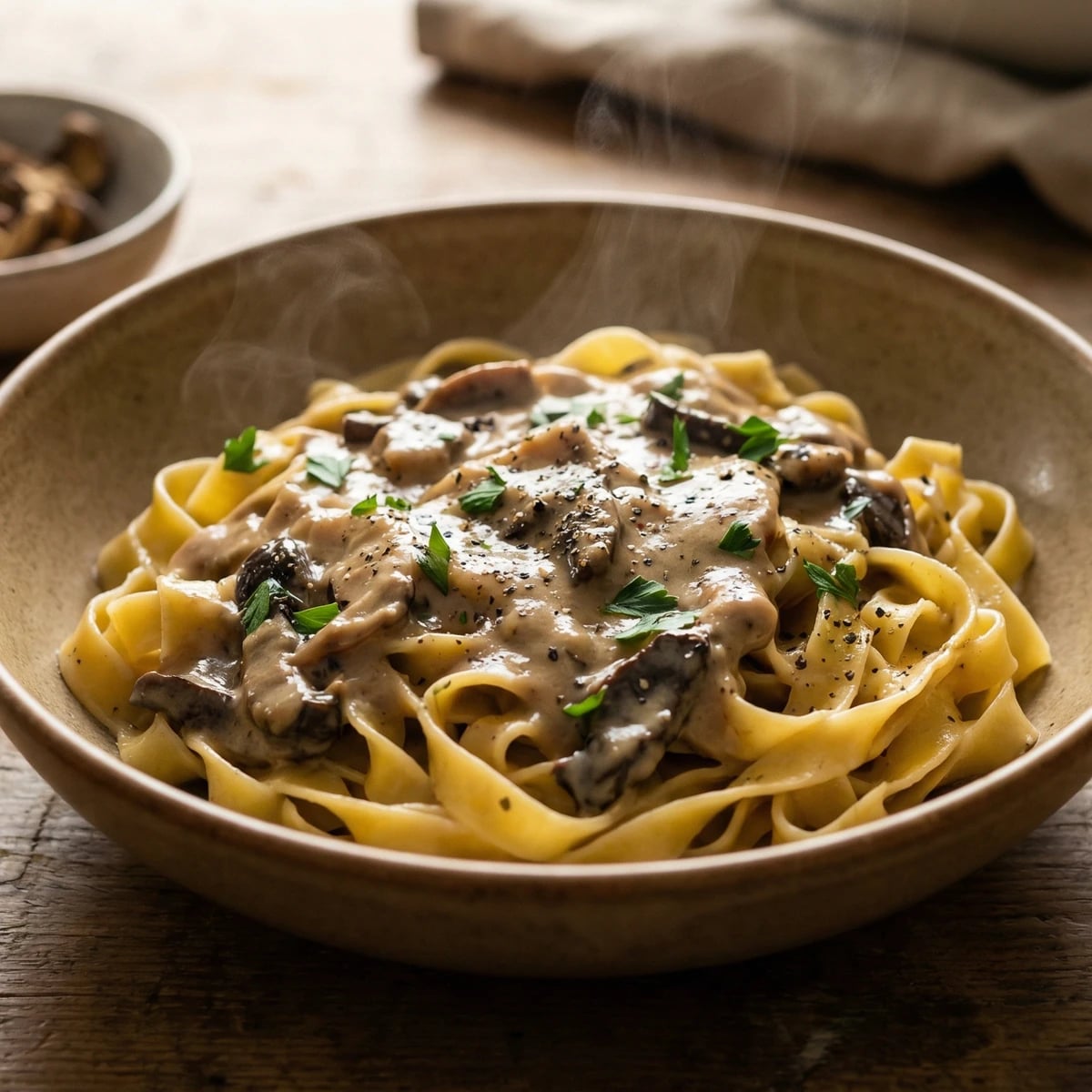
Salsa ai Funghi Porcini
Created by Chef Graziella
The woodsy, earthy sauce of Piedmont, where dried porcini surrender their concentrated essence to butter and cream. A foundation preparation that elevates fresh tagliatelle or soft polenta to something memorable.
Dried porcini are not a substitute for fresh. They are something else entirely: concentrated, intense, with a depth that fresh mushrooms cannot match. The Italian housewife understood this centuries ago, hanging mushrooms to dry in late autumn so that the forest's generosity could extend through winter.
The soaking liquid is the soul of this sauce. I have watched American cooks pour it down the drain. This is a tragedy. That murky brown water contains everything the mushroom released during soaking: the essence of the forest floor, the autumn rain, the oak and chestnut trees beneath which the porcini grew. Strain it carefully through cheesecloth and guard it like the treasure it is.
The garlic here is a whisper, not a shout. You crush the cloves, let them perfume the butter, then remove them before they can dominate. This is how garlic should be used in Italian cooking, and this is where most American cooks fail. The unbalanced use of garlic is the single greatest cause of failure in would-be Italian cooking.
Ingredients
dried porcini mushrooms
Quantity
1 ounce
warm water
Quantity
1 1/2 cups
unsalted butter
Quantity
3 tablespoons
| Ingredient | Quantity |
|---|---|
| dried porcini mushrooms | 1 ounce |
| warm water | 1 1/2 cups |
| unsalted butter | 3 tablespoons |
Where cooking meets culture.
Culinary guides, cultural storytelling, and the editorial depth that makes cooking meaningful.
Discover Culinary Explorer