Chef Isabel
Aceitunas Aliñadas Andaluzas
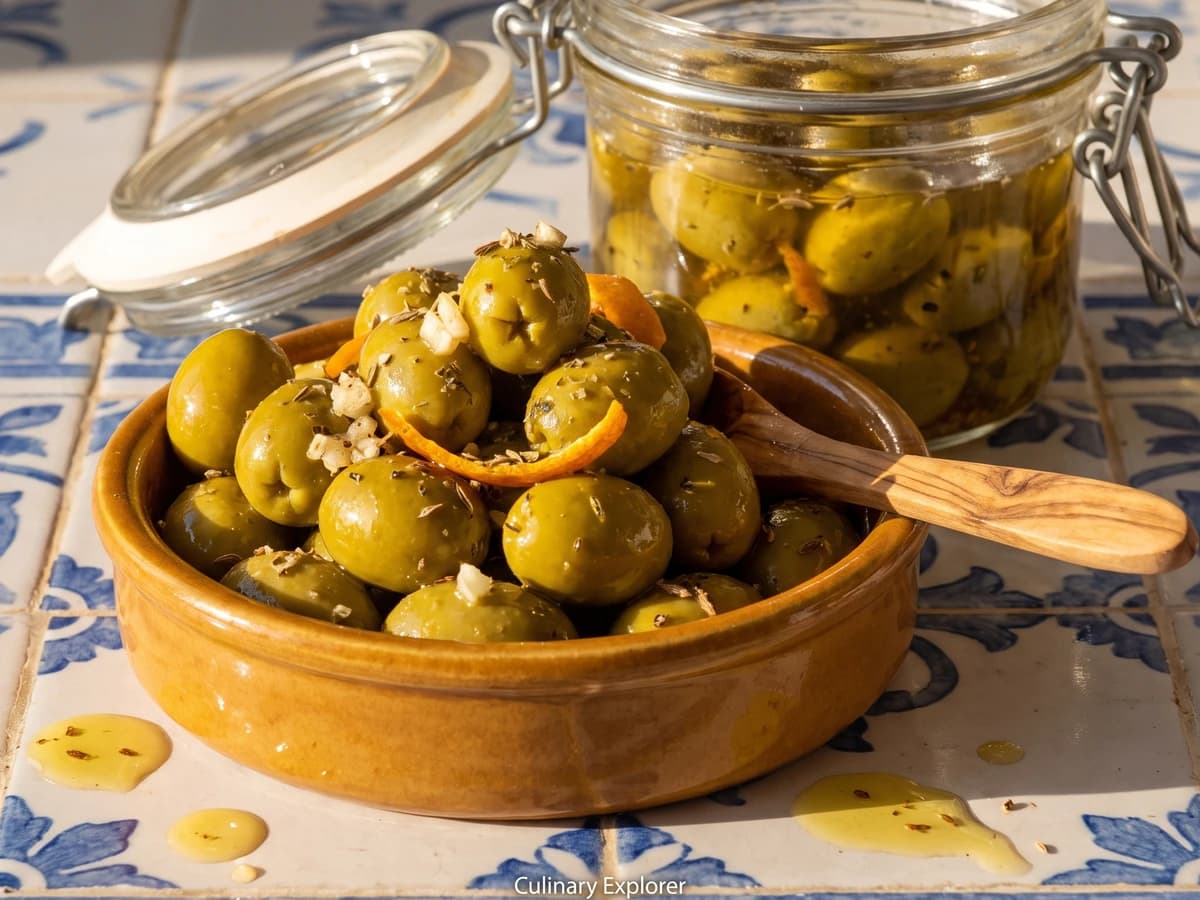
Andalucía's green olives are cracked just enough to drink in garlic, cumin, oregano and sherry vinegar, then left two days until the brine turns fragrant and every bite carries the aliño.
A cooking platform built around craft, culture, and the stories behind what we eat.
Created by
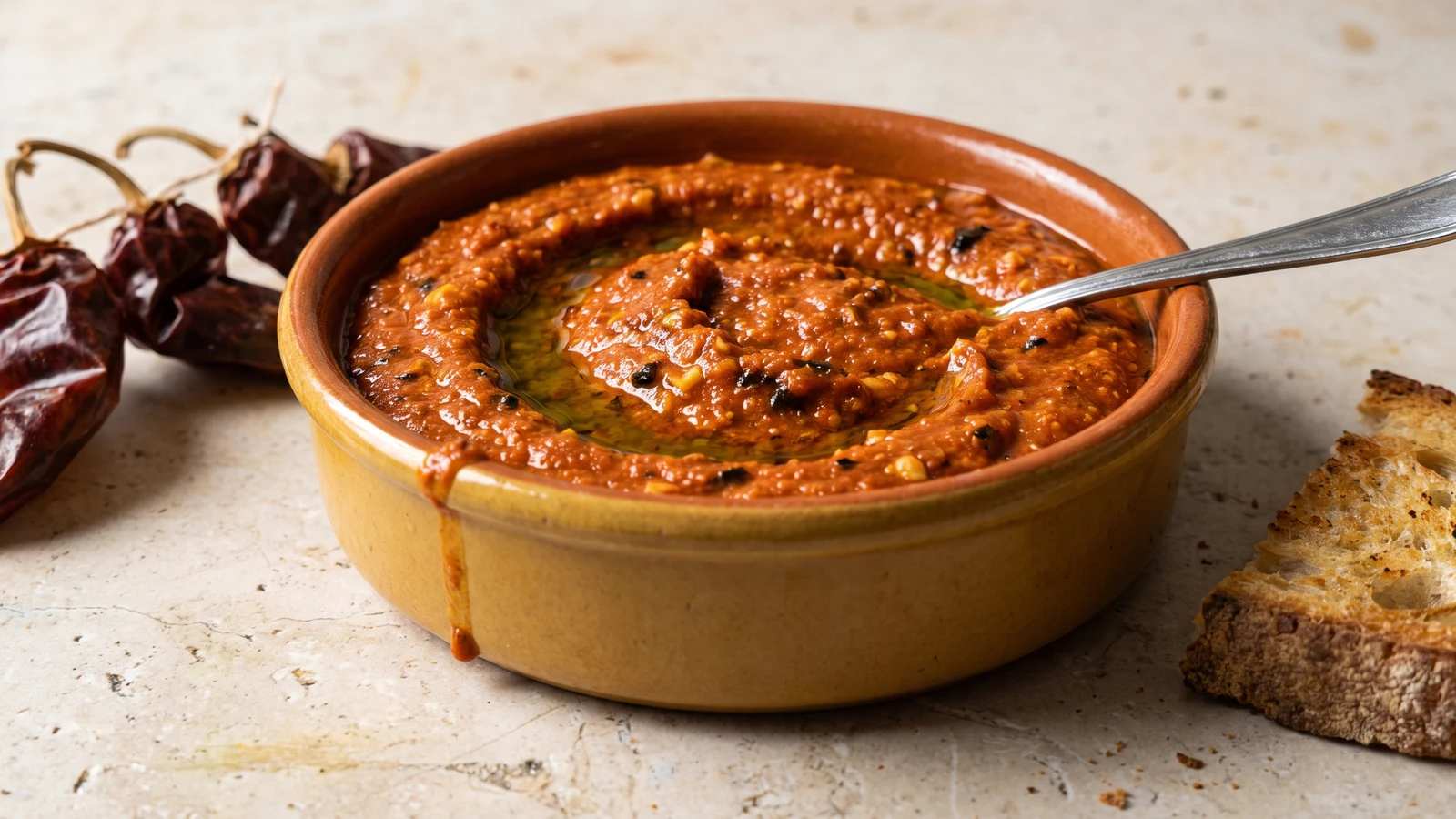
Romesco belongs to Tarragona: ñora peppers, roasted tomato and garlic, almonds and hazelnuts pounded into a coarse, deep-red sauce whose body comes from nuts, not from blending it smooth.
Romesco is Tarragona's, a Catalan sauce built from the sweet flesh of dried ñora peppers, roasted tomato and garlic, toasted almonds and hazelnuts, bread, wine vinegar and olive oil. The ñora gives it deep brick-red fruit, while the two nuts give it body and a rough, spoonable texture. It belongs beside grilled fish and shellfish, though roasted vegetables are very glad of it too.
The method that decides it is the order. First pound the nuts, bread, garlic and pepper into a picada, the rough pounded base, then add the tomato and work in the oil little by little. Put the oil in before the solids hold together and the sauce stays greasy. Run the processor without restraint and you get smooth nut cream. Romesco should keep tiny flecks of nuts and pepper under your teeth.
Far from Tarragona, 30g of jarred ñora pulp is the direct substitute for the dried peppers and costs the dish nothing. Jarred pimiento choricero flesh also works, though the sauce comes out darker and a little less sweet. No hace falta haber pisado España, you don't need to have set foot in Spain. The Margin beside this recipe says only, stop before smooth. Siempre sale, si lo sigues.
Romesco belongs to Tarragona's maritime cooking, especially El Serrallo, where fishermen used a picada of dried peppers, nuts, bread and garlic to season and thicken fish cooked aboard and along the port. Its name belonged as much to a way of cooking fish as to the table sauce now served with seafood and vegetables. In the Camp de Tarragona, calçots from nearby Valls are usually served with salsa de calçots, or salvitxada, a close relation; both share a larder, and families argue over where one ends and the other begins.
Quantity
3 (about 15g)
stemmed, seeded, soaked and scraped; or use 30g jarred ñora pulp
Quantity
500g
Quantity
1 small head (about 45g)
left whole for roasting
Quantity
75g
Quantity
50g
skins rubbed off after toasting
Quantity
40g
cut into a thick slice
Quantity
180ml
divided
Quantity
30ml
Quantity
5g
divided
Quantity
1 small
stemmed and seeded
Quantity
up to 30ml
| Ingredient | Quantity |
|---|---|
| dried ñora peppersstemmed, seeded, soaked and scraped; or use 30g jarred ñora pulp | 3 (about 15g) |
| ripe plum tomatoes | 500g |
| garlicleft whole for roasting | 1 small head (about 45g) |
| raw blanched almonds | 75g |
| raw hazelnutsskins rubbed off after toasting | 50g |
| day-old country breadcut into a thick slice | 40g |
| extra virgin olive oildivided | 180ml |
| red wine vinegar | 30ml |
| fine sea saltdivided | 5g |
| dried guindilla (optional)stemmed and seeded | 1 small |
| cold water (optional) | up to 30ml |
Split the ñoras, remove the stems and shake out the seeds. Cover them with just-boiled water, set a small plate on top to keep them submerged, and leave for 30 minutes. Drain them, open each pepper flat and scrape the softened red flesh from the skin with a teaspoon. Discard the soaking water and skins.
Heat the oven to 220°C or 425°F. Put the whole tomatoes and unpeeled head of garlic on a small metal tray. Roast for 35 to 40 minutes, turning the tomatoes once, until their skins split and blacken in places, their flesh collapses and the garlic feels soft when pressed. Cool for 10 minutes. Peel and core the tomatoes over a bowl so you keep their juices, then squeeze the garlic from its skins.
Set a heavy frying pan over medium-low heat. Toast the almonds and hazelnuts for 5 to 7 minutes, moving them often, until fragrant and mottled gold without scorching. Tip them onto a clean cloth and rub away the loose hazelnut skins. Add 15ml of the olive oil to the pan and fry the bread for 1 to 2 minutes on each side, until crisp and deep gold. Let everything cool.
Put the toasted nuts and 4g of the salt in a large mortar and pound them into coarse crumbs. Add the fried bread, roasted garlic, scraped ñora flesh and the guindilla, if using. Pound until they hold together as a rough picada, the pounded base that gives the sauce its body. In a food processor, use short pulses and stop while small nut flecks remain.
Work in the peeled roasted tomatoes, adding their reserved juices only as needed, then mix in the red wine vinegar. The mixture should be thick, rough and brick-red, with the nuts still visible. Taste it now. Add the remaining 1g salt if the tomato and vinegar need it.
Add the remaining 165ml olive oil little by little, stirring firmly with the pestle or a wooden spoon after each addition. This order decides the sauce: the solids must form a paste before the oil goes in, or the nuts skate about and the romesco stays greasy. If it stands too stiffly, stir in cold water 5ml at a time, using no more than 30ml. Rest for 30 minutes, then serve at room temperature.
1 serving (about 70g)
Culinary guides, cultural storytelling, and the editorial depth that makes cooking meaningful.
Discover Culinary ExplorerChef Isabel
Andalucía's green olives are cracked just enough to drink in garlic, cumin, oregano and sherry vinegar, then left two days until the brine turns fragrant and every bite carries the aliño.
Chef Isabel
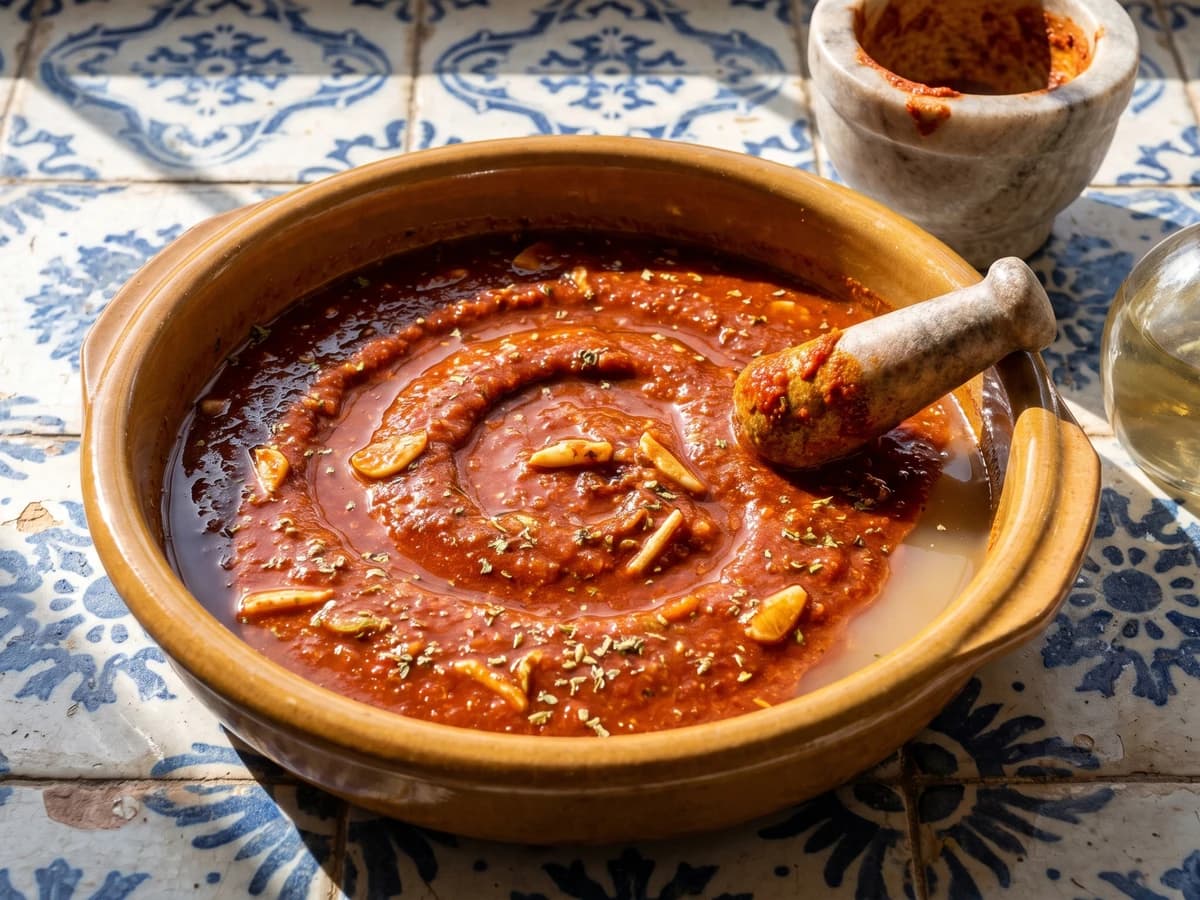
Andalucía's sharp, brick-red marinade brings vinegar, garlic, oregano, cumin and pimentón to fish and pork; pound the seasonings first, then give the acid time to carry them through.
Chef Isabel
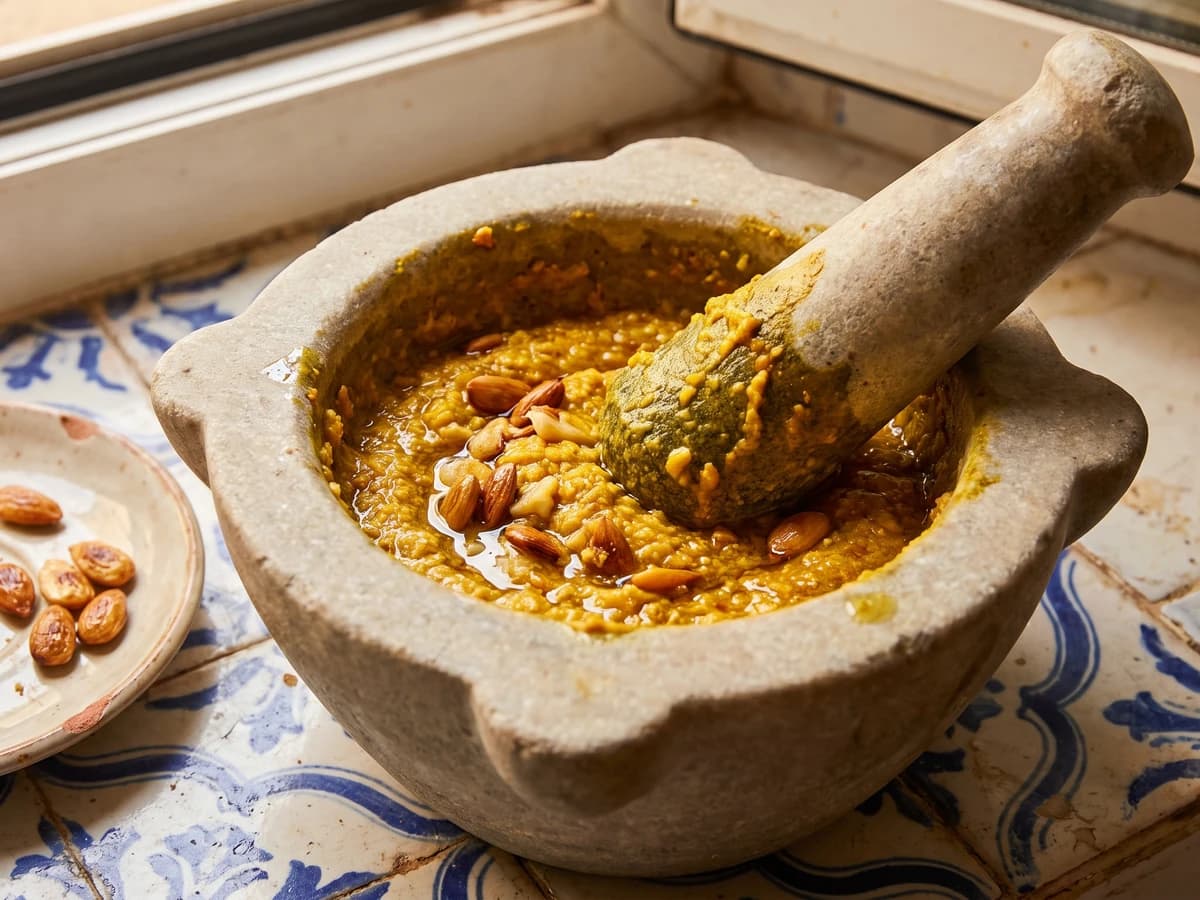
Almería's ajopollo turns fried garlic, almonds, bread and saffron into a golden mortar paste that gives modest fish and potato guisos their body, richness and unmistakable southern depth.
Chef Isabel
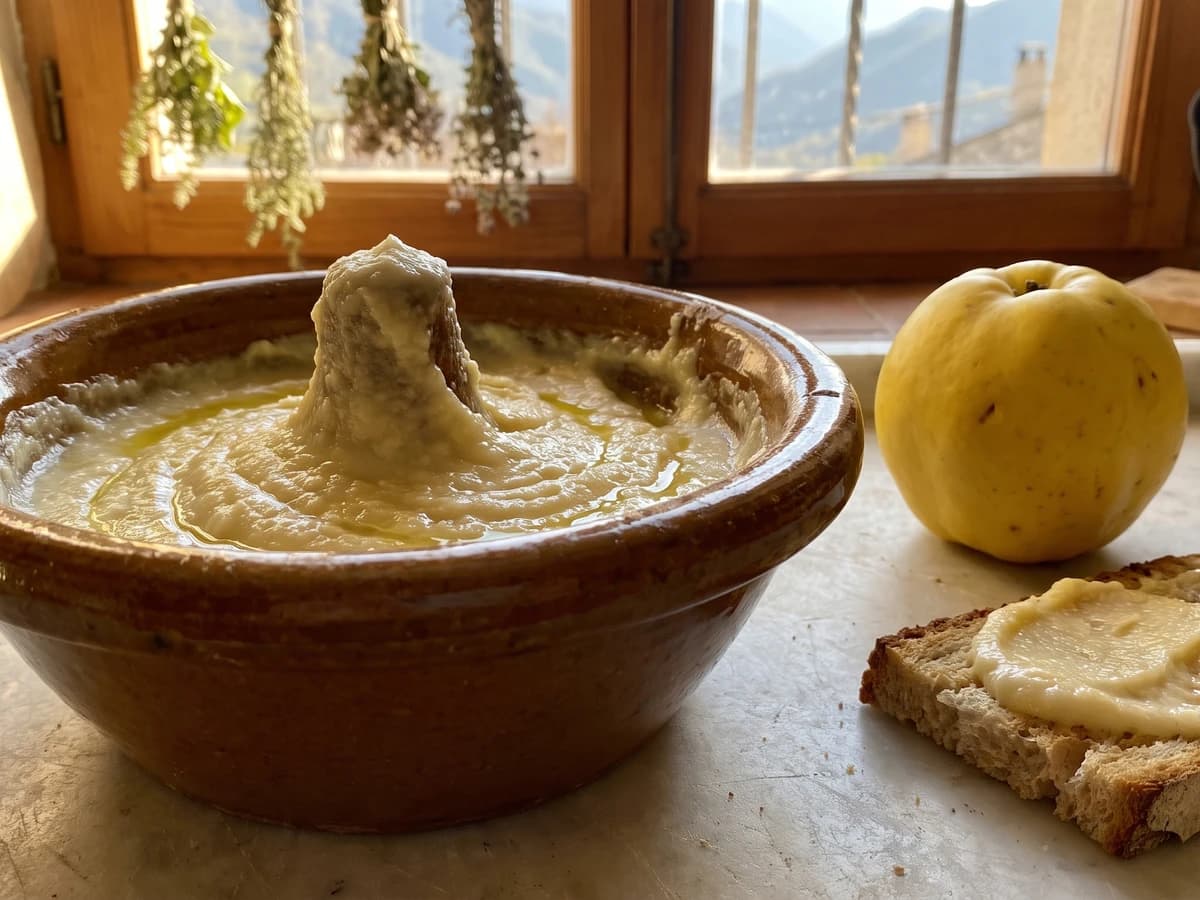
Allioli de codony belongs to the Catalan Pyrenees: boiled quince, raw garlic, salt, and olive oil worked into a thick, fragrant sauce for grilled meat, sausages, bread, and the autumn table.