Chef Isabel
Abanico Ibérico a la Plancha
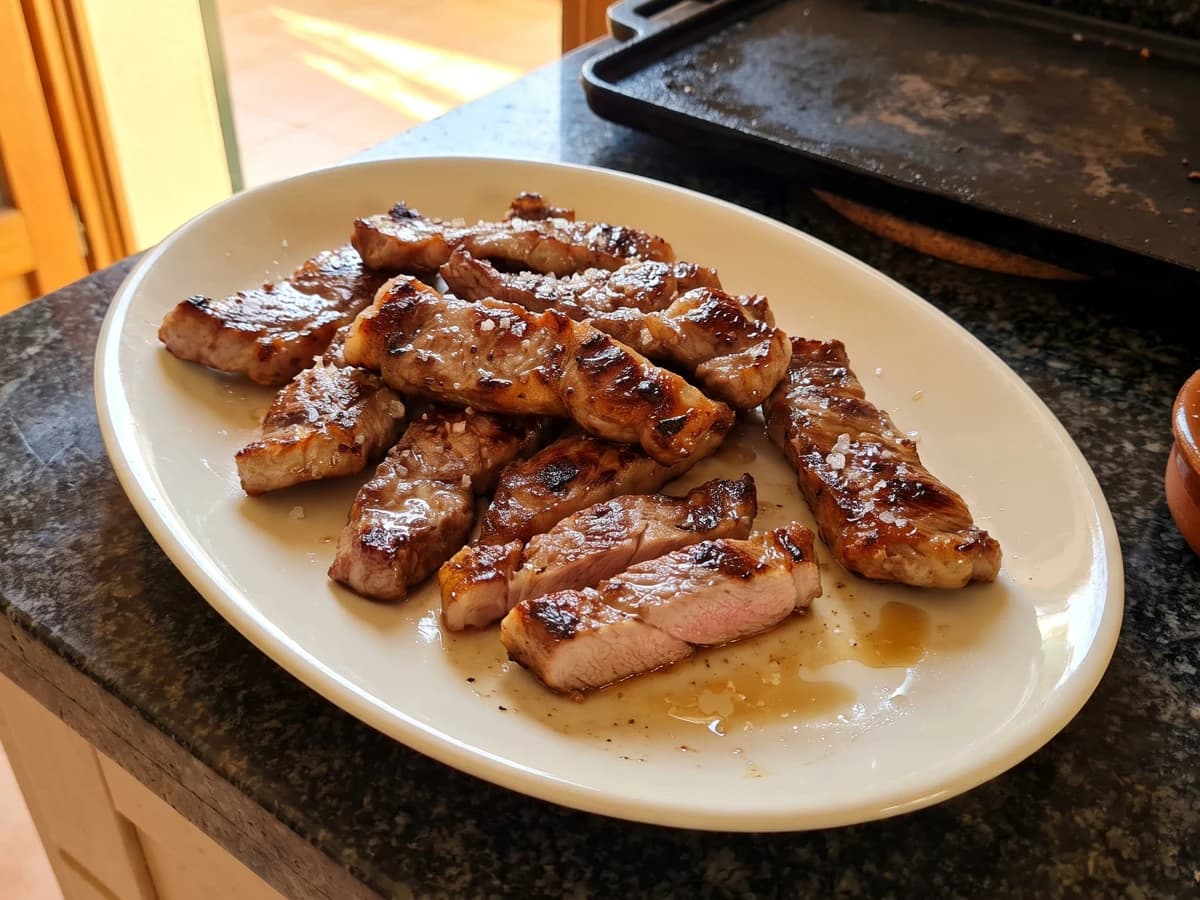
Extremadura's dehesa gives us this fan-shaped, marbled rib cut: salt it at the last moment, lay it on a fierce plancha, and count in seconds so the centre stays juicy.
A cooking platform built around craft, culture, and the stories behind what we eat.
Created by
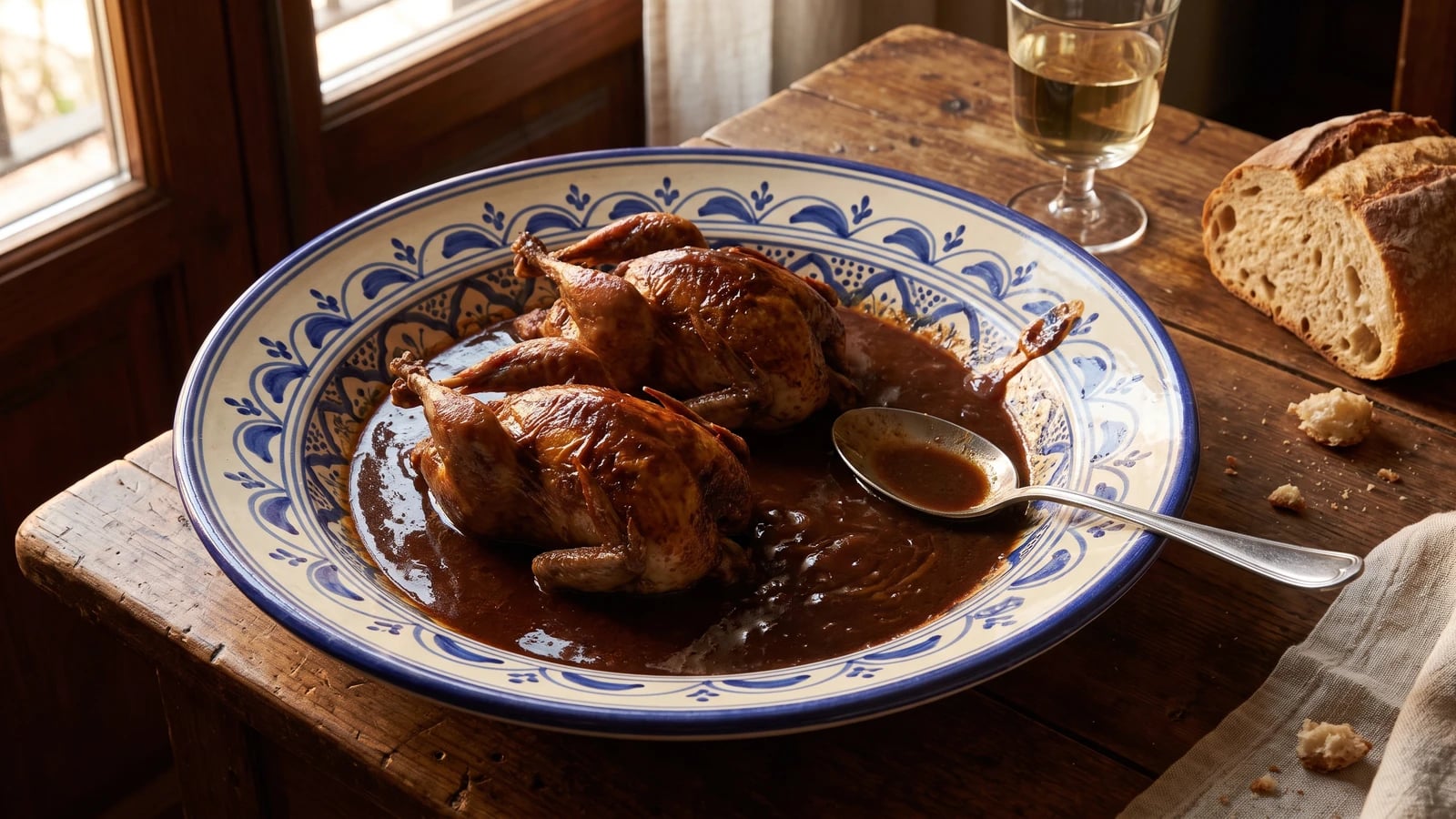
Toledo's partridge is browned whole, then braised low with sweet onion, garlic, bay, white wine and vinegar until an old bird yields and its dark sauce coats the spoon.
Perdiz a la Toledana is Toledo's own game braise in Castilla-La Mancha: whole red-legged partridge browned in olive oil, then cooked with a deep bed of onion, garlic, bay, peppercorns, dry white wine and a measured little vinegar. That onion-rich, wine-bright sauce is what sets it apart from a plain roast or a sharper escabeche, the vinegar-preserved preparation. It should coat the spoon, not pickle the bird.
The method that decides it is the heat. I let the onion darken slowly, tuck the birds into the liquid and hold the covered pot at the barest tremble until the thighs give easily. A hard boil tightens the lean breasts before the well-worked legs have softened. An old wild bird may need two and a half hours. Let it have them. The clock doesn't know the age of your partridge.
If red-legged partridge doesn't reach your market, chukar is the closest bird. Use the same weight and begin checking a farmed chukar after 75 minutes; its meat is milder and usually softens sooner, so the sauce will have less of the dark woodland taste of wild game. Frozen whole birds are perfectly sound if you thaw them slowly and dry them well. No hace falta haber pisado España, you don't need to have set foot in Spain.
This is better cooked the day before, when the vinegar settles and the onion gives the sauce its silk. My Margin beside this one says only, "Old bird, lower flame." Follow that and it comes out. Siempre sale, si lo sigues.
Perdiz a la Toledana belongs to the hunting country of Toledo and the Montes de Toledo, where red-legged partridge has long been cooked whole after the autumn and winter shoot. Its wine-and-vinegar braise stands close to escabeche, an old Iberian way of flavoring game while helping cooked meat keep, but the Toledan dish is served in its onion-rich cooking sauce rather than submerged in a sharp pickle. The vinegar also tempered the stronger taste of mature wild birds, which needed a patient simmer before their legs became tender.
Quantity
4 (350-450g each)
plucked, drawn and cleared of pin feathers
Quantity
14g
divided
Quantity
90ml
Quantity
600g
peeled, halved and thinly sliced
Quantity
8 cloves
peeled and lightly crushed
Quantity
2
Quantity
12
Quantity
4 small sprigs
Quantity
300ml
Quantity
75ml
Quantity
200ml
| Ingredient | Quantity |
|---|---|
| oven-ready red-legged partridges, or chukar partridgesplucked, drawn and cleared of pin feathers | 4 (350-450g each) |
| fine sea saltdivided | 14g |
| extra virgin olive oil | 90ml |
| yellow onionspeeled, halved and thinly sliced | 600g |
| garlicpeeled and lightly crushed | 8 cloves |
| bay leaves | 2 |
| black peppercorns | 12 |
| thyme | 4 small sprigs |
| dry white wine | 300ml |
| white wine vinegar, about 6% acidity | 75ml |
| water | 200ml |
Inspect each bird carefully. Pull out any pin feathers with tweezers and, if the partridges are wild, feel along the flesh for shot. Wipe the cavities clean rather than rinsing the birds, then pat every surface thoroughly dry. Tie the legs together with kitchen twine so the birds keep their shape. Season them inside and out with 10g of the salt and leave them for 20 minutes.
Set a snug 28cm heavy casserole over medium-high heat and add the olive oil. Pat the birds dry once more. Brown them in two batches so the pot stays hot, turning until the breasts, backs and thighs are a deep, even gold, about 8 to 10 minutes per batch. Lift them to a plate. This browning gives the pale braising liquid its dark, savory backbone.
Lower the heat and add the sliced onions with 2g of the remaining salt. Scrape up the browned bits and cook the onions gently for 25 to 30 minutes, stirring now and then, until soft, reduced and dark gold. Add the crushed garlic and cook for another 3 minutes. Don't hurry the onion. Pale onion gives a wet, sharp sauce; properly softened onion gives it body and sweetness without flour.
Add the bay leaves, peppercorns and thyme. Pour in the white wine and vinegar, scraping the base of the pot clean, then let the liquid bubble briskly for 3 minutes so its raw edge softens. Return the partridges breast-side down, together with any juices from the plate. Pour in the 200ml water. In a snug casserole, the liquid should reach roughly one-third to halfway up the birds.
Bring the liquid just to a simmer, cover tightly and lower the heat until only an occasional bubble breaks the surface. Cook for 60 minutes, then turn the birds breast-side up. Continue until a thin skewer enters the thickest part of a thigh without resistance and the leg moves freely at its joint. Allow 75 to 100 minutes in total for young farmed birds, or 1 hour 45 minutes to 2 hours 30 minutes for mature wild partridge. The thickest part of the thigh must reach at least 74°C without the thermometer touching bone.
Lift the tender partridges to a warm platter and cover loosely. Discard the bay and thyme. Pass the onions, garlic and cooking liquid through a food mill, or press them firmly through a fine sieve, returning the smooth sauce to the casserole. Simmer uncovered for 5 to 10 minutes, skimming excess fat, until the sauce is glossy and coats the back of a spoon while still pouring easily. Taste and add the final 2g salt only if the sauce needs it.
Return the partridges to the sauce and let them rest off the heat for 10 minutes. Remove the twine and serve one whole bird per person, with the sauce spooned generously over the breast and around the plate. Put good bread beside it. The sauce is not decoration; it is half the dish.
1 serving (about 360g)
Culinary guides, cultural storytelling, and the editorial depth that makes cooking meaningful.
Discover Culinary ExplorerChef Isabel
Extremadura's dehesa gives us this fan-shaped, marbled rib cut: salt it at the last moment, lay it on a fierce plancha, and count in seconds so the centre stays juicy.
Chef Isabel
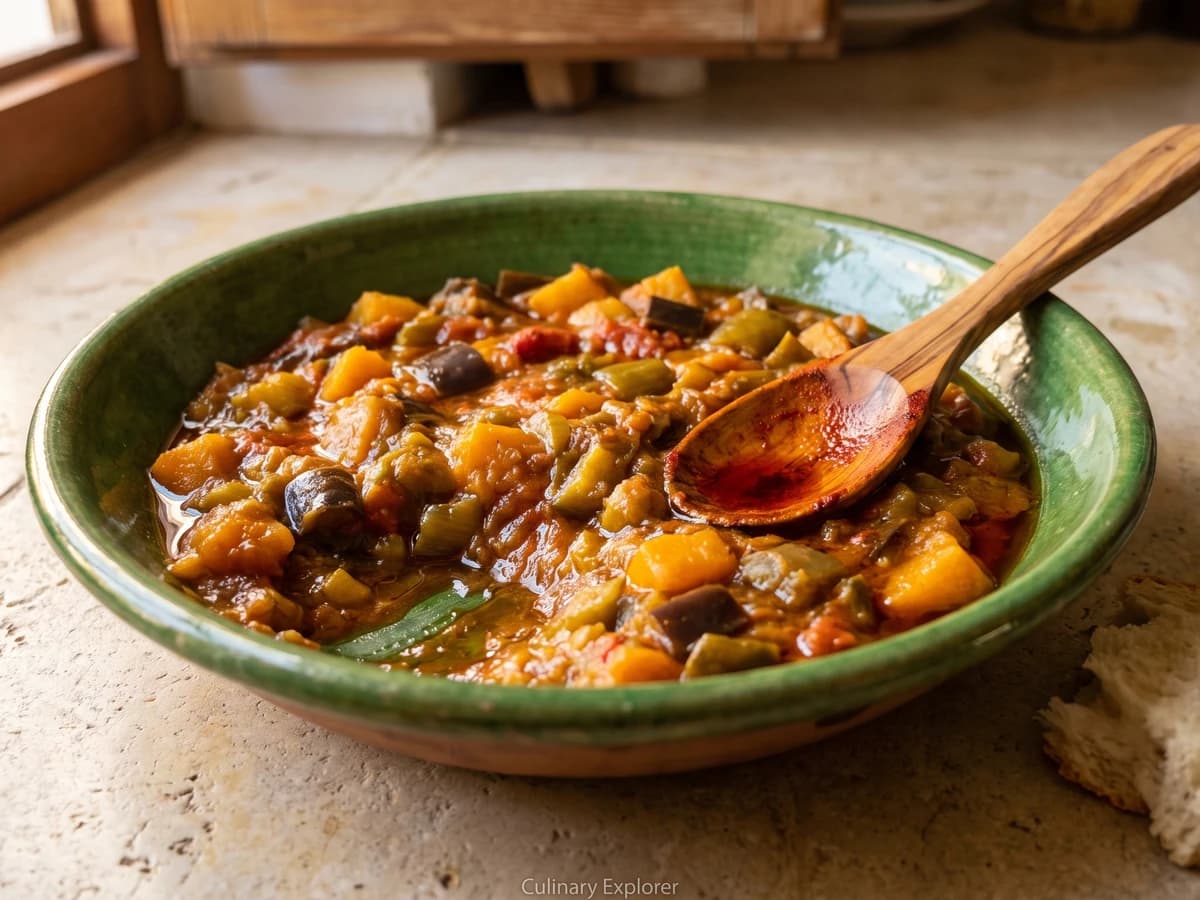
Alboronía is Andalucía's old pumpkin and aubergine stew, deepened with tomato, pimentón, and cumin, then cooked without hurry until the vegetables settle into a glossy, sweet, spoon-soft whole.

Chef Isabel
Aletría Murciana is Murcia's humble noodle guiso: fine fideos, pork ribs, potato, saffron, and a dark sweet sofrito. Get that base right and the pot knows where it's going.
Chef Isabel
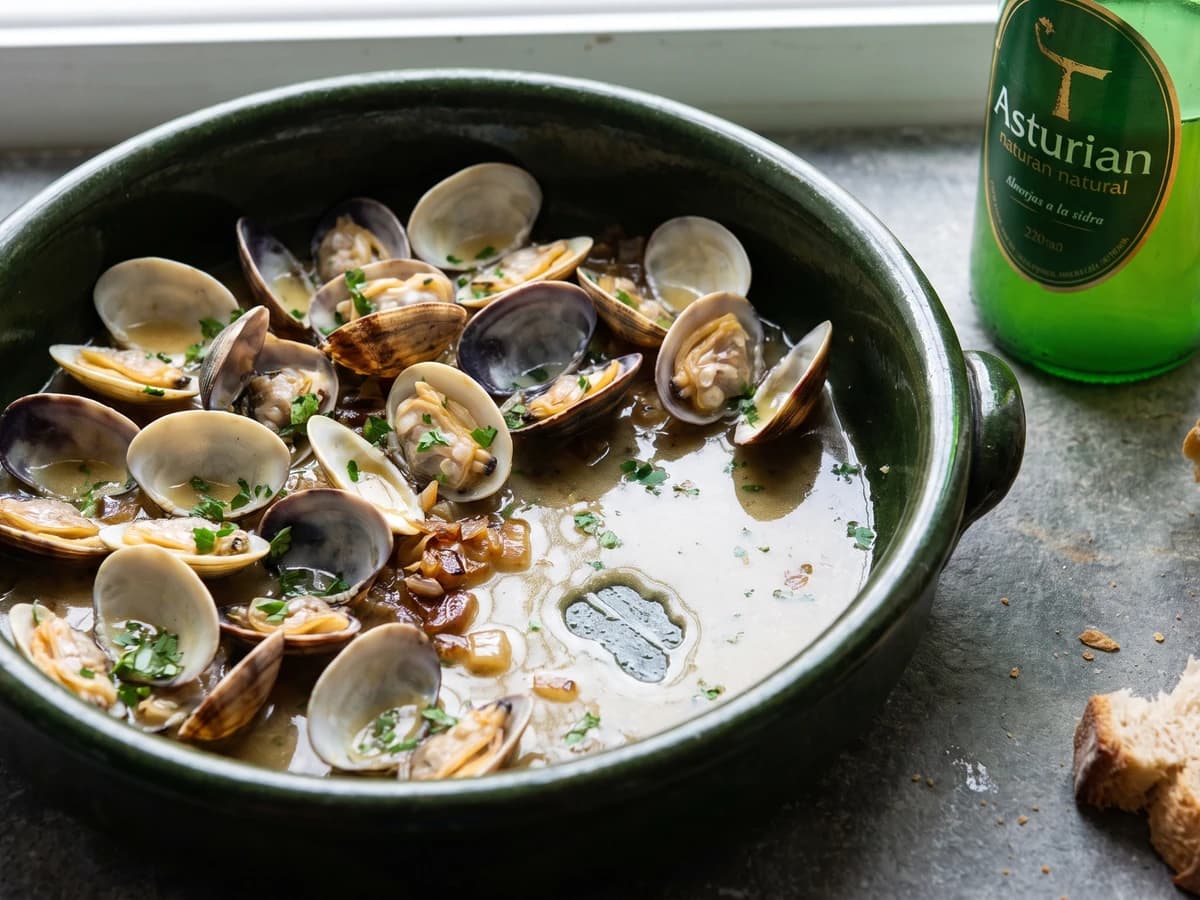
Asturias opens clams in tart natural cider over a slow onion and garlic sofrito, making a bright, briny sauce that asks for bread and rewards one rule: lift each clam as it opens.