Chef Isabel
Aceitunas Aliñadas Andaluzas
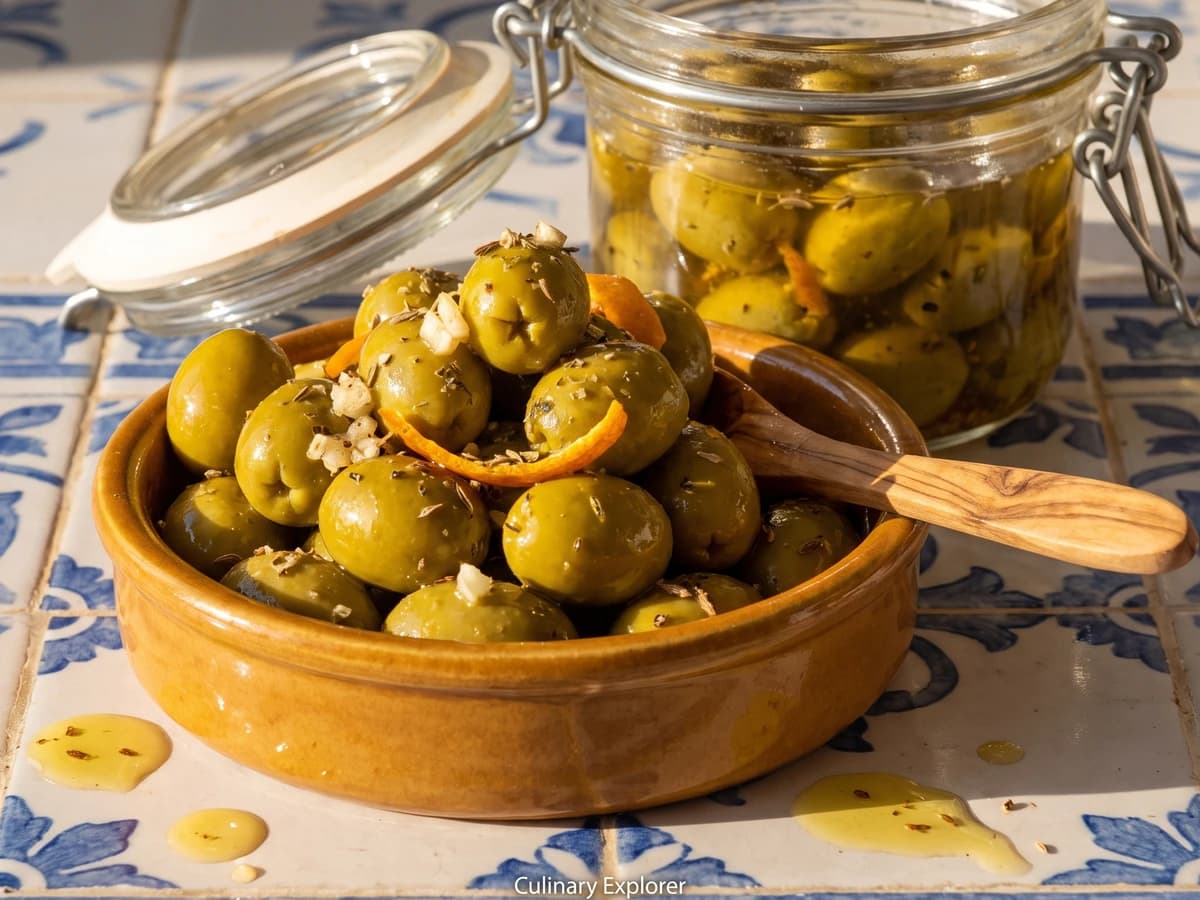
Andalucía's green olives are cracked just enough to drink in garlic, cumin, oregano and sherry vinegar, then left two days until the brine turns fragrant and every bite carries the aliño.
A cooking platform built around craft, culture, and the stories behind what we eat.
Created by
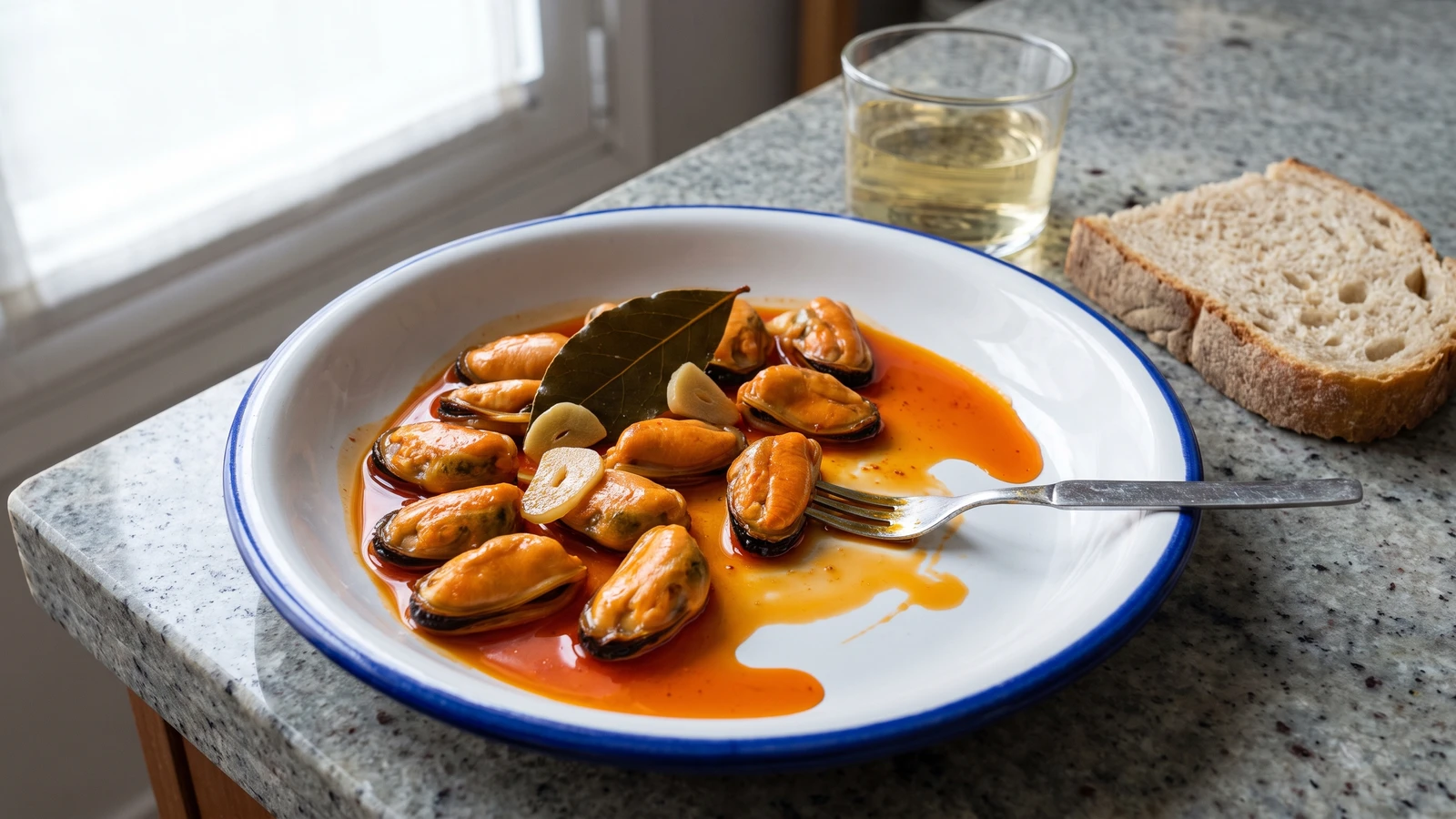
Galician mejillones en escabeche are plump mussels steeped in a brick-red marinade of wine vinegar, olive oil, pimentón, garlic, and bay, the beloved conserva made plainly in a home kitchen.
Mejillones en escabeche are Galician: plump mussels from the cold rías, opened just until tender, slipped from their shells, and steeped in a brick-red escabeche of olive oil, wine vinegar, pimentón, garlic, and bay. That sharp, smoky liquor makes this dish different from mejillones al vapor, mussels served straight from the pot. Here the waiting is part of the cooking.
The method that decides it is simple. Remove each mussel as soon as its shell opens. Leave the whole pot boiling until the last stubborn shell gives up and the first mussels turn rubbery; the vinegar will only tighten them further. Cook them in batches if your pot is crowded, then pour the escabeche over them warm, never fiercely hot. After a night in the refrigerator, the mussels will have taken on the vinegar and pimentón without losing their tenderness.
Far from Galicia, use the freshest rope-grown mussels you can buy. Prince Edward Island or other farmed blue mussels are smaller than many Galician mussels, so begin checking them after two minutes and expect a little less meat from each shell. If Pimentón de la Vera is beyond reach, use a good sweet paprika with a restrained smoky flavor; the escabeche will be less rounded, but it will still be recognizably itself. My Margin says only this: stop cooking while they are still plump. Siempre sale, si lo sigues.
Galicia's Rías Baixas shelter nutrient-rich Atlantic water where mussels are grown on ropes hanging from wooden floating rafts called bateas. Escabeche came through Andalusi Arabic from the older sikbaj tradition of vinegar-dressed cooking, and its acid, oil, and spices helped cooked seafood keep before refrigeration. Galician conserverías joined that preserving method to the abundant mussel harvest, making the red tin of mejillones en escabeche one of the region's defining conservas.
Quantity
2kg
scrubbed and debearded
Quantity
100ml
Quantity
180ml
Quantity
4 cloves
thinly sliced
Quantity
2
Quantity
8
Quantity
6g, about 2 level teaspoons
Quantity
120ml
Quantity
120ml
Quantity
1g
use only after tasting
| Ingredient | Quantity |
|---|---|
| fresh live musselsscrubbed and debearded | 2kg |
| dry white wine | 100ml |
| extra virgin olive oil | 180ml |
| garlicthinly sliced | 4 cloves |
| bay leaves | 2 |
| black peppercorns | 8 |
| sweet Pimentón de la Vera | 6g, about 2 level teaspoons |
| white wine vinegar | 120ml |
| strained mussel cooking liquor | 120ml |
| fine sea salt (optional)use only after tasting | 1g |
Keep the mussels cold until you are ready to cook. Scrub the shells under cold running water and pull away the fibrous beards. Discard cracked mussels. Tap any open shell firmly against the counter; if it does not close within a minute, discard it as well. Do not leave the mussels soaking in fresh water, which weakens and eventually kills them.
Pour the white wine into a wide pot and bring it to a brisk boil. Add the mussels, cover, and cook over medium-high heat. After 2 minutes, uncover and begin lifting out the mussels as their shells open. Cover the pot between checks and continue for no more than 5 minutes in total. Discard any shells that remain firmly closed. Do not keep the open mussels cooking while you wait for one stubborn shell; this is the step that keeps them plump.
When the mussels are cool enough to handle, remove the meat from the shells and place it in a shallow glass or glazed ceramic container. Pour the cooking liquid through a fine sieve lined with damp cheesecloth or a clean coffee filter, leaving any grit behind. Measure exactly 120ml for the escabeche. Pésalo, no lo adivines. Too much liquor makes the marinade weak and watery.
Put the olive oil, sliced garlic, bay leaves, and peppercorns in a small nonreactive saucepan. Set it over low heat and cook gently for 4 to 5 minutes, until the garlic is pale gold and smells sweet. It must not turn brown. Remove the pan from the heat and wait 30 seconds.
Stir the pimentón into the warm oil for 10 seconds. Add the vinegar carefully, because it may spit, followed by the measured mussel liquor. Return the pan to low heat and let the escabeche barely simmer for 3 minutes. Taste a cooled spoonful before adding salt; the mussel liquor may already have given it enough. The finished liquid should taste brighter and sharper than you want at the table, because the mussels and cold resting time will soften it.
Let the escabeche stand for 5 minutes, then pour it warm over the mussels. Turn them gently so every piece is coated, with the garlic and bay tucked among them. Use a container narrow enough for the liquid to cover most of the mussels. Leave it uncovered for 15 minutes, then cover and refrigerate promptly. Turn the mussels once after 2 hours if the top layer is not submerged.
Leave the mussels in the refrigerator for at least 12 hours, preferably 24. Take them out 15 to 20 minutes before serving so the olive oil loosens, then stir gently and spoon them into a shallow dish with enough escabeche to pool around them. Serve with bread for the red oil. No parsley, no lemon, no extra decoration. The escabeche has already done the finishing.
1 serving (about 130g)
Culinary guides, cultural storytelling, and the editorial depth that makes cooking meaningful.
Discover Culinary ExplorerChef Isabel
Andalucía's green olives are cracked just enough to drink in garlic, cumin, oregano and sherry vinegar, then left two days until the brine turns fragrant and every bite carries the aliño.
Chef Isabel
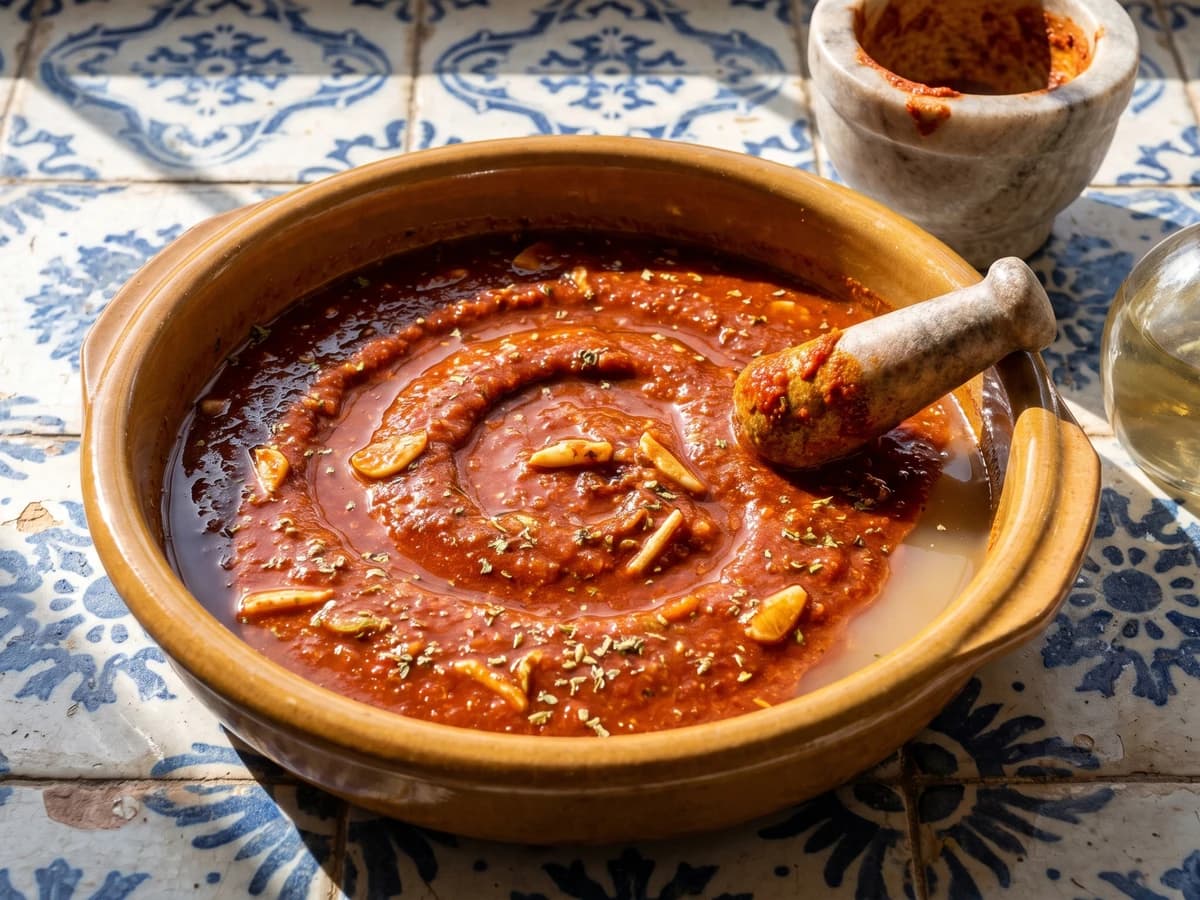
Andalucía's sharp, brick-red marinade brings vinegar, garlic, oregano, cumin and pimentón to fish and pork; pound the seasonings first, then give the acid time to carry them through.
Chef Isabel
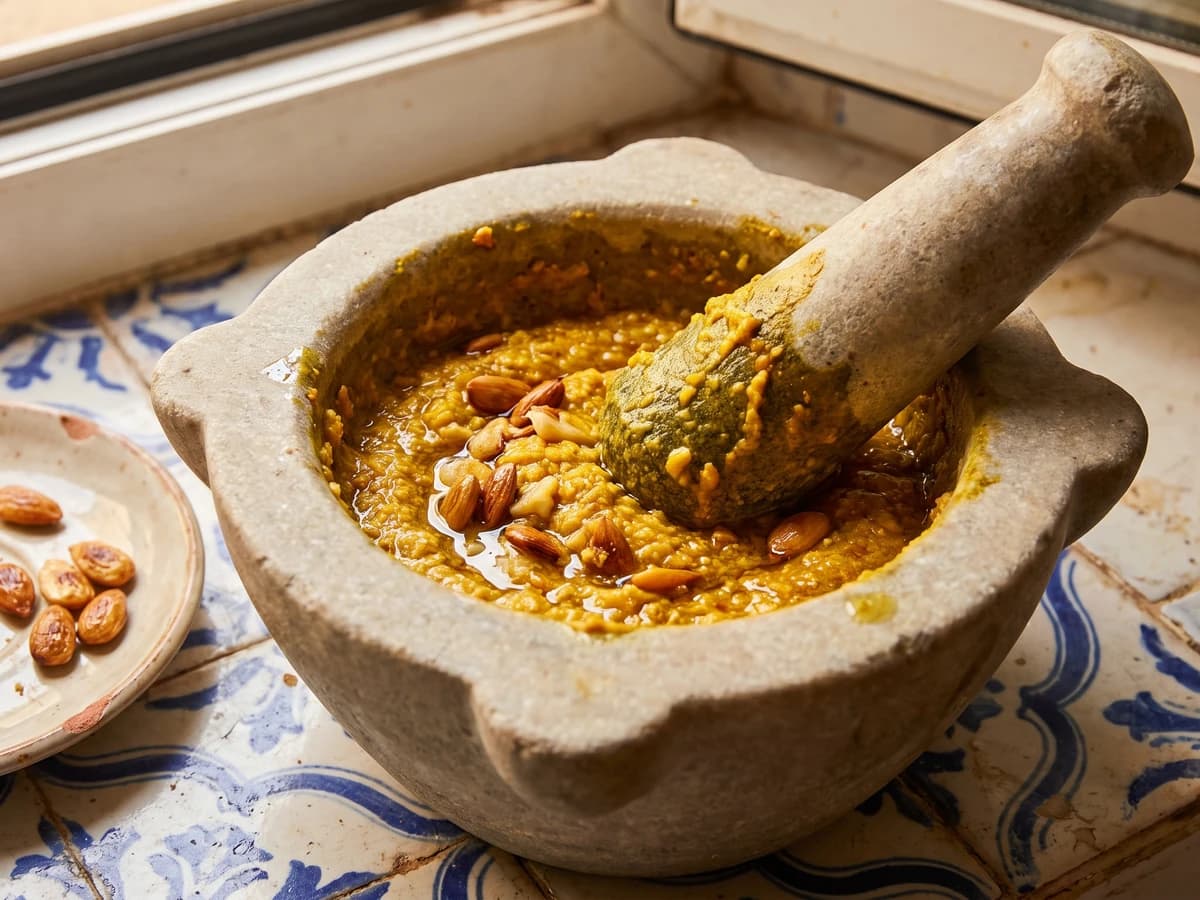
Almería's ajopollo turns fried garlic, almonds, bread and saffron into a golden mortar paste that gives modest fish and potato guisos their body, richness and unmistakable southern depth.
Chef Isabel
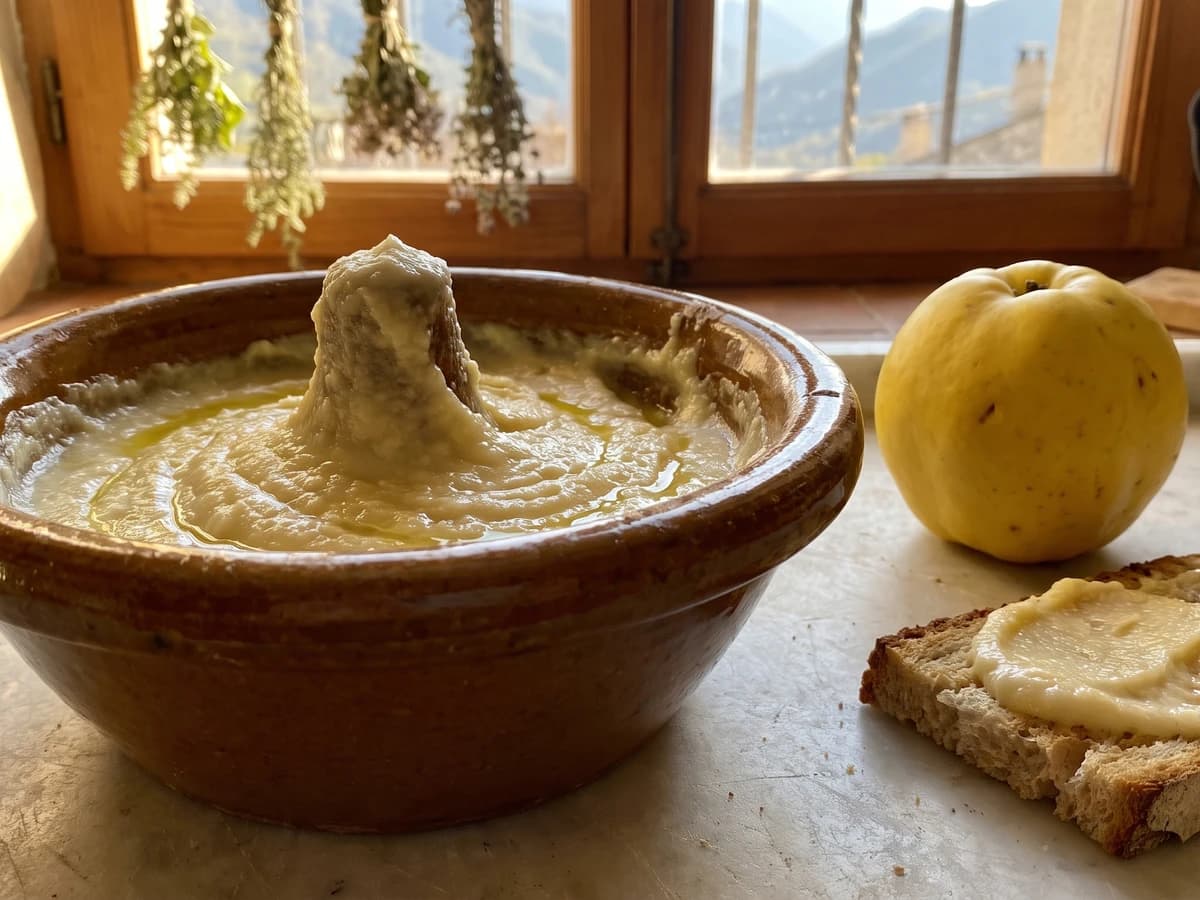
Allioli de codony belongs to the Catalan Pyrenees: boiled quince, raw garlic, salt, and olive oil worked into a thick, fragrant sauce for grilled meat, sausages, bread, and the autumn table.