Chef Isabel
Abanico Ibérico a la Plancha
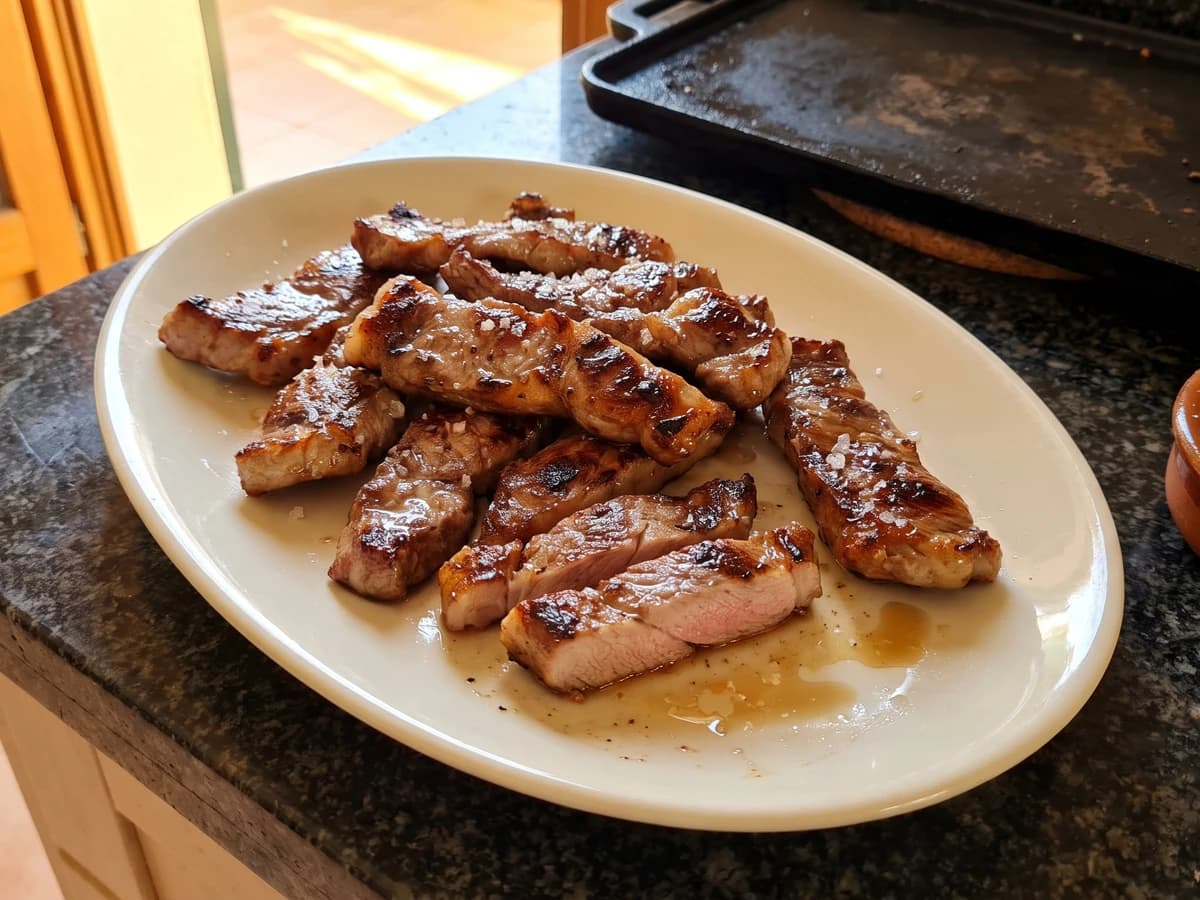
Extremadura's dehesa gives us this fan-shaped, marbled rib cut: salt it at the last moment, lay it on a fierce plancha, and count in seconds so the centre stays juicy.
A cooking platform built around craft, culture, and the stories behind what we eat.
Created by
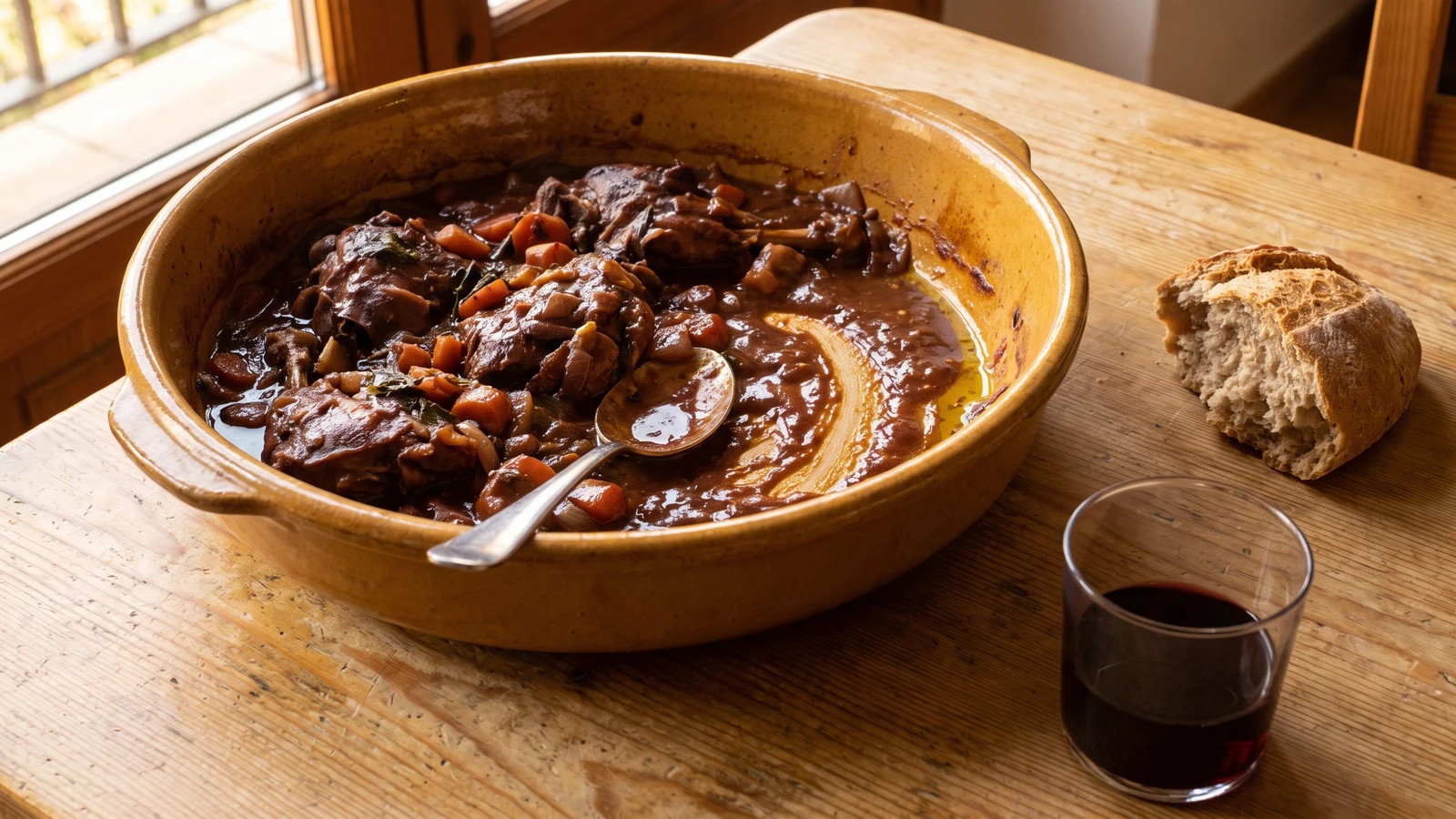
Liebre estofada is Castile's deep winter game stew: red-wine-marinated hare, browned well and braised gently with a dark onion sofrito until the lean meat loosens and the sauce clings.
Liebre estofada castellana is the hunting stew of Castile, across the open country of Castilla y León and Castilla-La Mancha. Dark, lean hare is held overnight in red wine and aromatics, browned, then cooked beneath a close lid with onion, carrot, tomato and bay. A final majado, the old pounded thickener of fried bread, garlic and the hare's liver, gives the wine sauce its depth. This isn't conejo al ajillo or a quick rabbit casserole. Hare asks for darker wine, a heavier sauce and much more time.
The heat decides it. Keep the braise at a bare tremble until the thigh meat loosens easily from the bone. Hare has little fat and plenty of working muscle, so a hard boil tightens it before its connective tissue has time to soften. A hard boil won't hurry it; it only gives you tough meat sooner. Build the sofrito low until the onion is dark gold and the tomato has lost its raw sharpness, then let the covered pot do the rest.
If hare is unavailable, use two meaty farmed rabbits of the same total weight. Marinate them for four hours and begin checking after sixty minutes; the result will be paler, milder and properly called conejo estofado, but it is the honest substitute a Castilian kitchen would make. No hace falta haber pisado España, you don't need to have set foot in Spain. My Margin says the clock gives an estimate and the fork gives the answer. Siempre sale, si lo sigues: it turns out if you follow it.
Hare belongs to the caza menor, the small-game larder of the Castilian meseta, where it was cooked during the colder hunting months after the grain fields and vineyards had quieted. Red wine, the vegetables of the household store and long covered cooking made a deeply flavored meal from an animal that could otherwise remain stubbornly tough. Older household versions often use the liver in a bread-and-garlic majado; when the collected blood is worked into the sauce, the preparation moves toward civet de liebre, a related but distinct dish.
Quantity
1 (1.8 to 2kg)
jointed into 8 to 10 pieces, liver reserved if supplied
Quantity
750ml
Quantity
400g
thinly sliced
Quantity
250g
sliced 5mm thick
Quantity
6 cloves
4 lightly crushed and 2 peeled whole
Quantity
2
Quantity
4 sprigs
or use 1 teaspoon dried thyme
Quantity
2g
Quantity
16g
Quantity
80ml
Quantity
30g
Quantity
200g
peeled and grated
Quantity
35g
use 50g if the liver is unavailable
Quantity
60 to 80g
trimmed
Quantity
300ml
| Ingredient | Quantity |
|---|---|
| dressed harejointed into 8 to 10 pieces, liver reserved if supplied | 1 (1.8 to 2kg) |
| dry red wine, preferably a young Tempranillo | 750ml |
| onionsthinly sliced | 400g |
| carrotssliced 5mm thick | 250g |
| garlic4 lightly crushed and 2 peeled whole | 6 cloves |
| bay leaves | 2 |
| fresh thymeor use 1 teaspoon dried thyme | 4 sprigs |
| freshly ground black pepper | 2g |
| fine sea salt | 16g |
| extra virgin olive oil | 80ml |
| plain flour | 30g |
| ripe tomatoespeeled and grated | 200g |
| day-old country breaduse 50g if the liver is unavailable | 35g |
| hare liver (optional)trimmed | 60 to 80g |
| unsalted light meat stock or water | 300ml |
Put the hare in a nonreactive container with the wine, onions, carrots, 4 crushed garlic cloves, bay, thyme and black pepper. Turn the pieces so every surface is wet, cover and refrigerate for 8 to 12 hours, turning once if the meat isn't completely submerged. The wine seasons the surface and softens the wild edge of the hare; the long braise, not the marinade, will make it tender.
Lift out the hare and strain the marinade, reserving the wine and vegetables separately. Retrieve and keep the bay and thyme. Pat every piece thoroughly dry with kitchen paper, then season with 10g of the salt. Dust lightly with the flour and shake off every loose patch. Wet meat stews in the pan instead of browning, and pale meat gives a pale, thin sauce.
Heat 50ml of the olive oil in a 5 to 6 litre heavy casserole over medium-high heat. Brown the hare in three batches, giving each broad side 3 to 4 minutes until properly chestnut-colored. Don't crowd the pot and don't keep moving the pieces. Transfer each browned batch to a tray while you finish the rest.
Lower the heat to medium and add 15ml oil. Fry the bread and the 2 whole garlic cloves for 1 to 2 minutes per side, until deep gold but not scorched, then transfer them to a mortar. If you have the liver, cut it into 3cm pieces and cook for 4 to 5 minutes, turning, until firm and cooked through with no raw centre. Pound the liver, bread and garlic into a thick paste. Without the liver, use 50g bread in all; the sauce will be lighter and less game-rich, but still sound.
Add the remaining 15ml oil and the drained onions, carrots and crushed garlic to the casserole. Cook over medium-low heat for 20 to 25 minutes, stirring often and scraping up the browned residue, until the onion is dark gold, sweet and nearly dry. Add the grated tomato and cook for another 10 to 12 minutes, until it turns brick-red and the oil begins to show around the edges. This is the sofrito, the slow vegetable base. Rush it and the finished stew tastes of wine sitting on raw onion.
Pour in the reserved wine marinade and scrape the base clean with a wooden spoon. Bring it to a full rolling boil and keep it there for 8 minutes, reducing it by about one quarter. The marinade touched raw hare, so this firm boil is not optional. Add the stock or water, the remaining 6g salt, the bay and thyme, then return the browned hare and any juices from the tray. The liquid should reach roughly two-thirds of the way up the meat.
Bring the liquid only to a gentle simmer, cover tightly and place the casserole in an oven heated to 150°C conventional, 140°C fan, or 300°F. Braise for 2 hours, turning the pieces once after the first hour. Check a hind leg with a fork: if the meat still grips the bone, cover and continue for 20 to 40 minutes. The thickest piece must reach at least 71°C or 160°F, but temperature alone doesn't mean tenderness. The fork must enter easily.
When the hare is nearly tender, loosen the majado with about 150ml of hot liquid from the casserole, stirring until smooth. Fold it into the sauce without breaking the meat. Cover and cook for another 20 minutes. If the hare is already fully tender, lift it out first and let the majado cook in the sauce alone so the meat doesn't dry while the sauce thickens.
Lift the hare onto a warm tray and discard the bay and thyme stems. Blend the sauce briefly with an immersion blender, or pass it through a food mill, then simmer uncovered for 5 to 10 minutes until it coats the back of a spoon with a dark, glossy layer. Taste for salt, return the hare and warm it gently for 5 minutes. Take the pot off the heat and rest it, covered, for 15 minutes before serving. Spoon plenty of sauce over every piece.
1 serving (about 480g)
Culinary guides, cultural storytelling, and the editorial depth that makes cooking meaningful.
Discover Culinary ExplorerChef Isabel
Extremadura's dehesa gives us this fan-shaped, marbled rib cut: salt it at the last moment, lay it on a fierce plancha, and count in seconds so the centre stays juicy.

Chef Isabel
Aletría Murciana is Murcia's humble noodle guiso: fine fideos, pork ribs, potato, saffron, and a dark sweet sofrito. Get that base right and the pot knows where it's going.
Chef Isabel
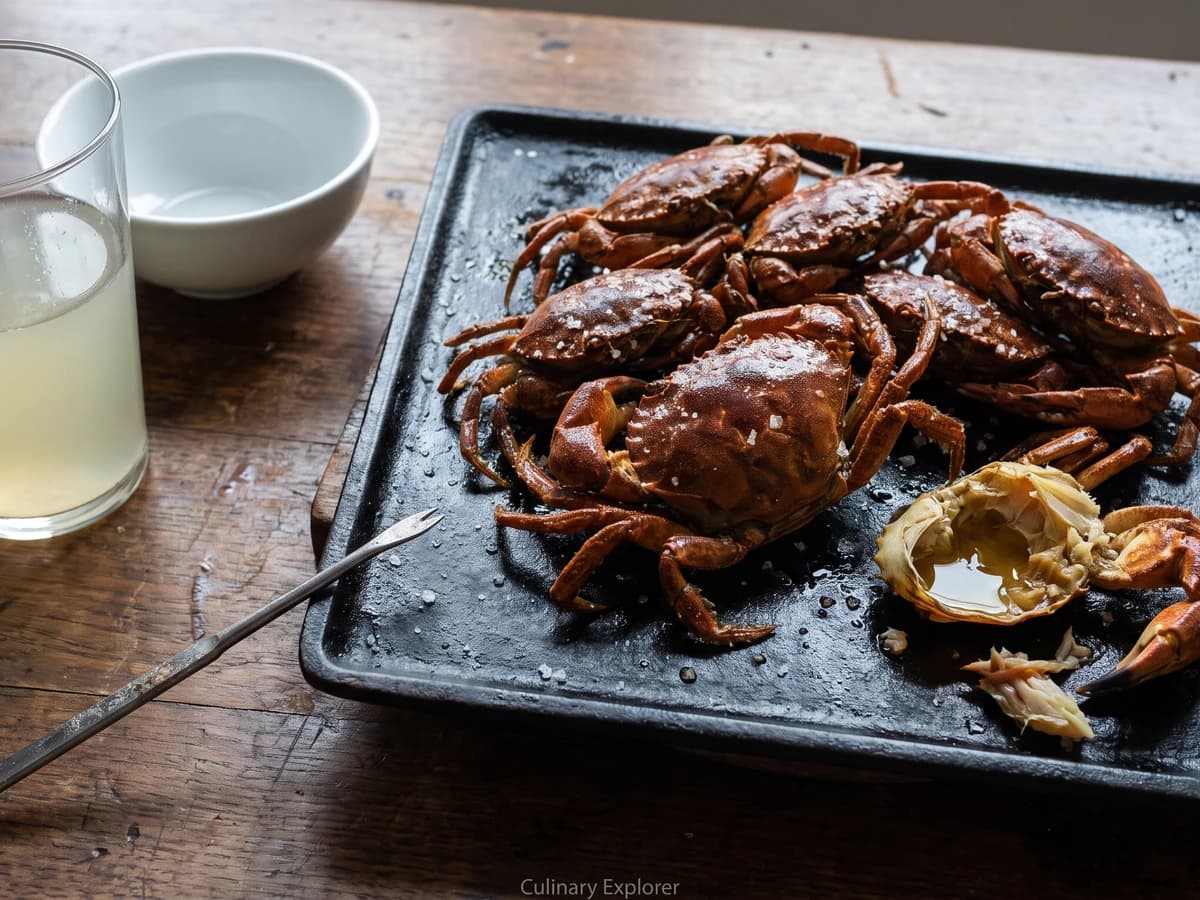
Asturias puts its small velvet crabs straight on a fierce plancha with salt and oil, keeping the shell liquor sweet and briny. Dry them well, cook them fast, and bring plenty of napkins.

Chef Isabel
Andrajos are Andalucía's dough-rag stew from Jaén and Granada: a slow rabbit guiso thickened with torn sheets of flour dough, rolled thin so they cook tender instead of gummy.